“This is the final call for flight UC101. Departing at 1300 hours from Gate 9 for Space Station X…” With a bit of imagination, this abandoned airport boarding bridge could be a gateway to another reality…
Category: 2013
Rolling
Abandoned rolling-stock, or so we thought. They’d been sitting there idle for years, but within a couple of weeks of our visit- they had disappeared without a trace…


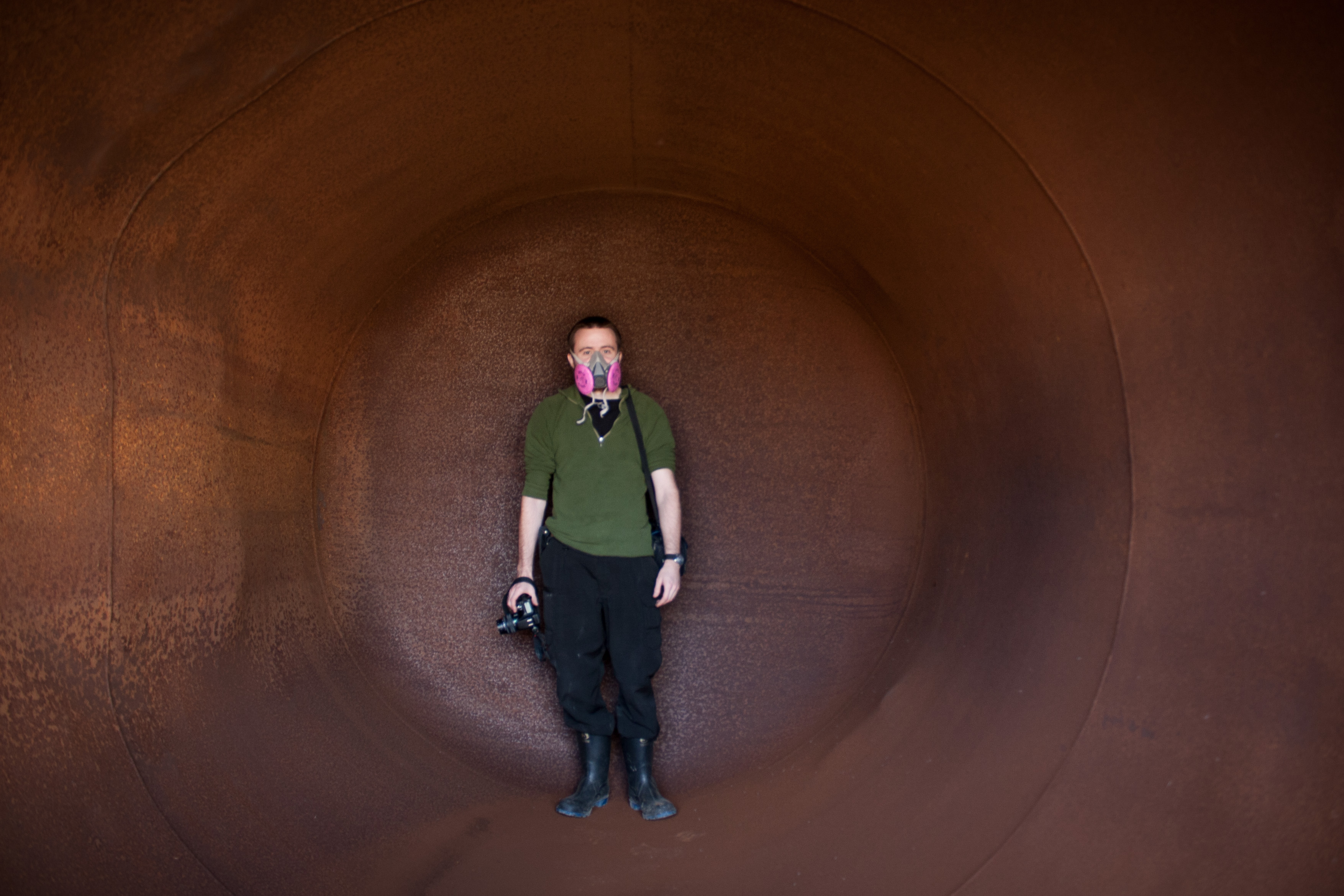
Drainspotting
“Never play on the train tracks”- but no one said anything about playing under the tracks…
Subterranean
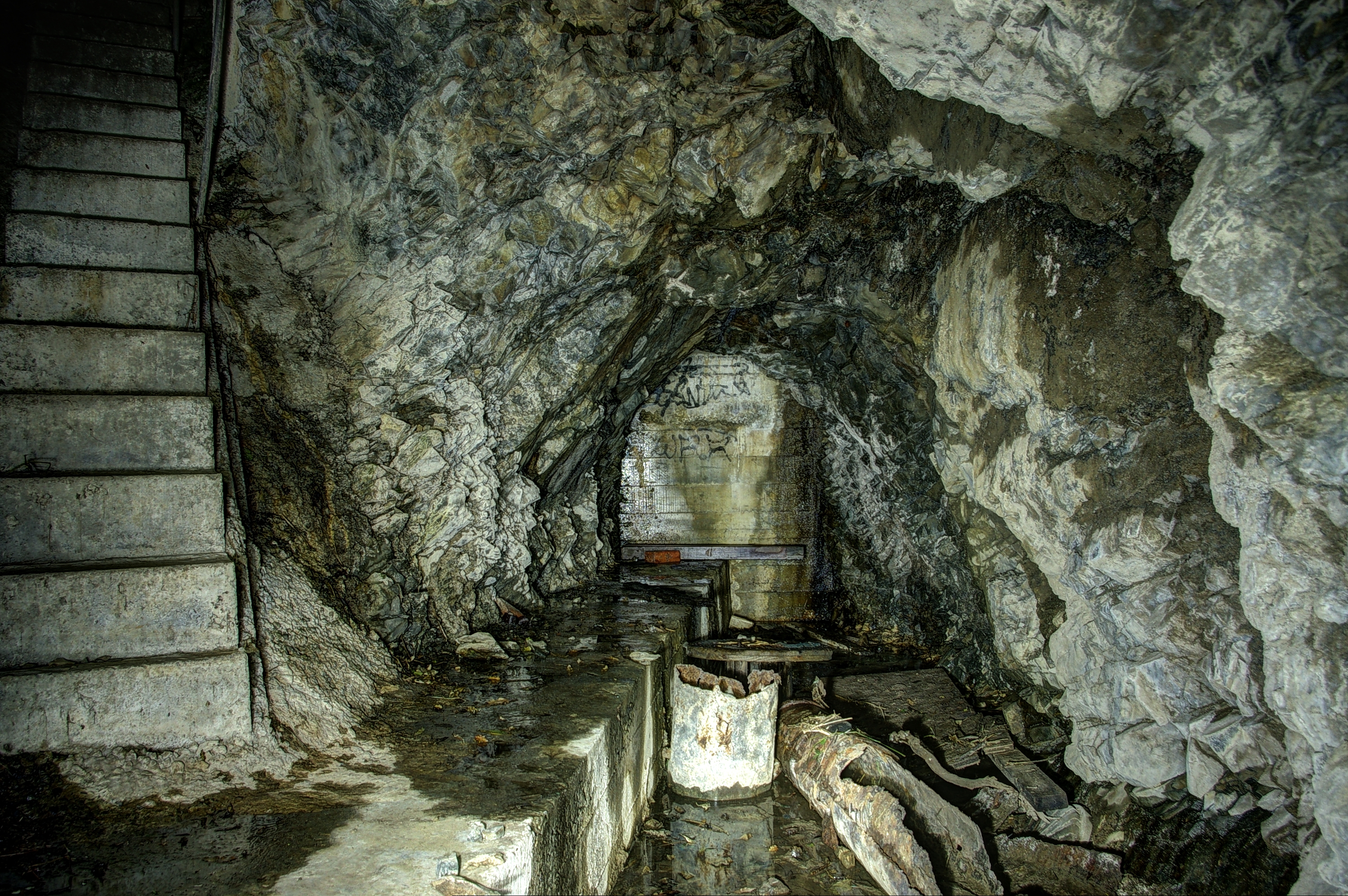
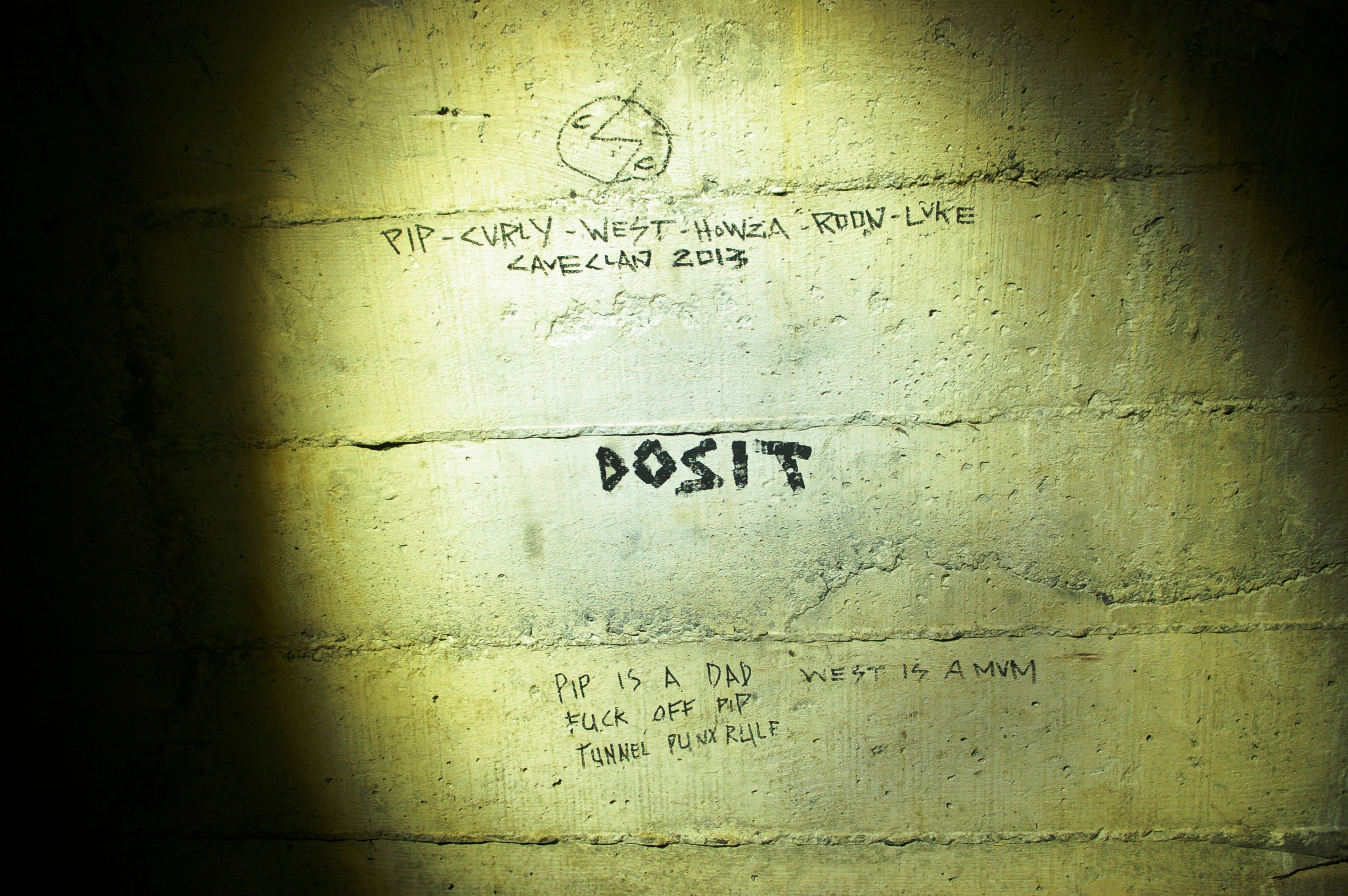
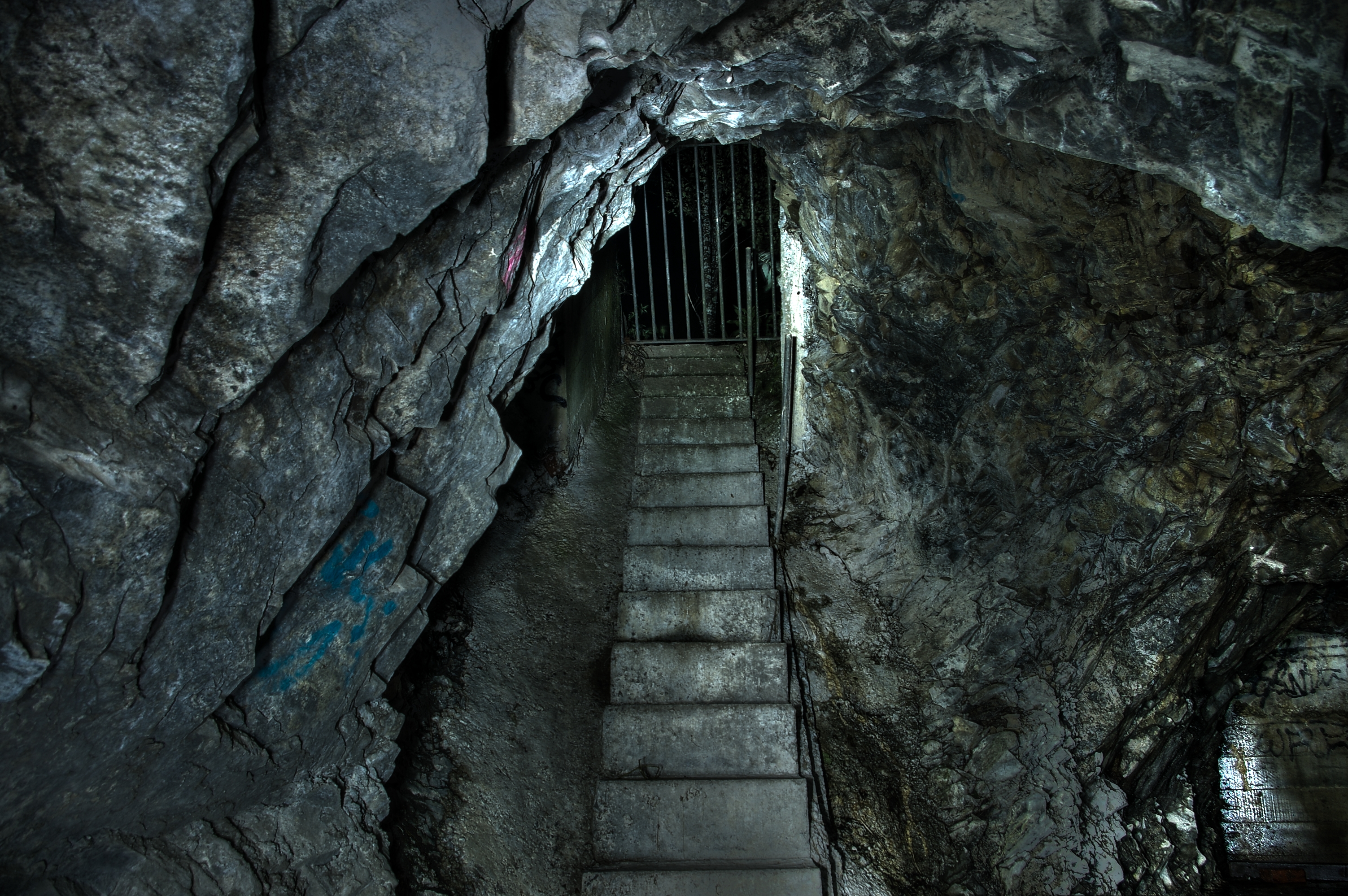
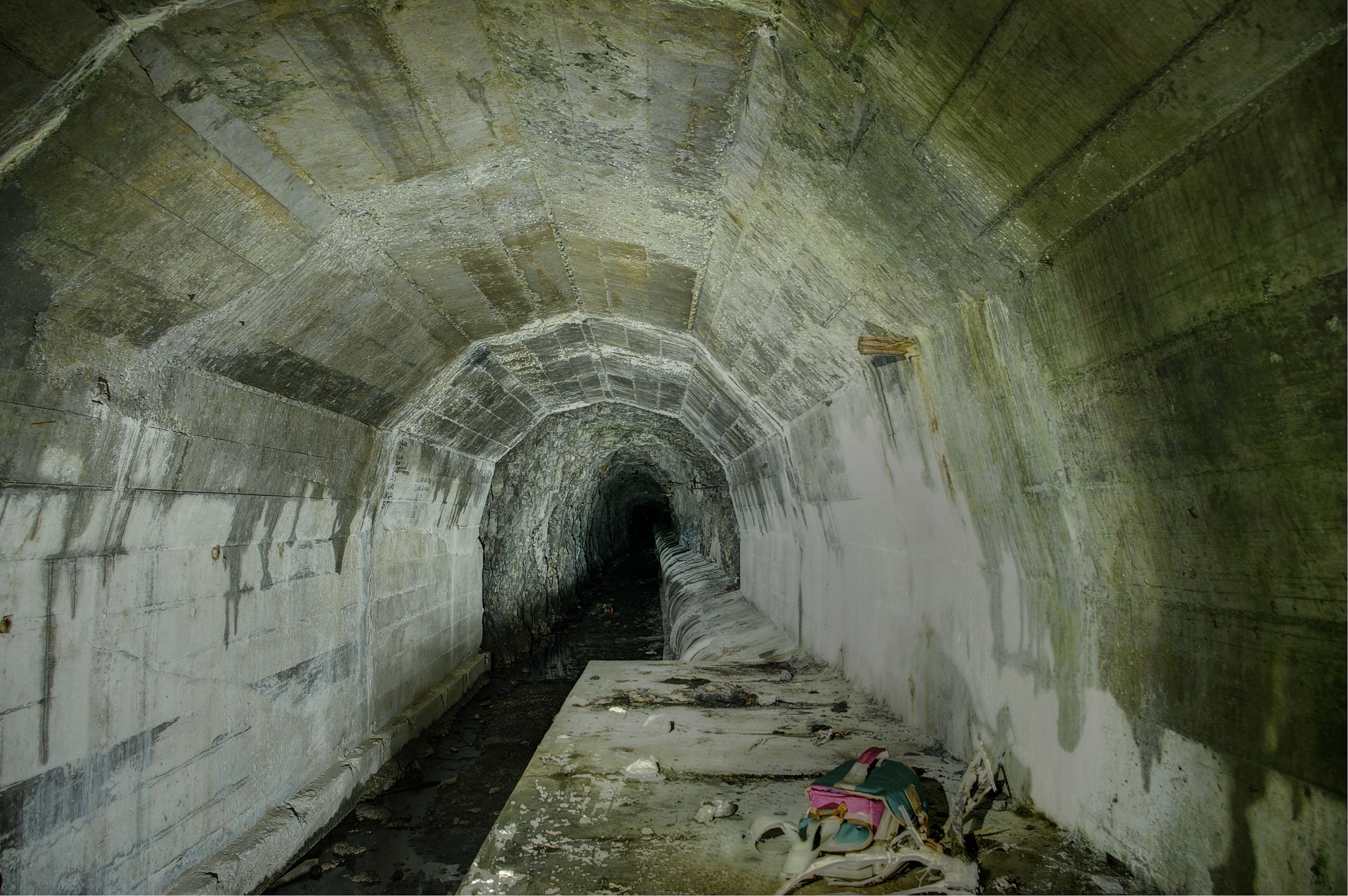
We returned to an old haunt, some tunnels hewn through the Wellington hills, to find that some visitors from the Cave Clan had been through since our last visit. These tunnels run right through the hills carrying sewage in an enclosed pipe, the tunnels themselves have been hewn from the rock and the bare rocks are visible throughout. It was rumored that a large amount of money was hidden in these tunnels after a notorious Wellington bank robbery, council workers were sent in to investigate and the money was never found.



In Vivo
In vivo (Latin for “within the living”) is experimentation using a whole, living organism as opposed to a partial or dead organism. Animal testing and clinical trials are two forms of in vivo research. On average around 300,000 animals per year are used in experimentation, testing and teaching in New Zealand – from cats and dogs to rabbits, deer, mice, rats, fish, birds, pigs, cows and guinea pigs. This particular former testing facility has been irresponsibly left to the ravages of time and vandalism, a haunting reminder of what we commit in the name of science.
Parkview
A retired Abortion Clinic known as Parkview, part of Ewart Hospital and the Wellington Hospital.
Opened in 1980 and short lived until it was forgone in 2000.
While it has been the subject of a lot of scrutiny and protest, it has been untouched and, ironically, resides next to a children’s kindergarten.


Bad Science
Some more Chemistry experiments from a former tertiary institution… This is both a sequel and companion to Gunner’s Big Science.






Pioneer Cottage
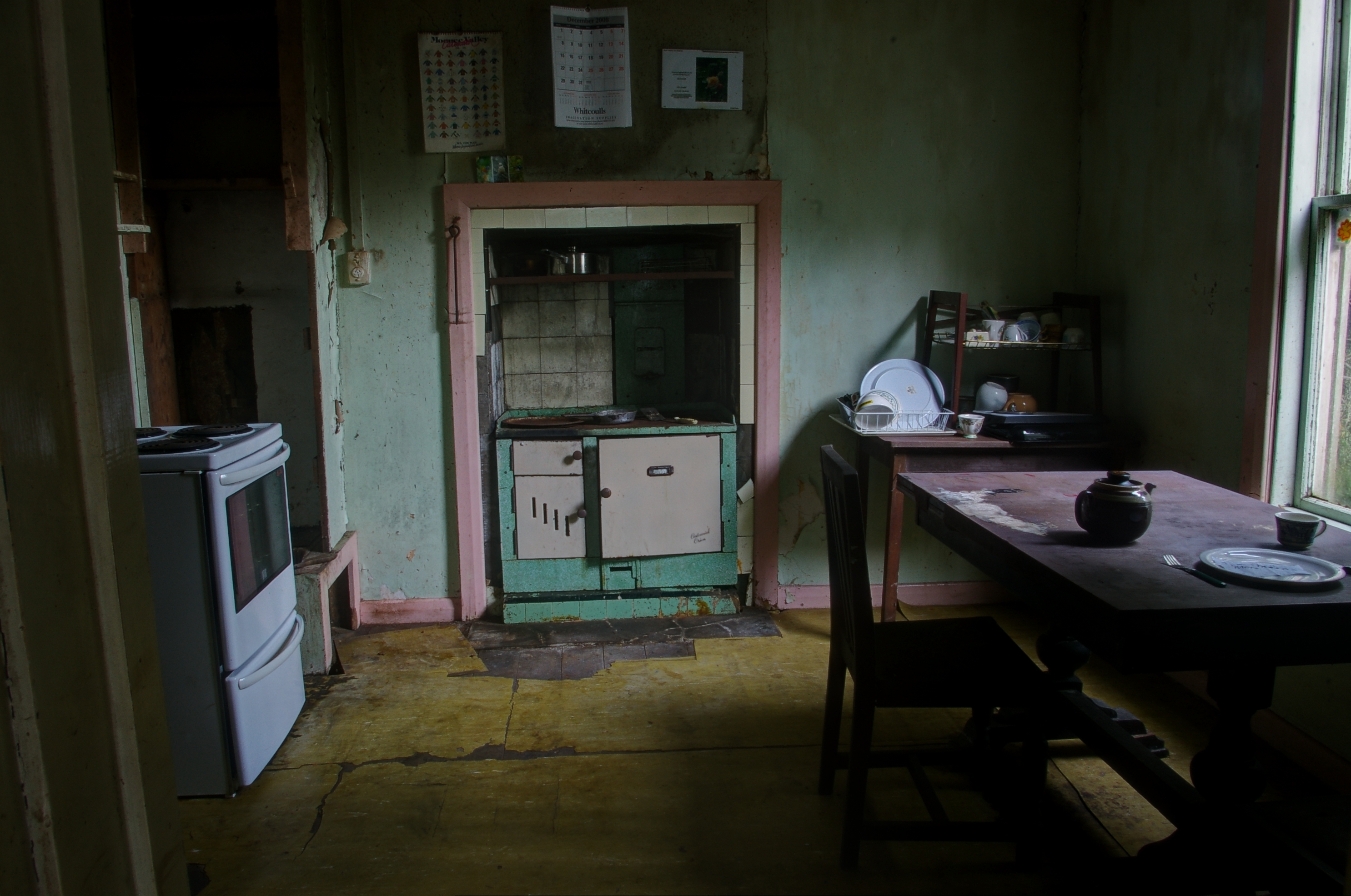
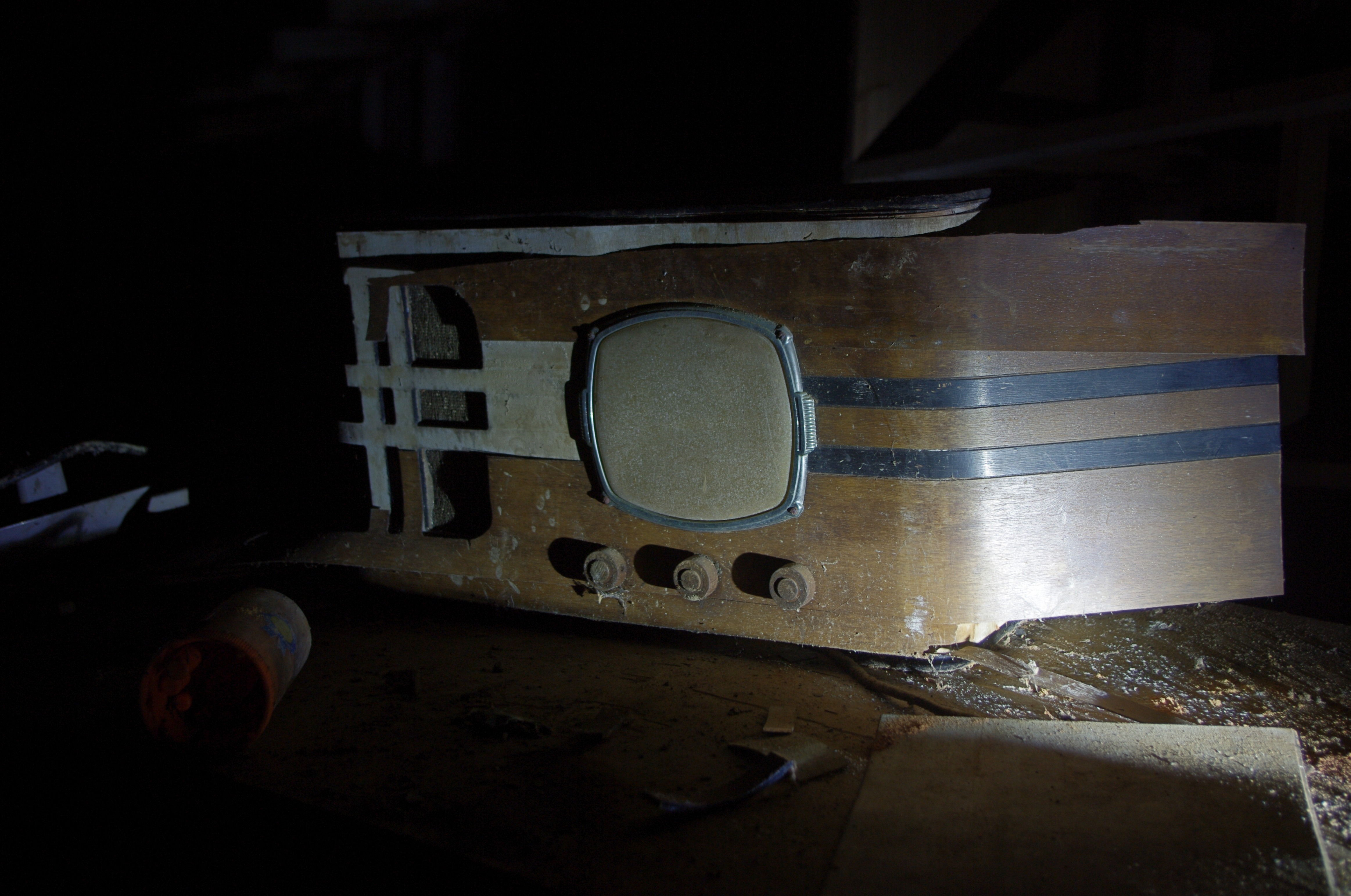
This abandoned house is trapped in time, there are numerous reminders of the history of this building scattered throughout. It is as if the occupants simply walked out 50 years ago, with dishes still drying in the kitchen…







Animal Testing Centre & Incinerator
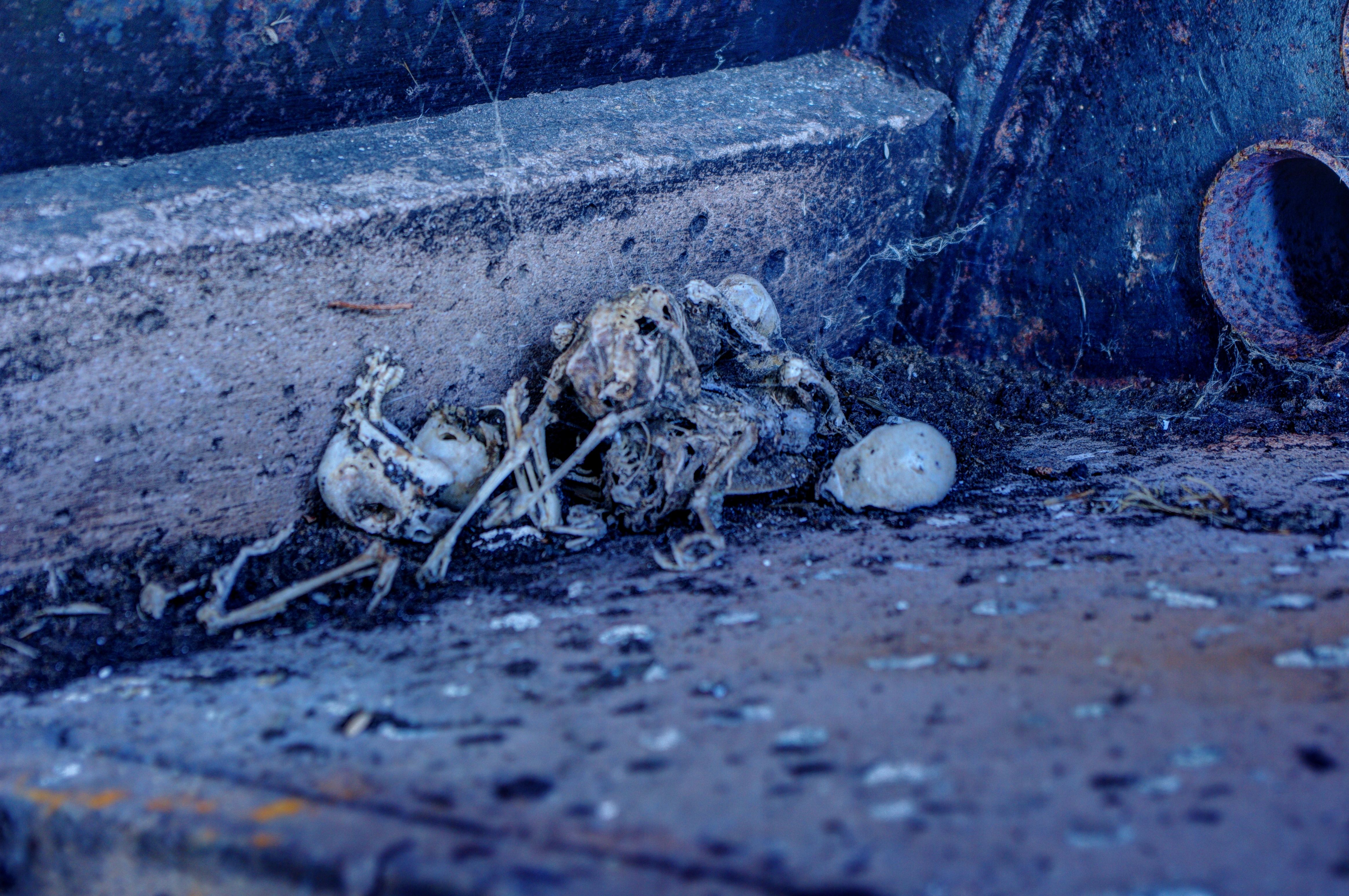
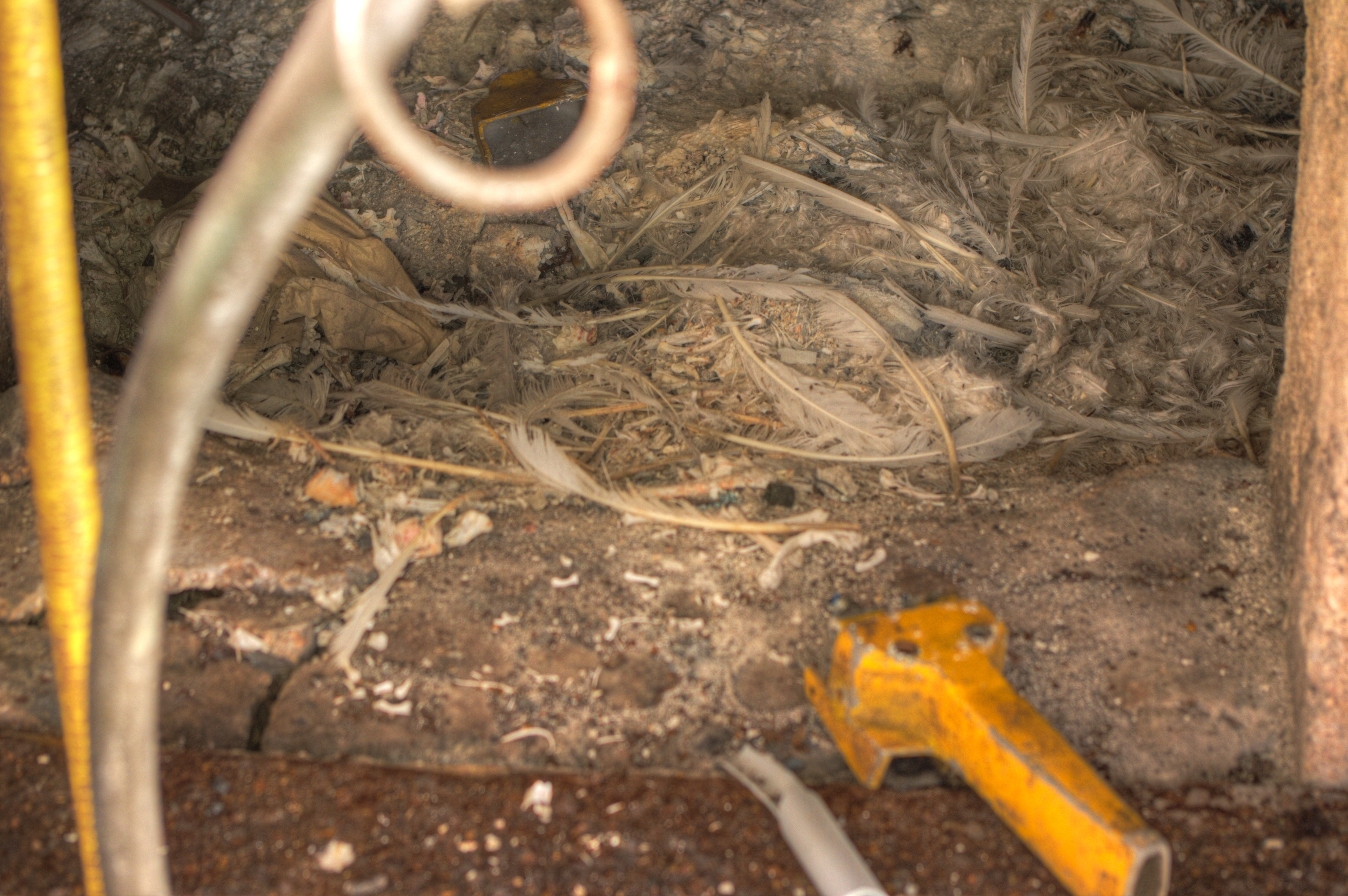
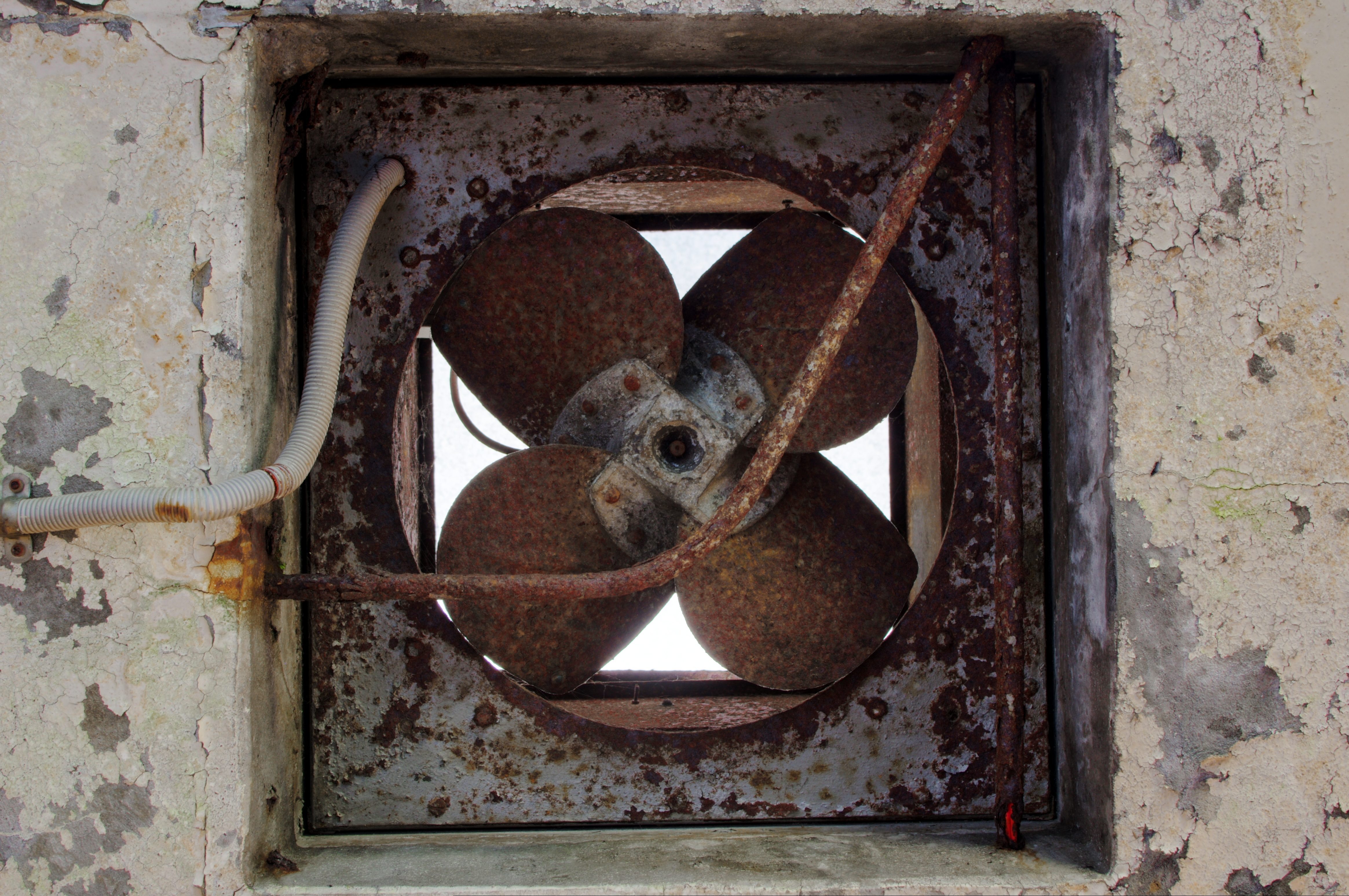
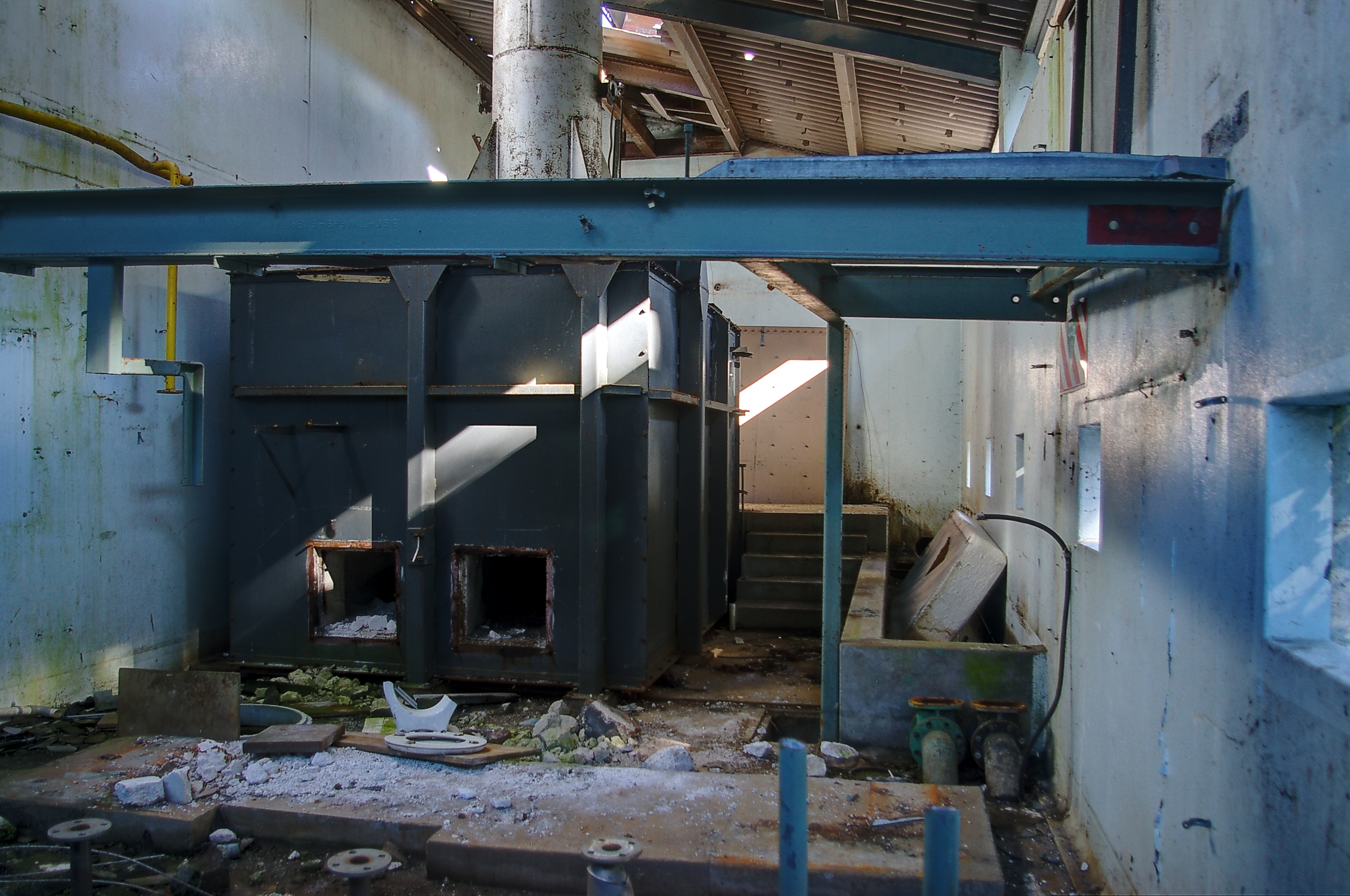
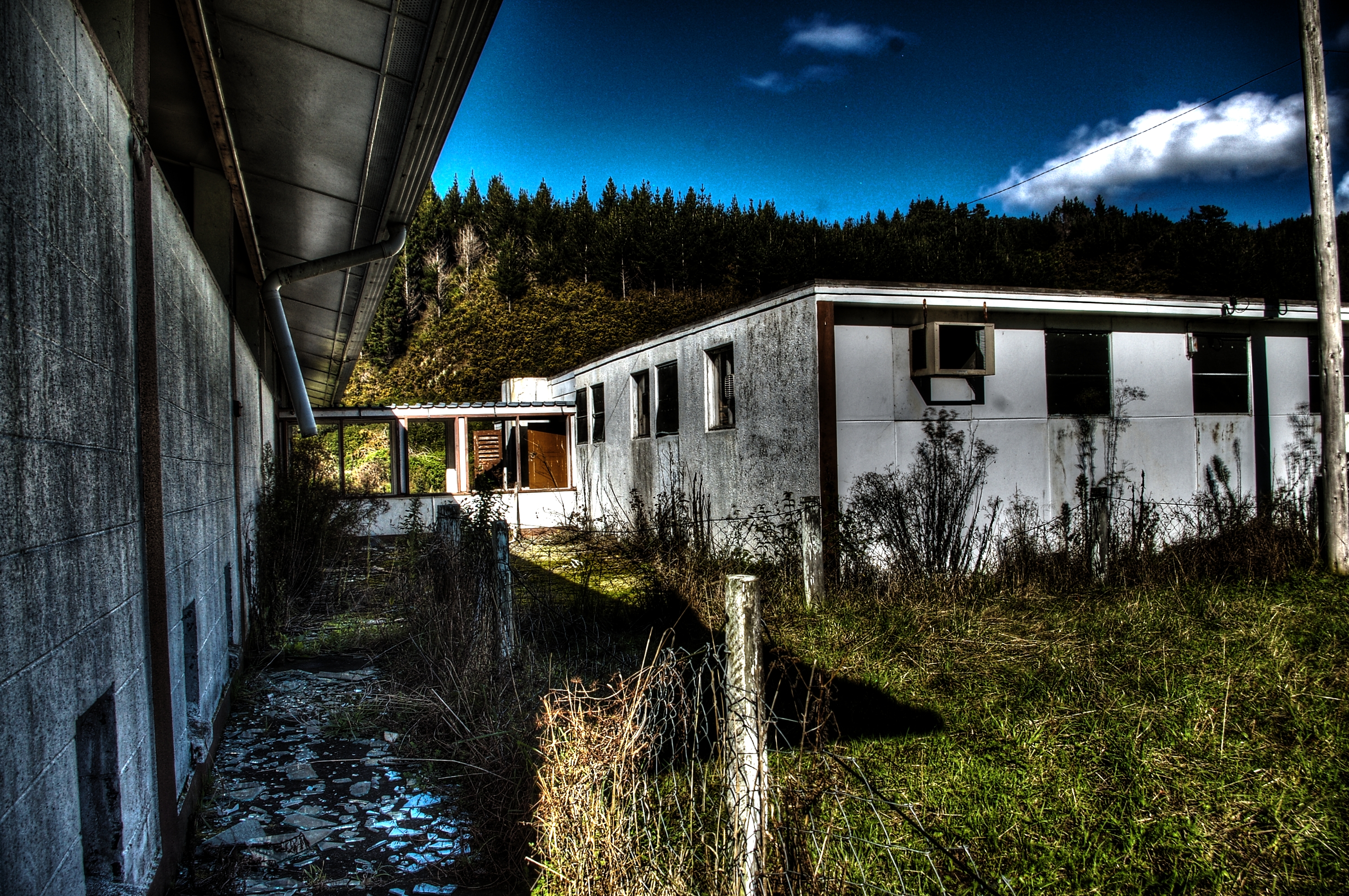
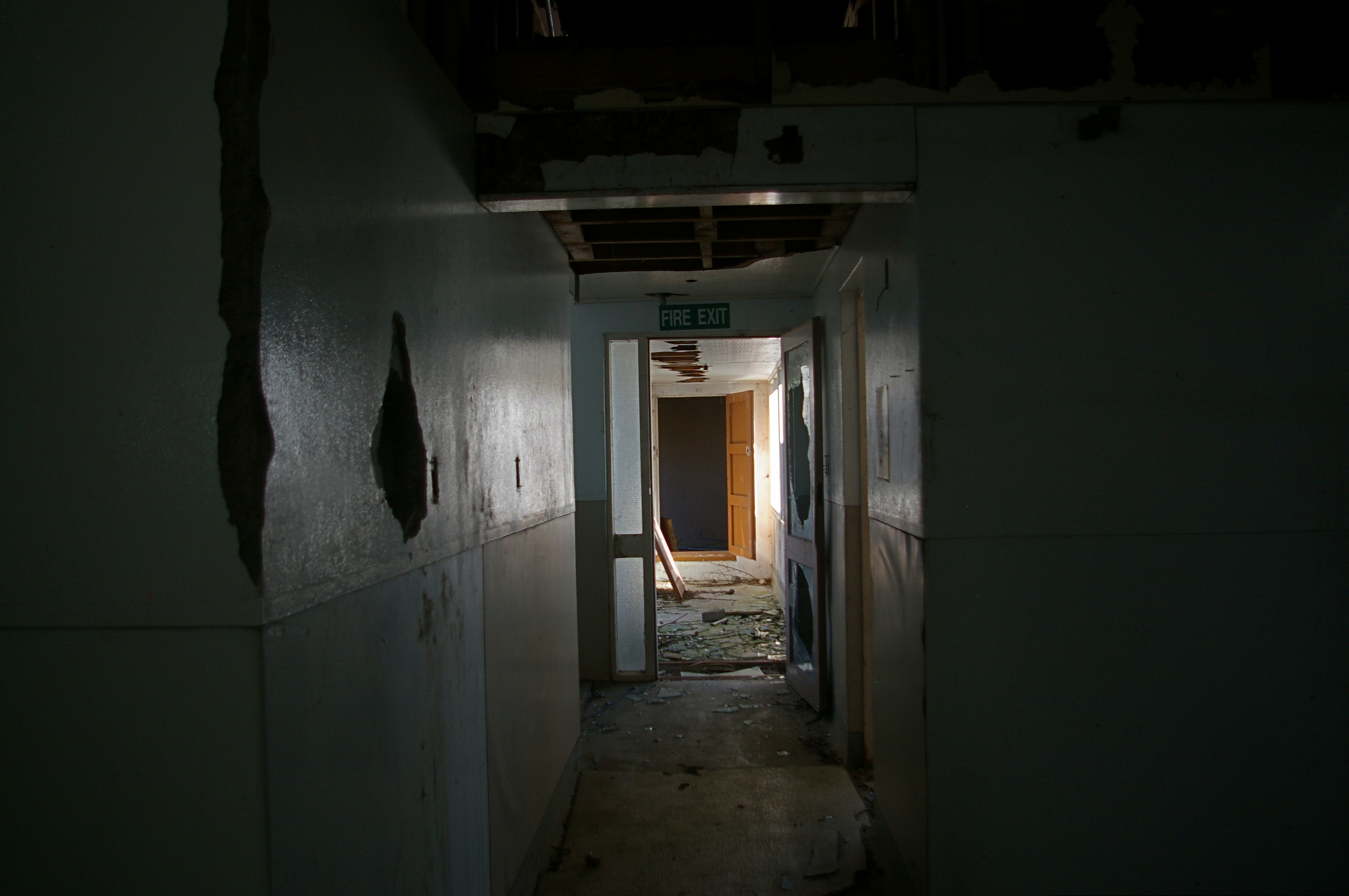
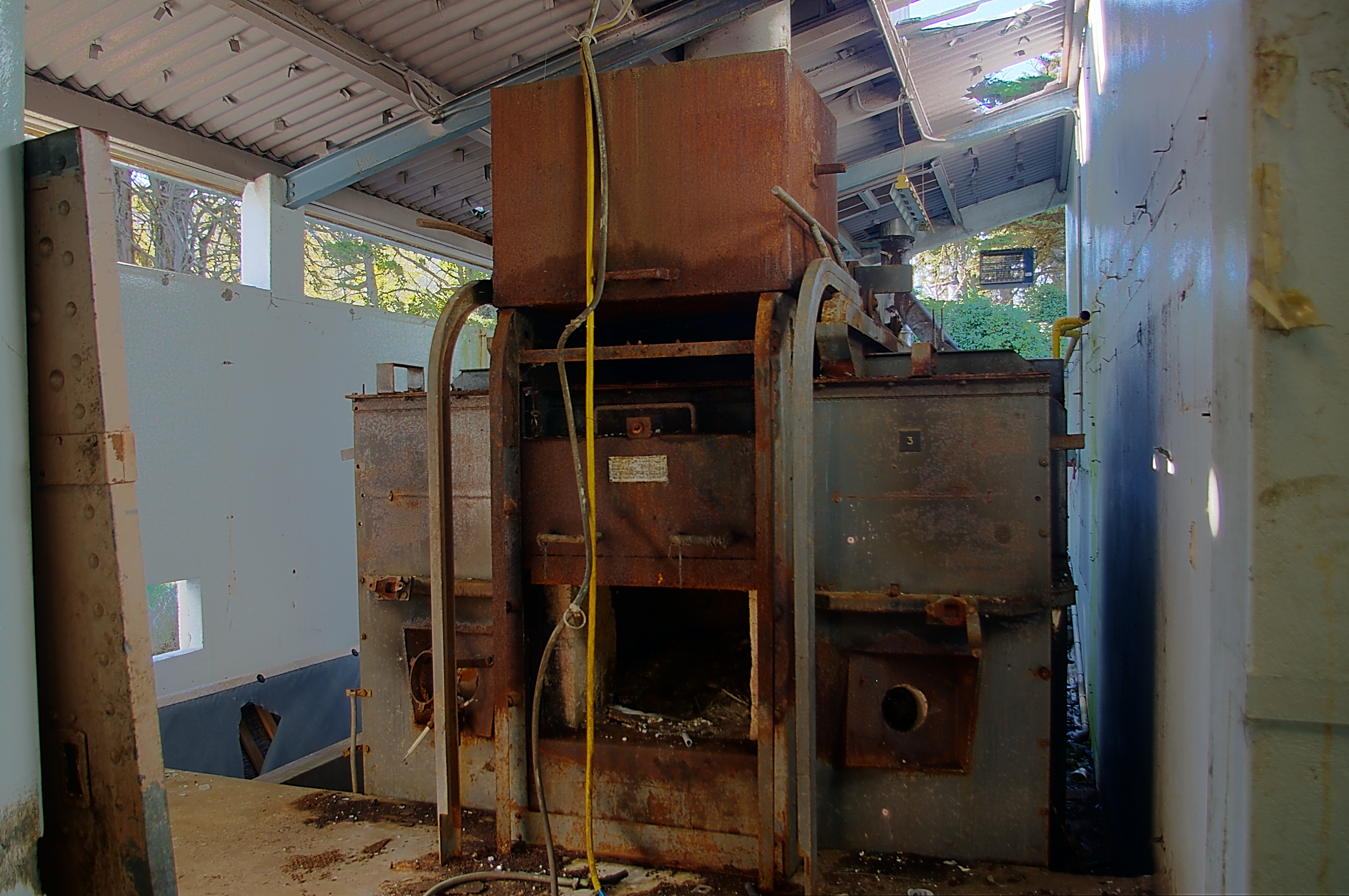
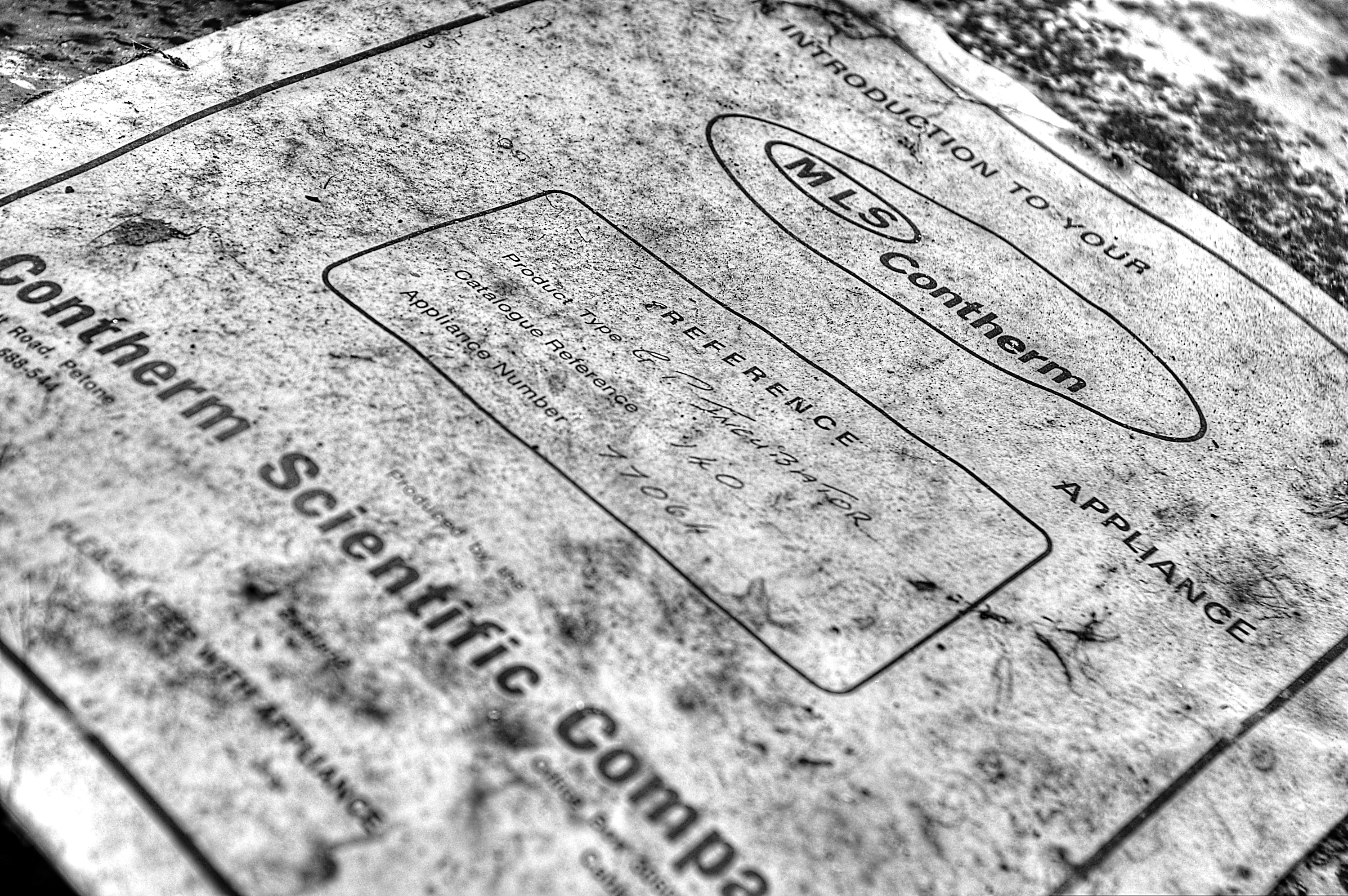
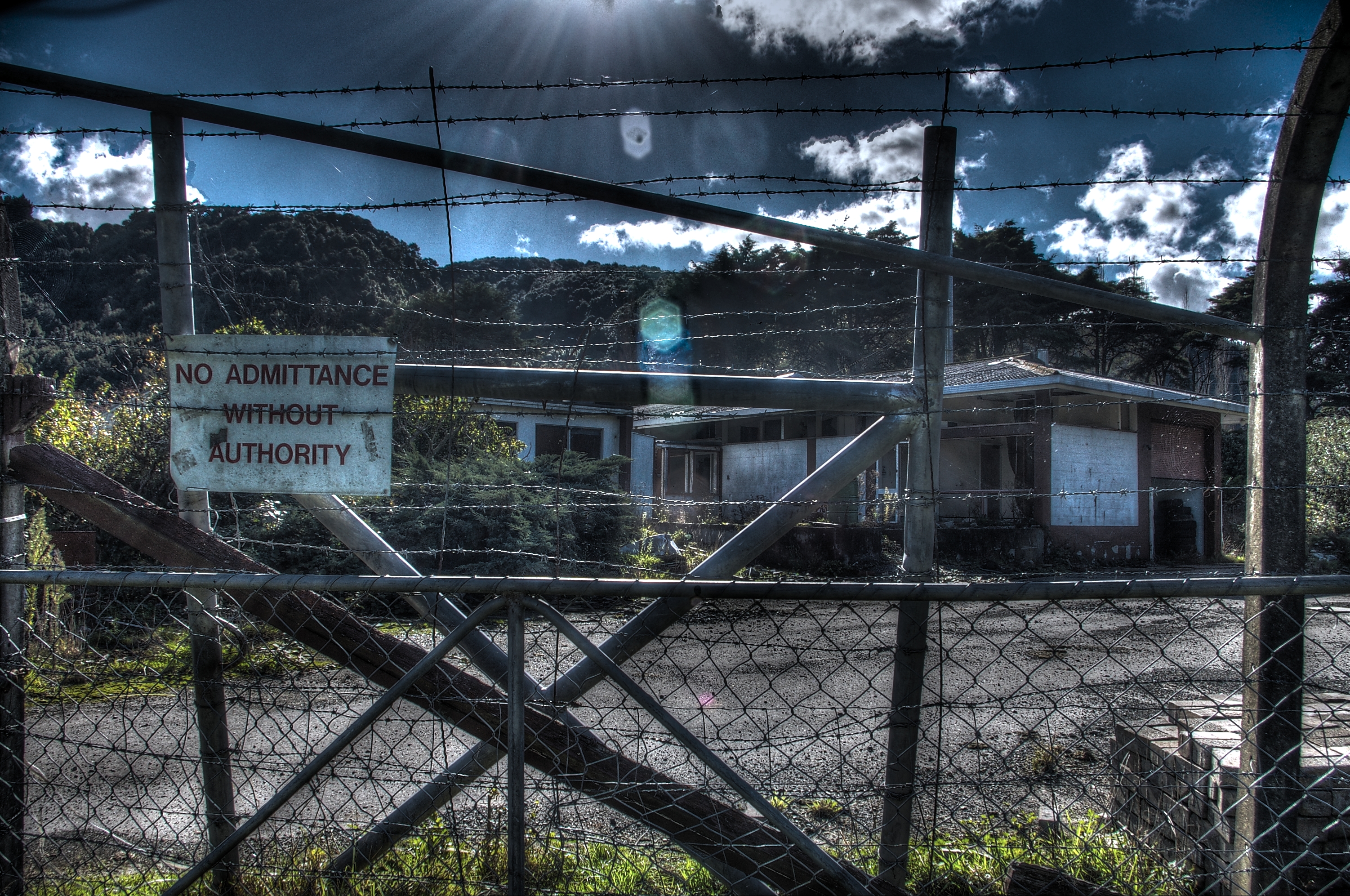
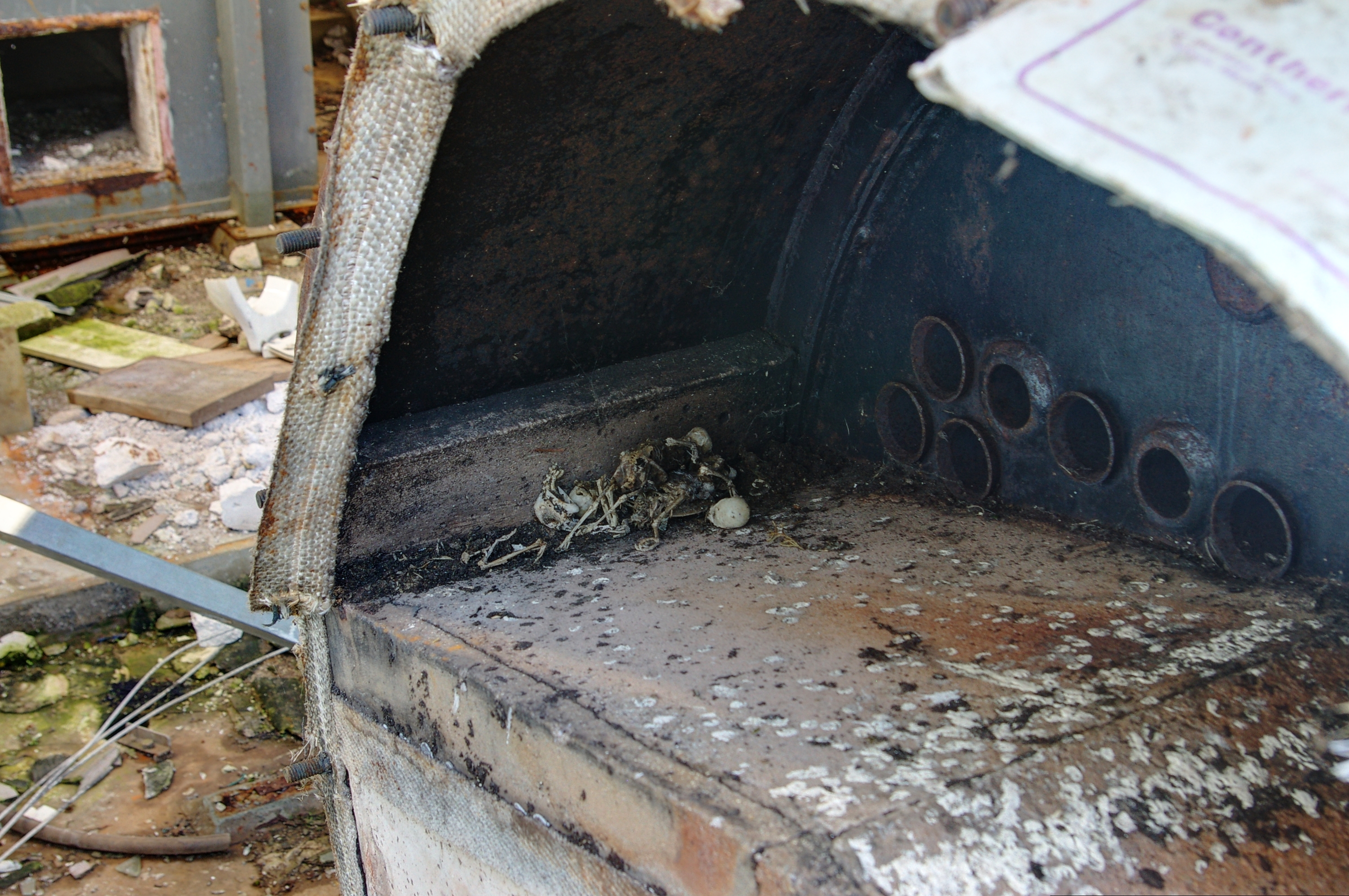
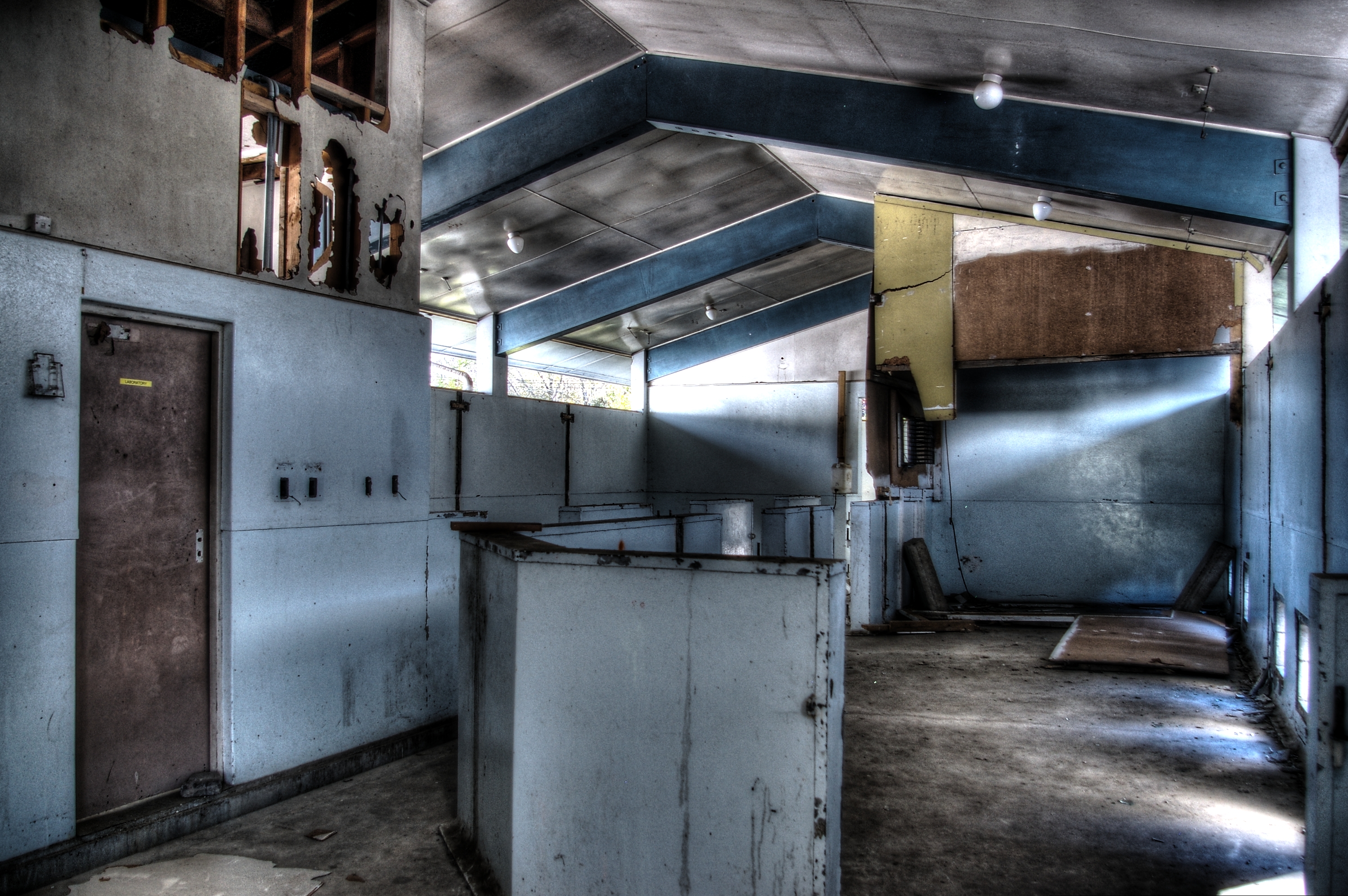
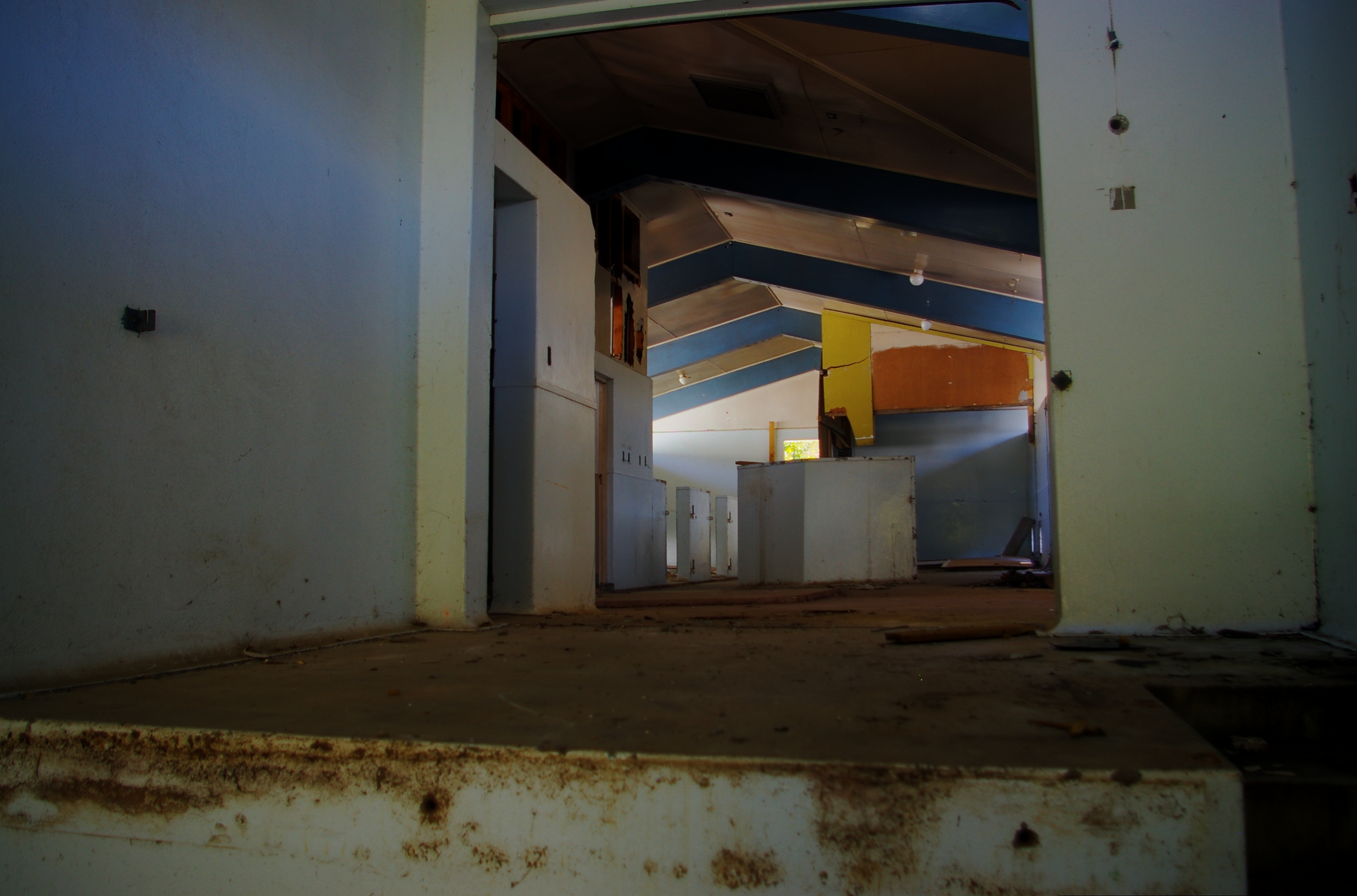
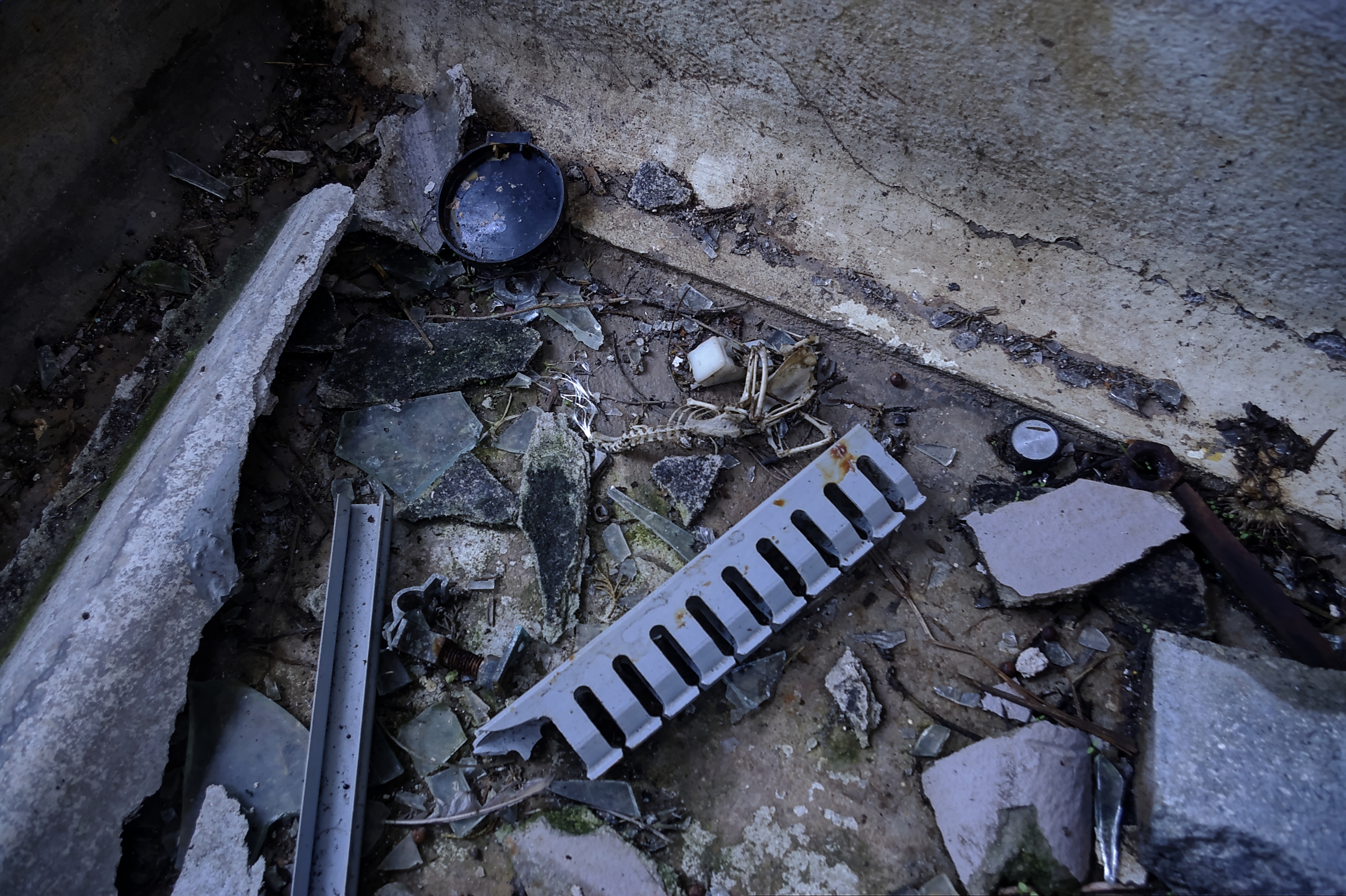
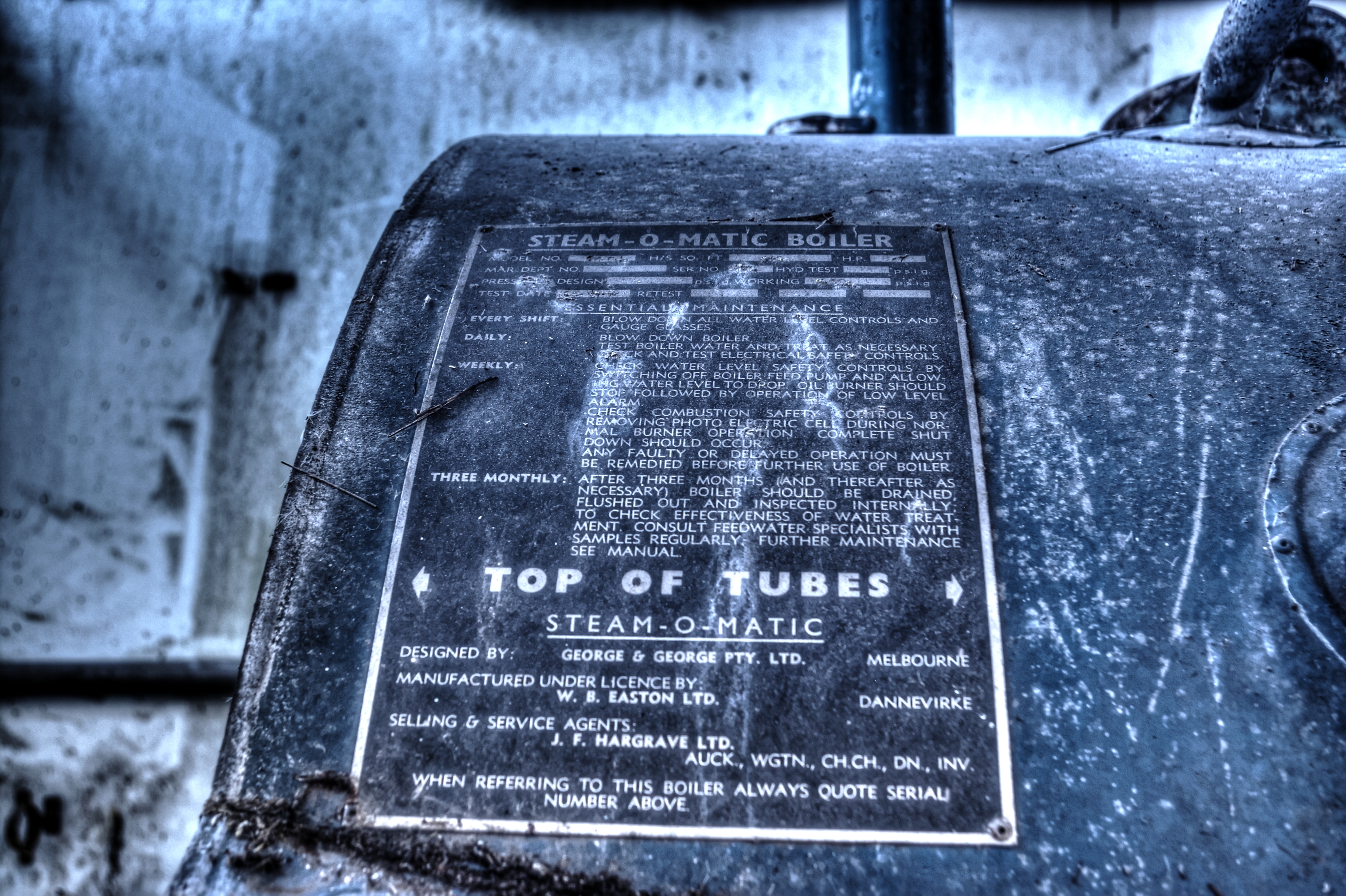
This abandoned animal testing facility has been abandoned for about 20 years apparently, despite that there are no signs of graffiti. Syringes and other detritus still litter the site and the bones & feathers of the test subjects still sit in the now rusted incinerators.






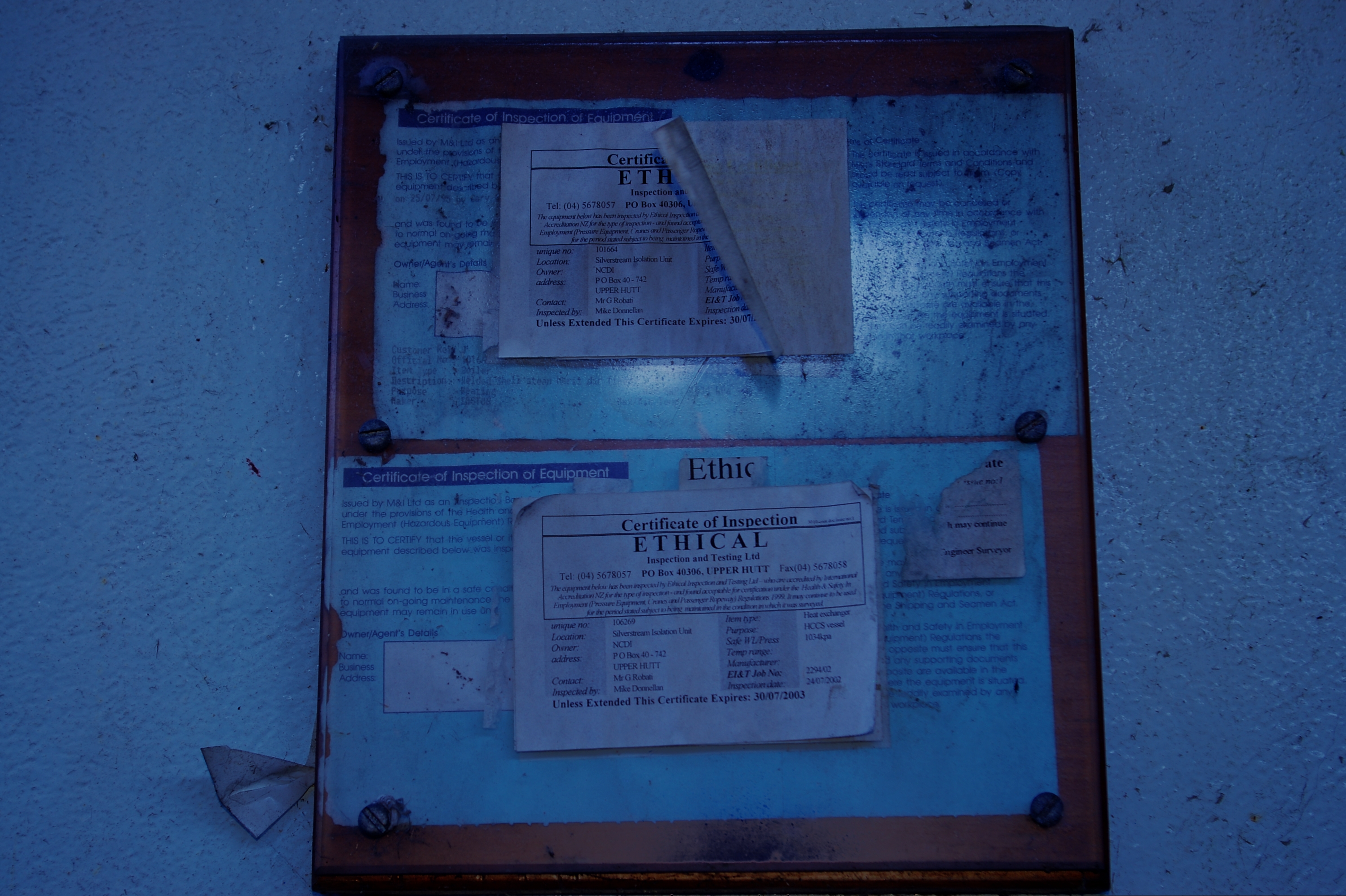



“Twelve five- to seven-day-old calves from a commercial dairy herd
were used in the trial. The herd had no contact with goats. The
calves had been fed pooled bovine colostrum that tested negative
for MmmLC. They were then transported to the Isolation Unit where they were housed indoors in two pens.
Six of the calves were dosed orally with MmmLC (5.4×10¹¹ colony
forming units or cfu) and the following day four control calves
were placed with them in the same pen.
Six days later the two remaining calves were inoculated
intravenously (IV) with MmmLC (7×10¹⁰ cfu) and placed with the
other calves. The calves were monitored for clinical signs and their
temperatures were measured daily for the first 14 days.
Nasal swabs and blood samples were collected from the day of oral
inoculation (day 0) until the day each calf was euthanased (the last
ones on day 43). Nasal swabs were collected on days 0, 2, 4, 6, 8 and
at necropsy; blood samples weekly and at necropsy. Necropsies
were carried out at regular intervals during the trial (see table) and
samples taken from tonsil, retropharyngeal and mesenteric lymph
nodes, trachea, lung, spleen, pericardial fluid and joint fluid (stifle,
carpal and hip). Both fresh and fixed samples were collected.
The nasal swabs and tissues were cultured for MmmLC. The same
samples plus bloods were tested in the CAP-21 polymerase chain
reaction (PCR)(3) for Mycoplasma mycoides cluster. The nasal swabs
were also tested in a generic PCR for mycoplasma(4) on days 0 and 2.
Serum samples were tested in the M mycoides complement fixation
test (CFT) using whole cell antigen(6). Histopathology was carried
out on the formalin fixed tissues
 U R B E X C E N T R A L