Category: Factories
Residual Controls
Part One: “Diocletian Allegories” [0:00] High-ceilinged and partially flooded, parts of the compound had the feeling of an ancient Roman bath.
Part Two: “The World As A Machine” [8:14] The generous size of the site felt all-encompassing: an industrial micro-world.
Part Three: “Residual Controls” [14:51] We always enjoy getting our fingers occupied in environments where museum rules don’t apply.
Above The Glass
A couple of old chimneys tower over an abandoned glass factory near the village of Krushevo, in the municipality of Sevlievo, in Gabrovo Province, northern central Bulgaria. Gunner thanks his generous and kind hosts, Nicola Miller and Jonathan Taylor.
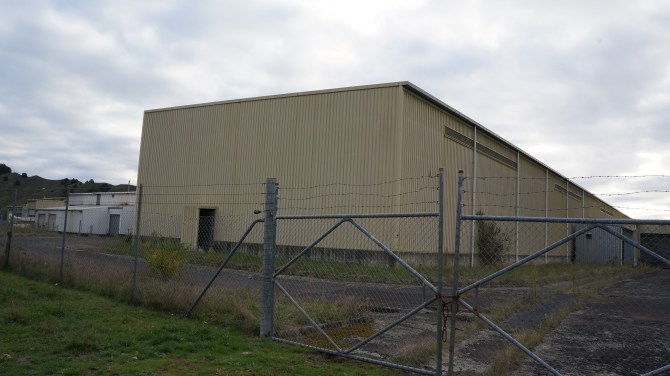
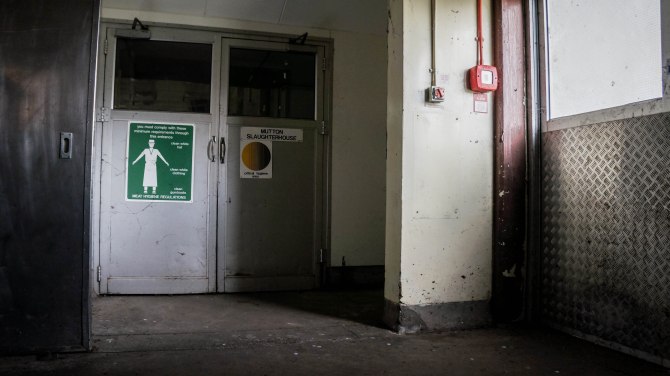
Derelict Meat Killing Plant
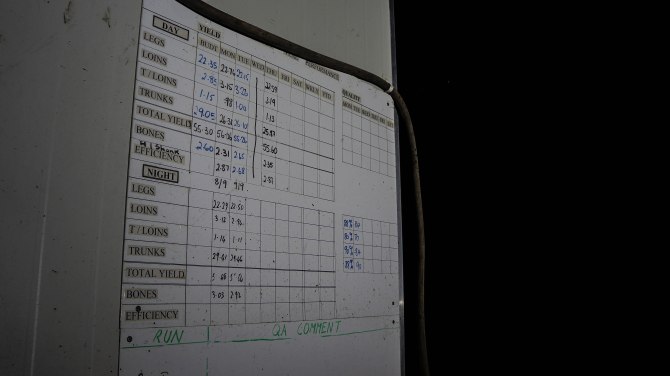
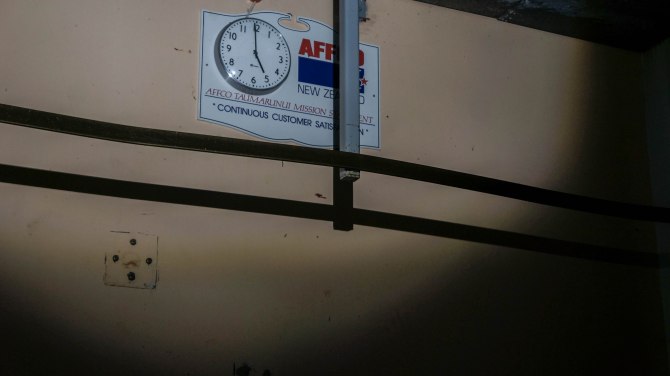
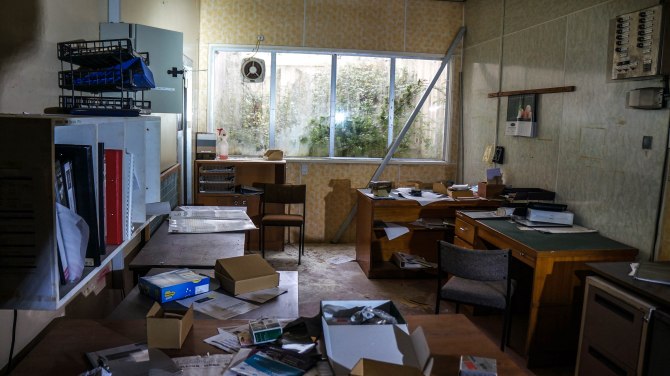
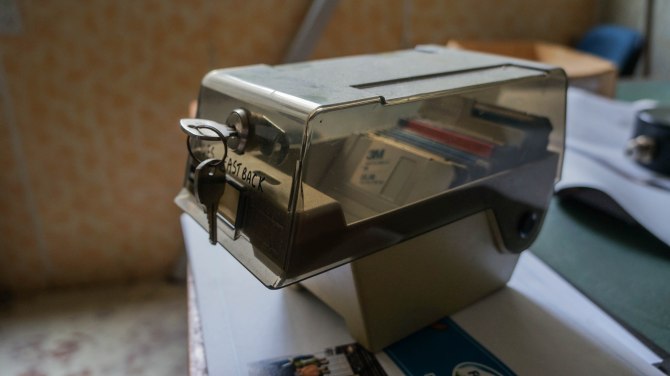
This plant was closed in 2009 with a large amount of redundancies and has sat vacant ever since with attempts at re purposing the plant failing.
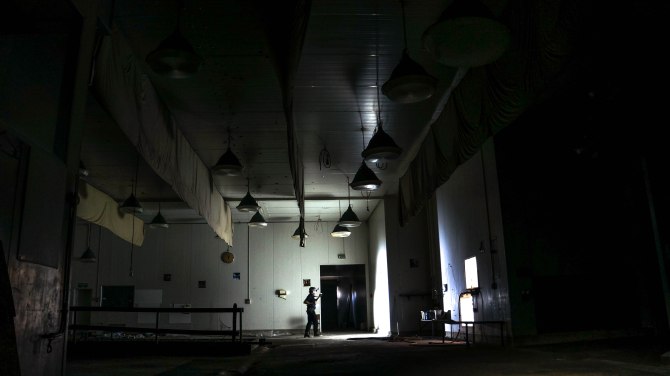
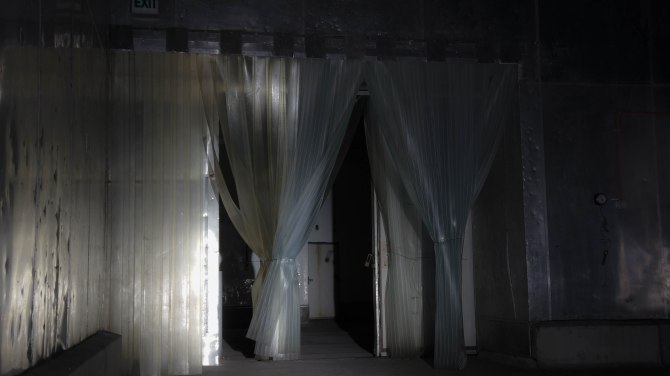
Inside this derelict meat works we found an array of old machinery and relics of a past industry and some incredible, massive old silver lined chillers that felt almost like entering another universe.





Station B
This set of images from London’s iconic Battersea Power Station come to us courtesy of our friend Sentinel UE. He writes: We had been looking at doing this for a few weeks. A daytime visit a week before showed the way in. The night came for us to go in, but a text came in saying, ‘Forget about it, the access is locked down.’ We were not prepared to be outdone, and thinking of another possible route headed for that option. Once onto the site it was a fun time trying to read the maps kindly given to us – we had been up all day on another explore and were a bit brain dead – but after a while we sorted our heads out and got sorted with the access points into both Control Room A & B.
Battersea Power Station is a decommissioned coal-fired power station located on the south bank of the River Thames. The station ceased generating electricity in 1983, but over the past 50 years it has become one of the best-known landmarks in London. On 7 June, 2012 it was sold to SP Setia and Sime Darby. In January 2013 the first residential apartments went on sale. Construction on Phase 1 is due for completion in 2016/17. For a previous post on this urbex icon click here.


Don’t Be Light
Exploring one of our favourite abandonments early in 2013; a companion/sequel to “Don’t Be In The Dark“. Regards to all our fans up north – Don’t Be Light…
2013 in review
The WordPress.com stats helper monkeys prepared a 2013 annual report for Urbex Central. Thanks for watching and stay tuned for 2014…

Here’s an excerpt:
The concert hall at the Sydney Opera House holds 2,700 people. This blog was viewed about 25,000 times in 2013. If it were a concert at Sydney Opera House, it would take about 9 sold-out performances for that many people to see it.


Cooler
Exploring the labyrinthian maze of a former cool store complex…
Battersea
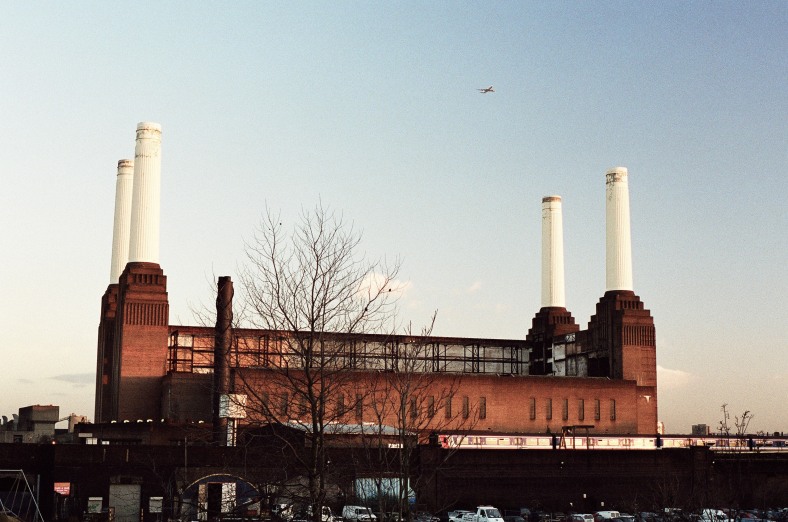
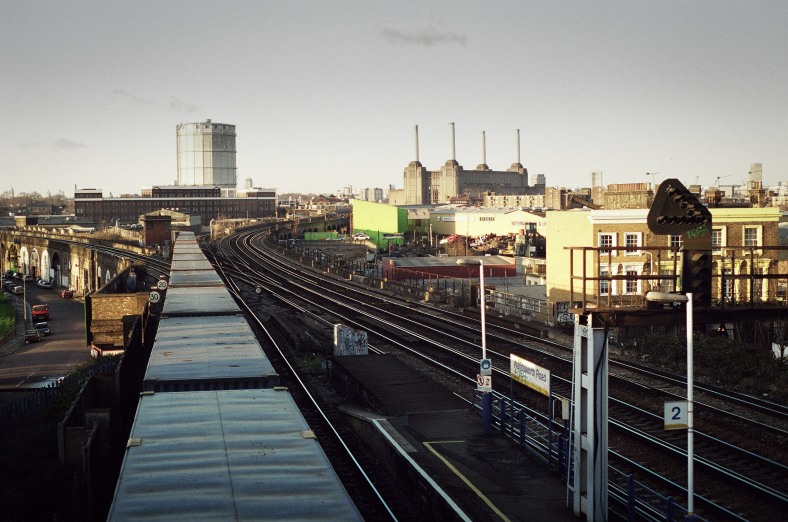
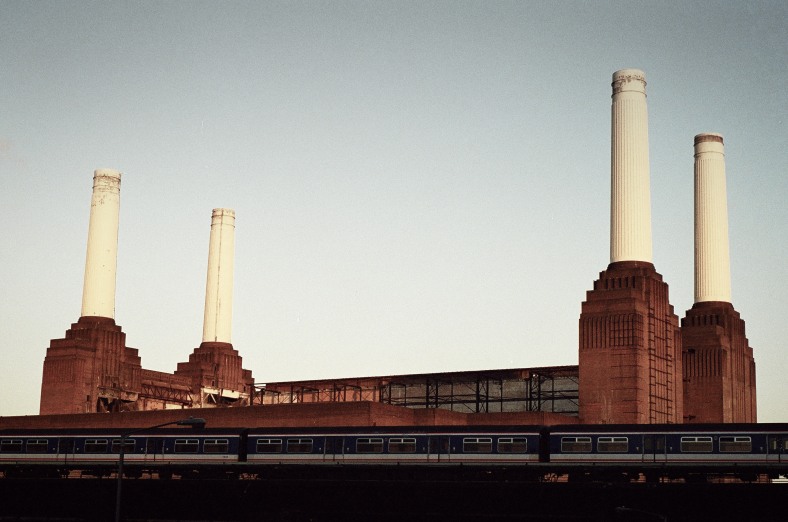
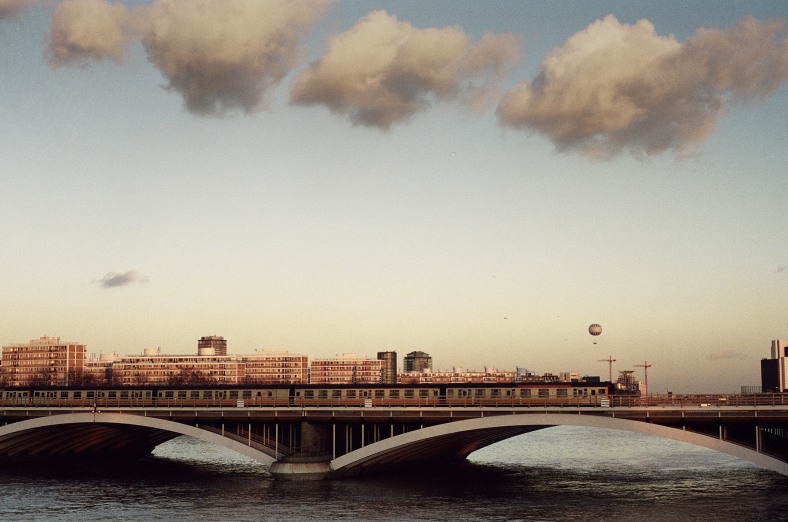
Some exterior shots of the Battersea Powerstation– late 99. This iconic London structure is arguably the most recognisable face of British industrial architecture today. Famous for its Pink Floyd album cover (with the flying pig)- Battersea Powerstation is also a bit of an urban exploration mecca.
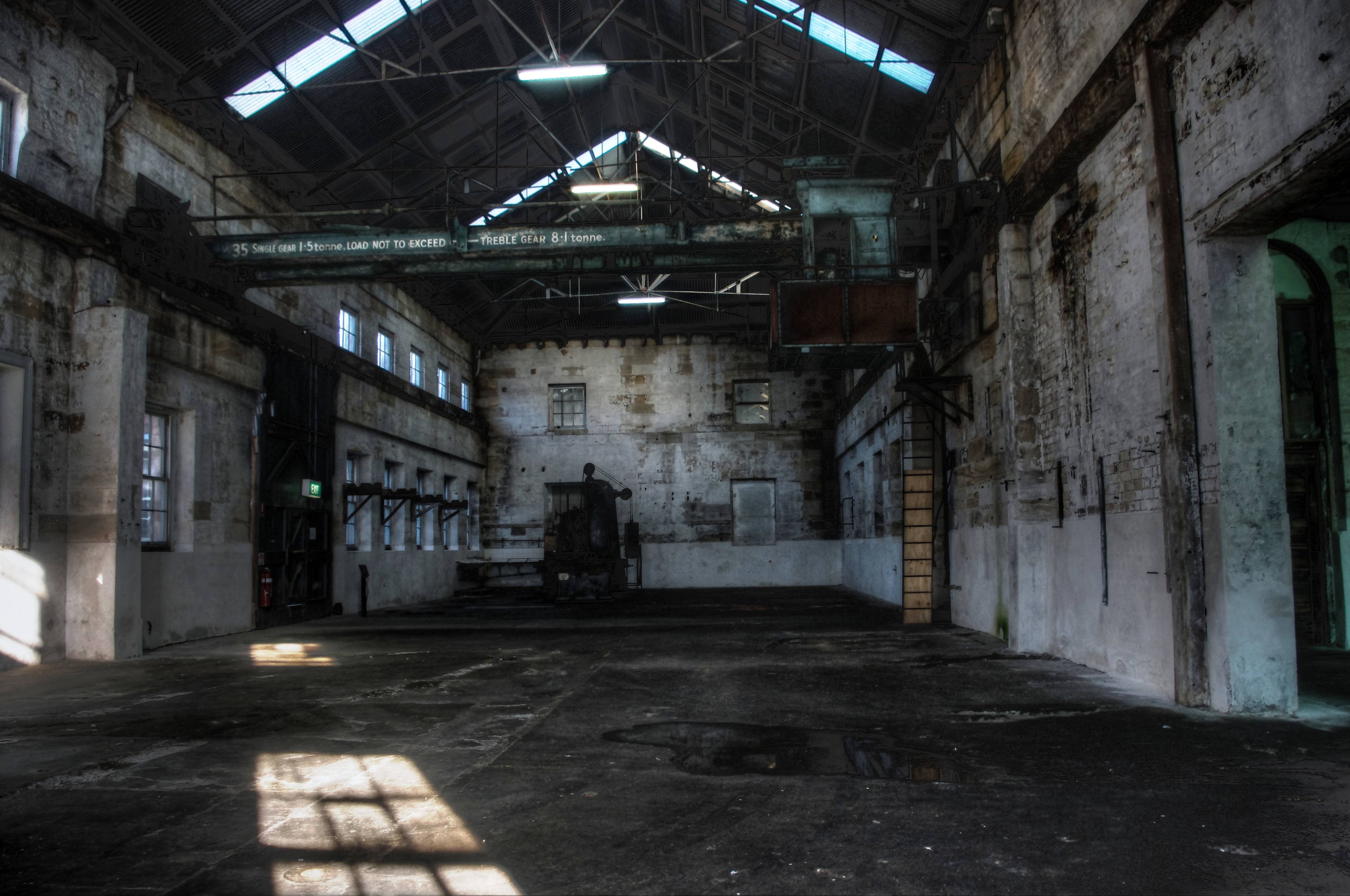
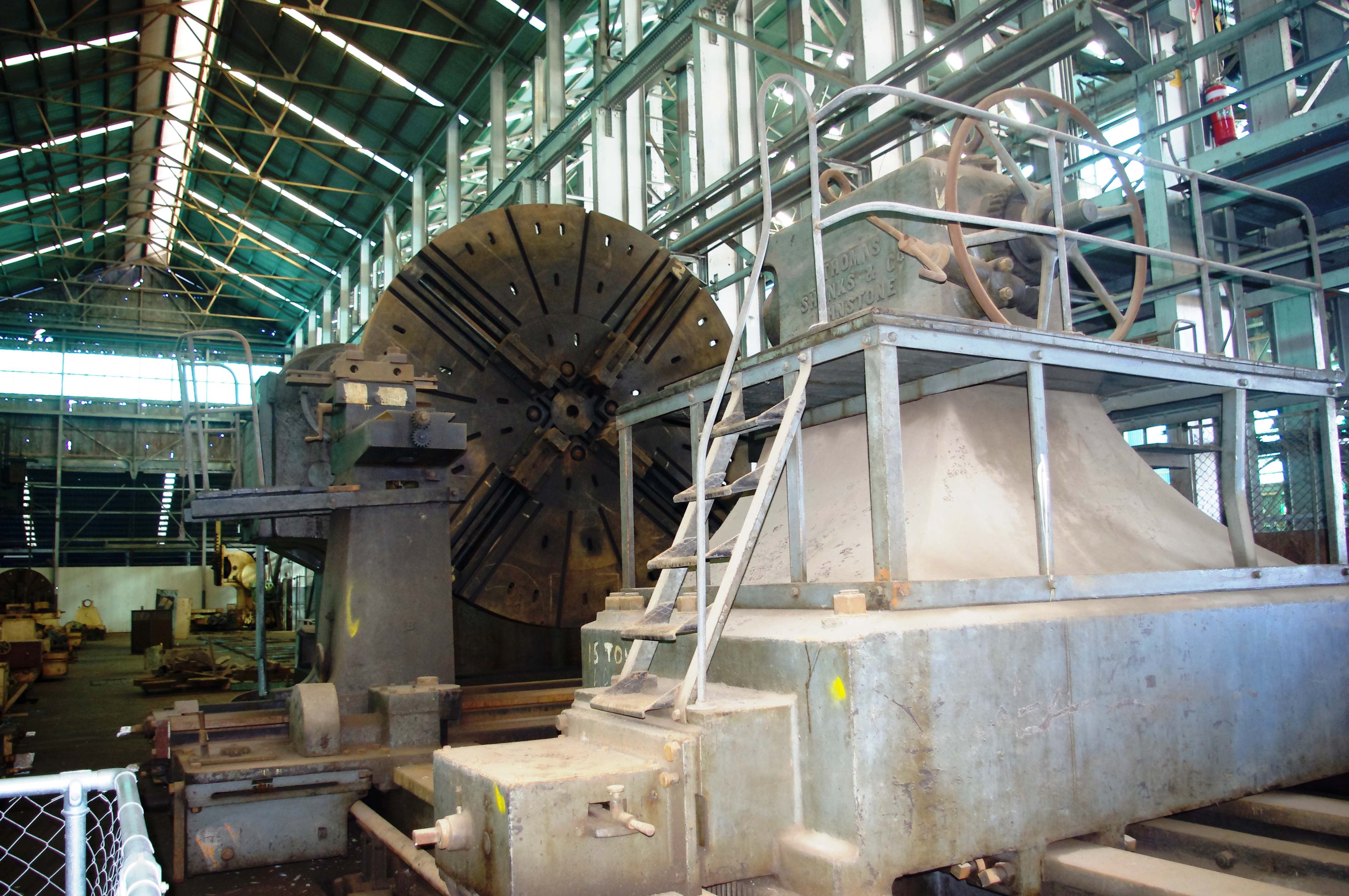
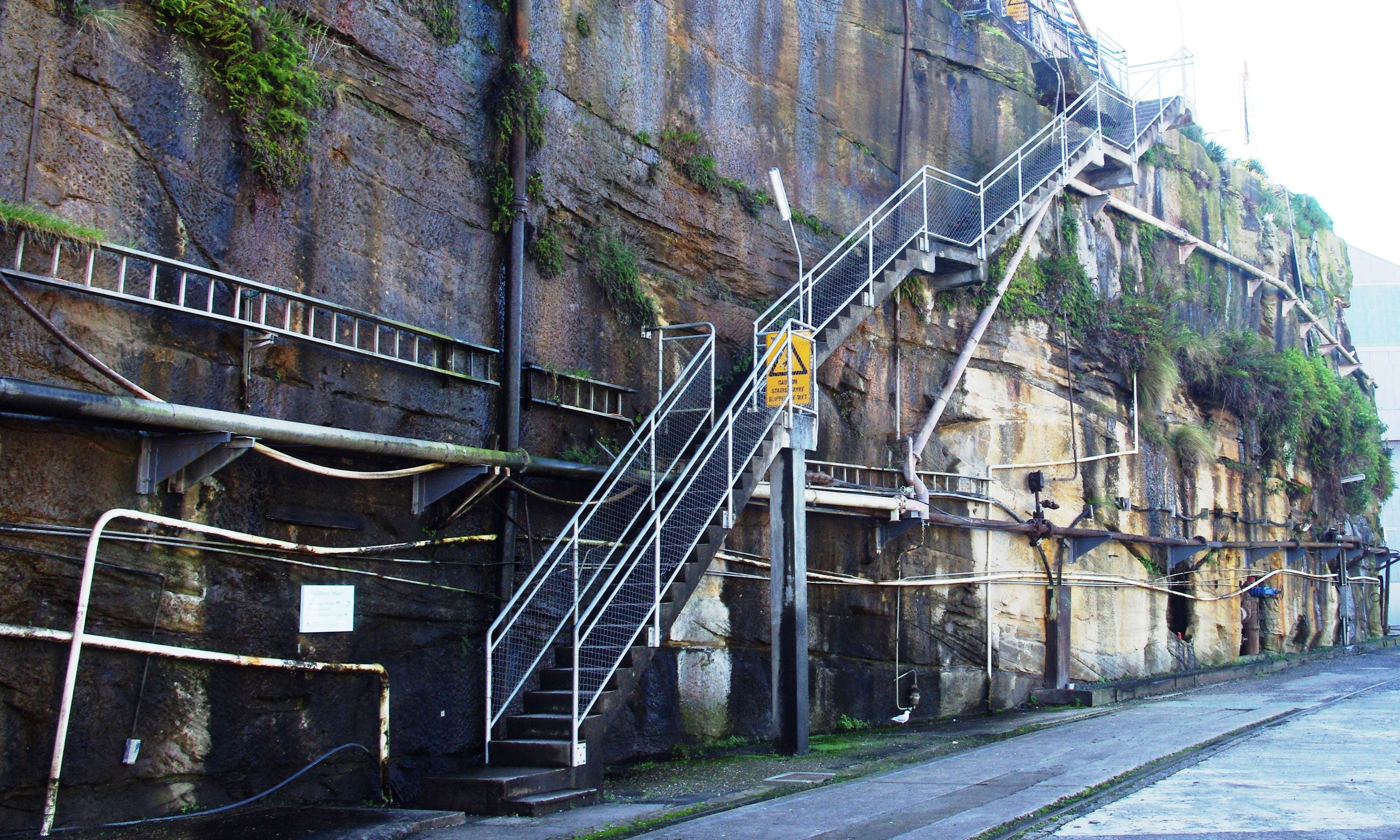
Cockatoo Island 5 – Industrial Precinct
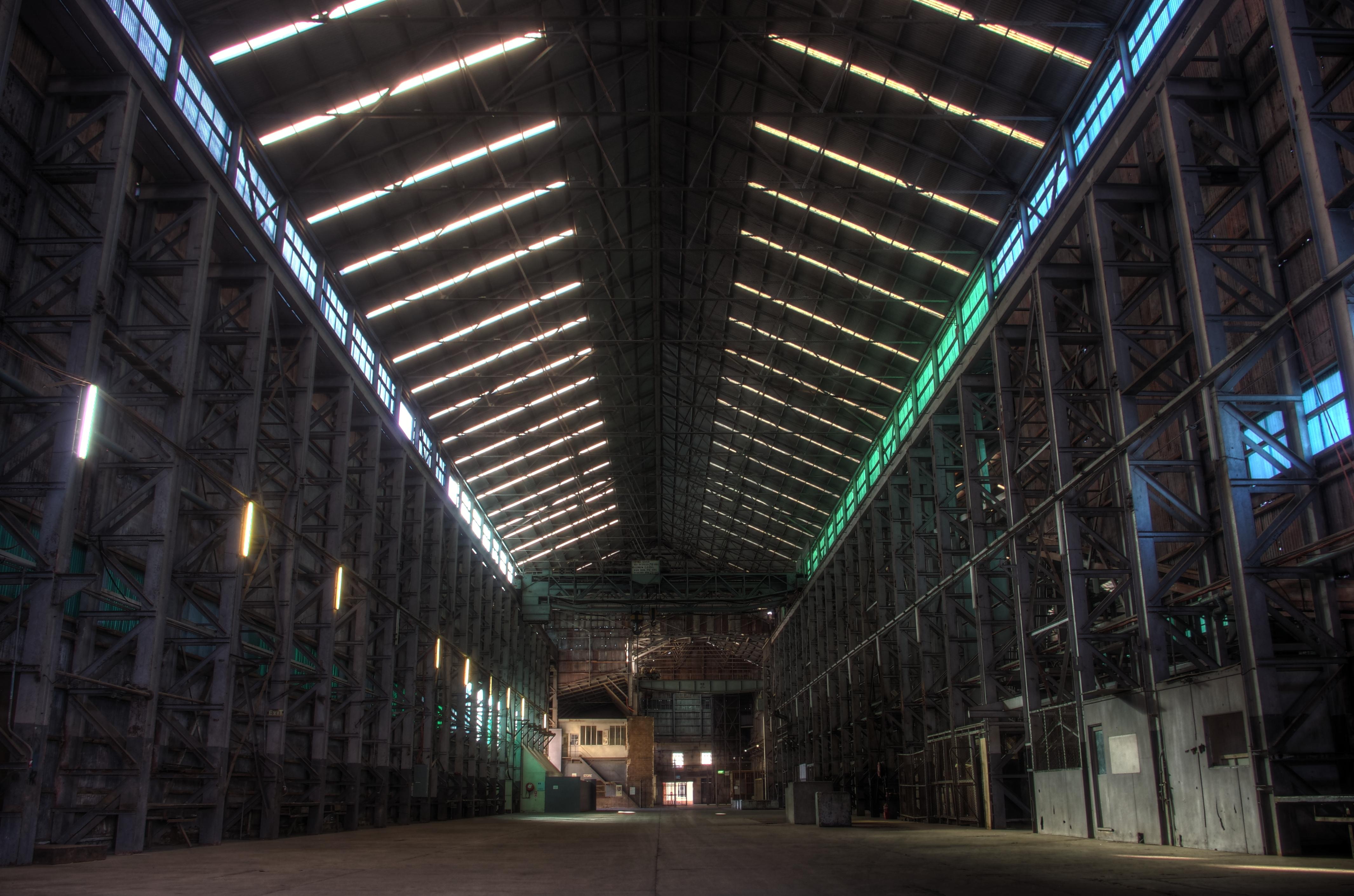
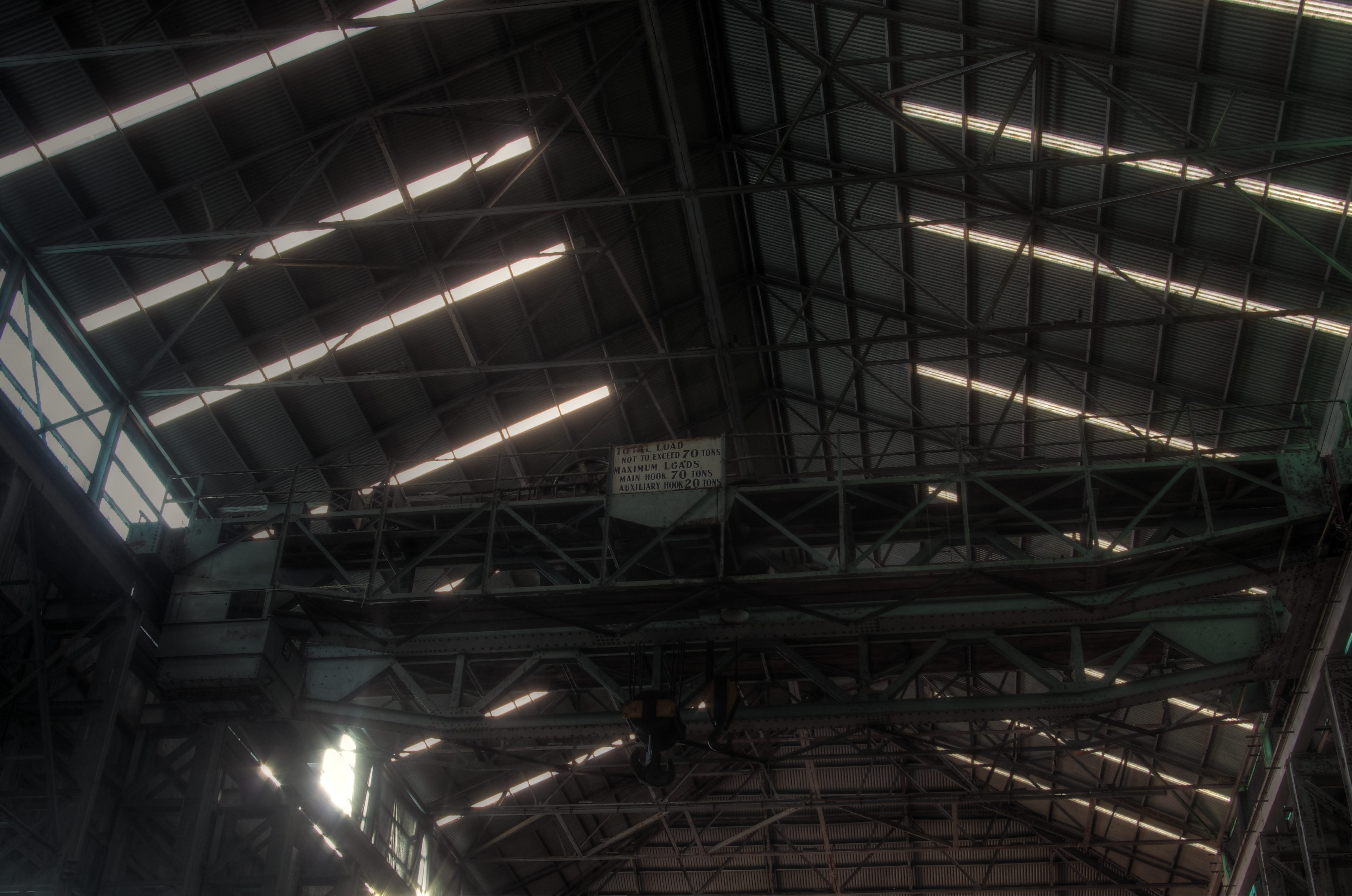
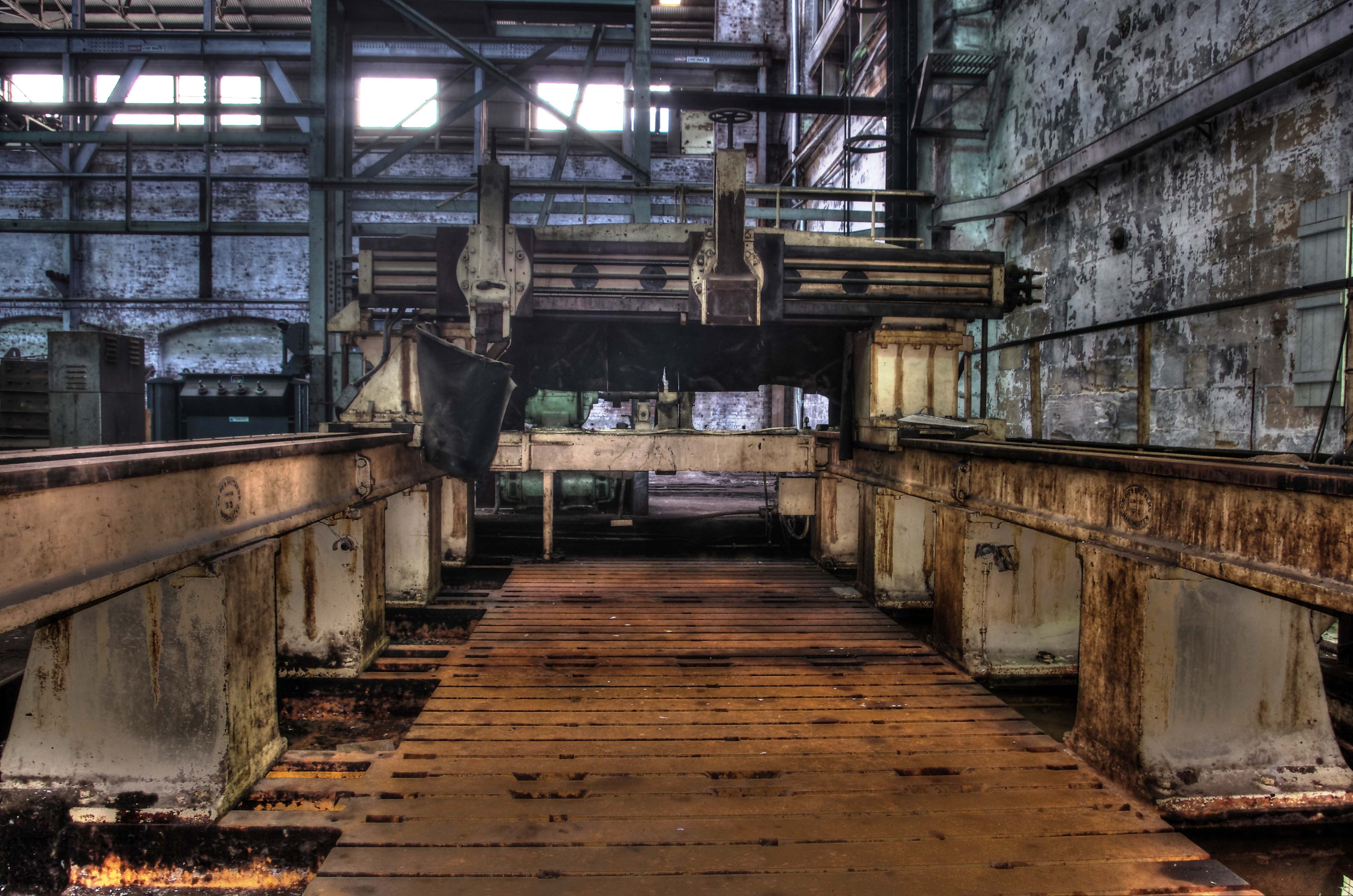
These huge abandoned warehouses still contain a plethora of heavy machinery including huge lathes and industrial sized milling machines.





Cockatoo Island 2 – Tunnels
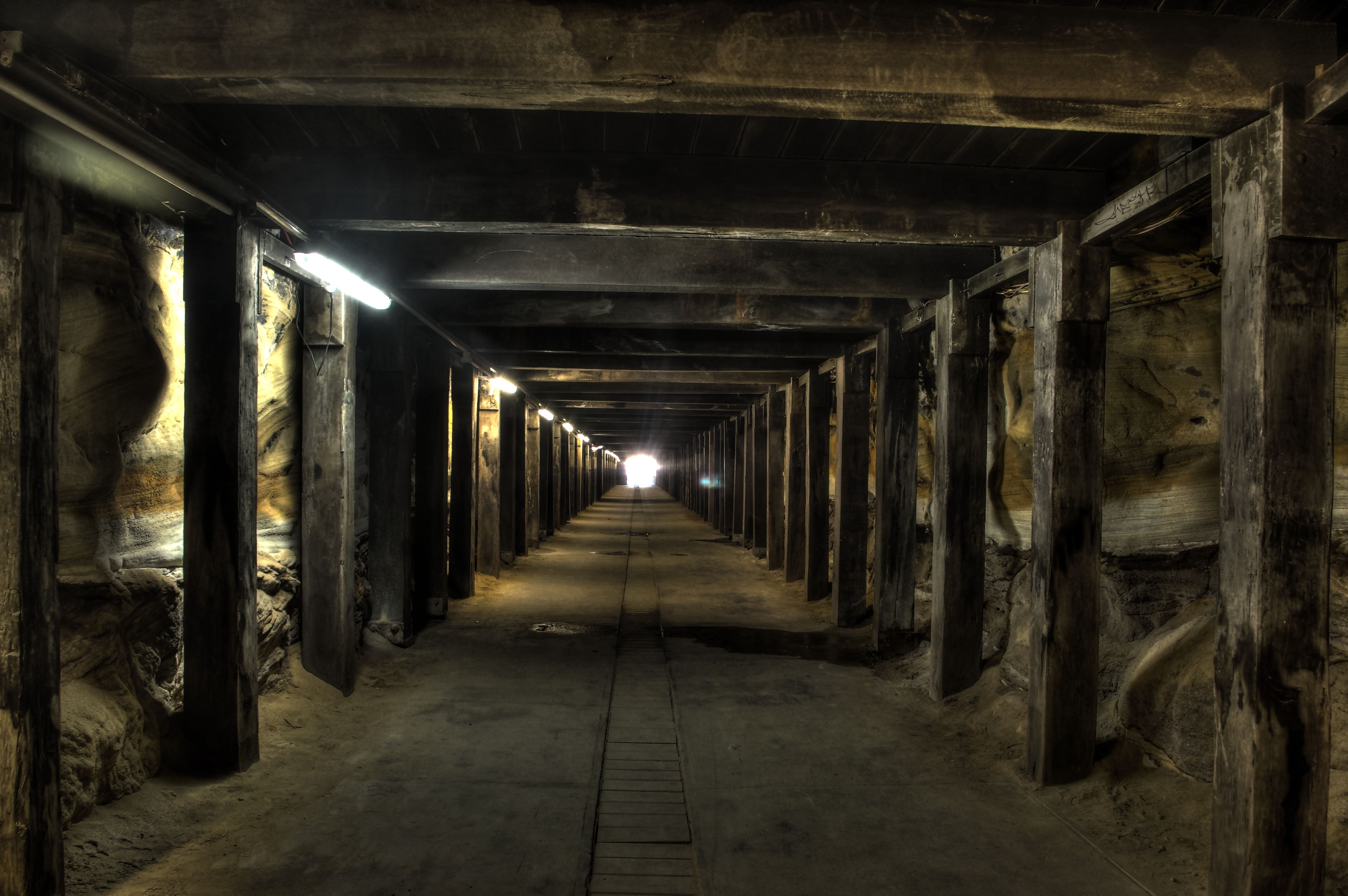
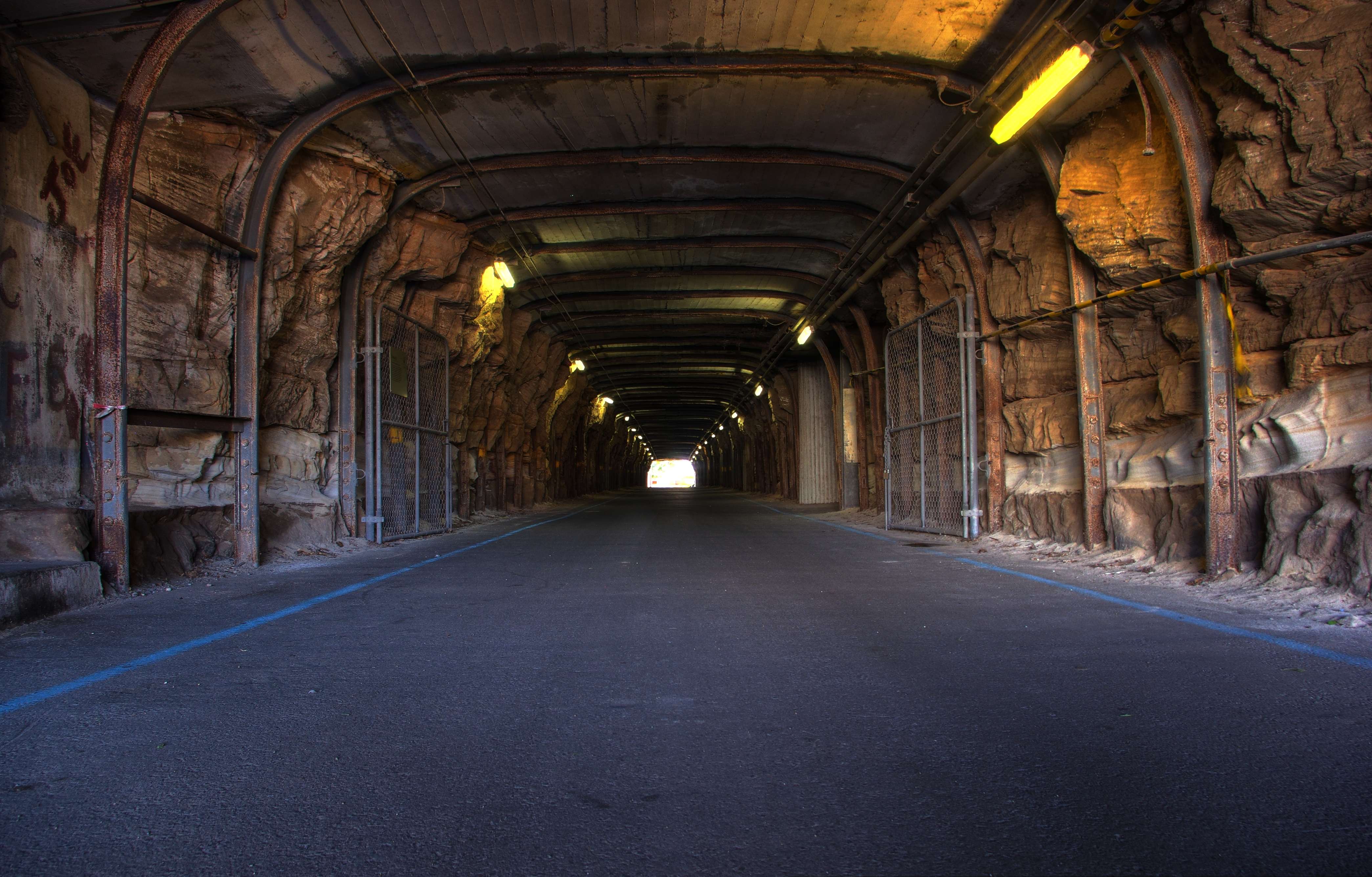
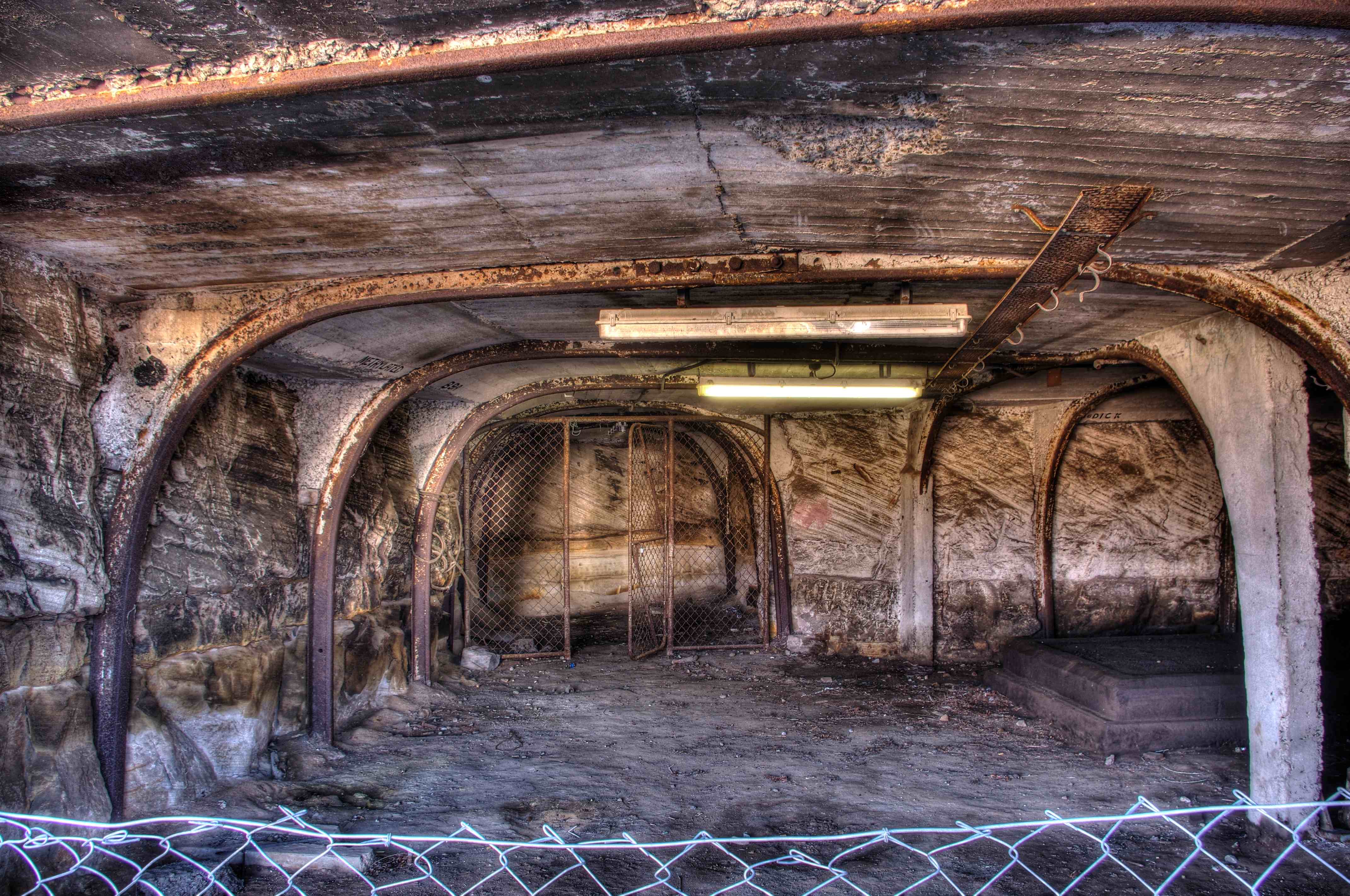
Underneath the Island, in the areas not hewn away to make room for heavy industry, Cockatoo island is criss-crossed with a myriad of tunnels, facilitating the movement of people, materials and equipment across the island. These also served a dual purpose as an air-raid shelter for use in the Second World War: one was even kitted out with an infirmary located in an annex to the main tunnel. Another tunnel has an elevator running right down into it from the buildings atop the island, down through the rock.



Cockatoo Island – Introduction/Teaser
This is the first in a new series of posts focusing on Cockatoo Island, situated in Sydney harbour, with each of these instalments focusing on a different aspect of what cockatoo island has to offer in the way of urban exploration, the video here is a general overview of some of the different features of the island.
During it’s colourful history it has been used as a Military Barracks, Prison/Gaol, Shipyard and Naval Dockyard amongst other things. As a result the island is teeming with reminders of it’s history and is a plethora of abandoned buildings, tunnels, cranes and other structures including a beautiful old power station.
For more information about Cockatoo Island see:
http://www.cockatooisland.gov.au/about/history.html
http://en.wikipedia.org/wiki/Cockatoo_Island,_New_South_Wales
Don’t Be In The Dark
A night visit to our favourite local factory… Documenting its history & decline- was interrupted by Gunner’s insistence on throwing a bit of light on the subject…
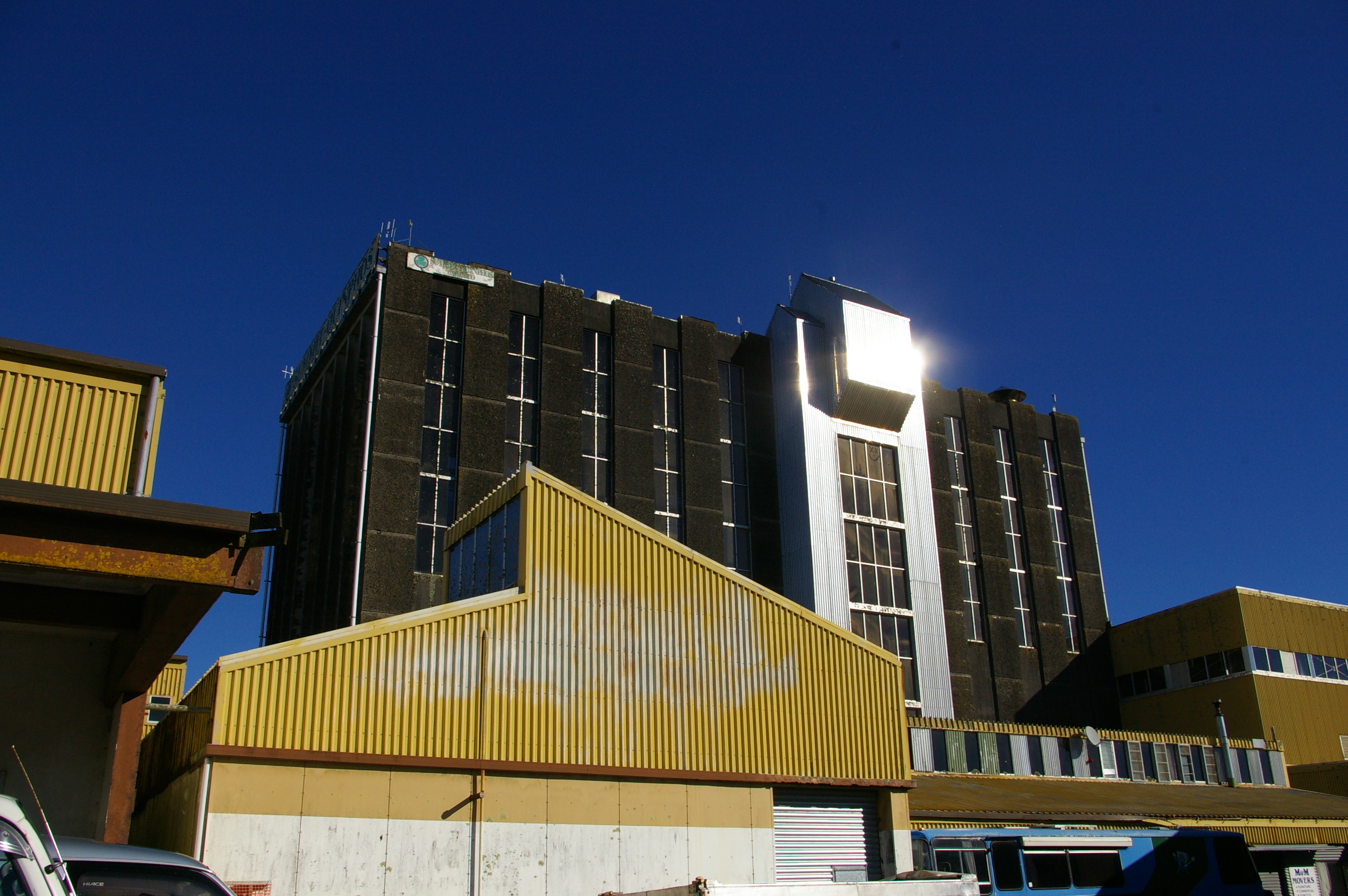
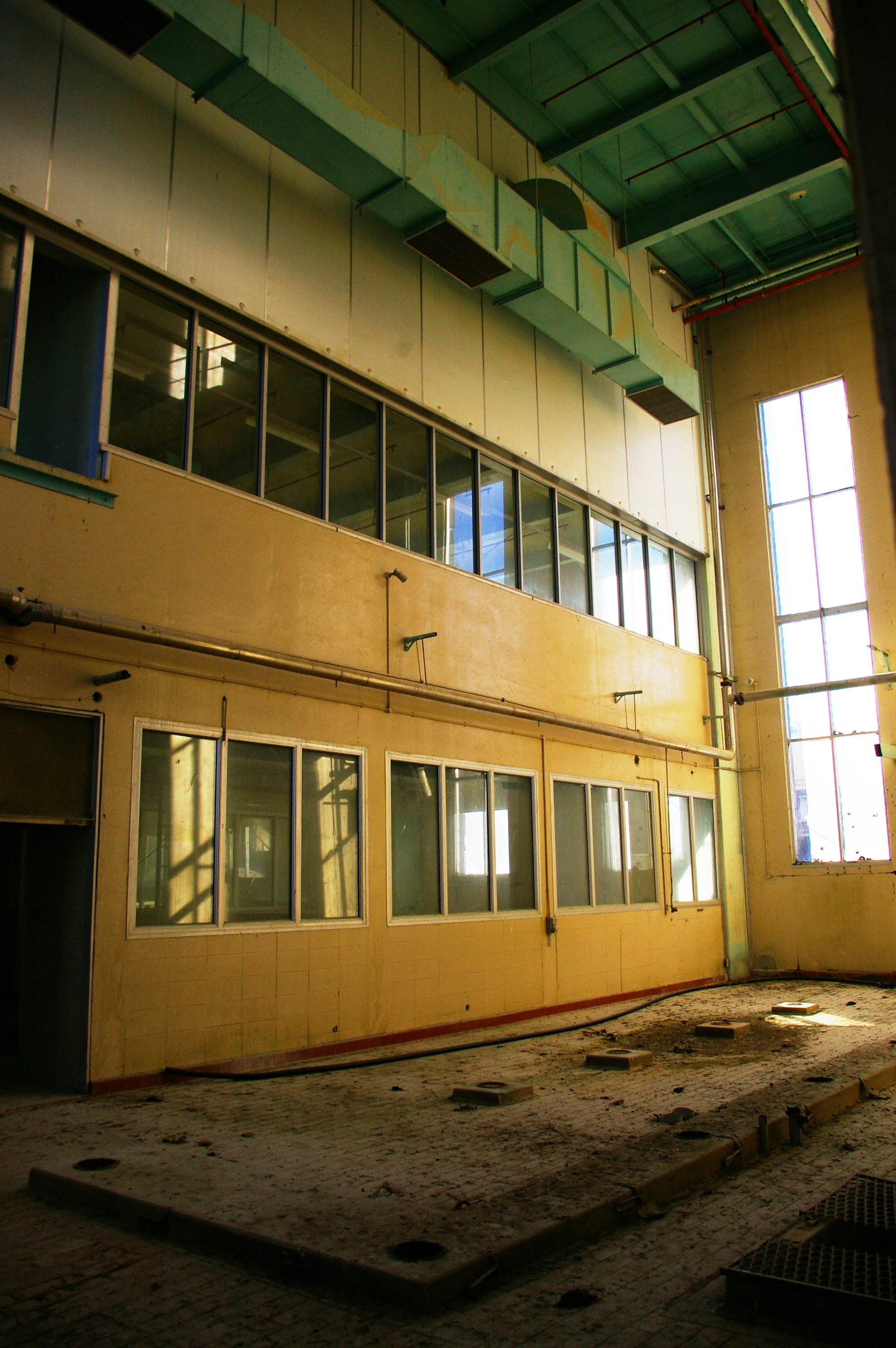
Fertiliser Works
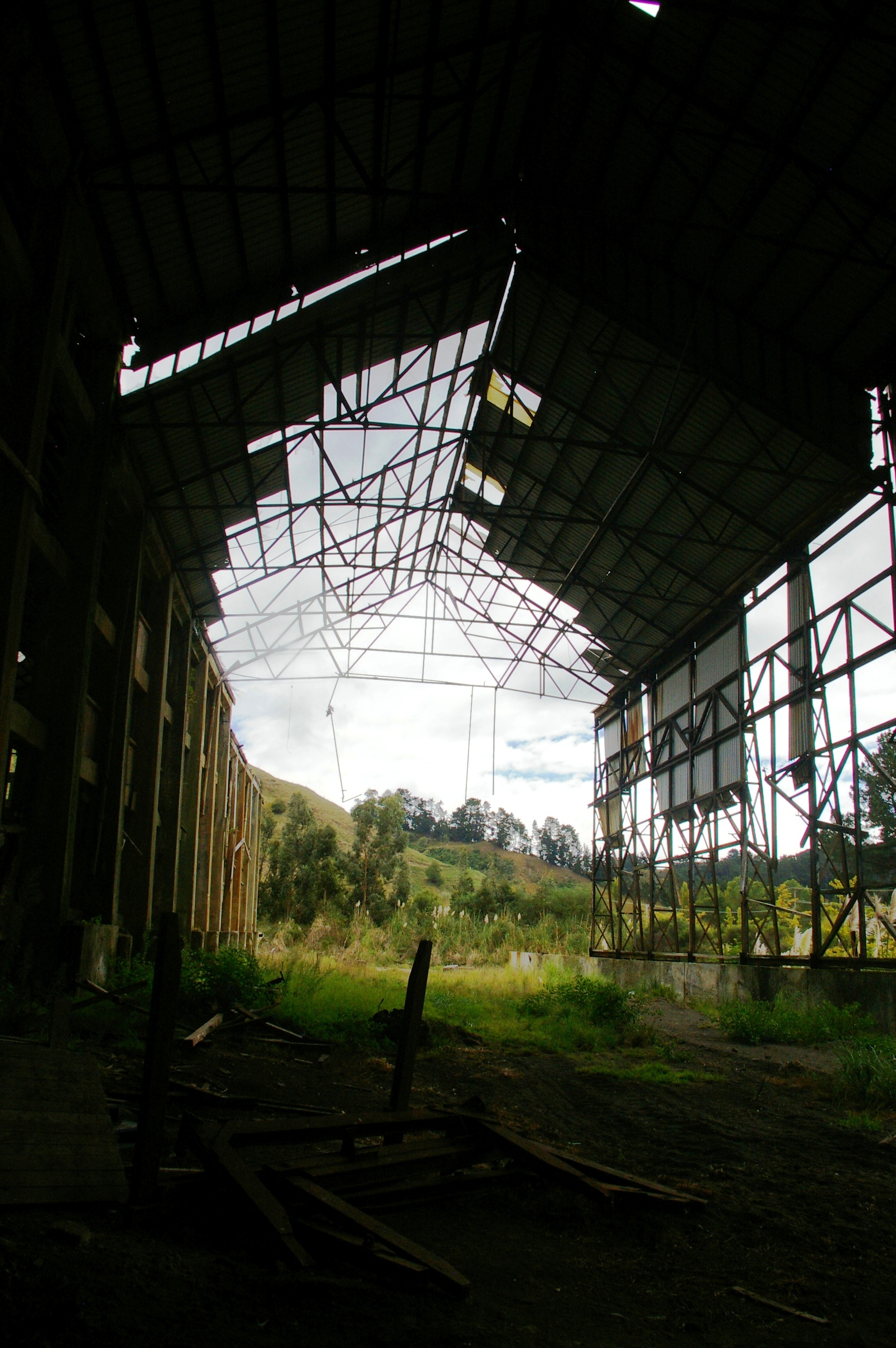
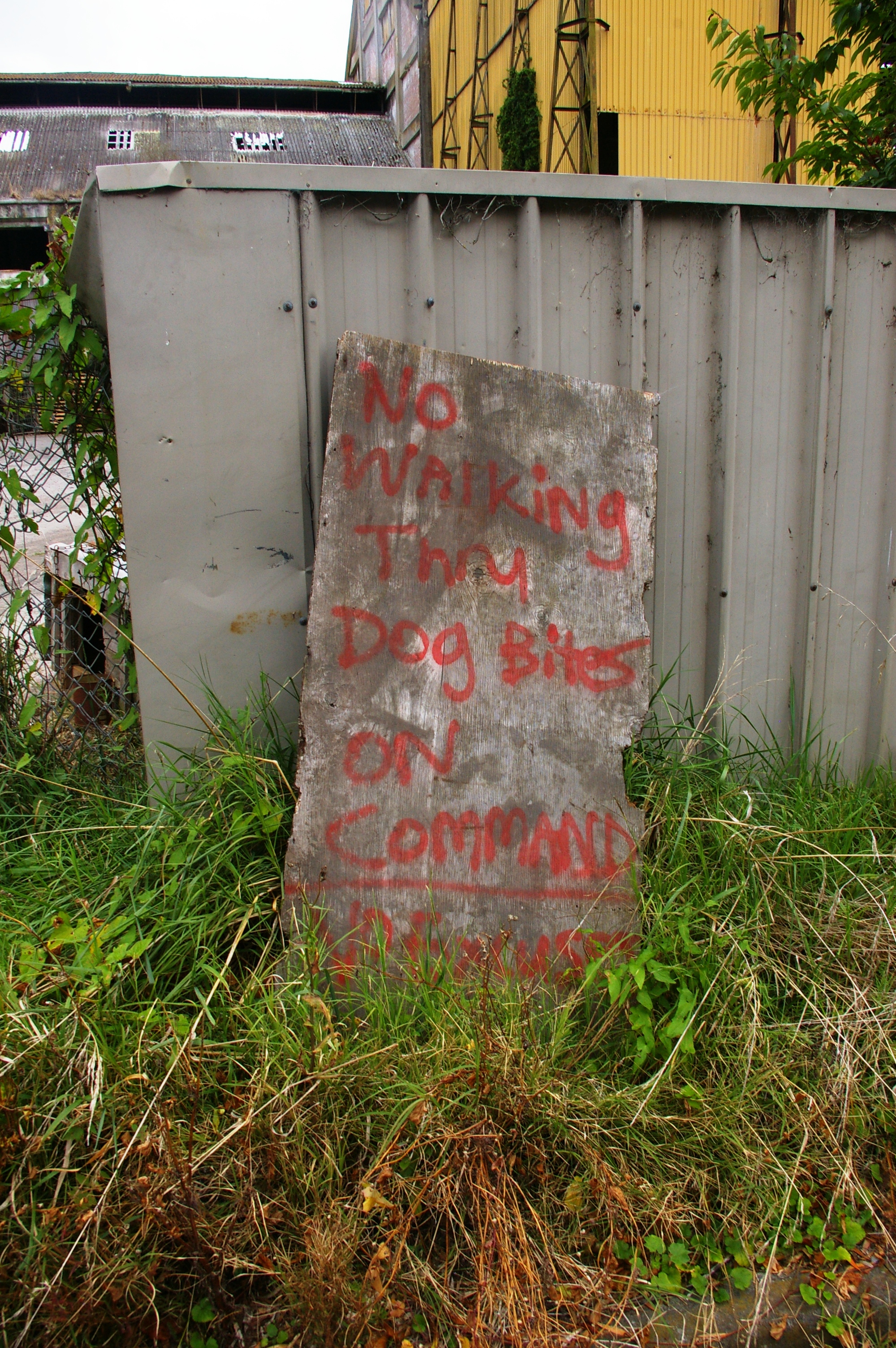
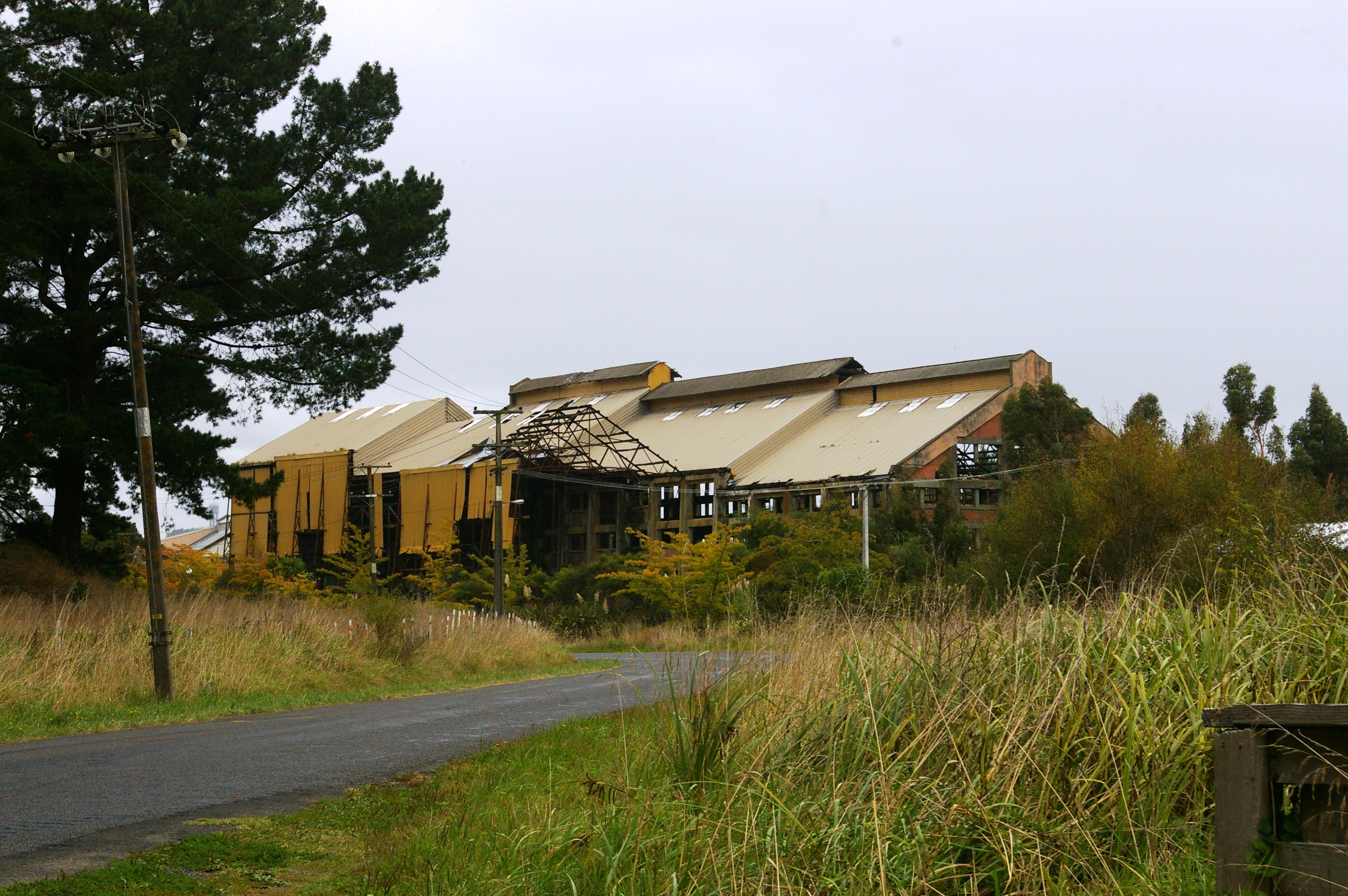
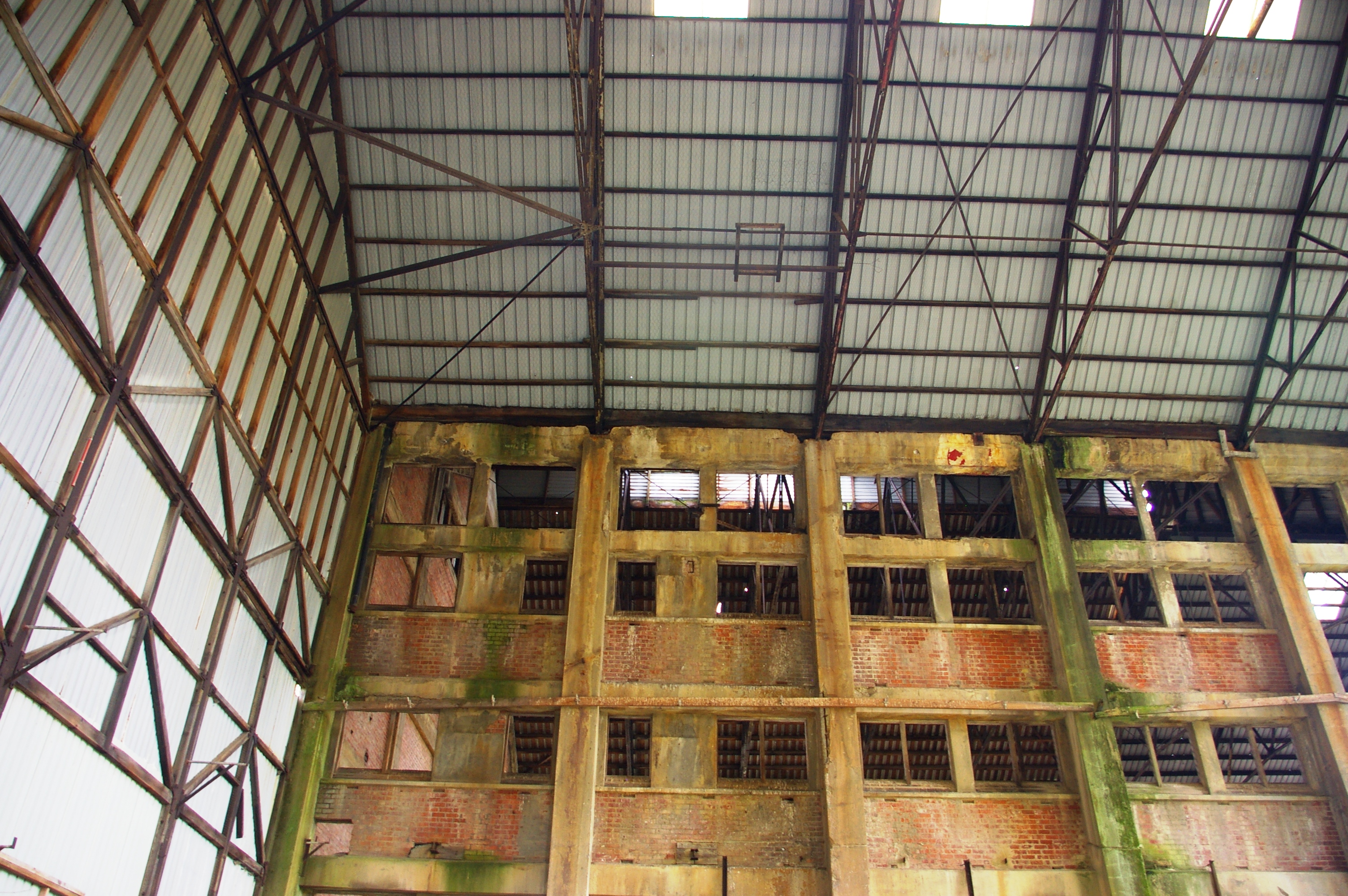
Apparently there is a dog which bites on command at this location, although when we were there we did not encounter this beast.
The location itself has decayed rapidly in the past few years, perhaps it is being slowly demolished by the owners.


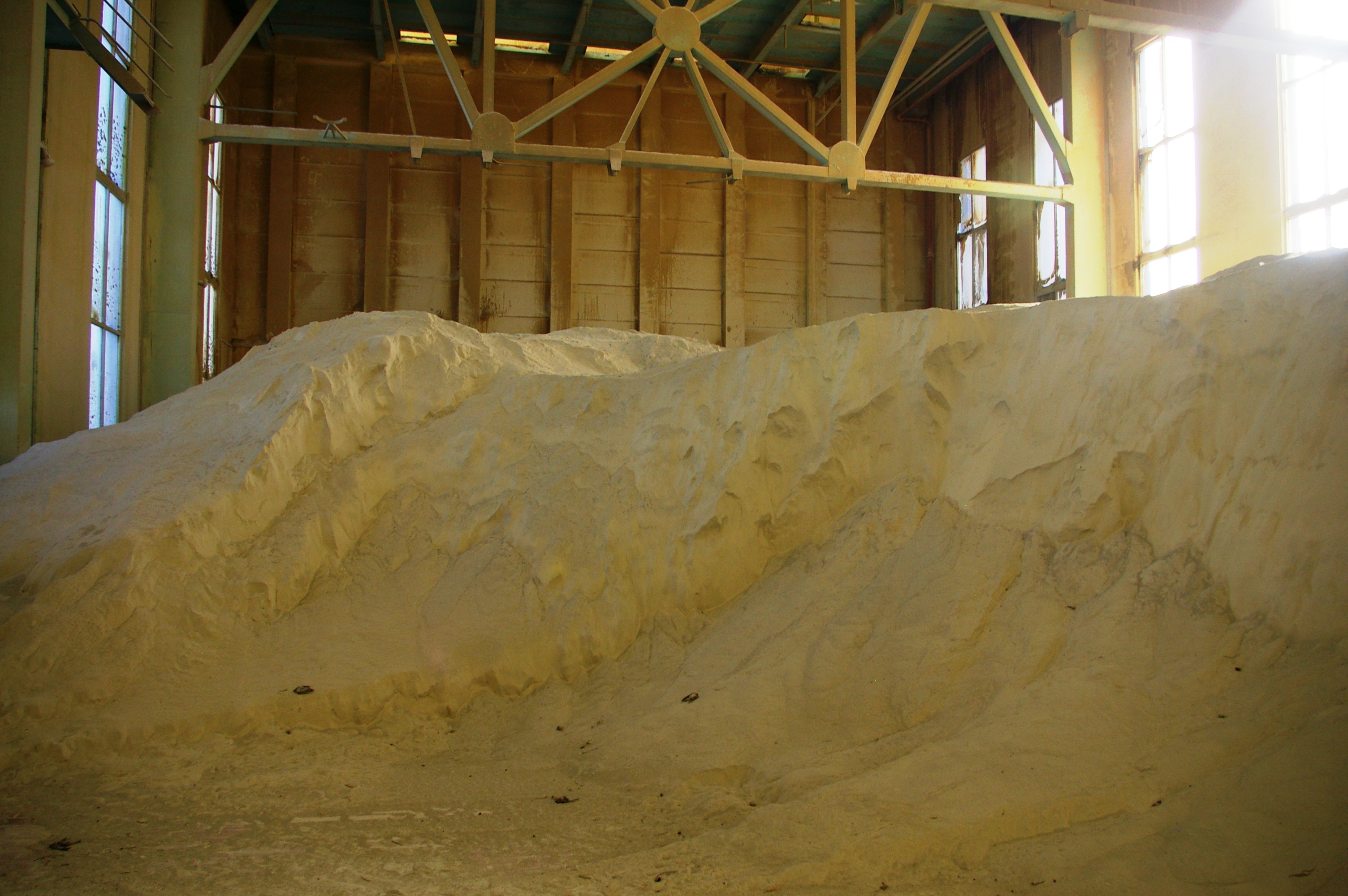
Fertiliser Tower
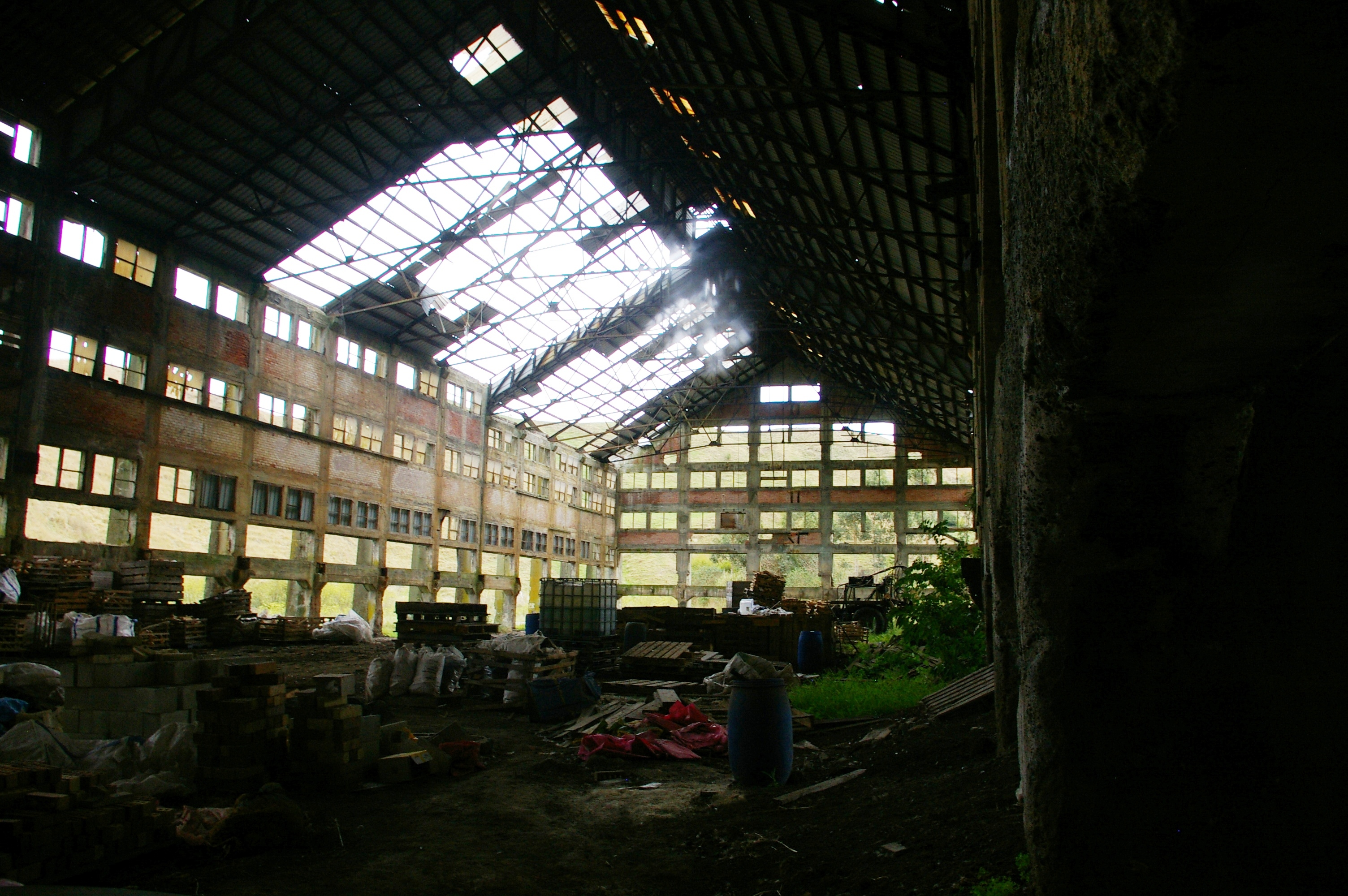
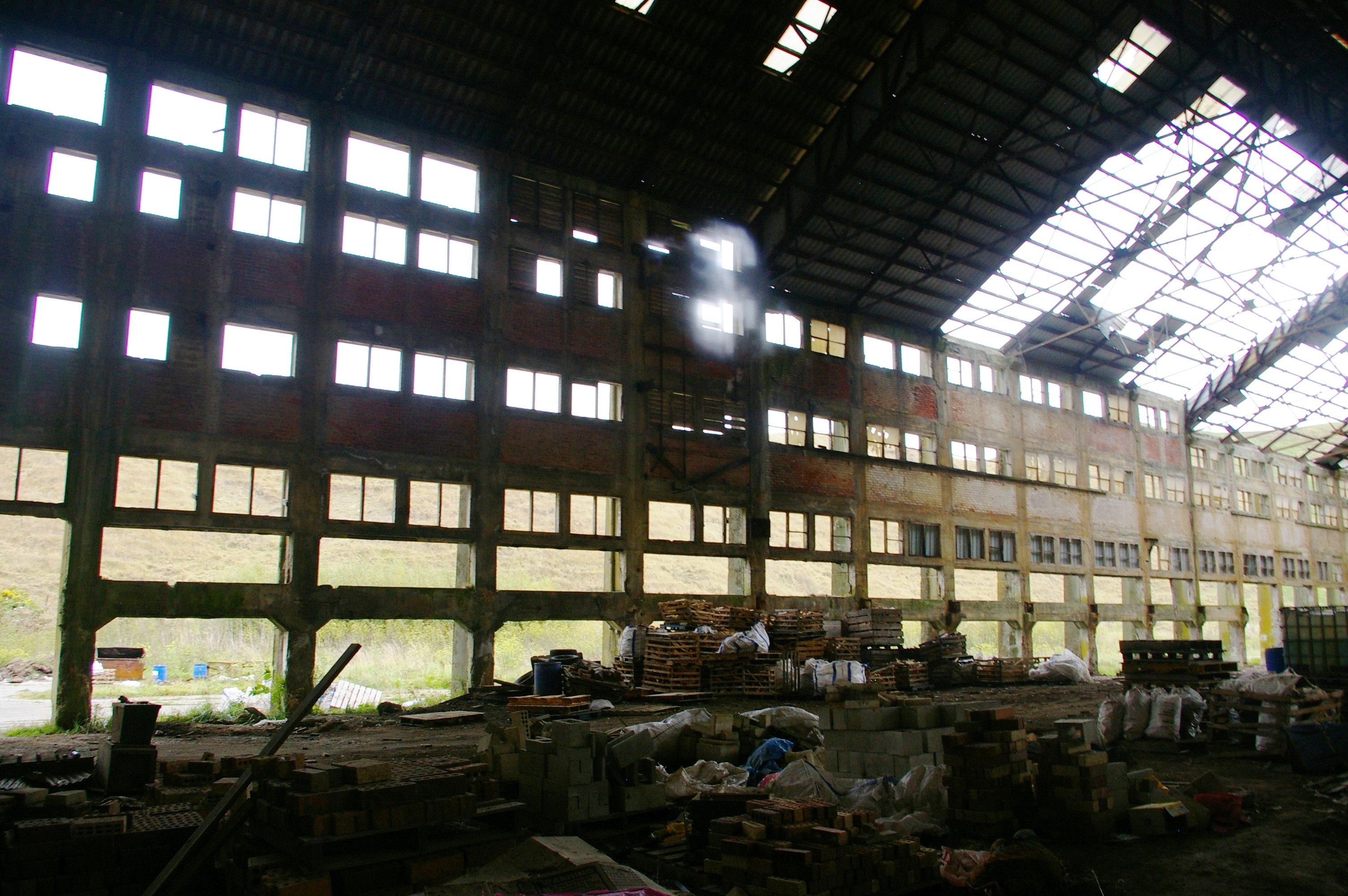
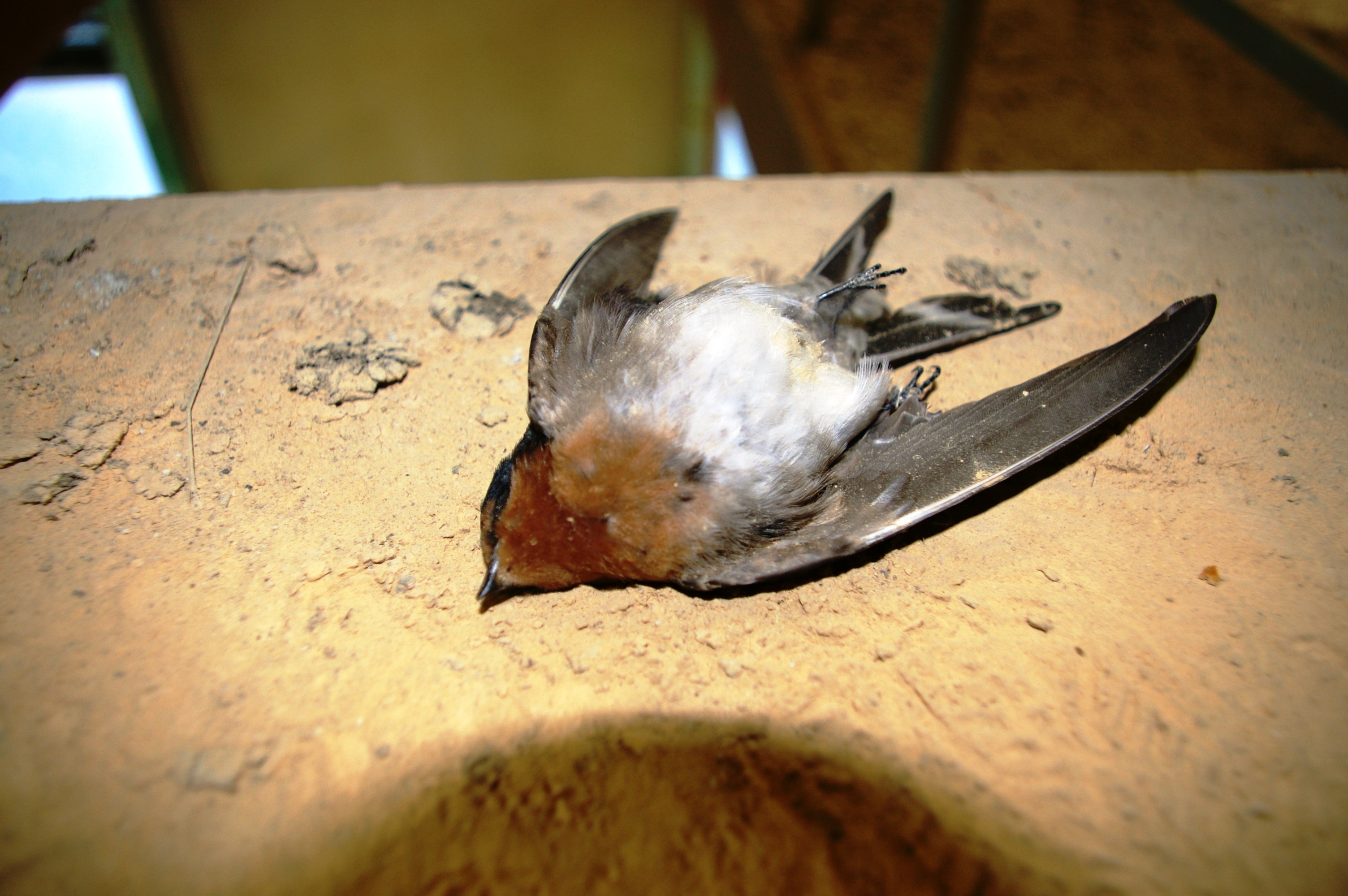
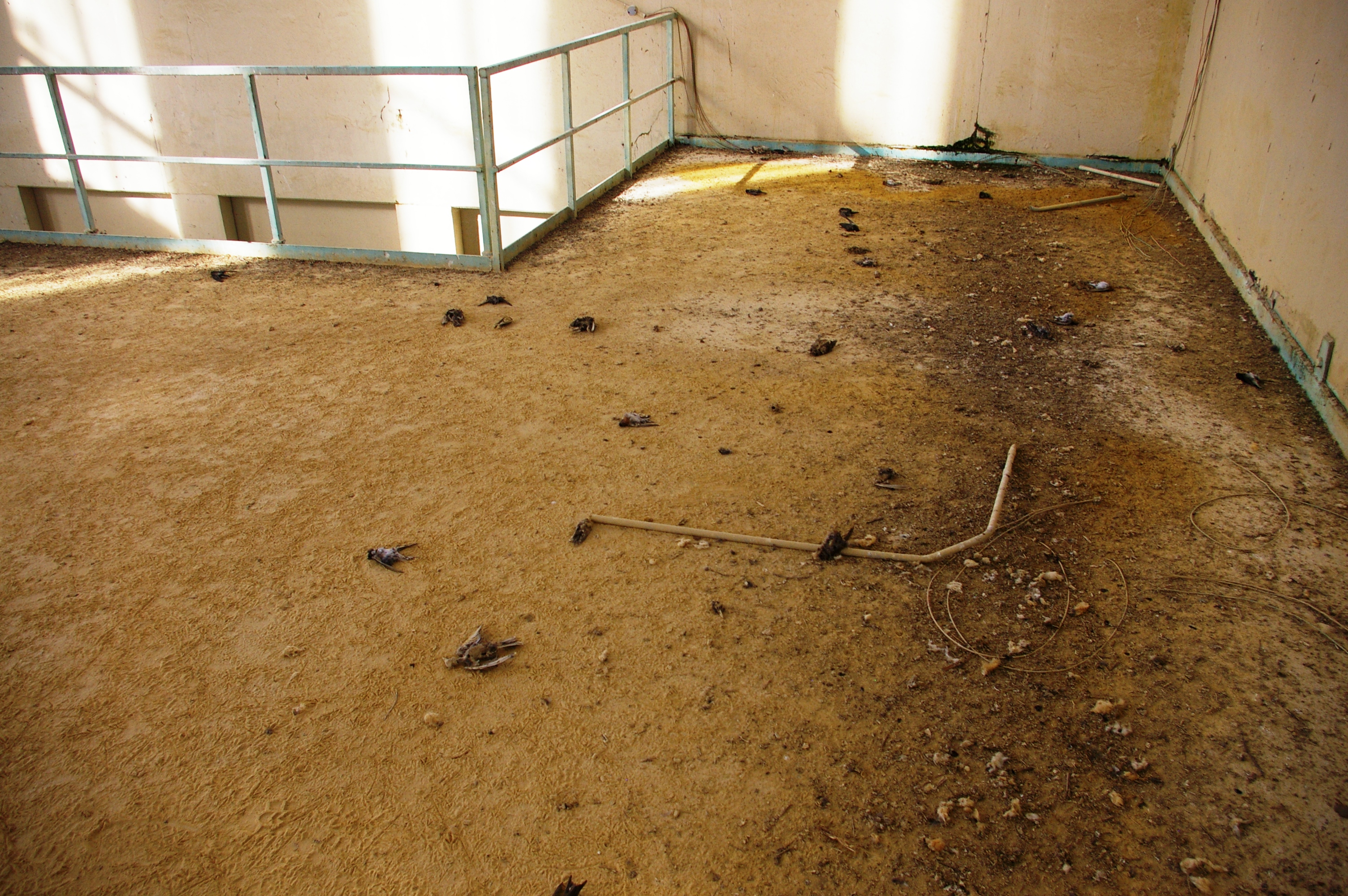
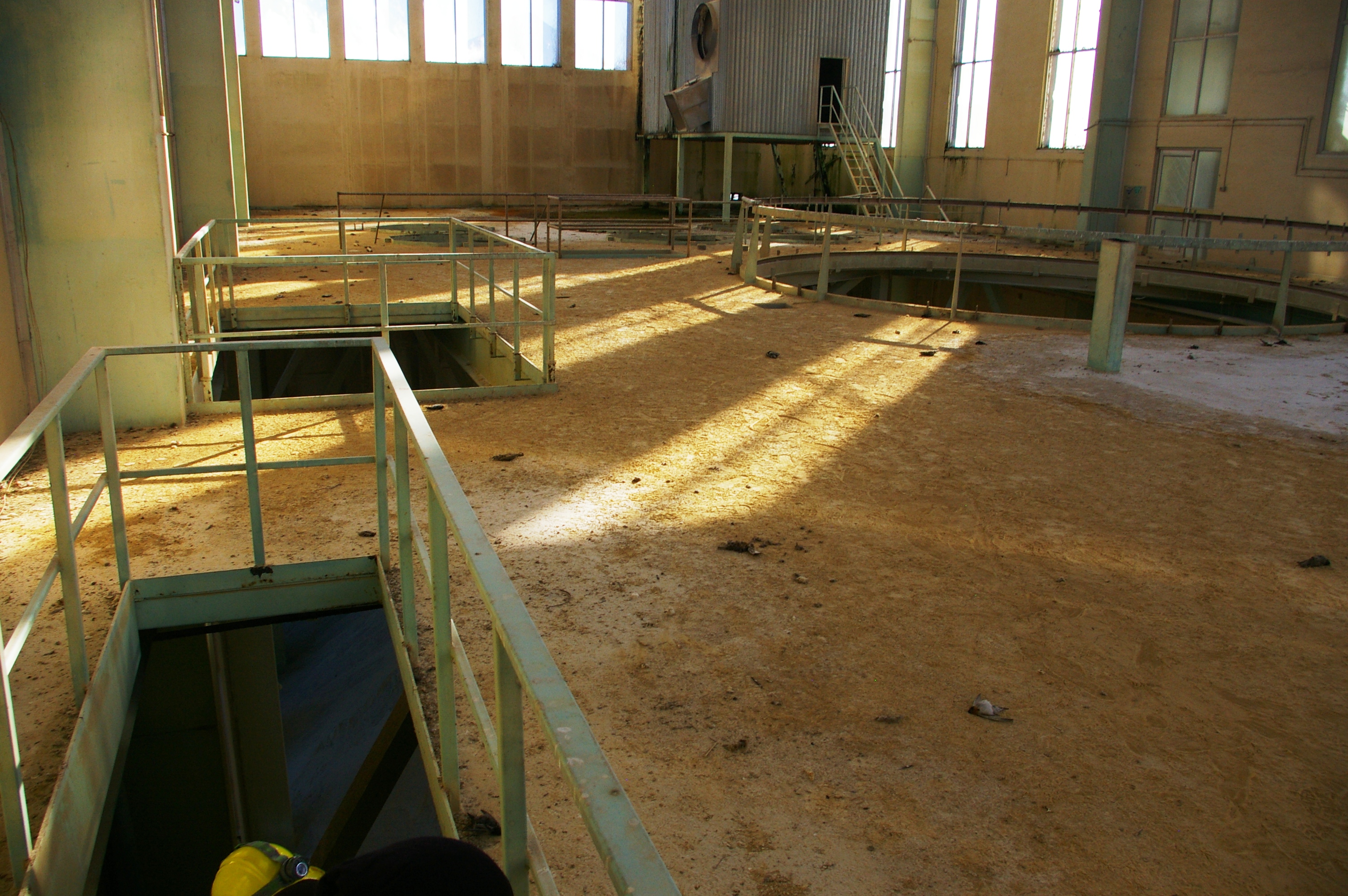
After walking into this fertiliser storage tower we quickly noticed something very wrong, hundreds of dead birds coating the floors. We’re not sure if it was the fertiliser or being trapped which entombed them in the building, but didn’t care to stay and find out.


Power
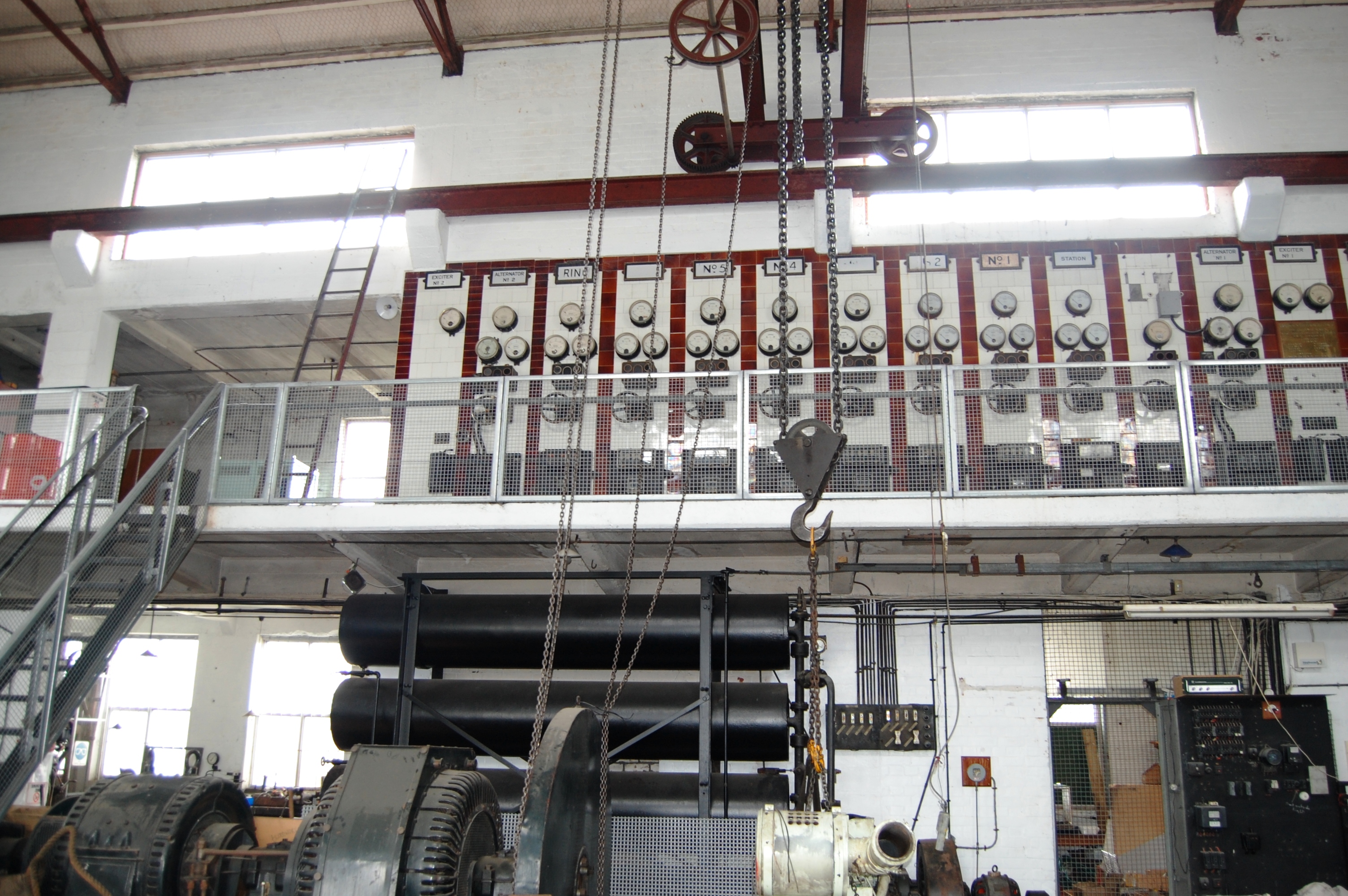
The huge generators in this power station are still fully operational, but it is unlikely that it will ever put another kW of power into the grid as it has been disconnected.
A group of enthusiasts maintain this fantastic example of engineering and occasionally hold open days, we were lucky enough to be passing by when one of their group was doing maintenance inside and allowed us (and now you) to have a peek at the inner workings.







Chiller
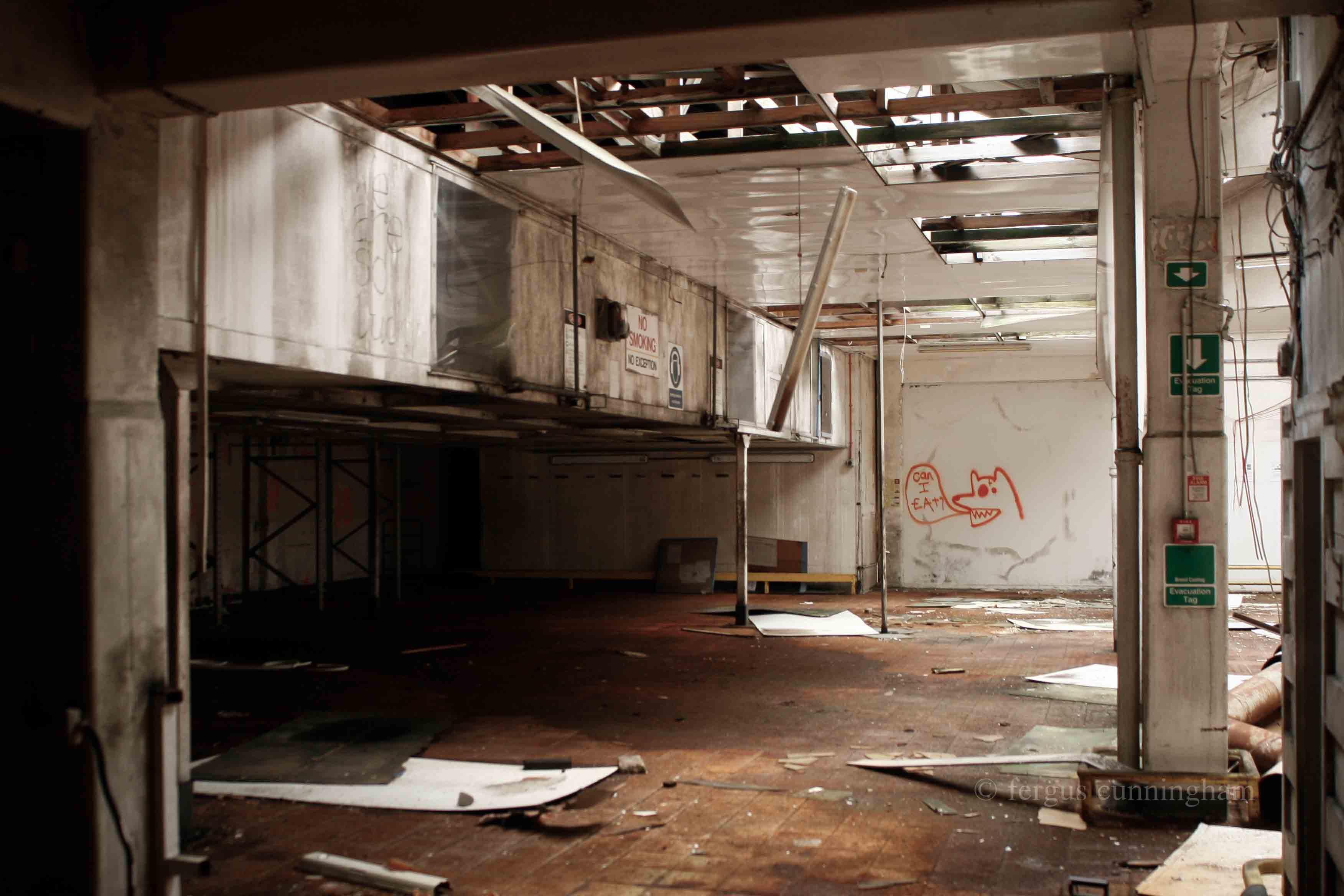
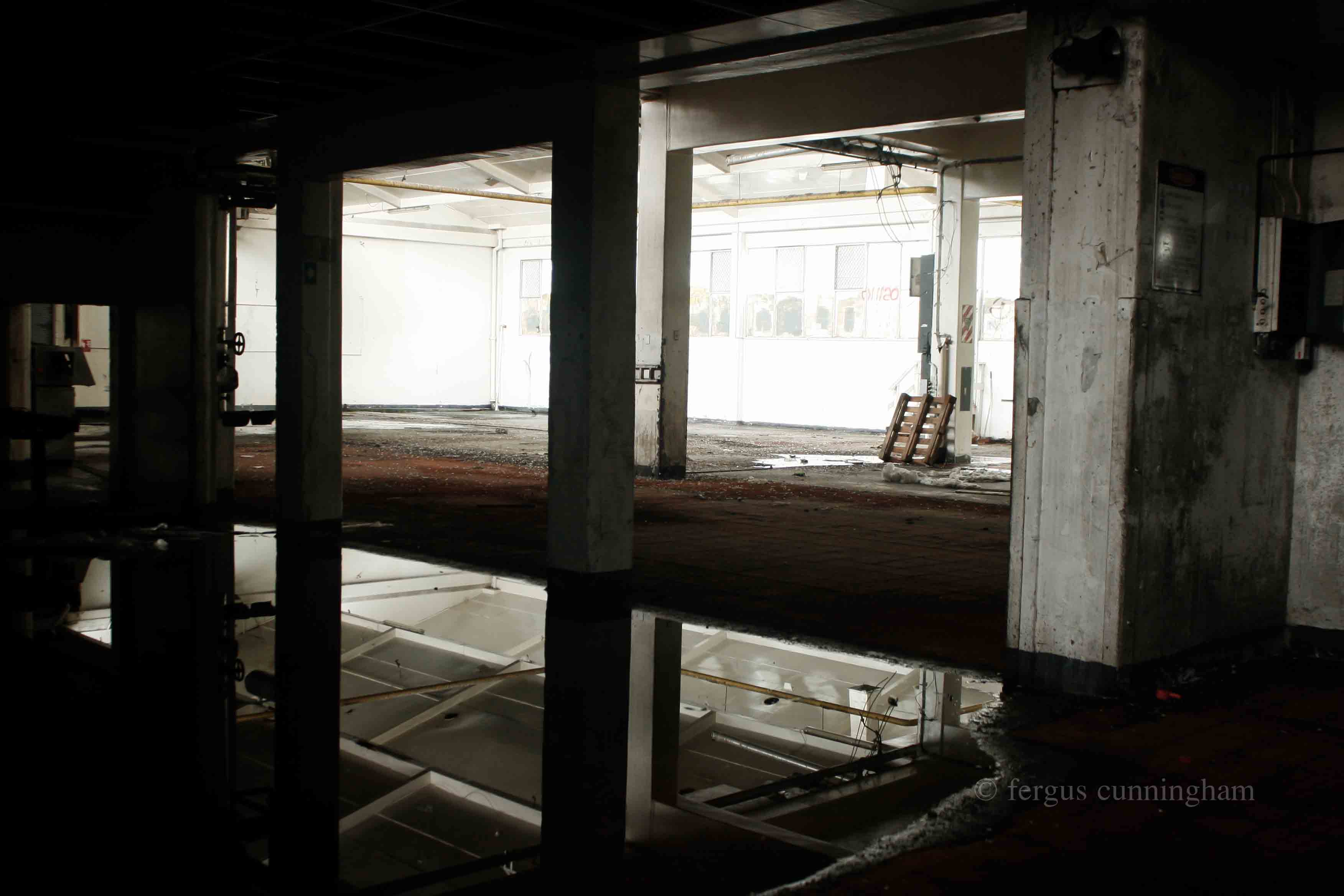
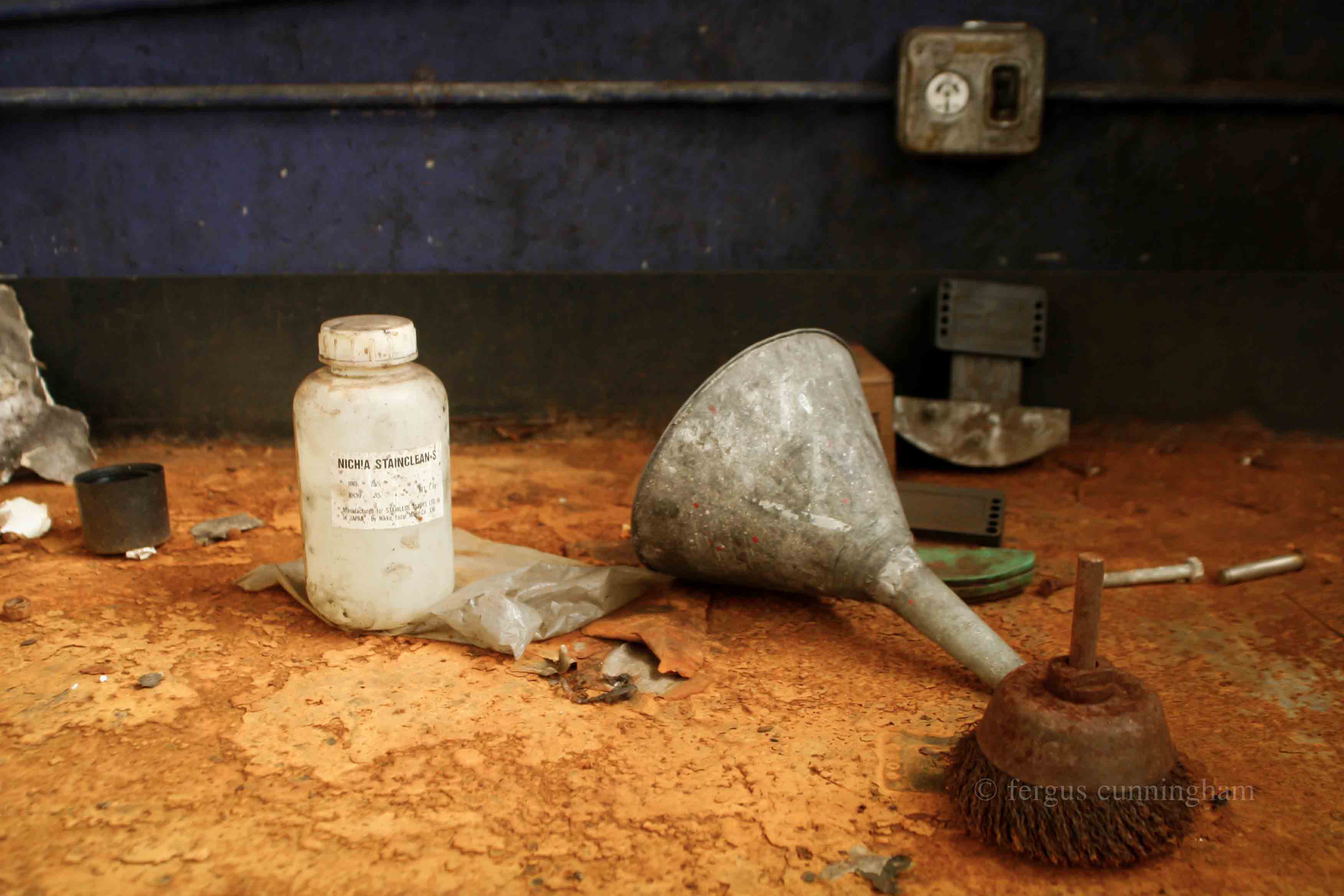
Exploring the ruins of a former coolstore in Patea, 3 hours north of Wellington…
 U R B E X C E N T R A L