In 2014 on a Urbexcentral excursion in the hills- Gunner (as per usual), saw this tower as a challenge rather than an obstacle and couldn’t be talked out of free climbing it. We waited in trepidation at the bottom, as he proceeded to knock the bastard off.
Category: Industrial
Overload
A return and a farewell to an enormous, decaying industrial site- on the eve of its imminent demolition, decontamination and redevelopment. The soundtrack (The Overload) by Talking Heads, is the finale from their 1980 album “Remain in Light”.
A Sweet Spinner’s Lament
Residual Controls
Part One: “Diocletian Allegories” [0:00] High-ceilinged and partially flooded, parts of the compound had the feeling of an ancient Roman bath.
Part Two: “The World As A Machine” [8:14] The generous size of the site felt all-encompassing: an industrial micro-world.
Part Three: “Residual Controls” [14:51] We always enjoy getting our fingers occupied in environments where museum rules don’t apply.
Across Time
Stothert & Pitt
Keith Butler
Inclinations
An Eye In The Earth
Above The Glass
A couple of old chimneys tower over an abandoned glass factory near the village of Krushevo, in the municipality of Sevlievo, in Gabrovo Province, northern central Bulgaria. Gunner thanks his generous and kind hosts, Nicola Miller and Jonathan Taylor.
Conduits
Chilling out on a hot summers day (today) in some favorite UC tunnels/conduits…


Chiller
A video from a couple of years ago- wandering around the creepy ruins of an abandoned cool-stores facility in Taranaki. Happy Halloween folks 😉
Power Station
This thermal power station was completed in 1972 and was decommissioned between 2001 and 2008, it’s chimney was once the tallest structure in New Zealand, it is now being demolished and in the final stages of demolition.
We began exploring this Power Station back in Easter where after trekking down in the darkness from the top of a hill we eventually reached a shoreline where we met a couple of angry seals who we had to dodge as they tried to attack us. Once we found our way in, avoiding light and the risk of areas with motion detectors we reached the main building, our eyes were greeted with a wonderland of ‘pipe-porn’ and steel. The first thing we knew we wanted to hit was the turbine room and to reach this we needed to scale some ladders through the maze of pipes and steel.
Upon reaching the turbine room we found a gigantic space full of yellow turbines, all fully lit up, the whole place echoed as you walked through it which made us feel on edge. After documenting the turbine room we advanced on to find the control room, from intel we had been given we attempted to enter through to the control room where we were met by locked doors, the control room was not to be seen that visit.
Included in this post are pictures months apart, the second series of pictures were pictures taken when the turbine room was mostly deconstructed but we finally found an intact control panel room :).

Power Station from the coast

Power station chimney detached!

Ladders up to the control room


Beneath the turbines

Turbine room

Turbine room

Turbine

Turbine room

Turbine room

Controls inside turbine room

Dismantled controls

Dismantled pipe-porn

Now dismantled under the turbines

Remnants of the turbine room

Remnants of the turbine room

Remnants of the turbine room

Remnants of the turbine room

Sealed off control panels in turbine room

Entrace to the control room

Control room

Control room

Control room

Control room

Control room

Control station 1

Control station 2

Evacuation

Map of alarms at the power station

Futuristic control panels

Futuristic control panels

Futuristic control panels

Control

Gauges

Emergency phone

Turbine room controls

Control room

Alarm panel

Guages

Control station 2

Control station 3

Control station 3

Control station TV

Control room

Graphs

This way to control room

Active power

Active power grids

Active power grids

Active power grids

Time to go
Gunkanjima
One of us was lucky enough to visit legendary “Gunkanjima” a few years ago. Hashima Island, known locally as Gunkanjima (Battleship Island)- is situated off the coast of Japan near Nagasaki. Mitsubishi purchased the island in 1890 and began the project of extracting coal from undersea mines. They built Japan’s first large concrete building (9 stories high) in 1916 to accommodate the burgeoning ranks of workers. Concrete was specifically used to protect against typhoon destruction. In 1959, the 6.3-hectare (16-acre) island’s population reached its peak of 5,259, with a population density of 835 people per hectare for the whole island. As petroleum replaced coal in the 1960s, coal mines began shutting down all over the country, and Hashima’s mines were no exception. Mitsubishi officially announced the closure of the mines in 1974, with the local workers/inhabitants having to vacate their island fortress immediately.
Gunkanjima is increasingly gaining international attention, not only for its modern regional heritage, but also for the undisturbed housing complex remnants representative of the period. In the 2012 James Bond film Skyfall, the island served as an inspiration for the lair of villain Raoul Silva, but filming did not take place on the island itself. One section was recreated at Pinewood Studios in England and the rest via CGI. In 2013, Google sent an employee to the island with a Street View backpack to capture its condition in panoramic 360-degree views and allow users to take a virtual walk across the island. Google also used its Business Photos technology to let users look inside the abandoned buildings, complete with old black-and-white TVs and discarded soda bottles.

Battleship Island


2013 in review
The WordPress.com stats helper monkeys prepared a 2013 annual report for Urbex Central. Thanks for watching and stay tuned for 2014…

Here’s an excerpt:
The concert hall at the Sydney Opera House holds 2,700 people. This blog was viewed about 25,000 times in 2013. If it were a concert at Sydney Opera House, it would take about 9 sold-out performances for that many people to see it.
Cooler
Exploring the labyrinthian maze of a former cool store complex…
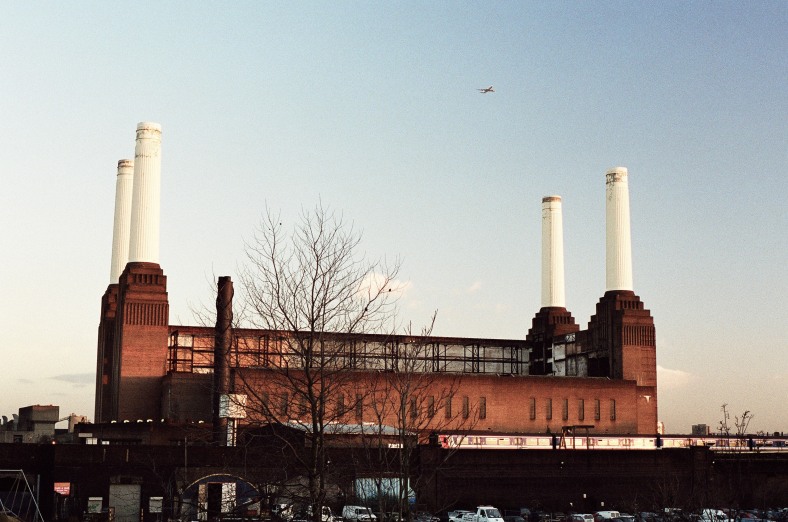
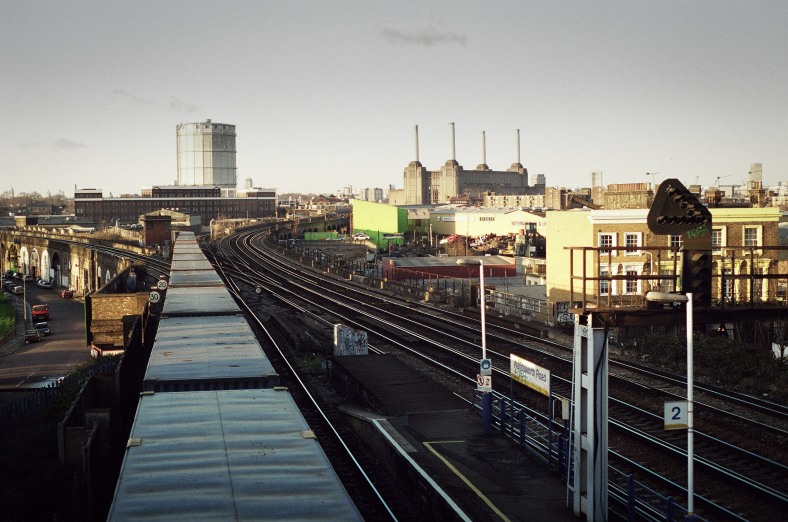
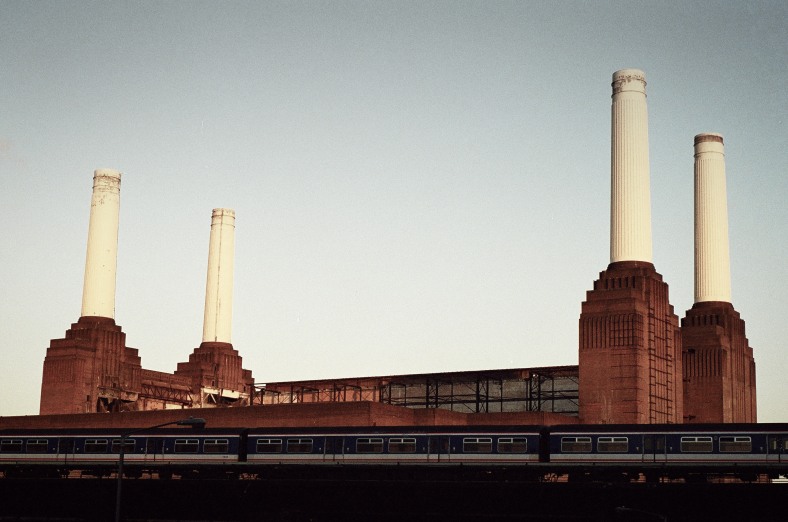
Battersea
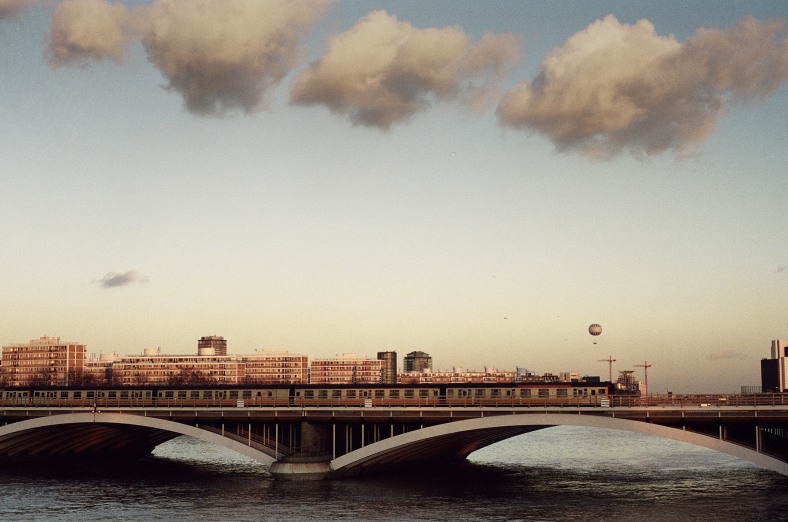
Some exterior shots of the Battersea Powerstation– late 99. This iconic London structure is arguably the most recognisable face of British industrial architecture today. Famous for its Pink Floyd album cover (with the flying pig)- Battersea Powerstation is also a bit of an urban exploration mecca.
 U R B E X C E N T R A L