Category: Military
The Feeling Is Mutual
Waikune Prison Part two
Abandoned since 1986 this derelict prison camp located in a remote area of the North Island in New Zealand barely resembles a prison. The prison is heavily decayed with surprisingly little vandalism and the prisons strange colour schemes were meant to help calm prisoners. Our road trip taking us to this prison began with a sunny 18 degrees, five hours later we were in snow, this place had a very somber feeling to it.
With thanks to WildBoyzUE who joined Urbexcentral for this explore.


Dishonourably Discharged
We had a peek around some of the abandoned buildings and wharves on this abandoned navy base.


ZK-EPA
Abandoned in a patch of farmland in New Zealand lies this abandoned plane, the plane was originally a military plane which transported RNZAF squadrons until 1978. The plane was then sold on to an Airmotive company who had planned but found no further use with the plane, thus the fuselage was broken up and transported to the farmland where it still lays to this day, a sad end for such a fantastic and unique looking plane.


I Am Number 4
The state of this house is almost as awful as the movie, in fact we’re not sure whether it was a house or a barracks for the nearby army outpost.


Abandoned House
Artillery
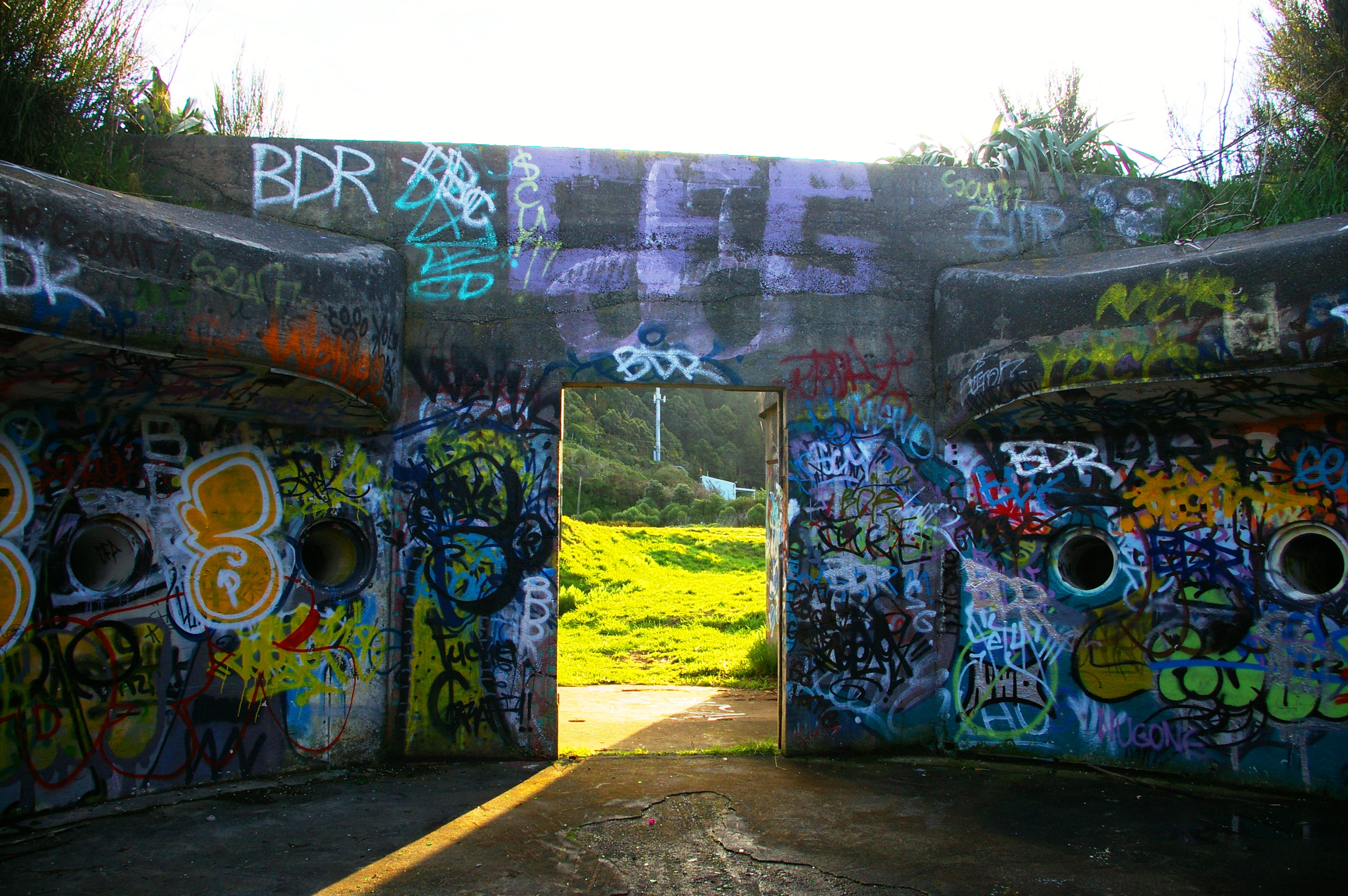
This coastal artillery battery (one of many) was built to defend New Zealand’s capital Wellington against a Naval attack. Work began in 1908 on constructing a 2 gun battery using 6″MkVII guns. By 1912 these 6″ guns were manned by the Wellington Naval Artillery Volunteers. At its prime at the beginning of World War II, this fort had a total of no less than four different batteries of guns, and became the HQ for the heavy artillery regiment that manned the various coastal defence batteries in and around Wellington.
Beaufort
The Crusader fortress of Beaufort Castle- constructed in the 12th century- has been the focus for countless battles and the home of many occupiers over the centuries.

Beaufort (French for “beautiful fortress”) sits atop a 300 meter cliff which declines steeply to the Litani River. Its commanding location, with views over of much of southern Lebanon and northern Israel, is still of strategic value today.

In fact, Beaufort is one of the few cases where a medieval fortress has also proven to be of strategic military value, in the age of modern warfare.

In late 2005 the place was in ruins- but there was no mistake who held the high ground here.

Hezbollah’s AK47 emblazoned flag fluttered in the breeze- along with their allies and former rivals, AMAL.

Seven months later, the IDF once again invaded Lebanon- blitzing their way up to Beirut- laying South Lebanon to waste and cluster bombs in the July War

The Palestinian Liberation Organisation (PLO) held the castle from the beginning of the Lebanese Civil War in the mid 1970′s, until the Israeli invasion of Lebanon in 1982. The Israeli Defence Forces (IDF) finally evicted the PLO and occupied and fortified Beaufort, controlling south Lebanon for the next two decades.

Upon their withdrawl in 2000, the IDF set explosives and destroyed most of the structure. In 2007 an Israeli film- Beaufort– was released about an IDF unit stationed at the fortress.
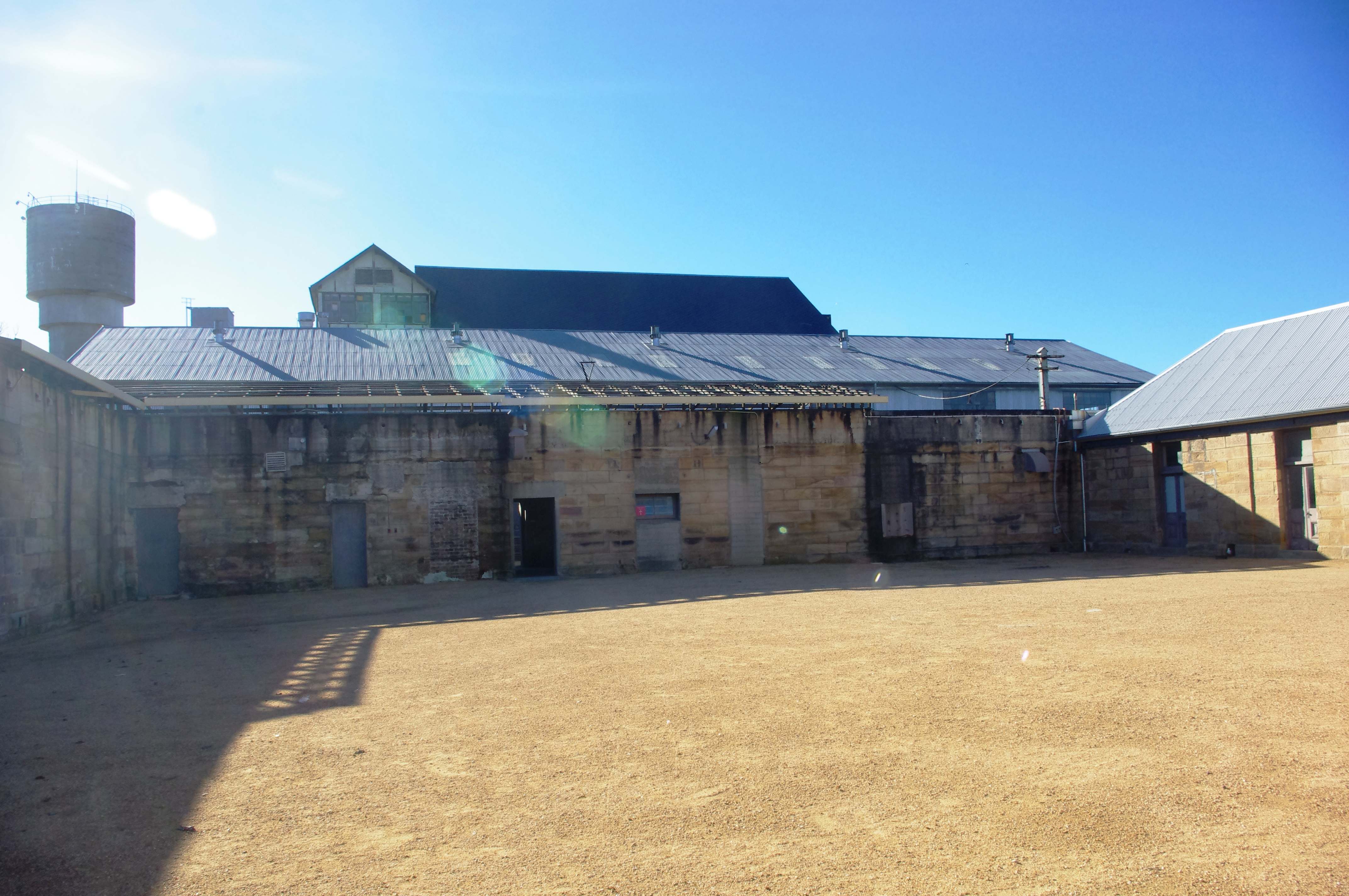
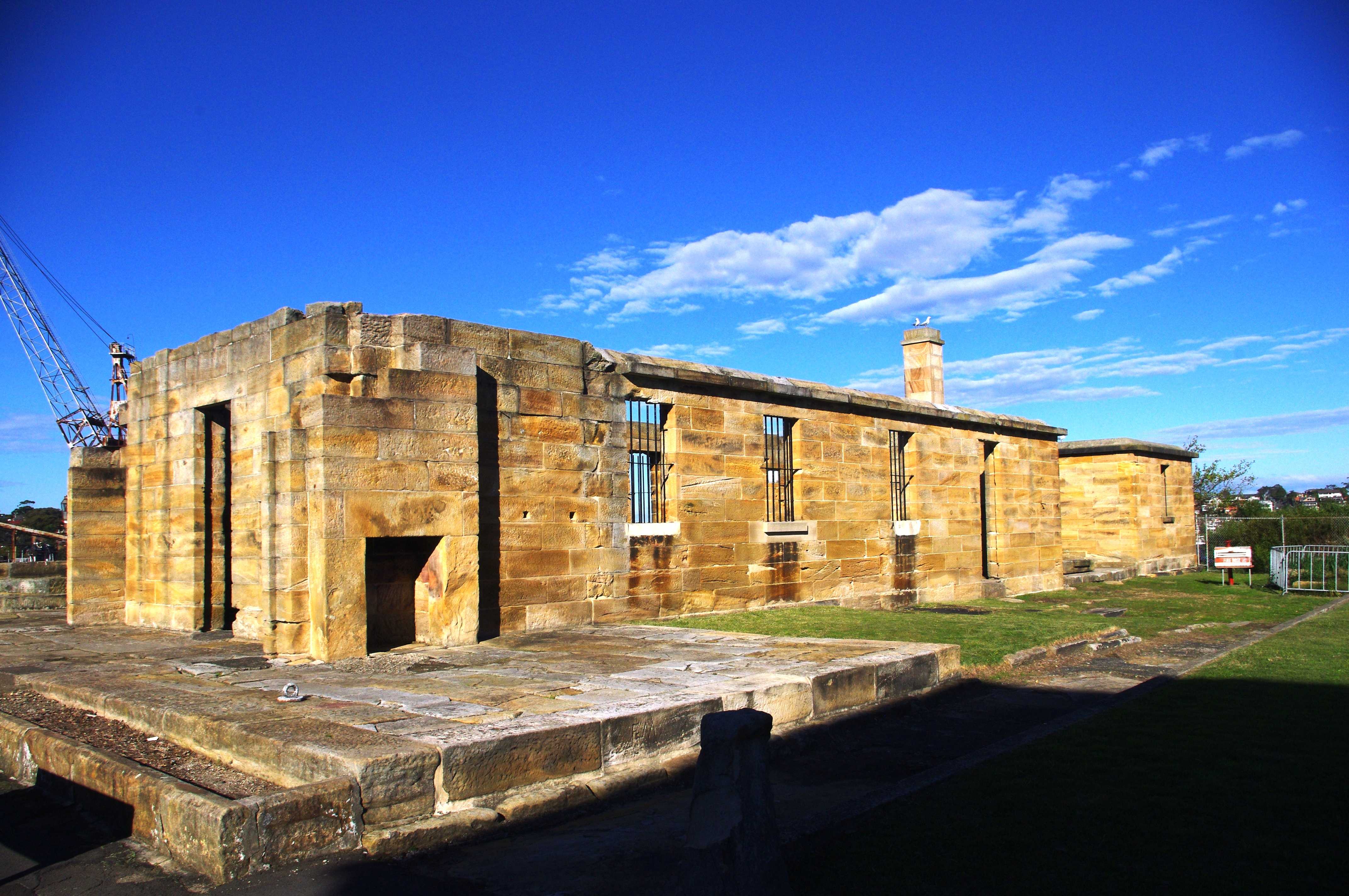
Cockatoo Island 3 – Gaol + Fort
The islands prison, and the garrison to guard them were a readily available source of workers for the islands shipyard and to quarry the sandstone of which the island is comprised.




Ammo
Exploring what we think were former ammuntion stores- though from the ouside they look more like hobbit holes…
Cockatoo Island – Introduction/Teaser
This is the first in a new series of posts focusing on Cockatoo Island, situated in Sydney harbour, with each of these instalments focusing on a different aspect of what cockatoo island has to offer in the way of urban exploration, the video here is a general overview of some of the different features of the island.
During it’s colourful history it has been used as a Military Barracks, Prison/Gaol, Shipyard and Naval Dockyard amongst other things. As a result the island is teeming with reminders of it’s history and is a plethora of abandoned buildings, tunnels, cranes and other structures including a beautiful old power station.
For more information about Cockatoo Island see:
http://www.cockatooisland.gov.au/about/history.html
http://en.wikipedia.org/wiki/Cockatoo_Island,_New_South_Wales
Beelitz-Heilstätten
Beelitz-Heilstätten, just south of Berlin, was a large hospital complex that has its beginnings in 1898.

Originally designed as a sanatorium – with the outbreak of World War I in 1914, it was converted into a military hospital for the German Army.

The suitably freezing, misty day only emphasised the eeriness of the vast hospital complex, which consists of at least 60 buildings.

As we wandered around trying to find a way inside, it was strange to think that a gammy-legged Hitler may have once walked these very same steps almost a century ago.

During the months of October and November of 1916, a young Adolf Hitler recuperated here (unfortunately) after being wounded in the leg at the Battle of the Somme.

Eventually we gained access through a broken basement window, spending the next several hours exploring the derelict hospital…

At the close of World War II in 1945, Beelitz-Heilstätten was occupied by Soviet forces – remaining a Soviet military hospital up until 1995, well after German reunification. Since the late 1990’s however, the complex has been left mostly abandoned and become a favourite playground for urbex in Germany.

Our exploration was finally interrupted when a team of men in hi-visibility jackets arrived on the scene.

As night was descending, we felt it was about time to leave anyway – only wishing we’d taken some better photos before our hasty exit…

Light Painting
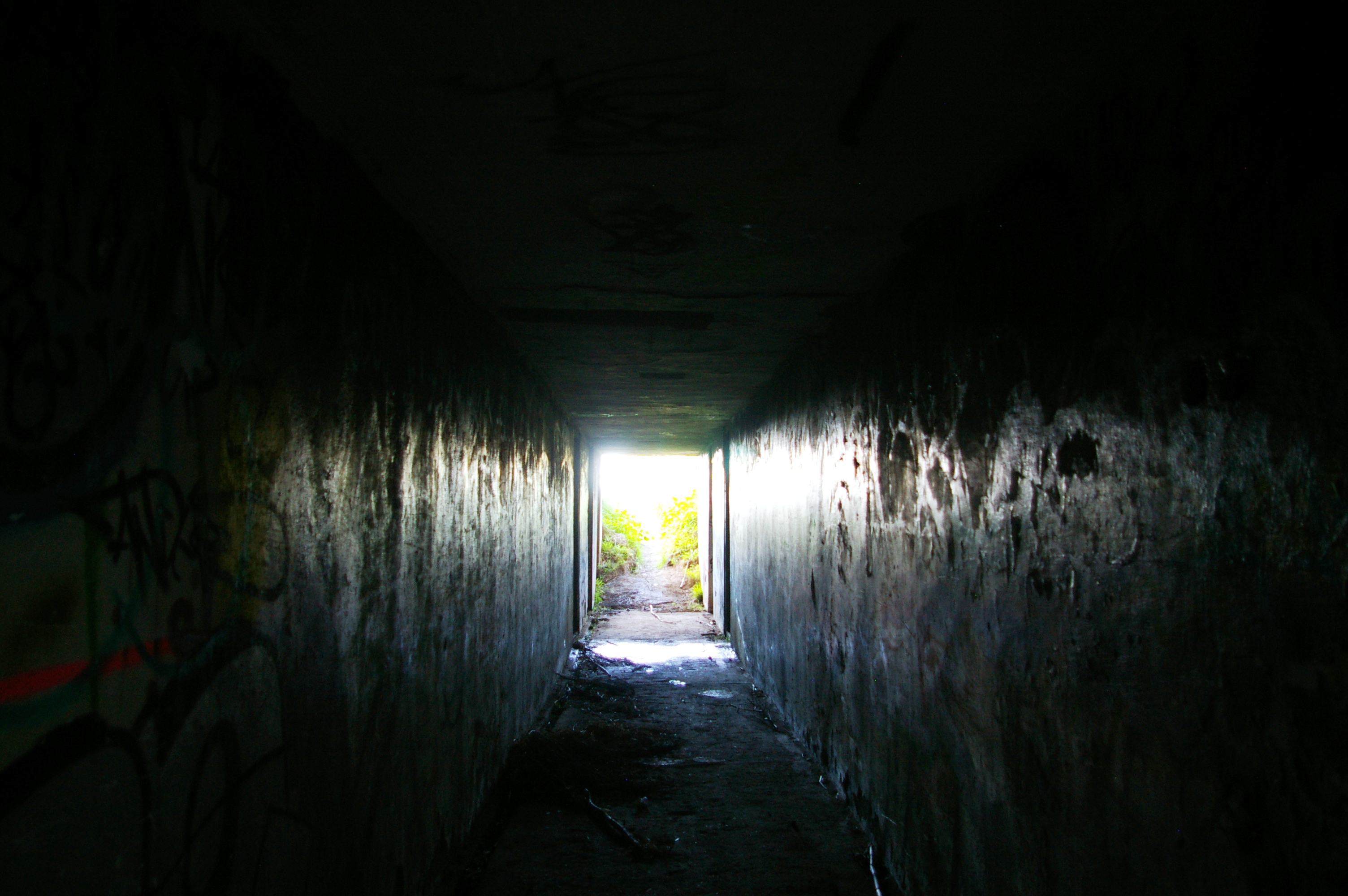
Some light painting up at an old WWII bunker.


 <a
<a


The Bunker
An abandoned former harbour defence gun battery, up above the Wellington Harbour. Someone else thought it was a great location- for a party- a rave we heard…


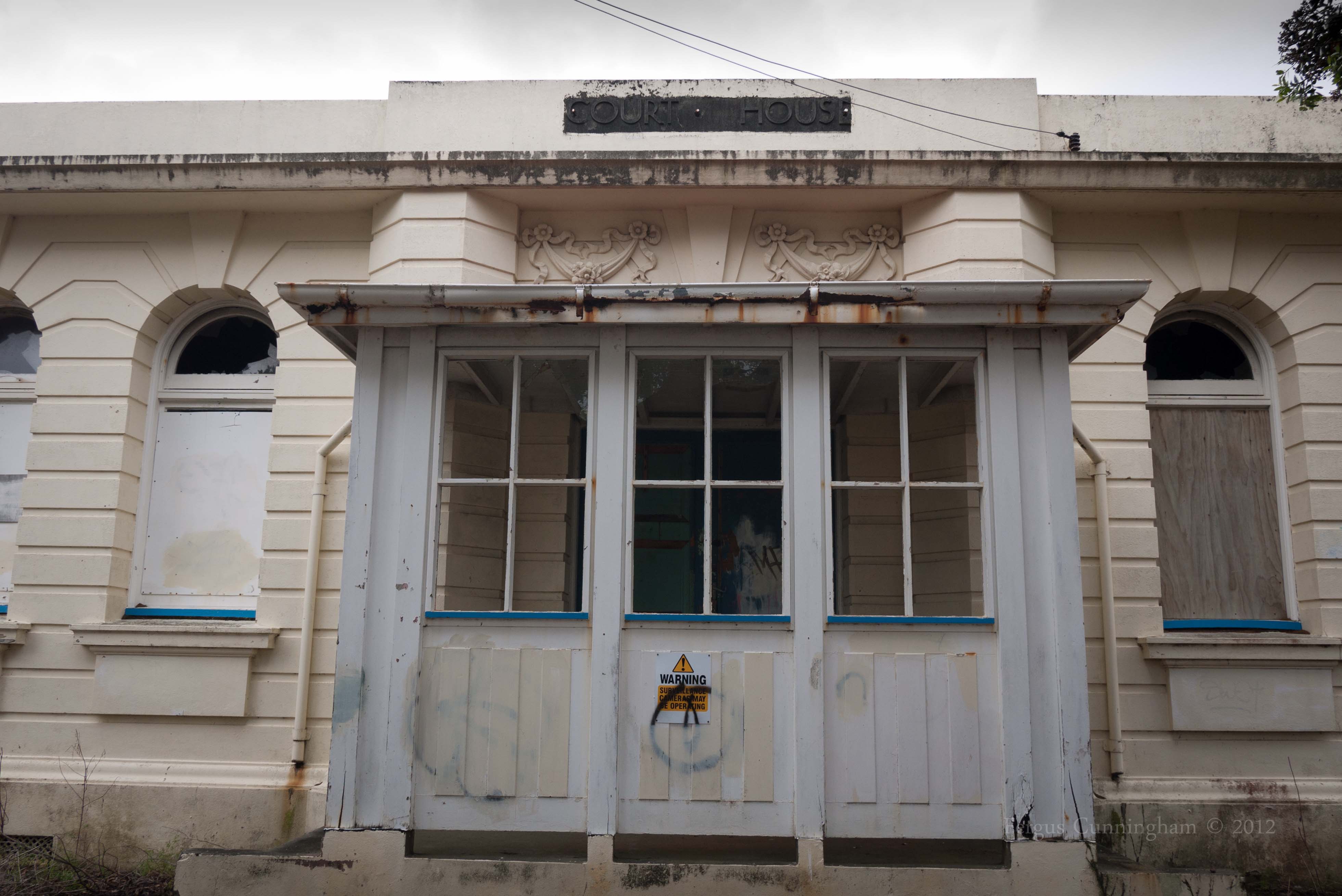
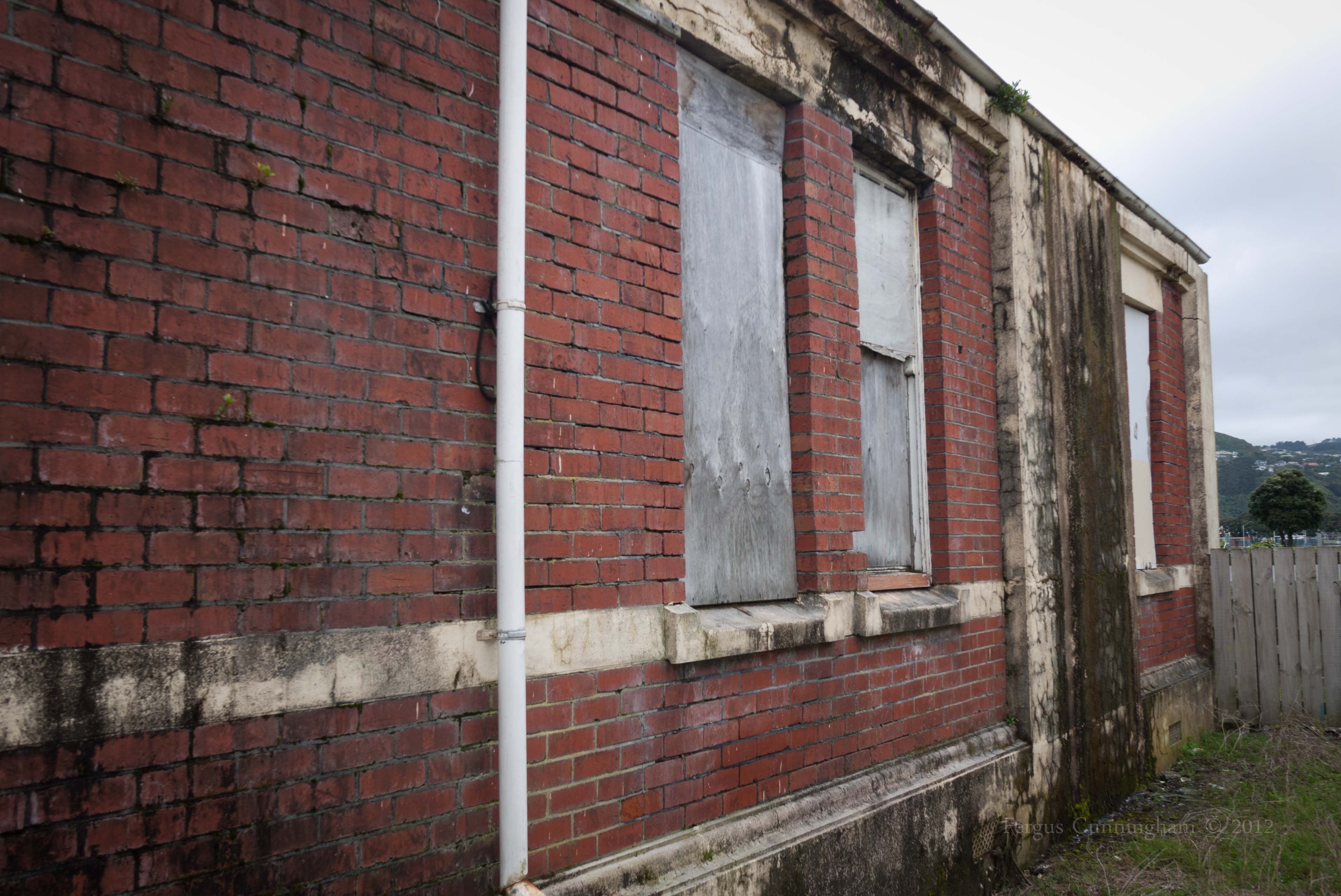
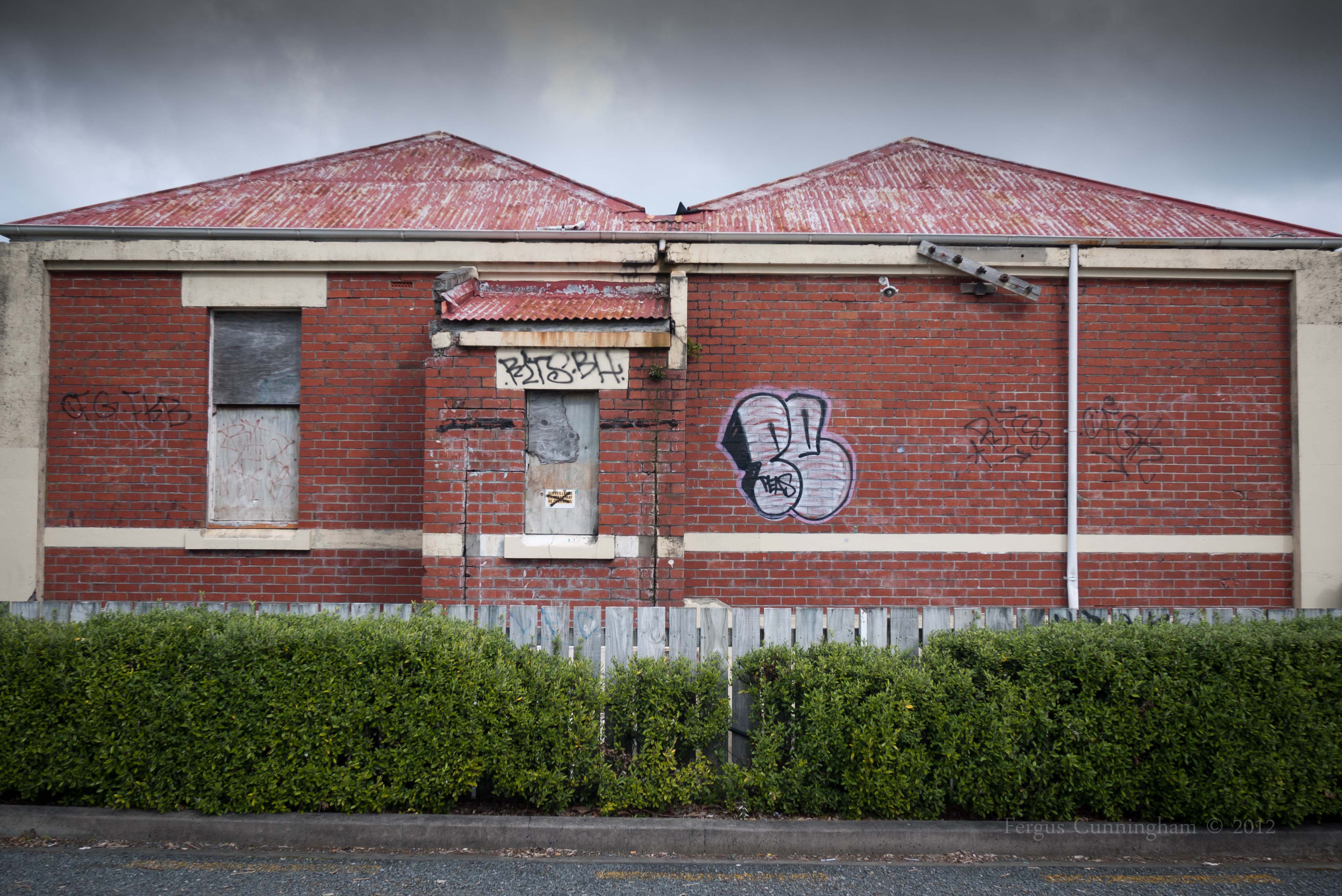
Copshop
A former police station in the suburbs. Prior to being a copshop, it was the other arm of the law- a court house…



The Fort
An old fort that once protected Wellington harbour from attack.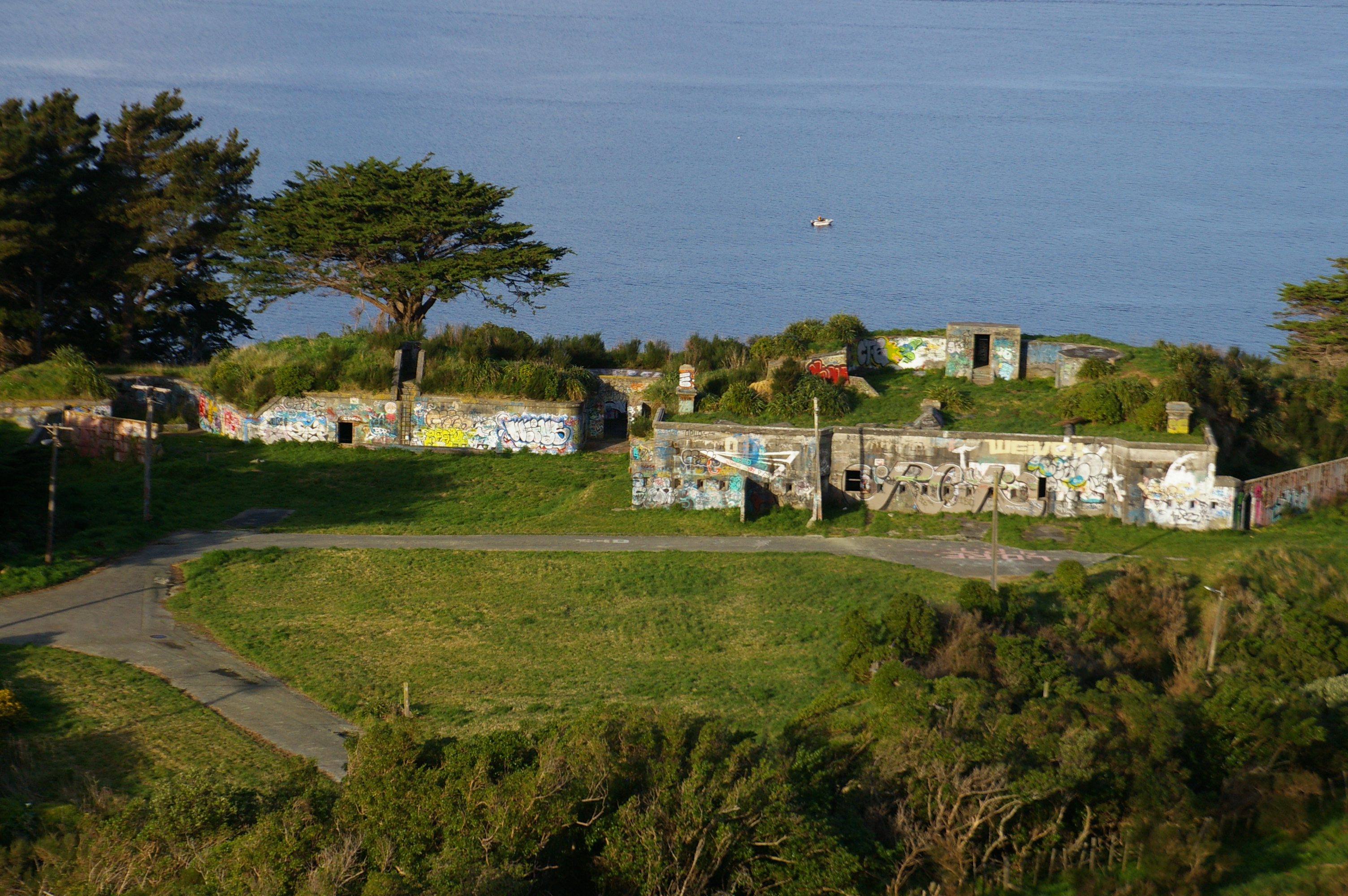



Prison/Military buildings
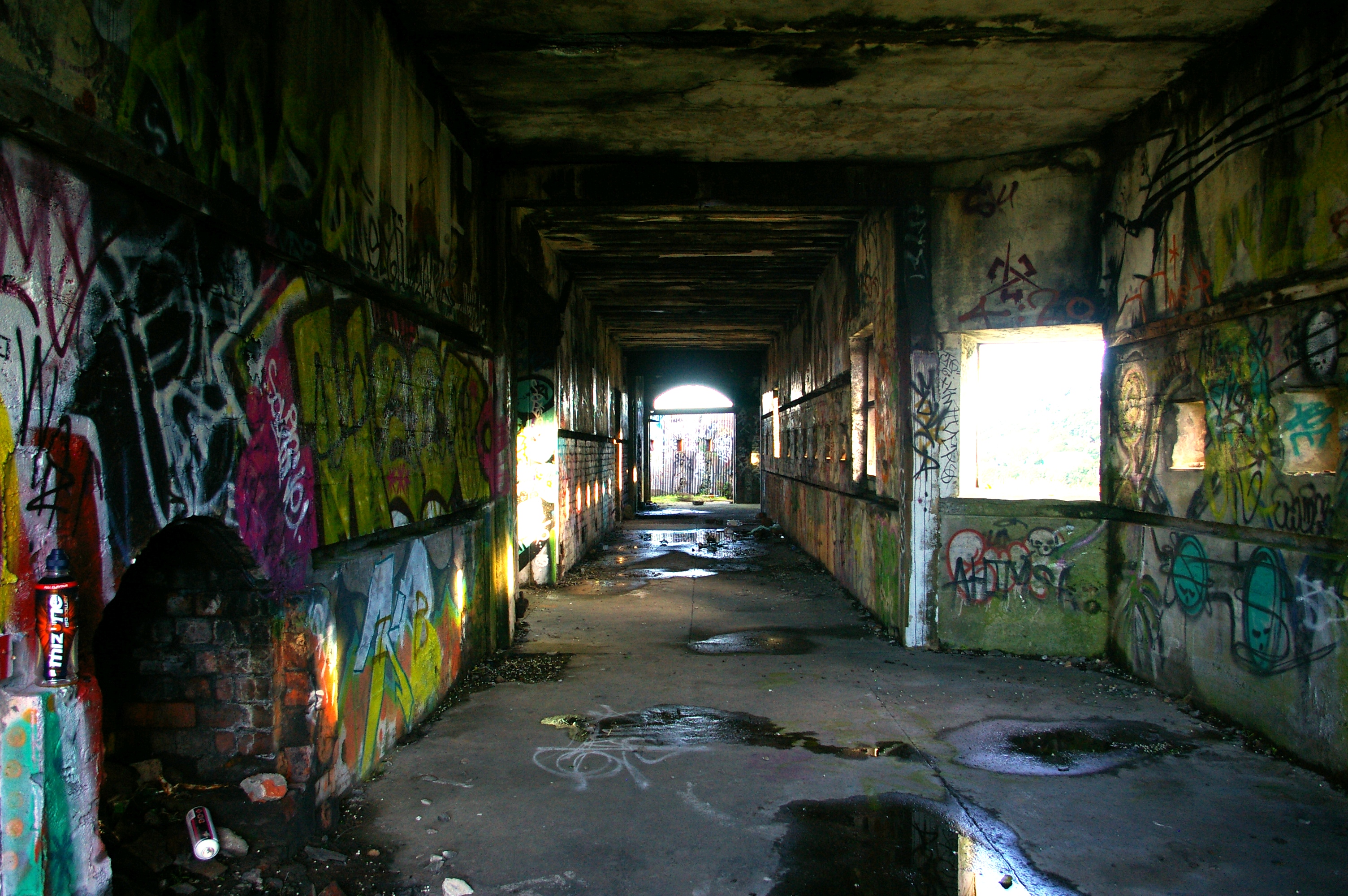
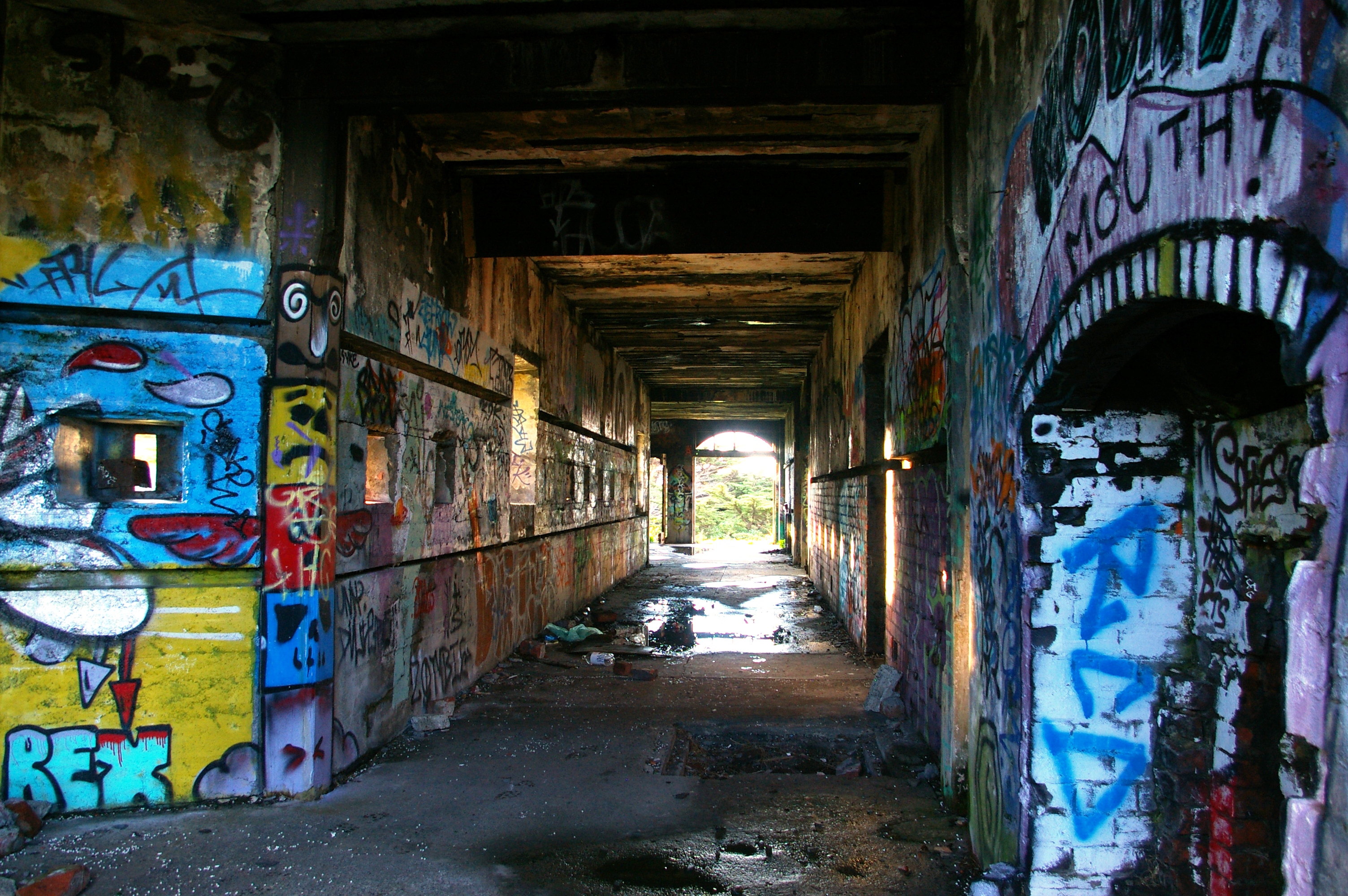
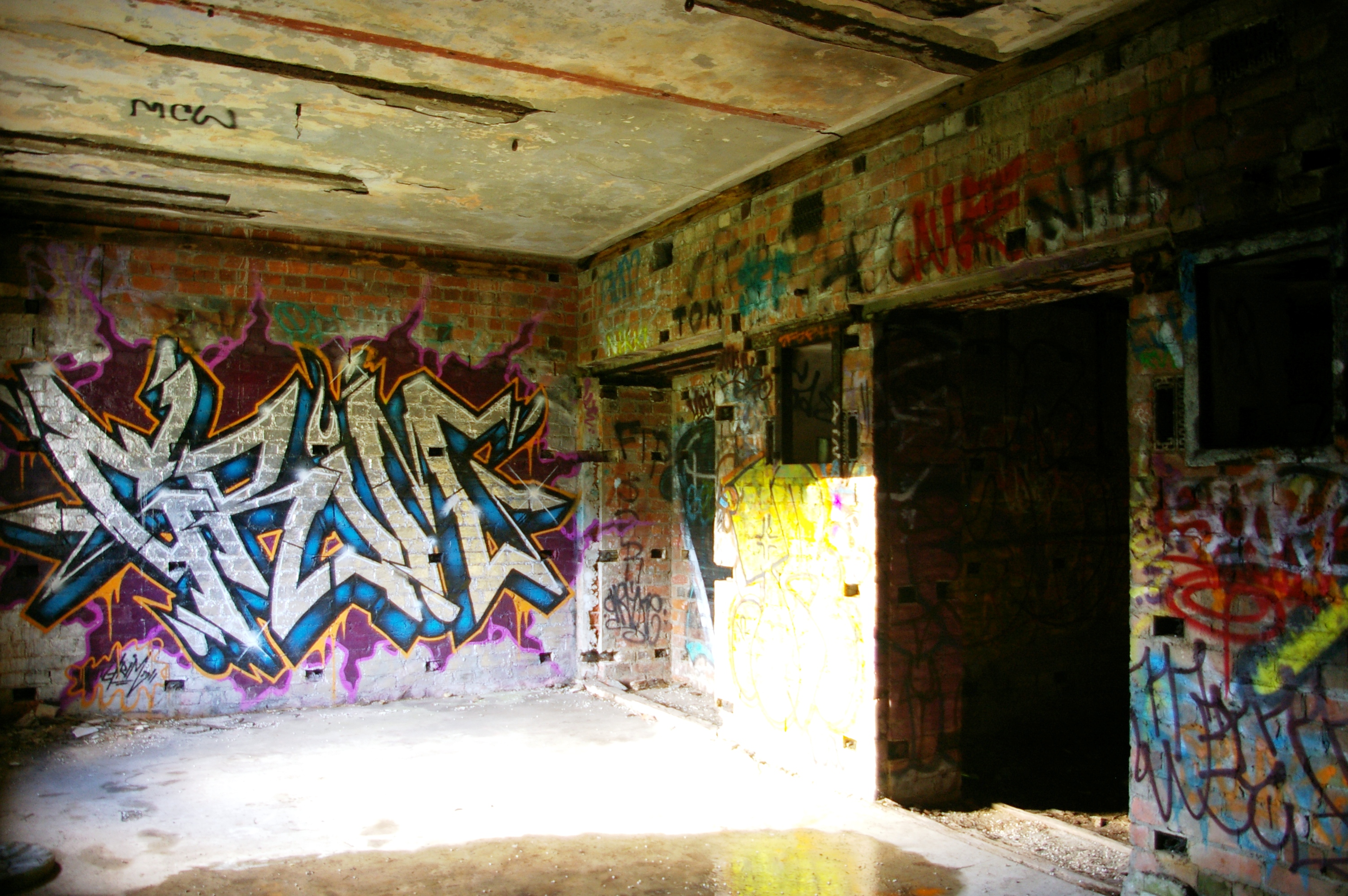
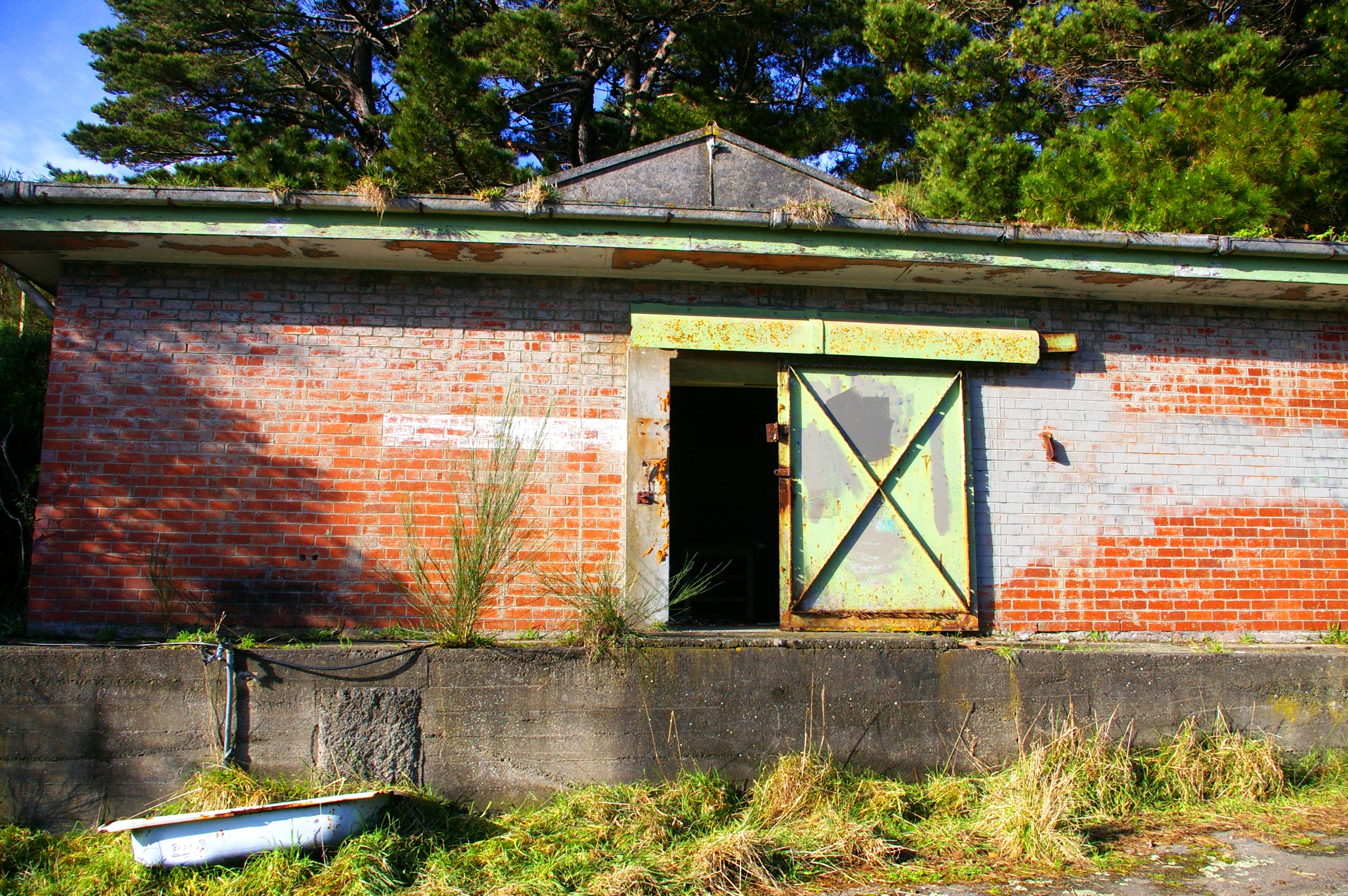
These structures have long been forgotten.


Underground Structures
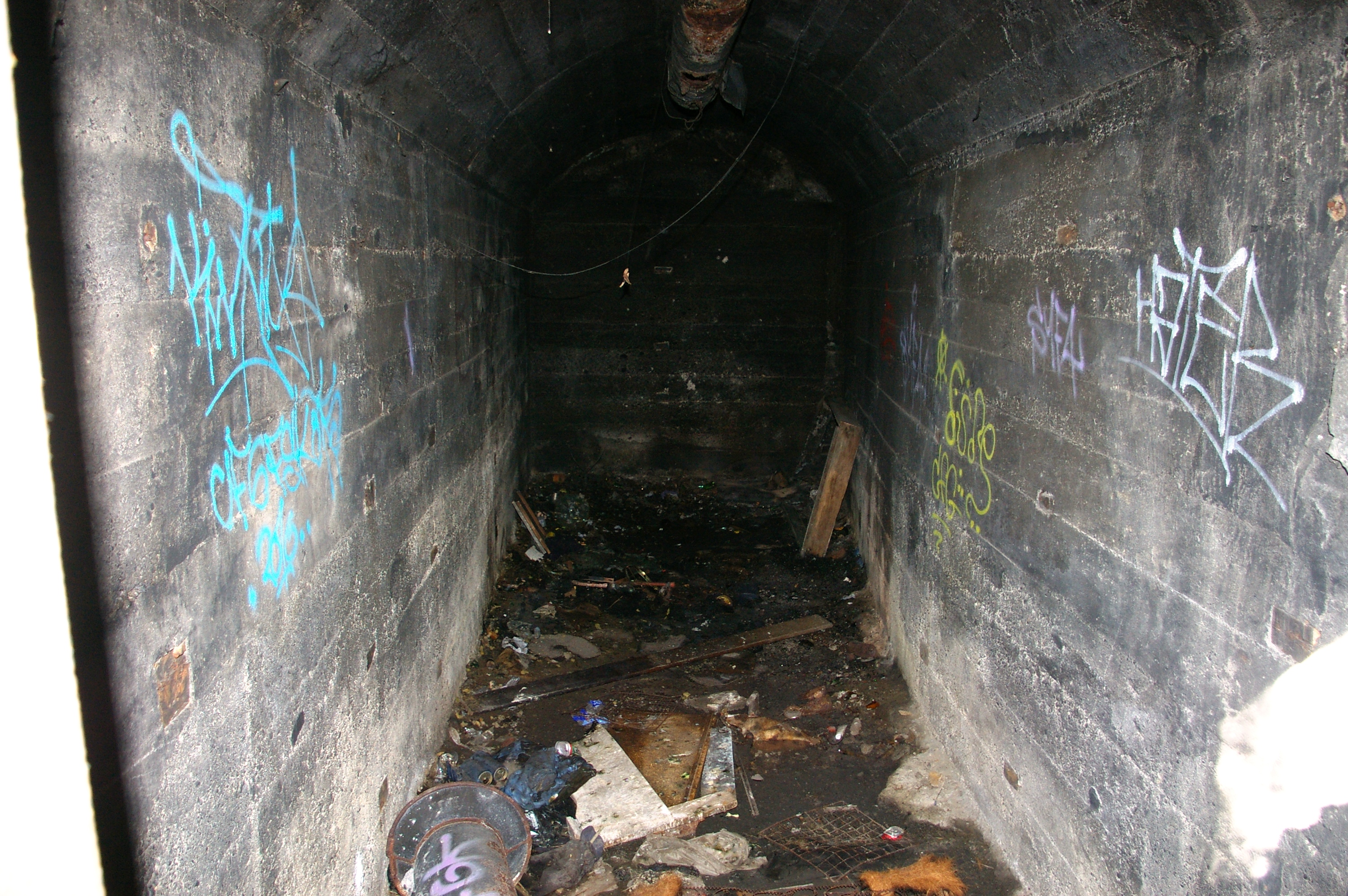
These underground rooms are part of an old defence installation in Wellington and now seem to be mainly used as a rubbish dumping site.



Underground Bunker
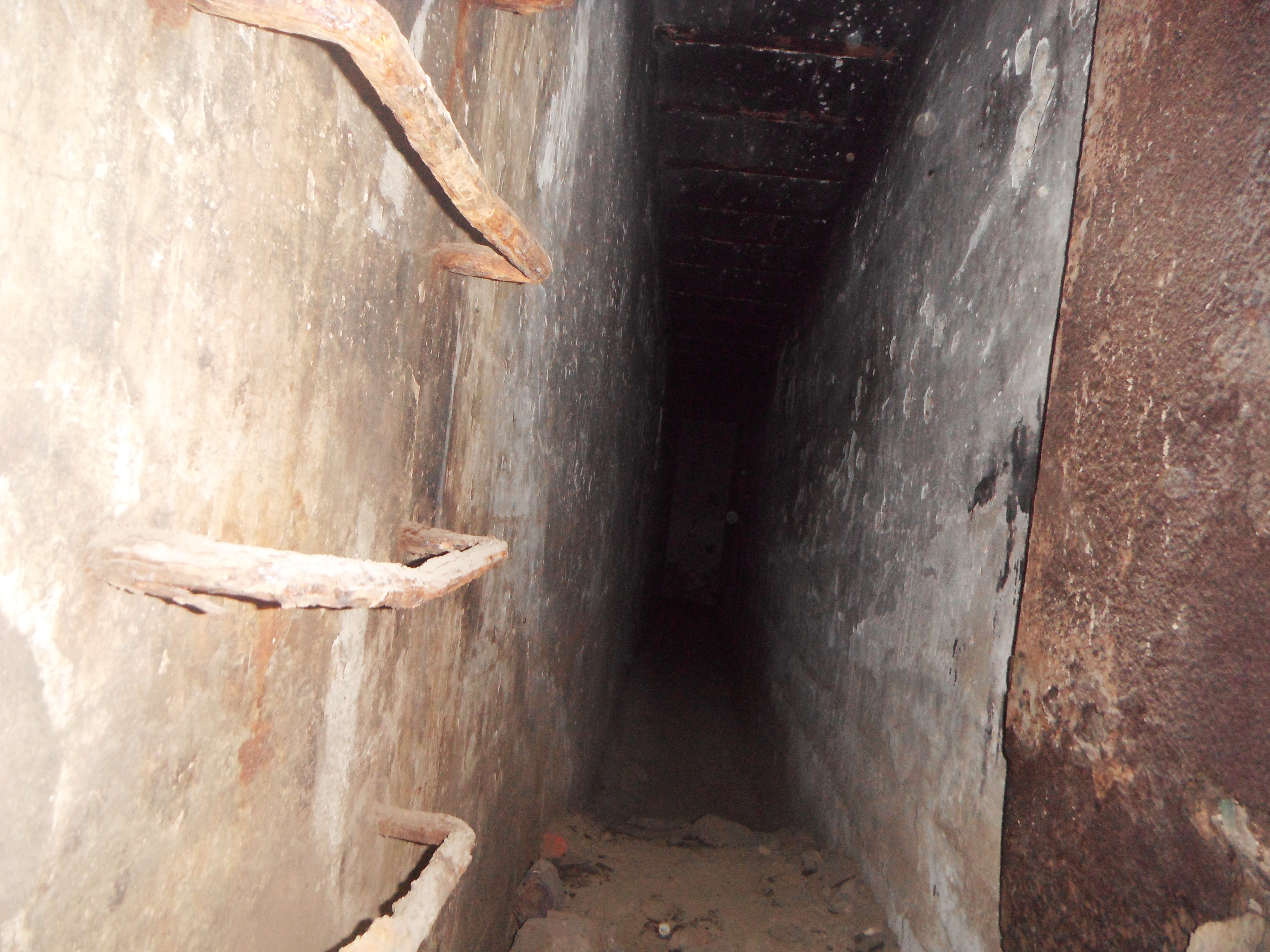
Once part of Wellington’s WWII defence network, this bunker now lies neglected and half buried.




 U R B E X C E N T R A L