Category: Transportation
From Ten To Two
130 years after its construction, and 40 since its abandonment, the dripping continues, and the clay is still incredibly boggy.
Thanks to The Forsaken Explorer NZ for directing me when I got a little lost on the hunt: https://www.youtube.com/channel/UCsDB2AmI-Lr4EhHOgZxA7Ag
Hard Labour
Arnold
West Coast ghost town
Once a thriving railway township, Rewanui was abandoned in 1985 when the railway branch was closed. The town was taken care of and preserved by its caretaker until in 1988 where a huge landslide following a flood destroyed most of the buildings and bridges that remained, tragically killing the sole occupant of the town.
After quite a long walk and a lot of searching through bush we found many remnants of the past still exist throughout the valley including old coal carts and mines.


Marooned
Exploring a century old shipwreck near Wellington recently…
Defunct Japanese Airfield


This abandoned Japanese airfield is the second contribution brought to you by our newest contributor.
Portals
This series of abandoned railway tunnels, almost look like portals to another dimension…


Smash You Bro
This car wreckers yard was the set of the New Zealand cult classic film Smash Palace released in 1981. The junkyard offers a rare opportunity to see cars from multiple eras and in various states of decay – some are even in the process of being reclaimed by nature by means of plants growing inside them.


Car Graveyard


Ruapehu Railways
Standing at the feet of Mt Ruapehu are the remains of several railway viaducts in various stages of decay. Modernisation of the railway network and the move towards concrete bridges in place of the historic steel viaducts has meant that these symbols of industrialisation are no longer in use. One of the viaducts has been turned into a tourist attraction with the option of walking across it – on this viaduct I took the path less travelled and popped down for a look at the hidden service platform beneath its deck.


These steel pins held the wires taut.


Looking up at a viaduct

The viaducts are surrounded by wildlife and forests

This was the most decayed of the 3 viaducts

A disused rail tunnel looking out

A disused rail tunnel looking in

The new concrete viaduct with the old steel one in the background.

The steel rivets holding the viaduct together

The view of the viaduct from the platform beneath

The old wooden service platform beneath one of the disused viaducts

This was found under one of the viaducts


Trolleying
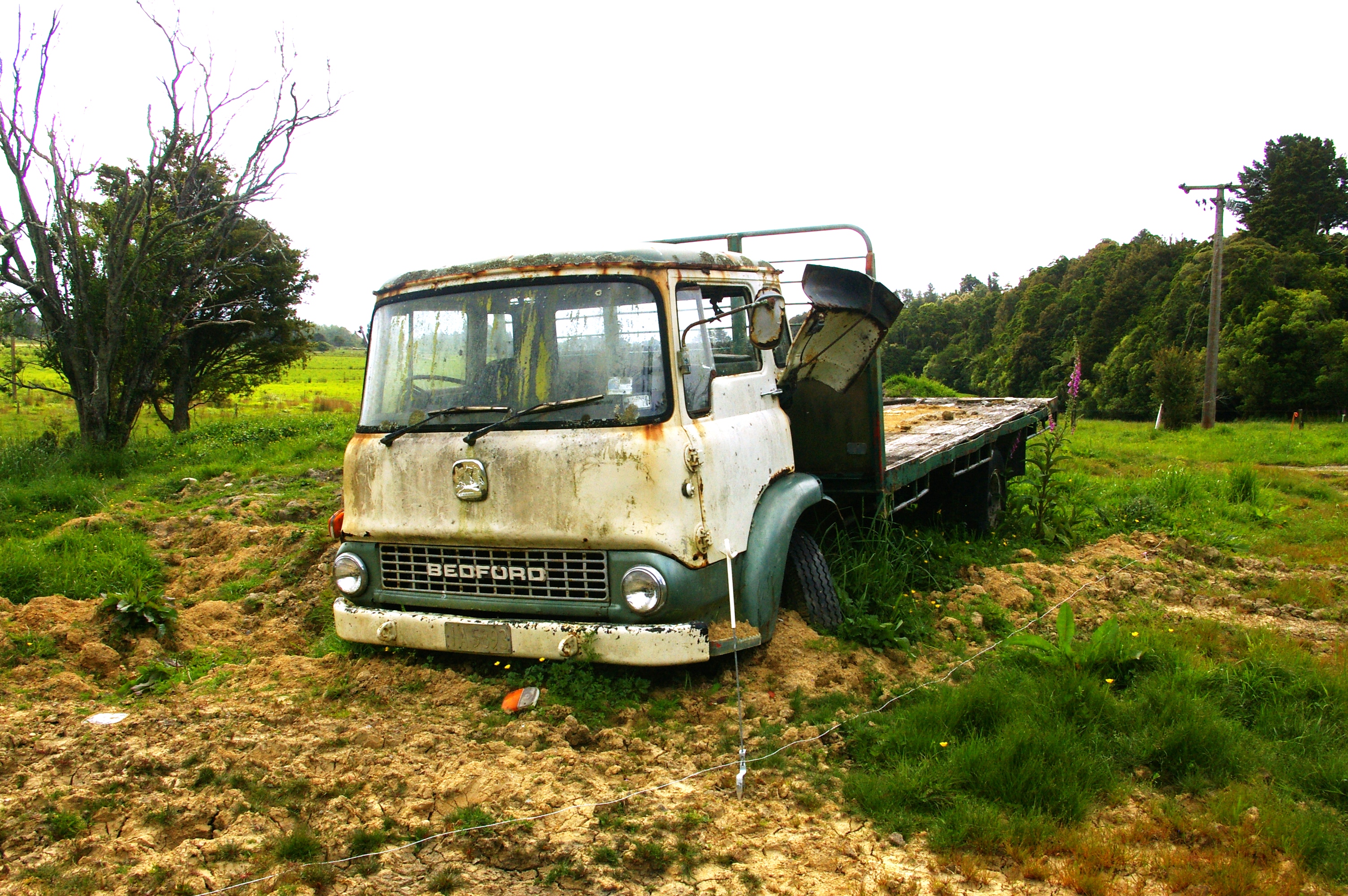
One of Wellington’s defining features is our fleet of trolley buses, we found a couple of older models rusting in a paddock and decided on an inspection. The old signs hark back to simpler times.


NZR – Boneyard
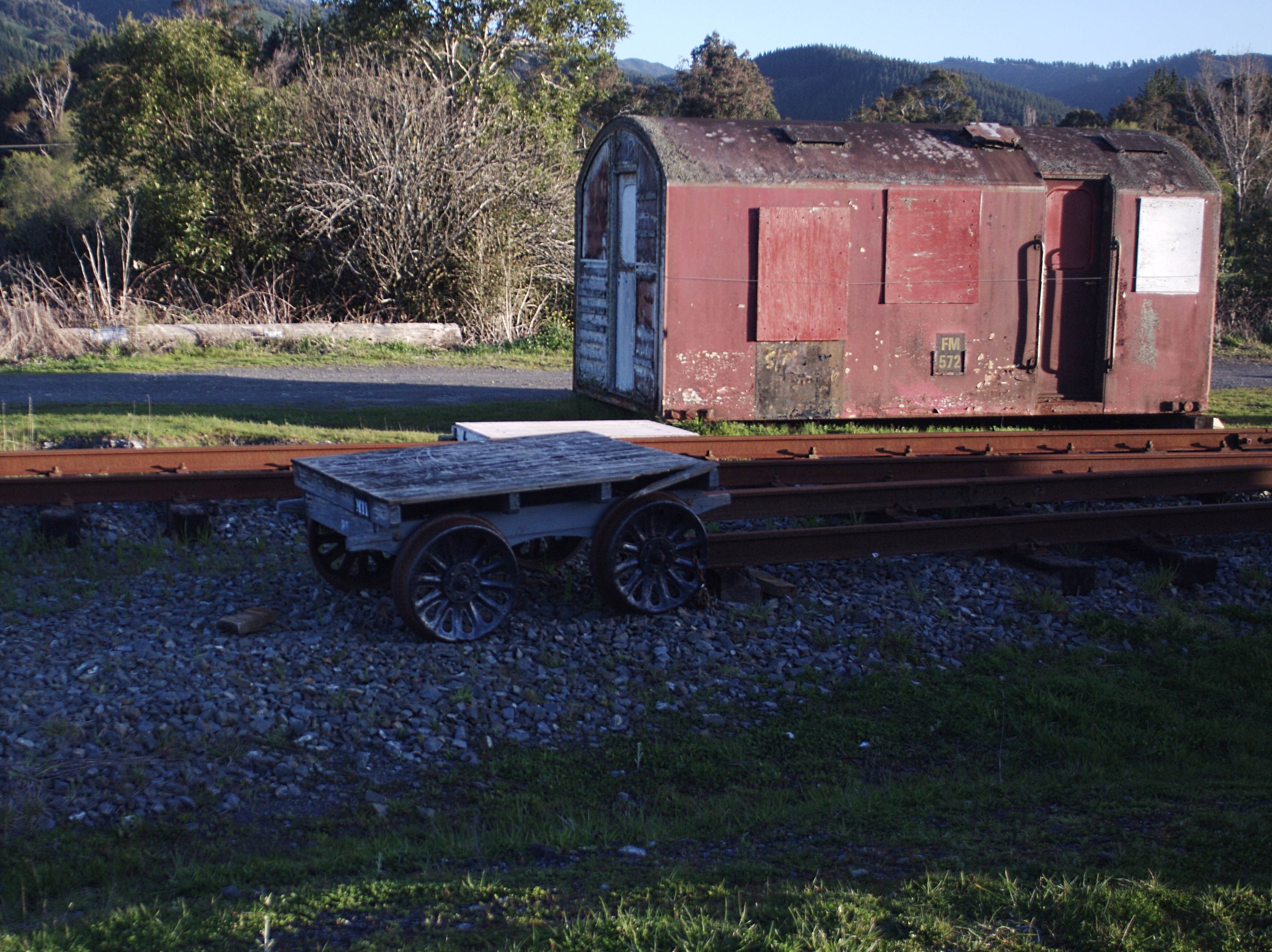
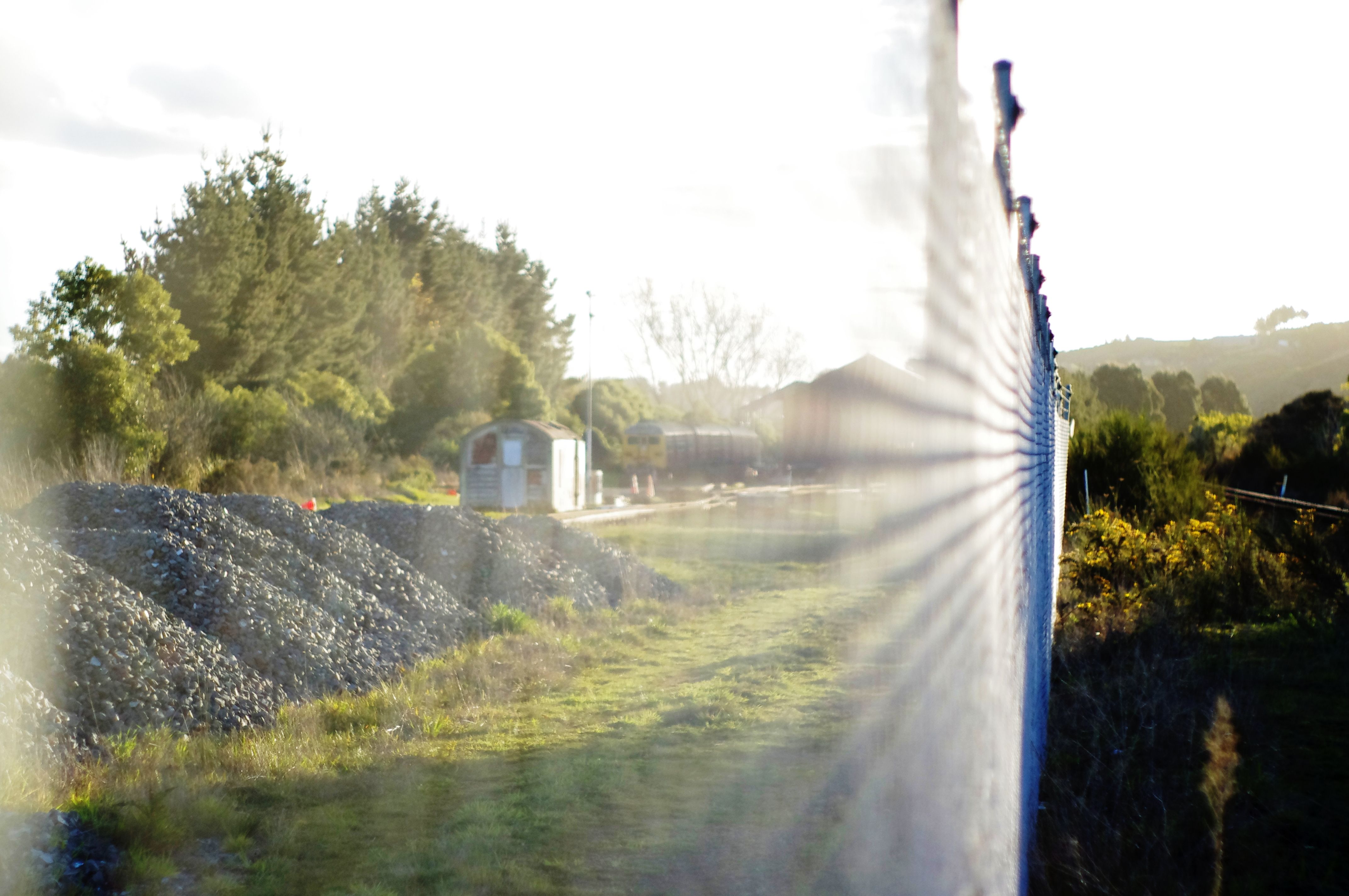
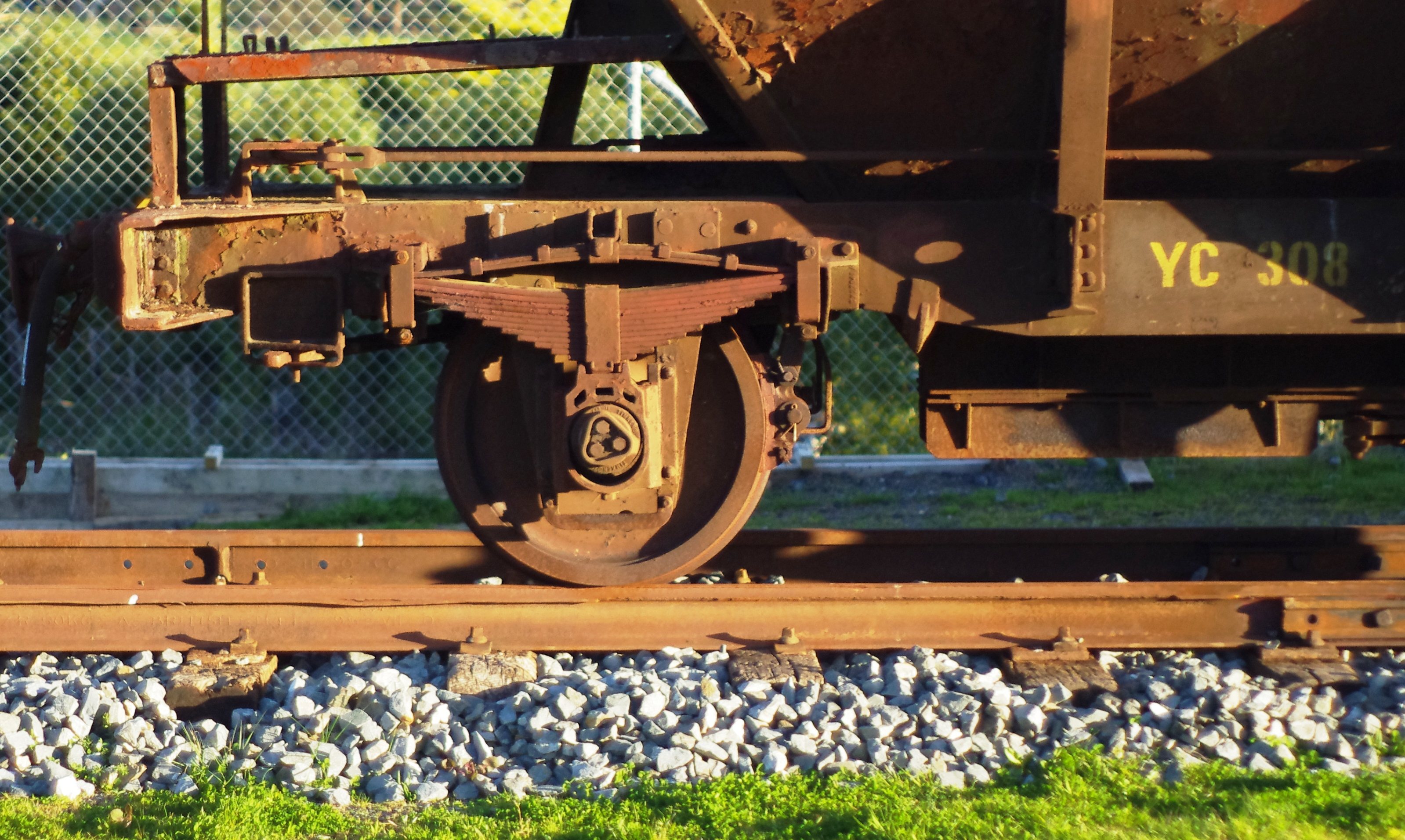
As I was rattling by on the train I noticed this small train boneyard in the middle of the countryside – and we decided that it deserved an inspection!
Surrounded by a high electrified perimeter fence and with dogs baying nearby, we couldn’t hang around but managed to snap these shots.


Trig or Track
“Don’t play on the tracks- head for the high ground”. Why not do both? Part II of Escarpment…
Mind the (kina) gap.
Following on from the success of our last collaboration with these traceurs we tagged along with them for a day, this is the first video in a series displaying their unique ability to interact with and explore the urban environment via. parkour.Their philosophy revolves heavily around the concept: “Etre fort pour être utile” (Be strong to be useful) and as you will see in some of our other videos (some yet to come) they practice what they preach…
Much like urban exploration, our bread and butter, parkour is about interacting with our urban environment and experiencing it in new and different ways. Where we preserve it statically on film and in video, practitioners of parkour interact kinetically with the landscape.
Massive respect to the guys from Wellington Parkour and Freerunning for performing these feats.
Cockatoo Island – Introduction/Teaser
This is the first in a new series of posts focusing on Cockatoo Island, situated in Sydney harbour, with each of these instalments focusing on a different aspect of what cockatoo island has to offer in the way of urban exploration, the video here is a general overview of some of the different features of the island.
During it’s colourful history it has been used as a Military Barracks, Prison/Gaol, Shipyard and Naval Dockyard amongst other things. As a result the island is teeming with reminders of it’s history and is a plethora of abandoned buildings, tunnels, cranes and other structures including a beautiful old power station.
For more information about Cockatoo Island see:
http://www.cockatooisland.gov.au/about/history.html
http://en.wikipedia.org/wiki/Cockatoo_Island,_New_South_Wales
Departures
“This is the final call for flight UC101. Departing at 1300 hours from Gate 9 for Space Station X…” With a bit of imagination, this abandoned airport boarding bridge could be a gateway to another reality…
Rolling
Abandoned rolling-stock, or so we thought. They’d been sitting there idle for years, but within a couple of weeks of our visit- they had disappeared without a trace…


Tanked
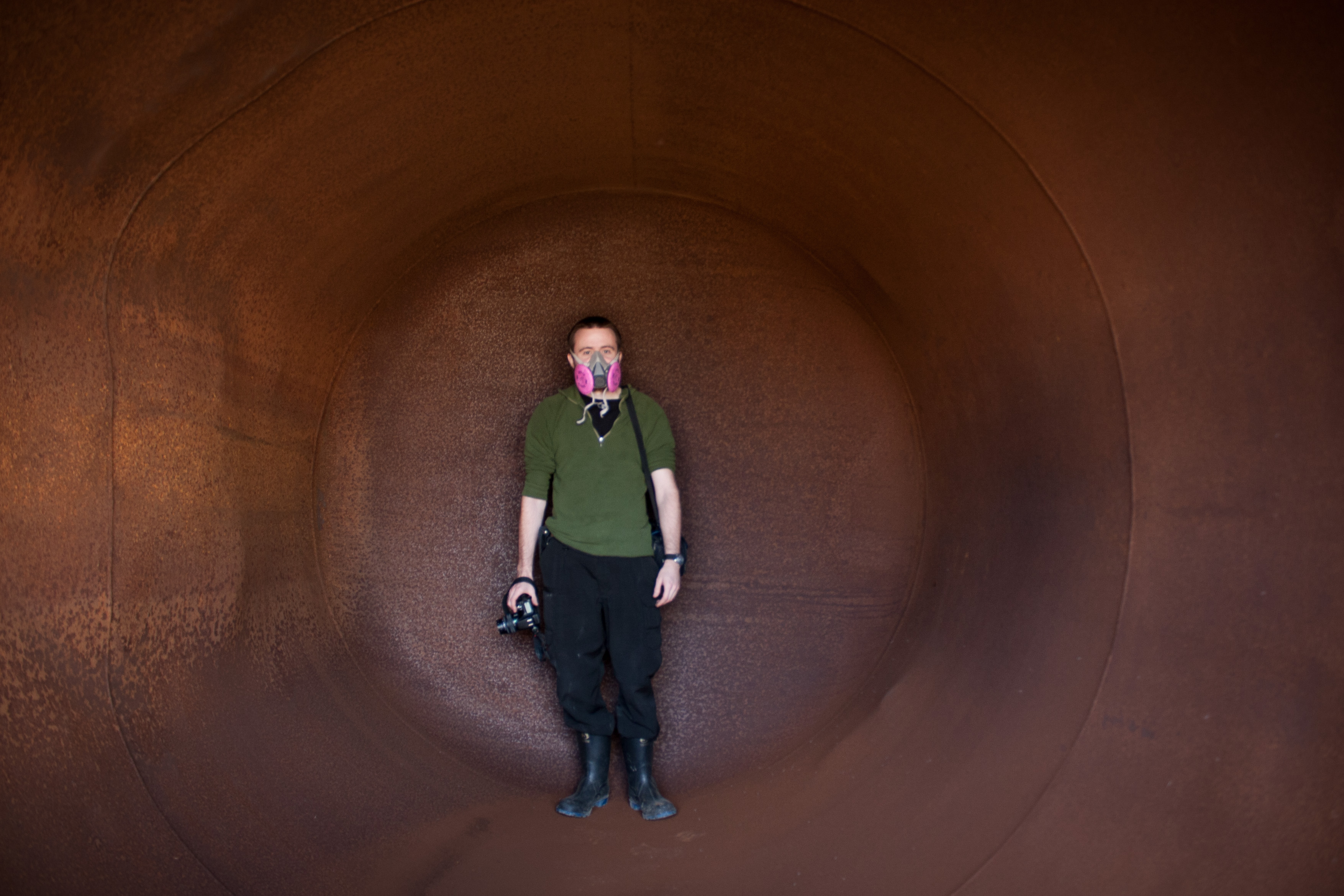
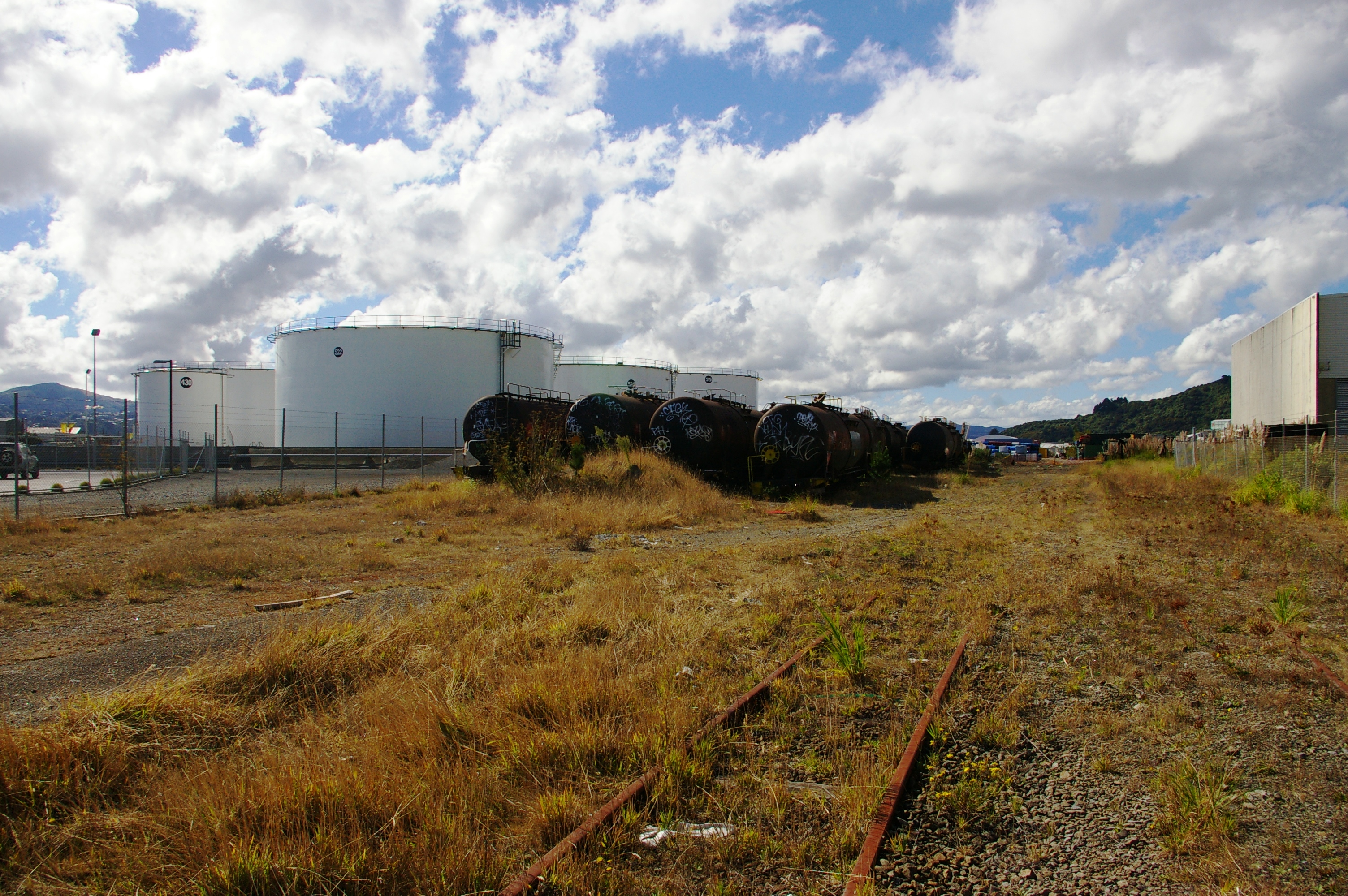
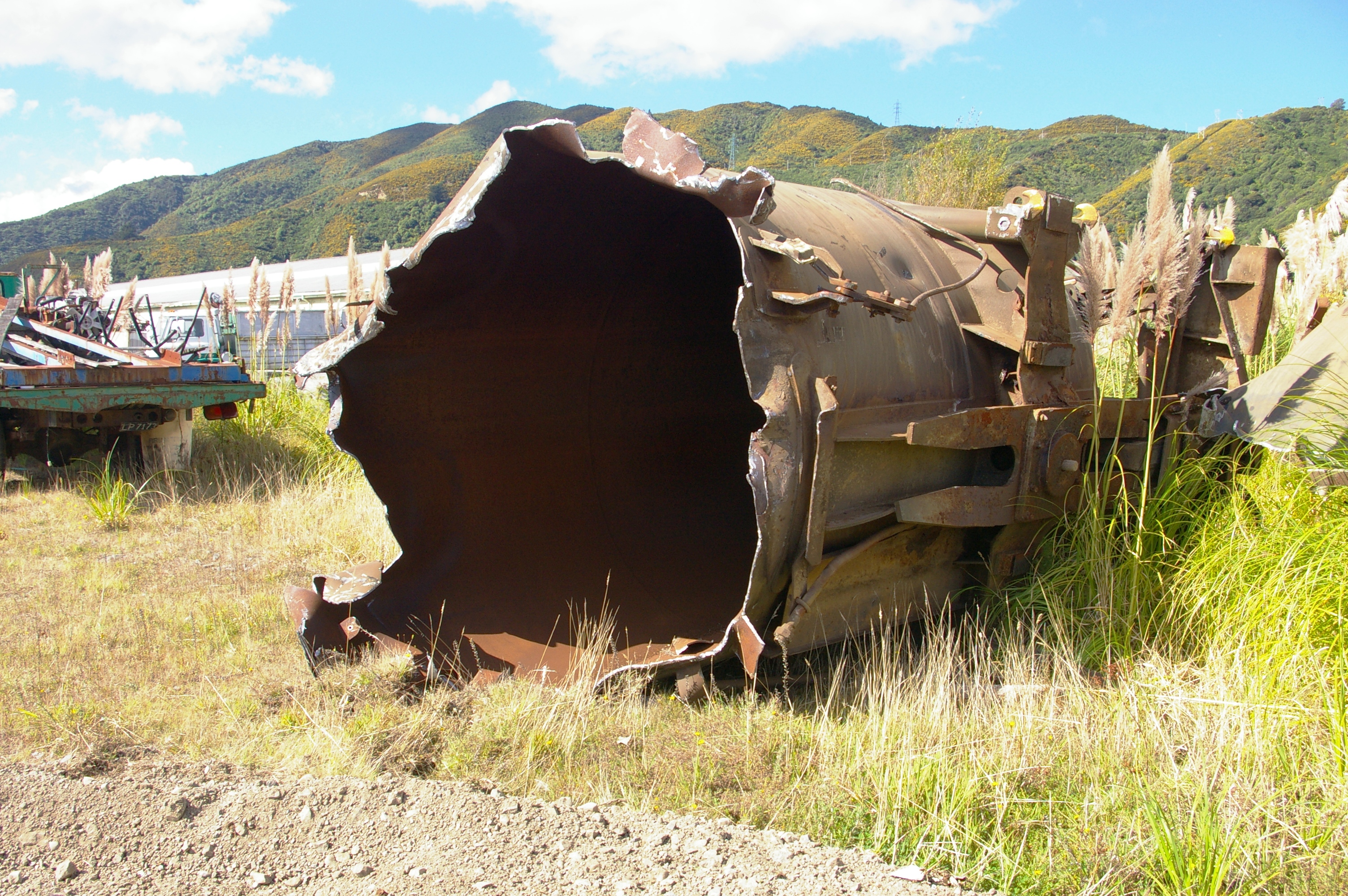
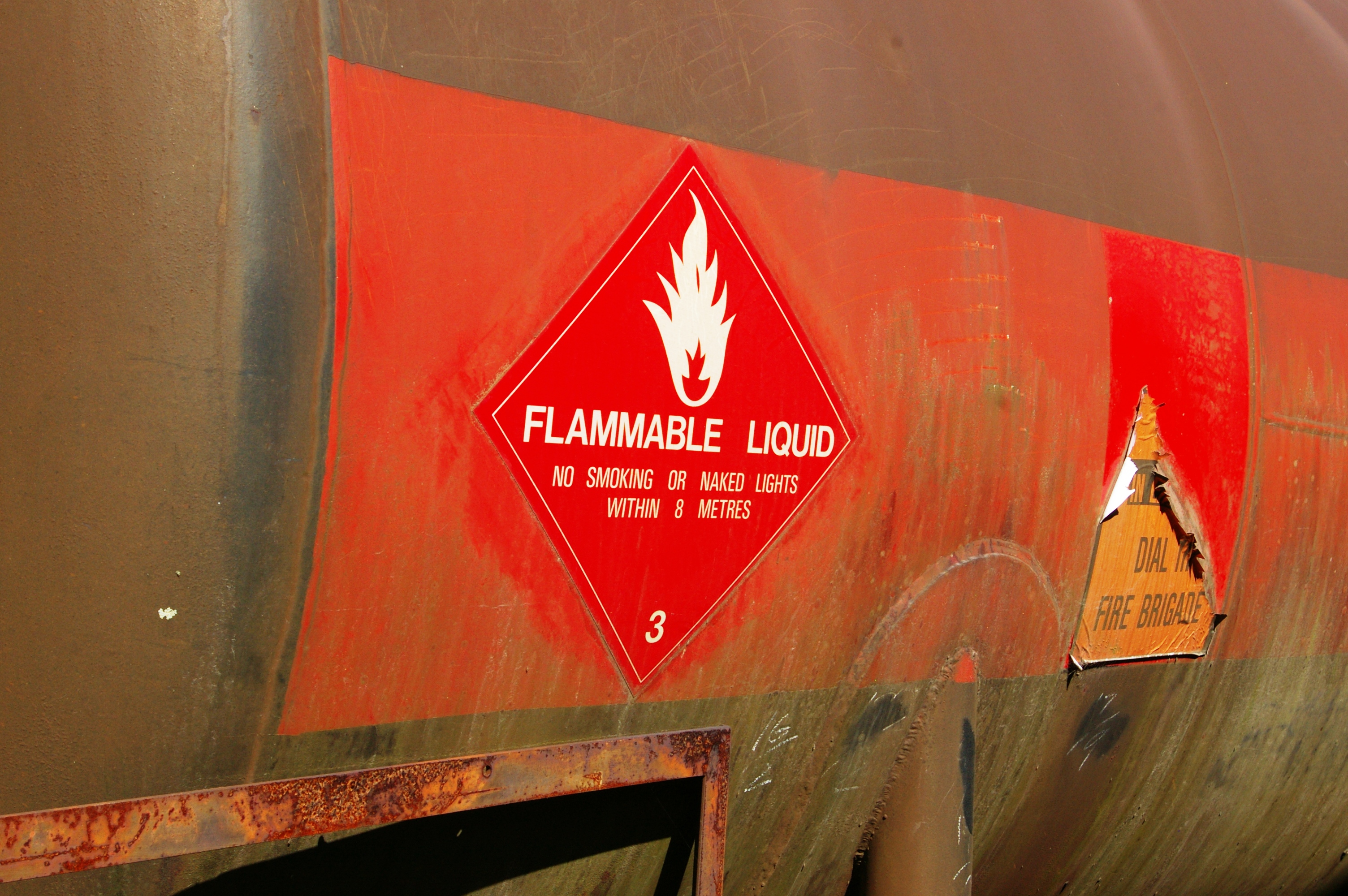
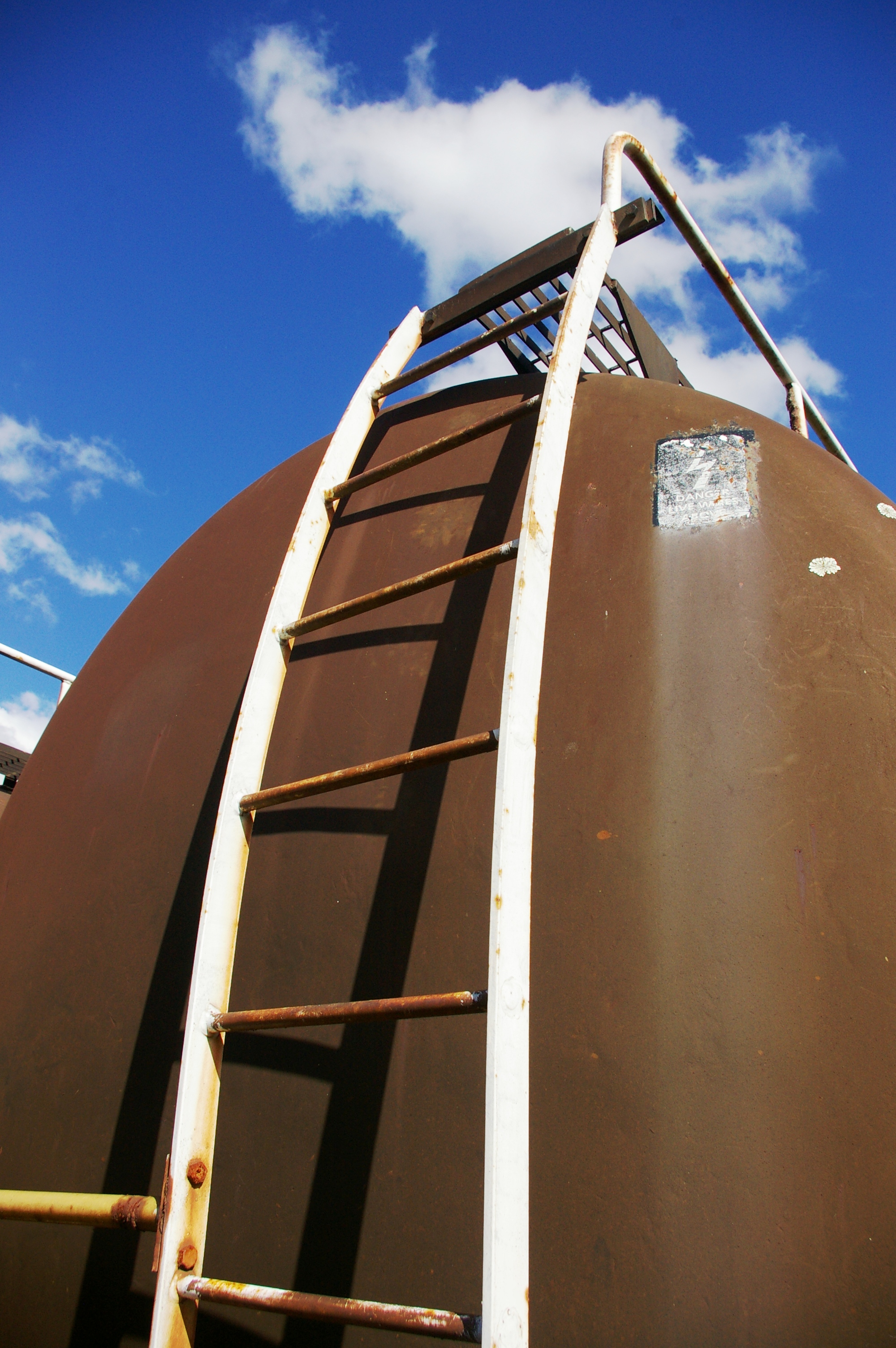
A small fleet of abandoned flammable goods tanker wagons provided us with an adventure playground.


Lighthouse Keepers’ Houses
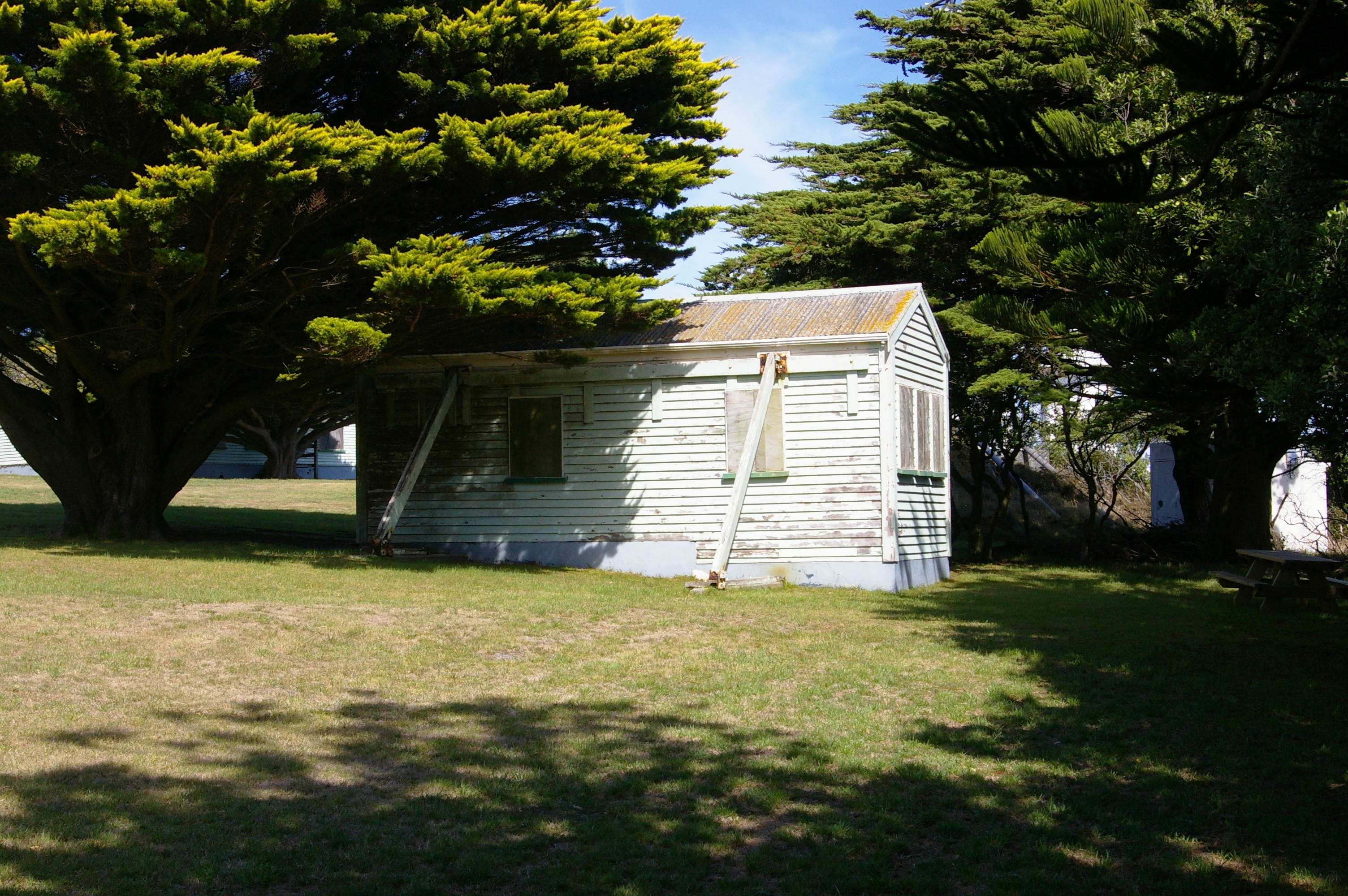
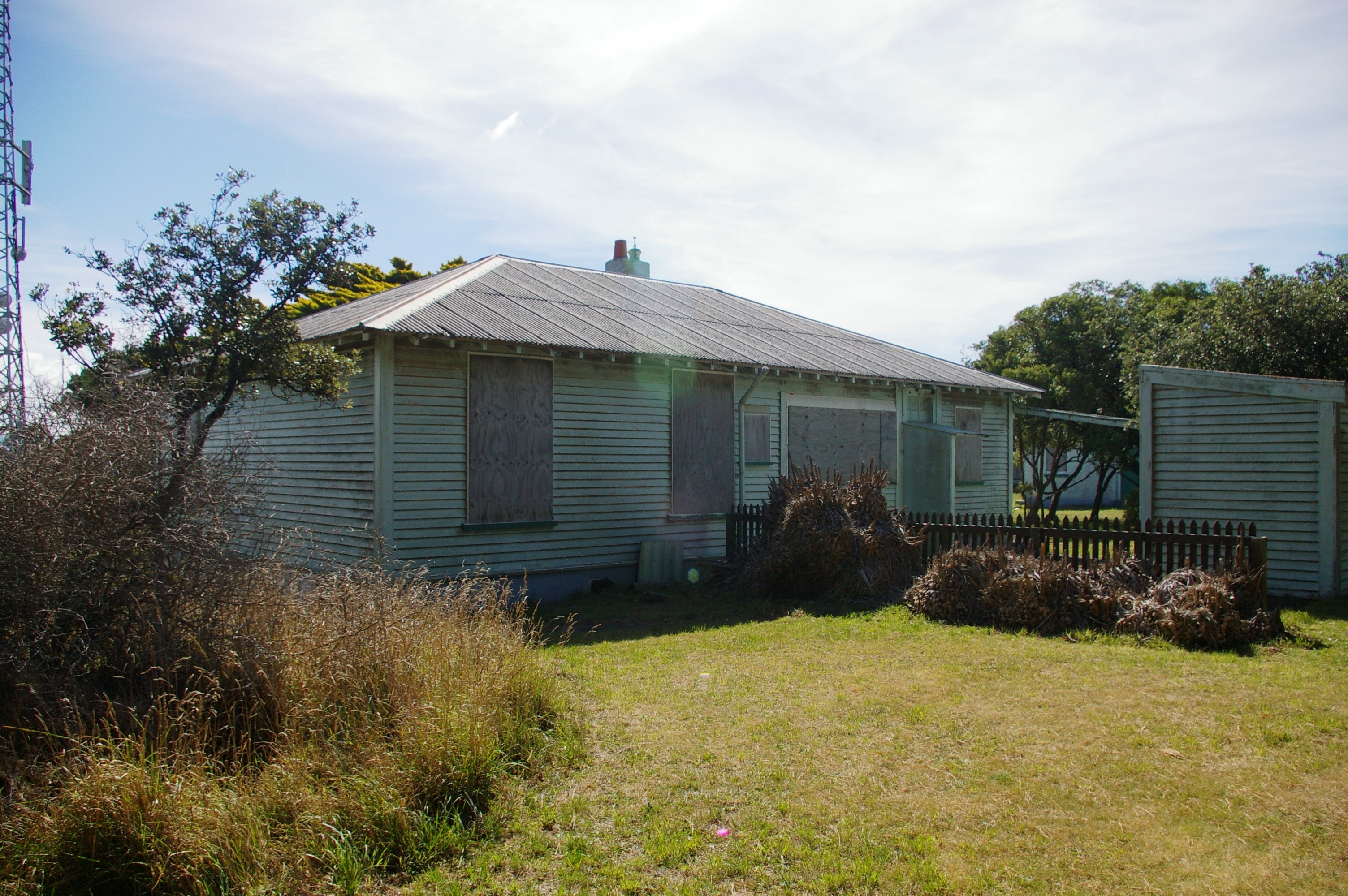
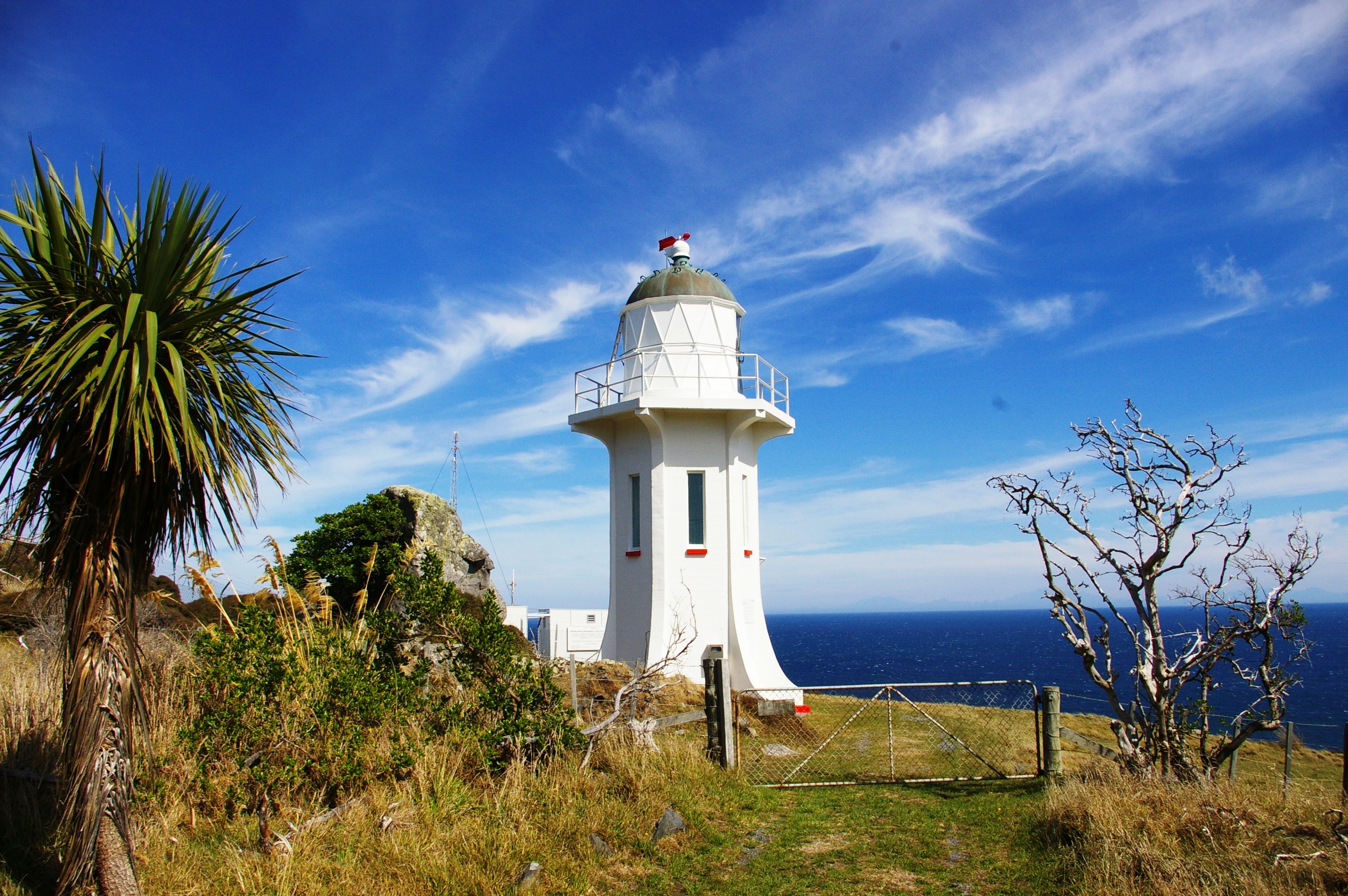
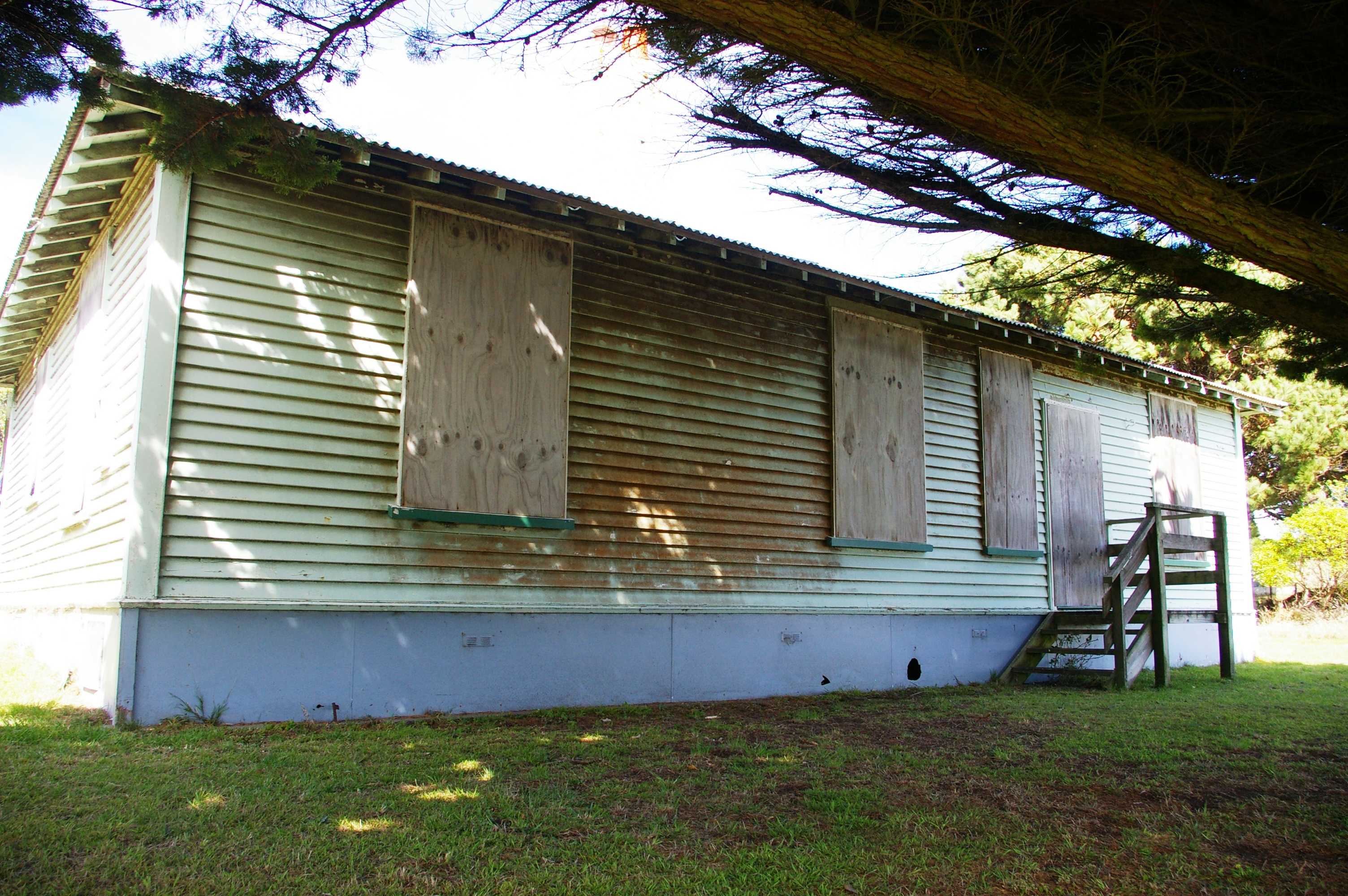
With the automation of lighthouses the job of lighthouse keeper and its associated chattels and residences soon became a thing of the past. Here we see the remaining lighthouse keepers’ houses at a lighthouse standing vigil near the entrance to Cook Strait.


Railways
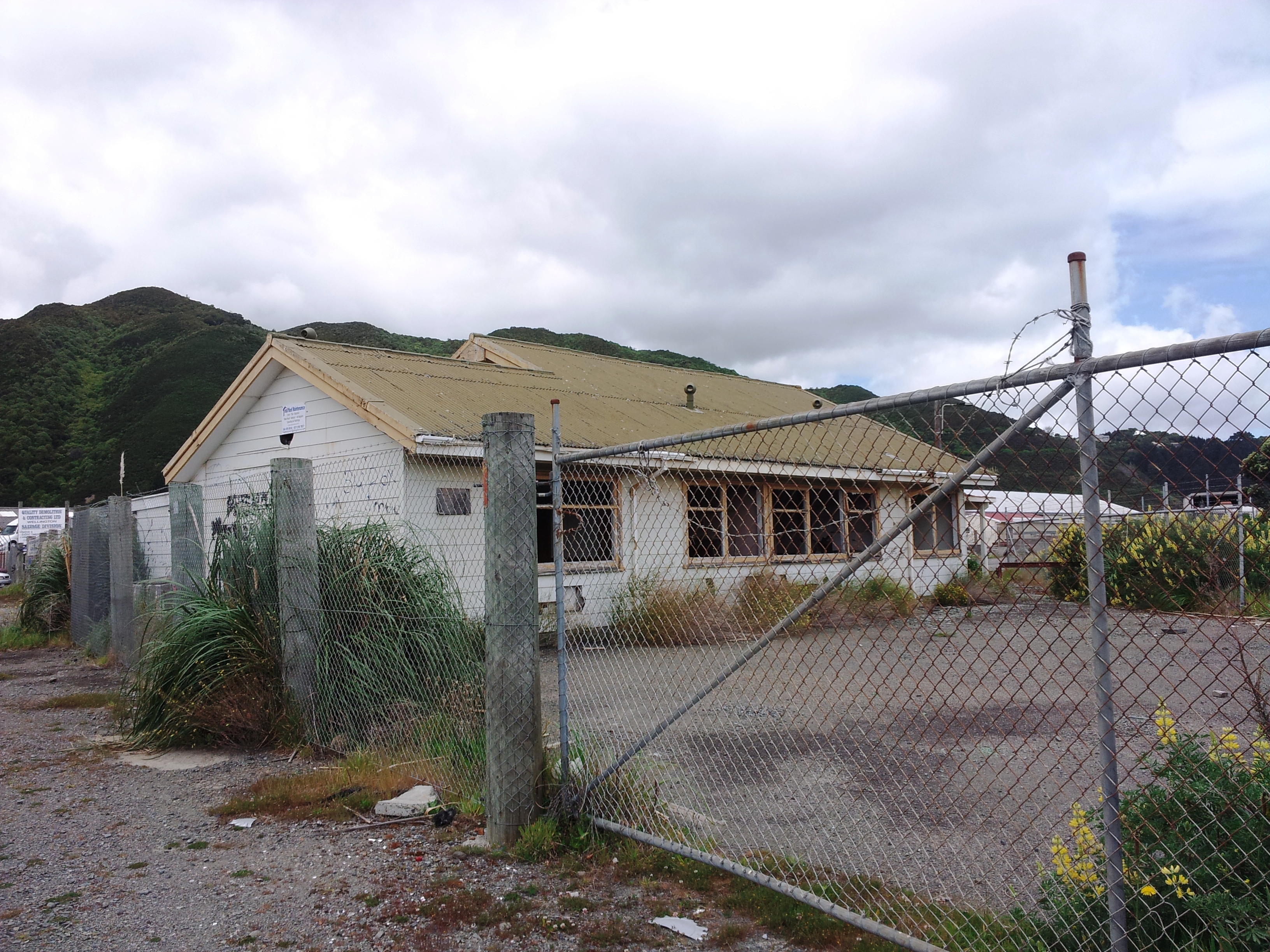
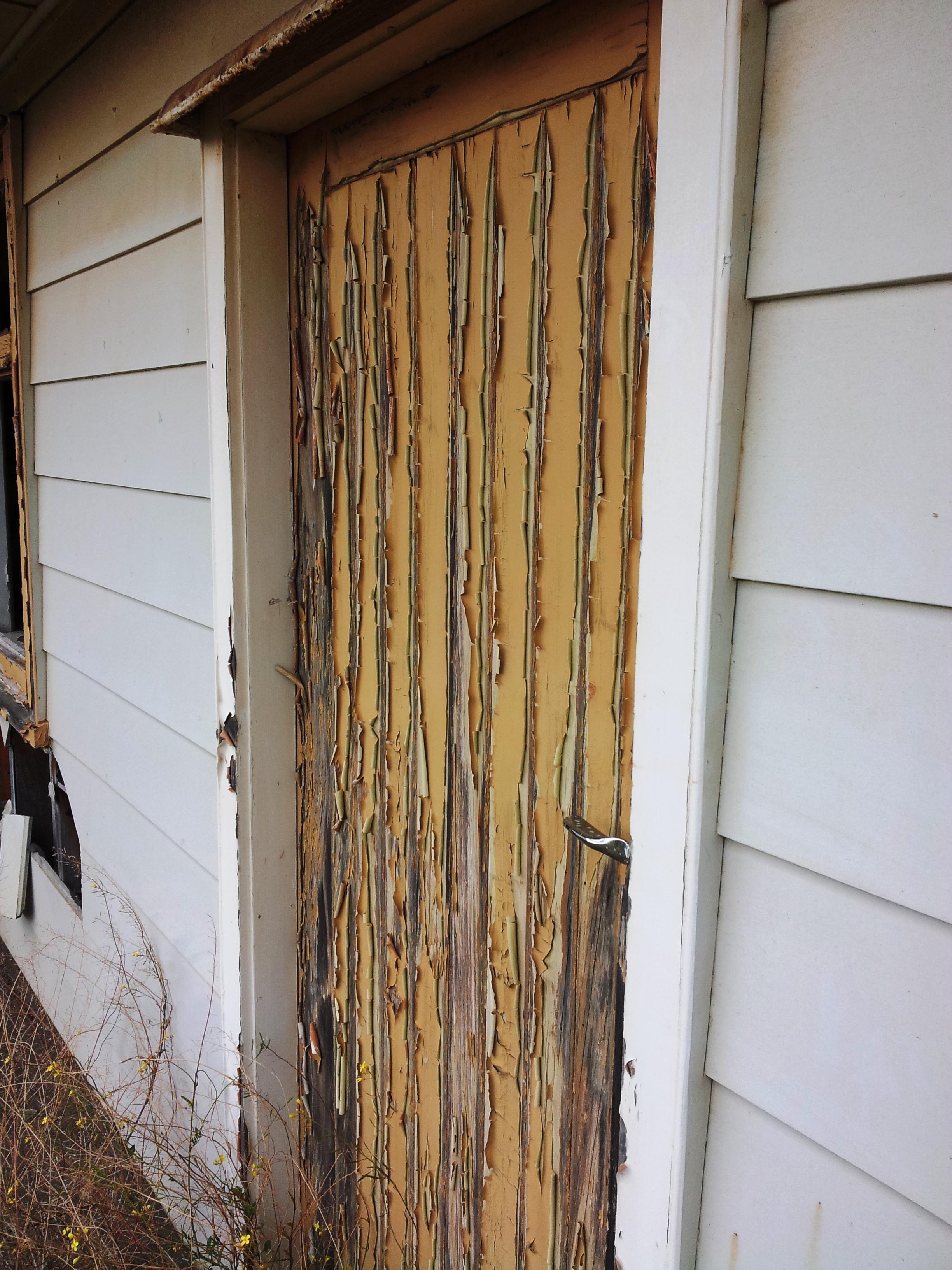
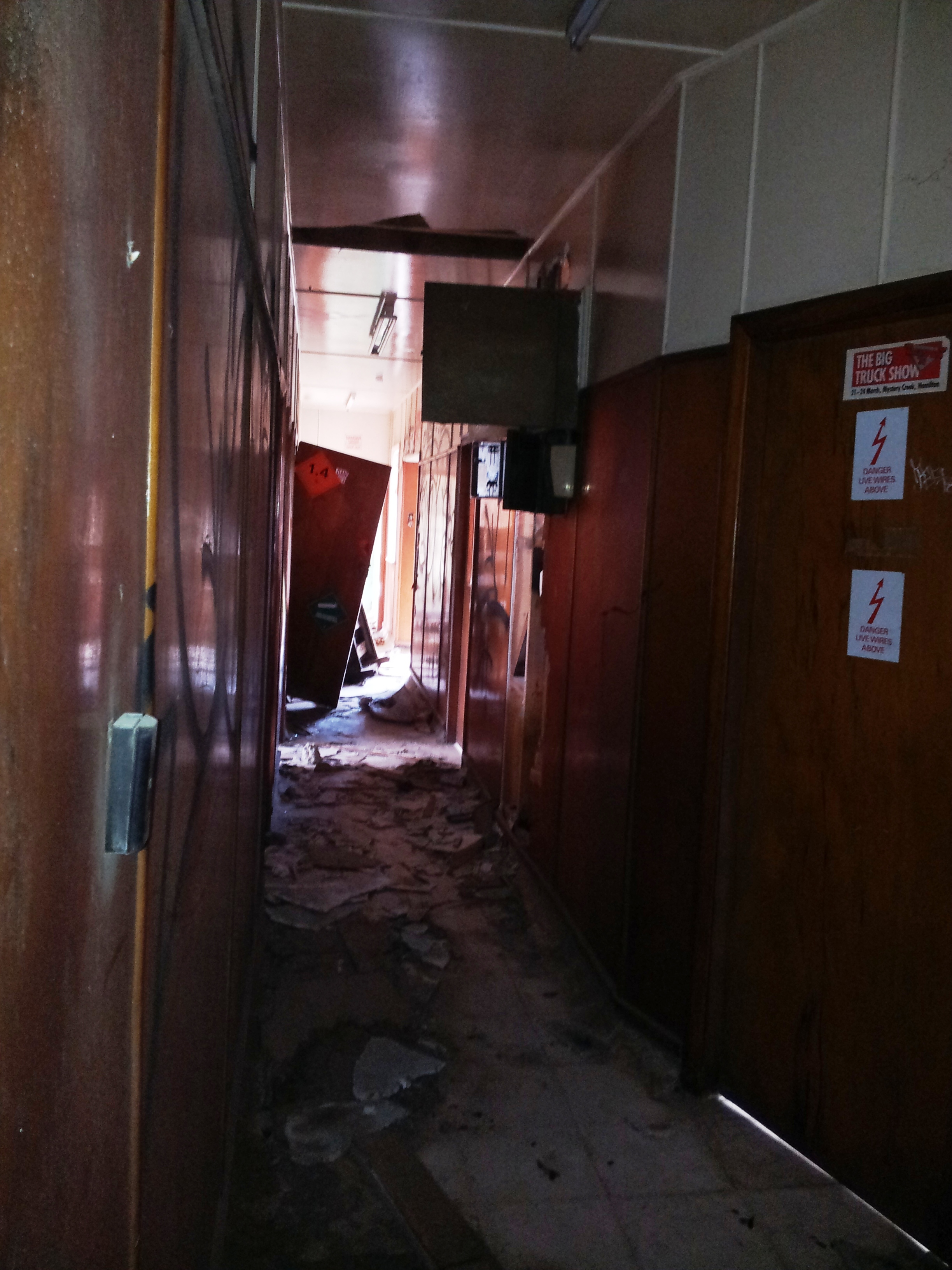
An abandoned railway building, it is full of asbestos so if you come across this one I would advise you to stay away unless you have an appropriate mask.




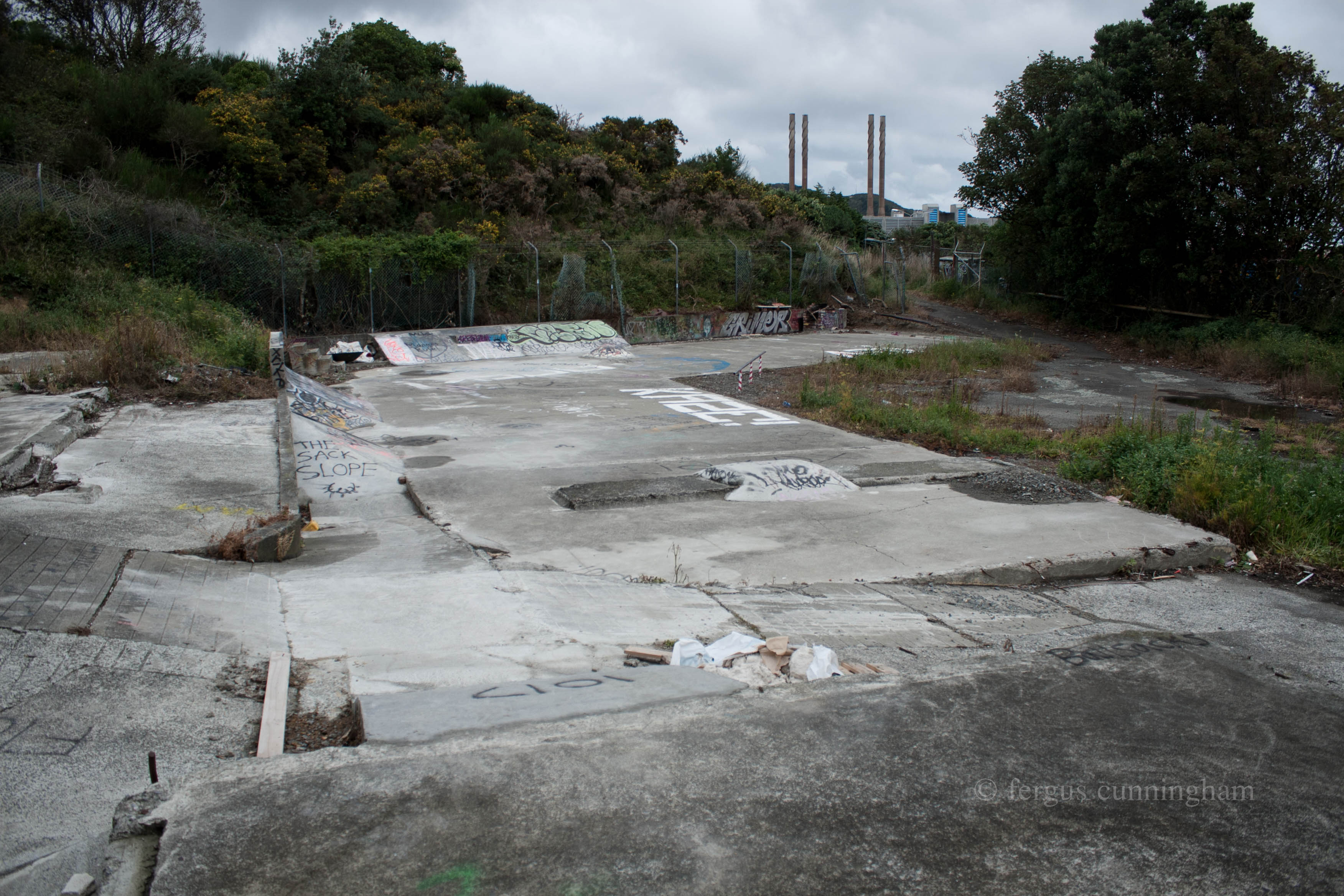
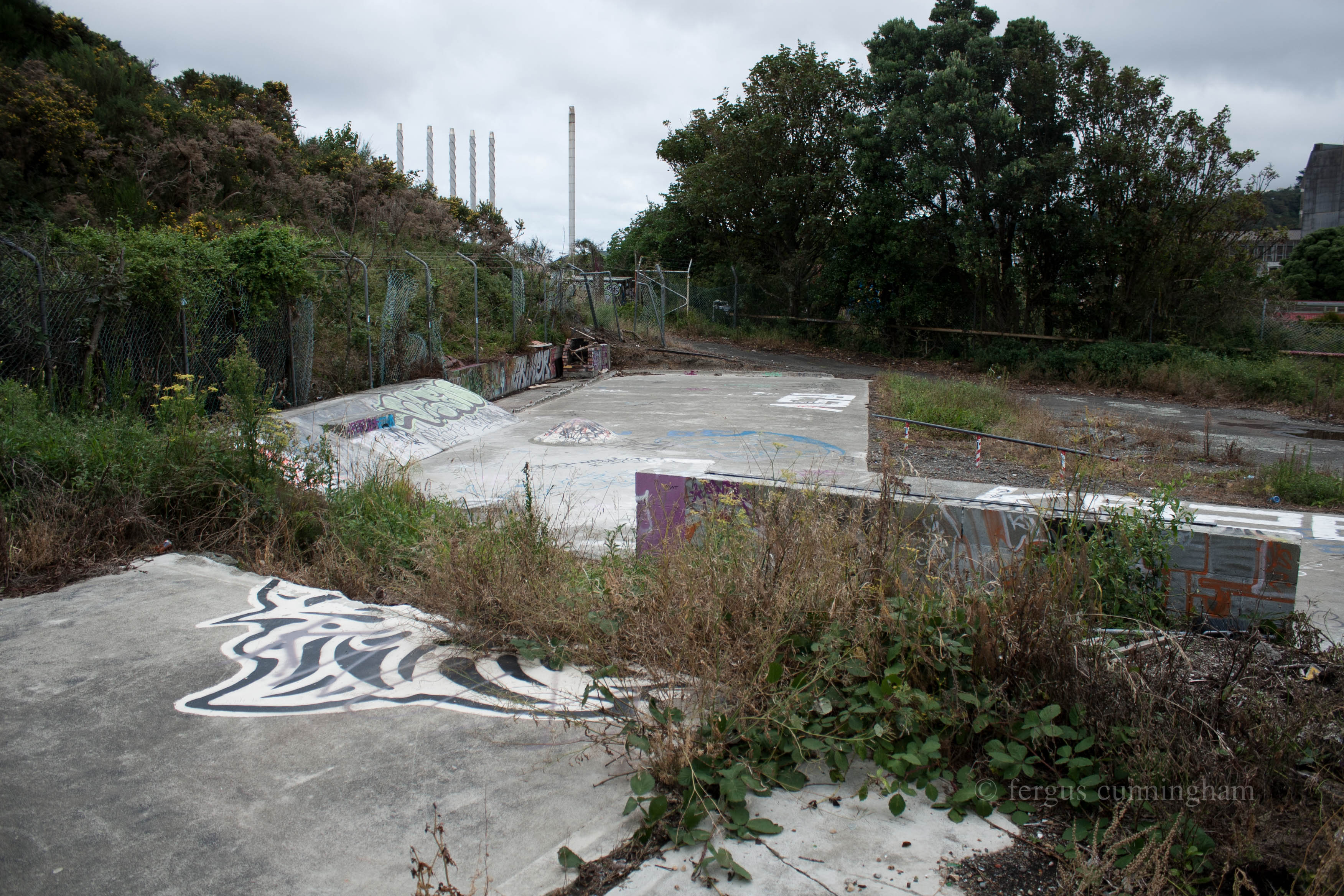
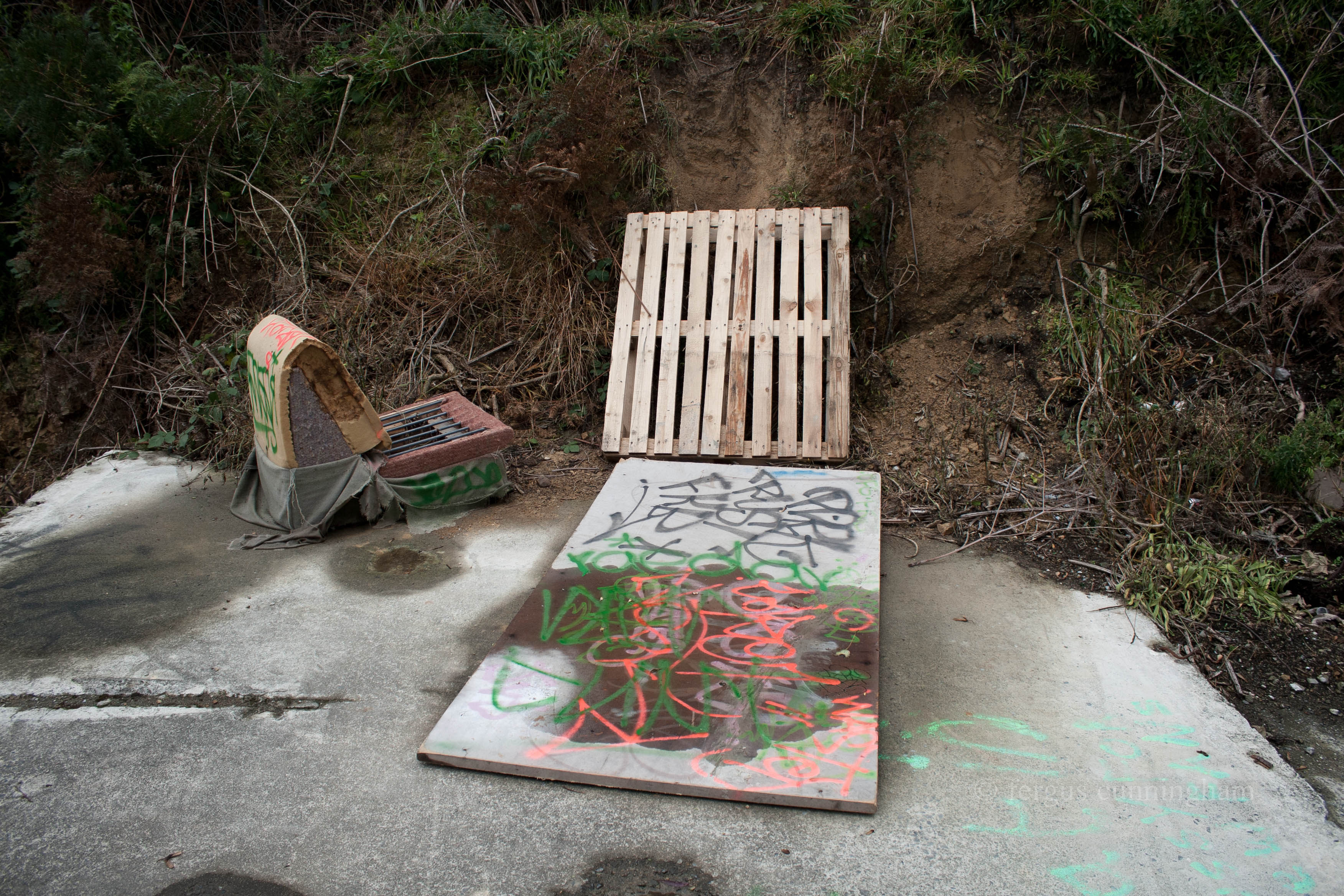
Skate Park
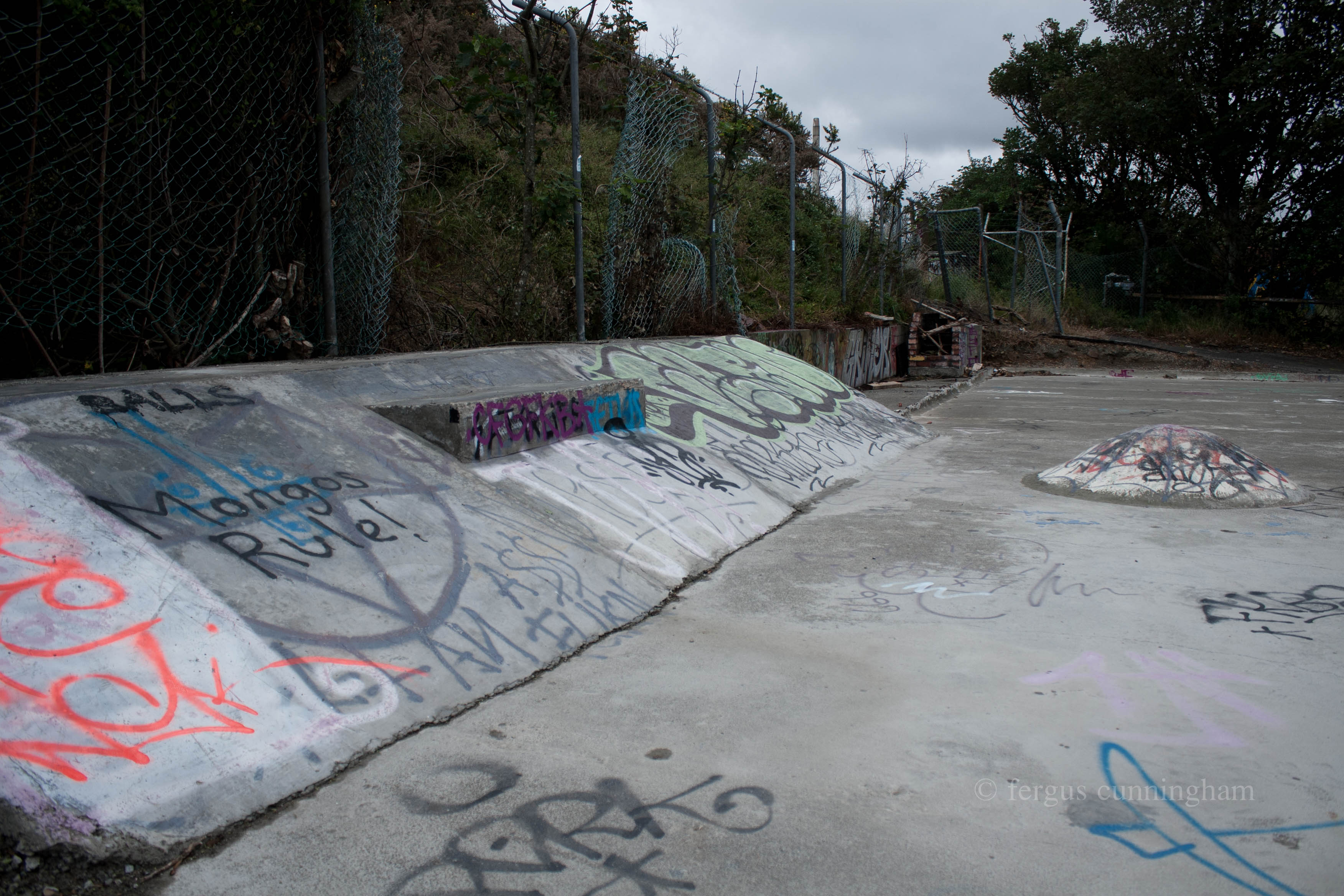
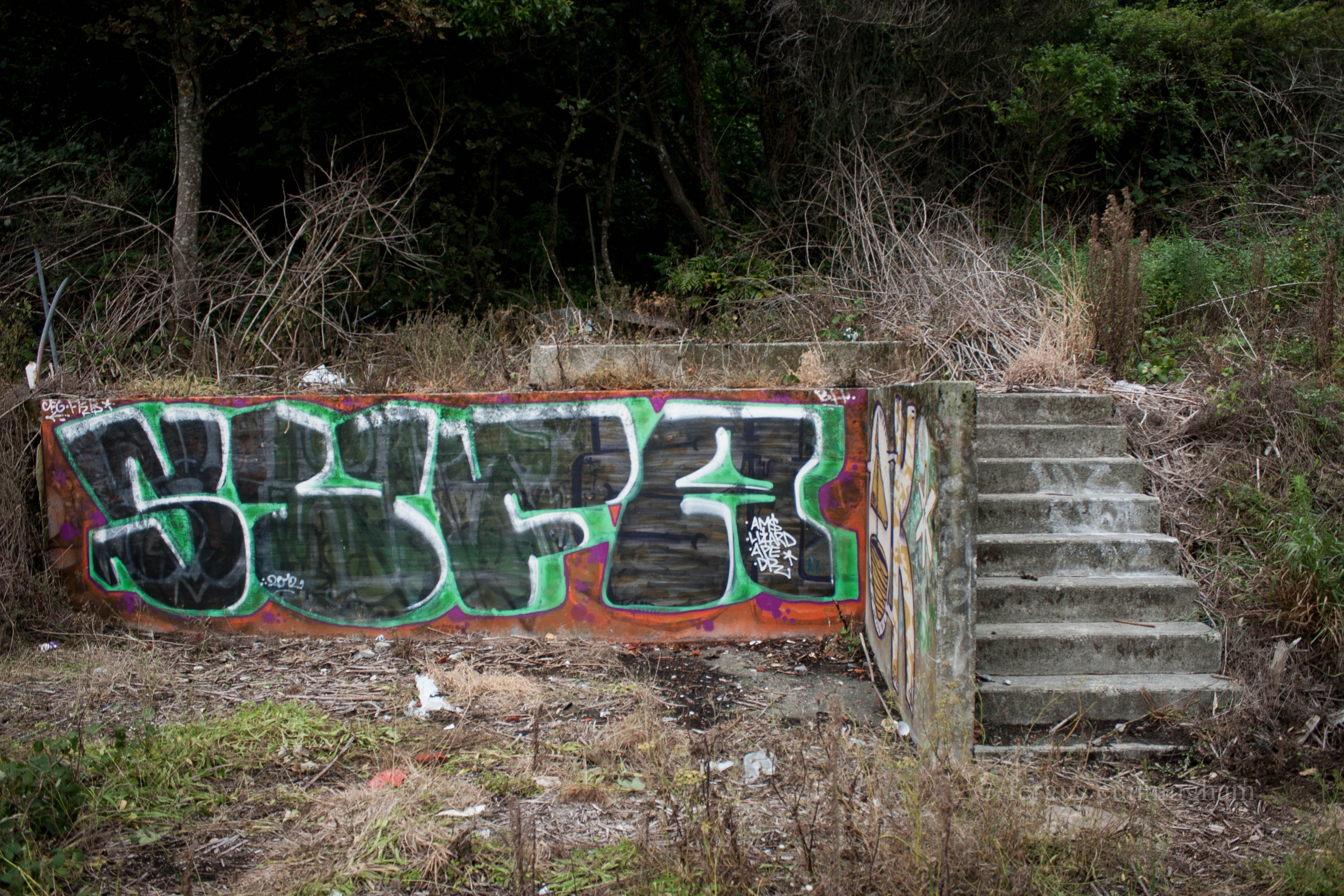
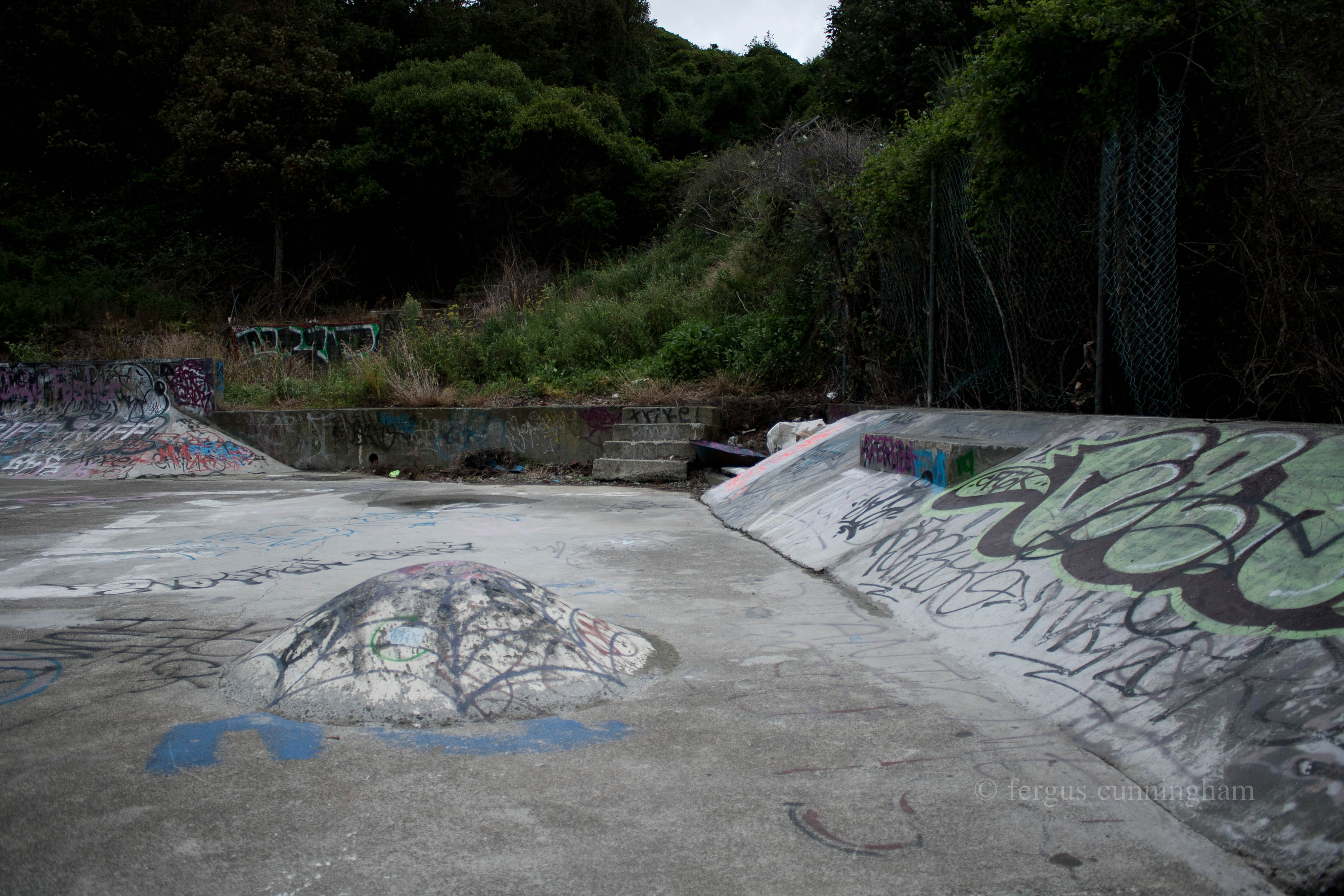
An abandoned skate park in Wellington. These series of images were featured on the exellent Weburbanist last year, in a feature called “Boarded Up: 15 Rad & Gnarly Abandoned Skate Parks”. Check the article out here…



Aviation Building
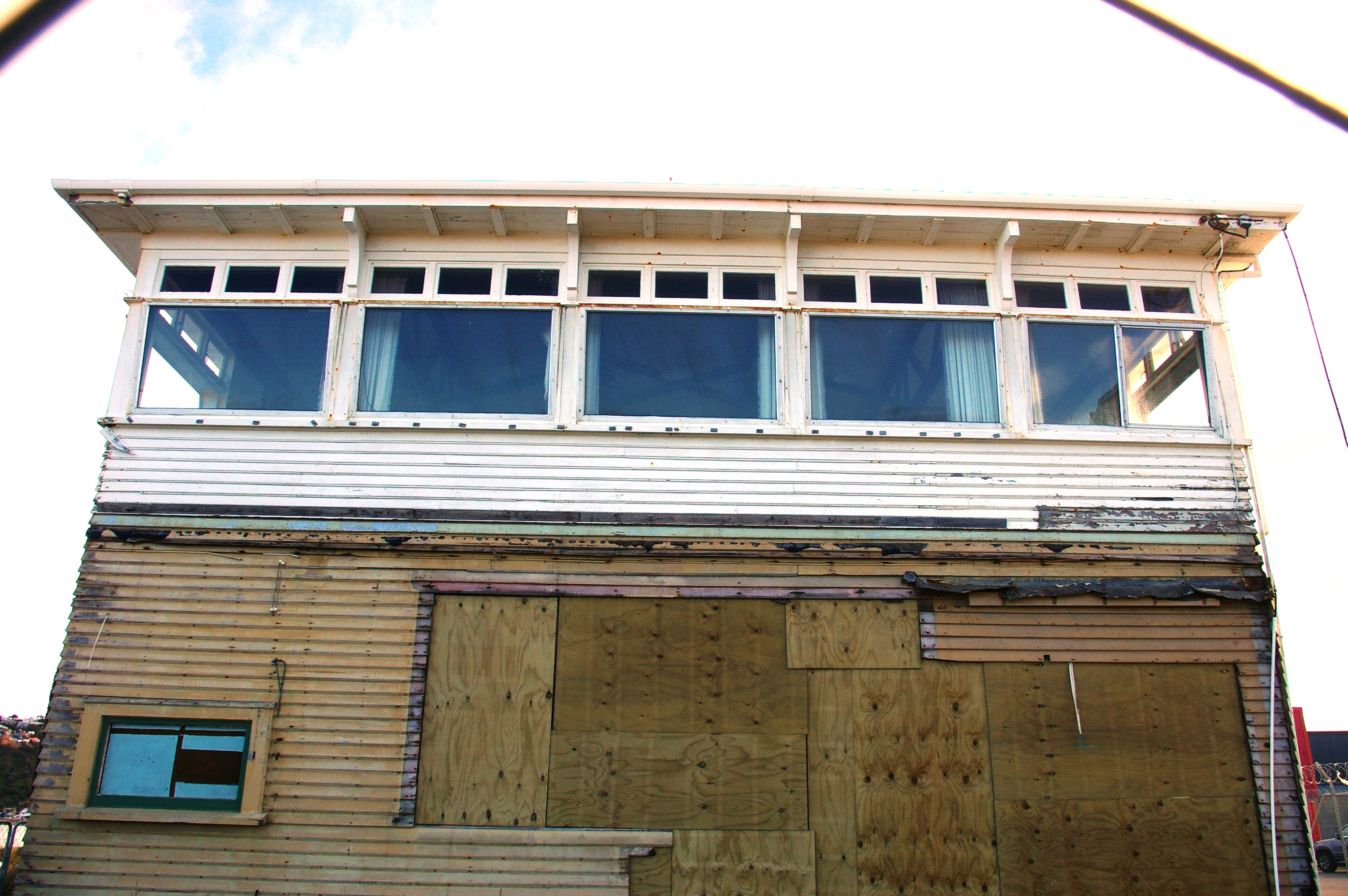
This relocated building has been sitting dormant for quite some time.



 U R B E X C E N T R A L