This coastal artillery battery (one of many) was built to defend New Zealand’s capital Wellington against a Naval attack. Work began in 1908 on constructing a 2 gun battery using 6″MkVII guns. By 1912 these 6″ guns were manned by the Wellington Naval Artillery Volunteers. At its prime at the beginning of World War II, this fort had a total of no less than four different batteries of guns, and became the HQ for the heavy artillery regiment that manned the various coastal defence batteries in and around Wellington.
Videos
Future Fix
Exploring the grounds of a former historic hospital- unfortunately now earmarked for demolition due to the large amount of asbestos and at least a $50m repair bill.
Cooler
Exploring the labyrinthian maze of a former cool store complex…
ill Institute
This purpose built institute- and accommodation halls- is now largely vacant and abandoned… Constructed in the early 1970s in typical Brutalist style- the imposing, totalitarian and fortress like qualities are not exactly an architecture form for aspiring students…
Silence Please
Little is known about this location other than it may have once been operated by a religious organization. The former occupants seemed to have left in a hurry, leaving furniture, clothing and other daily detritus behind. They appear to have been Indian, going by the strong smell of curry and the Hindi word for silence (ilent) scribbled on the walls. We didn’t hang around long to investigate as there was a weird vibe to the place…
gymguano
Okay- so what else do you call a video exploring an abandoned school gymnasium full of pigeon poop…? 🙂
Freestyle
Sometimes we don’t even have to search for a new location- we just stumble on them. This abandoned rural school and pool is a good example. We came across it accidentally while taking some time out from exploring a nearby complex. Someone’s got to brush up on their freestyle strokes though 🙂
Trig or Track
“Don’t play on the tracks- head for the high ground”. Why not do both? Part II of Escarpment…
Anba Hatre
Aswan, Egypt, Dec 2005: Anba Hatre is an earlier name for the 7th century Coptic Christian monastery of St Simeon- featured here in the previous post. During the exploration some video was shot on a very basic mini-DV tape camcorder, and due to this being the last tape. it was edited in camera to make the tape last longer. This is the result, with only a basic “damaged” effect and a soundtrack by the instrumental band Grails, appropriately titled “Erosion Blues”.
The Dead Pool
“I’ve never let my school interfere with my education.” Mark Twain
Decrypt
Egypt, Dec 2005: Inspecting some ancient tombs on the westbank of the Nile- across from Aswan. They were completely off the tourist trail and not mentioned in any guidebooks. We eventually found a man who had keys to them and he let us in for a look- after a certain amount of “baksheesh” was paid. One tomb was for the overseer of Kom from approx 191bc- another dated way back, at least 4000 years…
Ammo
Exploring what we think were former ammuntion stores- though from the ouside they look more like hobbit holes…
Escuela Mala
“I had a terrible education. I attended a school for emotionally disturbed teachers.”
Woody Allen
Pyro
Pyromania is an impulse control disorder in which individuals repeatedly fail to resist impulses to deliberately start fires, in order to relieve tension, for gratification or for relief. The term pyromania comes from the Greek word πῦρ (‘pyr’, fire).
This was just one of a dozen buildings torched by a pyromaniac over a single weekend two years ago. A Porirua man was eventually charged with 13 arsons that included setting fire to five churches, but was found not guilty by reason of insanity.
T.A.B
Horsing around at a deserted racecourse and inspecting a disused tote building…
Departures
“This is the final call for flight UC101. Departing at 1300 hours from Gate 9 for Space Station X…” With a bit of imagination, this abandoned airport boarding bridge could be a gateway to another reality…
Rolling
Abandoned rolling-stock, or so we thought. They’d been sitting there idle for years, but within a couple of weeks of our visit- they had disappeared without a trace…


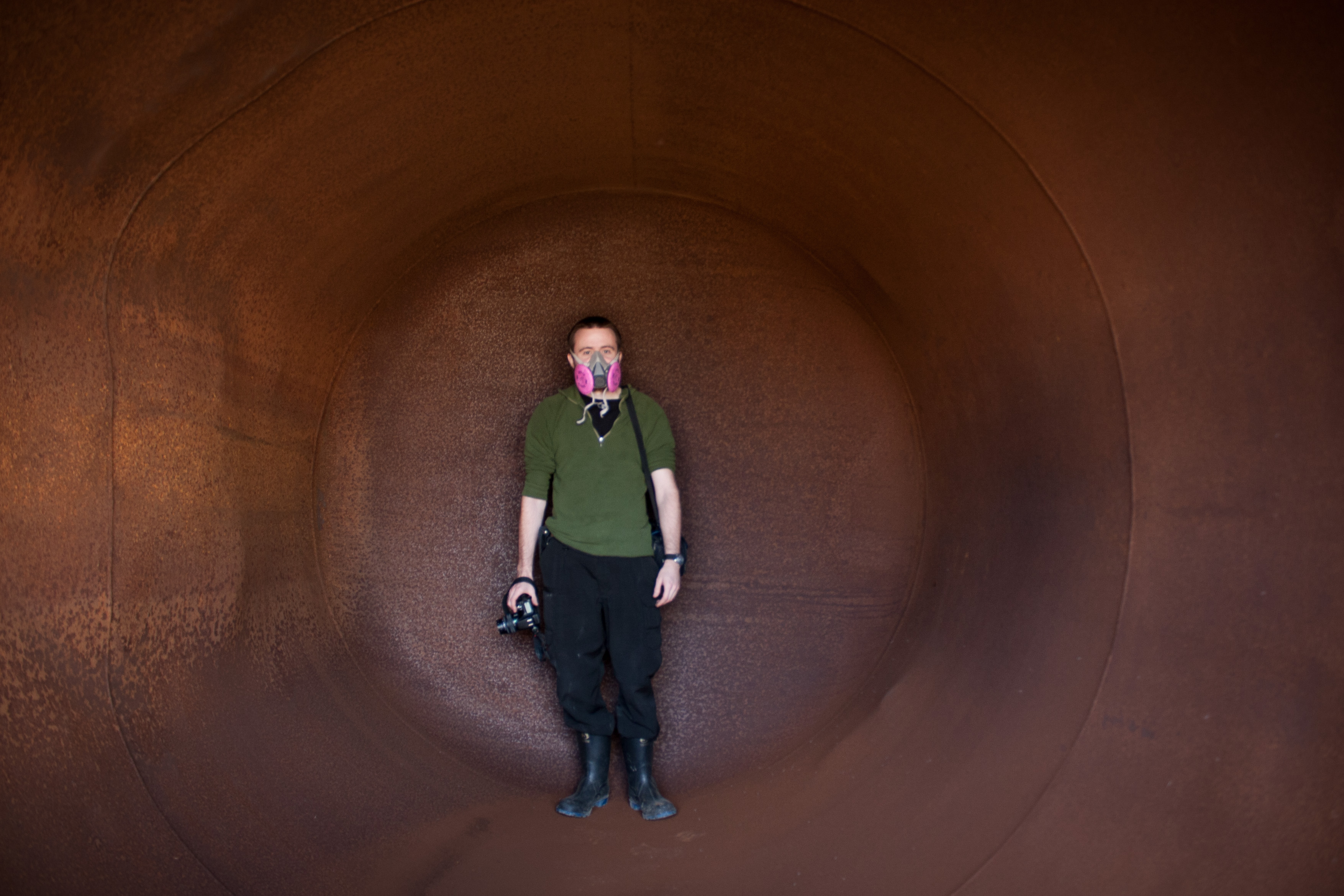
Drainspotting
“Never play on the train tracks”- but no one said anything about playing under the tracks…
Now Boarding
At Gate Infinity, Nowhere Air Flight XXX to Bermuda Triangle is now boarding.


In Vivo
In vivo (Latin for “within the living”) is experimentation using a whole, living organism as opposed to a partial or dead organism. Animal testing and clinical trials are two forms of in vivo research. On average around 300,000 animals per year are used in experimentation, testing and teaching in New Zealand – from cats and dogs to rabbits, deer, mice, rats, fish, birds, pigs, cows and guinea pigs. This particular former testing facility has been irresponsibly left to the ravages of time and vandalism, a haunting reminder of what we commit in the name of science.
The Convent
This former Catholic girls boarding school and convent was closed in the mid 1980′s. The buildings have been used for a variety of purposes over the years (including featuring in a couple of Peter Jackson films), but it has now been deemed unsafe and closed indefinately. Although carrying the Historic Places Trust’s highest heritage protection status, the closure due to being “Earthquake prone” has left it in a strange kind of limbo. The future looks very bleak indeed for this Historic landmark.
Bad Science
Some more Chemistry experiments from a former tertiary institution… This is both a sequel and companion to Gunner’s Big Science.
The Tower
The iconic Hawera water tower has watched over this South Taranaki town for a century now. Standing at 55 meters high, the tower was saved from demolition after years of neglect in the 80s/90s had made it unsafe. Hawera (or “Te Hawera”) literally means ‘the burnt place’, and originates after an incident between two feuding Maori tribes in the area. One tribe attacked the other during the night and burned their village down- so it became known as ‘the burnt place’.
We’ll Take Care Of Your Children
This old building was once a nursery which helped to raise numerous children in the Wellington region. The building’s future is now questionable as it sits right in the path of a new roading project. It will probably either be moved or demolished, and Wellington may lose yet another historic building.



Ghost Town
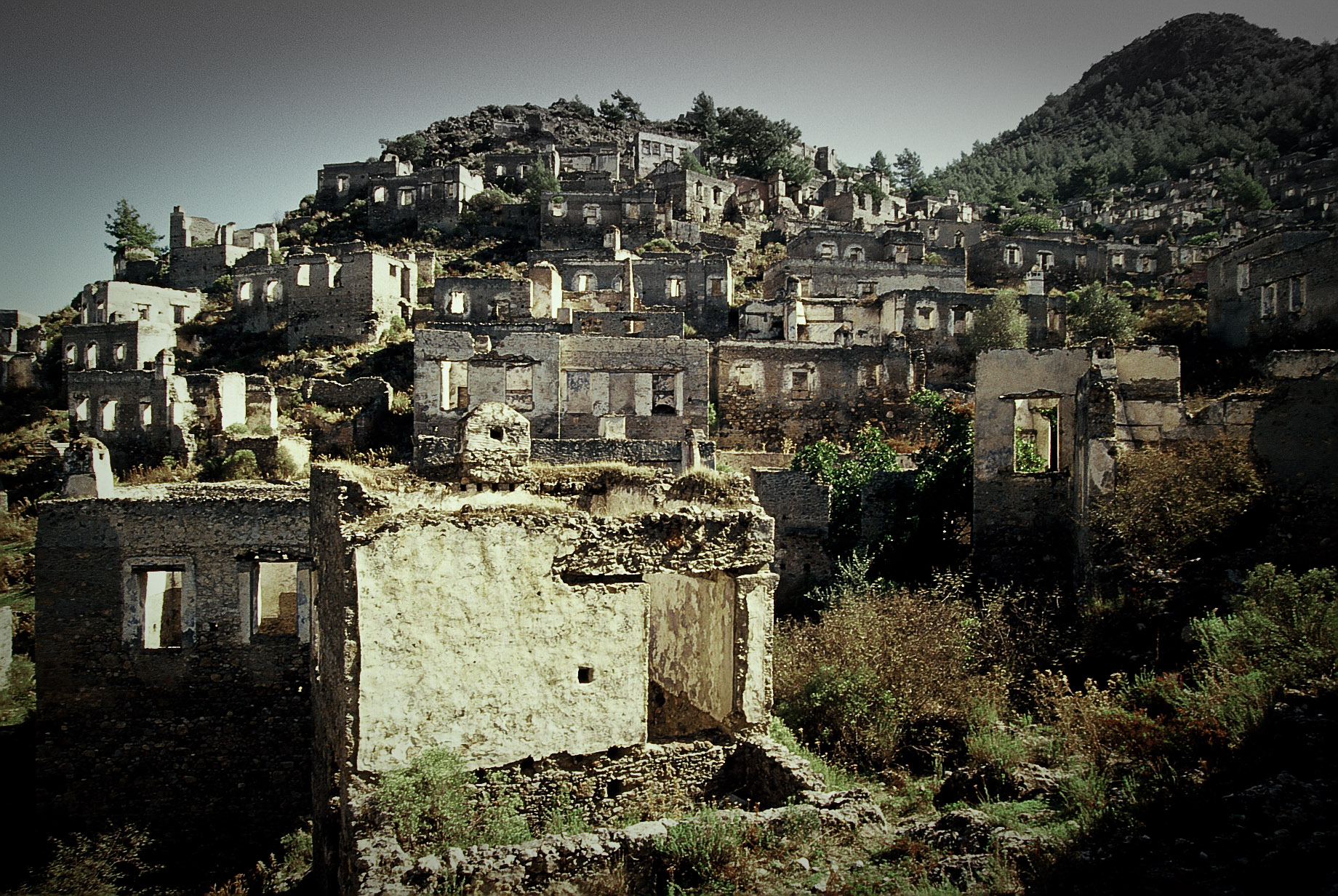
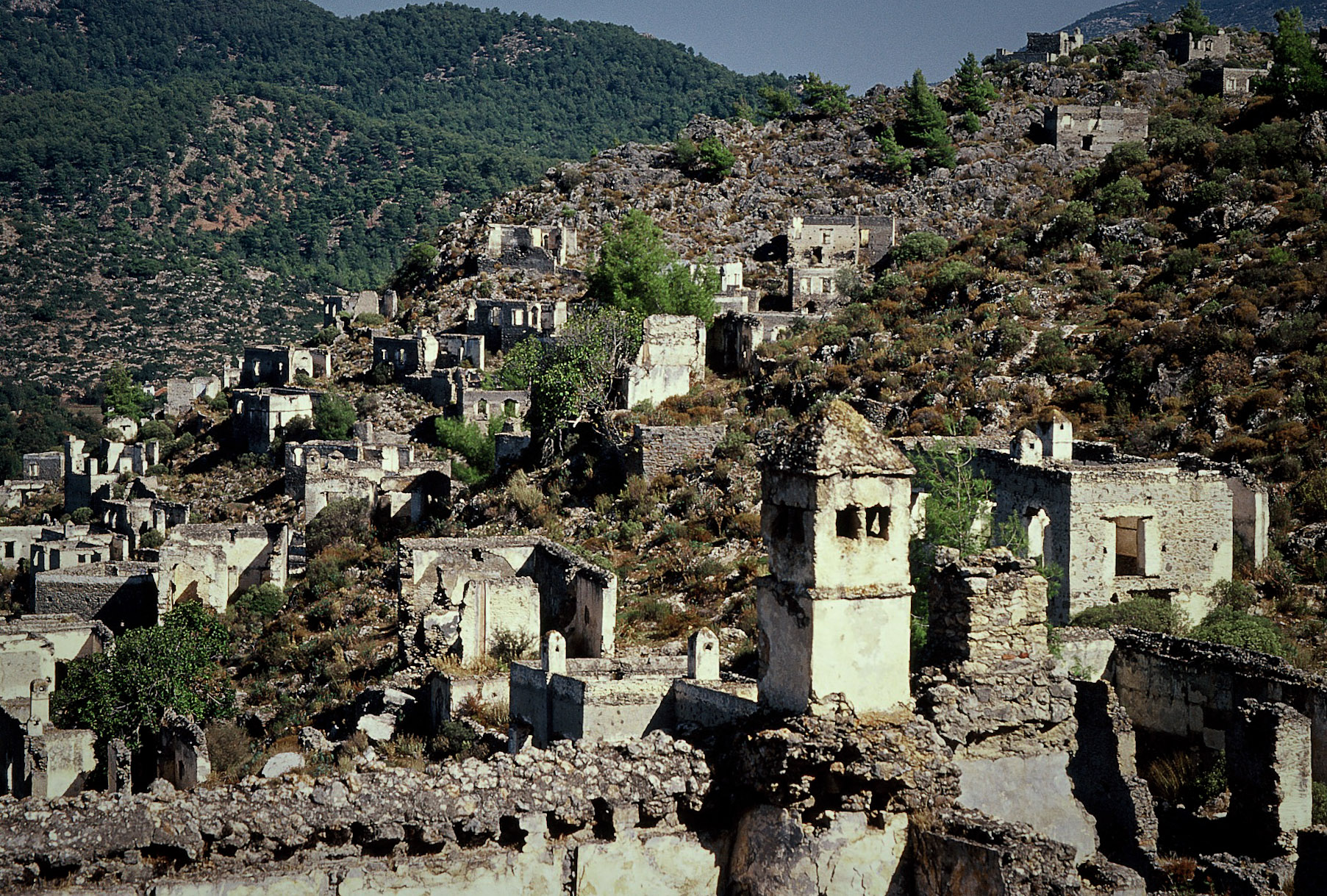
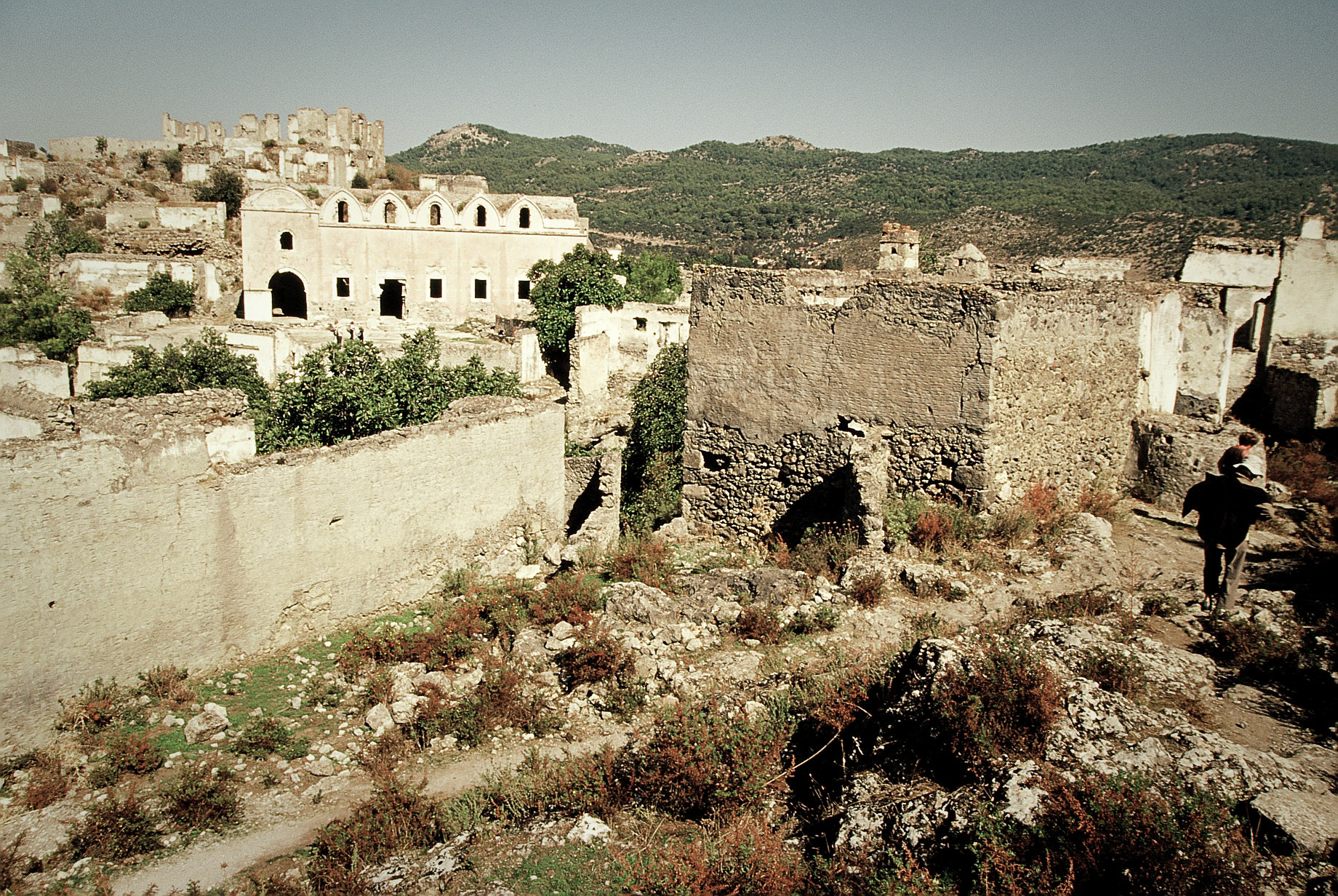
Kayaköy, Turkey, Oct 2005: This was my second visit to Kayaköy, the ghost town near Fetiye in South Western Turkey. Kayaköy consists of hundreds of rundown but still mostly intact Greek-style houses and churches, which orignally hosted a population of approximately 2000 people. Built on the ancient Greek village of Carmylessus, it existed up until the population exchanges of 1922/3. Anatolian Greeks had lived here since antiquity. After the invading Greek’s defeat to Turkey in the Greco-Turkish War (1919-1922), Greece had no choice but to sign the demands of the victorious Turks in Lausanne, Switzerland. More than 1.5 million Asia Minor Greeks were forced out of Turkey, and at least half a million Turkish muslims from Greece.



Don’t Be In The Dark
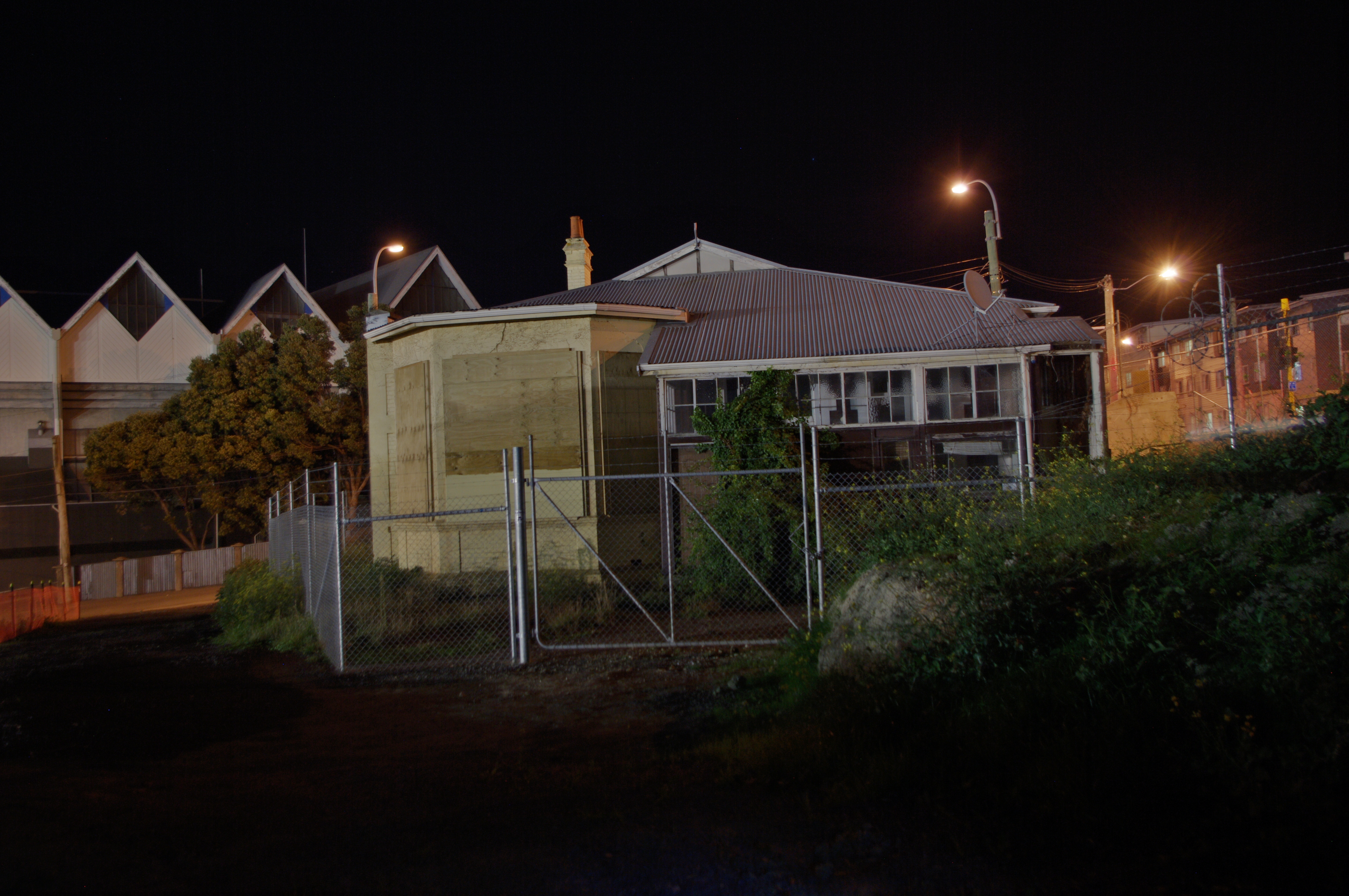
A night visit to our favourite local factory… Documenting its history & decline- was interrupted by Gunner’s insistence on throwing a bit of light on the subject…
Urbex Party
This party was host to about 100 urban explorers in Melbourne earlier this year, the acoustics of fireworks going off in a drain is quite a lot different to what you can hear topside.
Chiller
Exploring the ruins of a former coolstore in Patea, 3 hours north of Wellington…
 U R B E X C E N T R A L