Okay- so what else do you call a video exploring an abandoned school gymnasium full of pigeon poop…? 🙂
Category: Decay
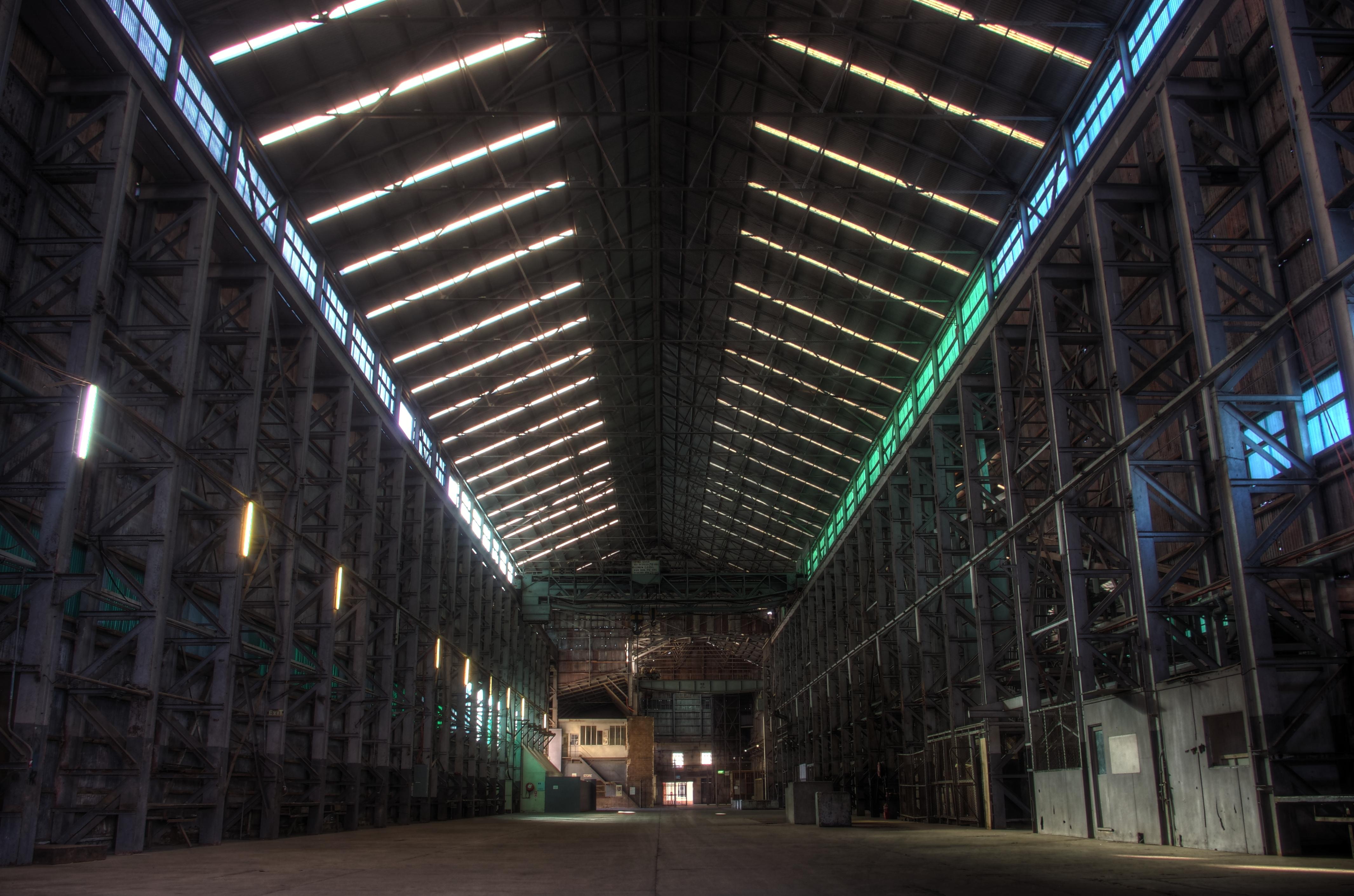
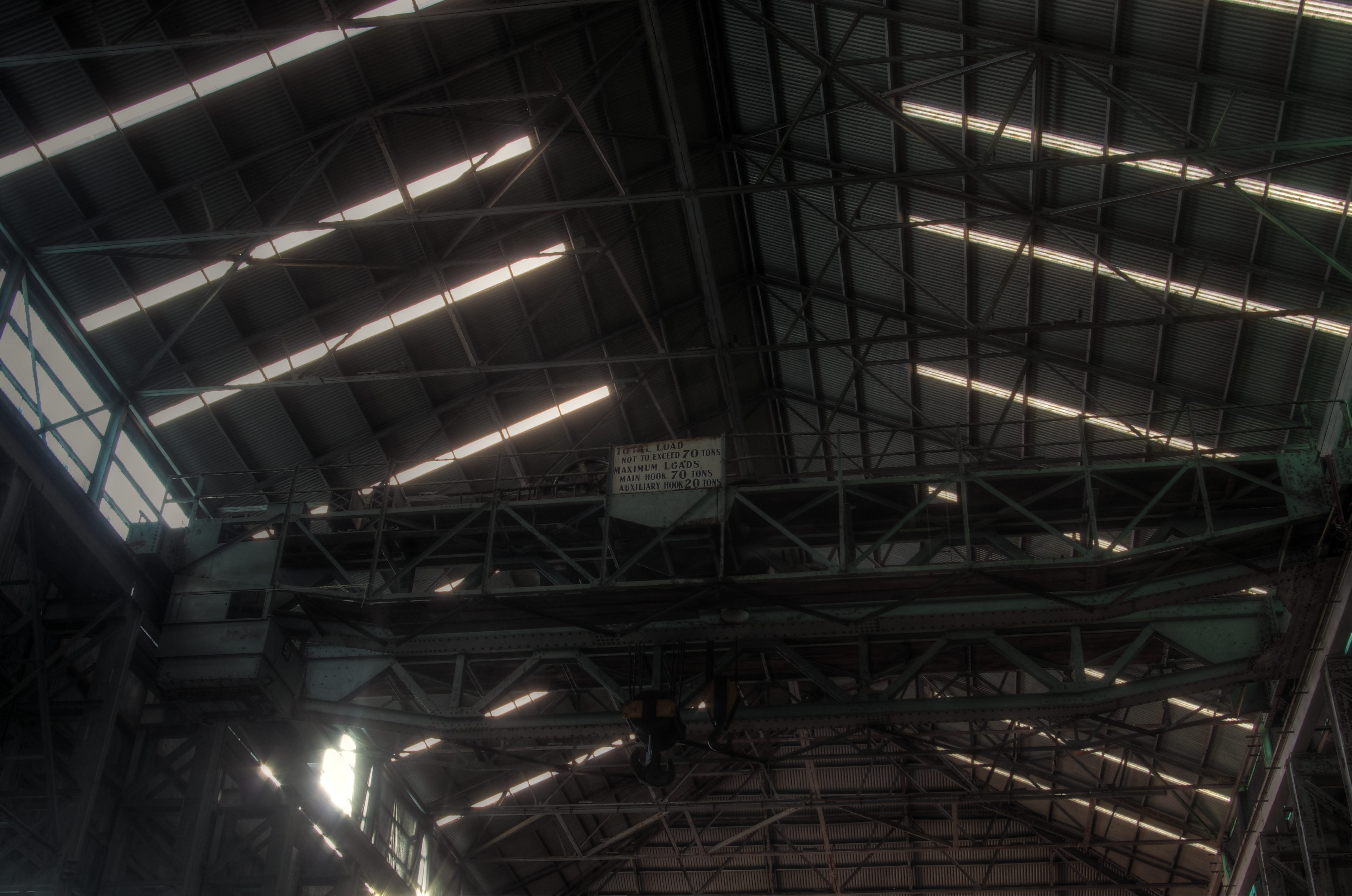
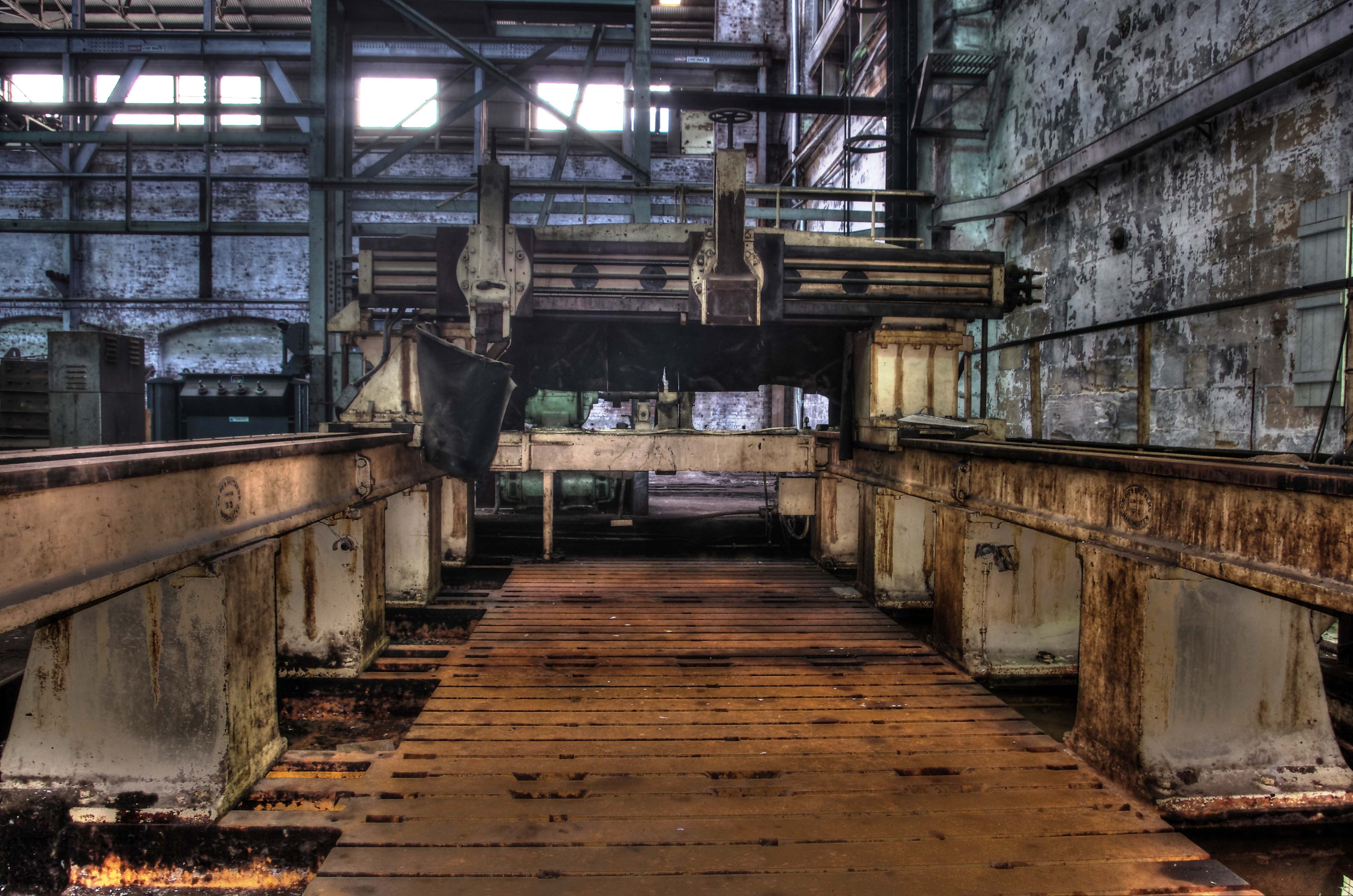
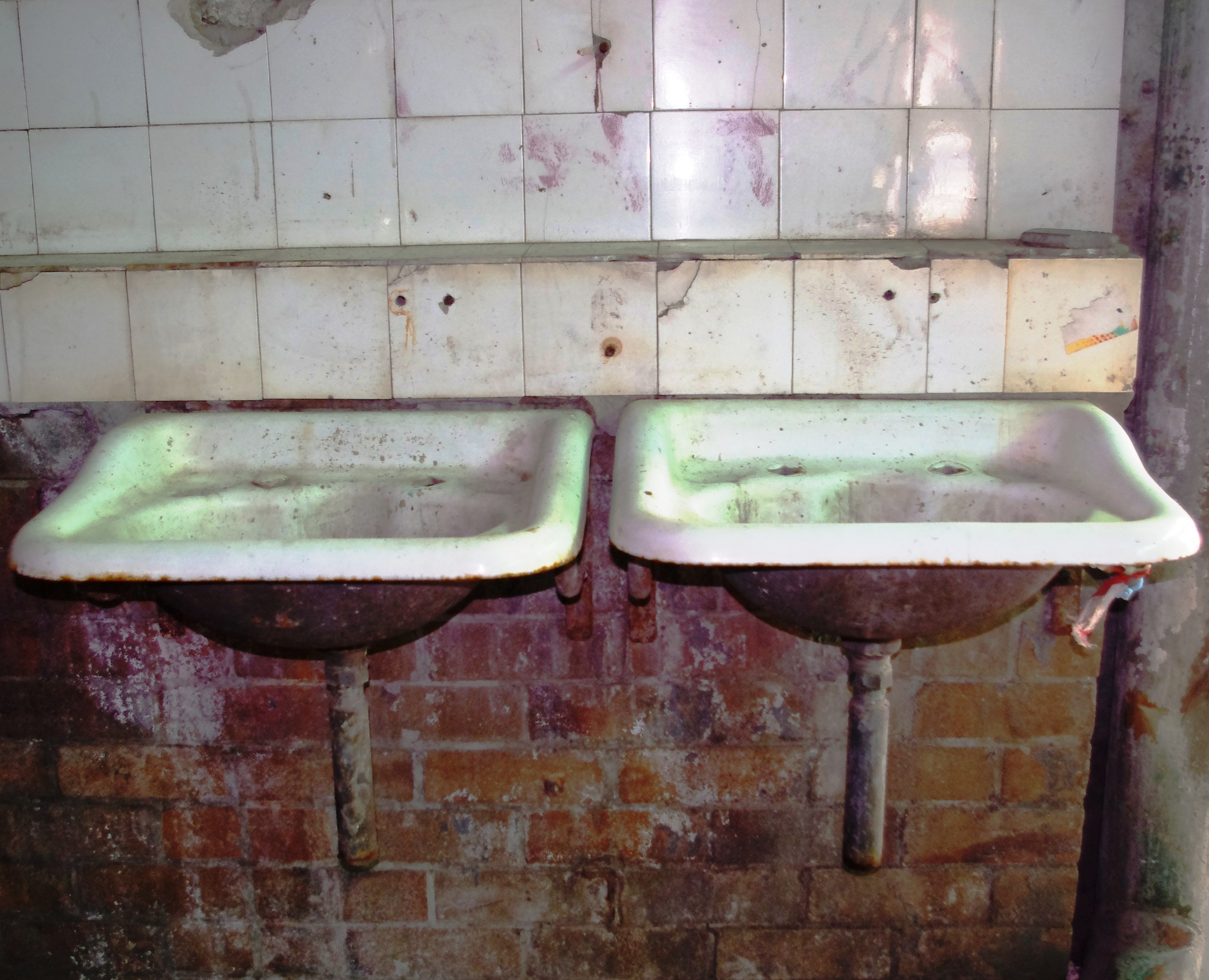
Cockatoo Island 5 – Industrial Precinct
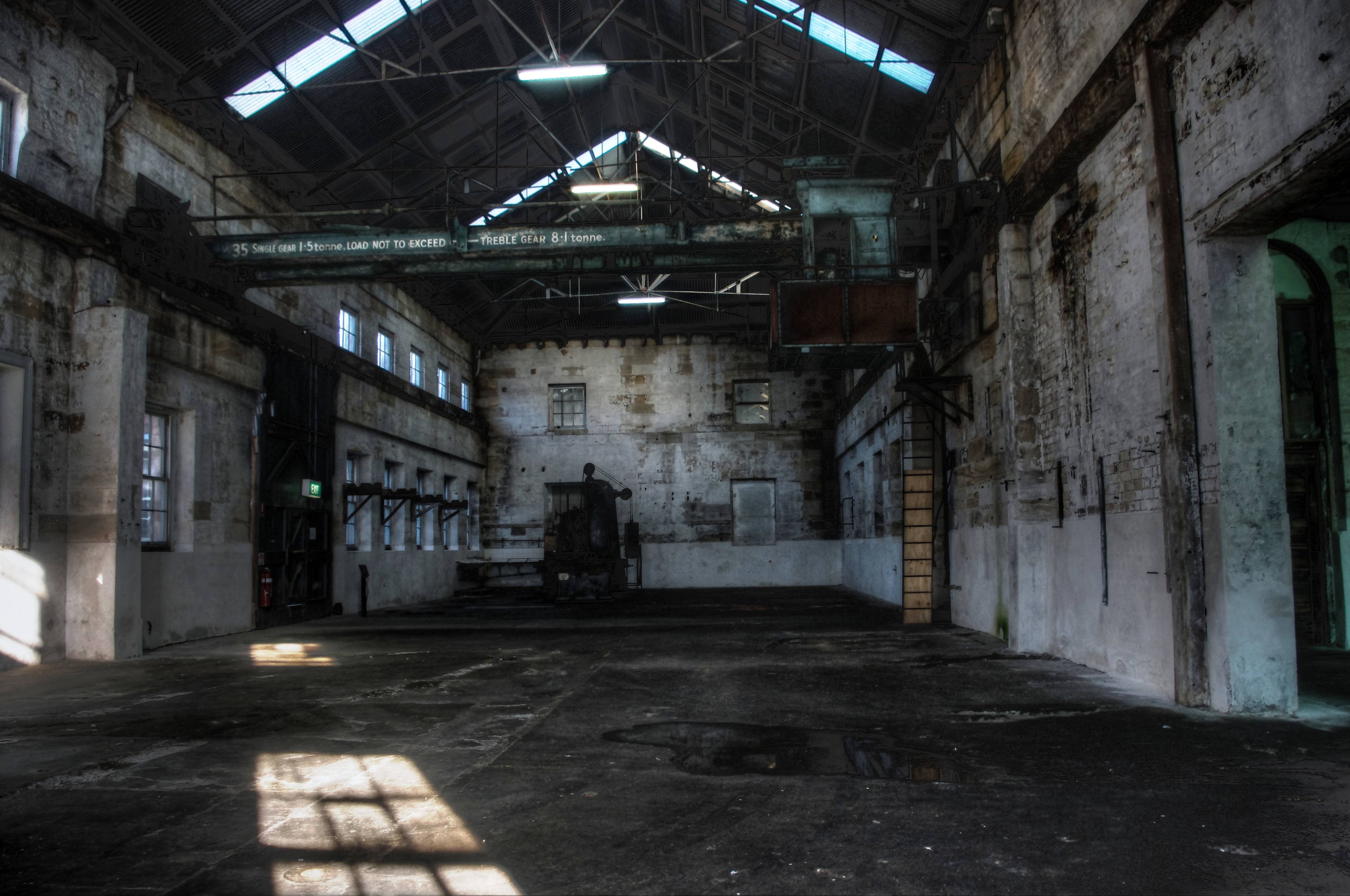
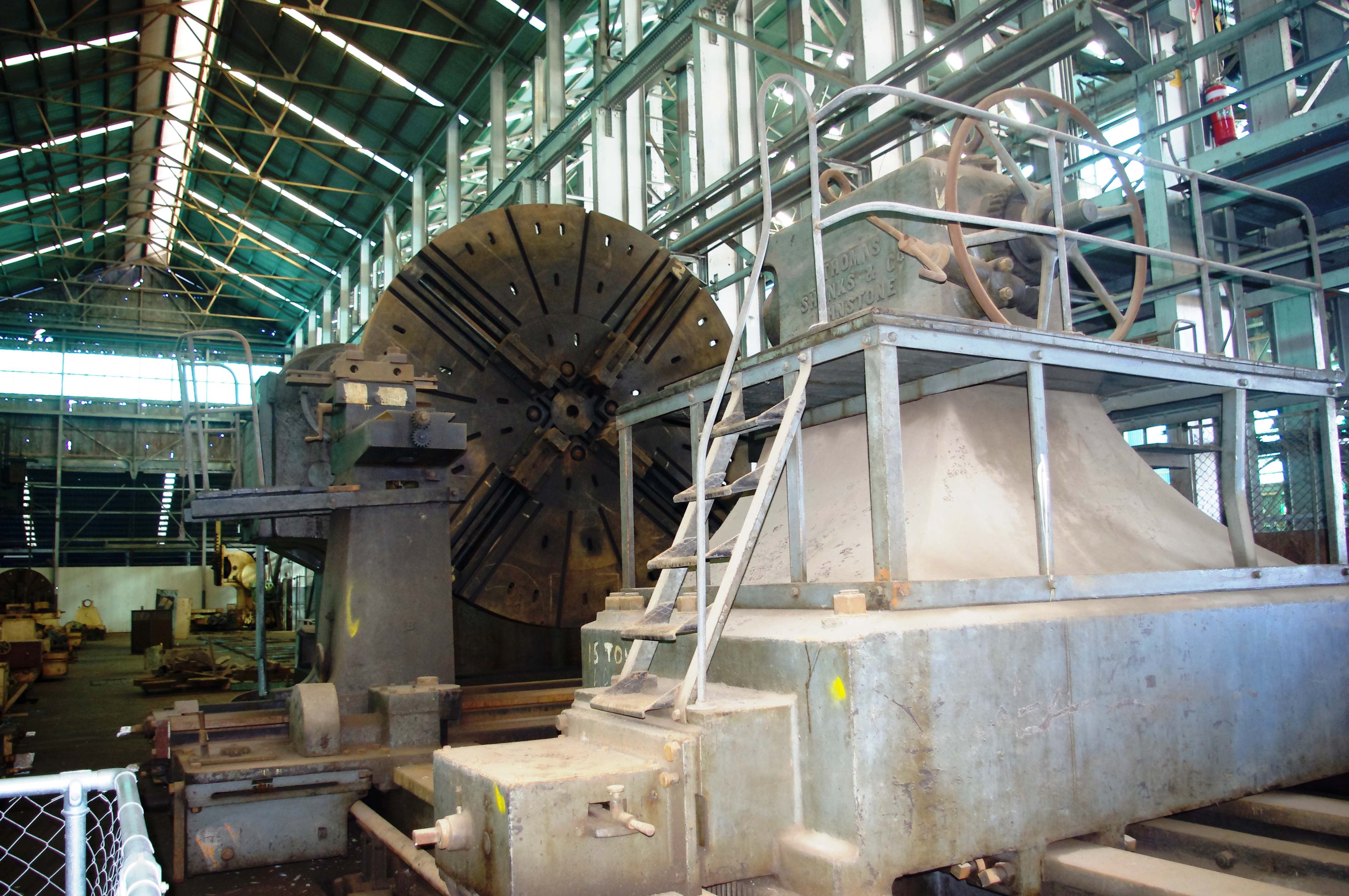
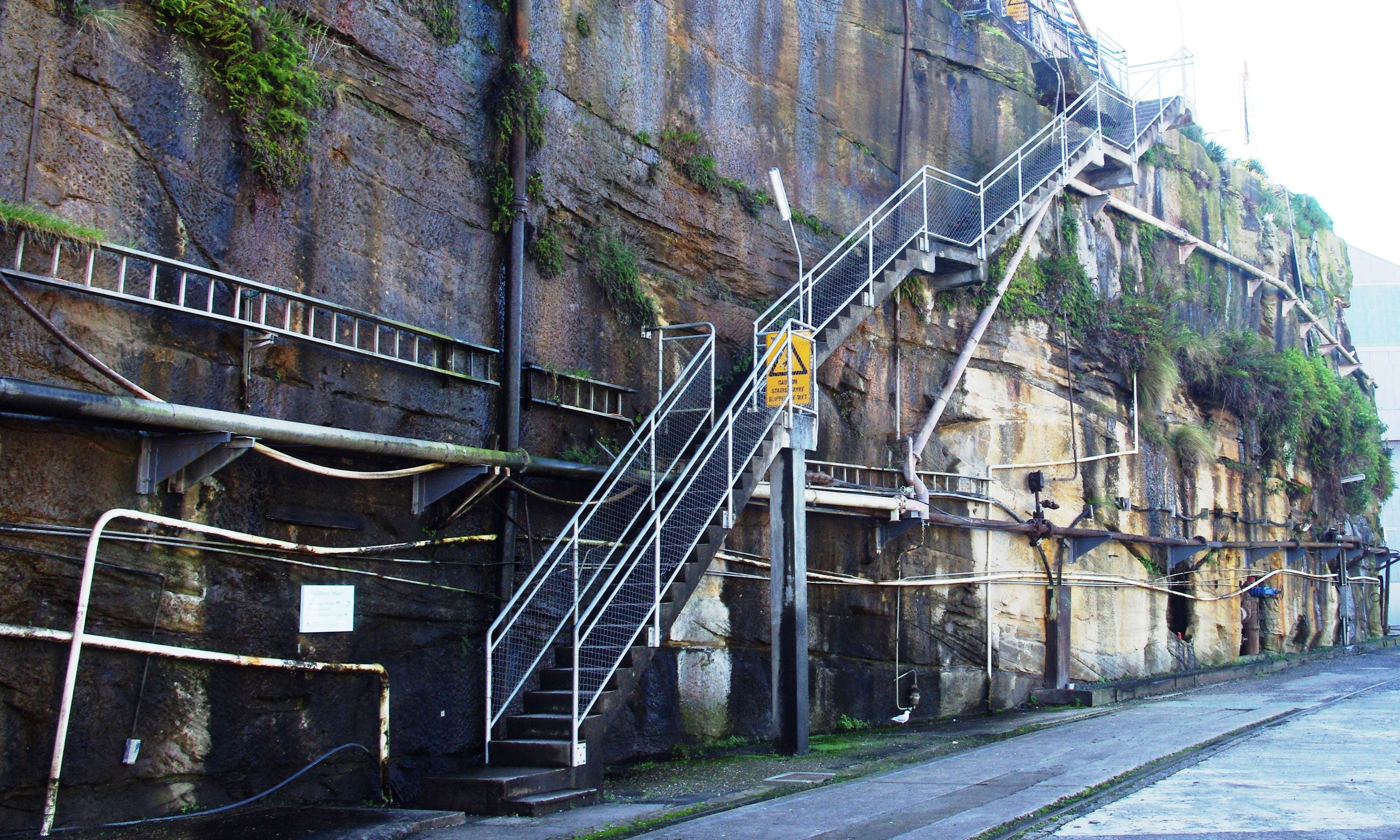
These huge abandoned warehouses still contain a plethora of heavy machinery including huge lathes and industrial sized milling machines.





Bad Education
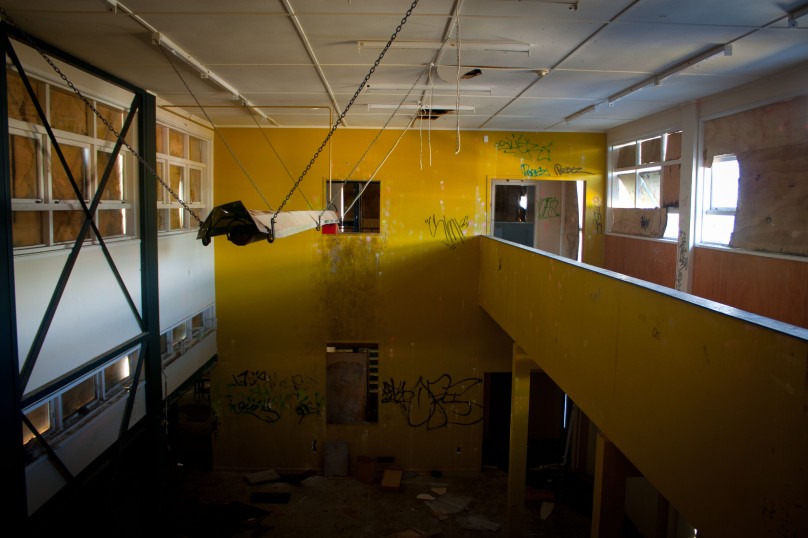
This former highschool was closed about 15 years ago. The decay and vandalism that has occurred in the interim is astounding. It’s finally due for demolition soon and the land it occupies is to be developed into a retirement village.



The Dead Pool
“I’ve never let my school interfere with my education.” Mark Twain
Psych
This former notorious rural psychiatric hospital- see this post- was visited by one of our group back in 2008. The majority of the buildings then were mostly intact with minimum vandalism. Today many of the buildings have been demolished, with the remainder largely abandoned or used as storage. Incredibly though a number of the villa’s are now reoccupied, by apparently sane people.


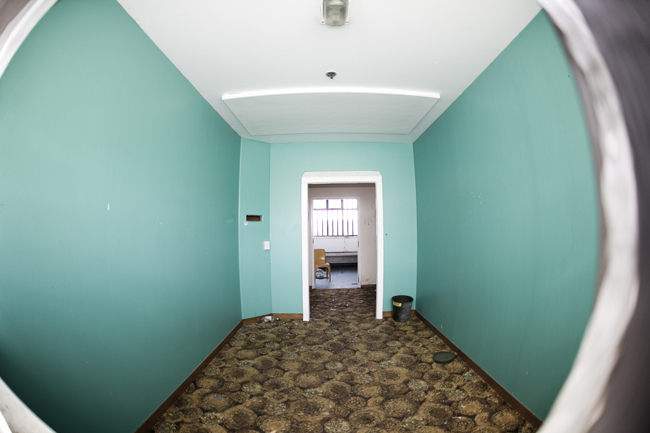


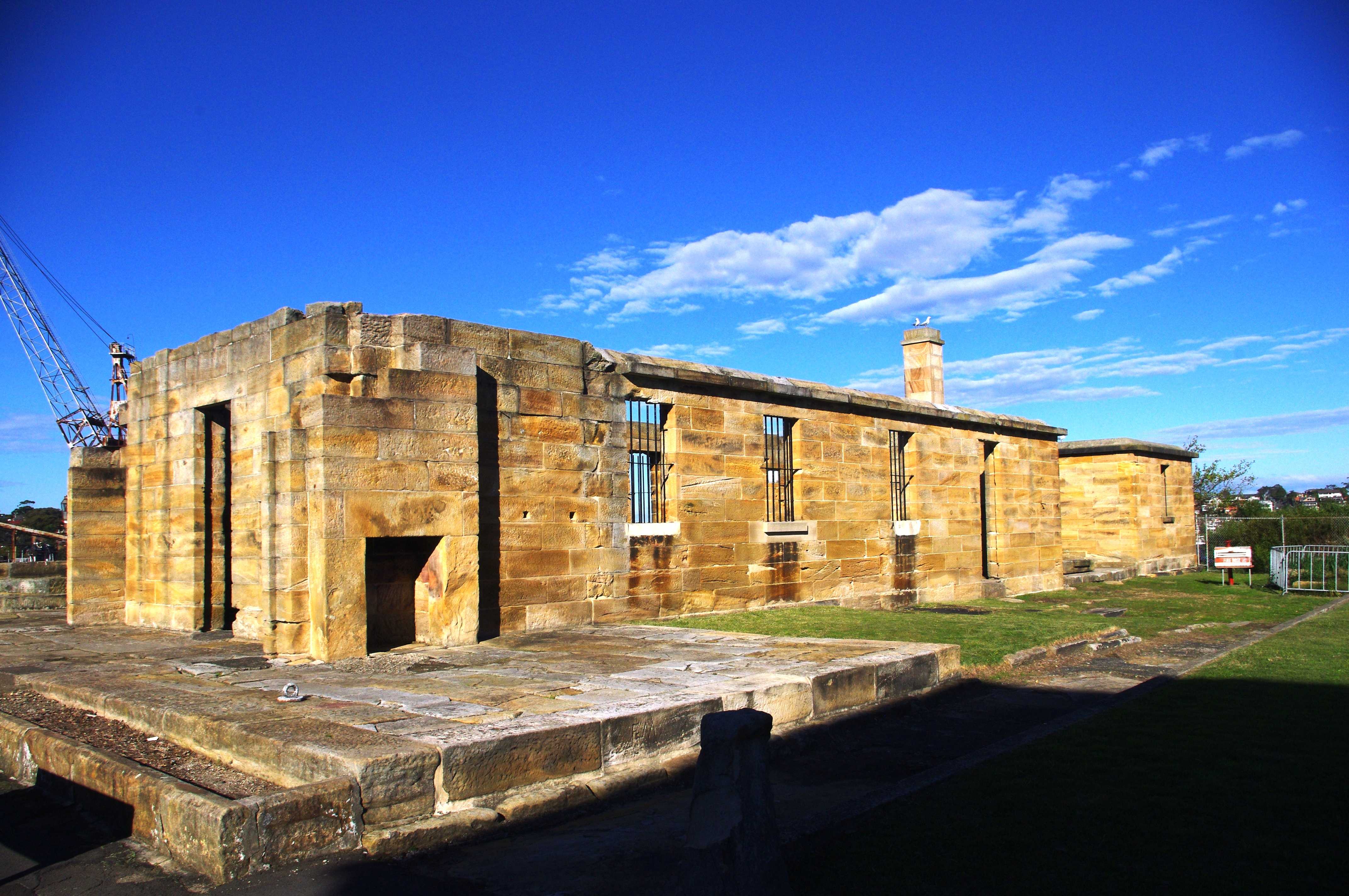
Cockatoo Island 3 – Gaol + Fort
The islands prison, and the garrison to guard them were a readily available source of workers for the islands shipyard and to quarry the sandstone of which the island is comprised.


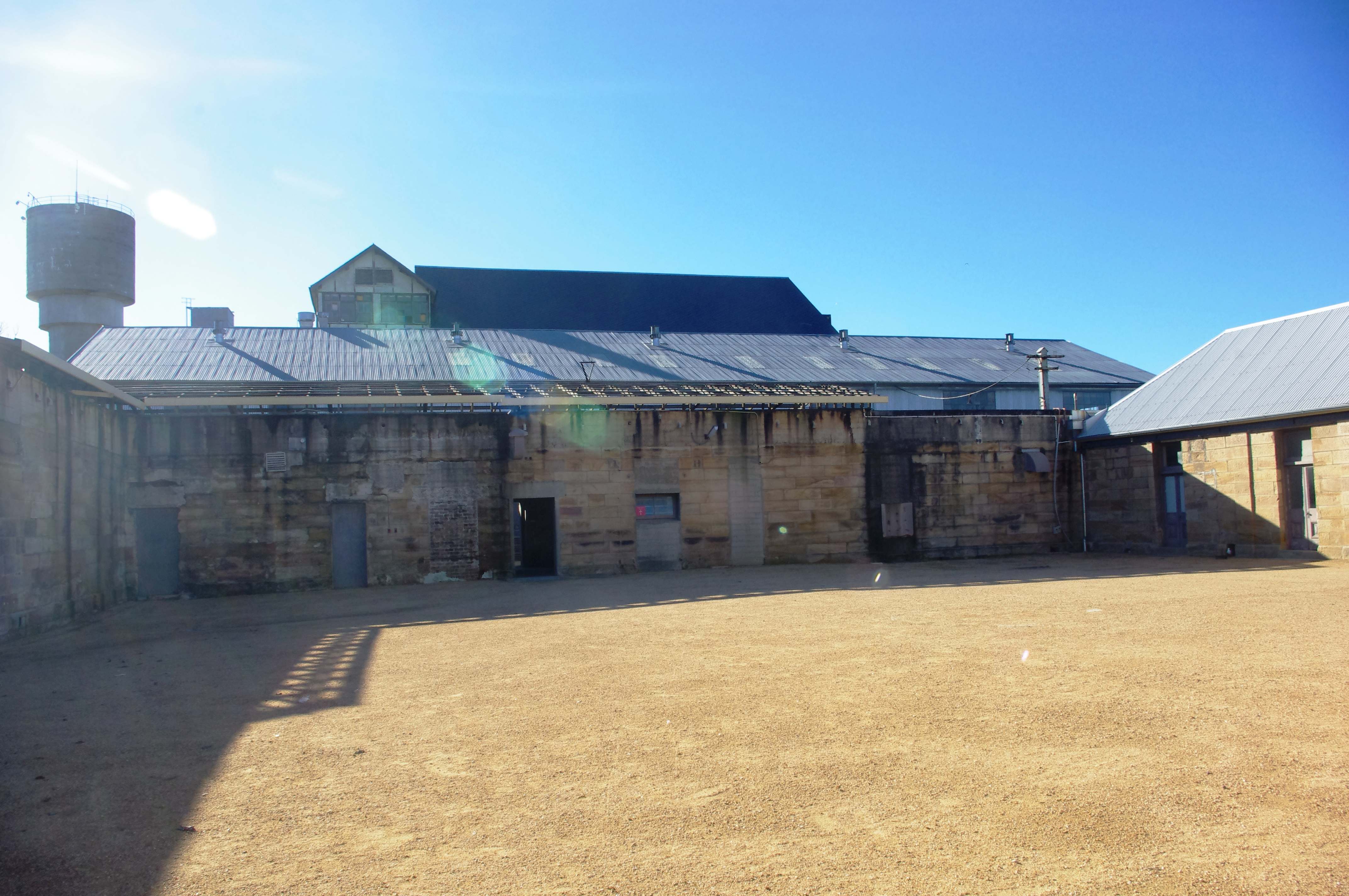


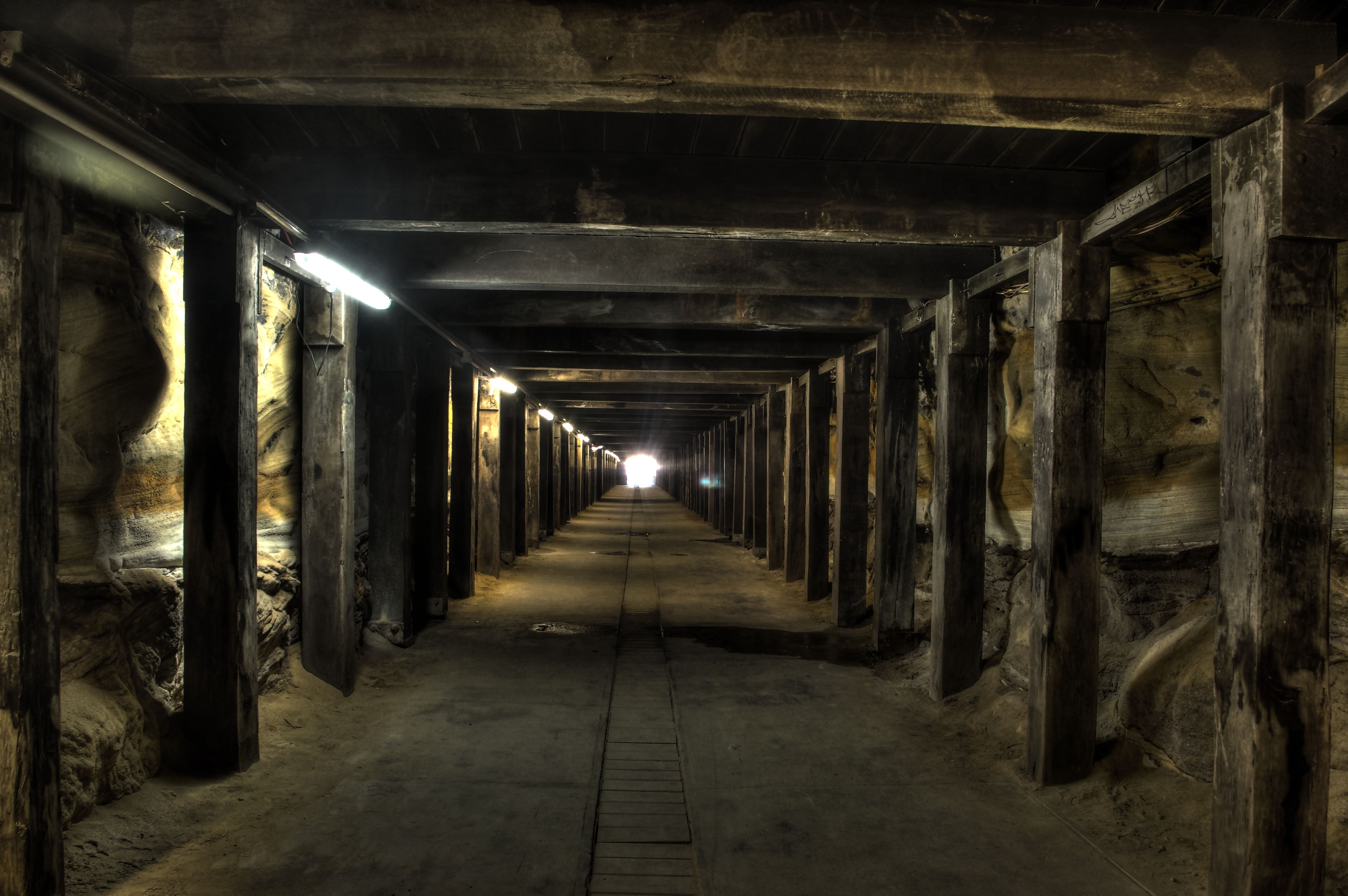
Cockatoo Island 2 – Tunnels
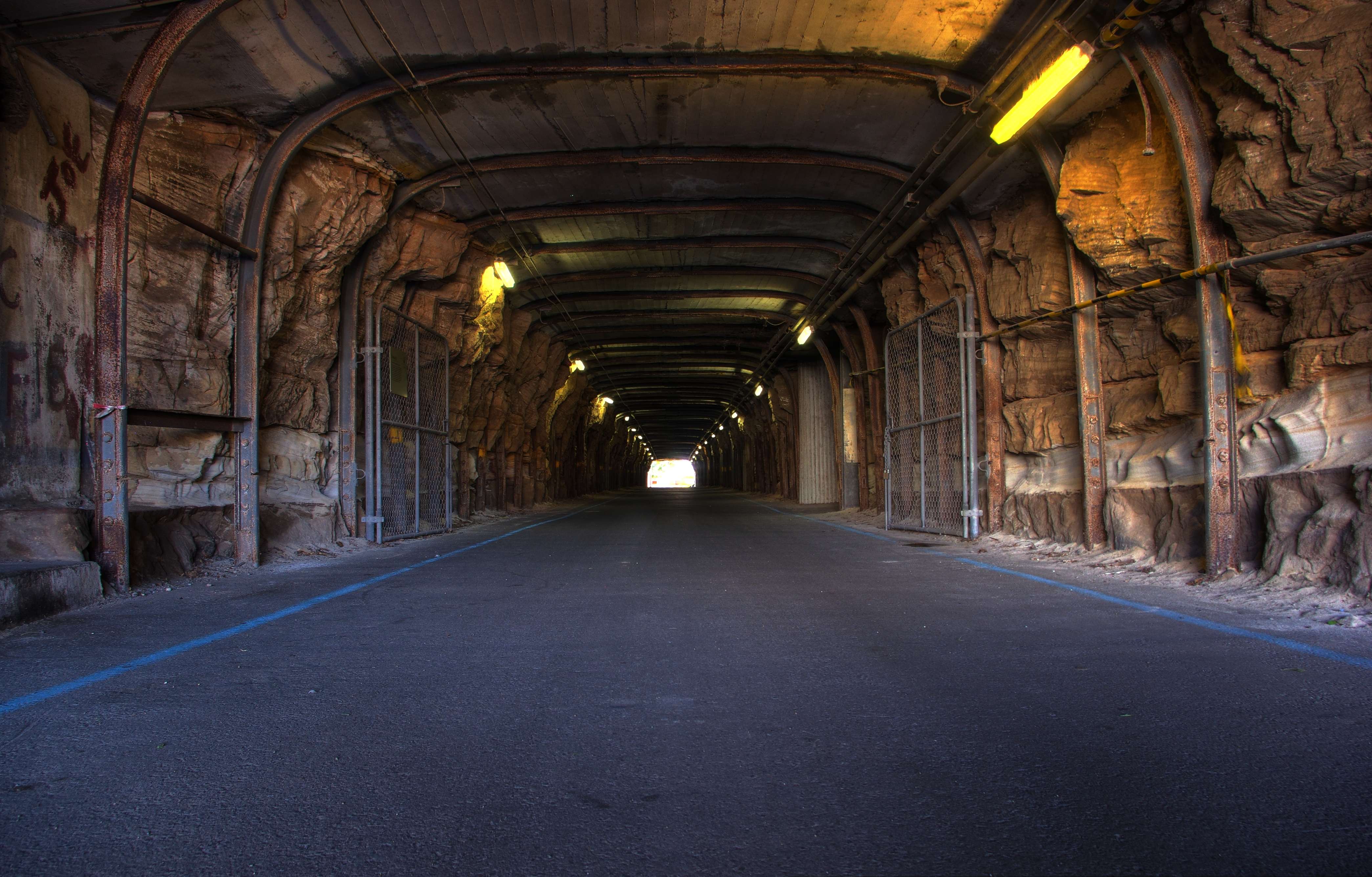
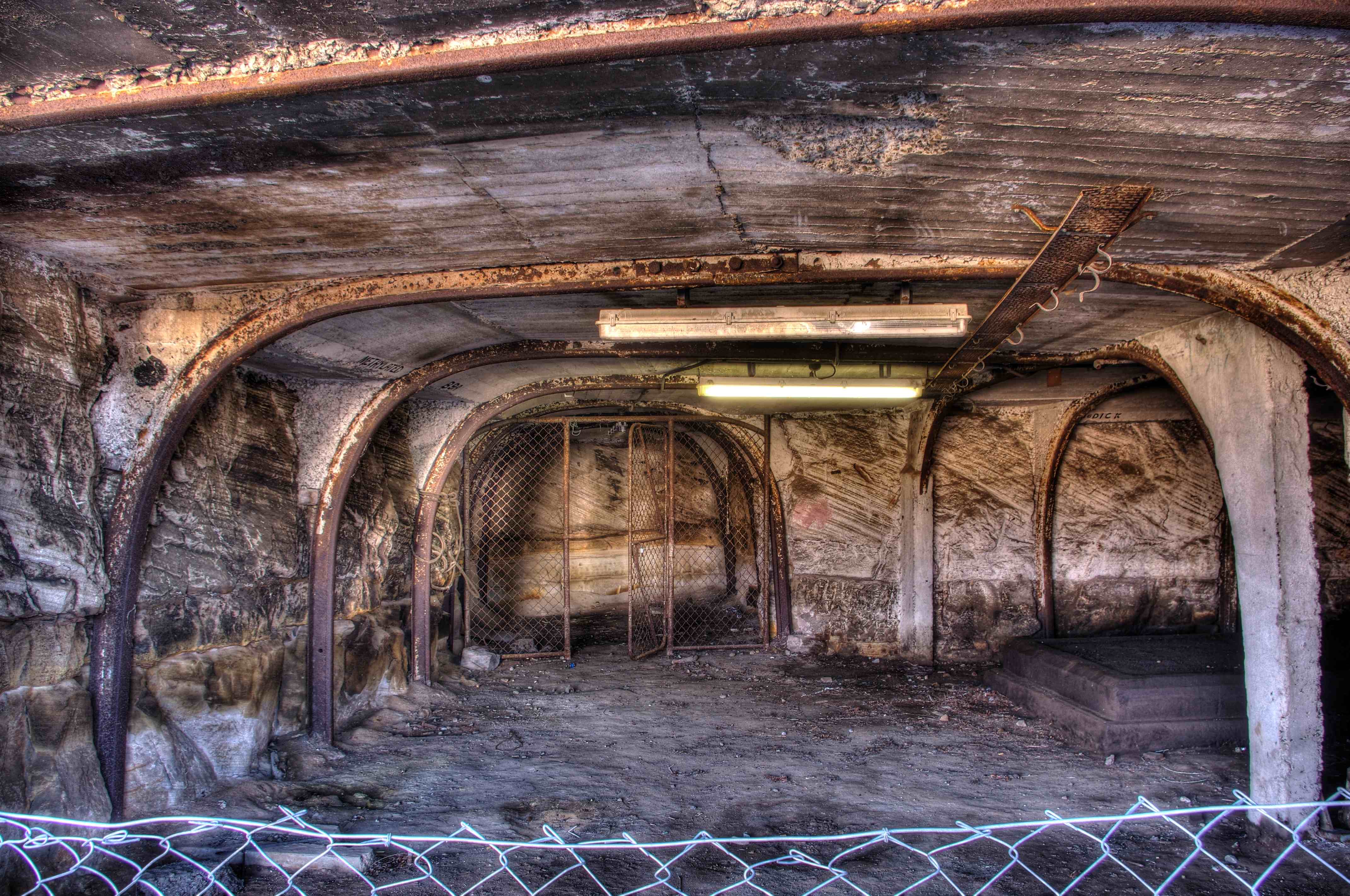
Underneath the Island, in the areas not hewn away to make room for heavy industry, Cockatoo island is criss-crossed with a myriad of tunnels, facilitating the movement of people, materials and equipment across the island. These also served a dual purpose as an air-raid shelter for use in the Second World War: one was even kitted out with an infirmary located in an annex to the main tunnel. Another tunnel has an elevator running right down into it from the buildings atop the island, down through the rock.



Cockatoo Island – Introduction/Teaser
This is the first in a new series of posts focusing on Cockatoo Island, situated in Sydney harbour, with each of these instalments focusing on a different aspect of what cockatoo island has to offer in the way of urban exploration, the video here is a general overview of some of the different features of the island.
During it’s colourful history it has been used as a Military Barracks, Prison/Gaol, Shipyard and Naval Dockyard amongst other things. As a result the island is teeming with reminders of it’s history and is a plethora of abandoned buildings, tunnels, cranes and other structures including a beautiful old power station.
For more information about Cockatoo Island see:
http://www.cockatooisland.gov.au/about/history.html
http://en.wikipedia.org/wiki/Cockatoo_Island,_New_South_Wales
Escuela Mala
“I had a terrible education. I attended a school for emotionally disturbed teachers.”
Woody Allen
Pyro
Pyromania is an impulse control disorder in which individuals repeatedly fail to resist impulses to deliberately start fires, in order to relieve tension, for gratification or for relief. The term pyromania comes from the Greek word πῦρ (‘pyr’, fire).
This was just one of a dozen buildings torched by a pyromaniac over a single weekend two years ago. A Porirua man was eventually charged with 13 arsons that included setting fire to five churches, but was found not guilty by reason of insanity.
Seahouse
There are people who, like houses, are beautiful in dilapidation. Logan P. Smith


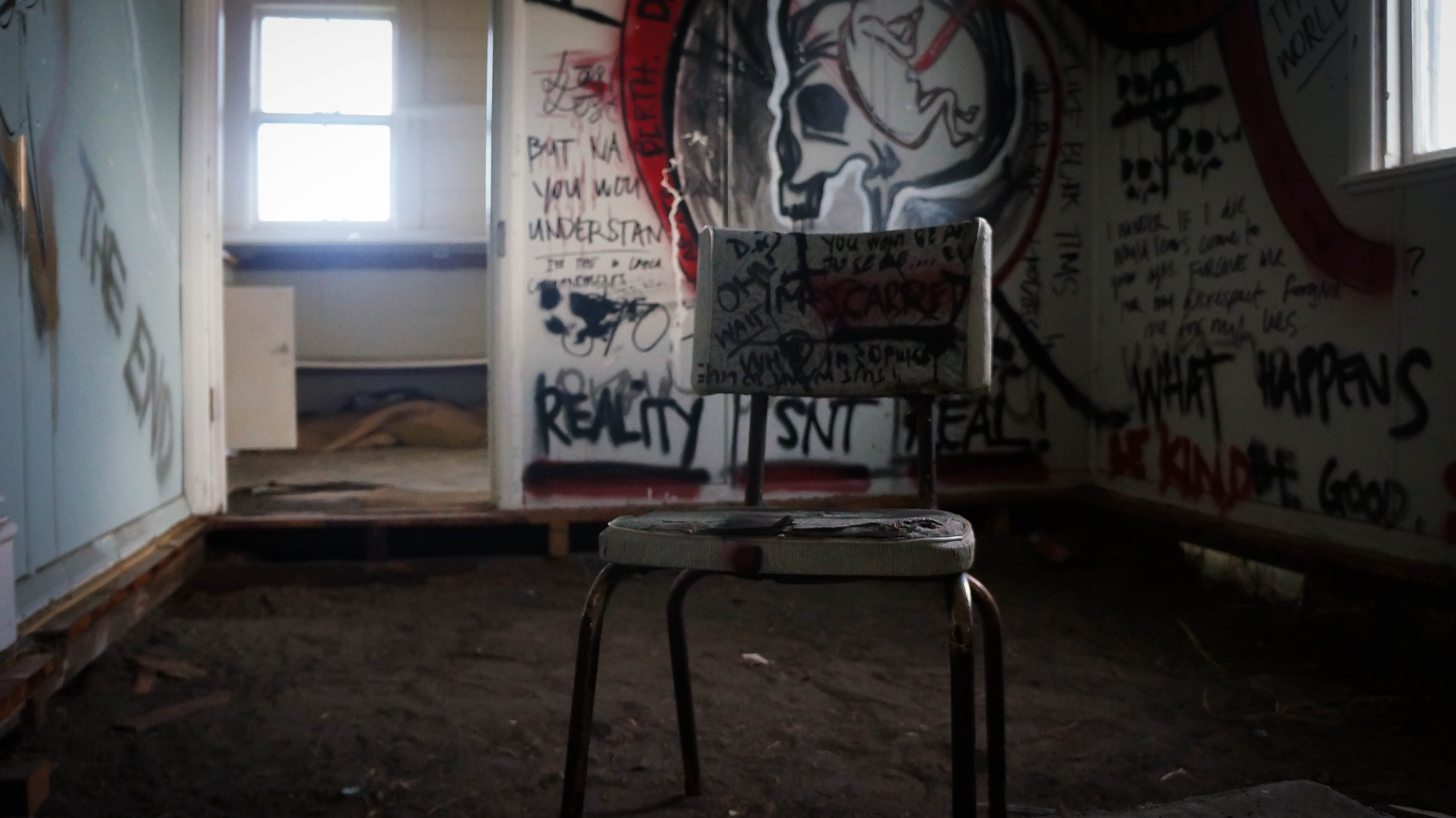
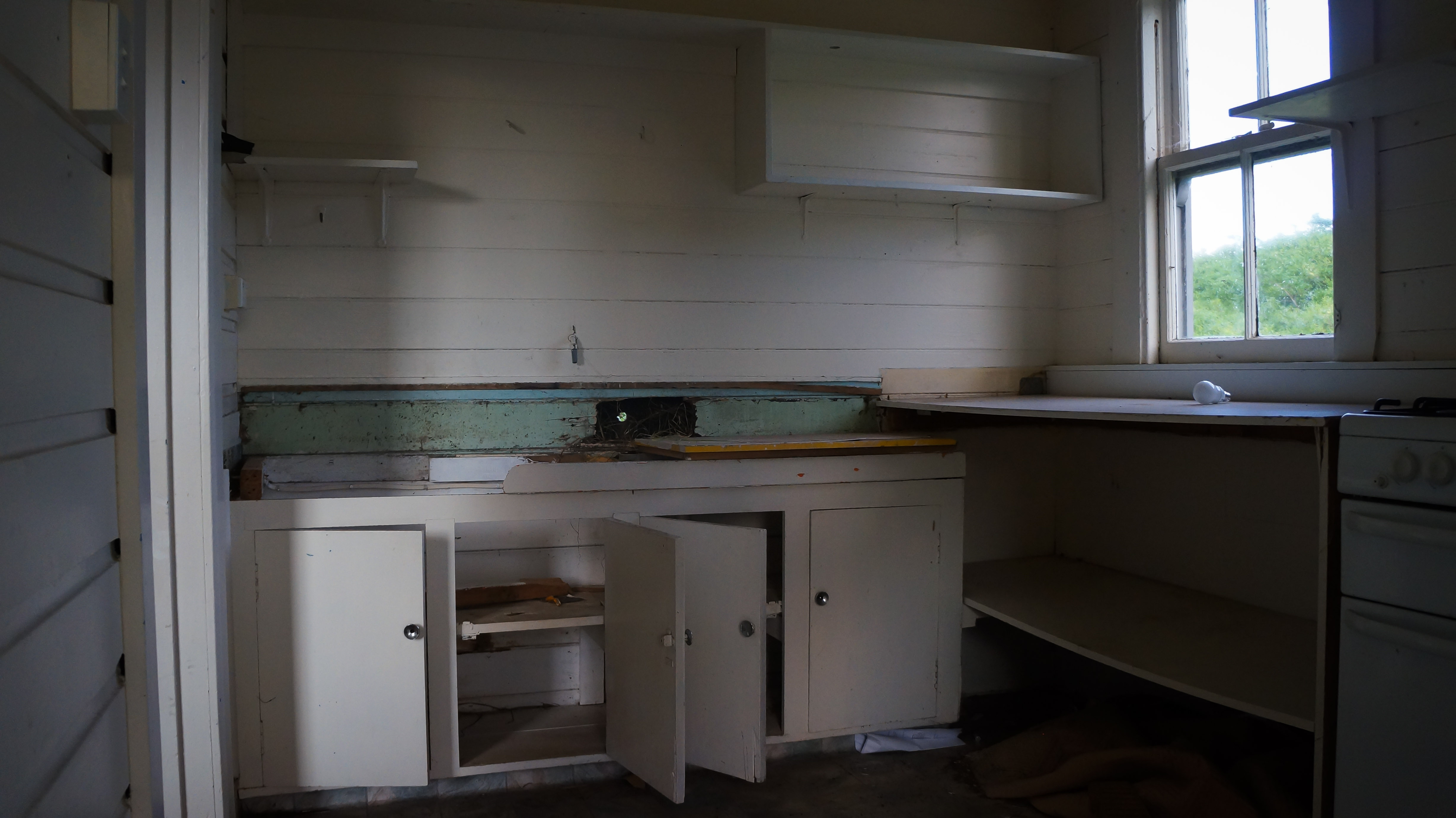
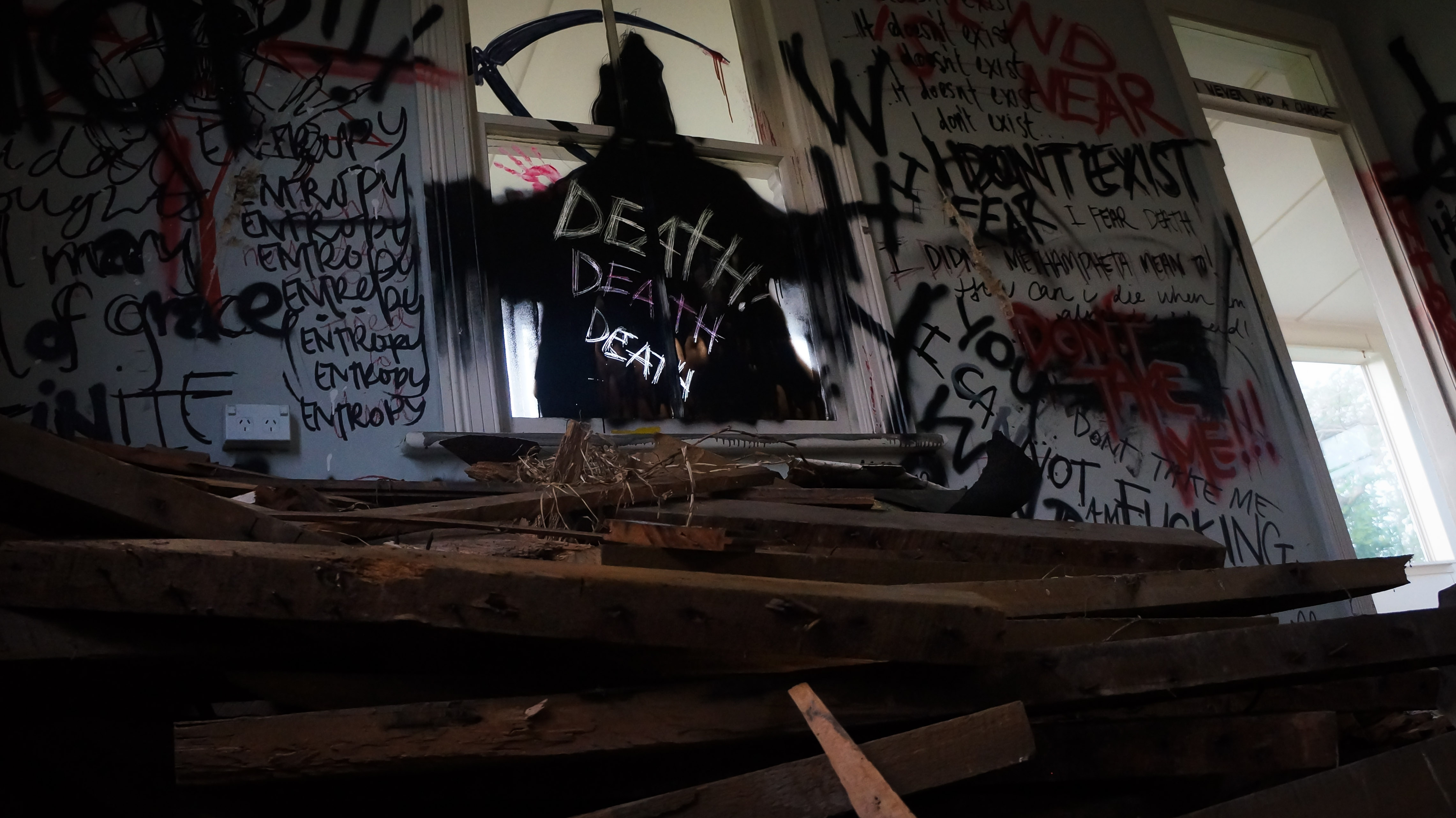
Beelitz-Heilstätten
Beelitz-Heilstätten, just south of Berlin, was a large hospital complex that has its beginnings in 1898.

Originally designed as a sanatorium – with the outbreak of World War I in 1914, it was converted into a military hospital for the German Army.

The suitably freezing, misty day only emphasised the eeriness of the vast hospital complex, which consists of at least 60 buildings.

As we wandered around trying to find a way inside, it was strange to think that a gammy-legged Hitler may have once walked these very same steps almost a century ago.

During the months of October and November of 1916, a young Adolf Hitler recuperated here (unfortunately) after being wounded in the leg at the Battle of the Somme.

Eventually we gained access through a broken basement window, spending the next several hours exploring the derelict hospital…

At the close of World War II in 1945, Beelitz-Heilstätten was occupied by Soviet forces – remaining a Soviet military hospital up until 1995, well after German reunification. Since the late 1990’s however, the complex has been left mostly abandoned and become a favourite playground for urbex in Germany.

Our exploration was finally interrupted when a team of men in hi-visibility jackets arrived on the scene.

As night was descending, we felt it was about time to leave anyway – only wishing we’d taken some better photos before our hasty exit…

In Vivo
In vivo (Latin for “within the living”) is experimentation using a whole, living organism as opposed to a partial or dead organism. Animal testing and clinical trials are two forms of in vivo research. On average around 300,000 animals per year are used in experimentation, testing and teaching in New Zealand – from cats and dogs to rabbits, deer, mice, rats, fish, birds, pigs, cows and guinea pigs. This particular former testing facility has been irresponsibly left to the ravages of time and vandalism, a haunting reminder of what we commit in the name of science.
The Convent
This former Catholic girls boarding school and convent was closed in the mid 1980′s. The buildings have been used for a variety of purposes over the years (including featuring in a couple of Peter Jackson films), but it has now been deemed unsafe and closed indefinately. Although carrying the Historic Places Trust’s highest heritage protection status, the closure due to being “Earthquake prone” has left it in a strange kind of limbo. The future looks very bleak indeed for this Historic landmark.
Parkview
A retired Abortion Clinic known as Parkview, part of Ewart Hospital and the Wellington Hospital.
Opened in 1980 and short lived until it was forgone in 2000.
While it has been the subject of a lot of scrutiny and protest, it has been untouched and, ironically, resides next to a children’s kindergarten.







Pioneer Cottage
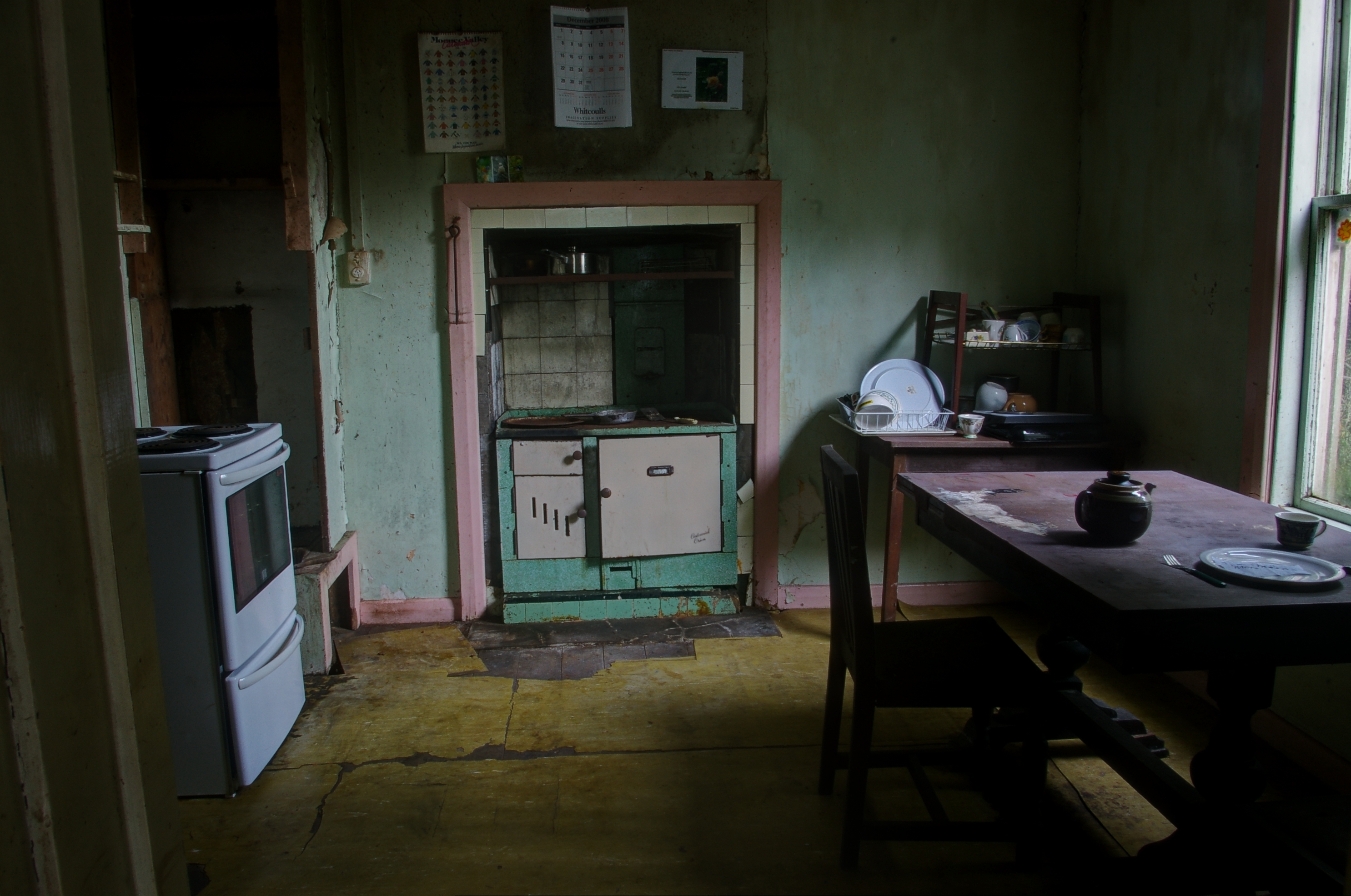
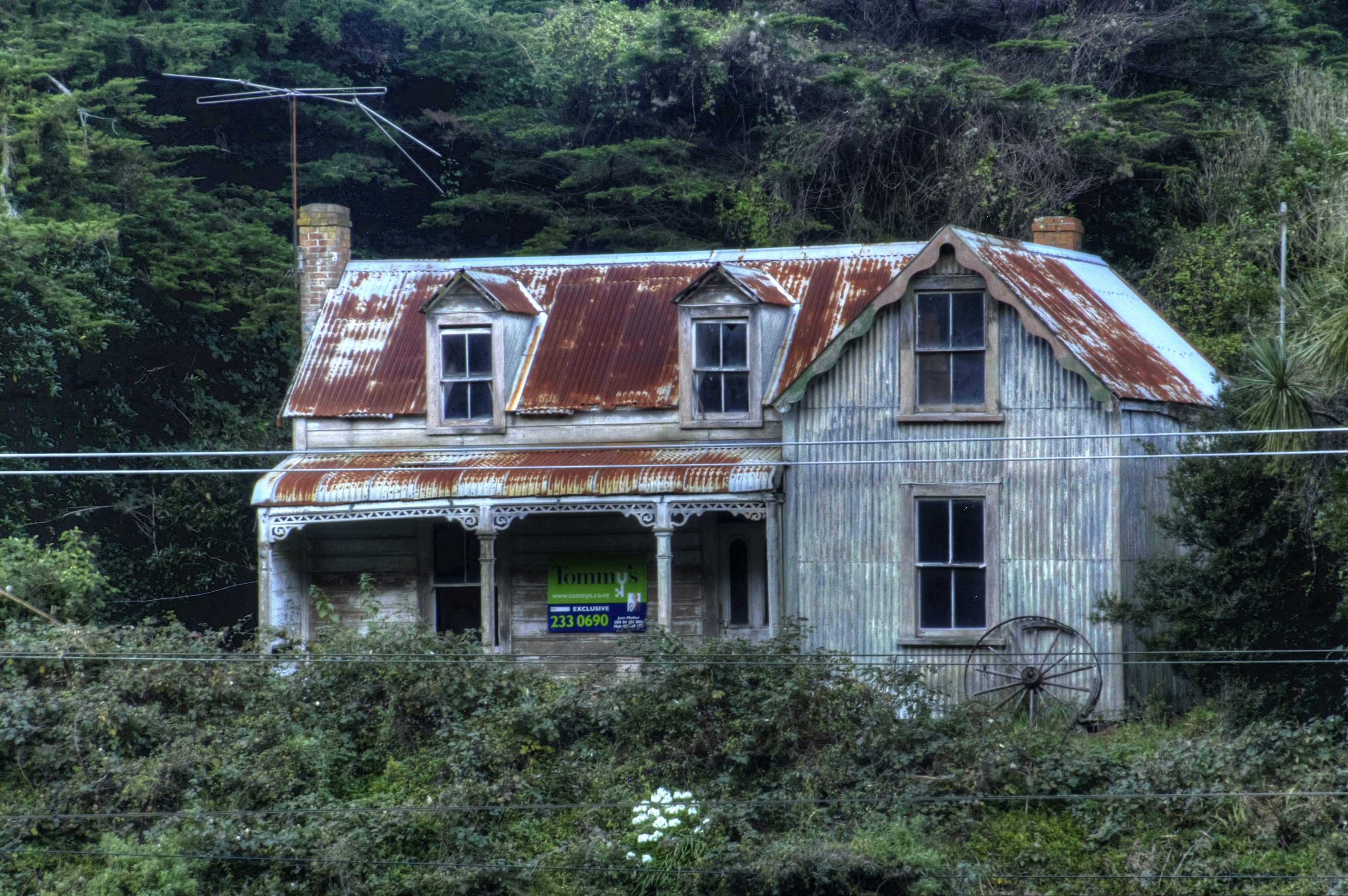
This abandoned house is trapped in time, there are numerous reminders of the history of this building scattered throughout. It is as if the occupants simply walked out 50 years ago, with dishes still drying in the kitchen…


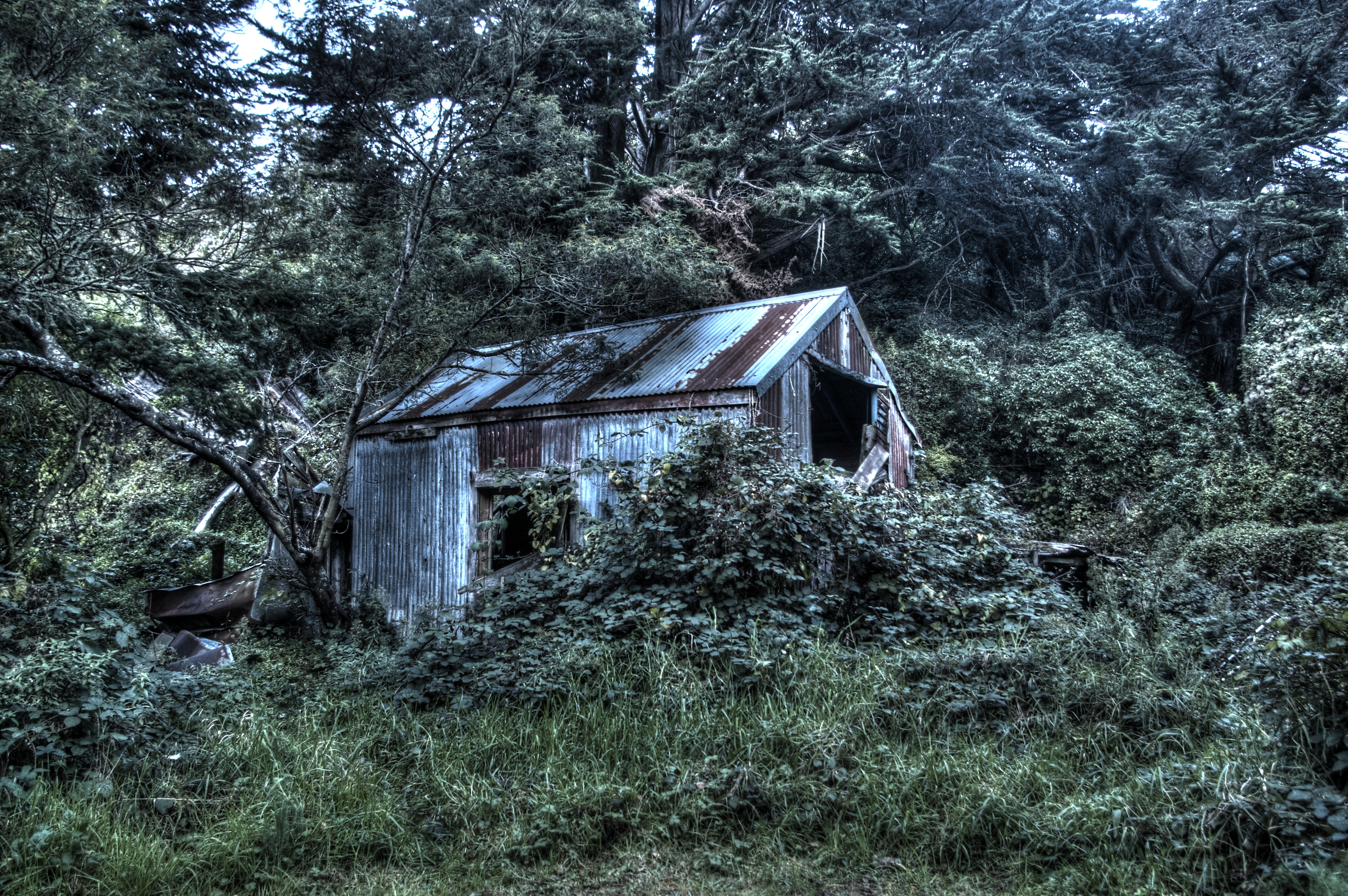

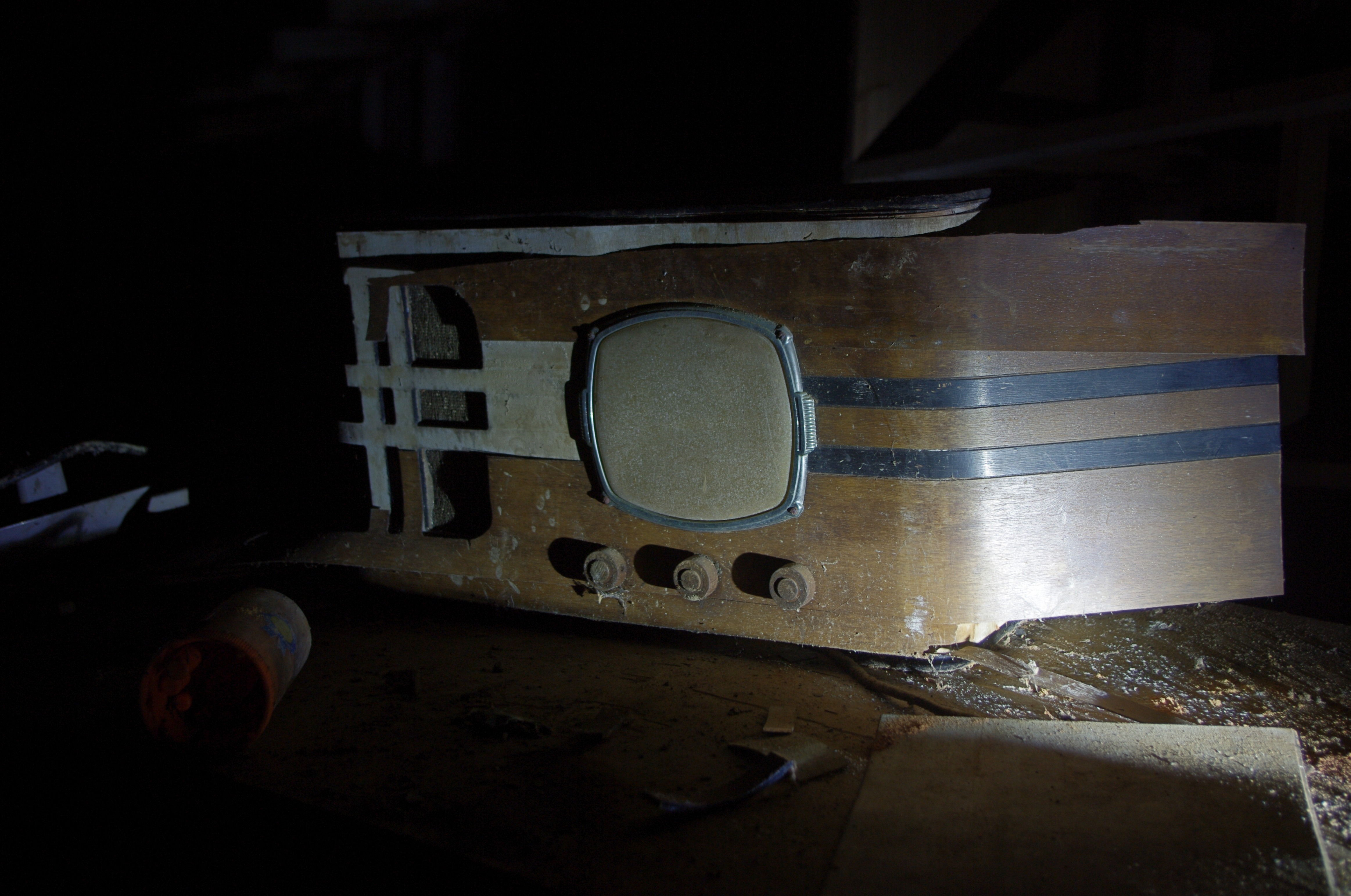


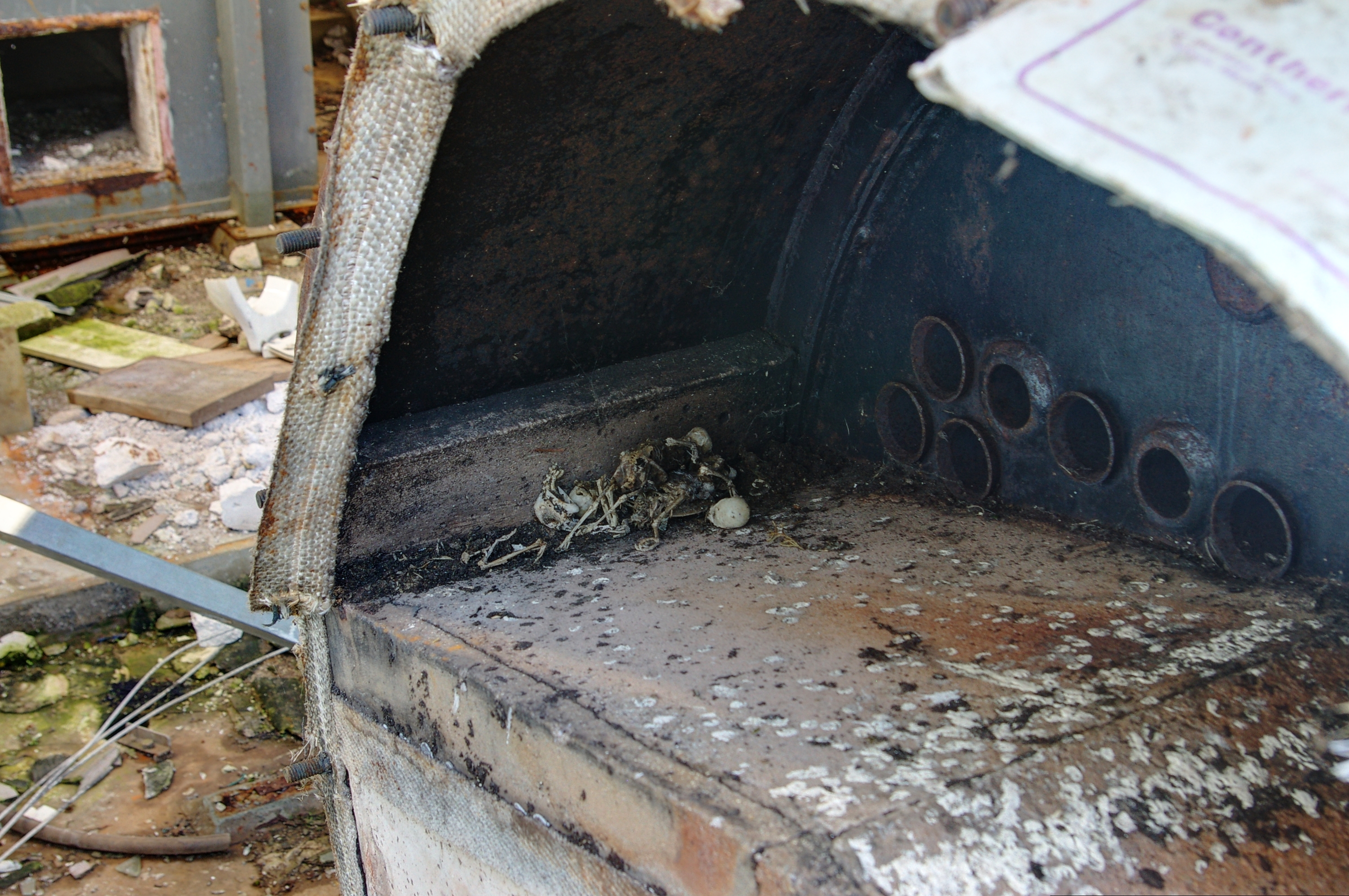
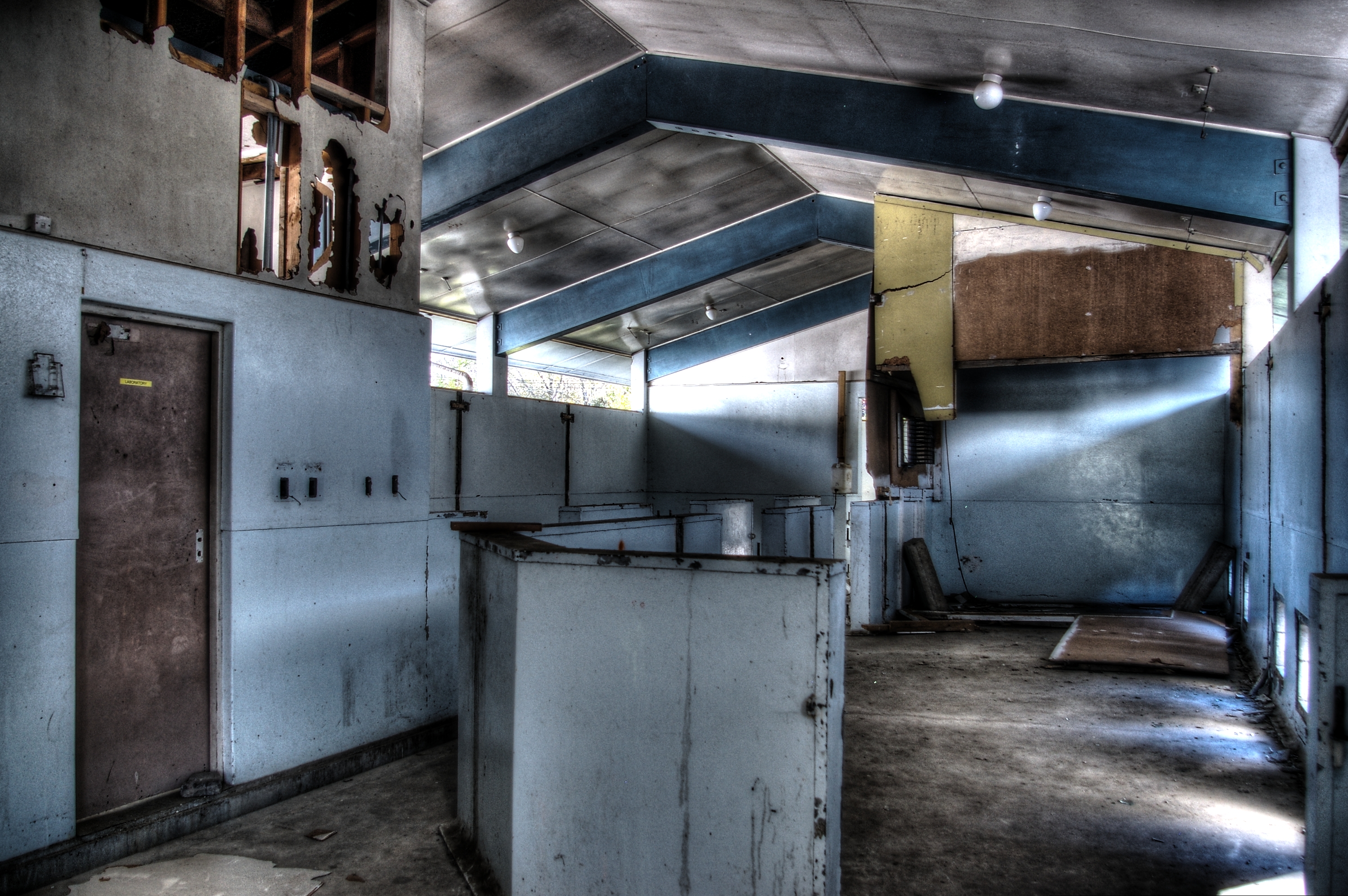
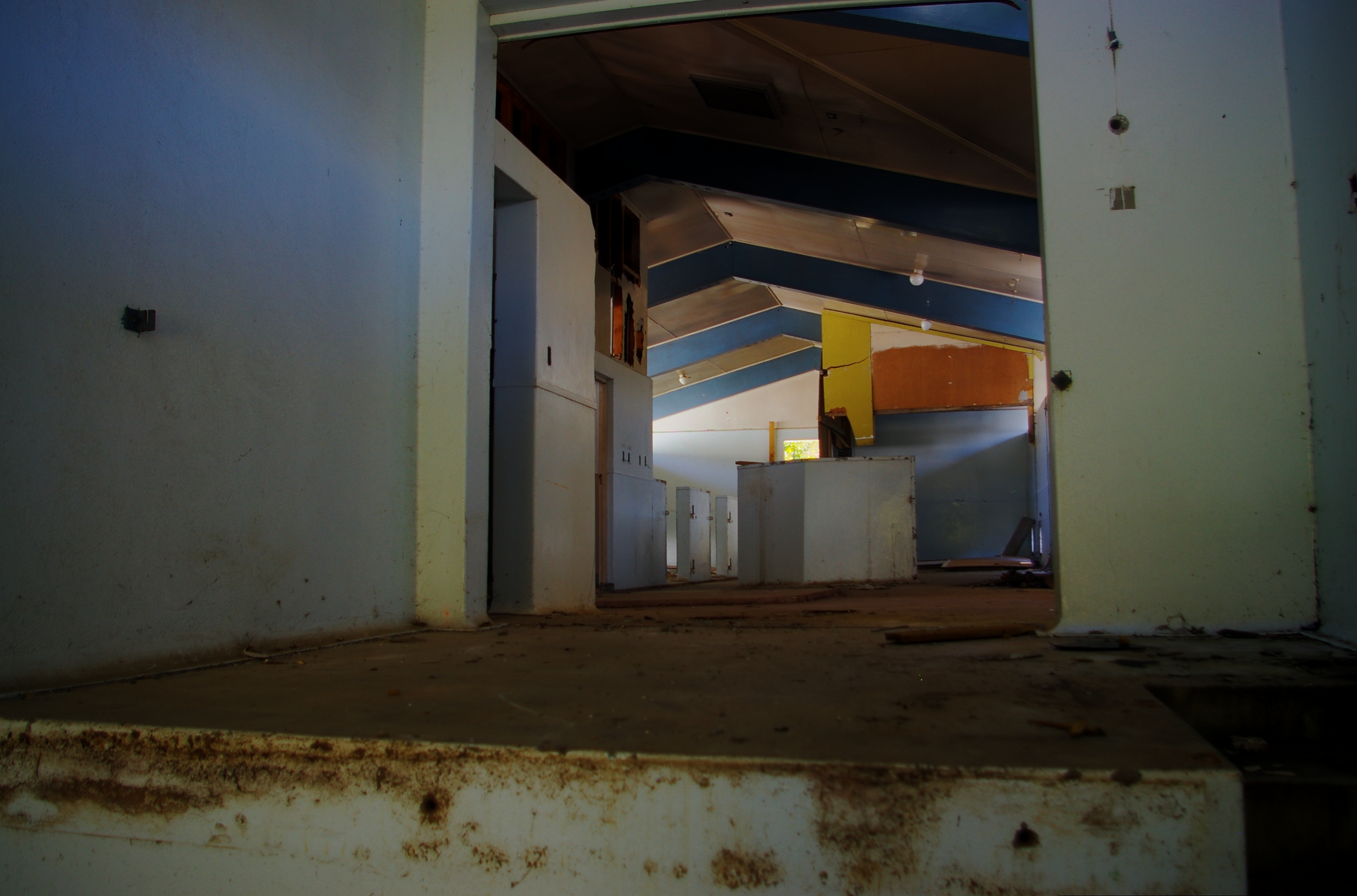
Animal Testing Centre & Incinerator
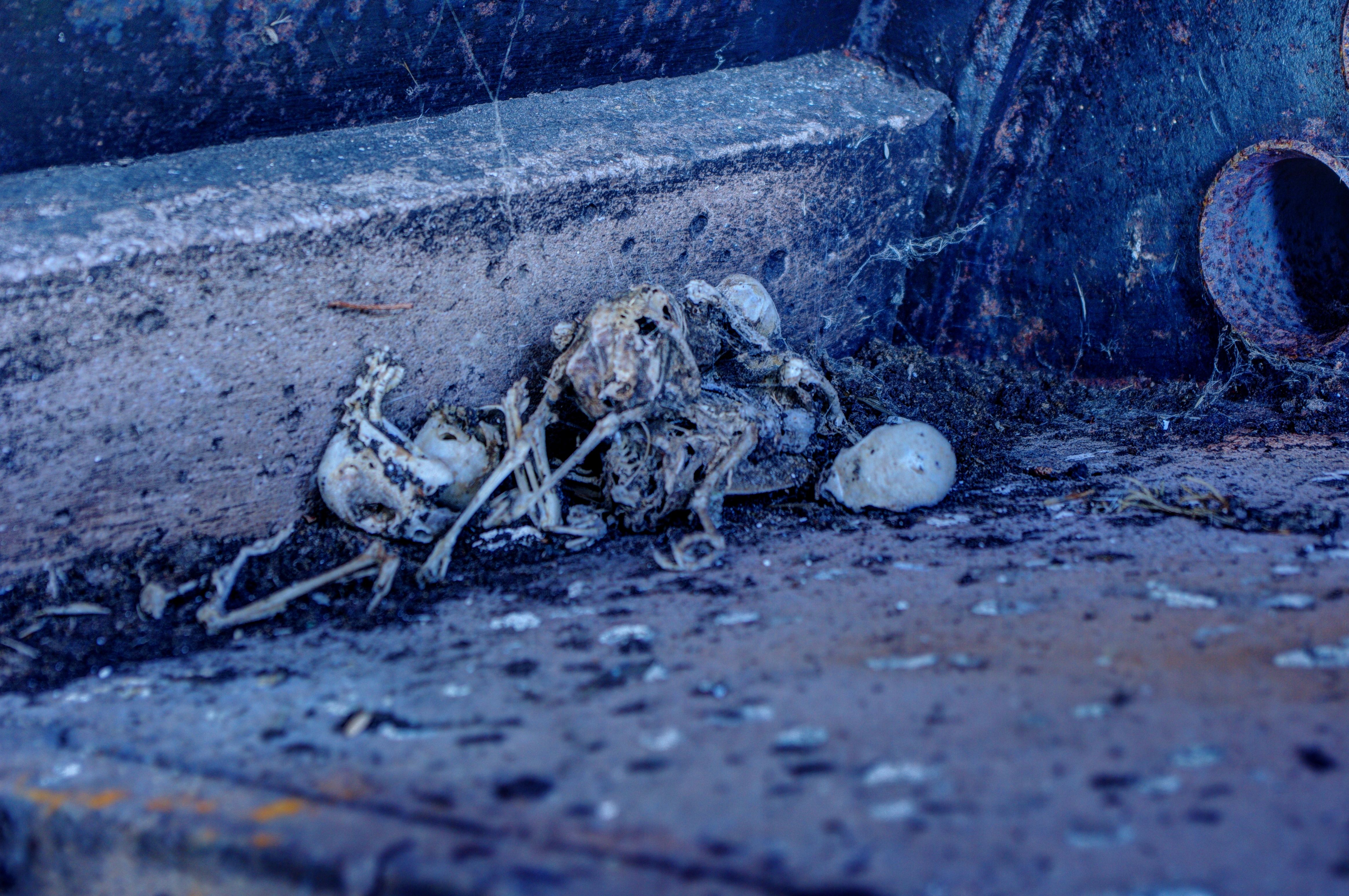
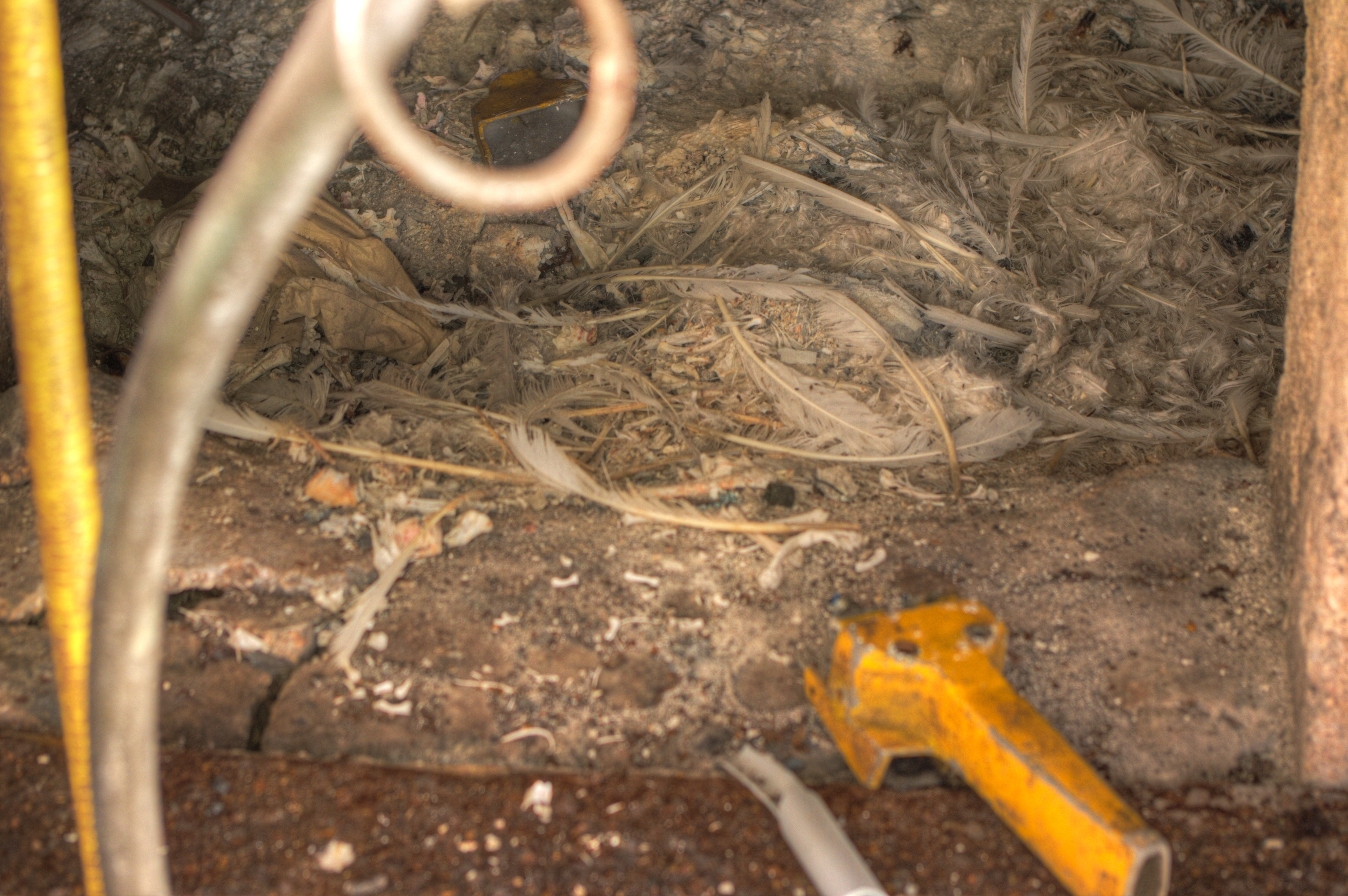
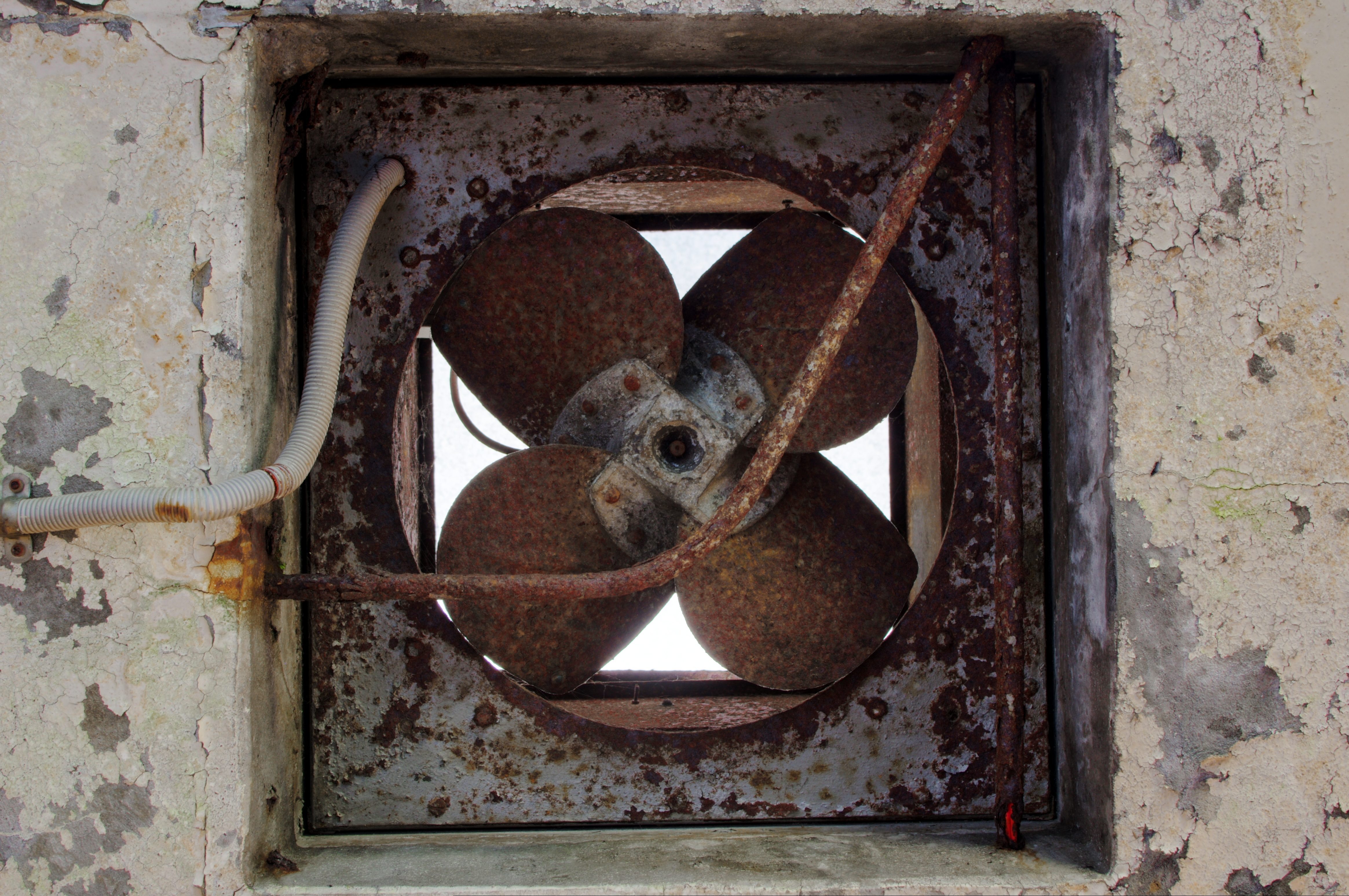
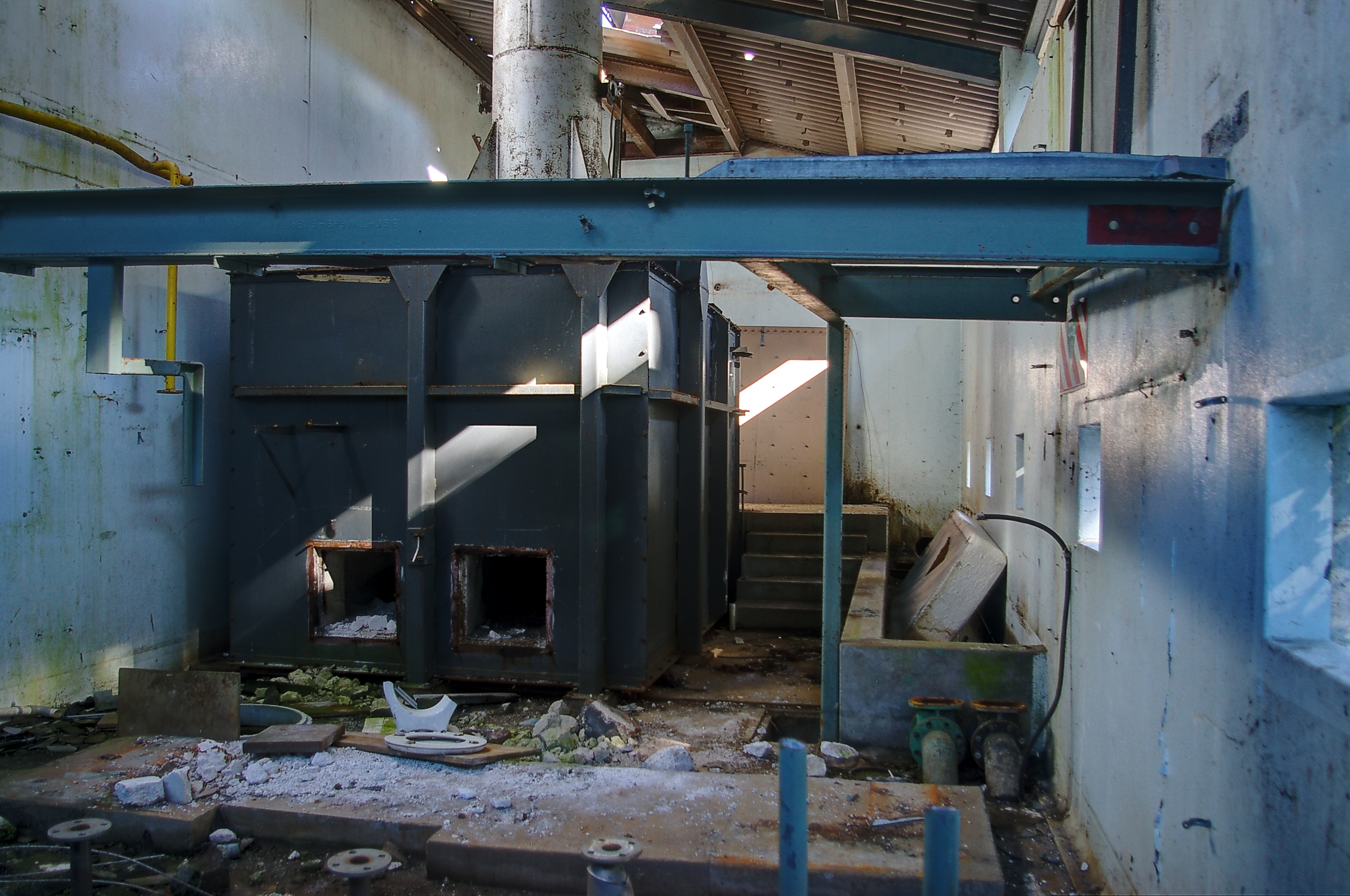
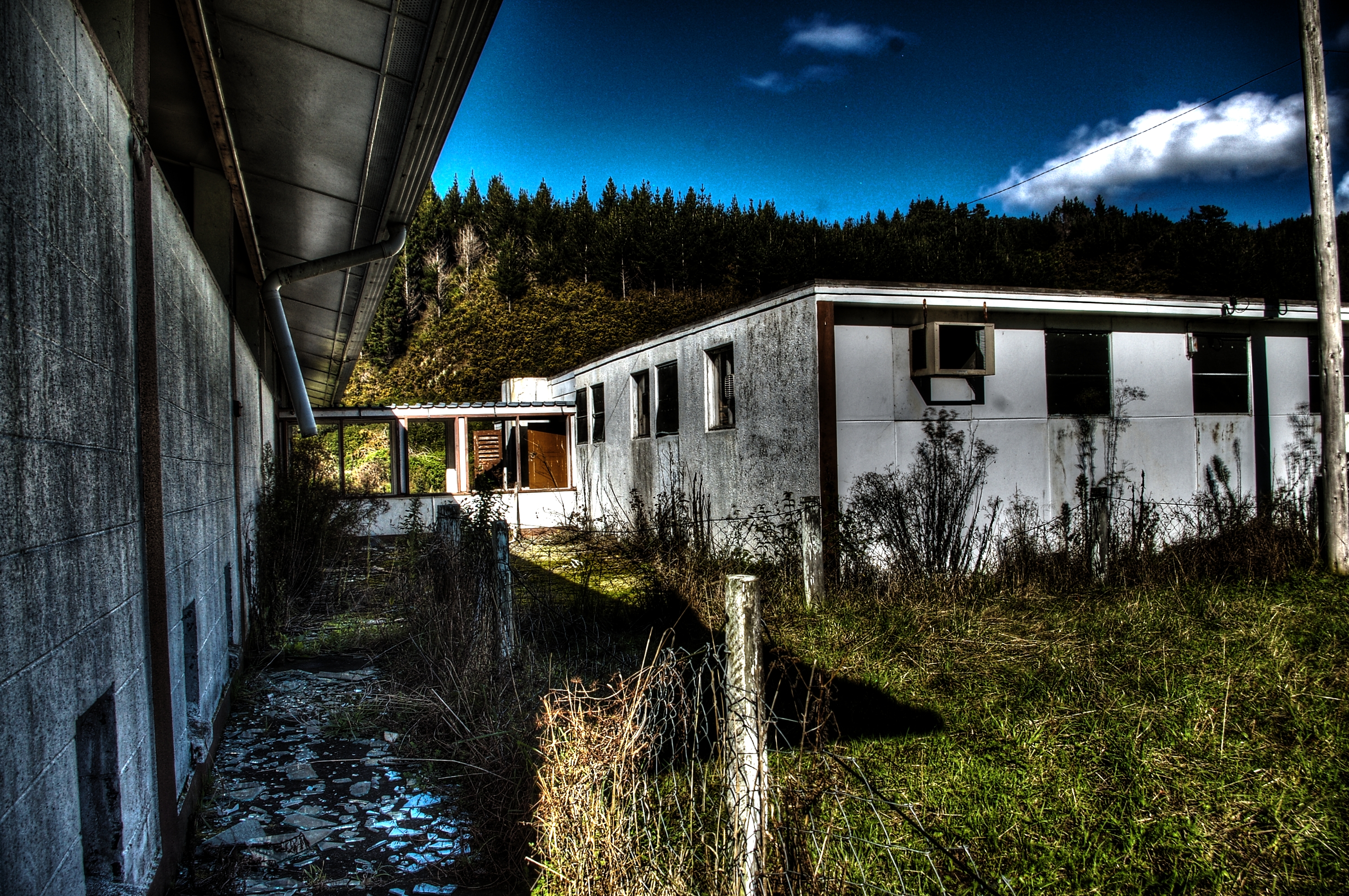
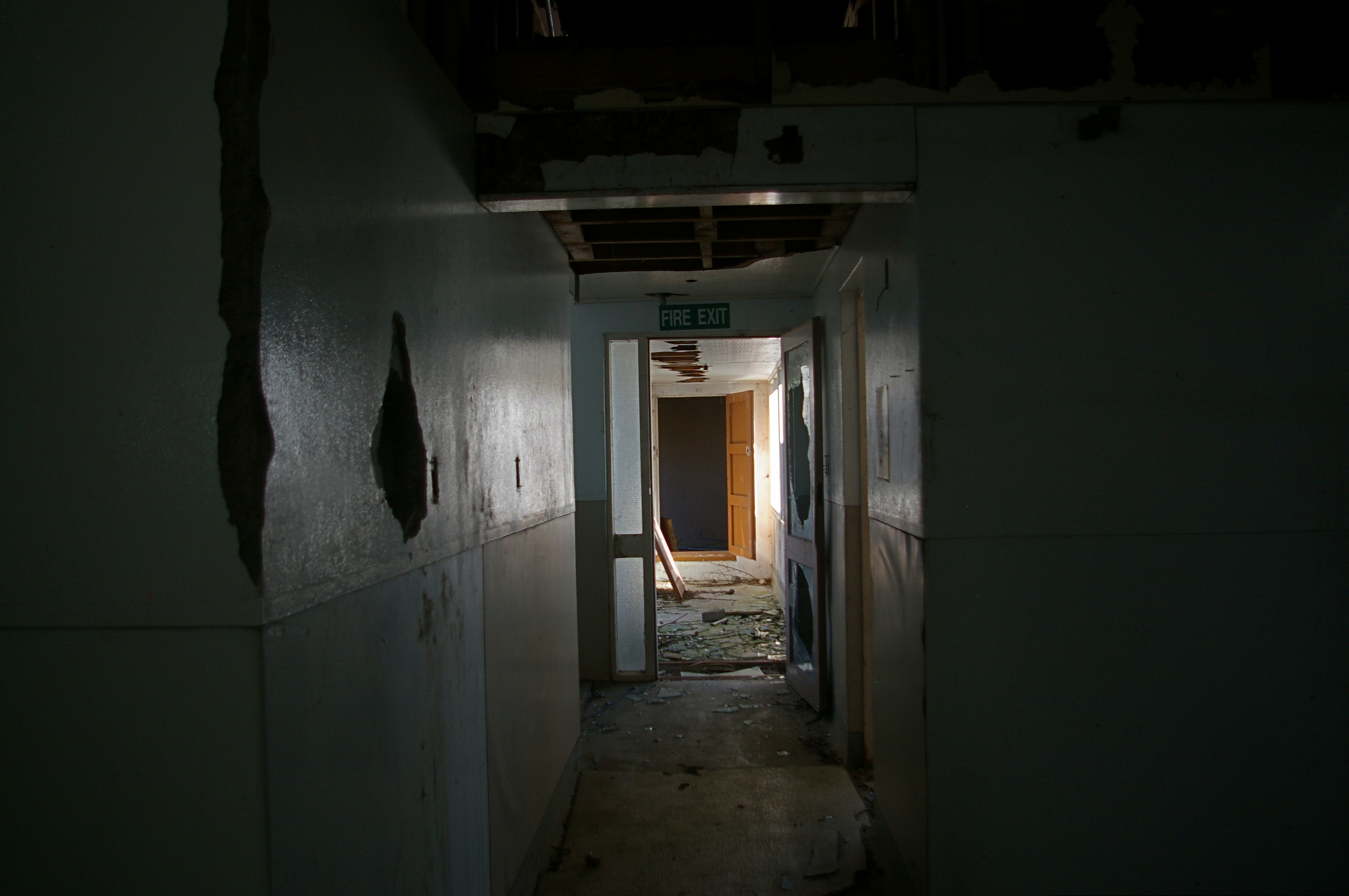
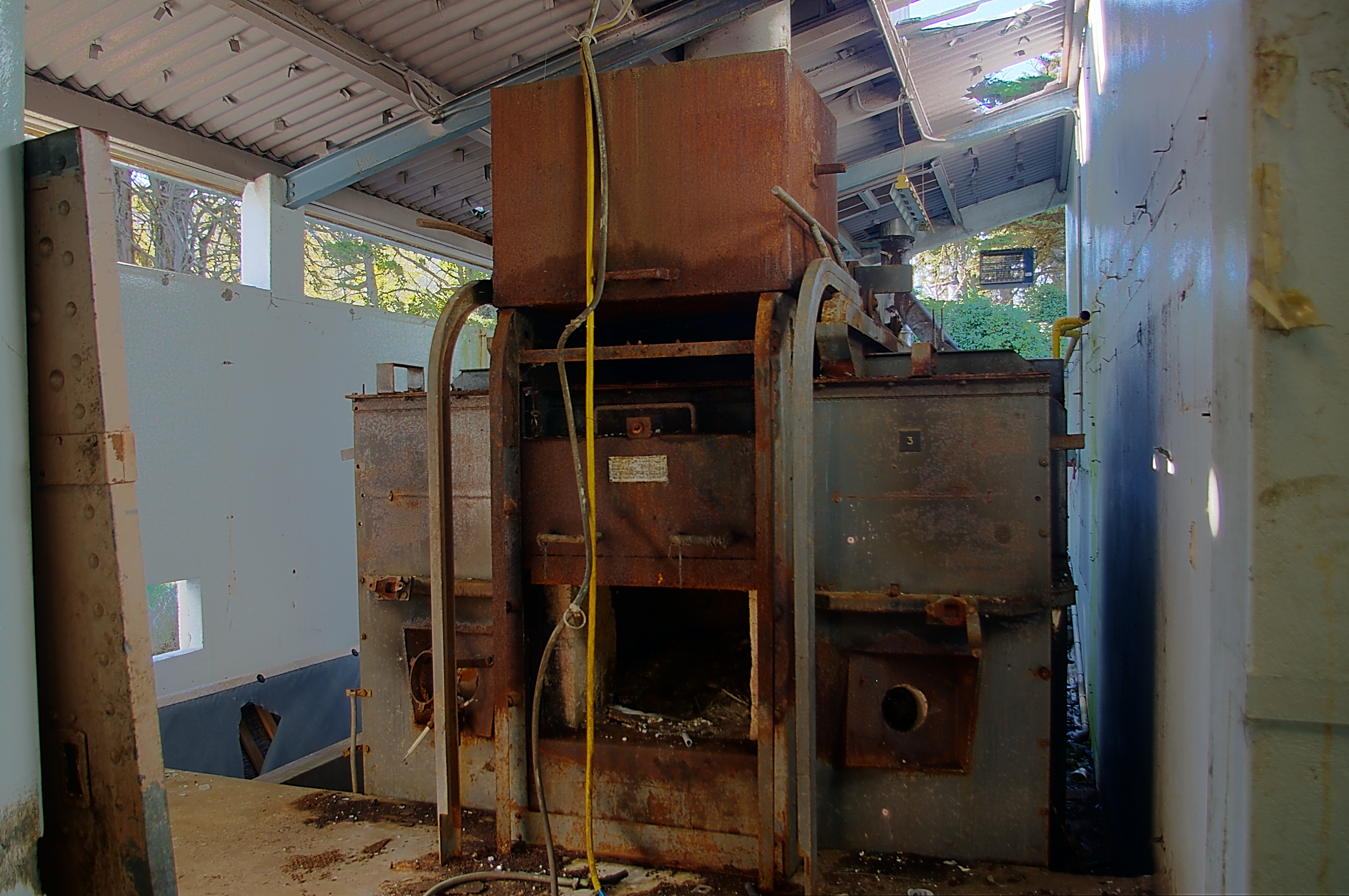
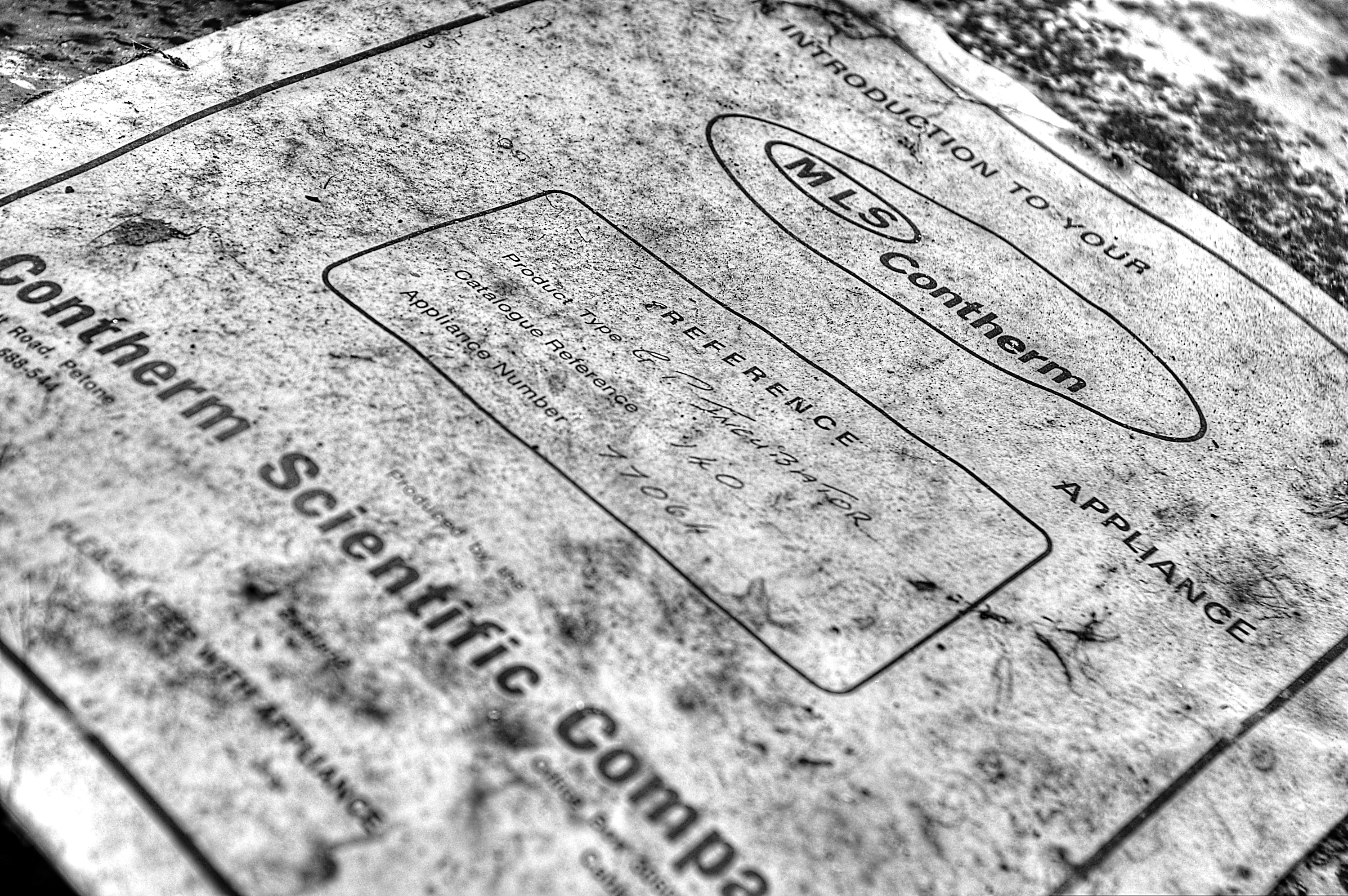
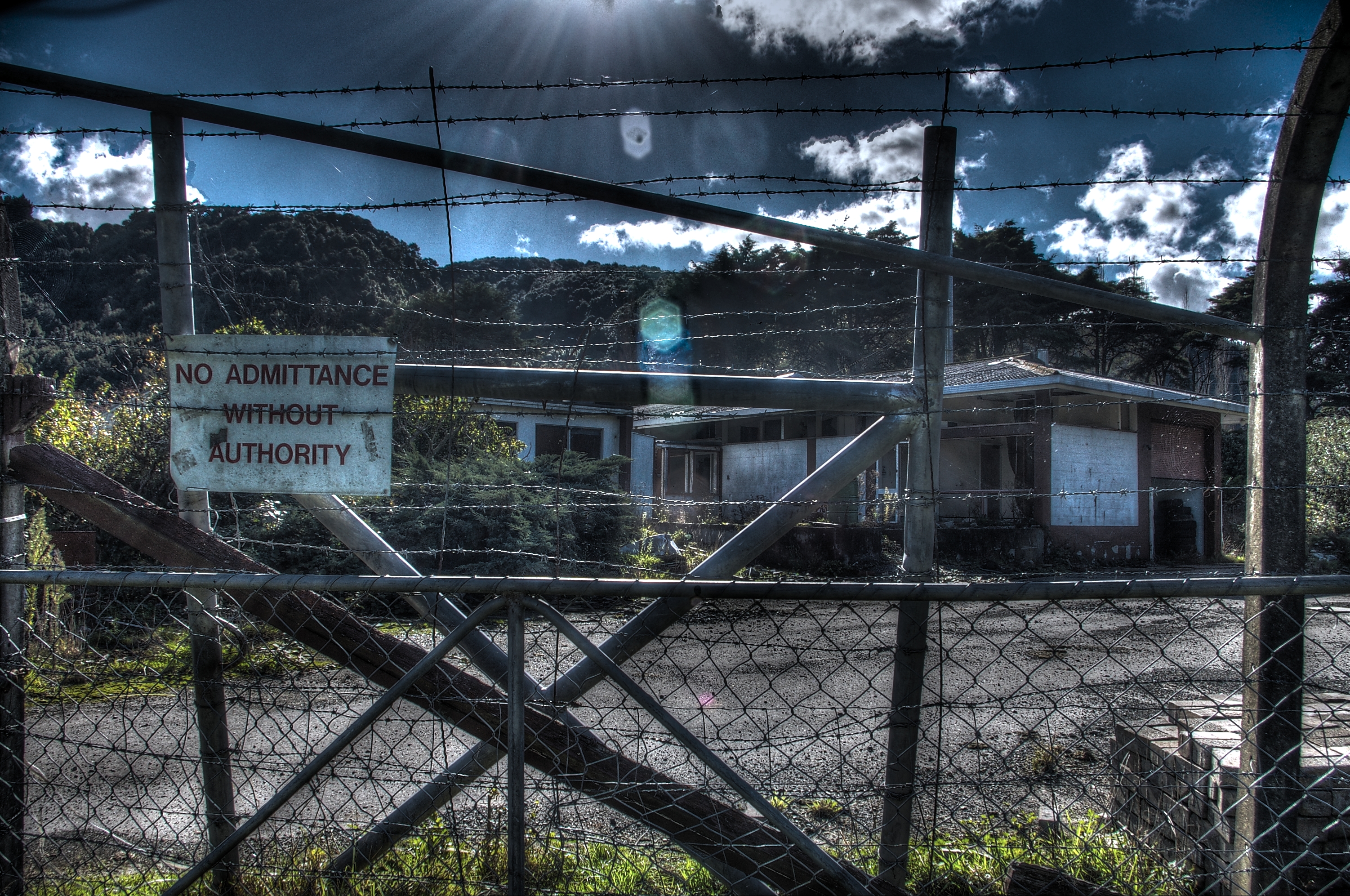
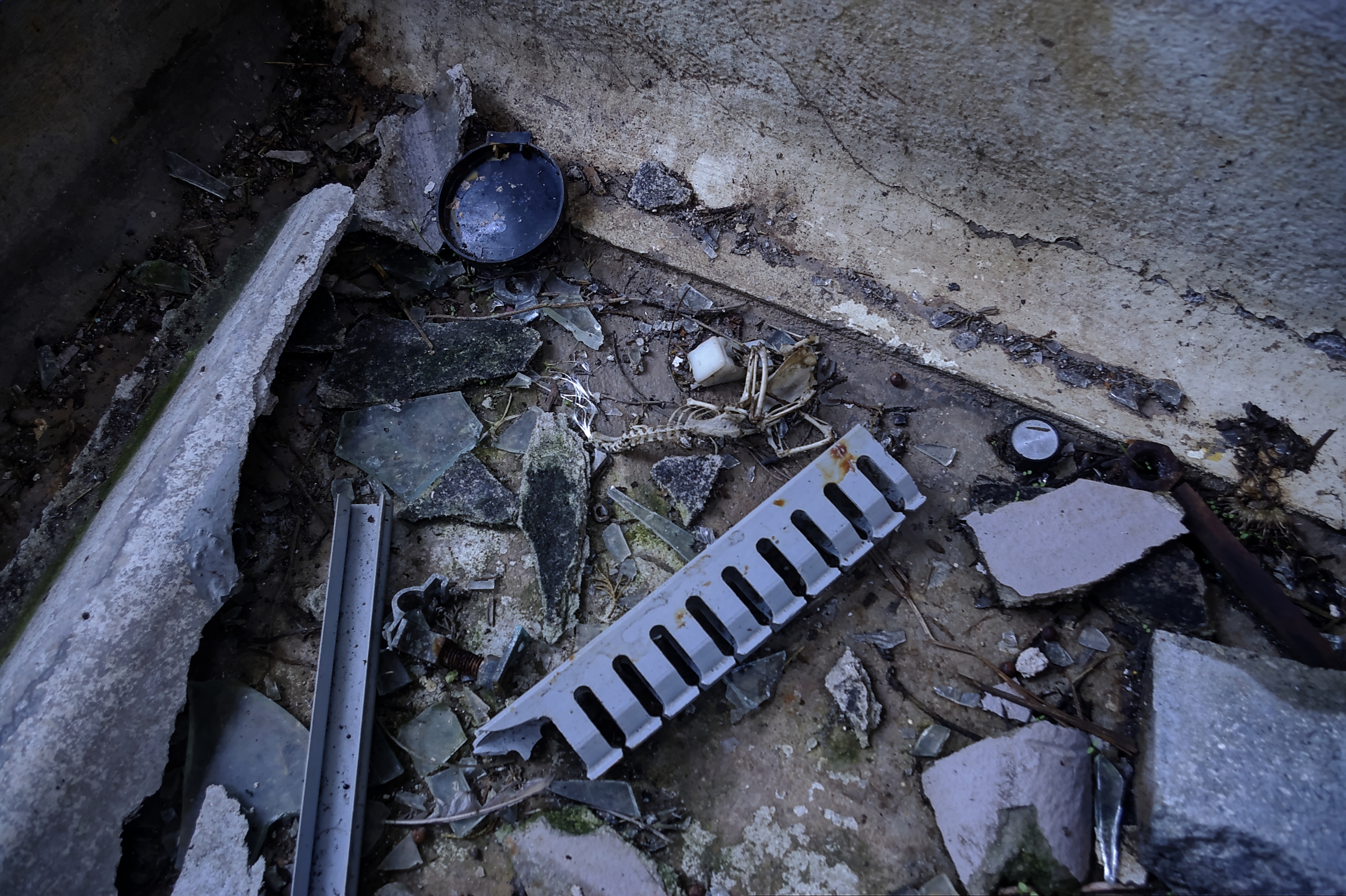
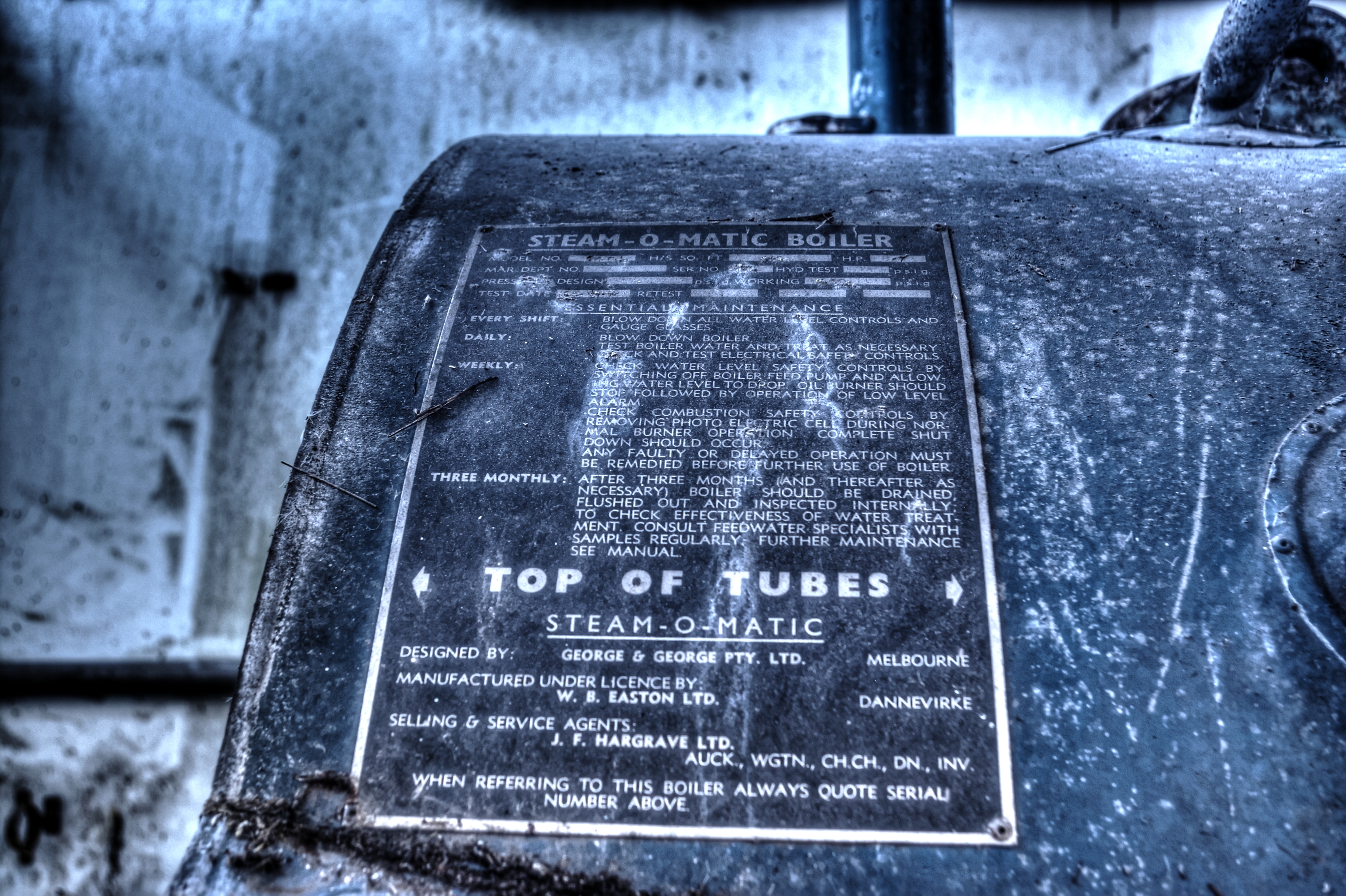
This abandoned animal testing facility has been abandoned for about 20 years apparently, despite that there are no signs of graffiti. Syringes and other detritus still litter the site and the bones & feathers of the test subjects still sit in the now rusted incinerators.






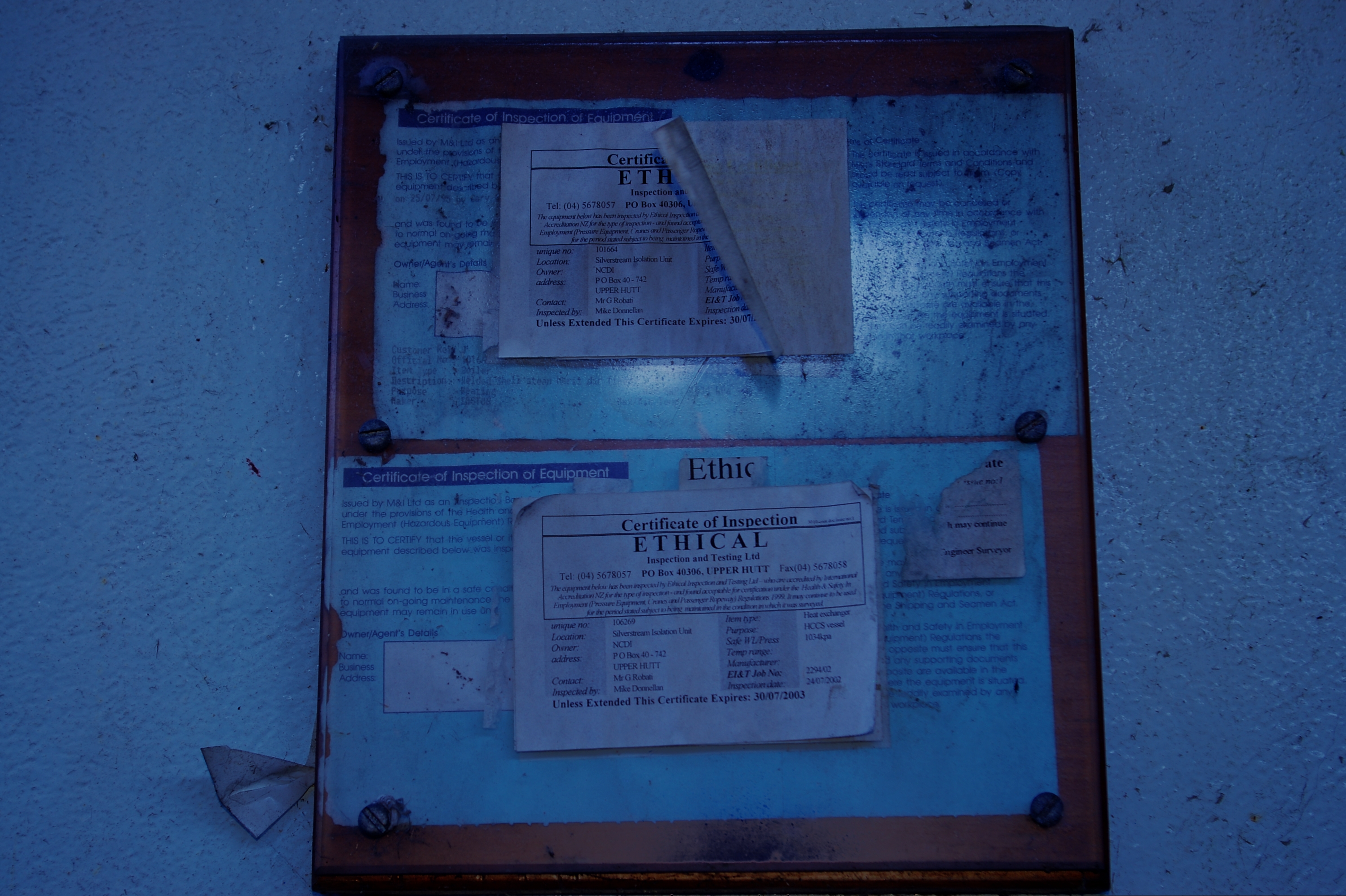



“Twelve five- to seven-day-old calves from a commercial dairy herd
were used in the trial. The herd had no contact with goats. The
calves had been fed pooled bovine colostrum that tested negative
for MmmLC. They were then transported to the Isolation Unit where they were housed indoors in two pens.
Six of the calves were dosed orally with MmmLC (5.4×10¹¹ colony
forming units or cfu) and the following day four control calves
were placed with them in the same pen.
Six days later the two remaining calves were inoculated
intravenously (IV) with MmmLC (7×10¹⁰ cfu) and placed with the
other calves. The calves were monitored for clinical signs and their
temperatures were measured daily for the first 14 days.
Nasal swabs and blood samples were collected from the day of oral
inoculation (day 0) until the day each calf was euthanased (the last
ones on day 43). Nasal swabs were collected on days 0, 2, 4, 6, 8 and
at necropsy; blood samples weekly and at necropsy. Necropsies
were carried out at regular intervals during the trial (see table) and
samples taken from tonsil, retropharyngeal and mesenteric lymph
nodes, trachea, lung, spleen, pericardial fluid and joint fluid (stifle,
carpal and hip). Both fresh and fixed samples were collected.
The nasal swabs and tissues were cultured for MmmLC. The same
samples plus bloods were tested in the CAP-21 polymerase chain
reaction (PCR)(3) for Mycoplasma mycoides cluster. The nasal swabs
were also tested in a generic PCR for mycoplasma(4) on days 0 and 2.
Serum samples were tested in the M mycoides complement fixation
test (CFT) using whole cell antigen(6). Histopathology was carried
out on the formalin fixed tissues
PTA
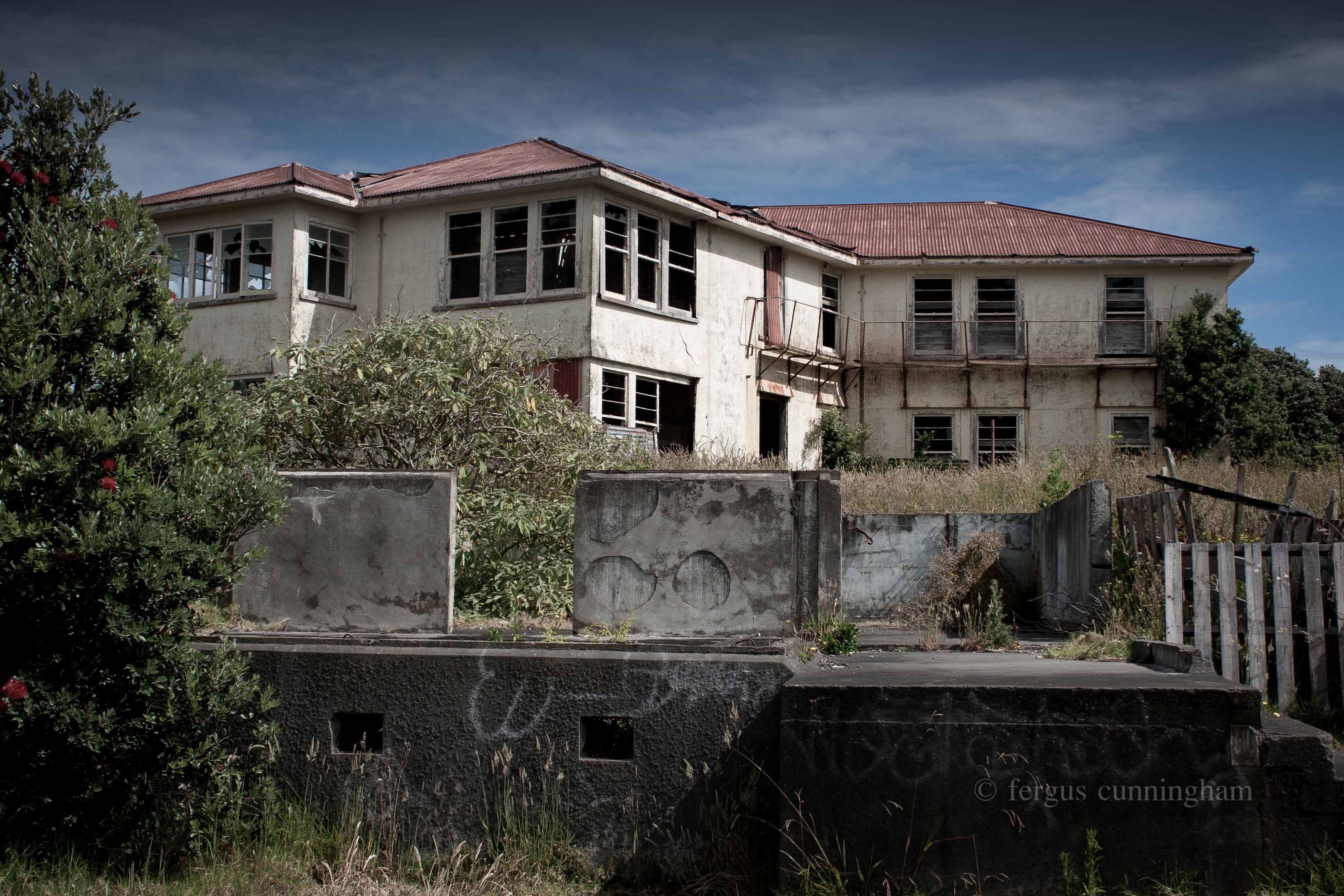
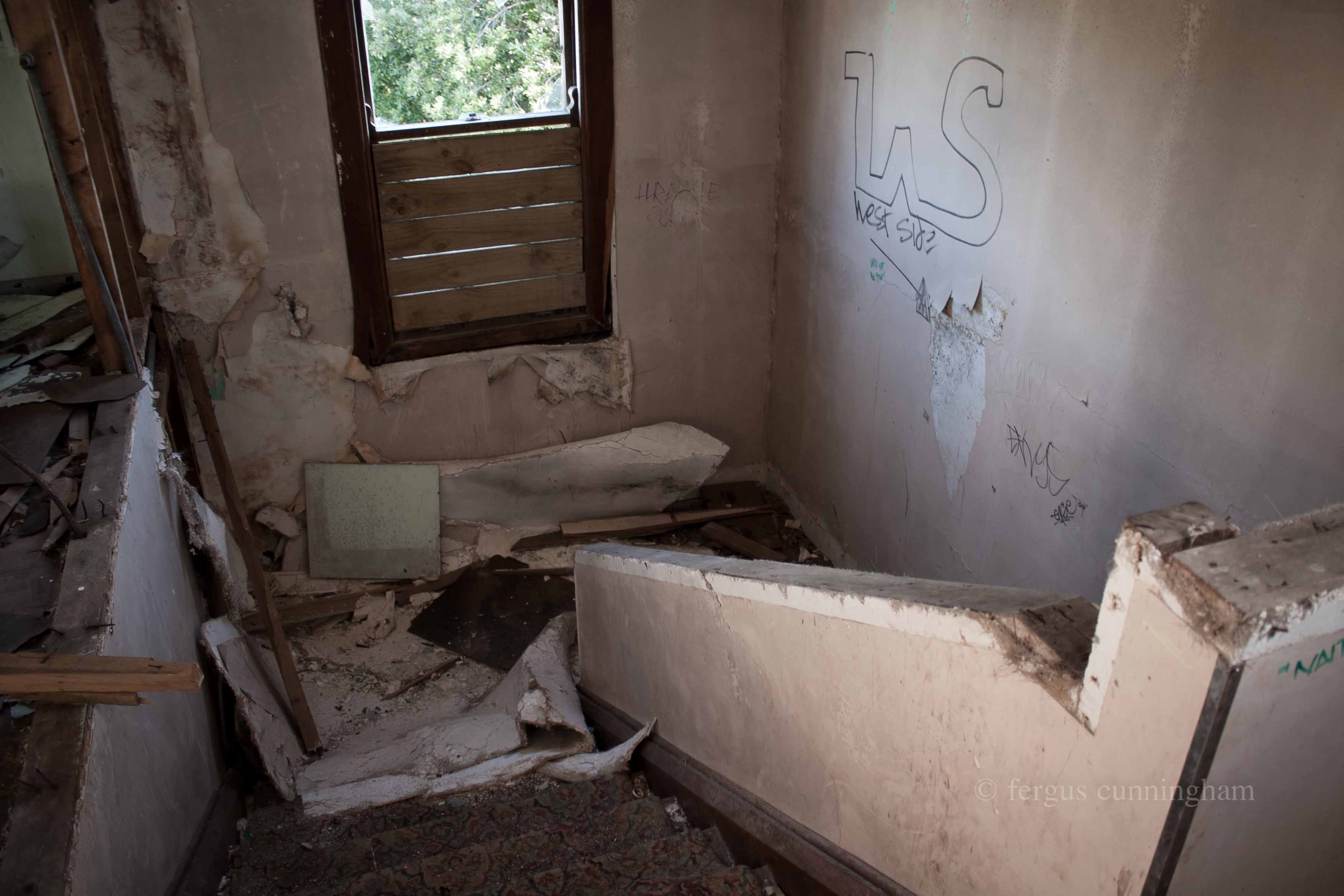
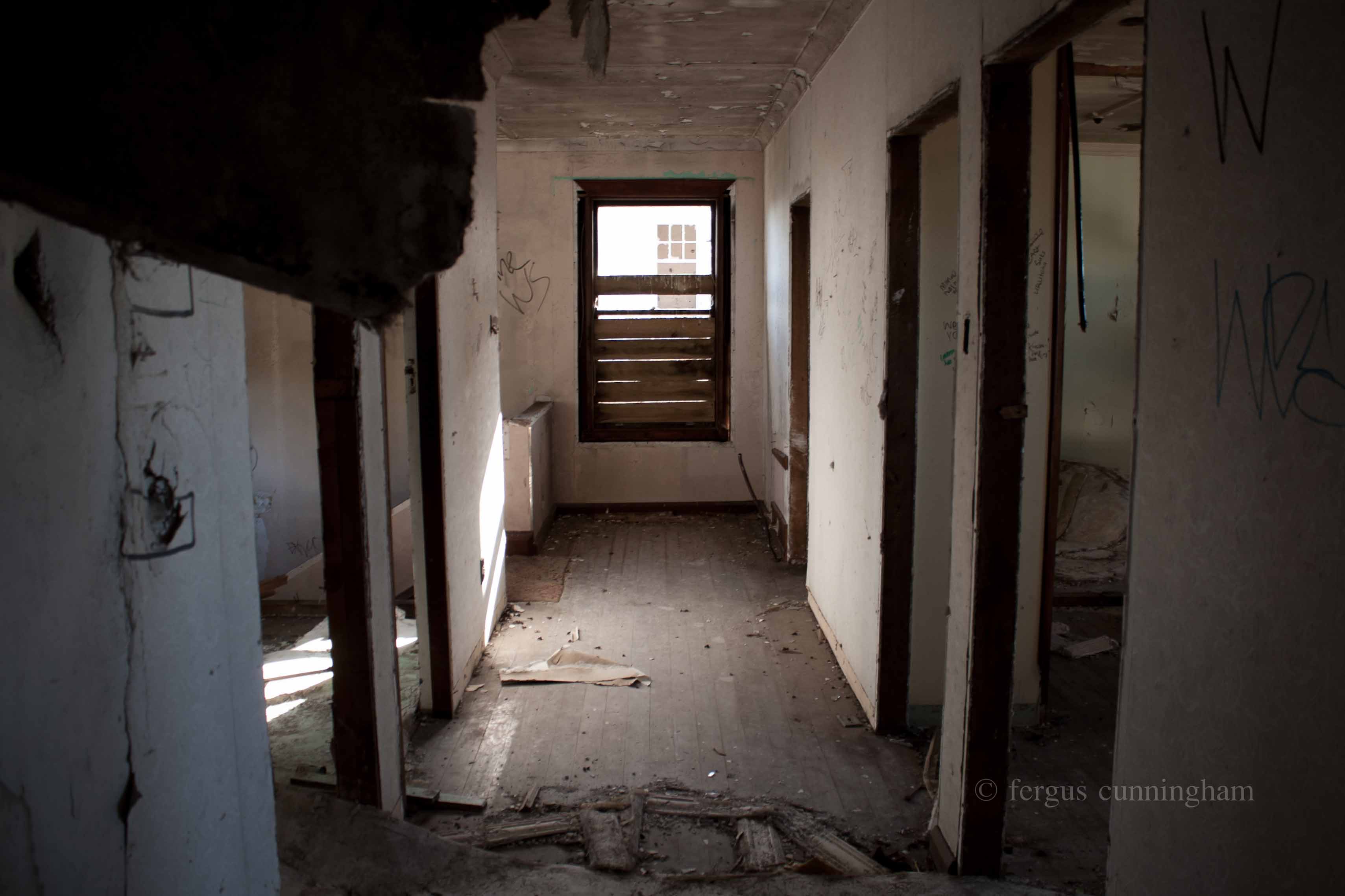
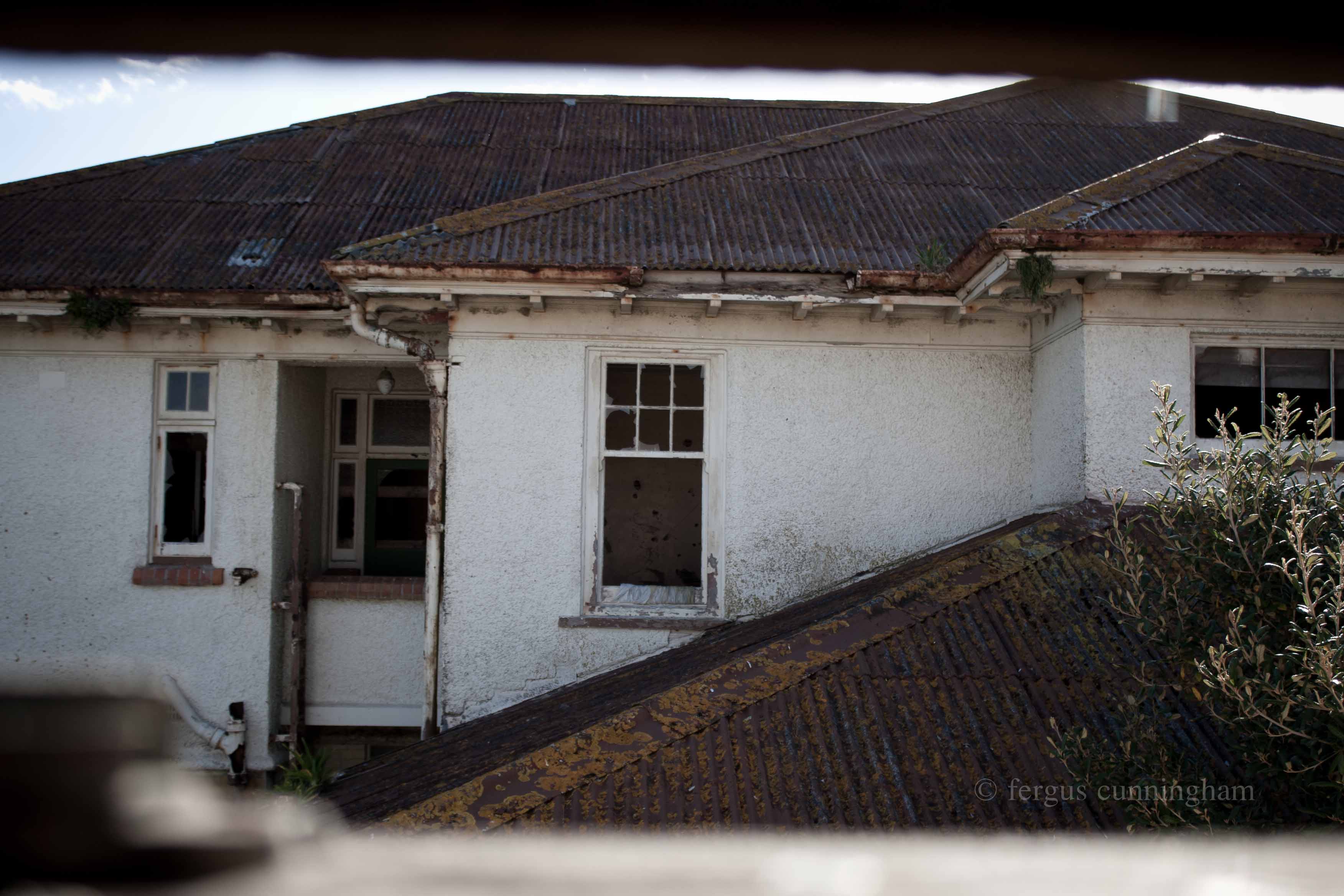
This Historic Hospital (c.1880) still stands in its dilapidated state, 22 years after its closure. When the hospital finally closed its doors in 1990, it had served the district for over a century. Locals have been complaining for years about the eyesore, demanding the owner of the property to demolish the derelict and vandalised buildings.





Light Painting
Some light painting up at an old WWII bunker.


 <a
<a


Sacred
We returned for another look at this location: urbexcentral.com/2013/02/03/e-college/
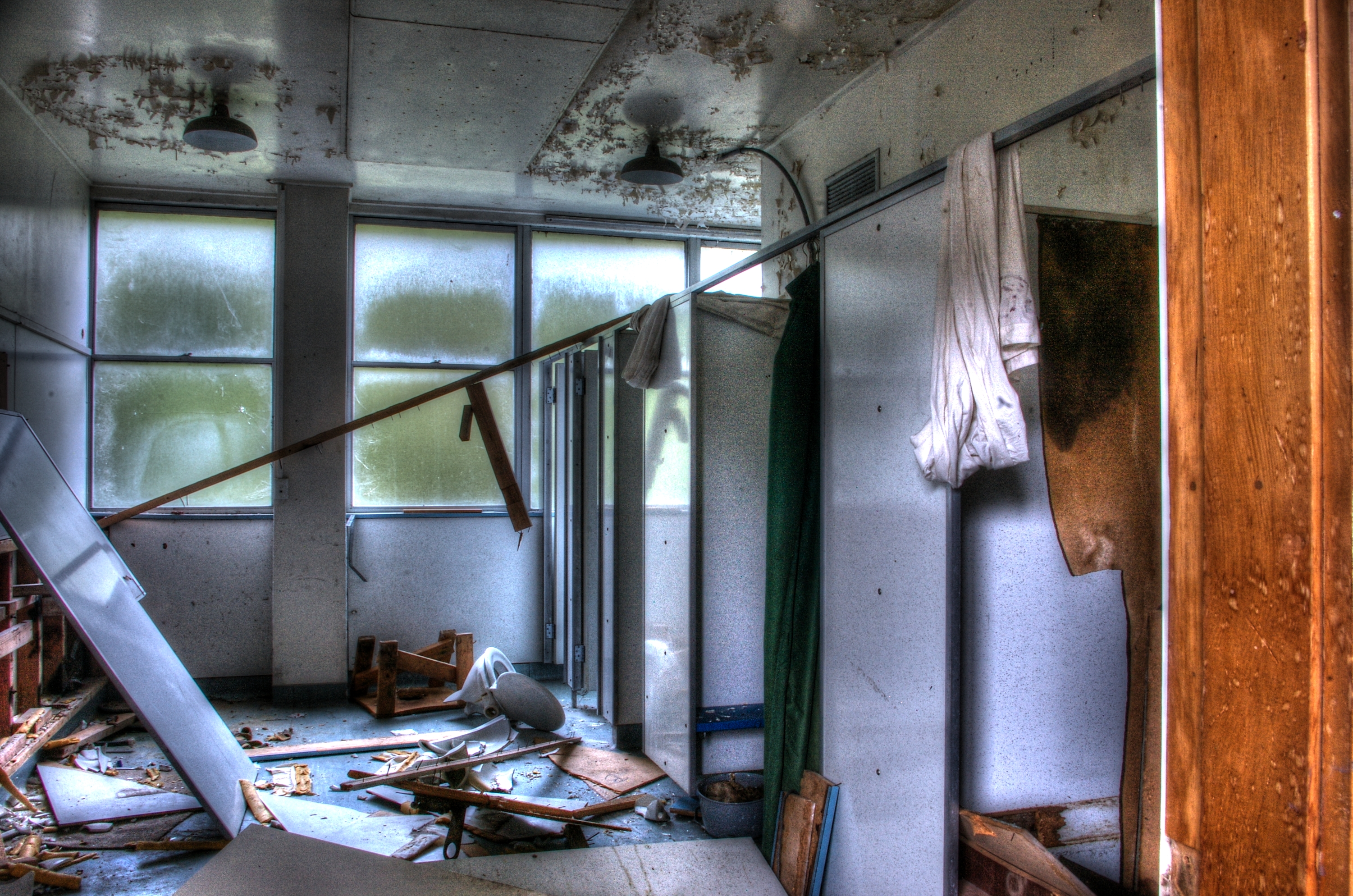
A lot of vandalism occured here last year, graffiti and general destruction. Thankfully the landlord and the new tenants have been taking great care of the place in the past few months and the vandalism doesn’t appear to have gotten much worse. Unfortunately the pigeons didn’t get the memo and have made parts of the college their home (and toilet).



The Tower
The iconic Hawera water tower has watched over this South Taranaki town for a century now. Standing at 55 meters high, the tower was saved from demolition after years of neglect in the 80s/90s had made it unsafe. Hawera (or “Te Hawera”) literally means ‘the burnt place’, and originates after an incident between two feuding Maori tribes in the area. One tribe attacked the other during the night and burned their village down- so it became known as ‘the burnt place’.
We’ll Take Care Of Your Children
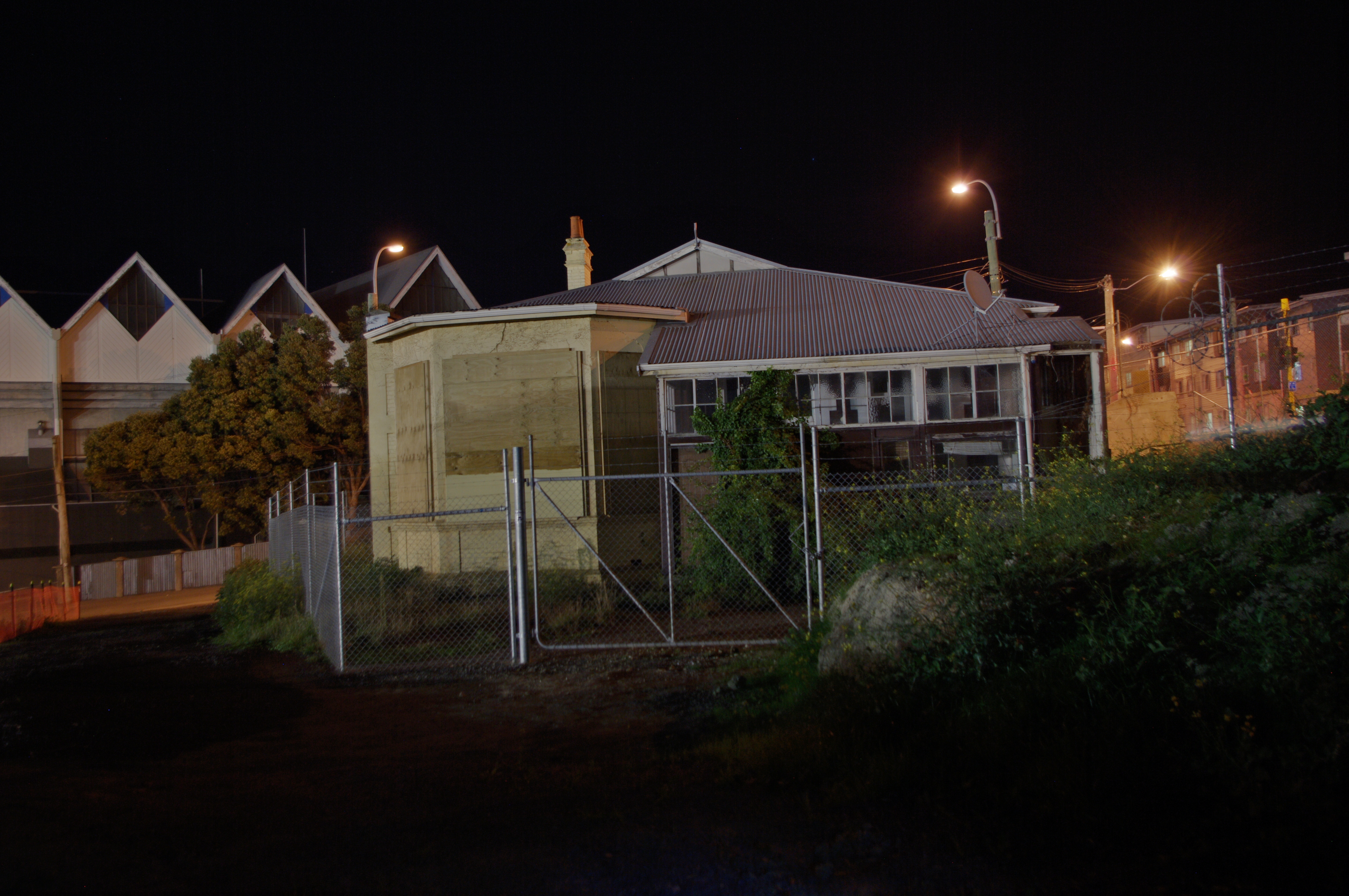
This old building was once a nursery which helped to raise numerous children in the Wellington region. The building’s future is now questionable as it sits right in the path of a new roading project. It will probably either be moved or demolished, and Wellington may lose yet another historic building.



Don’t Be In The Dark
A night visit to our favourite local factory… Documenting its history & decline- was interrupted by Gunner’s insistence on throwing a bit of light on the subject…
Hospital Complex
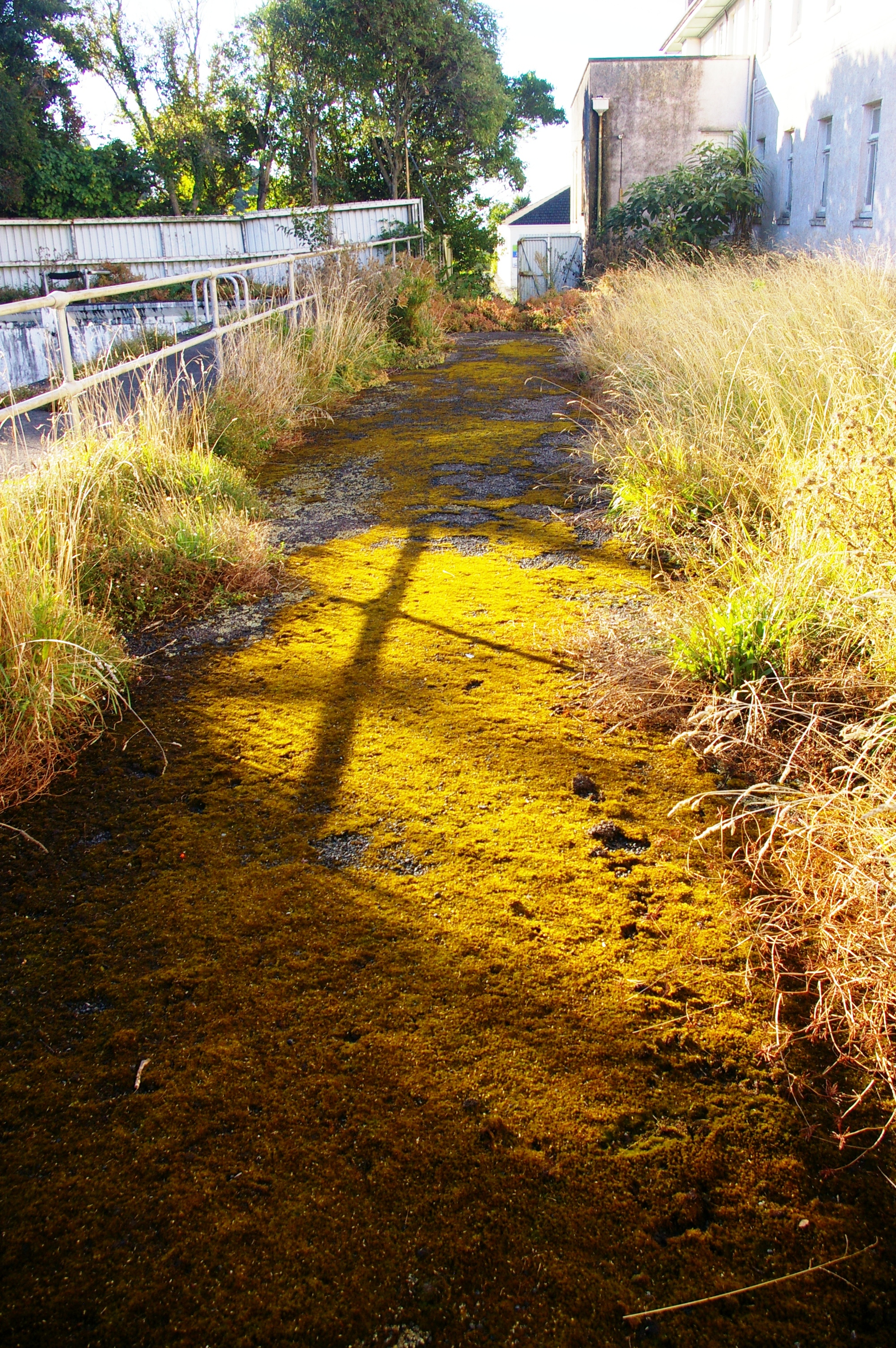
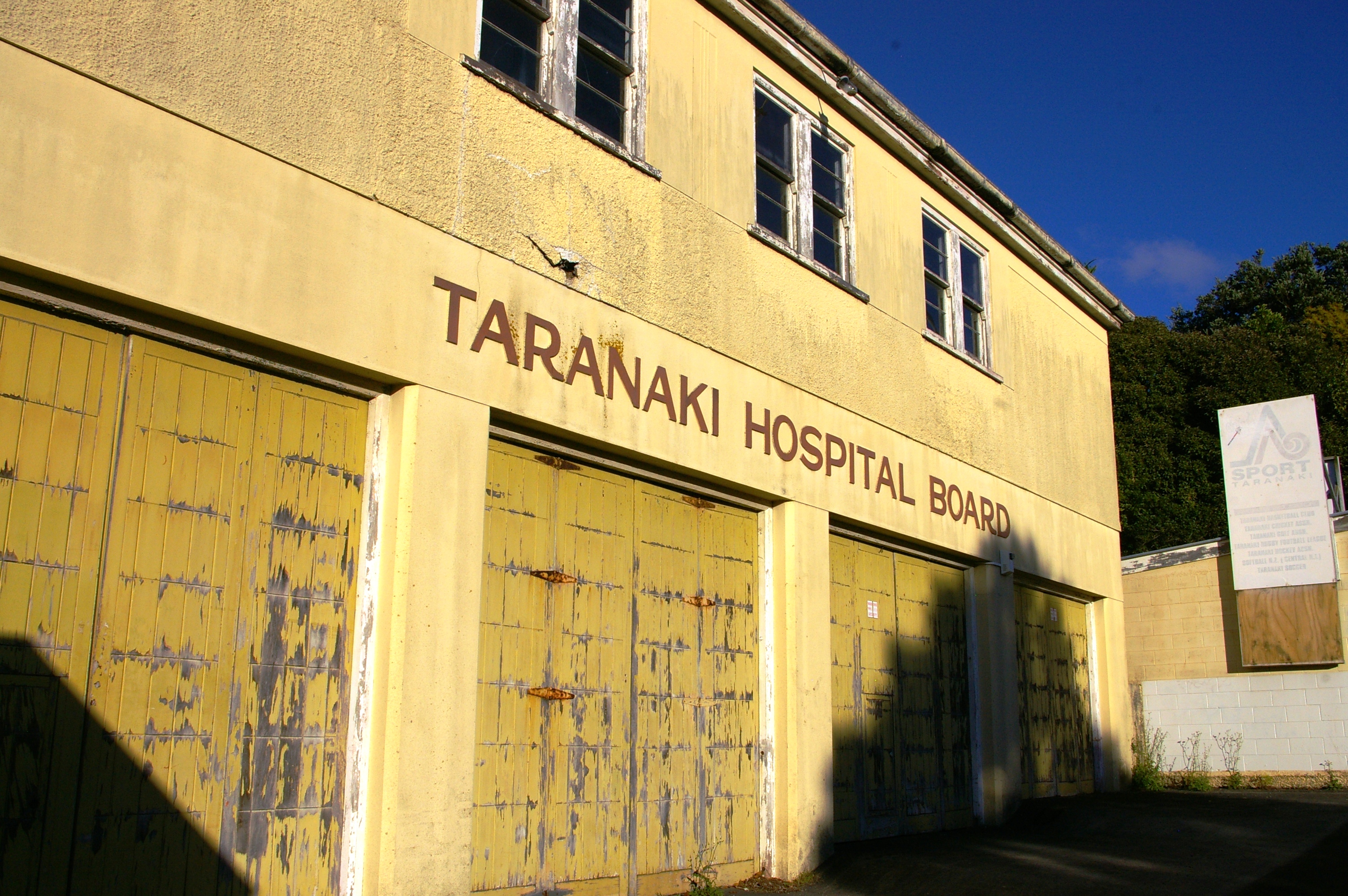
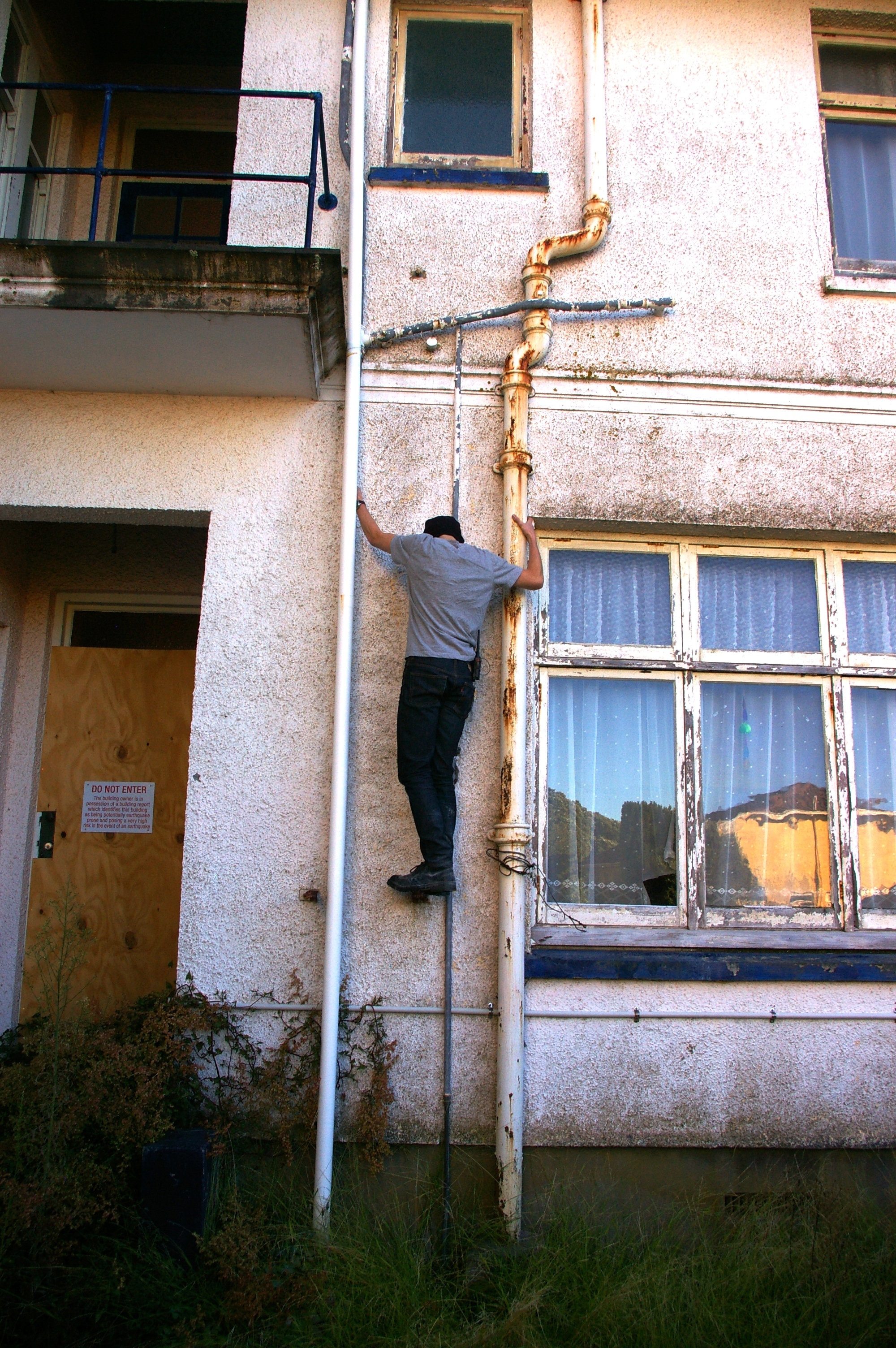
We would have stayed longer and explored more of the buildings at this picturesque hospital situated high on a hill with fantastic views, but some local homies decided to ruin our fun. These buildings are all in poor condition and are incredibly earthquake prone (some of the masonry is crumbling), the homies were playing loud music with their sub, perhaps in an attempt to initiate a partial collapse of the buildings.






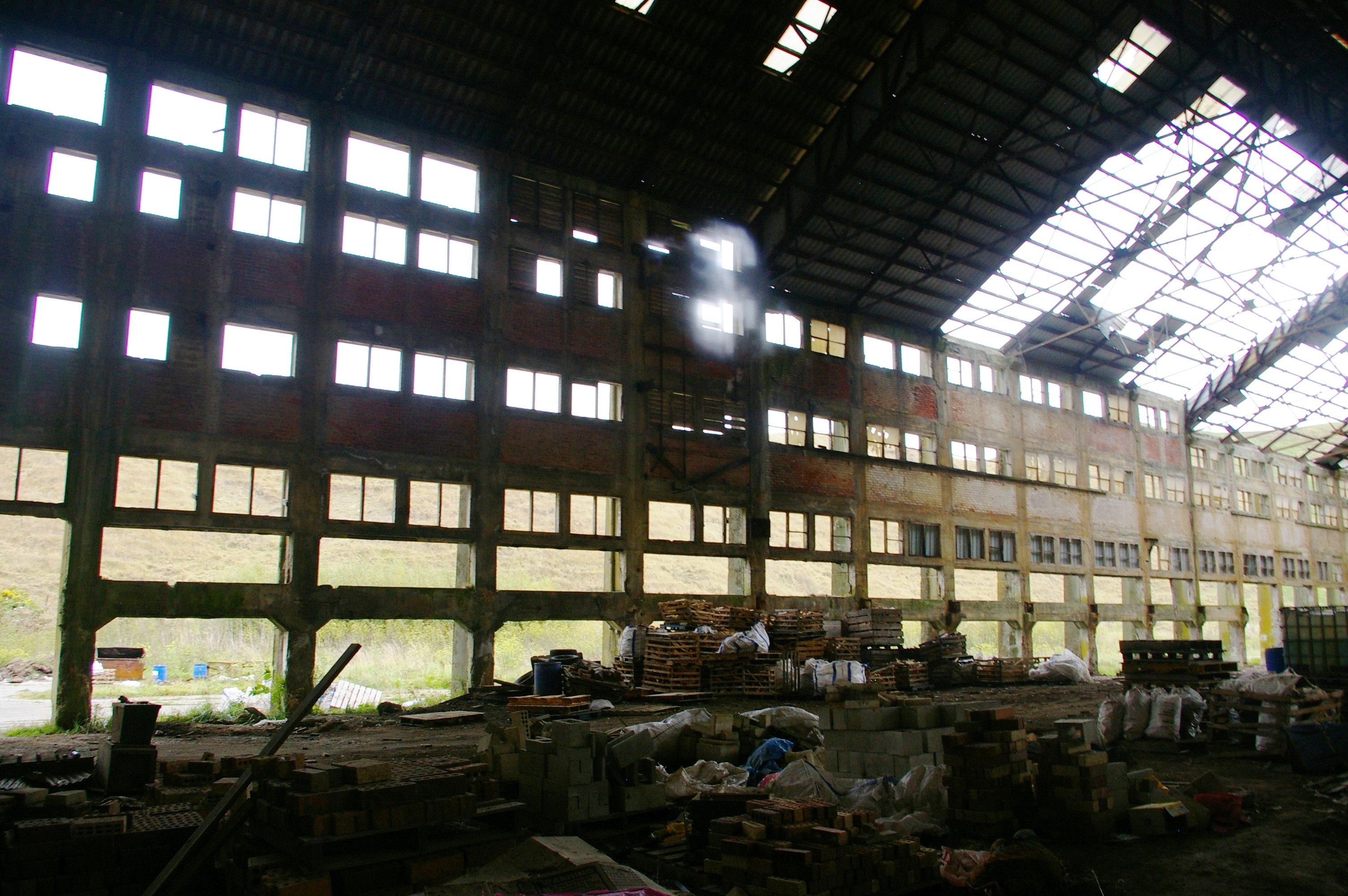
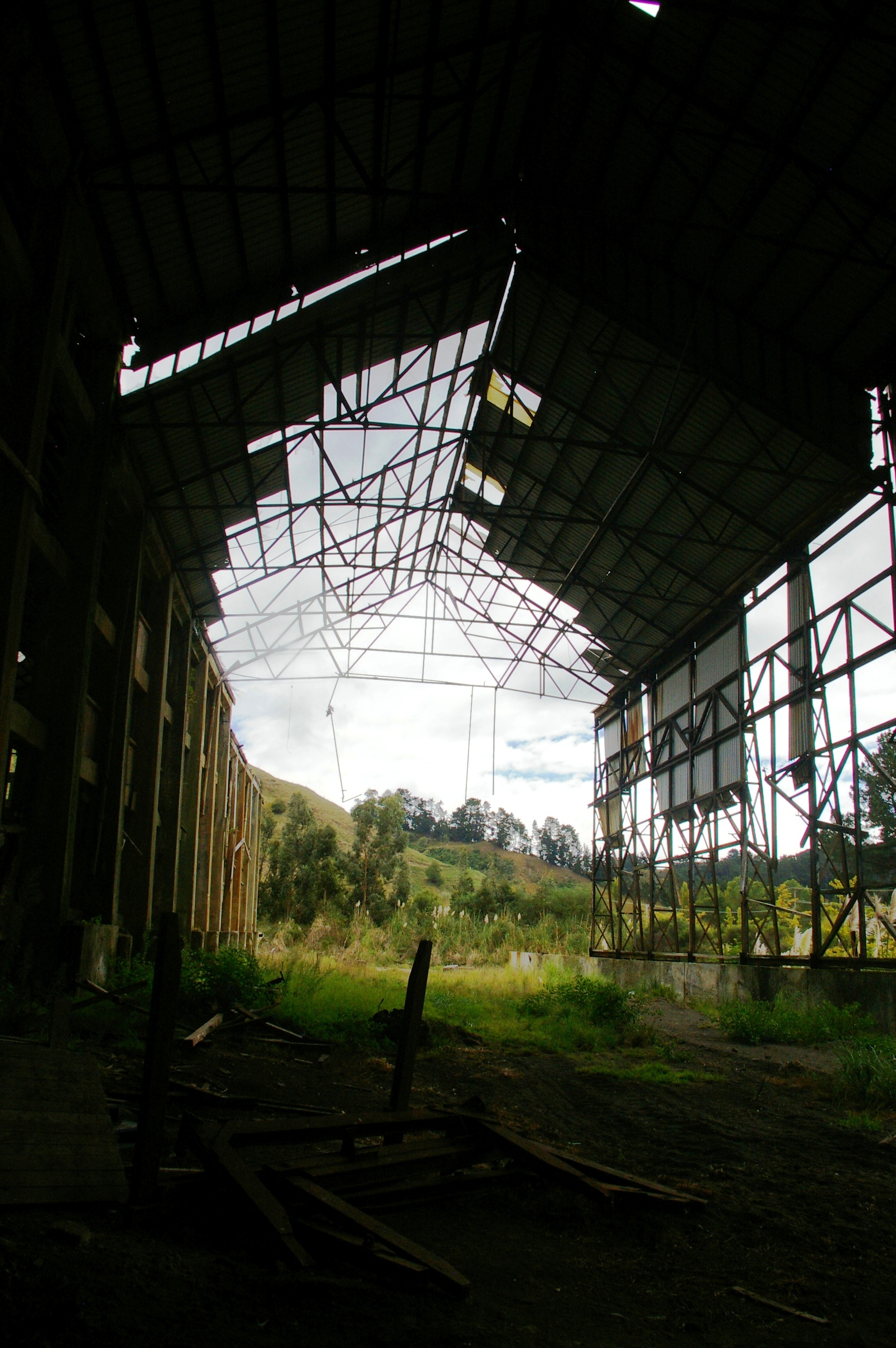
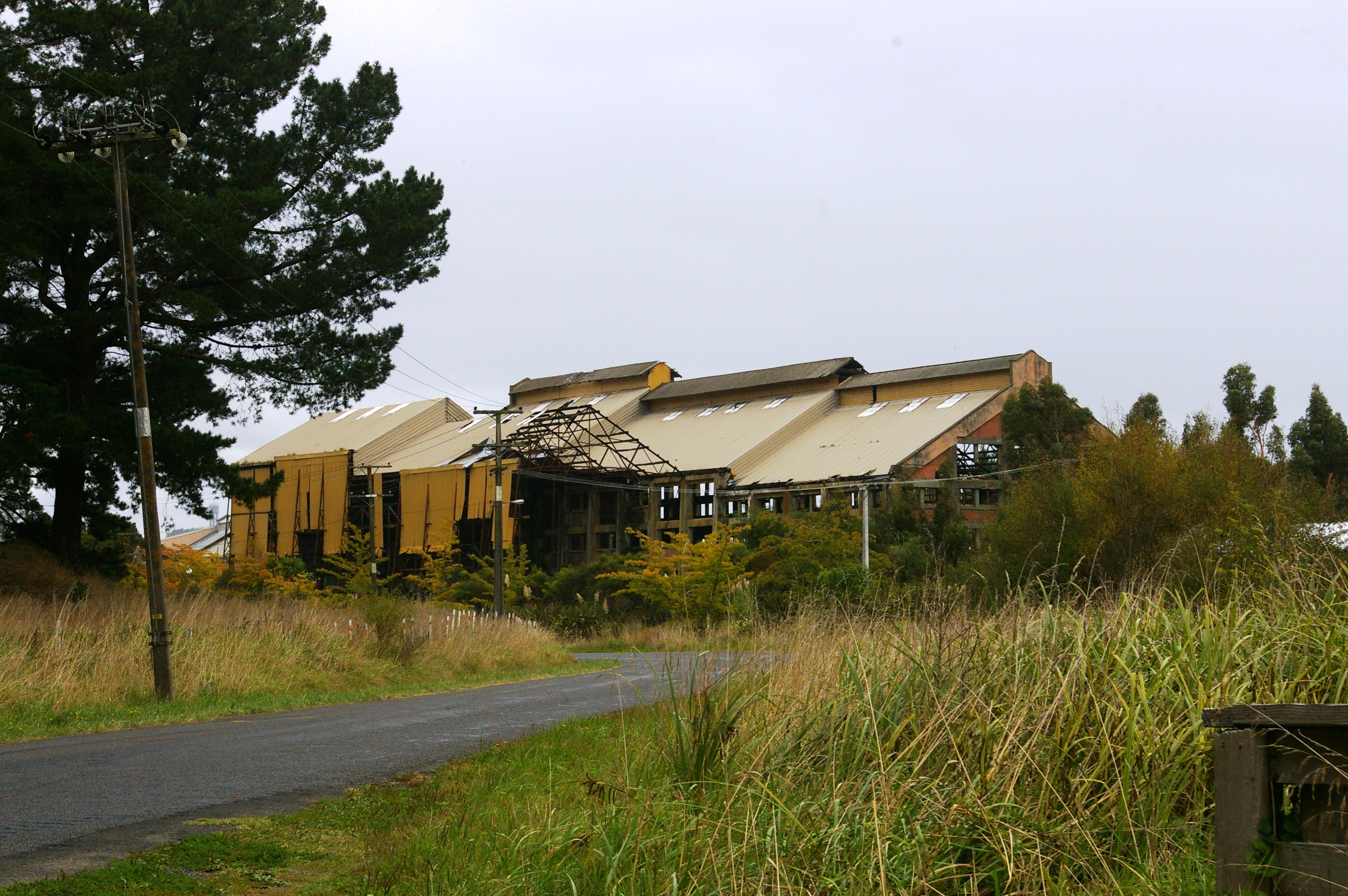
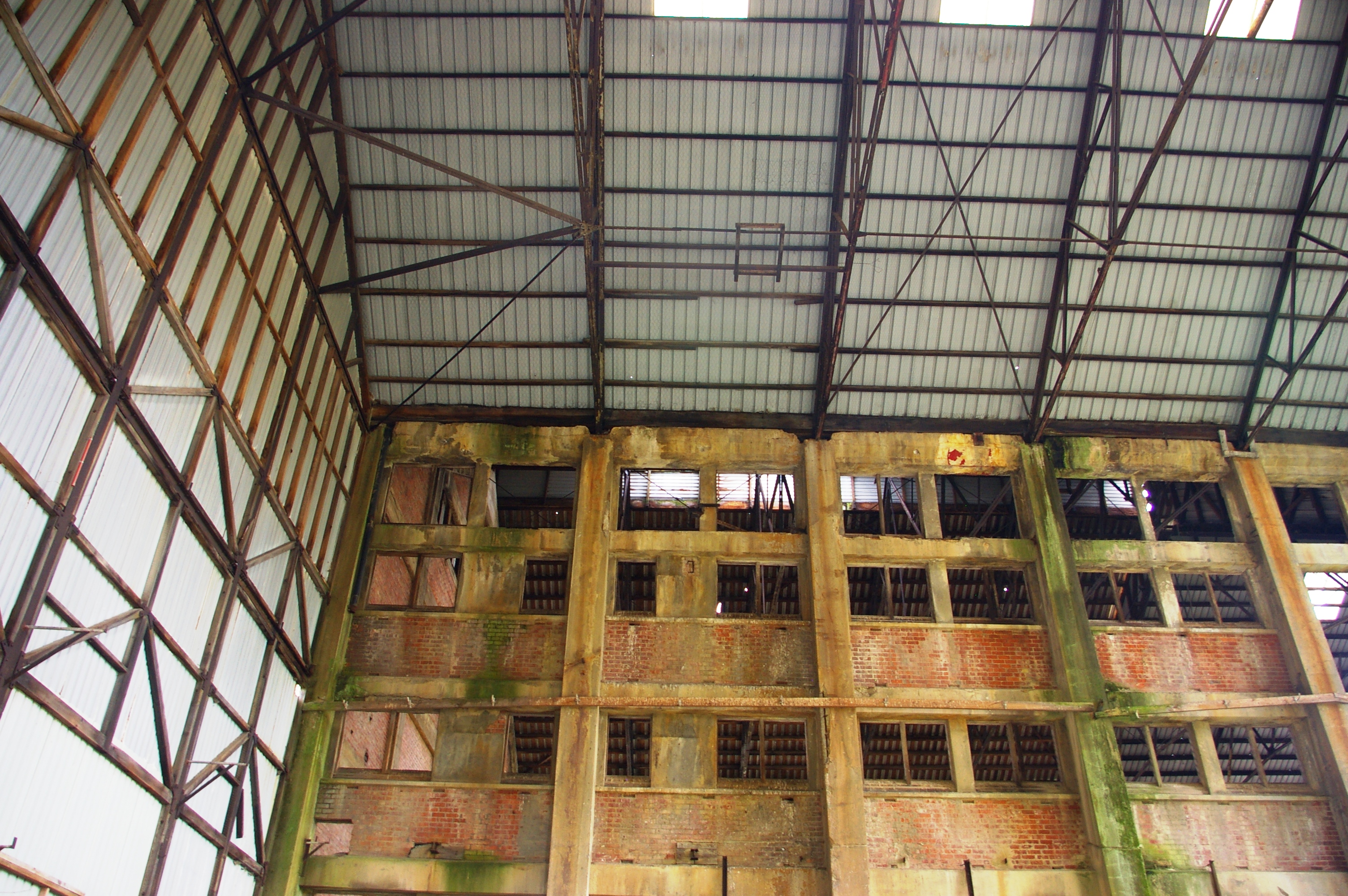
Fertiliser Works
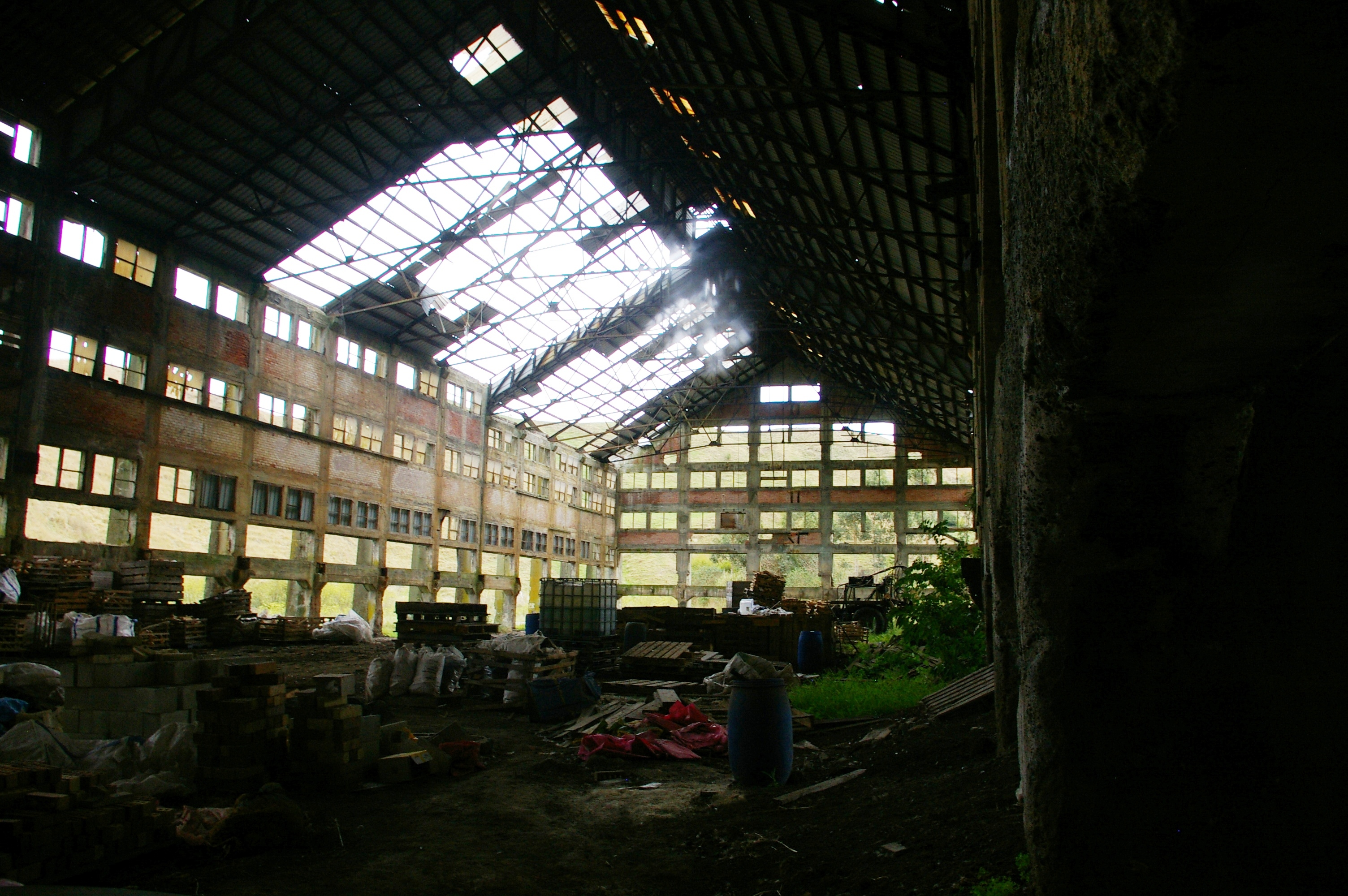
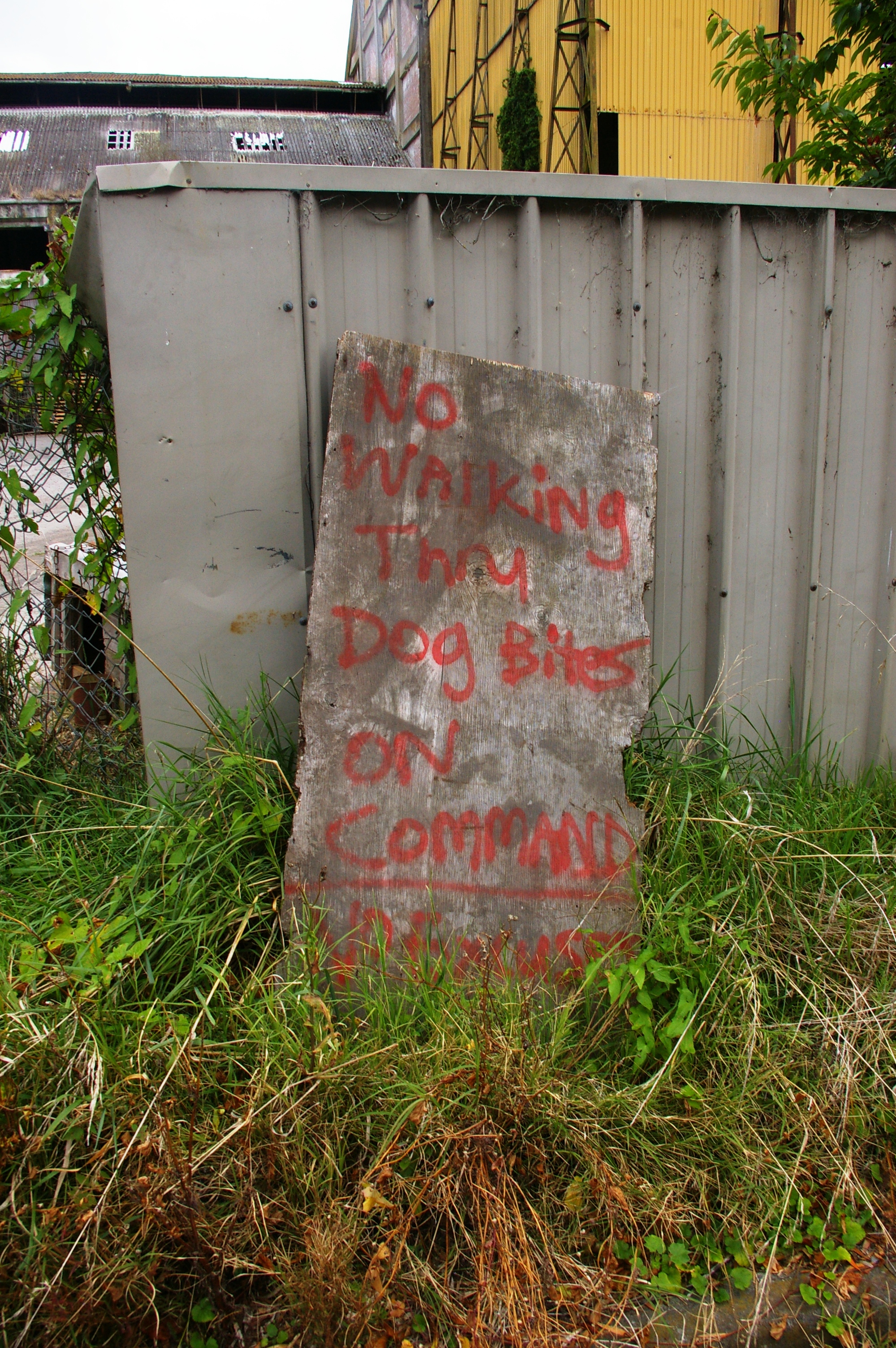
Apparently there is a dog which bites on command at this location, although when we were there we did not encounter this beast.
The location itself has decayed rapidly in the past few years, perhaps it is being slowly demolished by the owners.


Tanked
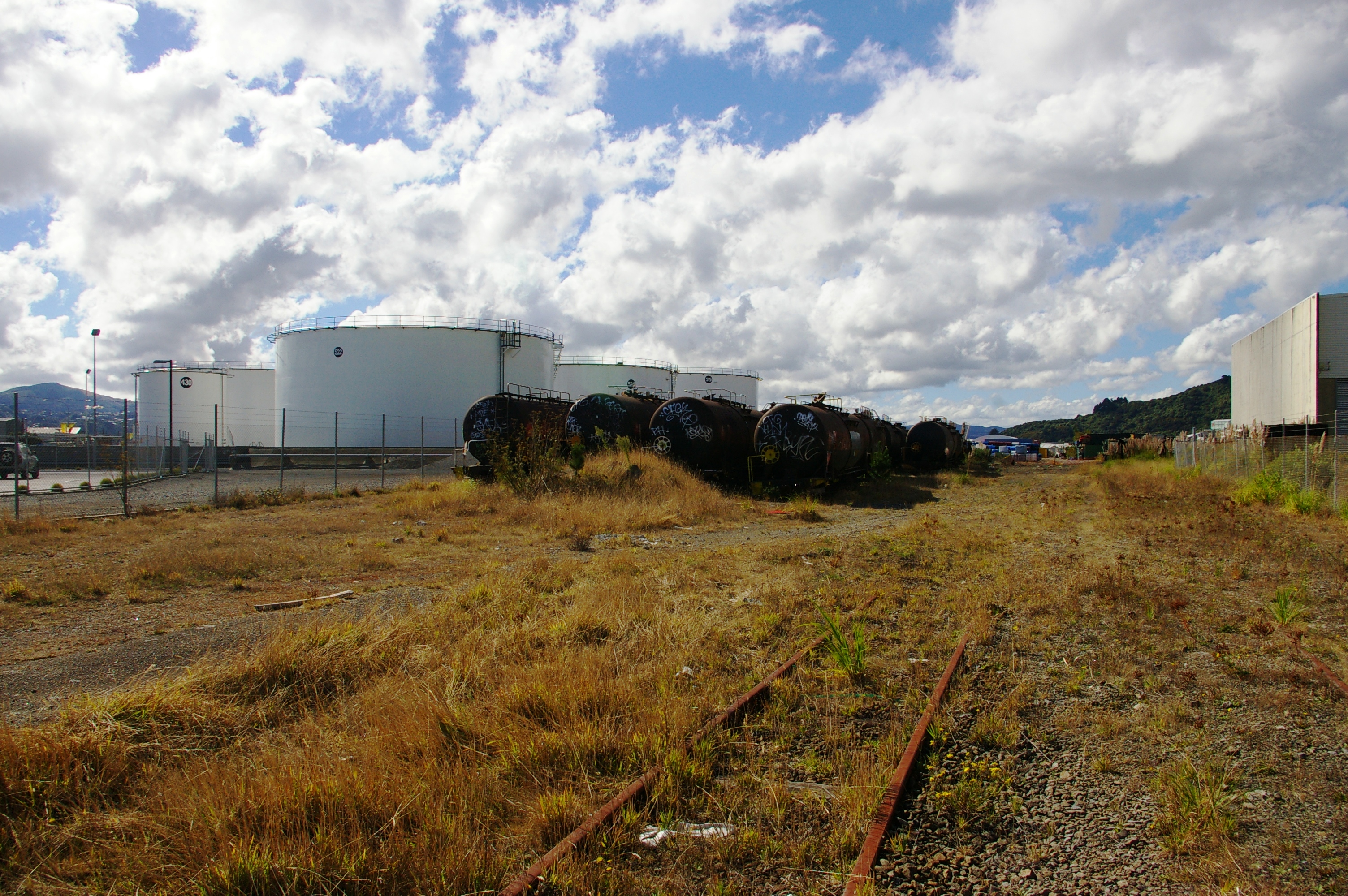
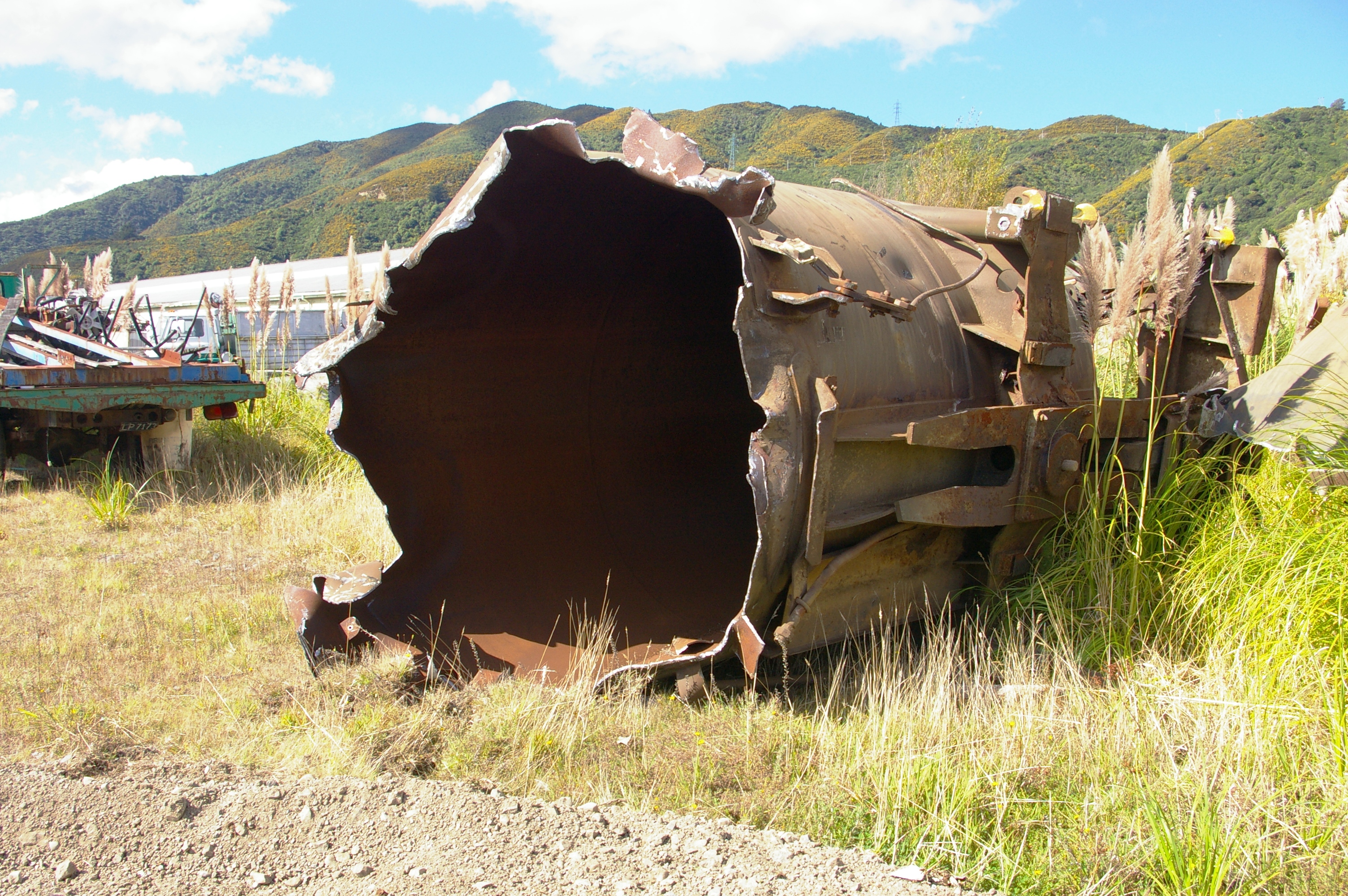
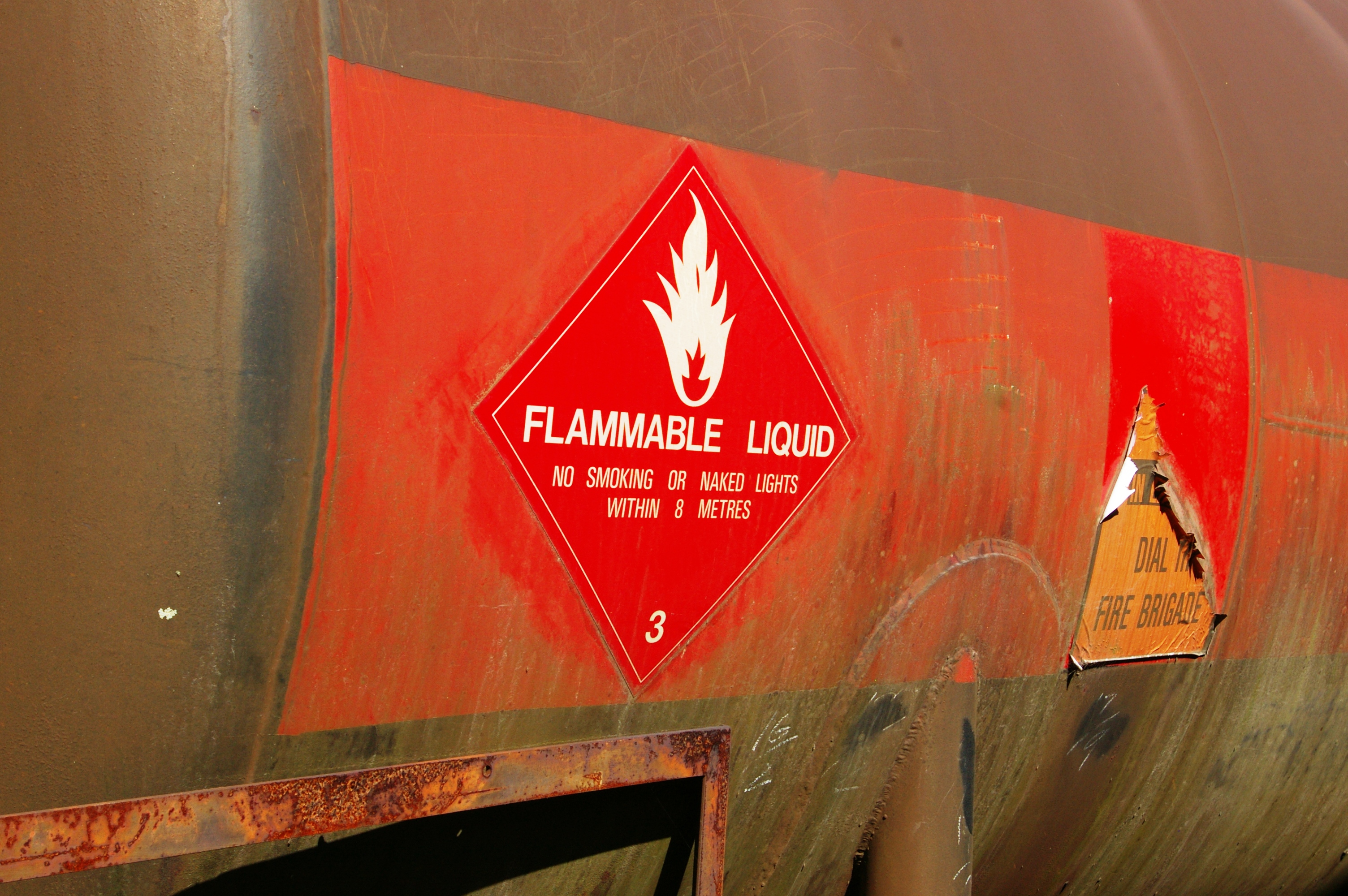
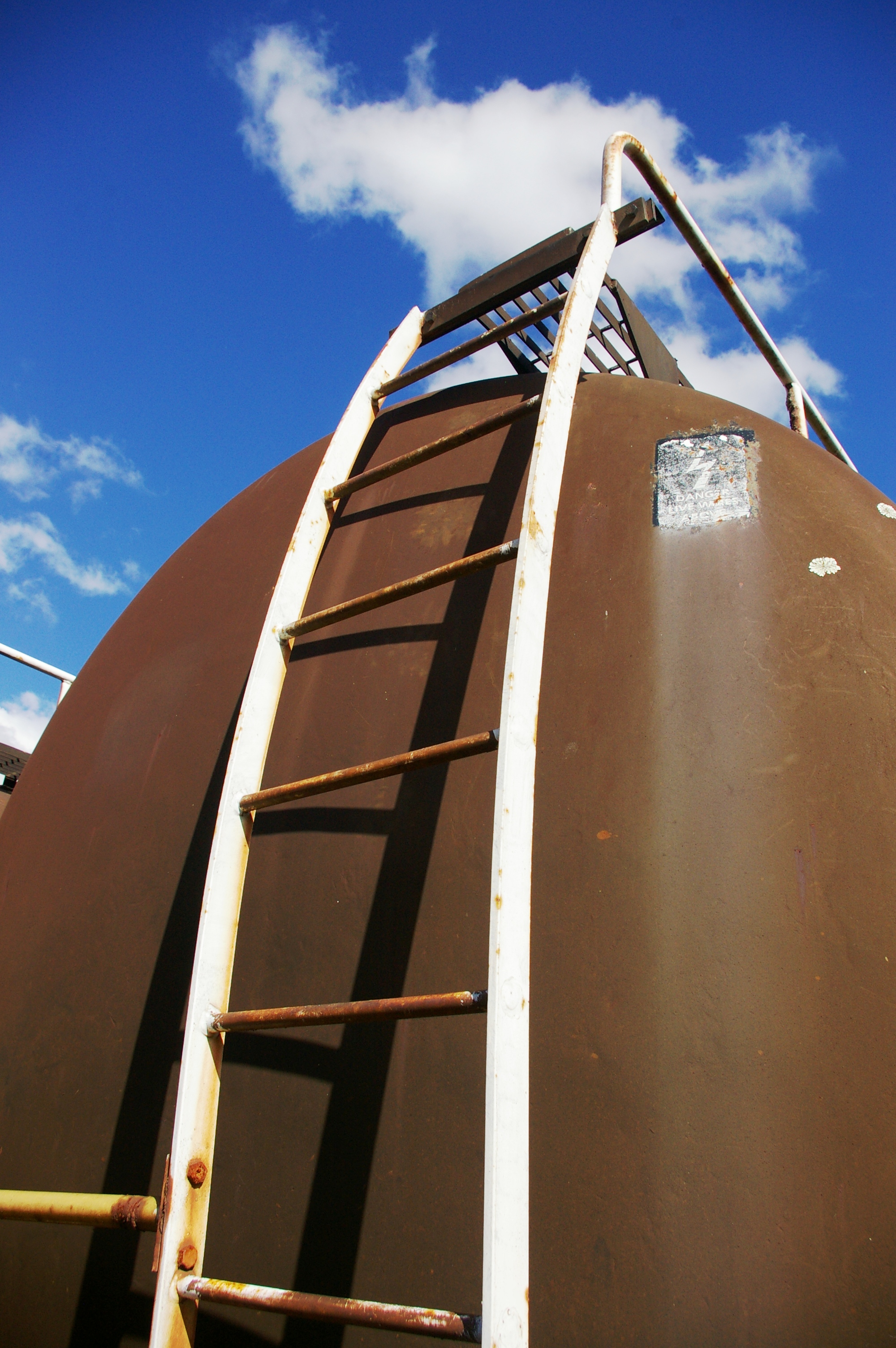
A small fleet of abandoned flammable goods tanker wagons provided us with an adventure playground.






Lighthouse Keepers’ Houses
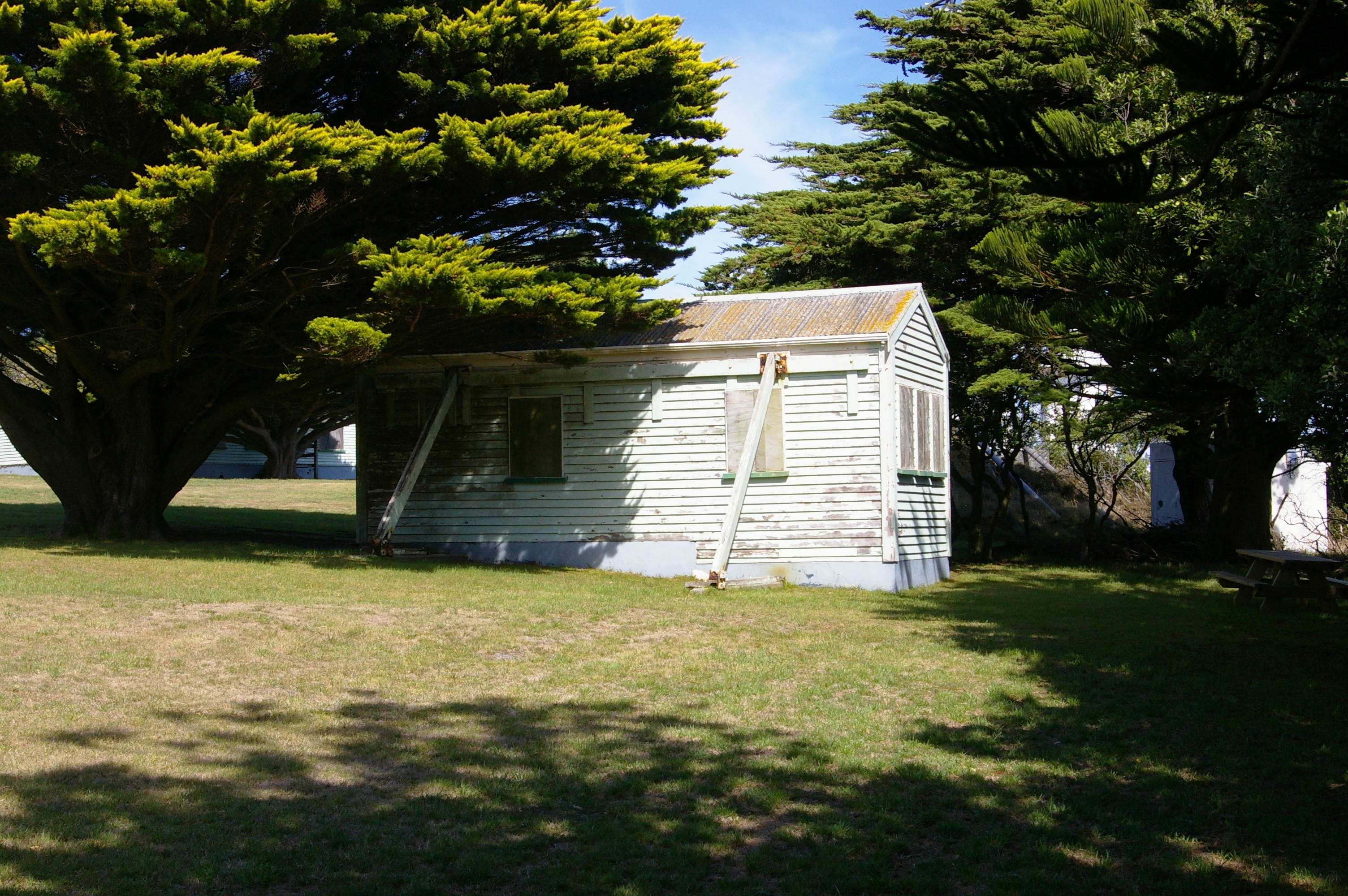
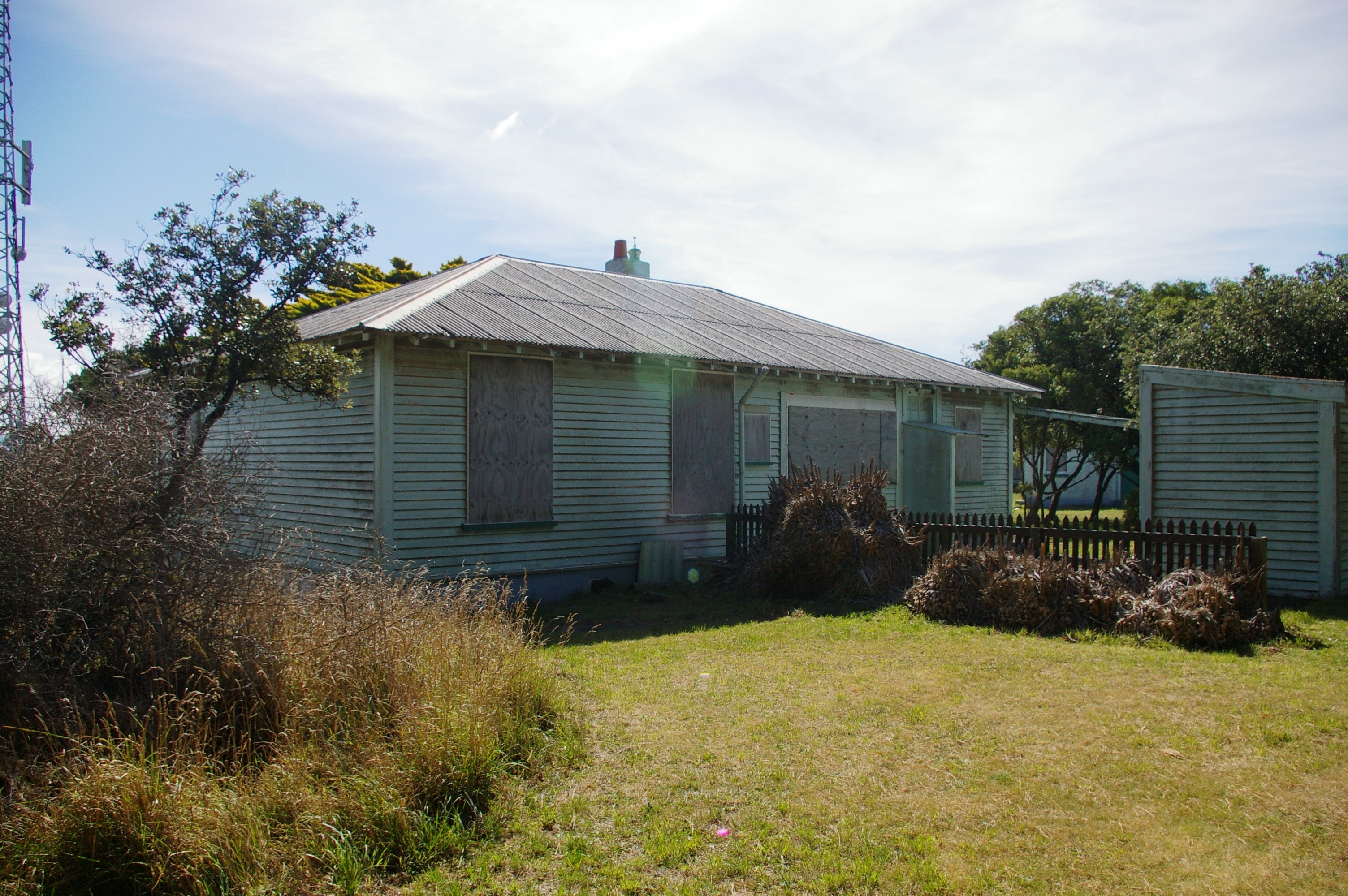
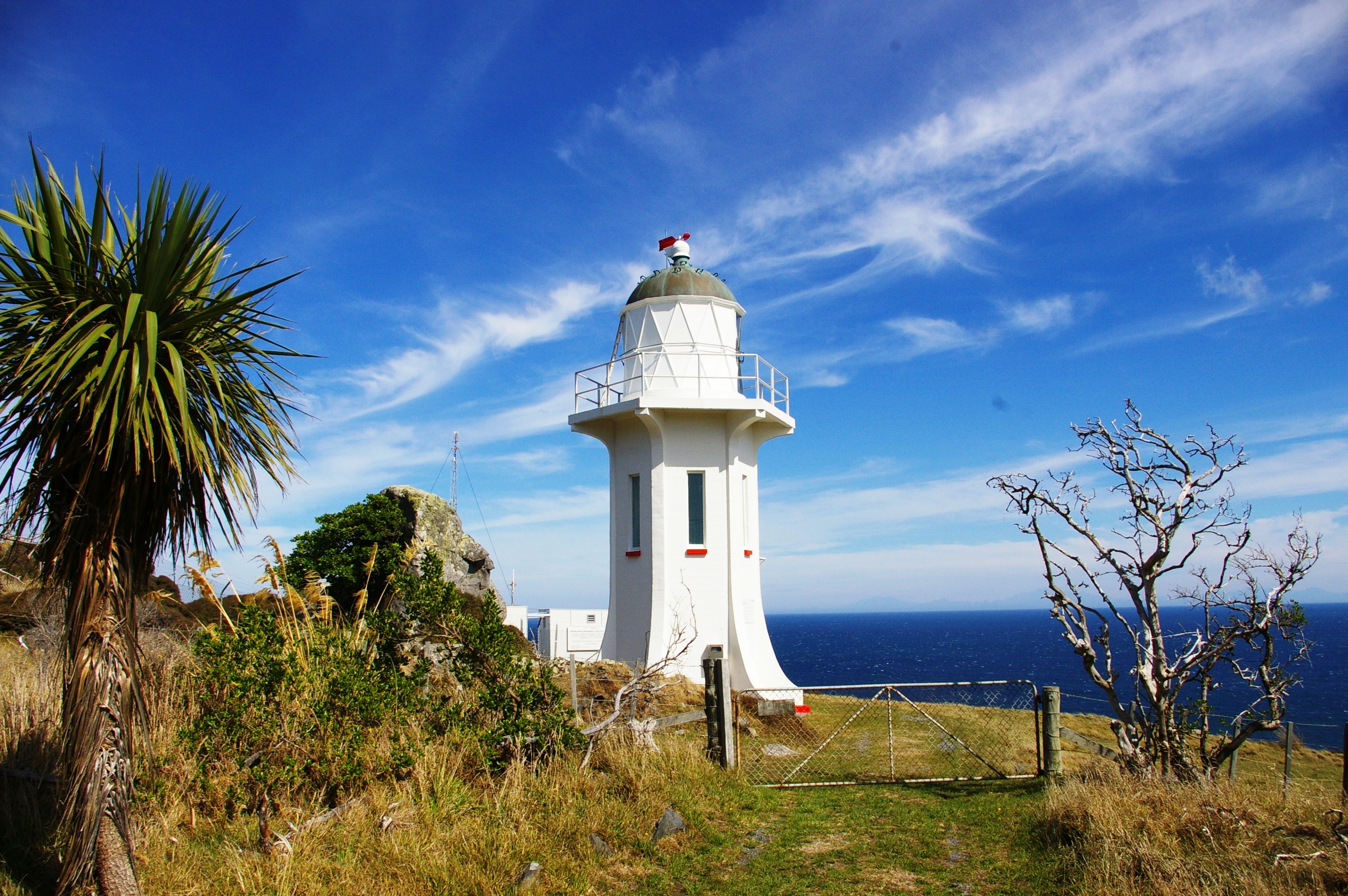
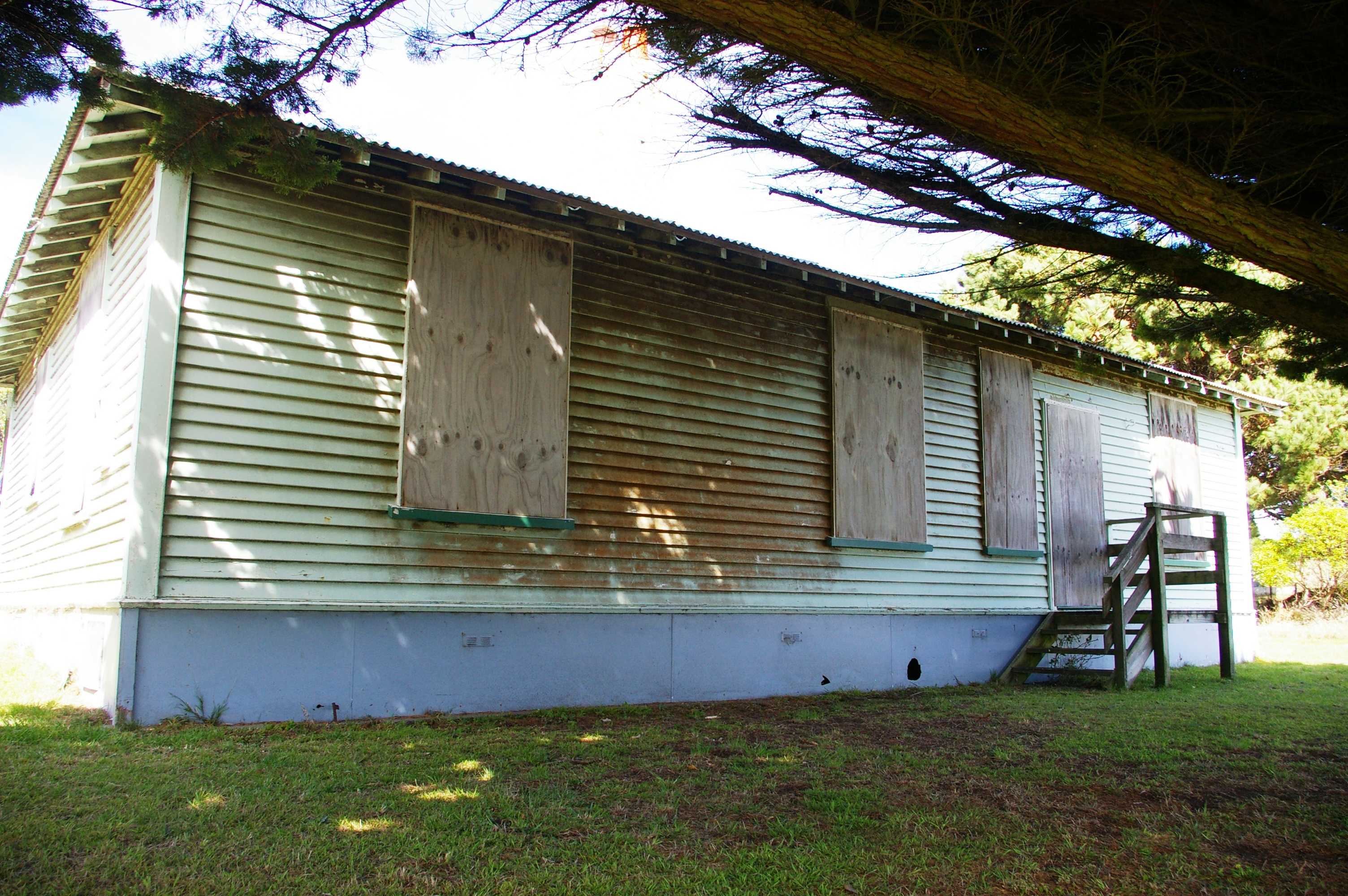
With the automation of lighthouses the job of lighthouse keeper and its associated chattels and residences soon became a thing of the past. Here we see the remaining lighthouse keepers’ houses at a lighthouse standing vigil near the entrance to Cook Strait.


The Bunker
An abandoned former harbour defence gun battery, up above the Wellington Harbour. Someone else thought it was a great location- for a party- a rave we heard…


 U R B E X C E N T R A L
