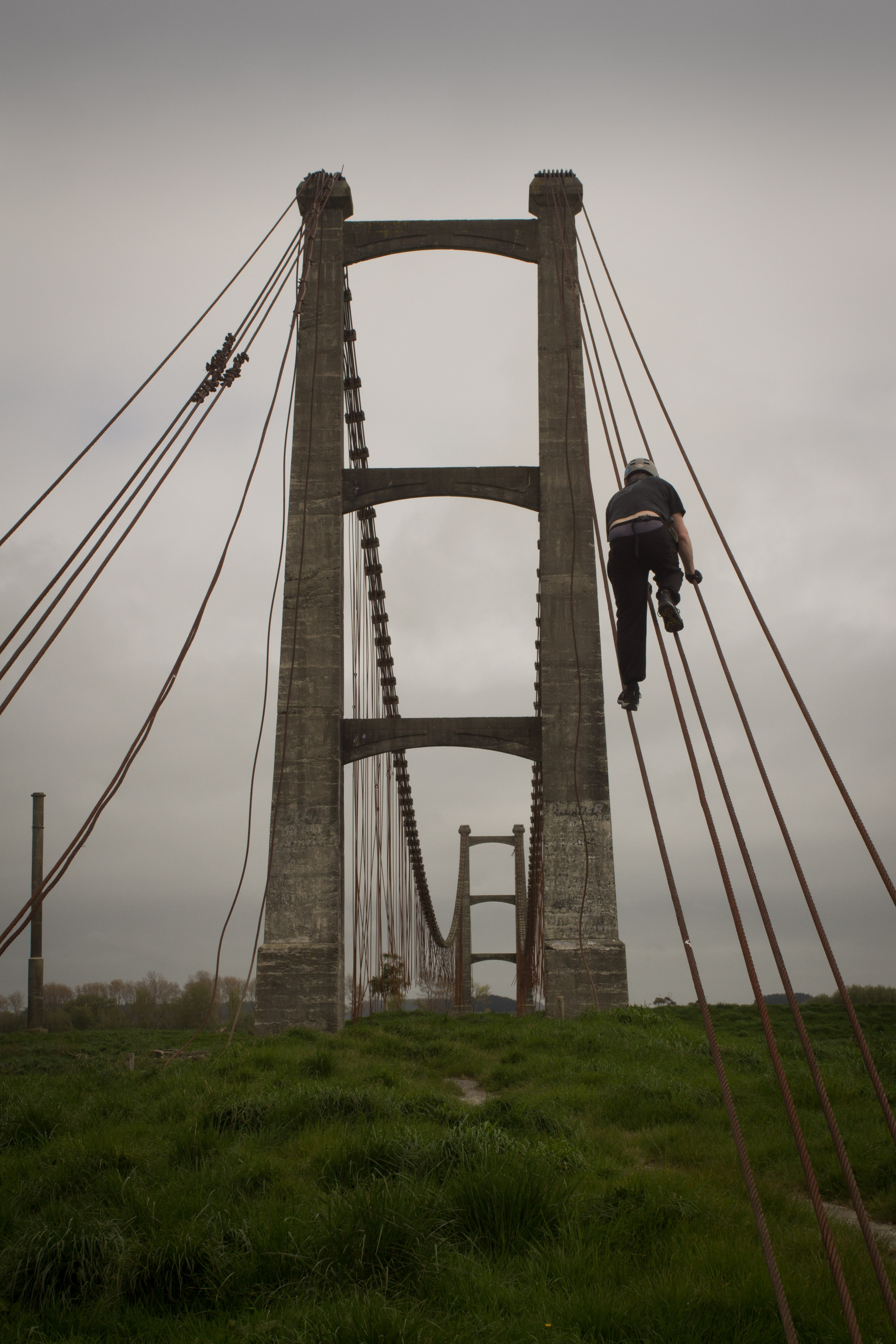
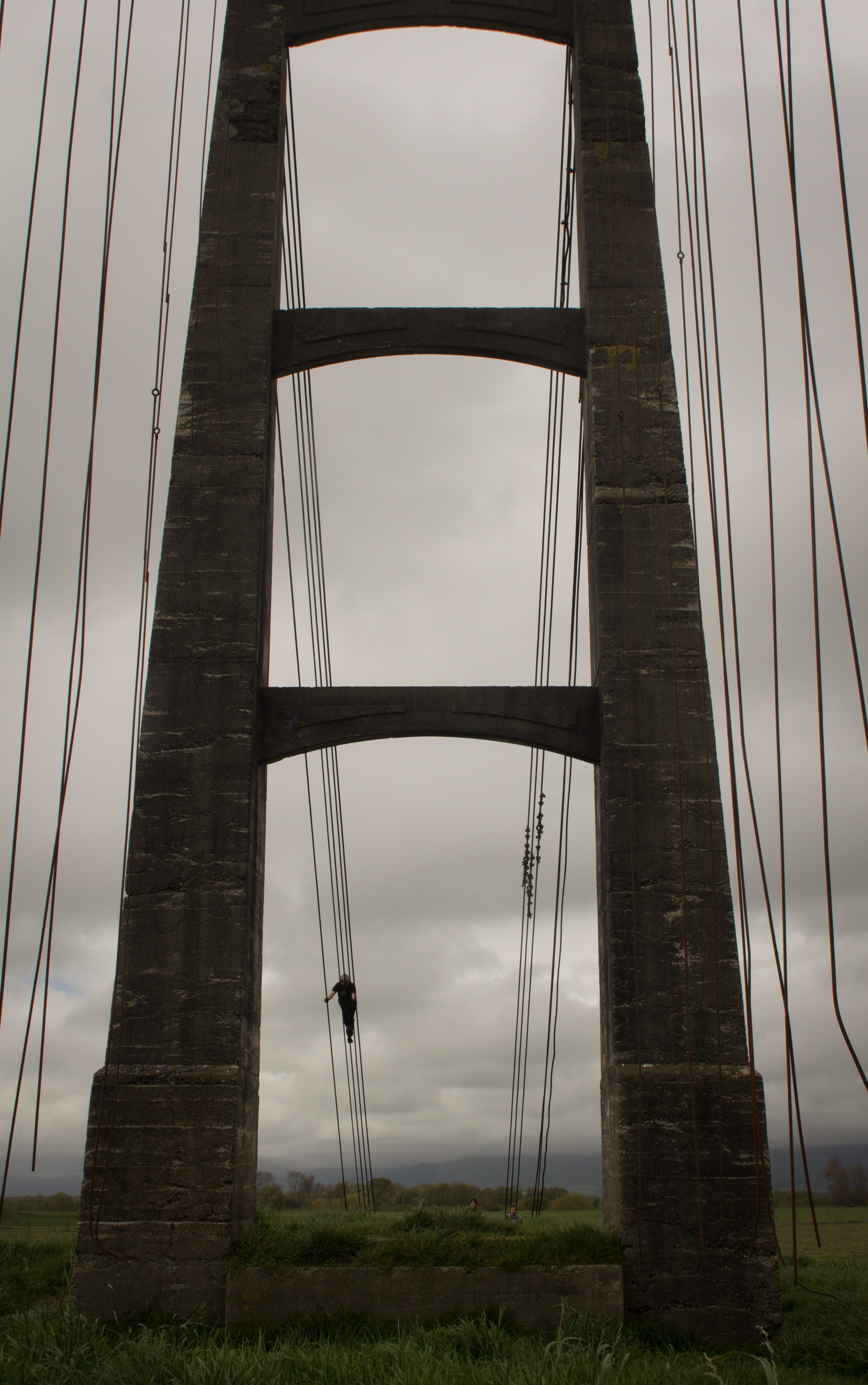
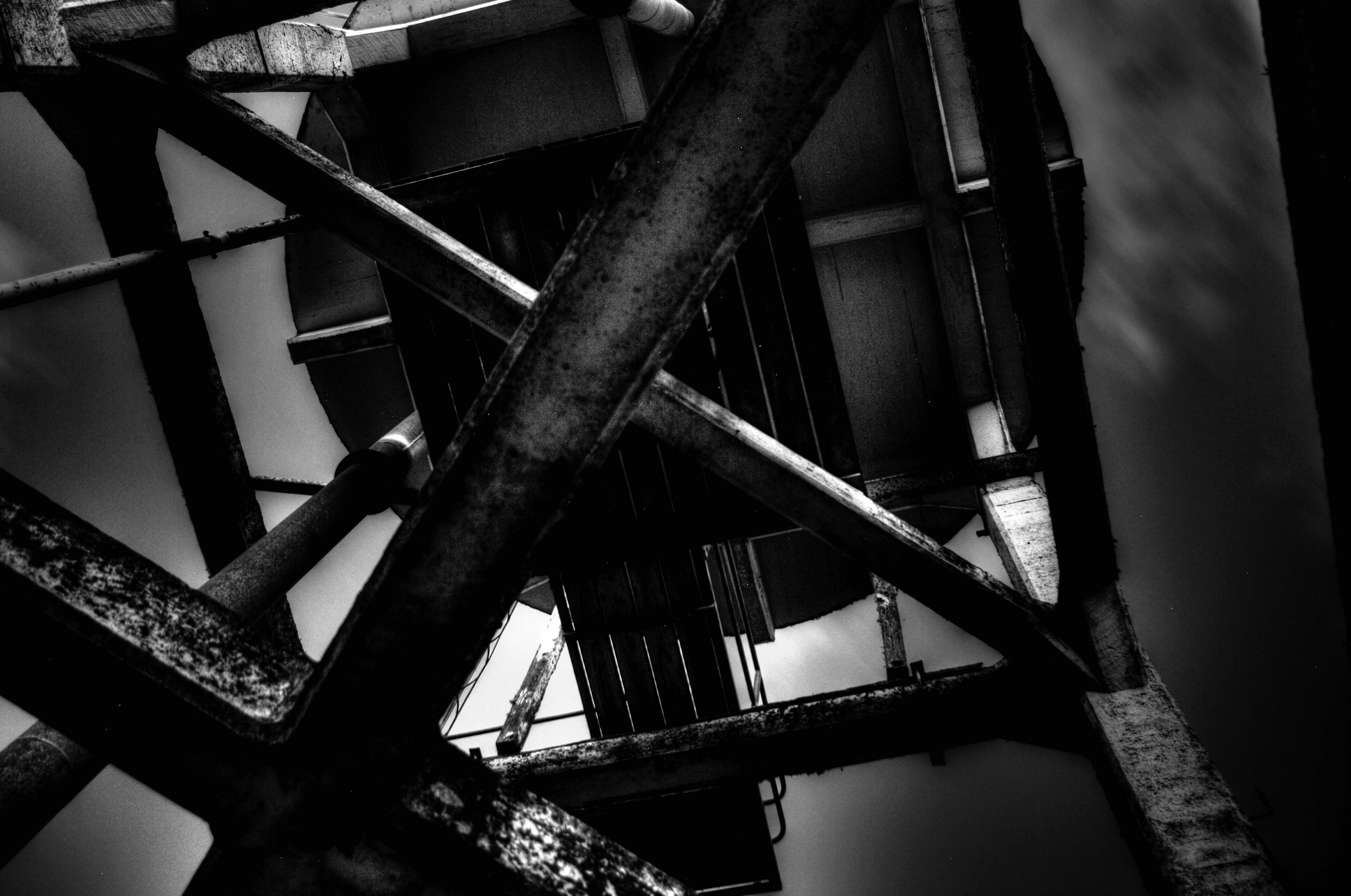
This tower that once supported a railway bridge, now looks more like a prop from a Peter Jackson movie. A prop nonetheless, that Gunner was obliged to conquer…


This tower that once supported a railway bridge, now looks more like a prop from a Peter Jackson movie. A prop nonetheless, that Gunner was obliged to conquer…
This car wreckers yard was the set of the New Zealand cult classic film Smash Palace released in 1981. The junkyard offers a rare opportunity to see cars from multiple eras and in various states of decay – some are even in the process of being reclaimed by nature by means of plants growing inside them.


The WordPress.com stats helper monkeys prepared a 2013 annual report for Urbex Central. Thanks for watching and stay tuned for 2014…

Here’s an excerpt:
The concert hall at the Sydney Opera House holds 2,700 people. This blog was viewed about 25,000 times in 2013. If it were a concert at Sydney Opera House, it would take about 9 sold-out performances for that many people to see it.
This abandoned thermal resort has sat vacant for years, cats both living and dead can be found throughout the premises and the place has a very peculiar air about it. The lawns are mowed, the garden tended to and the cats fed. Someone has been looking after this place, despite the fact that it does not seem to have functioned as a business for many years.
The area this is located in has a reputation for being a little bit dodgy, and I couldn’t help but feel on edge walking around with a DSLR when there was a ute (SUV for you Americans) parked in an abandoned service station across the road with two unsavory types eyeballing me.


This 1930′s era totalisator building was a real joy to explore and document, thousands of people used to attend the race courses of New Zealand commuting by train for the big day. Now one of the last untouched buildings of its kind in New Zealand and sitting idle as a pioneer of New Zealand’s computing history.
For the video of our explore : Excitation
One of New Zealand’s oldest prisons has finally closed its doors after a century of incarcerations. Getting into a prison is a bit of an oxymoron, but this didn’t stop UC from trying. As luck would have it a gate was left open and because no one was around…


This former quarantine site is still full of macabre reminders of its former life, it now sits abandoned and vacant.


With the beginning of summer we cracked 4 new drains in one day, and met plenty of friendly eels along the way.


Opened in 1980 as a standalone abortion clinic.
A place of much controversy and protest throughout the years now lays idle with little remaining of its past other than a sadistic looking chair.


Now that Wellington’s violent (some reaching 200km/hr winds) spring storms are finally ebbing away we can get back down into the slippery drains running through the city.
We recently explored an urban stream running through an industrial area – and found a drain, complete with concrete slipways in the process.
After traveling down the long tunnel we reached an impasse, a slippery slope into a deep pool of turbulent water – this is definitely a drain we will check out at the end of summer when we can progress further.


One of Wellington’s defining features is our fleet of trolley buses, we found a couple of older models rusting in a paddock and decided on an inspection. The old signs hark back to simpler times.


Fording a stream in a rather unconventional manner, because here at Urbex Central we feel you don’t always need to take Urban Exploration seriously 🙂
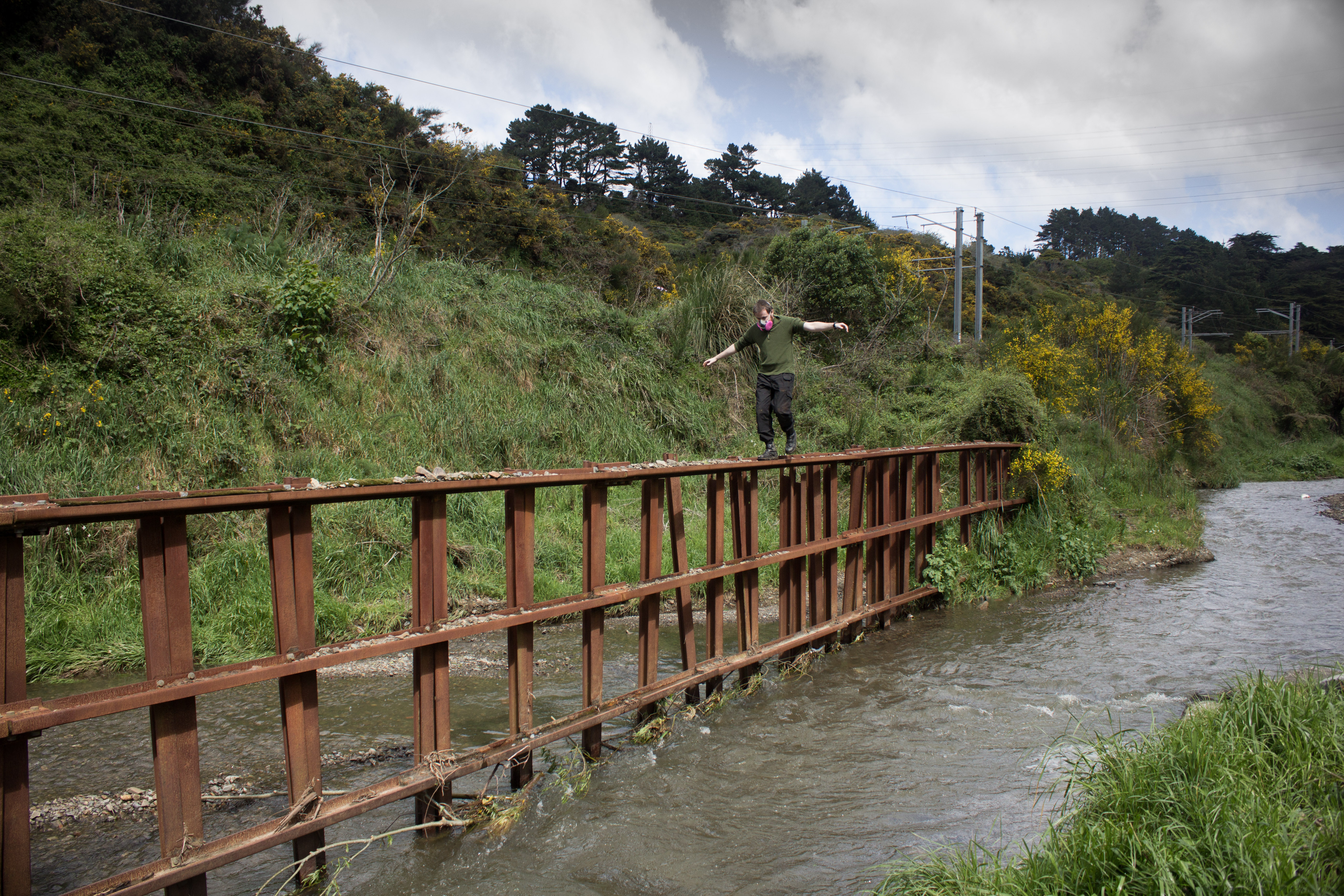


Gunner gets in some tight rope walking practise up the cables of an abandoned suspension bridge. This particular bridge was a crucial factor to the success of this region in the early to mid 19th century. Check out Gunner’s video of the event here…



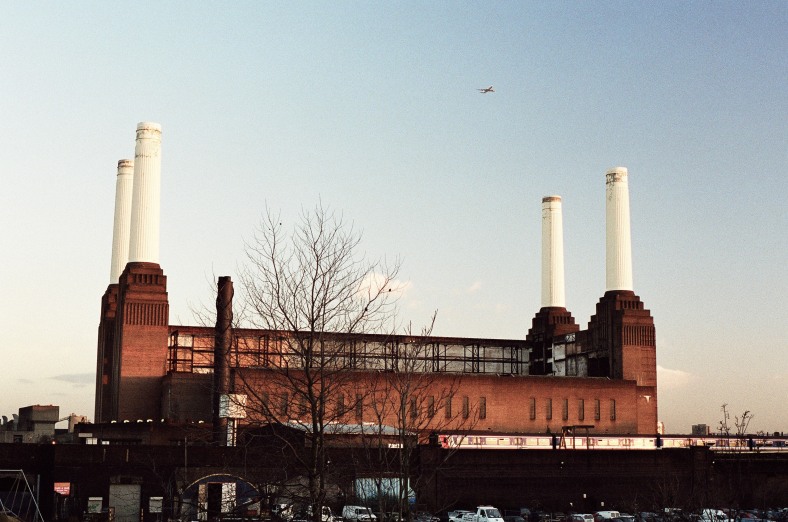
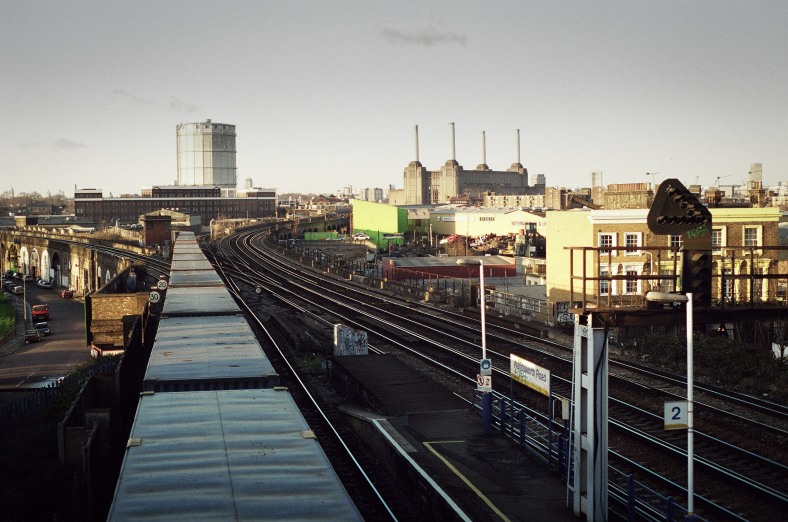
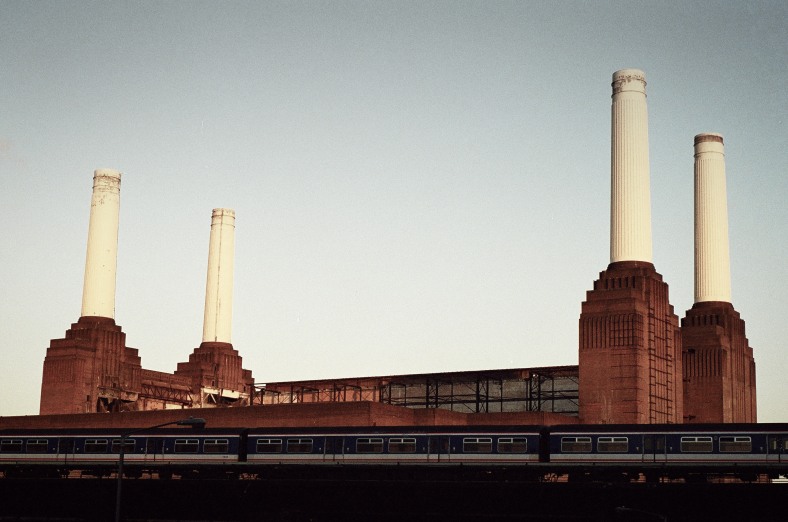
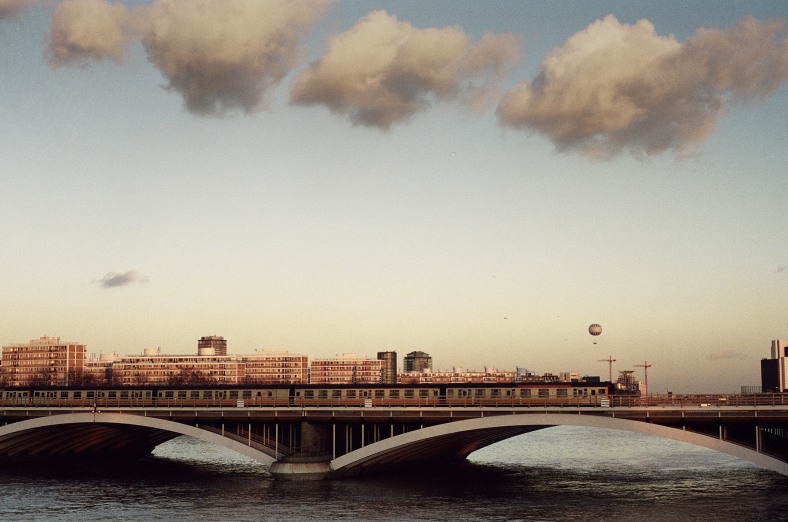
Some exterior shots of the Battersea Powerstation– late 99. This iconic London structure is arguably the most recognisable face of British industrial architecture today. Famous for its Pink Floyd album cover (with the flying pig)- Battersea Powerstation is also a bit of an urban exploration mecca.
This defunct reservoir is no longer used to supply Wellington’s northern suburbs with water, despite that the weir remains full. The sunny day made for a good opportunity to experiment with some infra-red photography and high-speed video.


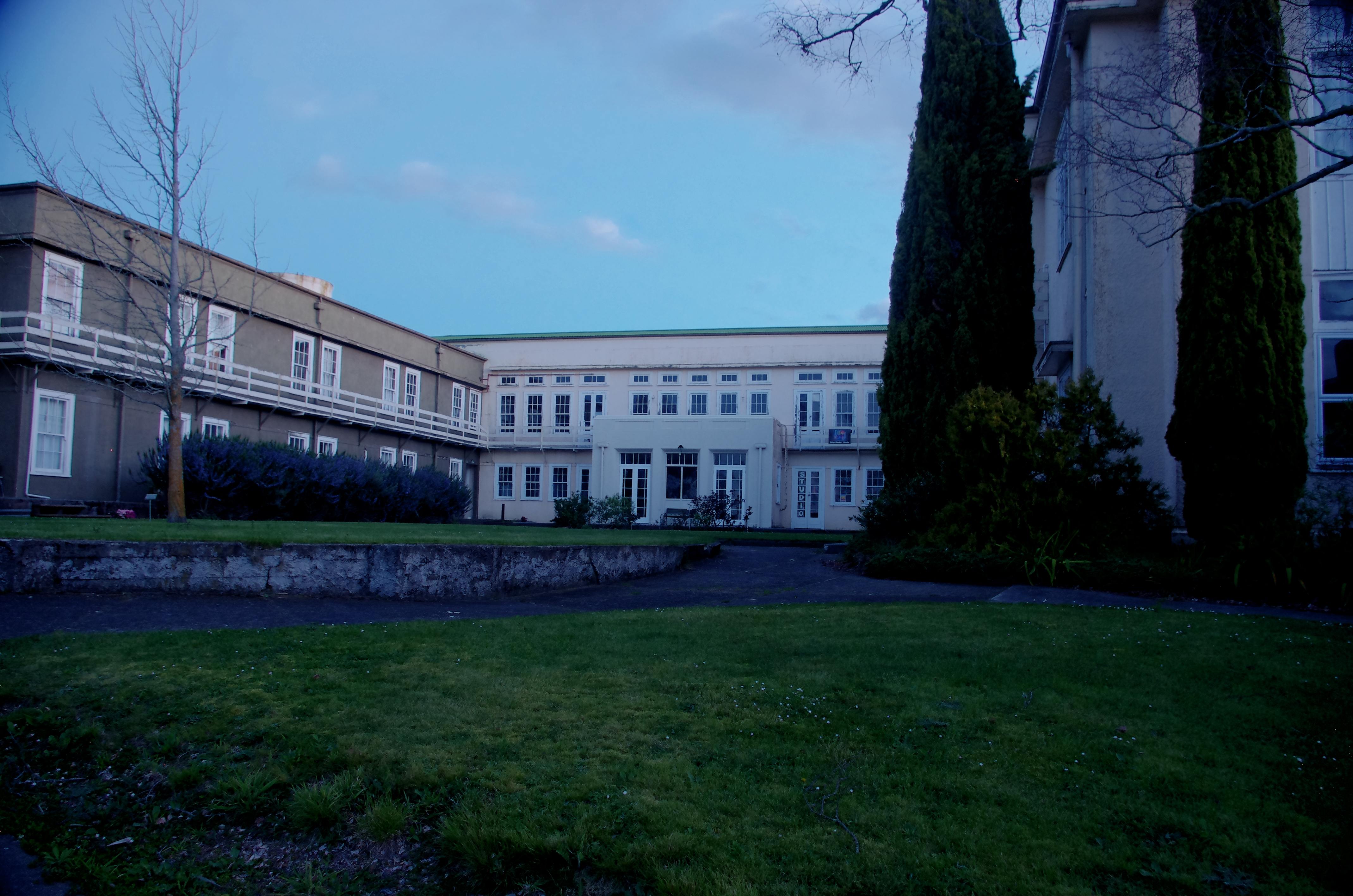
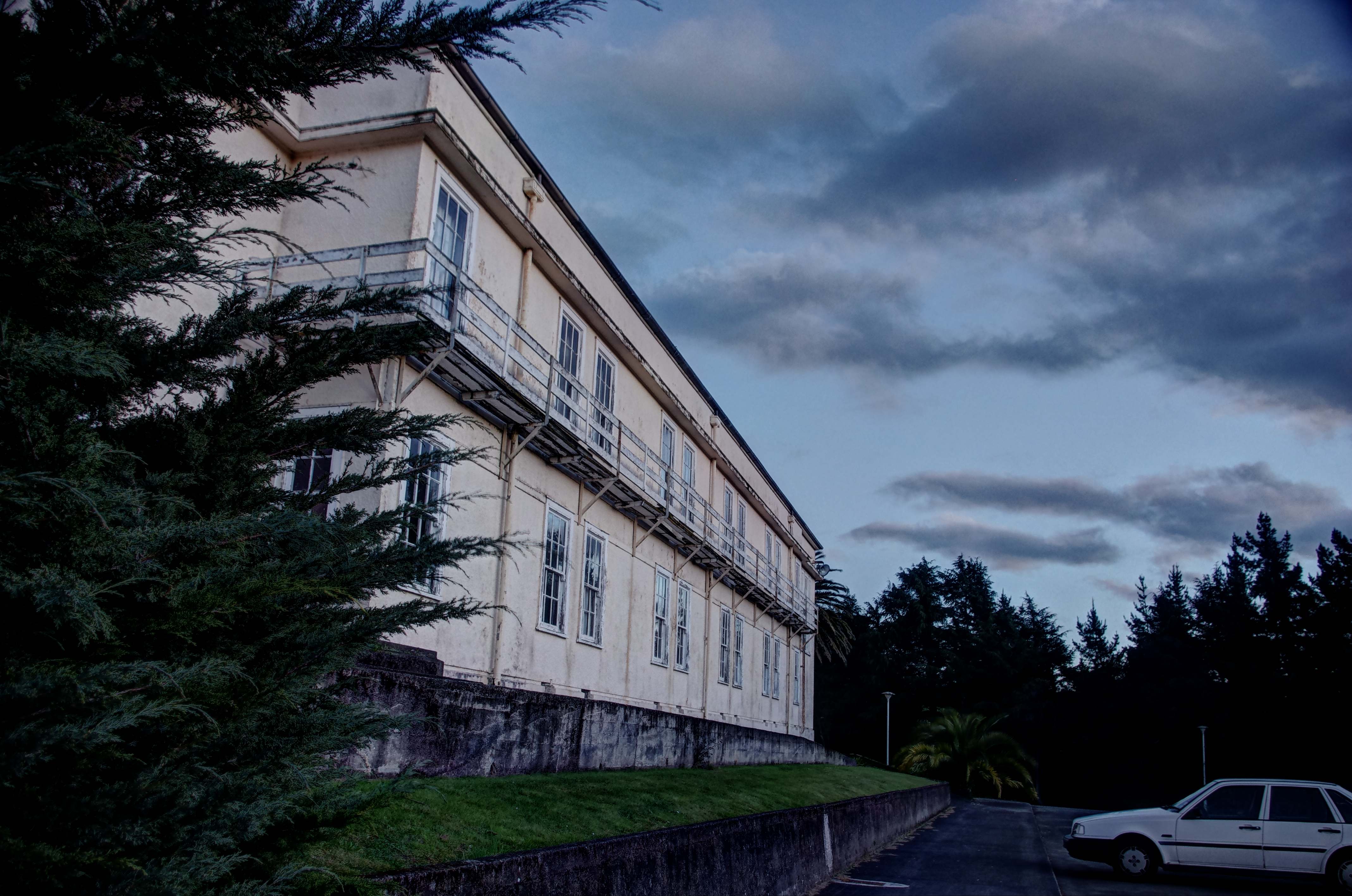
This imposing building on the hill overlooking a small country town has had several uses in it’s lifetime.
It was initially constructed as a hospital for veterans returning home from the great war, before being re-purposed as a sanatorium (tuberculosis hospital).
After 60 years and over 7000 patients, and with the number of cases of TB in decline in New Zealand the hospital became a safe haven for the handicapped and for people suffering from head injuries.
The hospital has gone through another metamorphosis in the new millennium and is now used as part of a larger vineyard complex, we popped by for an inspection on our travels through the North Island.


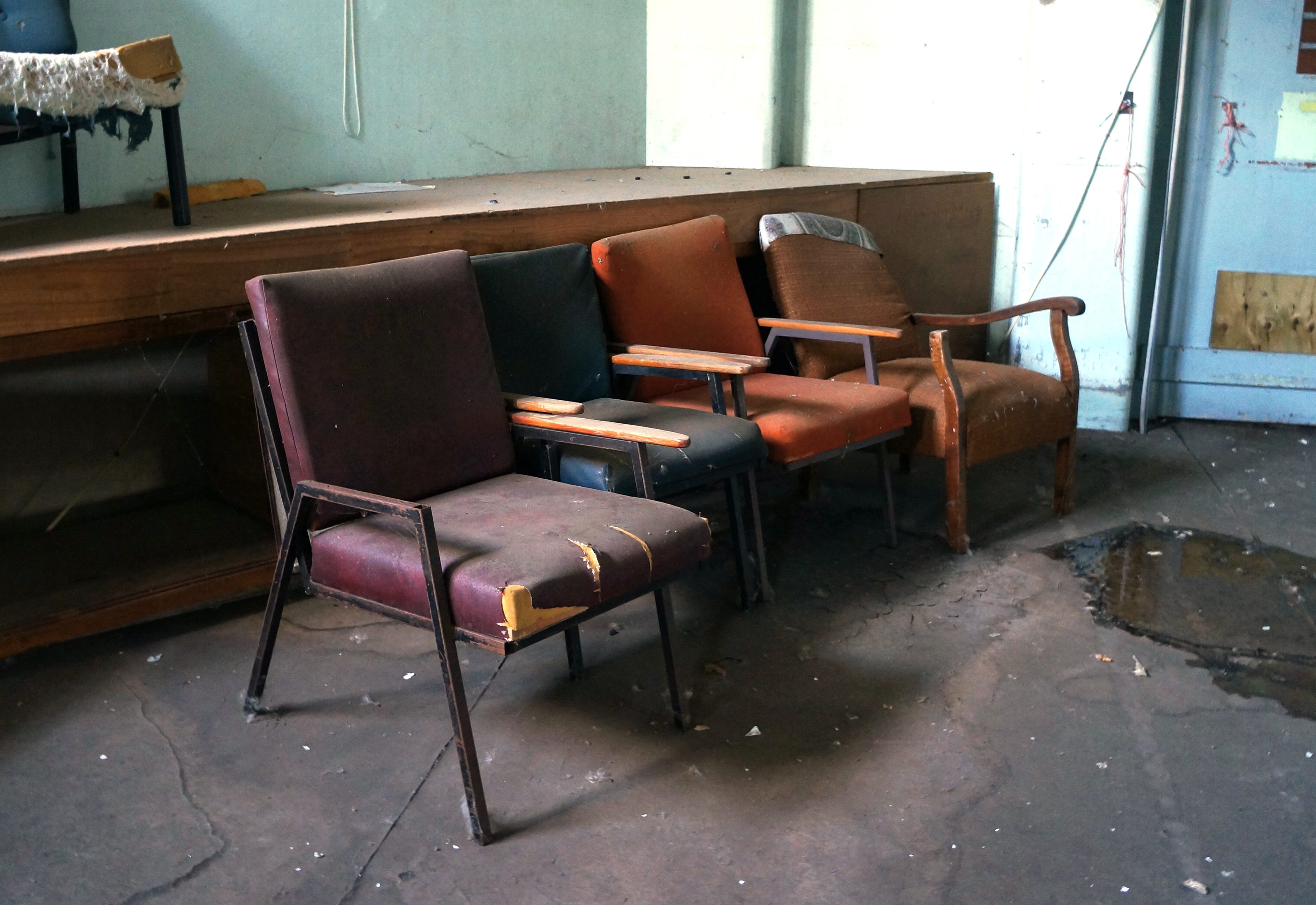
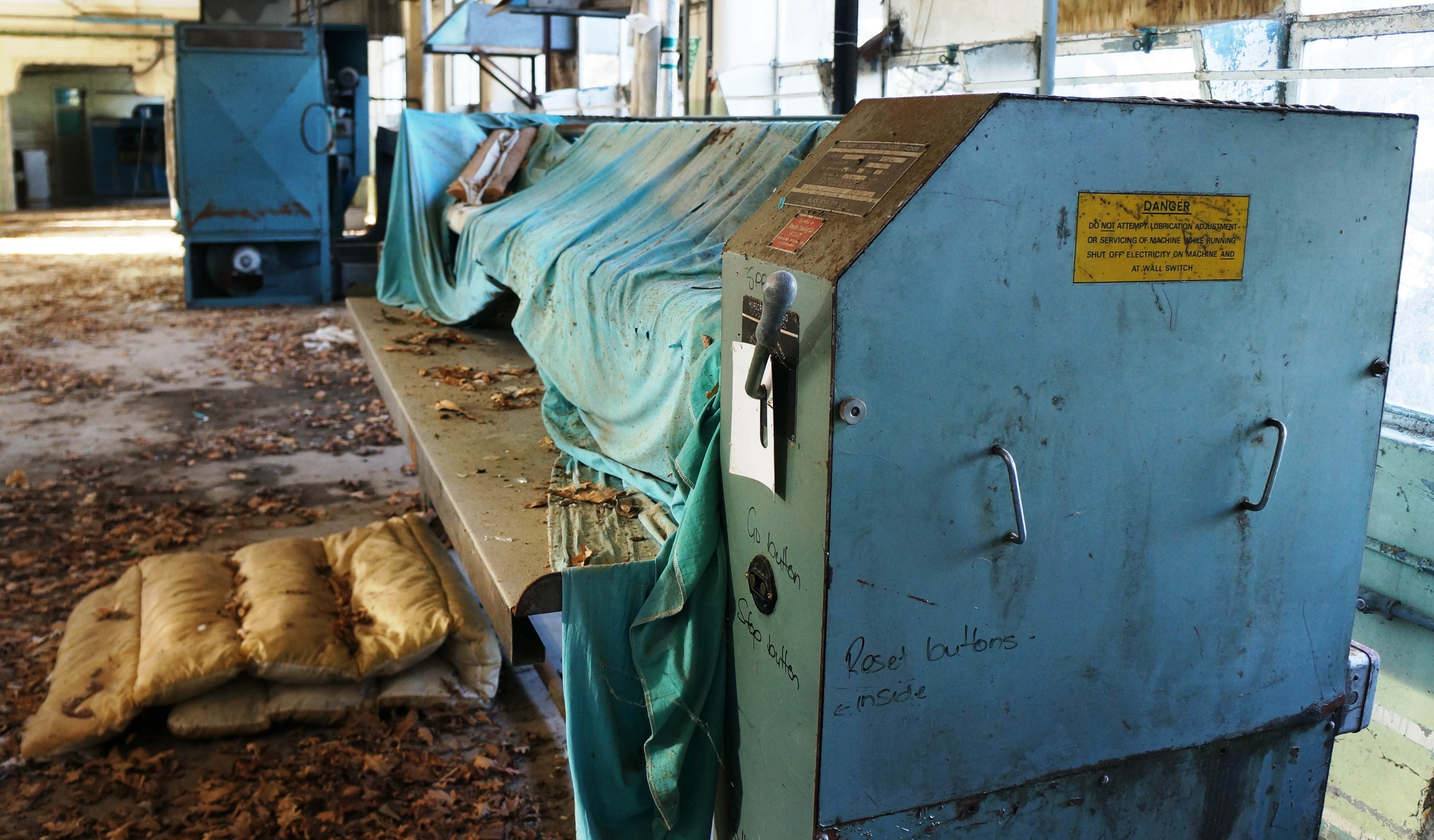
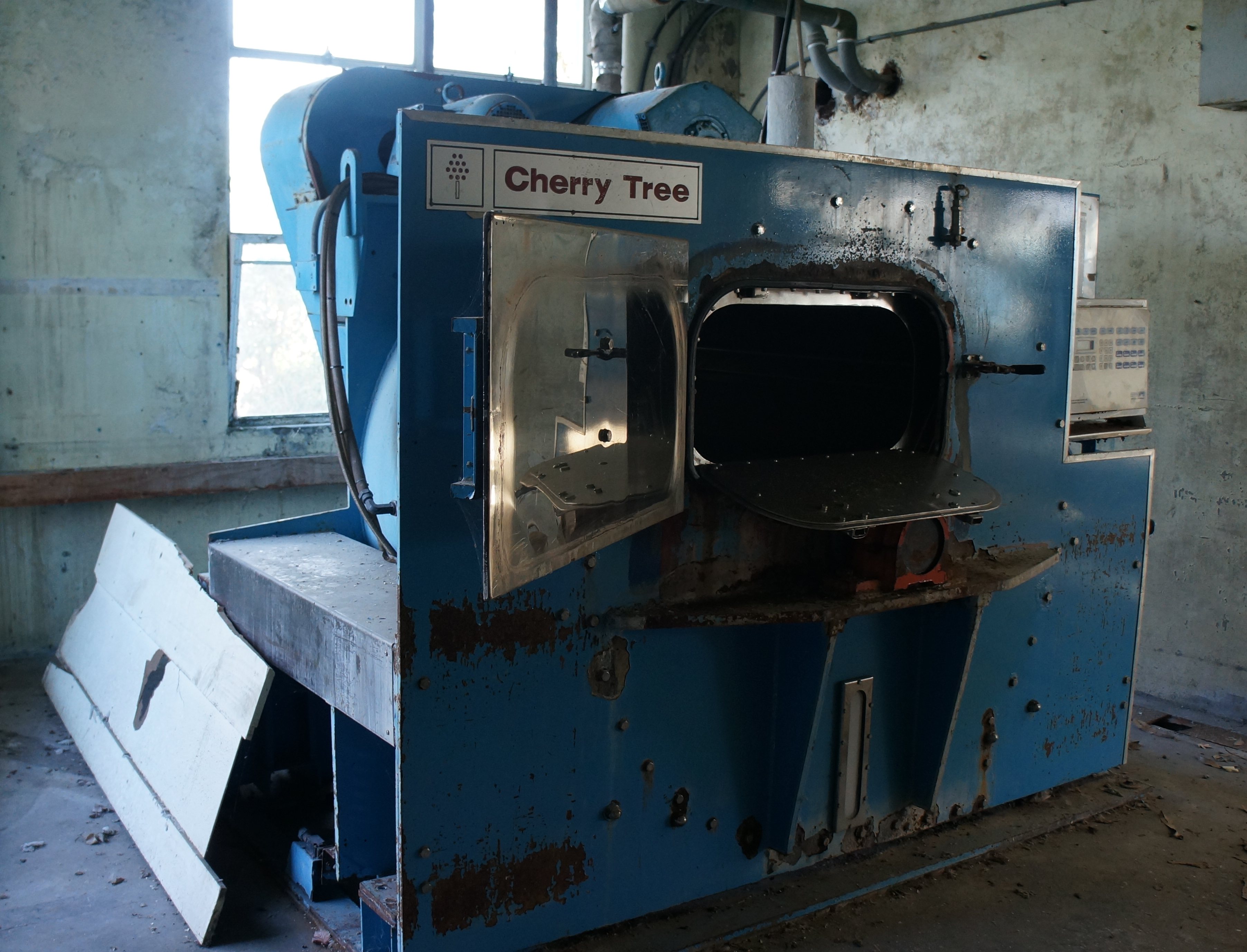
One of the first buildings we came across on the site was the hospital laundry, these machines once cleaned sheets, scrubs, and other laundry for the entire hospital complex and judging by the size of them there must have been a lot of it.
I wonder what will come of these huge washing machines, dryers and linen presses when the building is torn down – perhaps they will simply end up melted down for scrap like so many other artifacts are when an abandoned building is demolished.


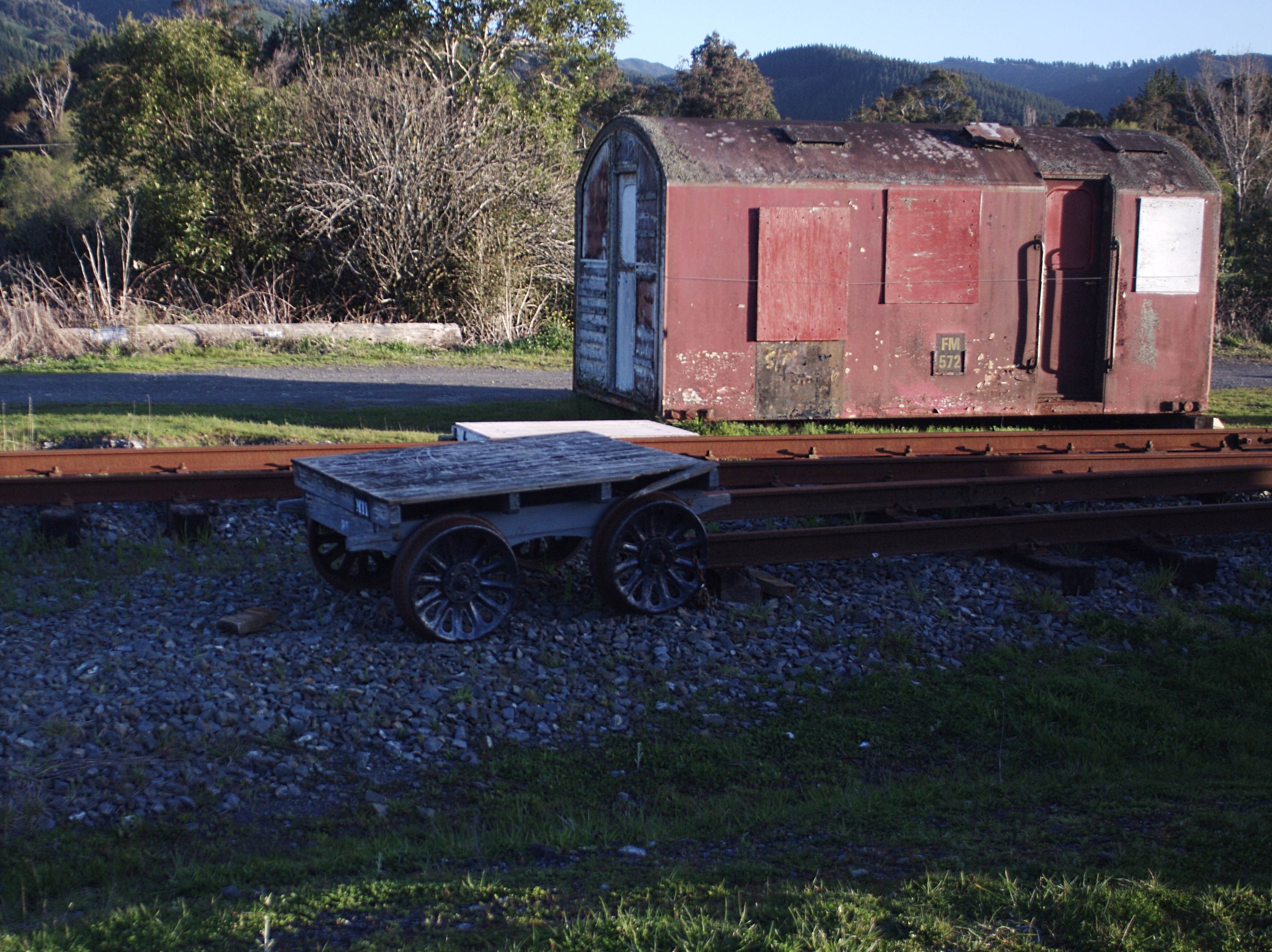
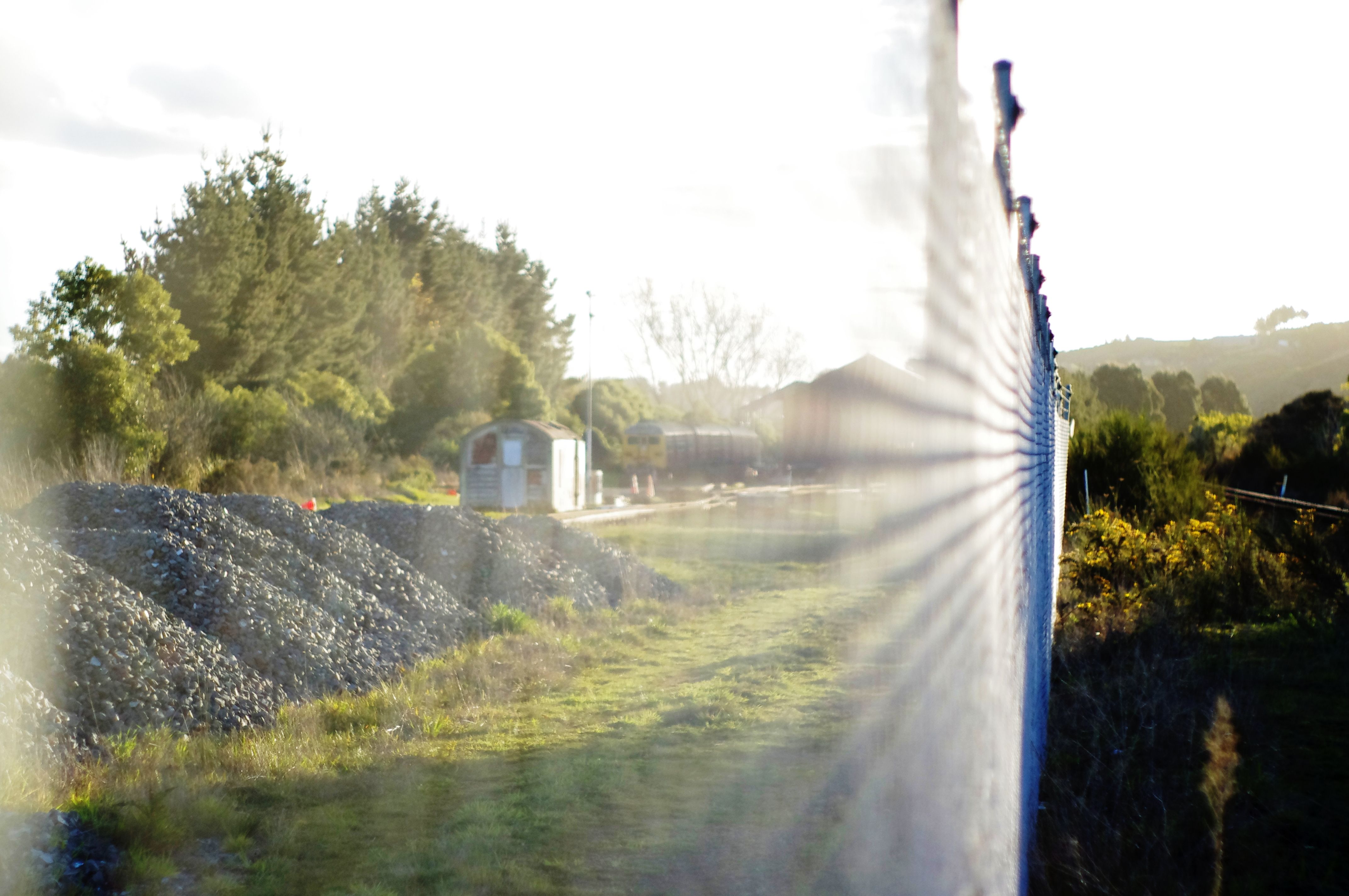
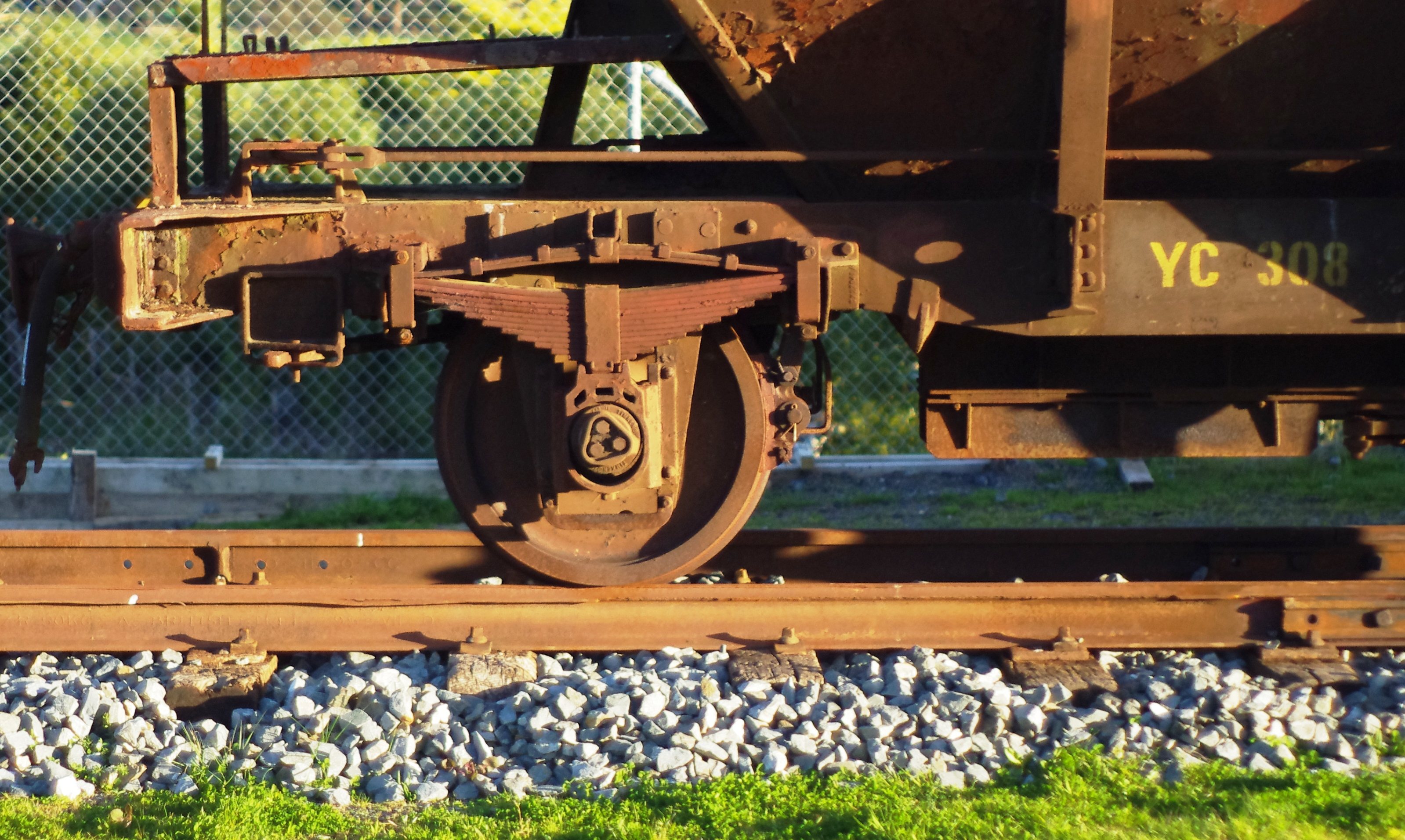
As I was rattling by on the train I noticed this small train boneyard in the middle of the countryside – and we decided that it deserved an inspection!
Surrounded by a high electrified perimeter fence and with dogs baying nearby, we couldn’t hang around but managed to snap these shots.


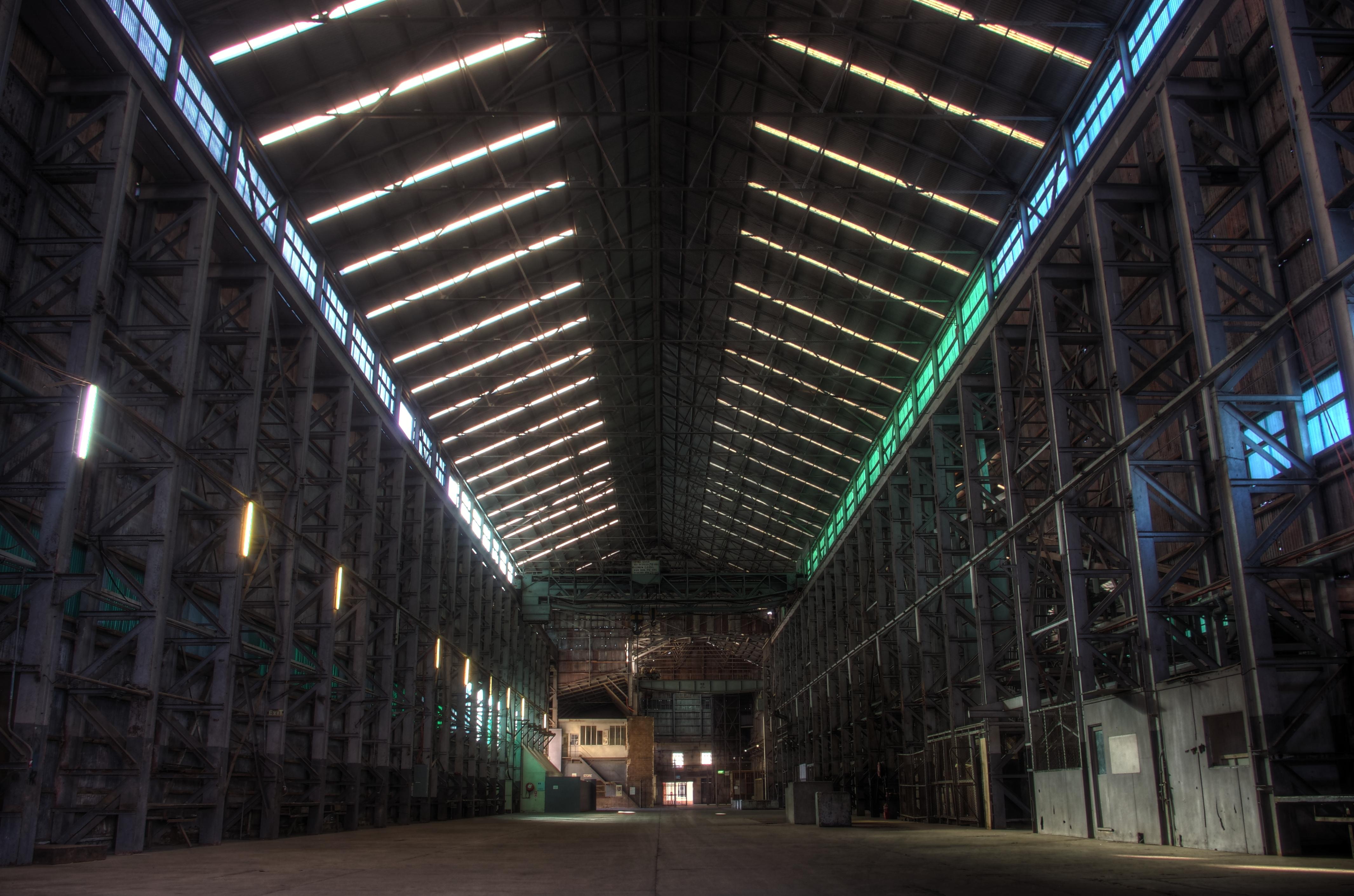
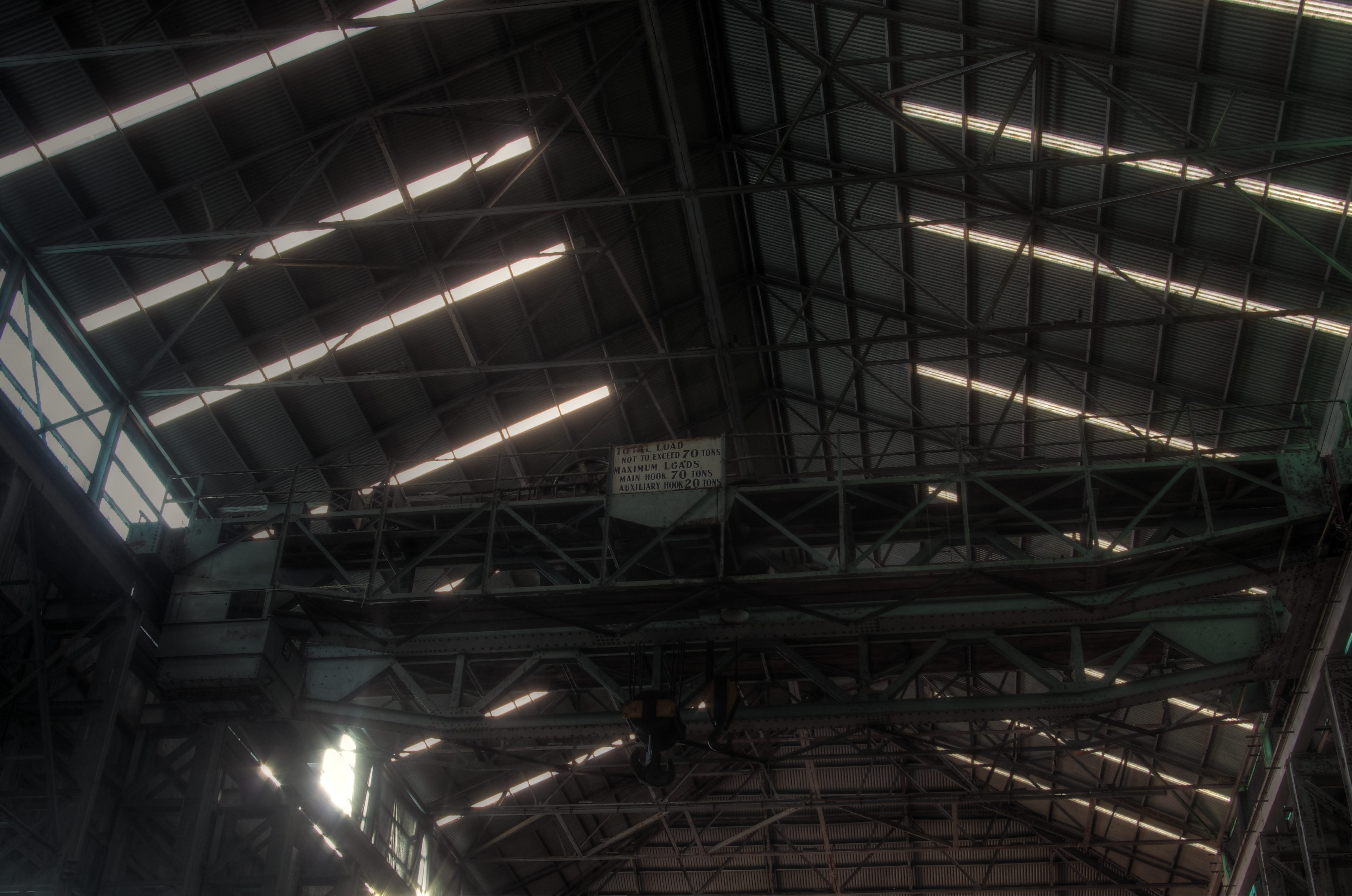
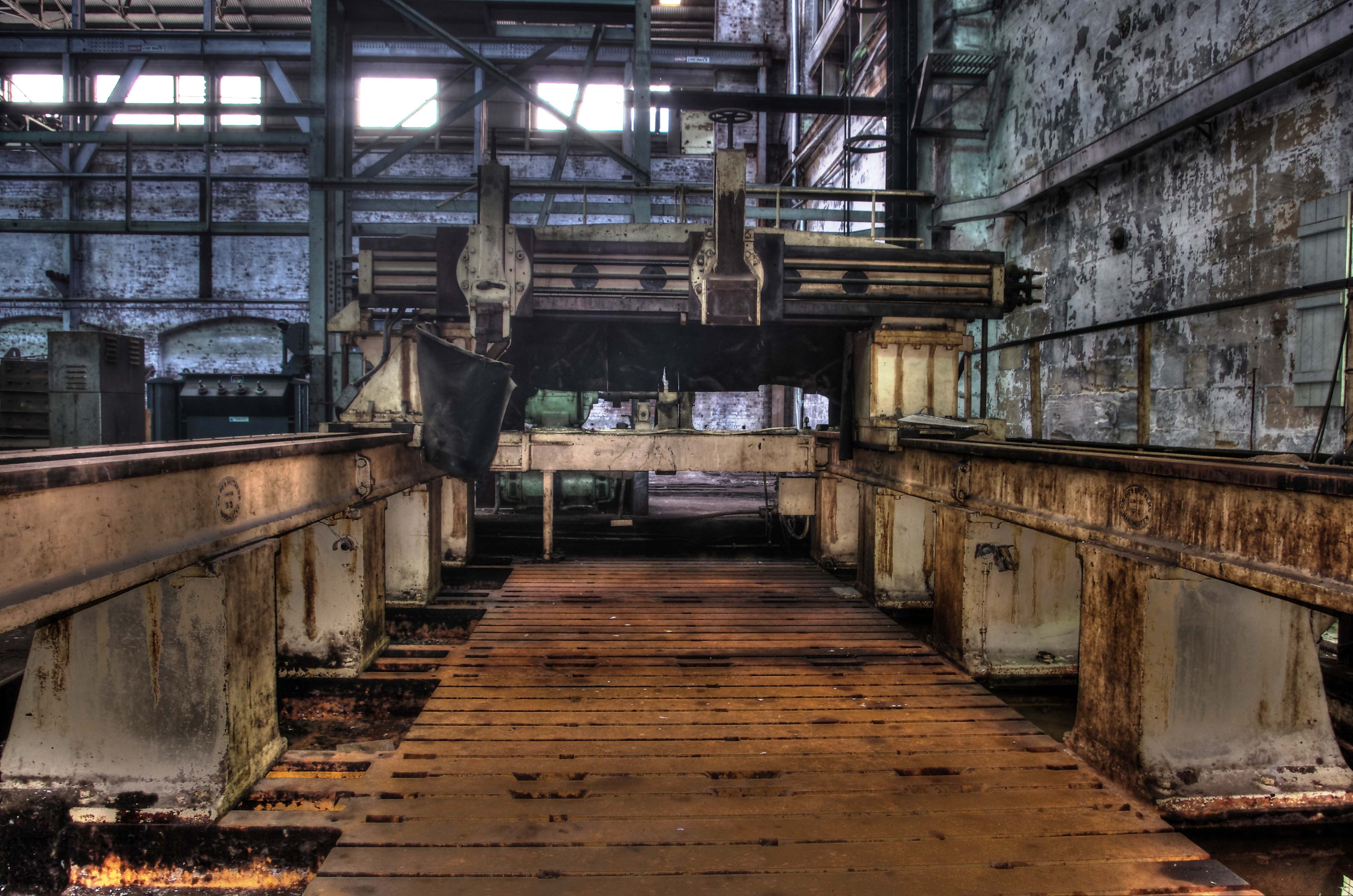
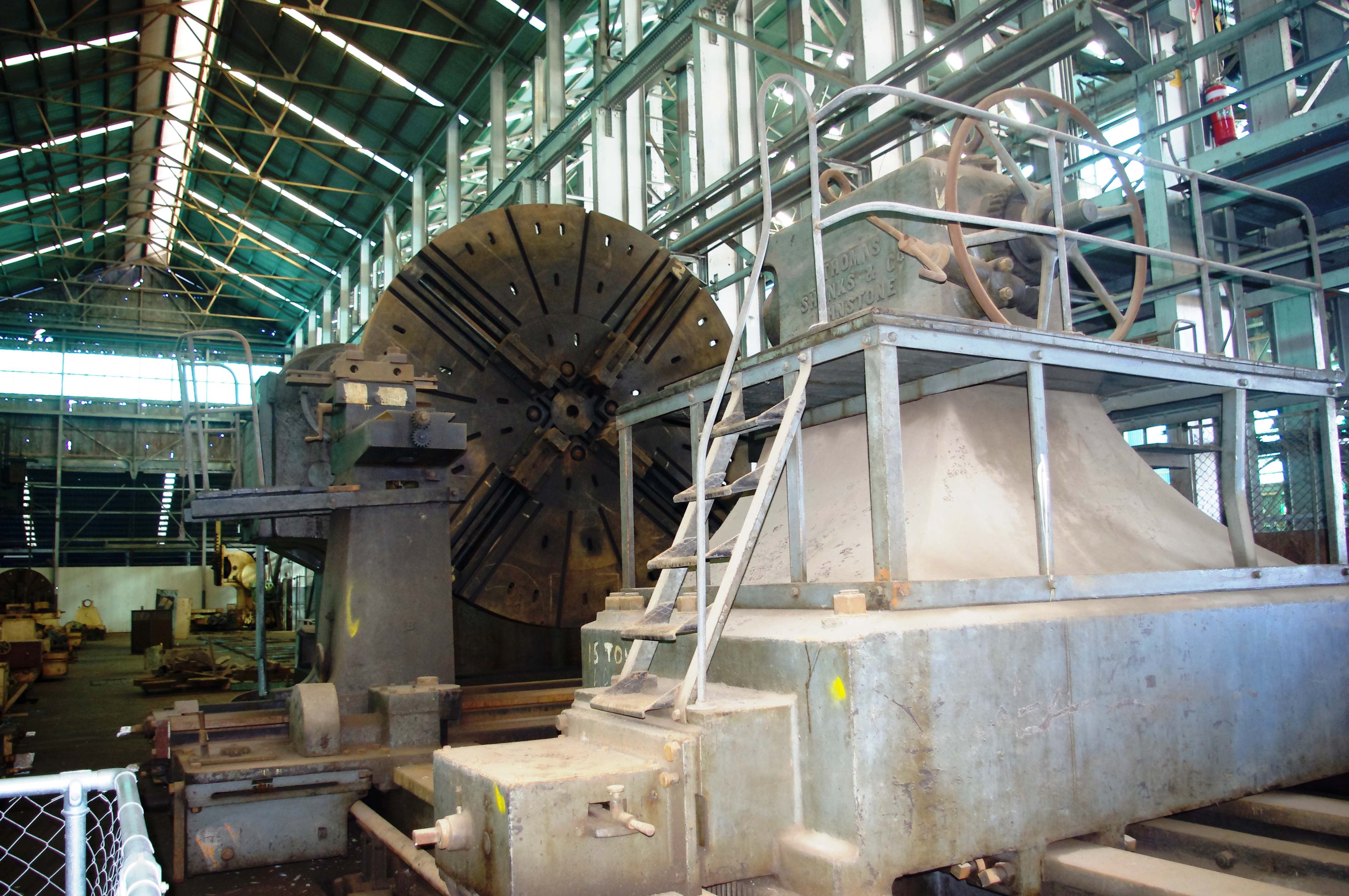
These huge abandoned warehouses still contain a plethora of heavy machinery including huge lathes and industrial sized milling machines.





The Crusader fortress of Beaufort Castle- constructed in the 12th century- has been the focus for countless battles and the home of many occupiers over the centuries.

Beaufort (French for “beautiful fortress”) sits atop a 300 meter cliff which declines steeply to the Litani River. Its commanding location, with views over of much of southern Lebanon and northern Israel, is still of strategic value today.

In fact, Beaufort is one of the few cases where a medieval fortress has also proven to be of strategic military value, in the age of modern warfare.

In late 2005 the place was in ruins- but there was no mistake who held the high ground here.

Hezbollah’s AK47 emblazoned flag fluttered in the breeze- along with their allies and former rivals, AMAL.

Seven months later, the IDF once again invaded Lebanon- blitzing their way up to Beirut- laying South Lebanon to waste and cluster bombs in the July War

The Palestinian Liberation Organisation (PLO) held the castle from the beginning of the Lebanese Civil War in the mid 1970′s, until the Israeli invasion of Lebanon in 1982. The Israeli Defence Forces (IDF) finally evicted the PLO and occupied and fortified Beaufort, controlling south Lebanon for the next two decades.

Upon their withdrawl in 2000, the IDF set explosives and destroyed most of the structure. In 2007 an Israeli film- Beaufort– was released about an IDF unit stationed at the fortress.
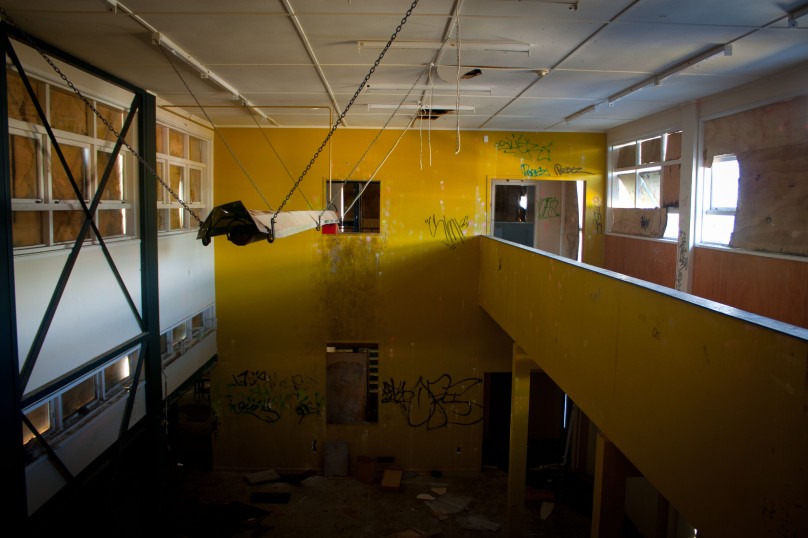
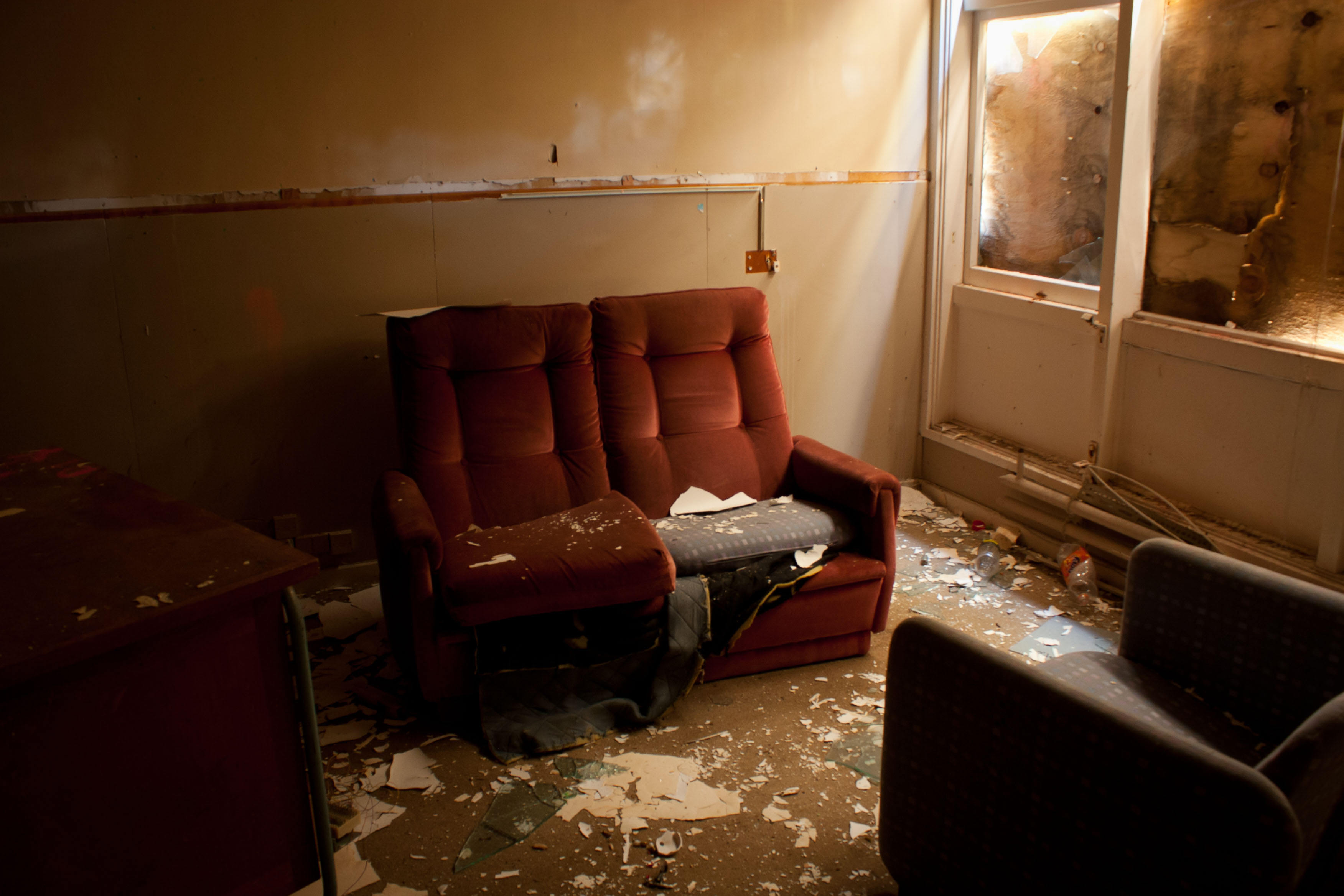
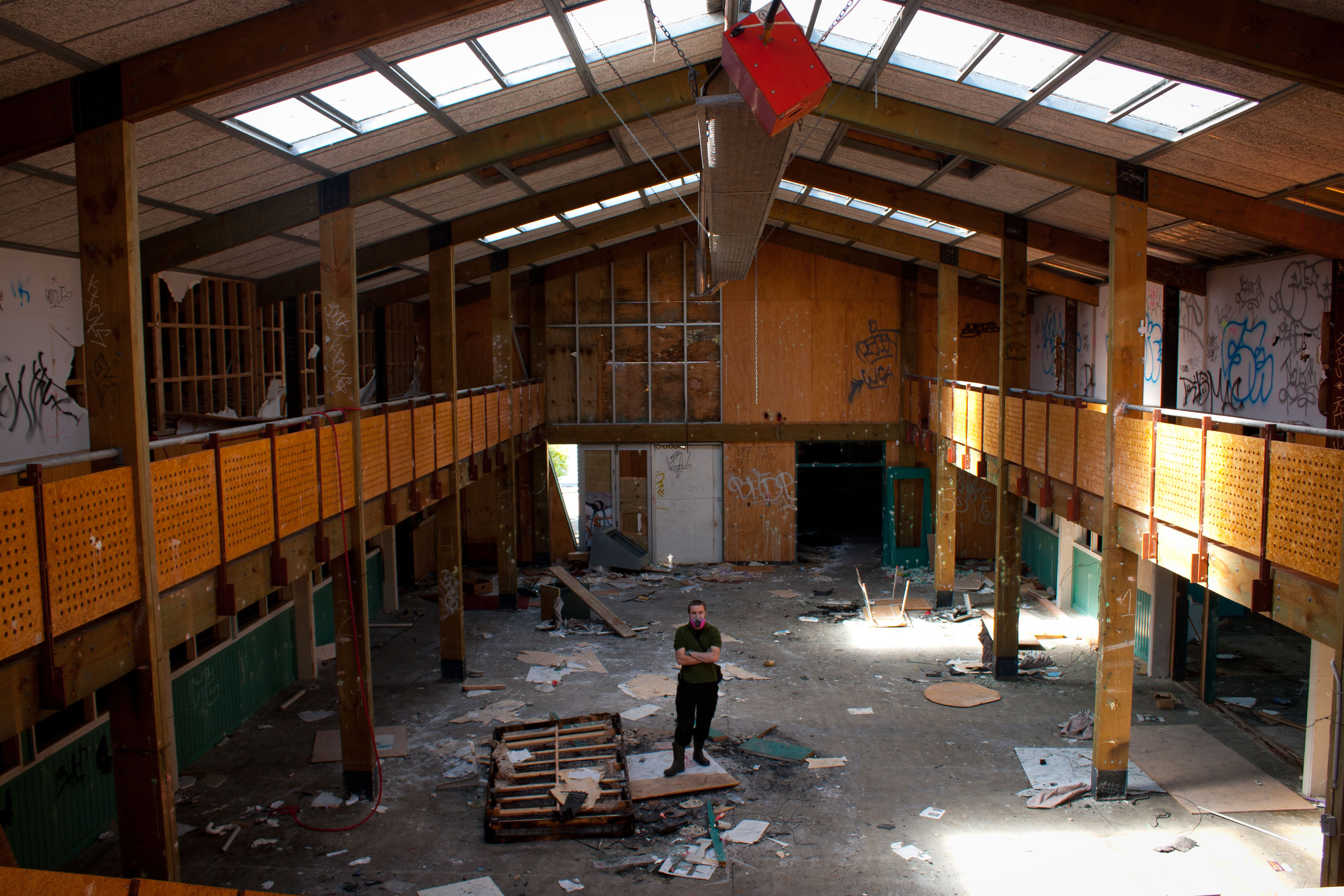
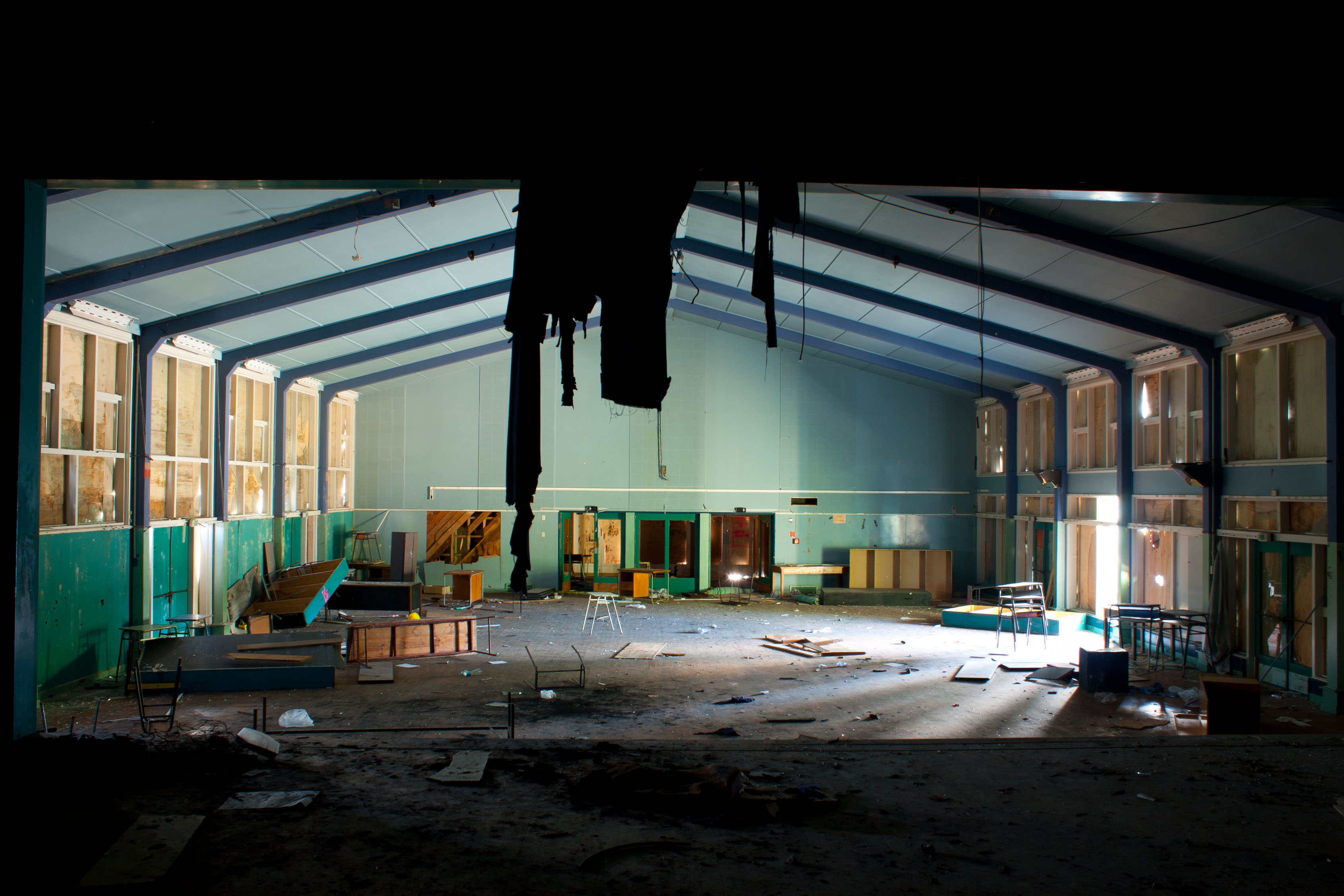
This former highschool was closed about 15 years ago. The decay and vandalism that has occurred in the interim is astounding. It’s finally due for demolition soon and the land it occupies is to be developed into a retirement village.



The power station which at one point powered the island, from what I can tell the facilities now on the island are now powered in part by solar panel arrays affixed to the defunct industrial warehouses.



Much like urban exploration, our bread and butter, parkour is about interacting with our urban environment and experiencing it in new and different ways. Where we preserve it statically on film and in video, practitioners of parkour interact kinetically with the landscape.
Massive respect to the guys from Wellington Parkour and Freerunning for performing these feats.
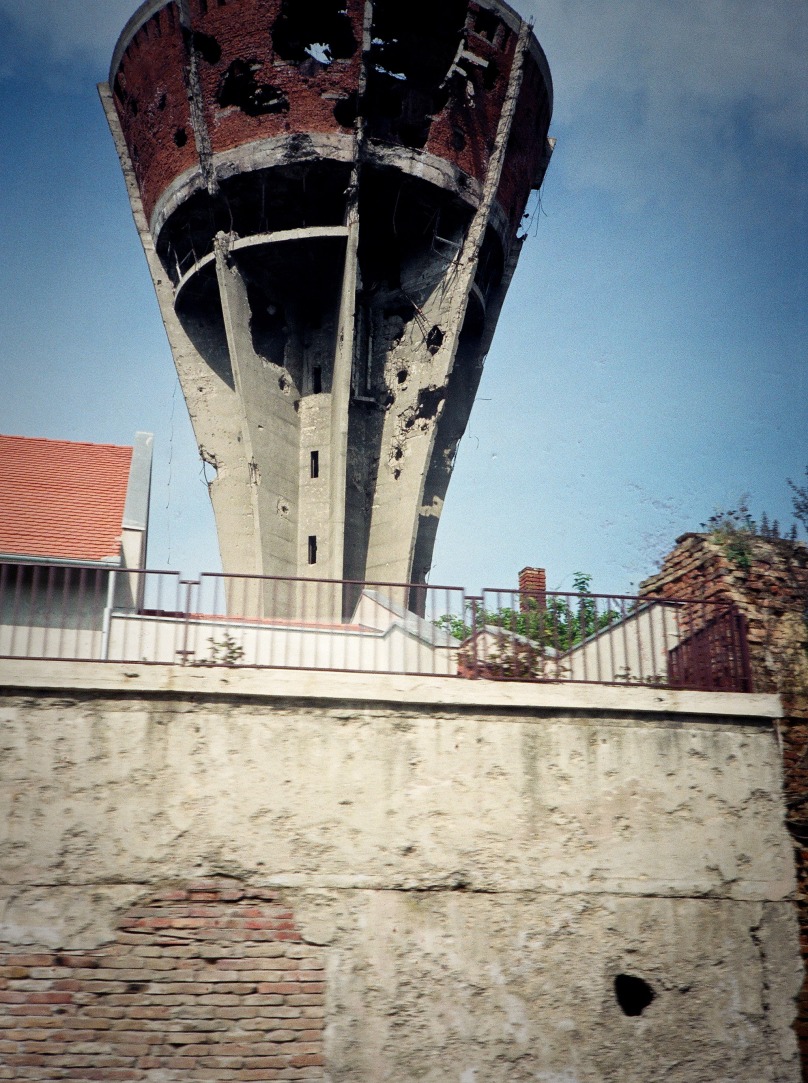
Vukovar, Croatia, 2002: Vukovar was utterly destroyed after a three month seige against the mostly Croat defenders by the Serb-dominated Yugoslav Army (JNA) in November 1991. Some estimates are that Serb gunners fired a million shells into Vukovar destroying 15,000 buildings. It was the first European city since WWII entirely leveled to the ground. At least 3,000 people were killed and 20,000 “ethinically cleansed” The city was still a jigsaw of destruction 10 years later. Exploring was out of the question as the city was littered with landmines and unexploded ordance.




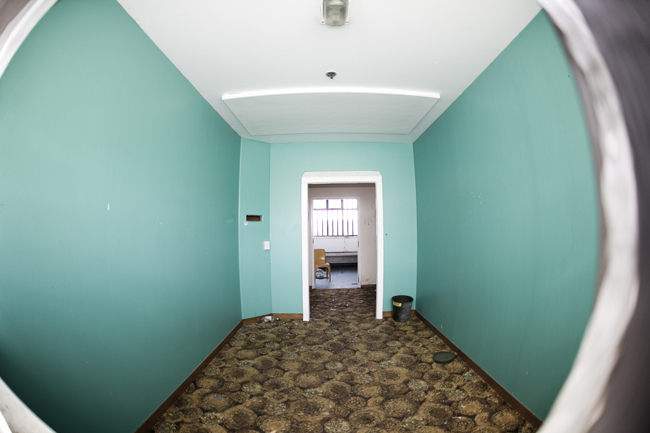
This former notorious rural psychiatric hospital- see this post- was visited by one of our group back in 2008. The majority of the buildings then were mostly intact with minimum vandalism. Today many of the buildings have been demolished, with the remainder largely abandoned or used as storage. Incredibly though a number of the villa’s are now reoccupied, by apparently sane people.




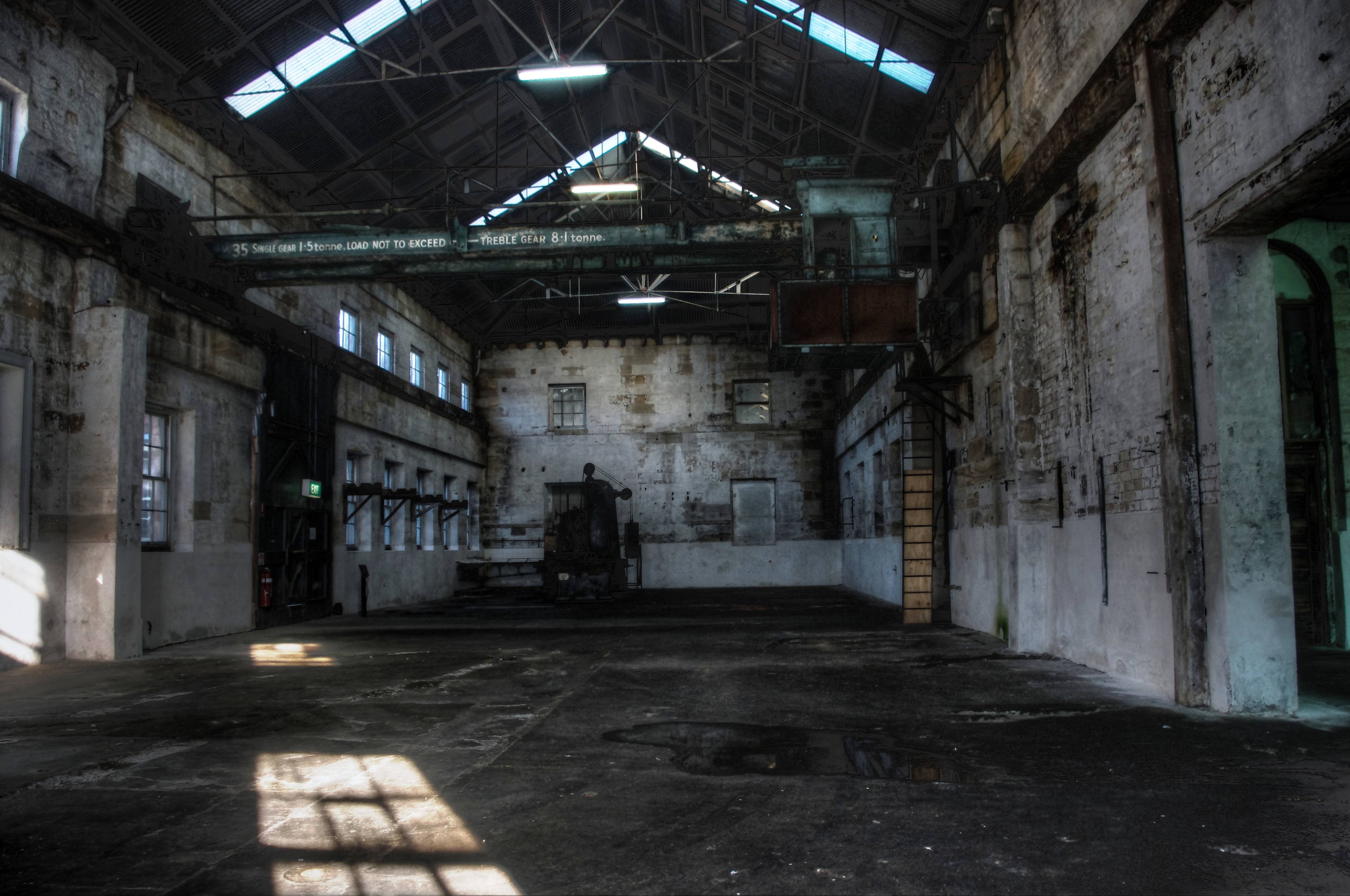
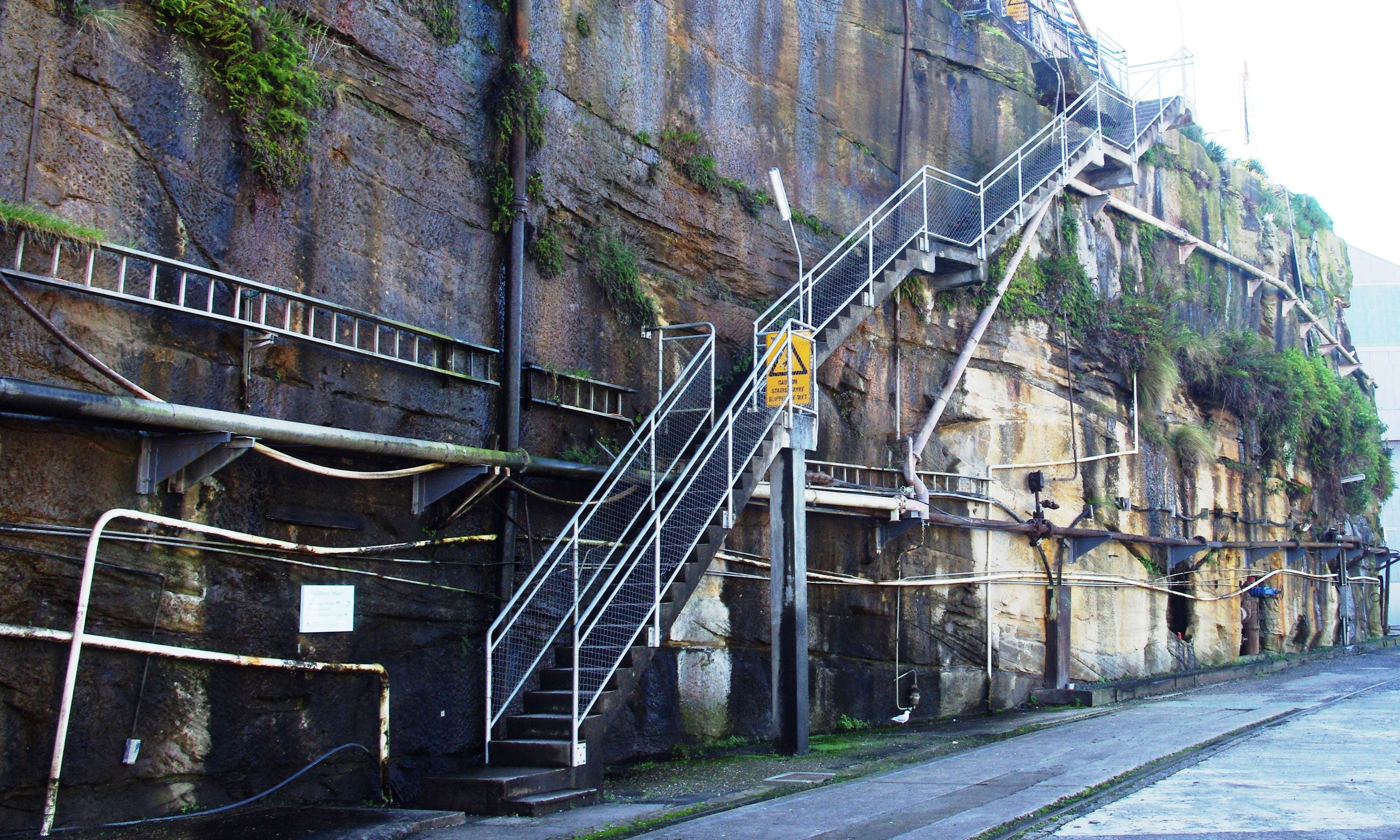
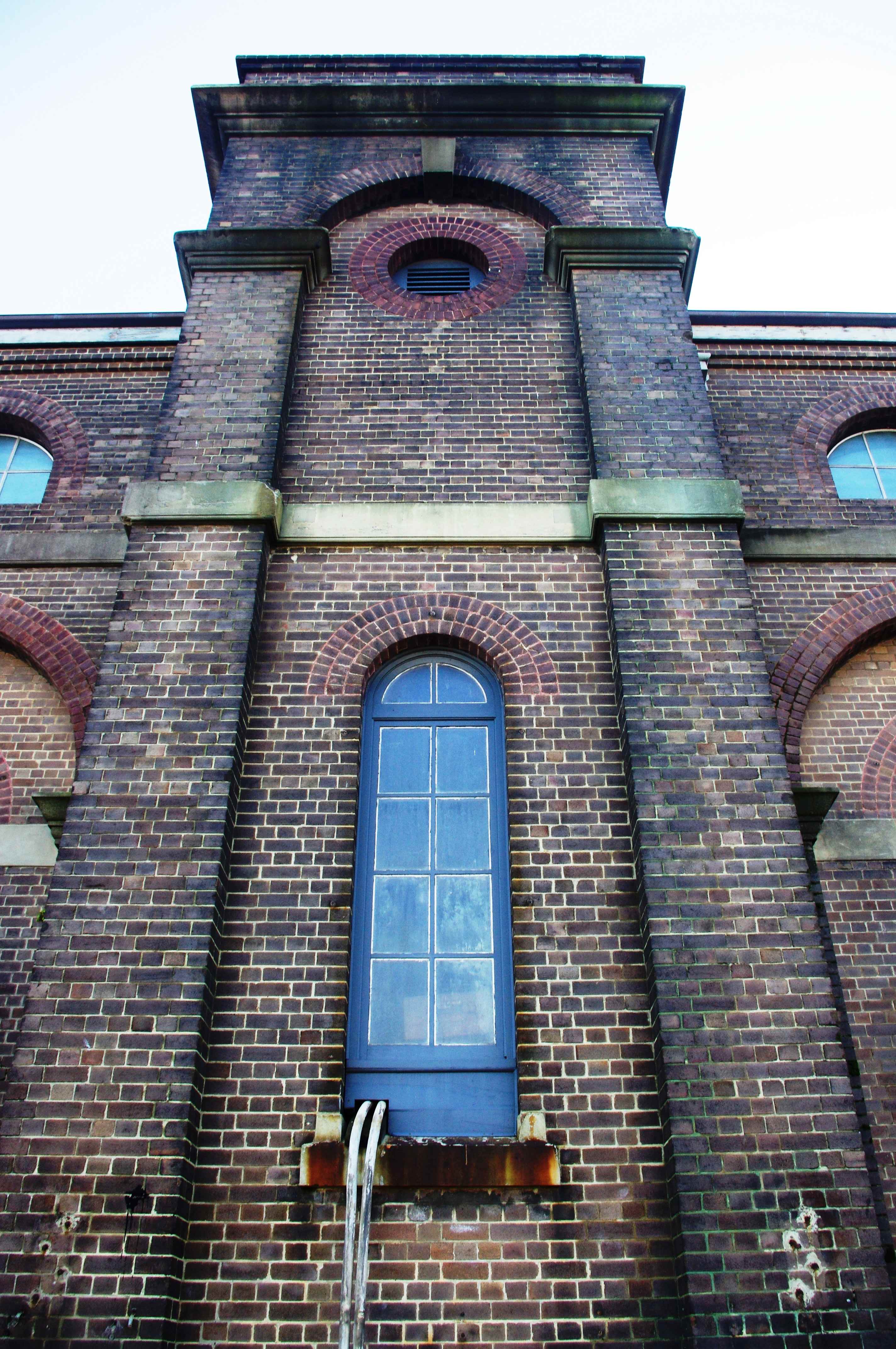
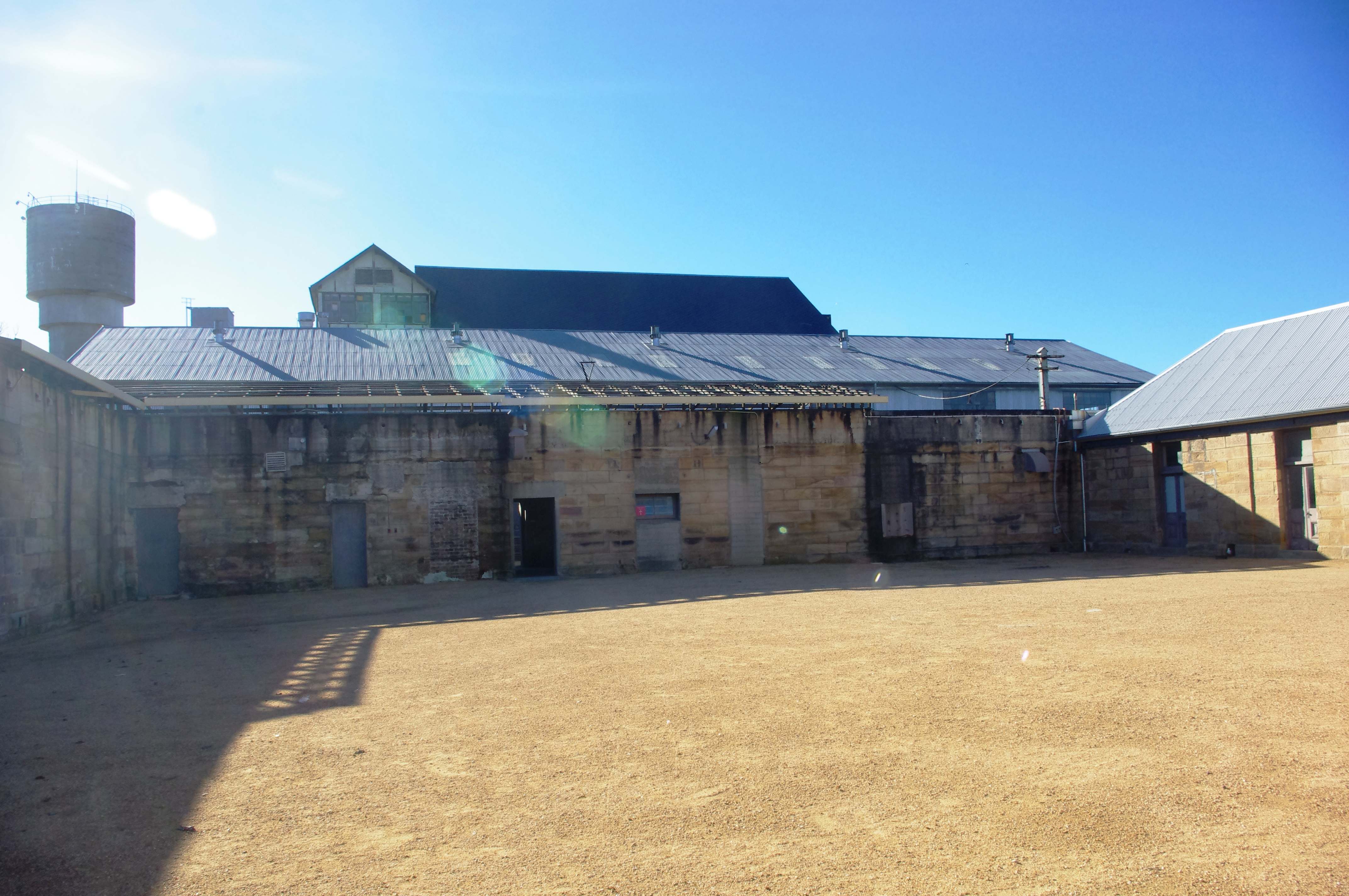
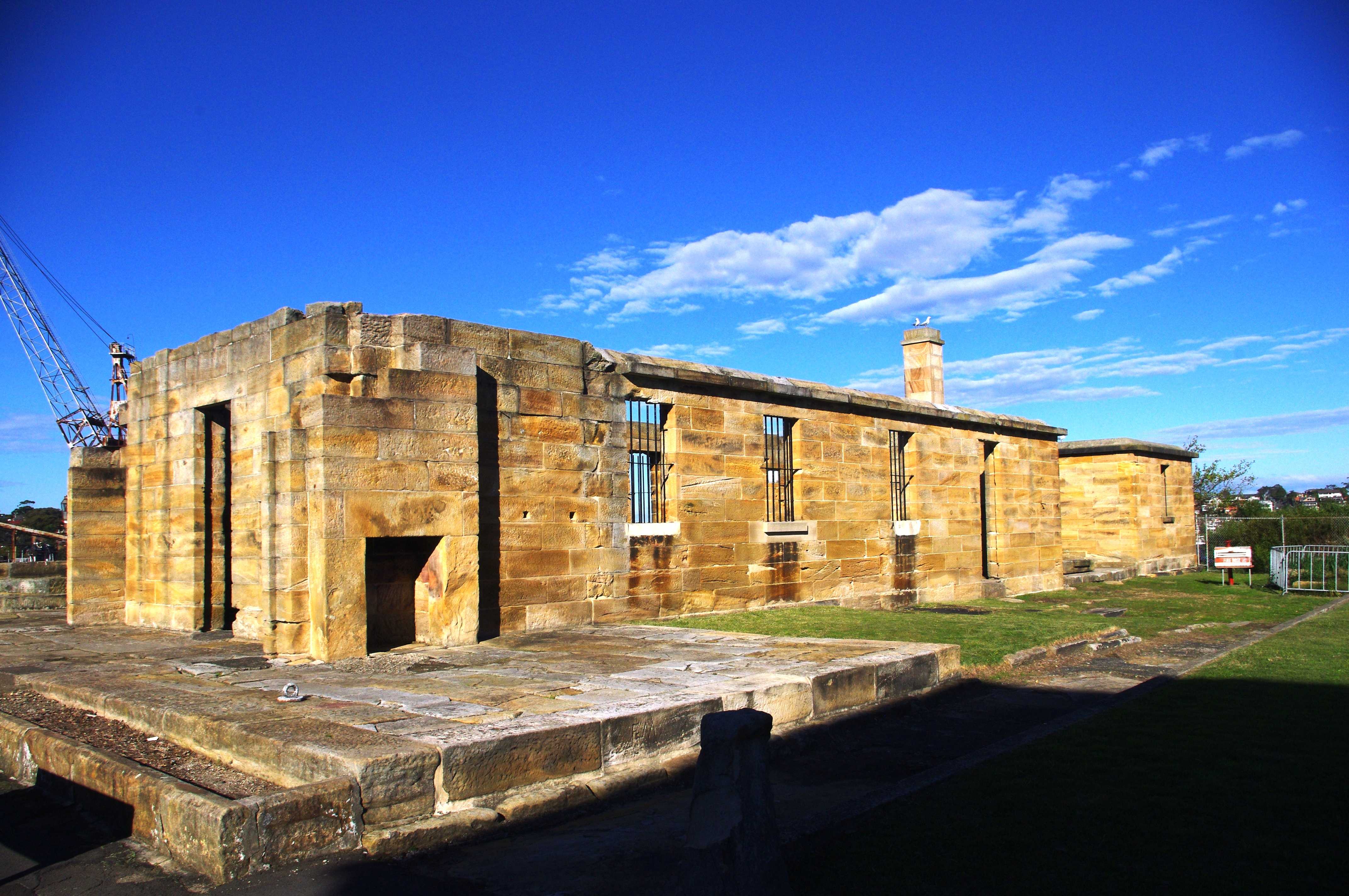
The islands prison, and the garrison to guard them were a readily available source of workers for the islands shipyard and to quarry the sandstone of which the island is comprised.




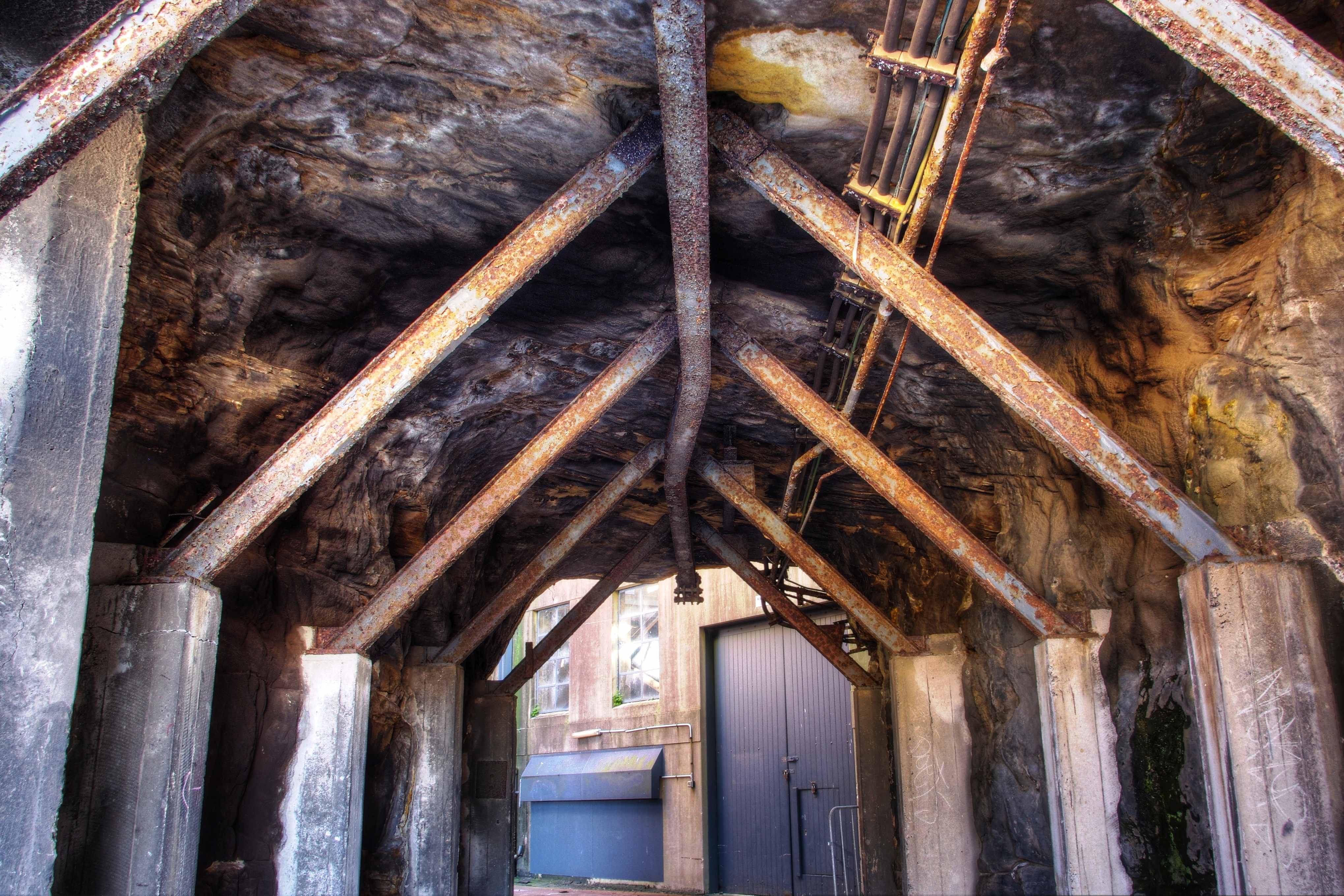
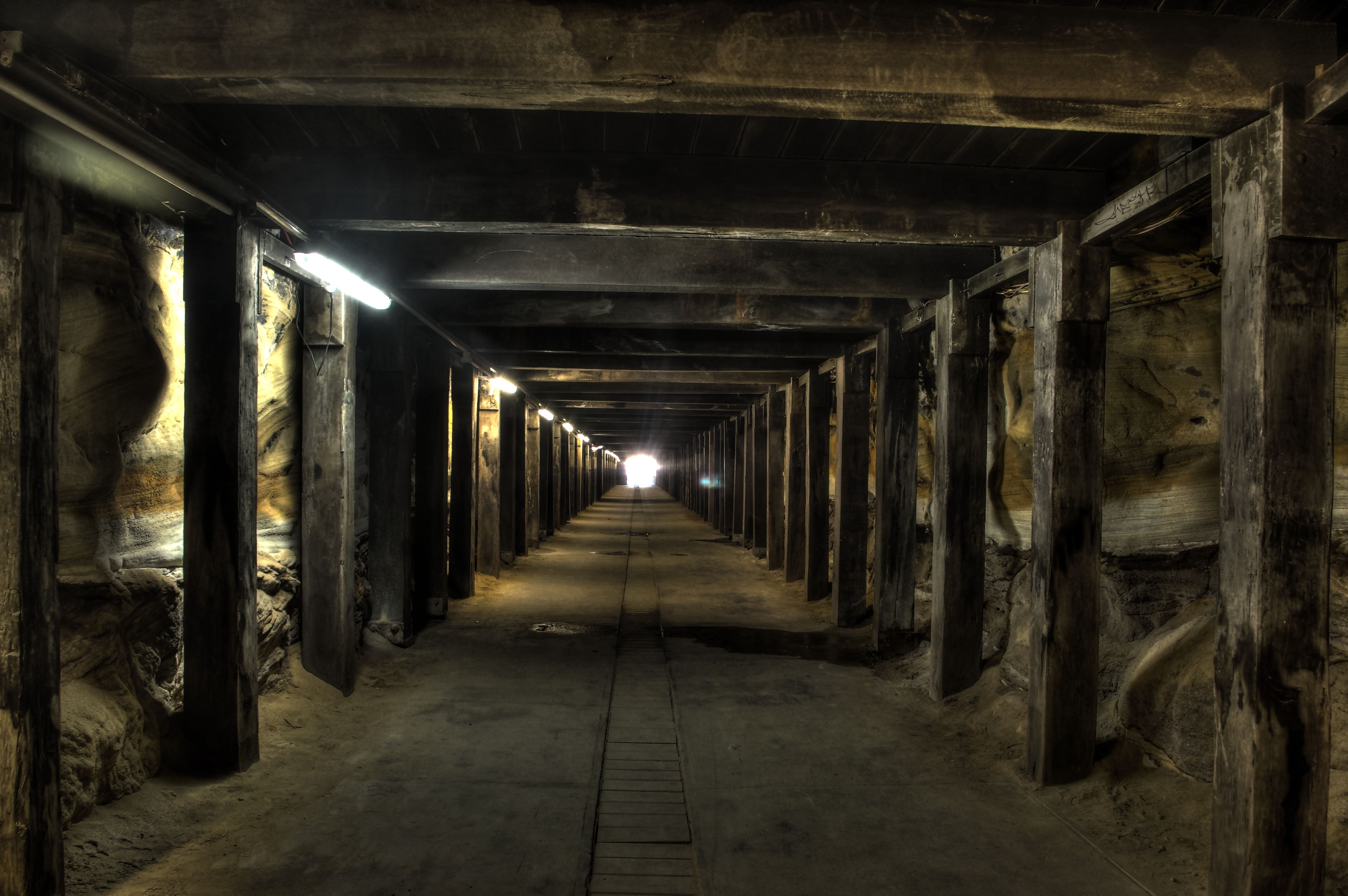
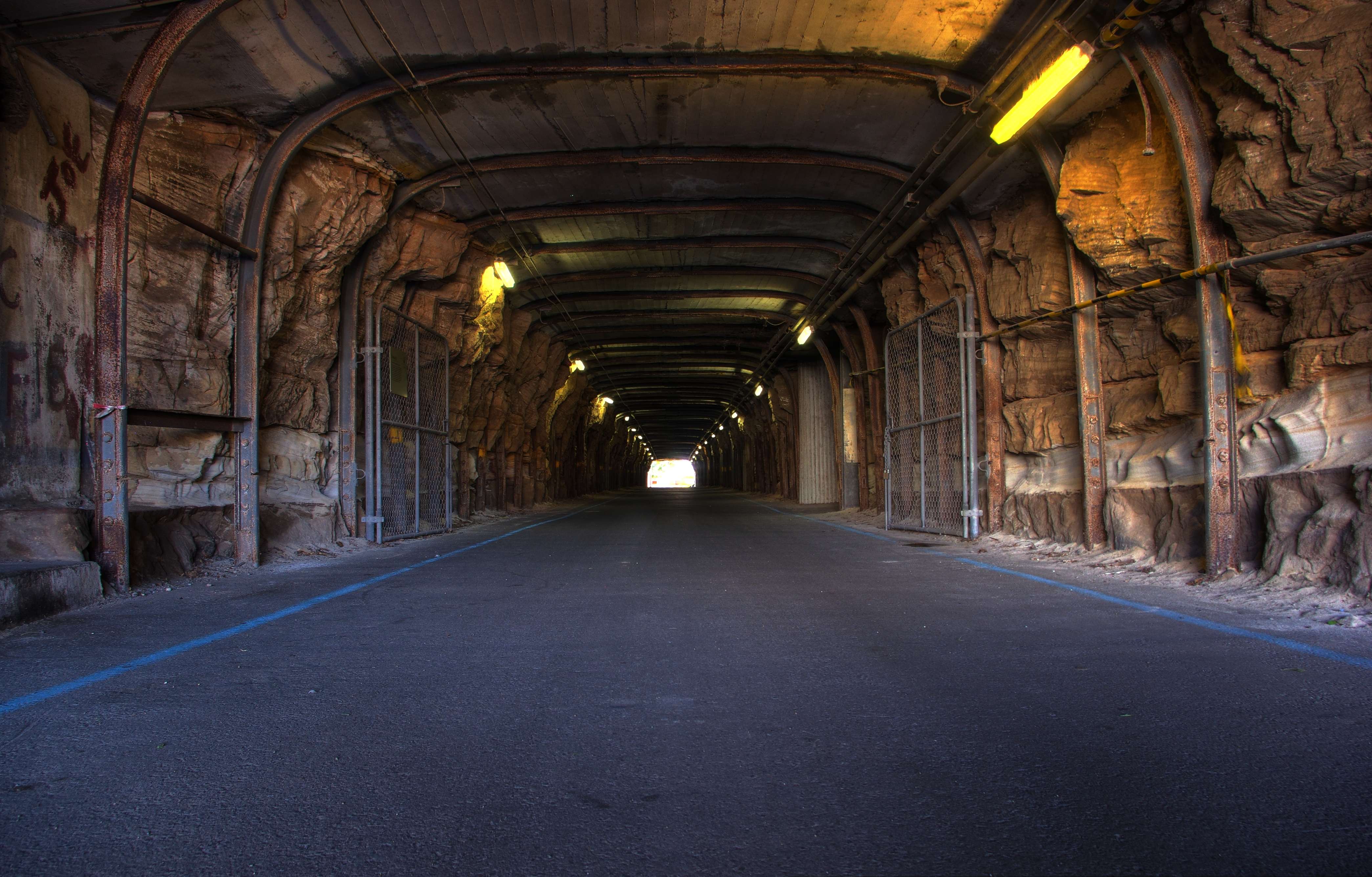
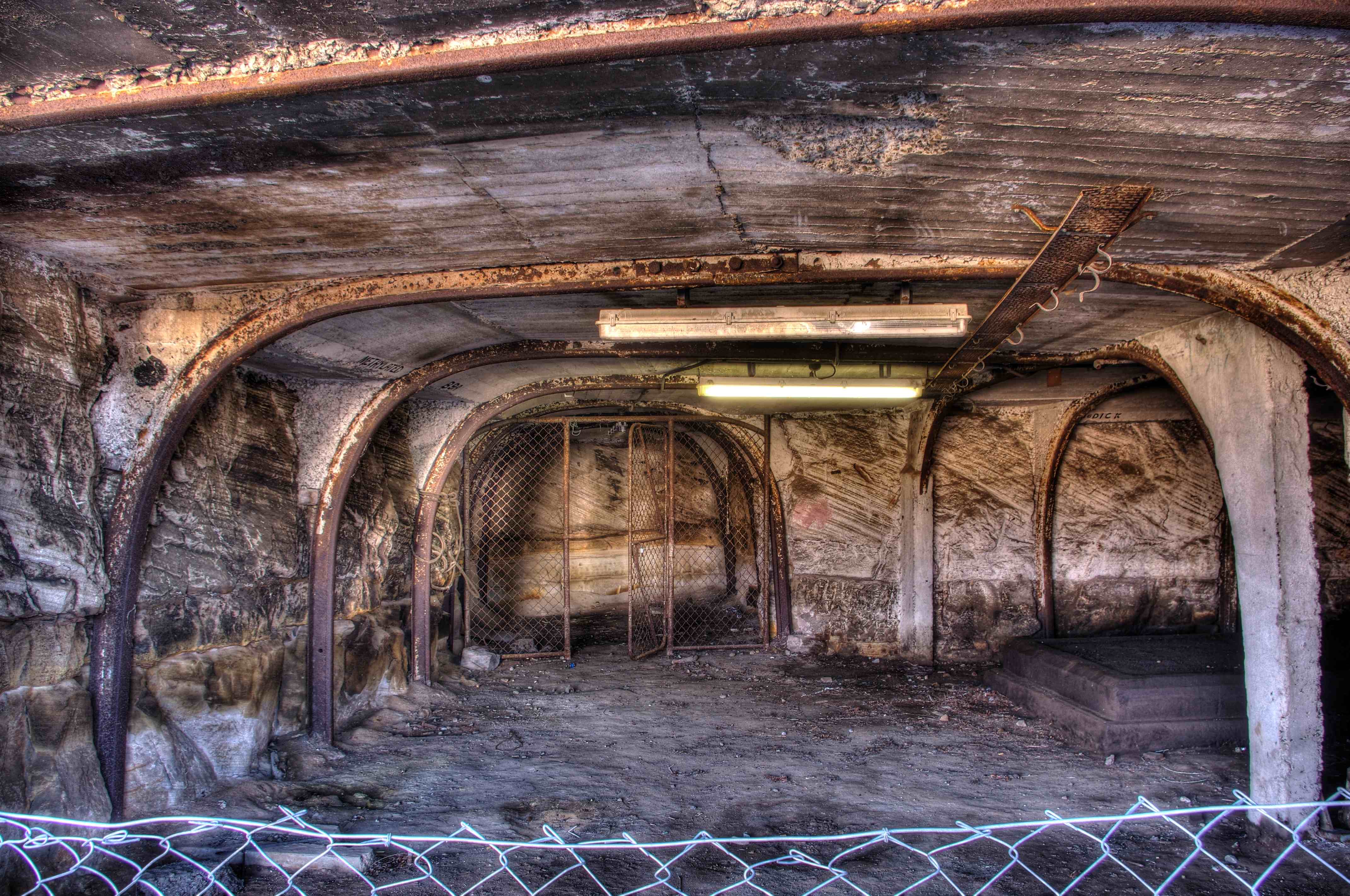
Underneath the Island, in the areas not hewn away to make room for heavy industry, Cockatoo island is criss-crossed with a myriad of tunnels, facilitating the movement of people, materials and equipment across the island. These also served a dual purpose as an air-raid shelter for use in the Second World War: one was even kitted out with an infirmary located in an annex to the main tunnel. Another tunnel has an elevator running right down into it from the buildings atop the island, down through the rock.



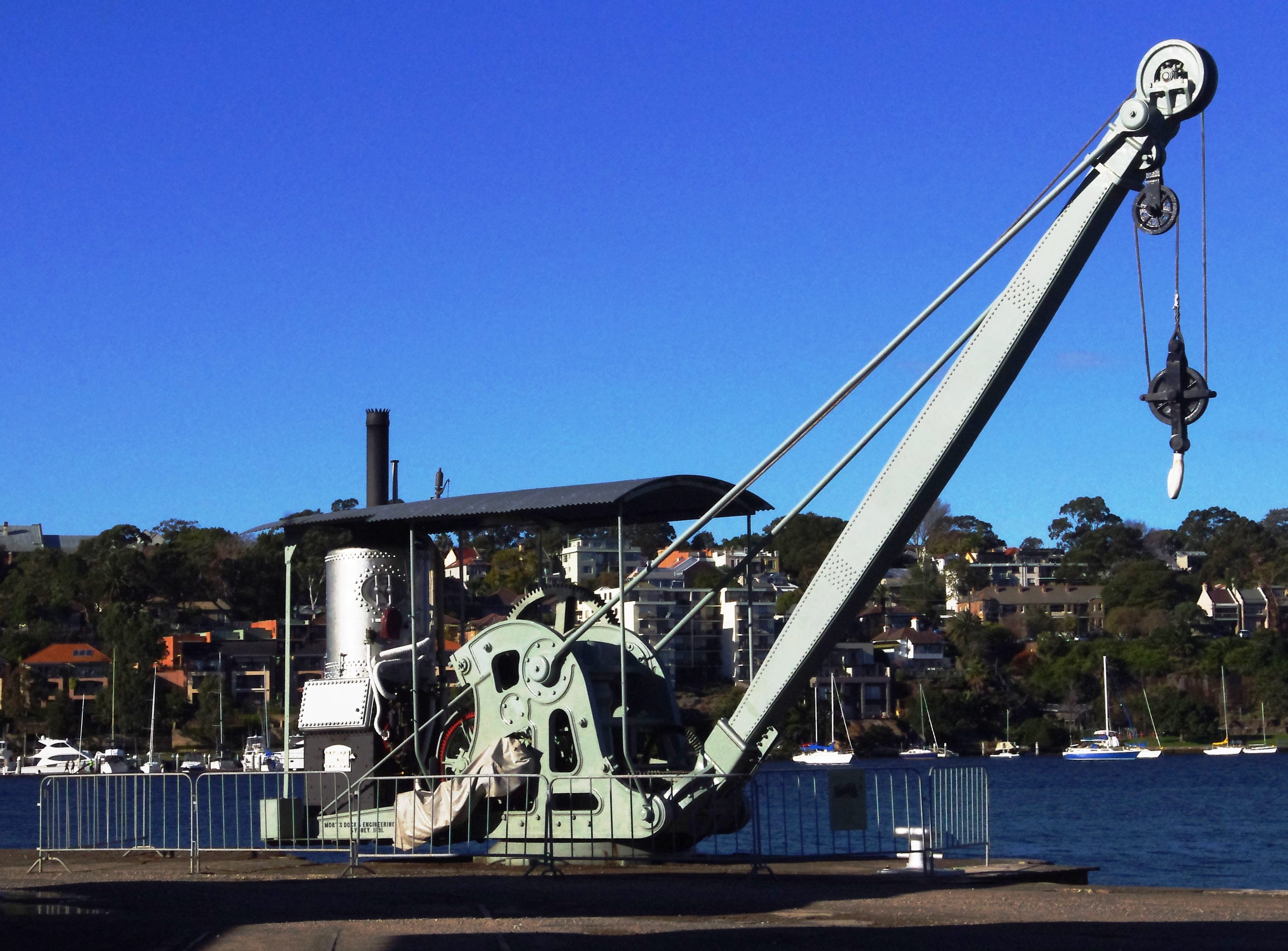
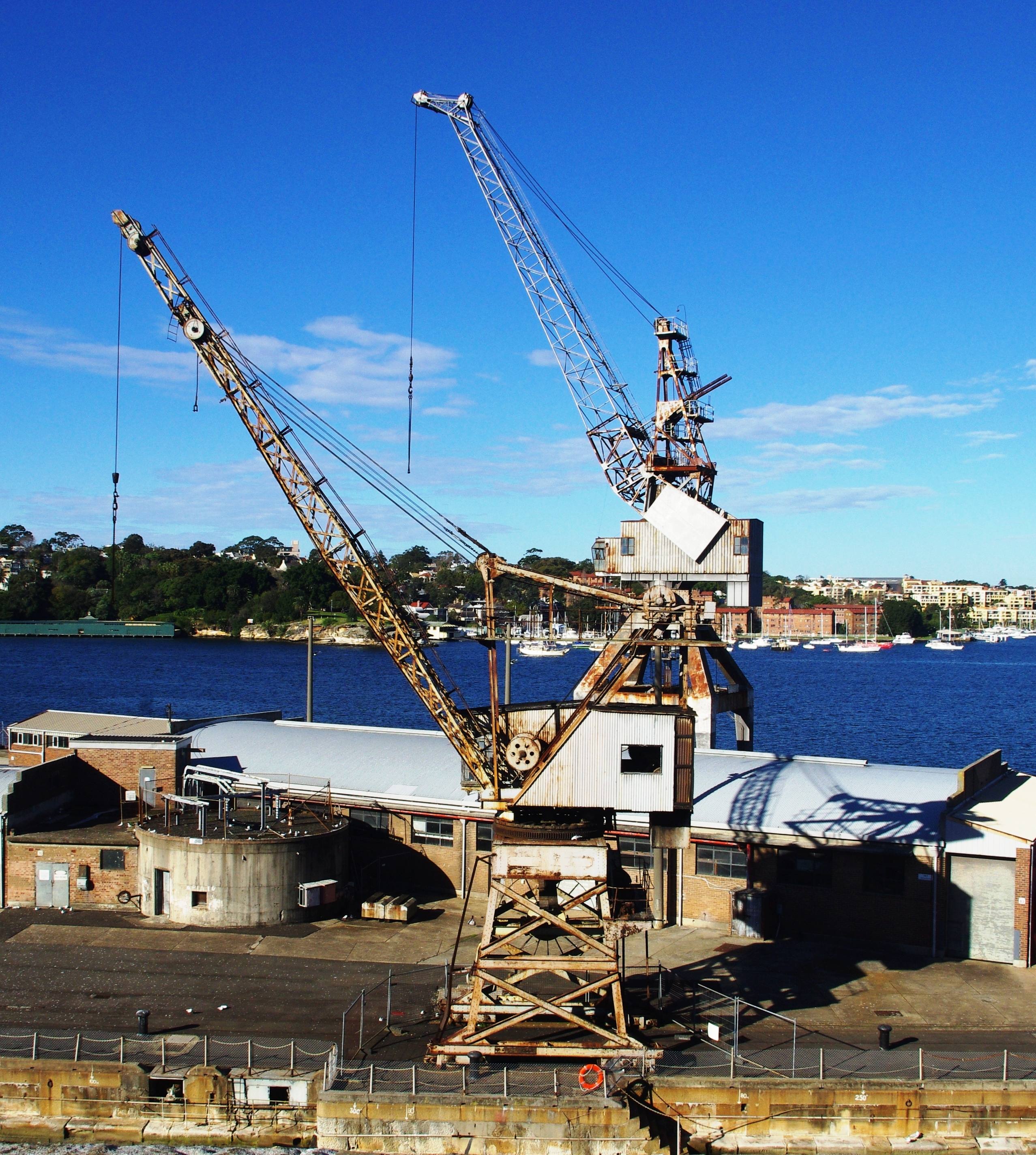
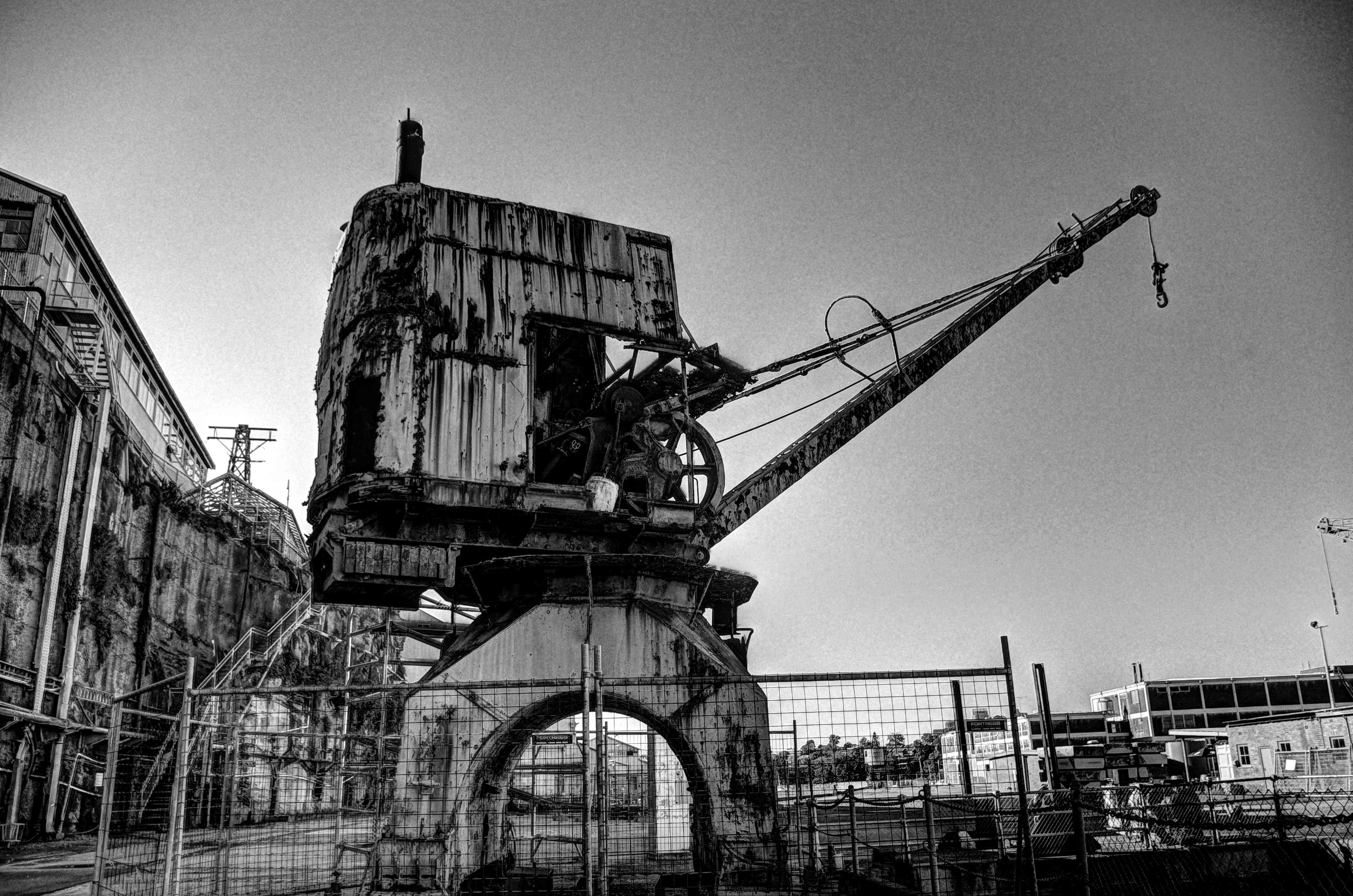
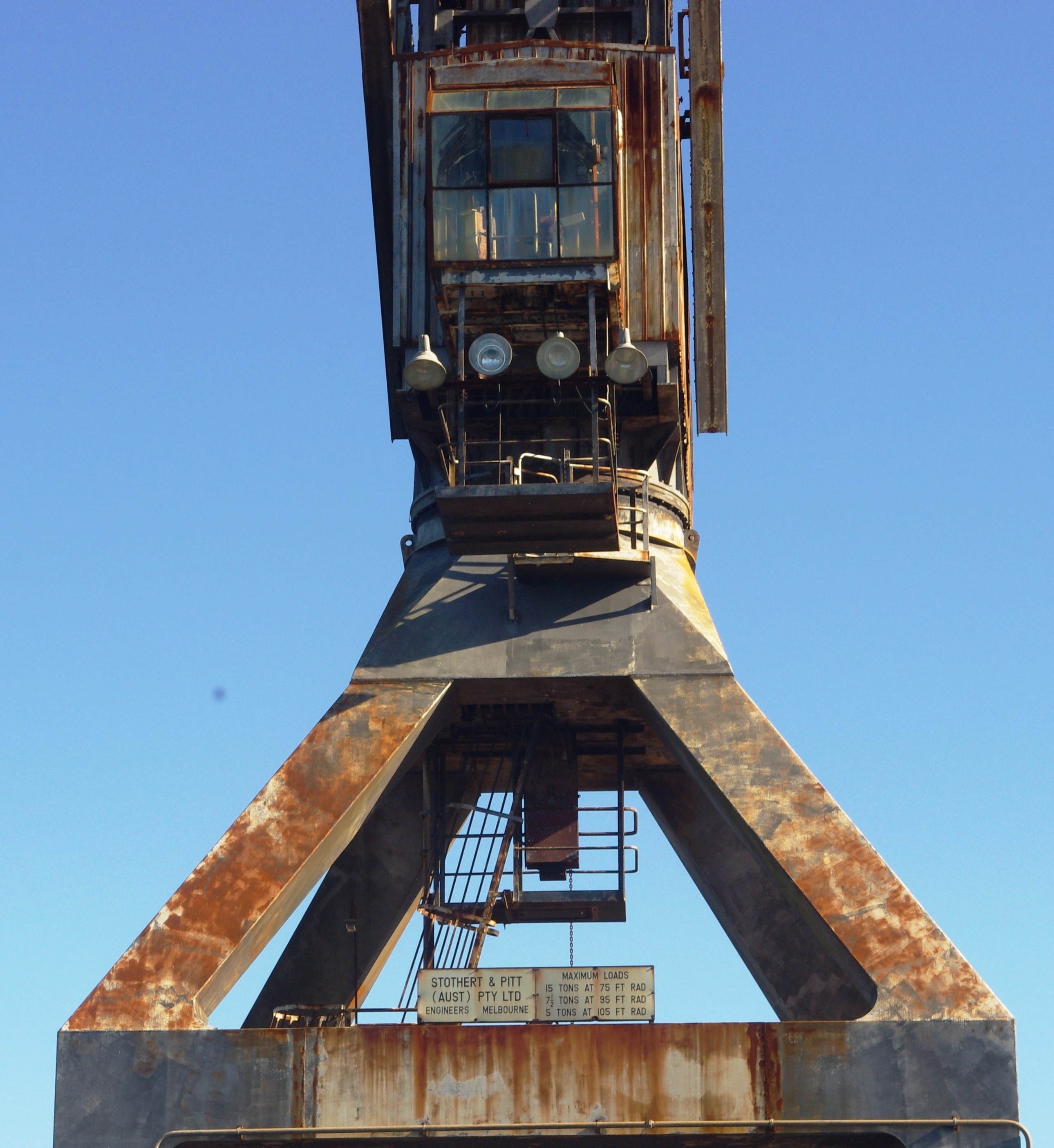
Littering the Cockatoo Island landscape, these sentinels are an imposing sight on the skyline. Many of the cranes have fallen into incredible states of disrepair, with some of the booms having become completely detached from the body of the crane.
These cranes are the subject of my first post on Cockatoo Island, one is even a familiar reminder of home. Stothert and Pitt cranes are familiar to us from our explorations in Wellington, and are also a common sight on the Island.





There are people who, like houses, are beautiful in dilapidation. Logan P. Smith
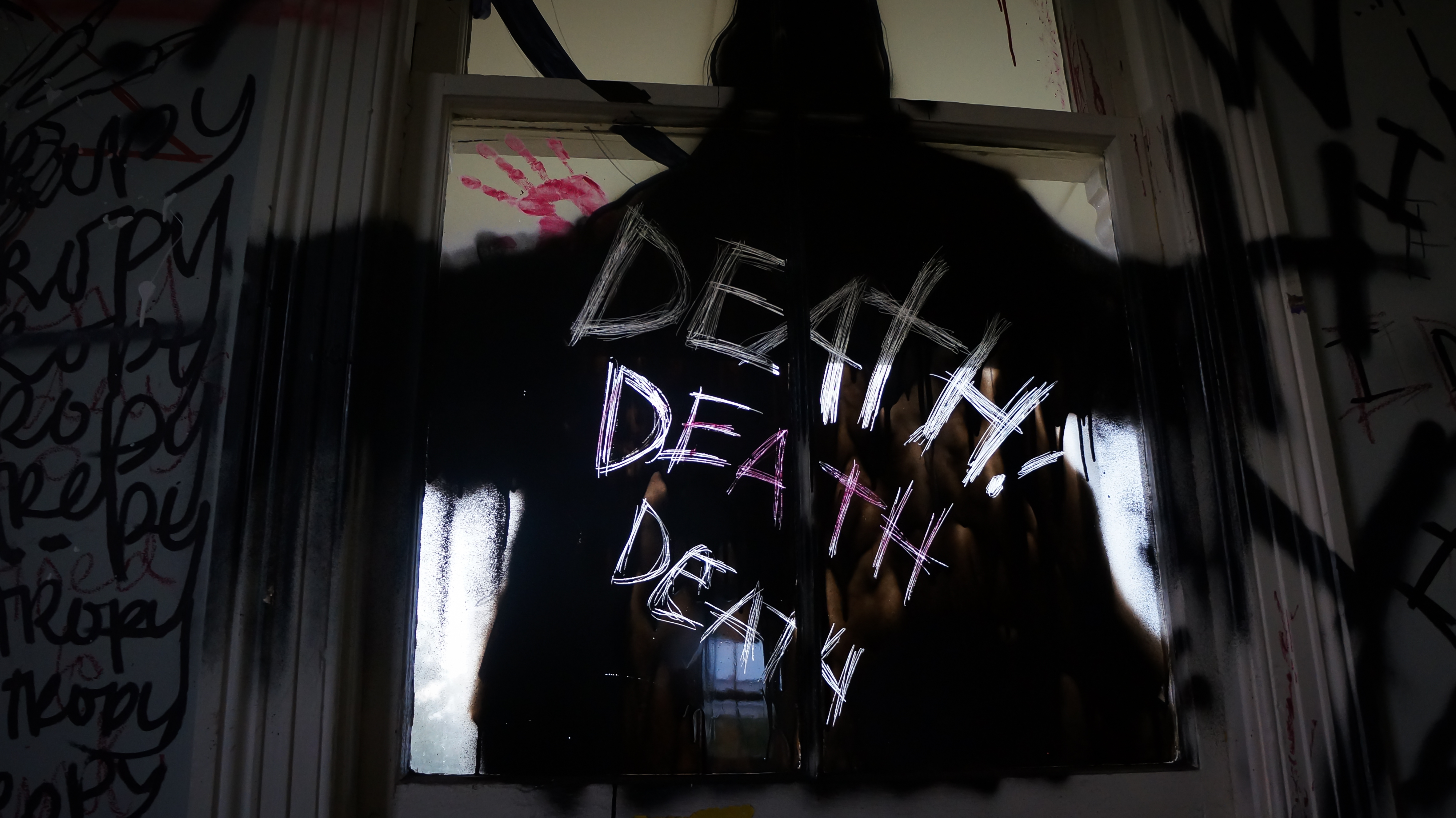


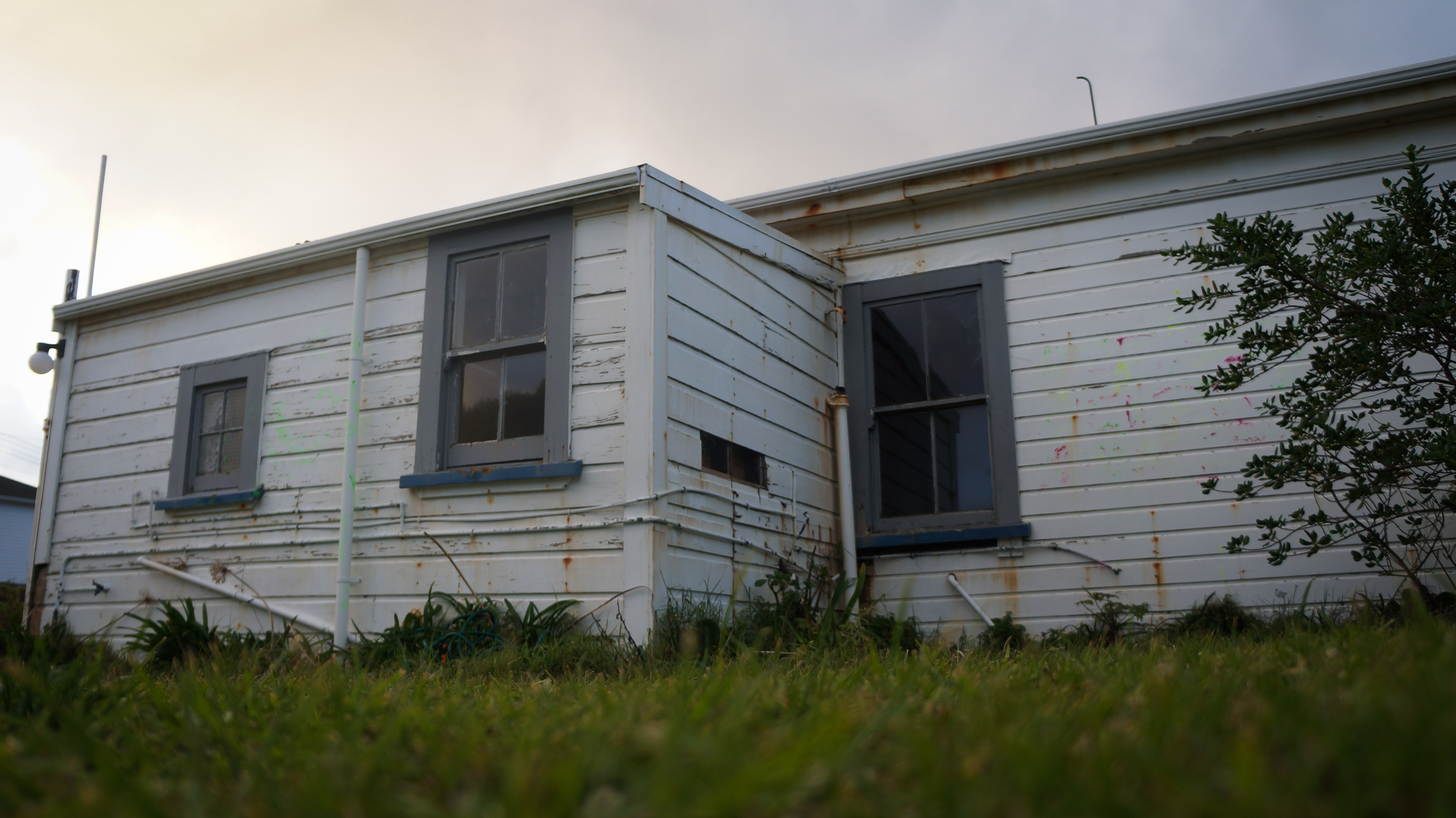
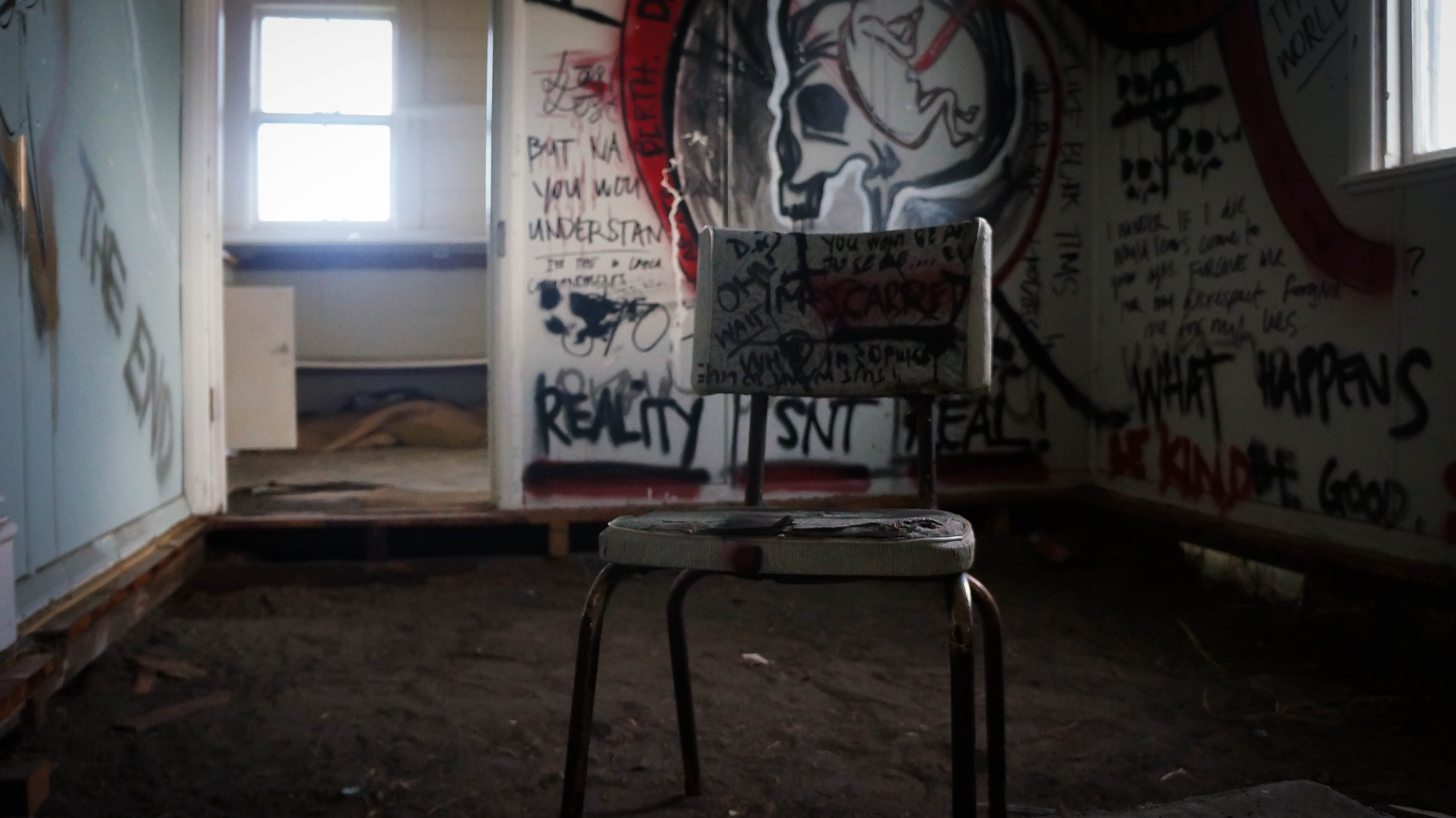
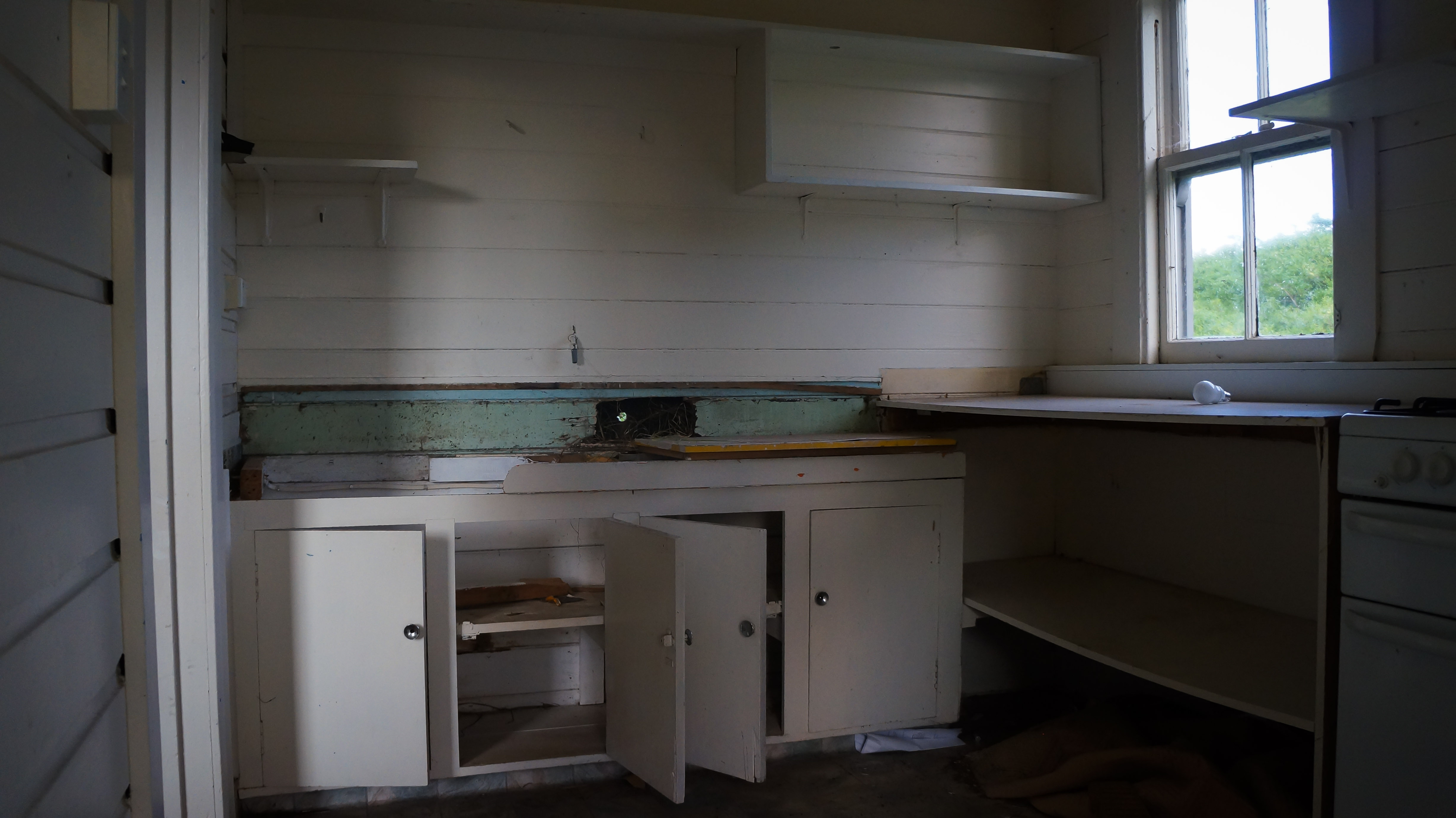
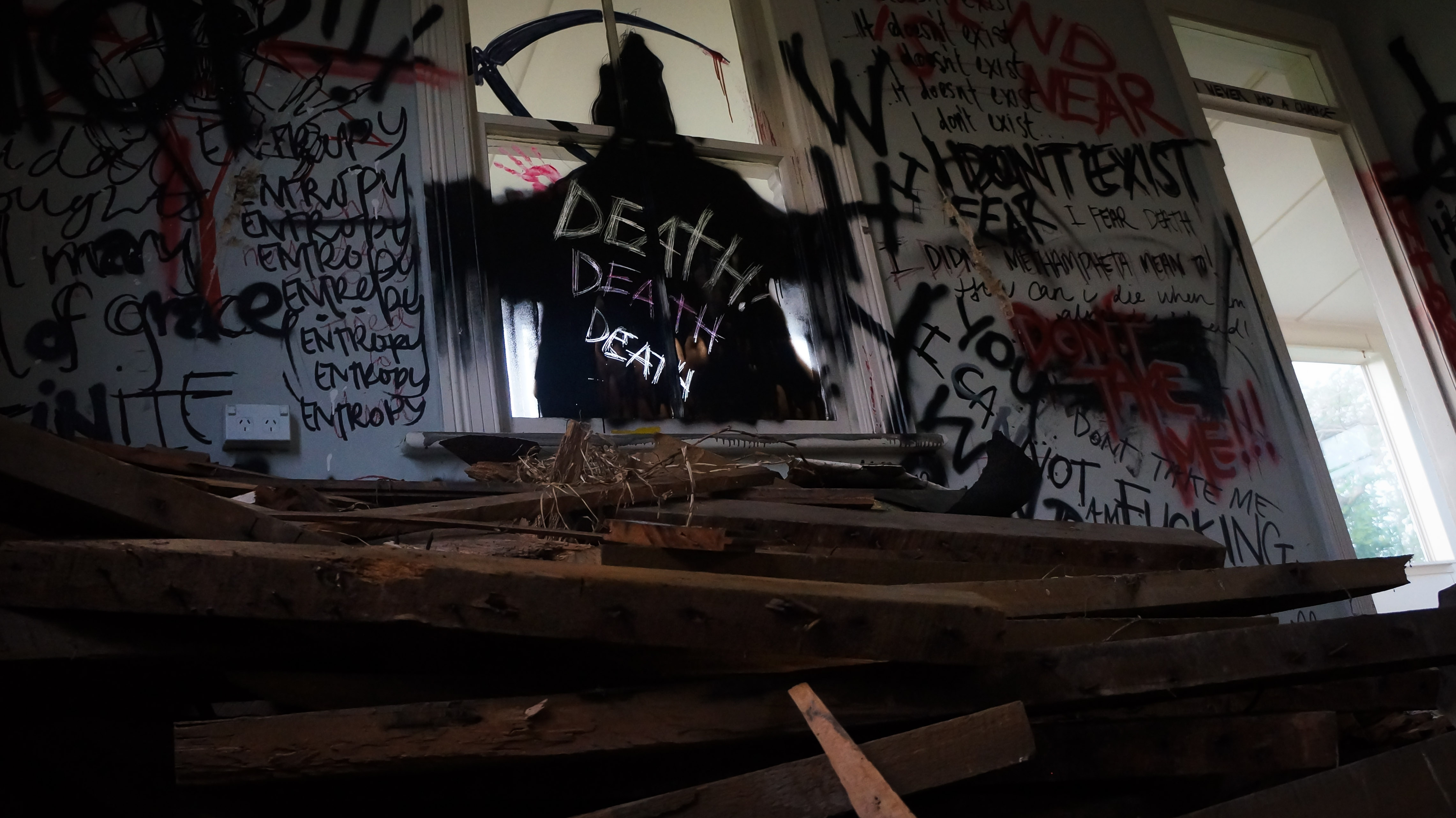
Beelitz-Heilstätten, just south of Berlin, was a large hospital complex that has its beginnings in 1898.

Originally designed as a sanatorium – with the outbreak of World War I in 1914, it was converted into a military hospital for the German Army.

The suitably freezing, misty day only emphasised the eeriness of the vast hospital complex, which consists of at least 60 buildings.

As we wandered around trying to find a way inside, it was strange to think that a gammy-legged Hitler may have once walked these very same steps almost a century ago.

During the months of October and November of 1916, a young Adolf Hitler recuperated here (unfortunately) after being wounded in the leg at the Battle of the Somme.

Eventually we gained access through a broken basement window, spending the next several hours exploring the derelict hospital…

At the close of World War II in 1945, Beelitz-Heilstätten was occupied by Soviet forces – remaining a Soviet military hospital up until 1995, well after German reunification. Since the late 1990’s however, the complex has been left mostly abandoned and become a favourite playground for urbex in Germany.

Our exploration was finally interrupted when a team of men in hi-visibility jackets arrived on the scene.

As night was descending, we felt it was about time to leave anyway – only wishing we’d taken some better photos before our hasty exit…

Abandoned rolling-stock, or so we thought. They’d been sitting there idle for years, but within a couple of weeks of our visit- they had disappeared without a trace…


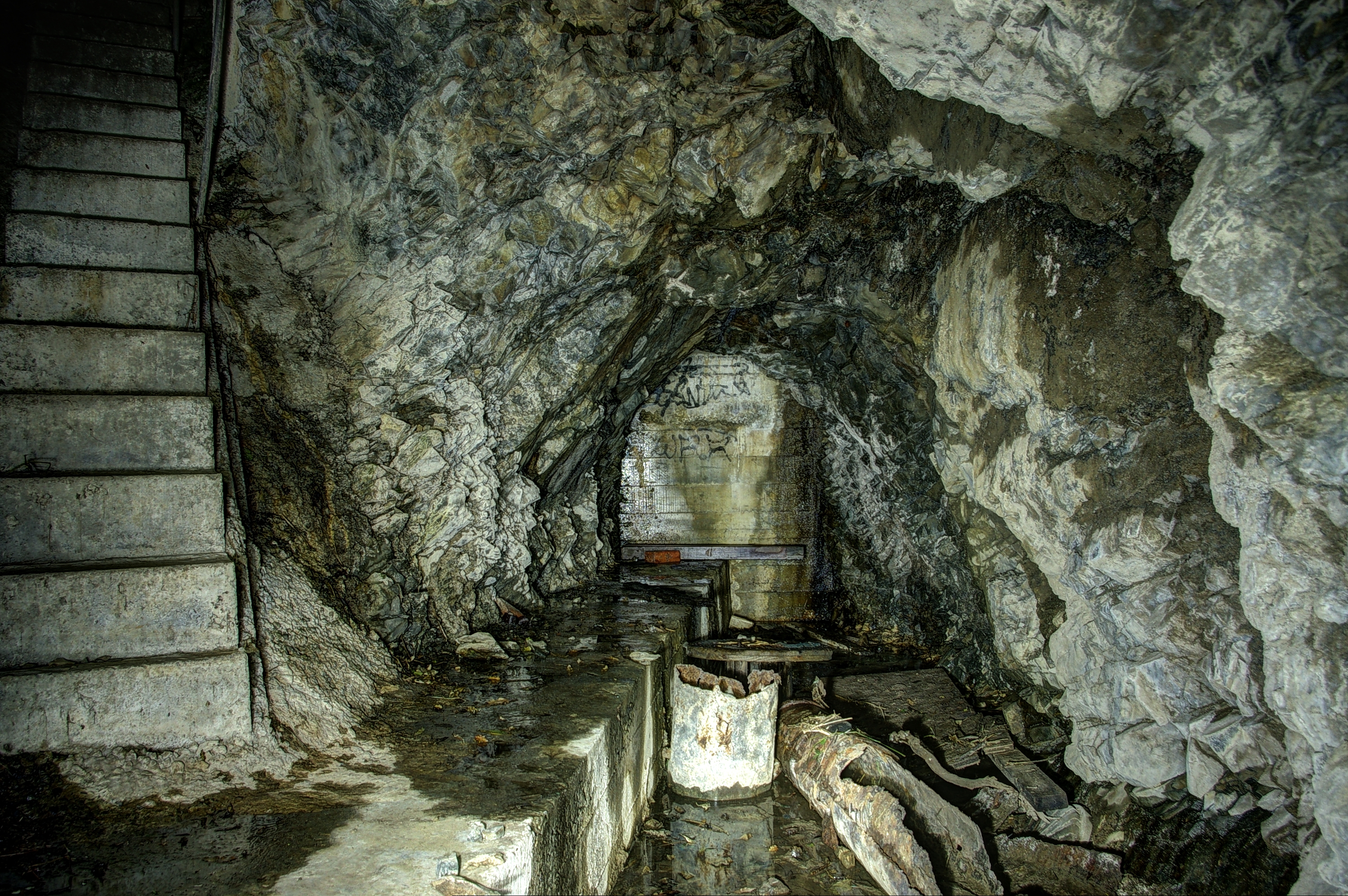
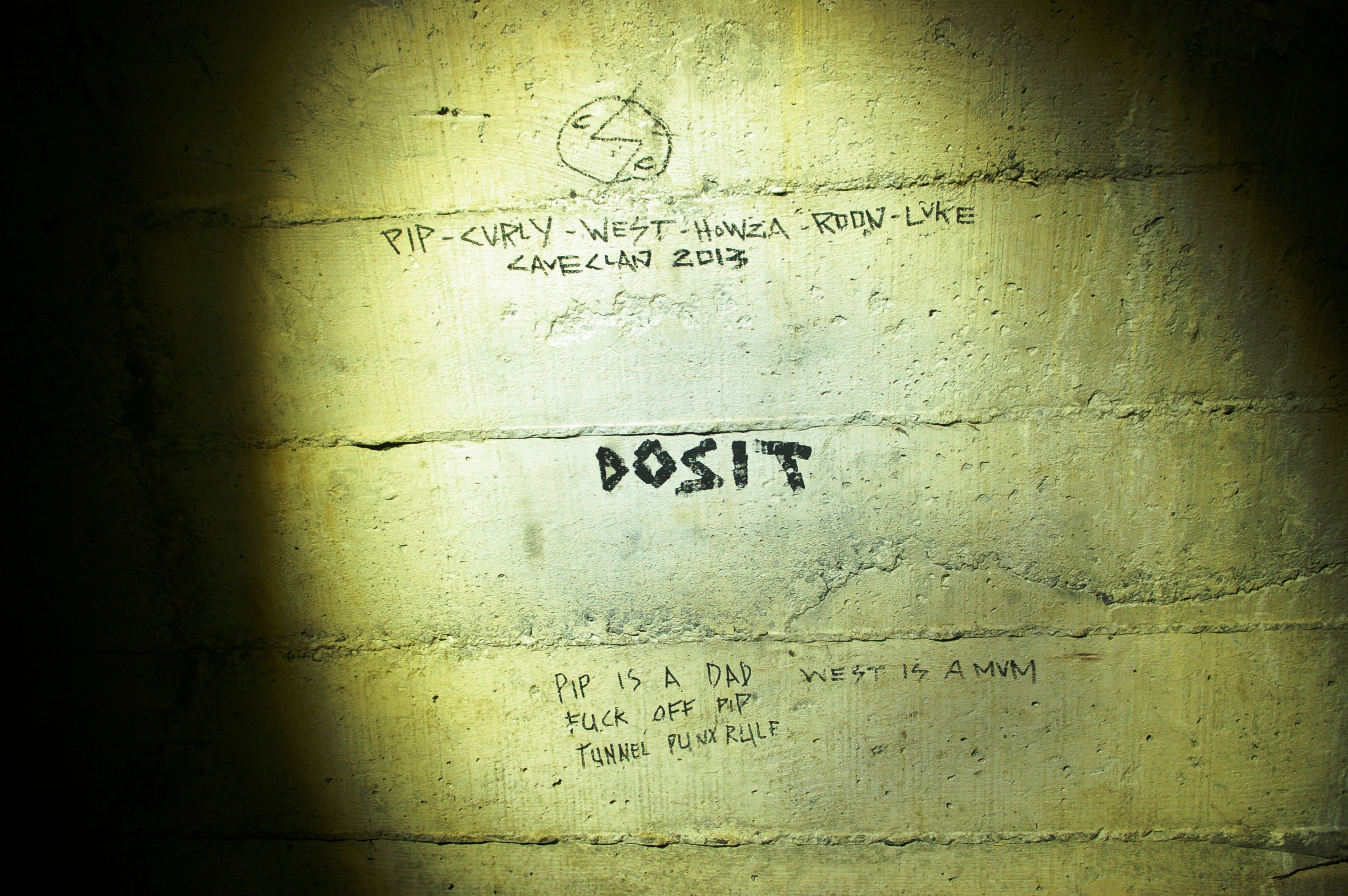
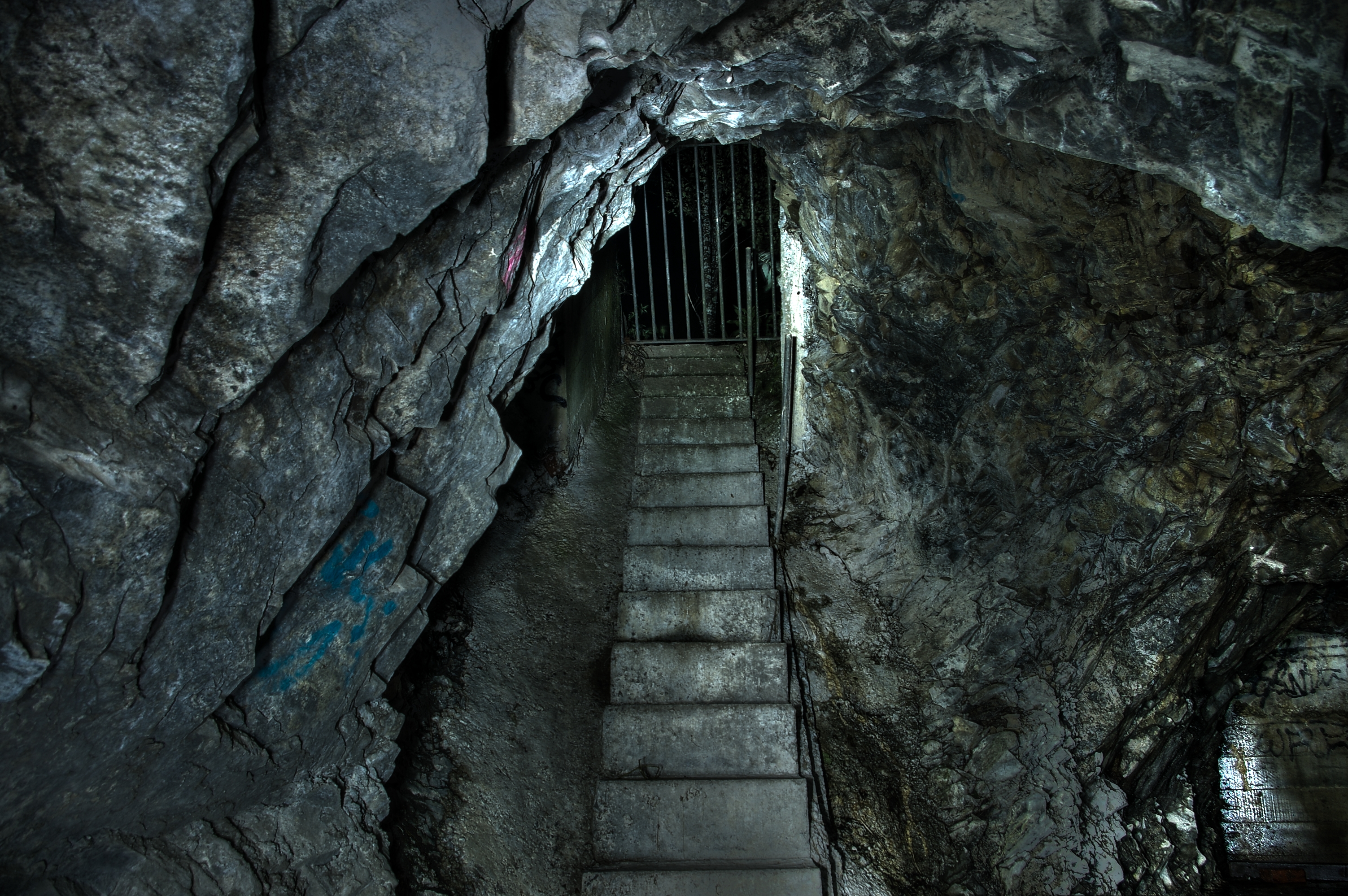
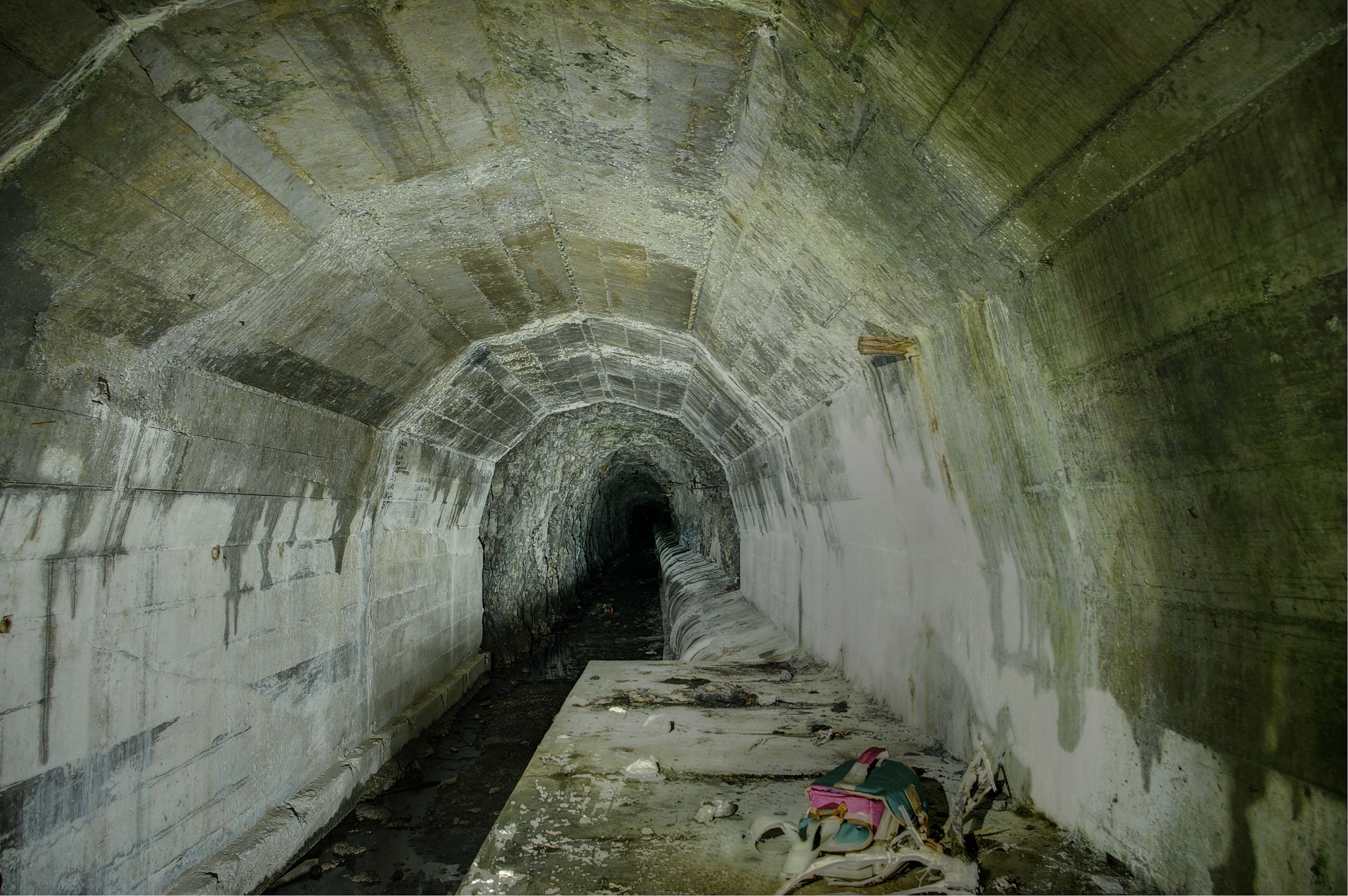
We returned to an old haunt, some tunnels hewn through the Wellington hills, to find that some visitors from the Cave Clan had been through since our last visit. These tunnels run right through the hills carrying sewage in an enclosed pipe, the tunnels themselves have been hewn from the rock and the bare rocks are visible throughout. It was rumored that a large amount of money was hidden in these tunnels after a notorious Wellington bank robbery, council workers were sent in to investigate and the money was never found.



A retired Abortion Clinic known as Parkview, part of Ewart Hospital and the Wellington Hospital.
Opened in 1980 and short lived until it was forgone in 2000.
While it has been the subject of a lot of scrutiny and protest, it has been untouched and, ironically, resides next to a children’s kindergarten.


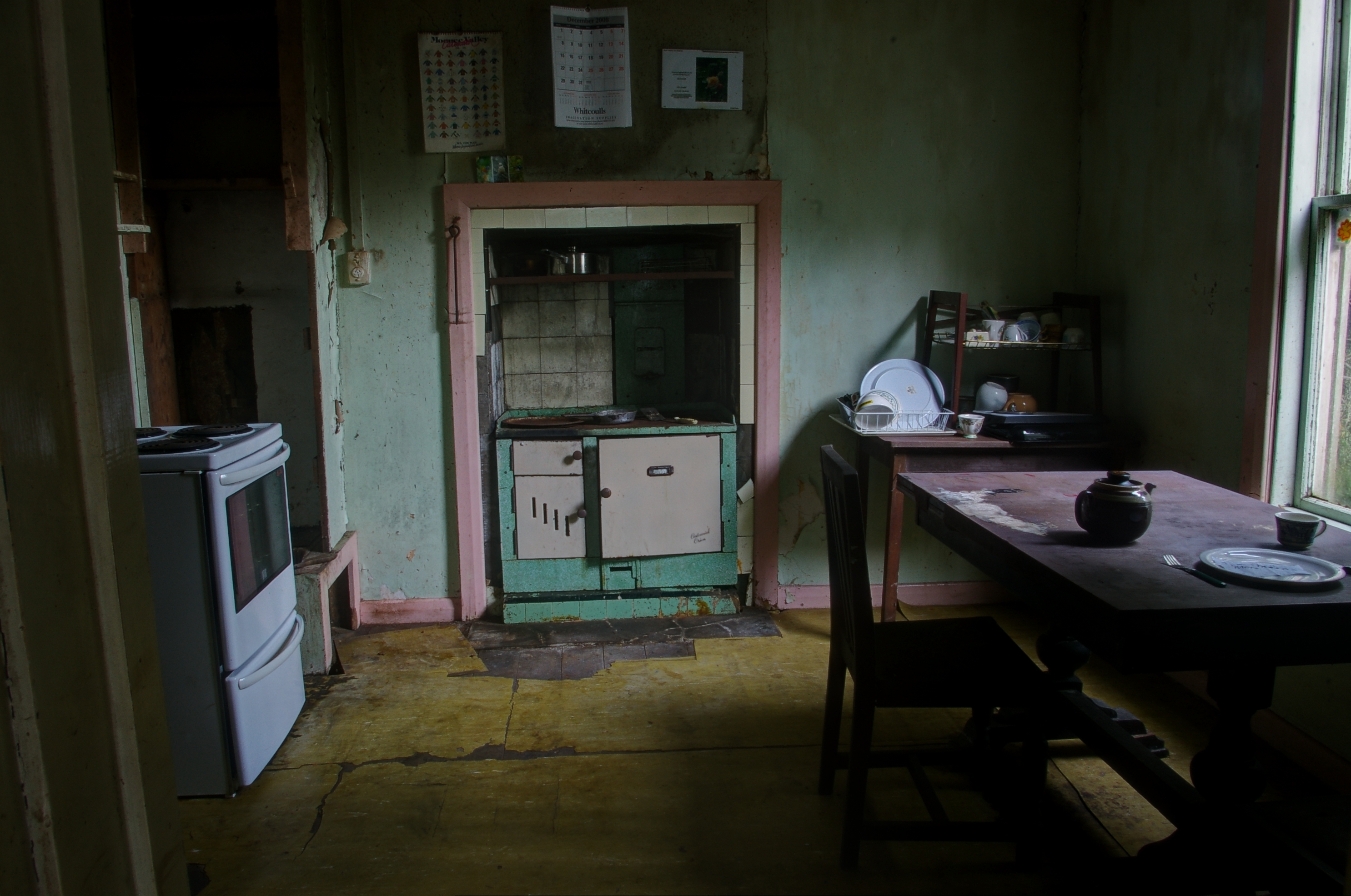
This abandoned house is trapped in time, there are numerous reminders of the history of this building scattered throughout. It is as if the occupants simply walked out 50 years ago, with dishes still drying in the kitchen…


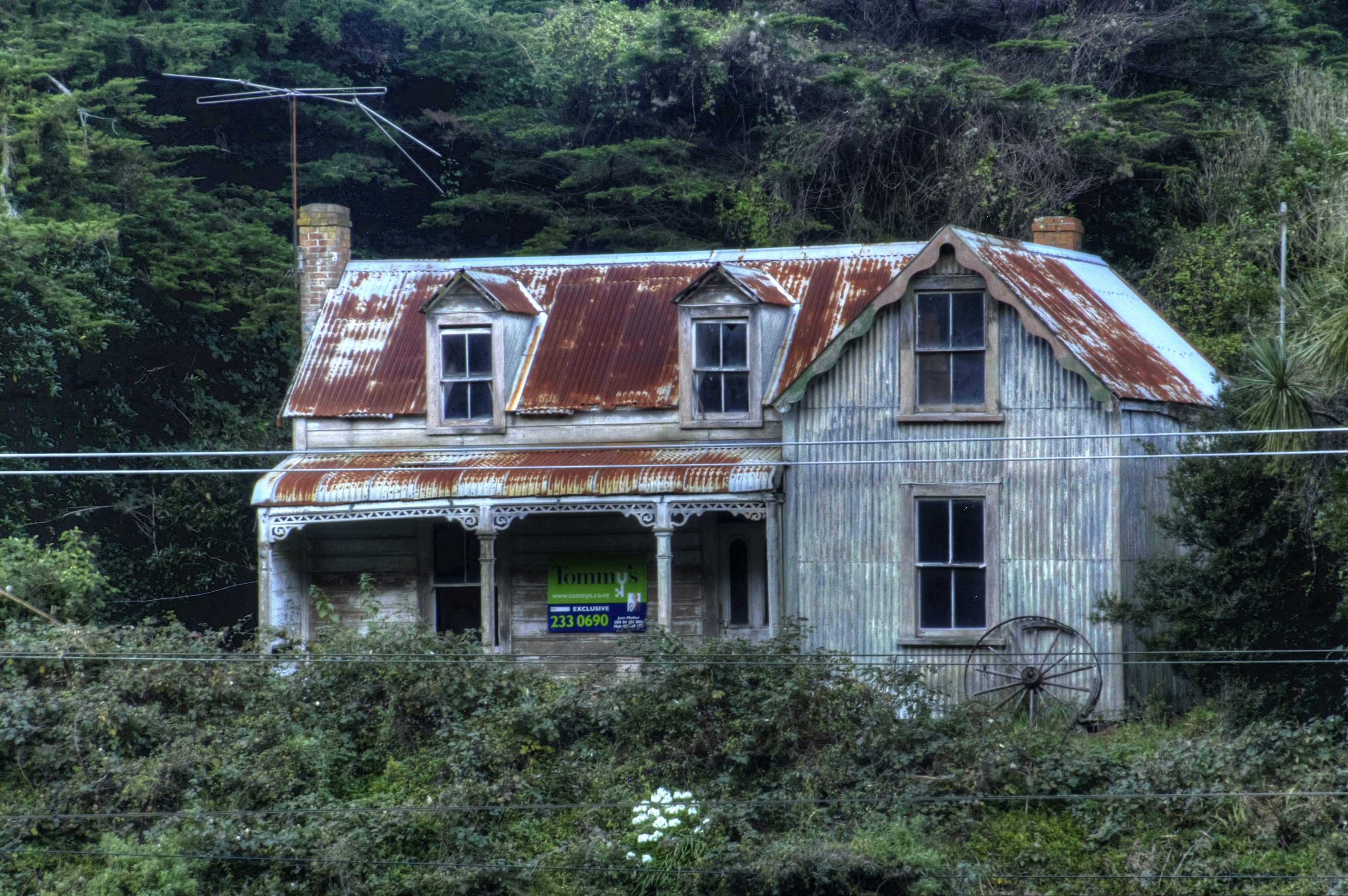
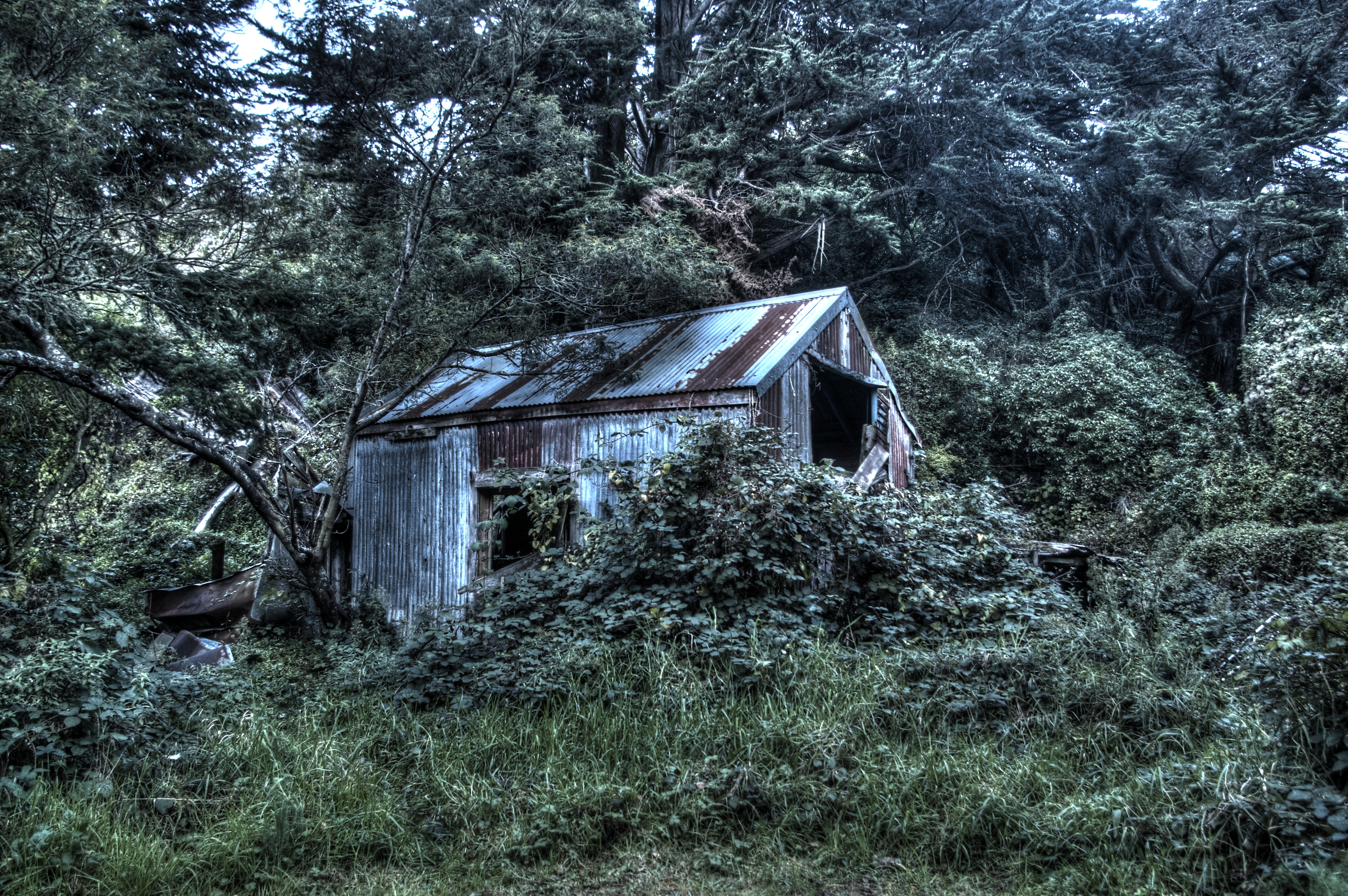

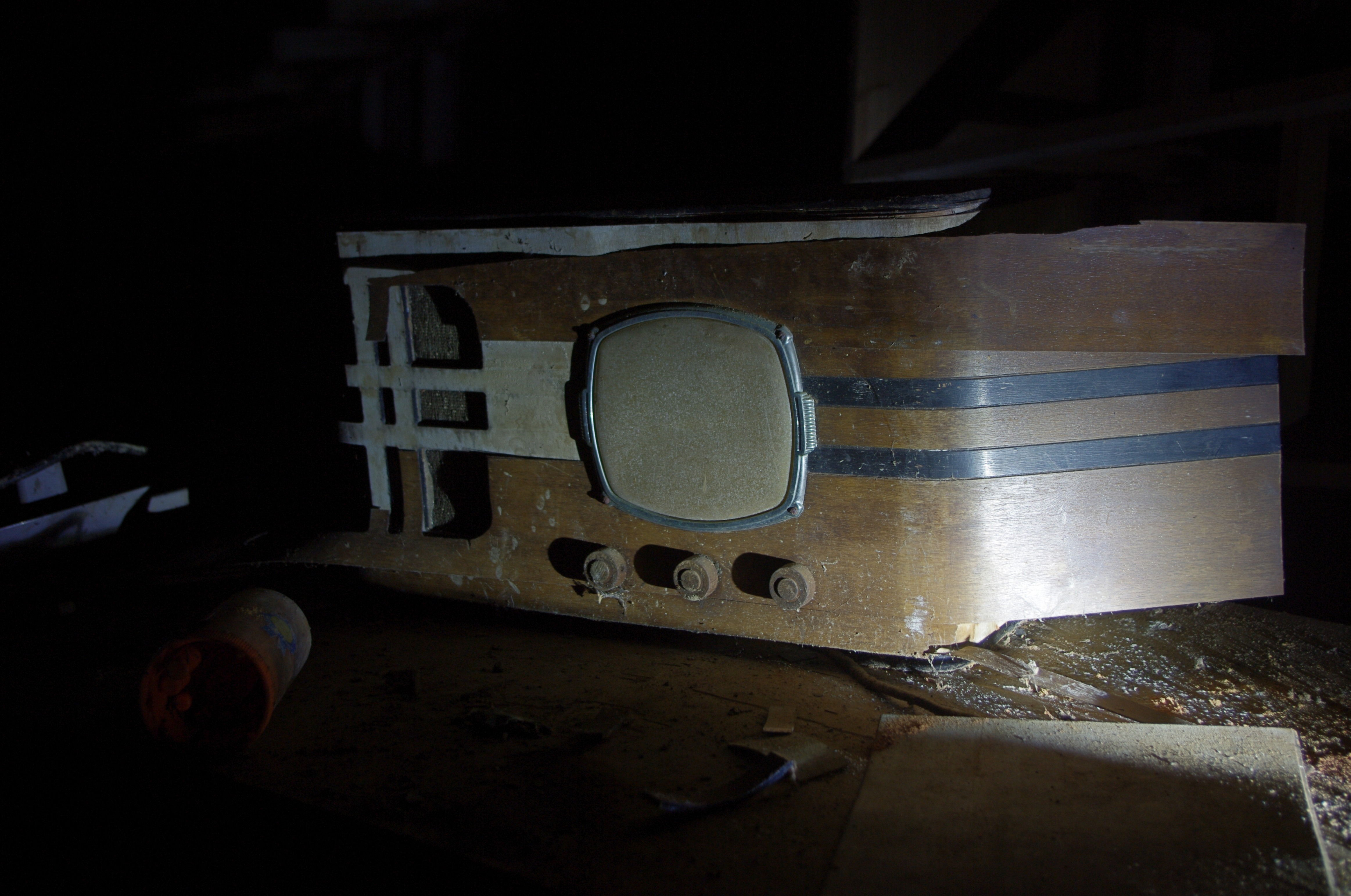


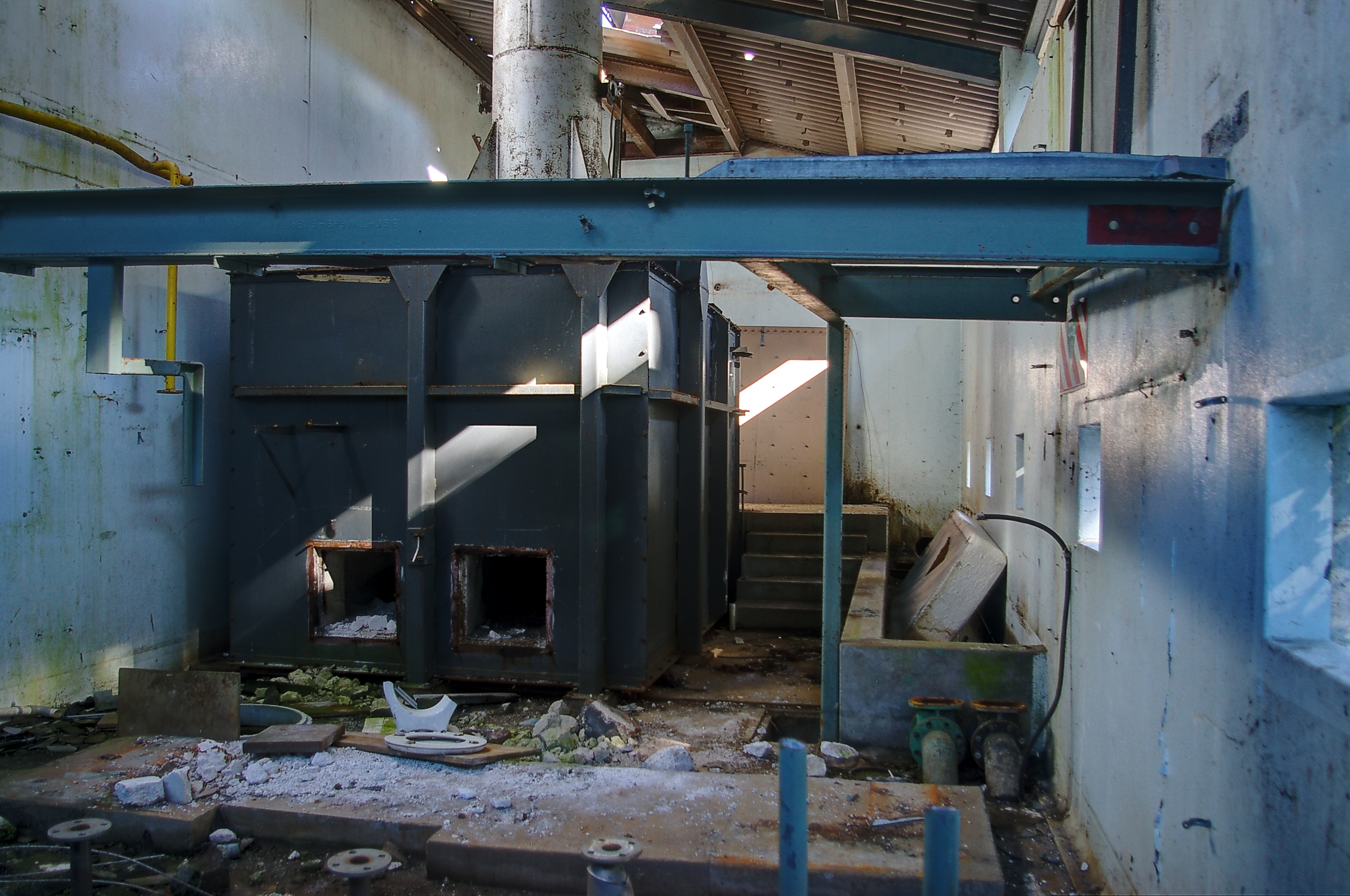
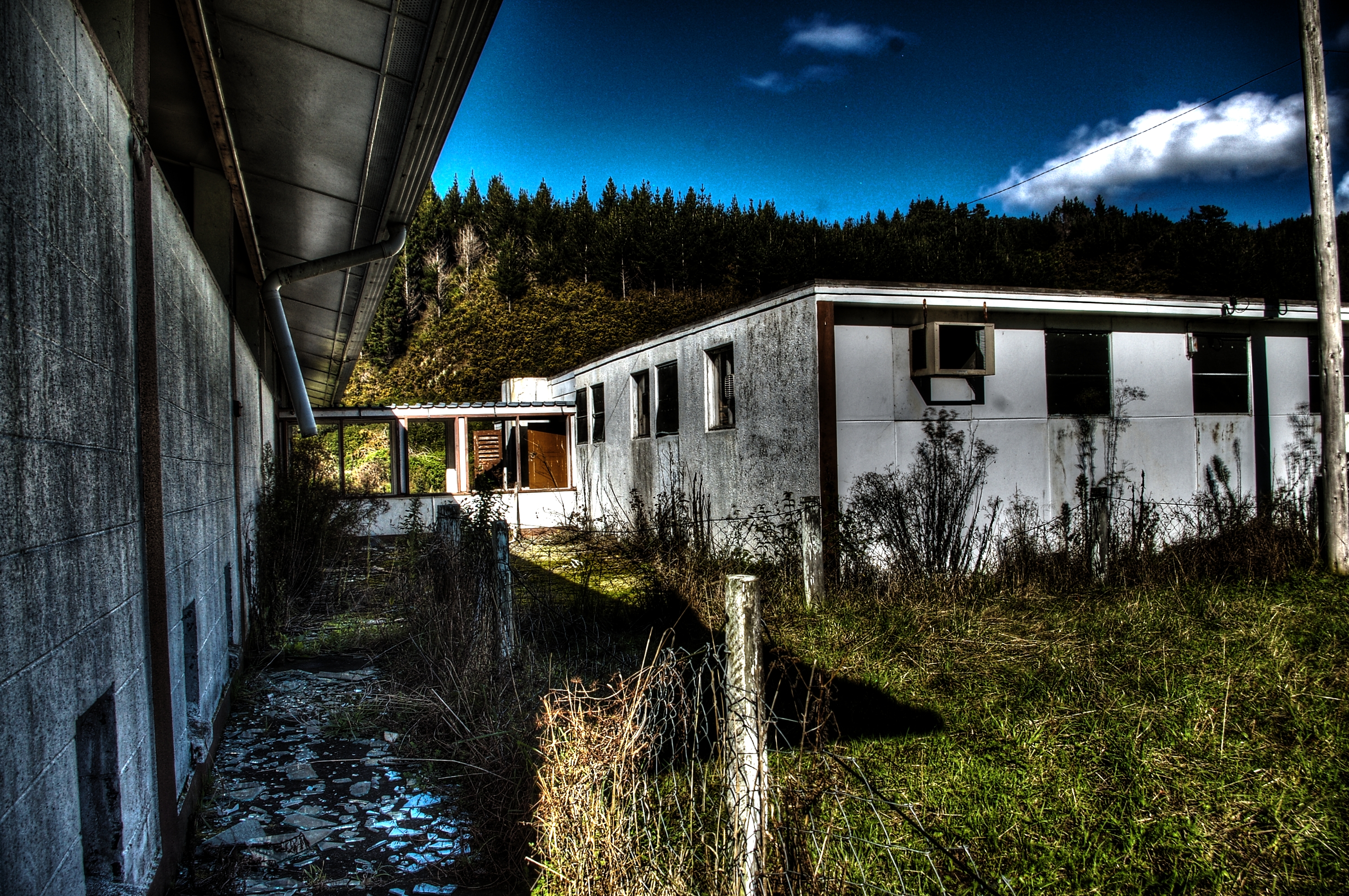
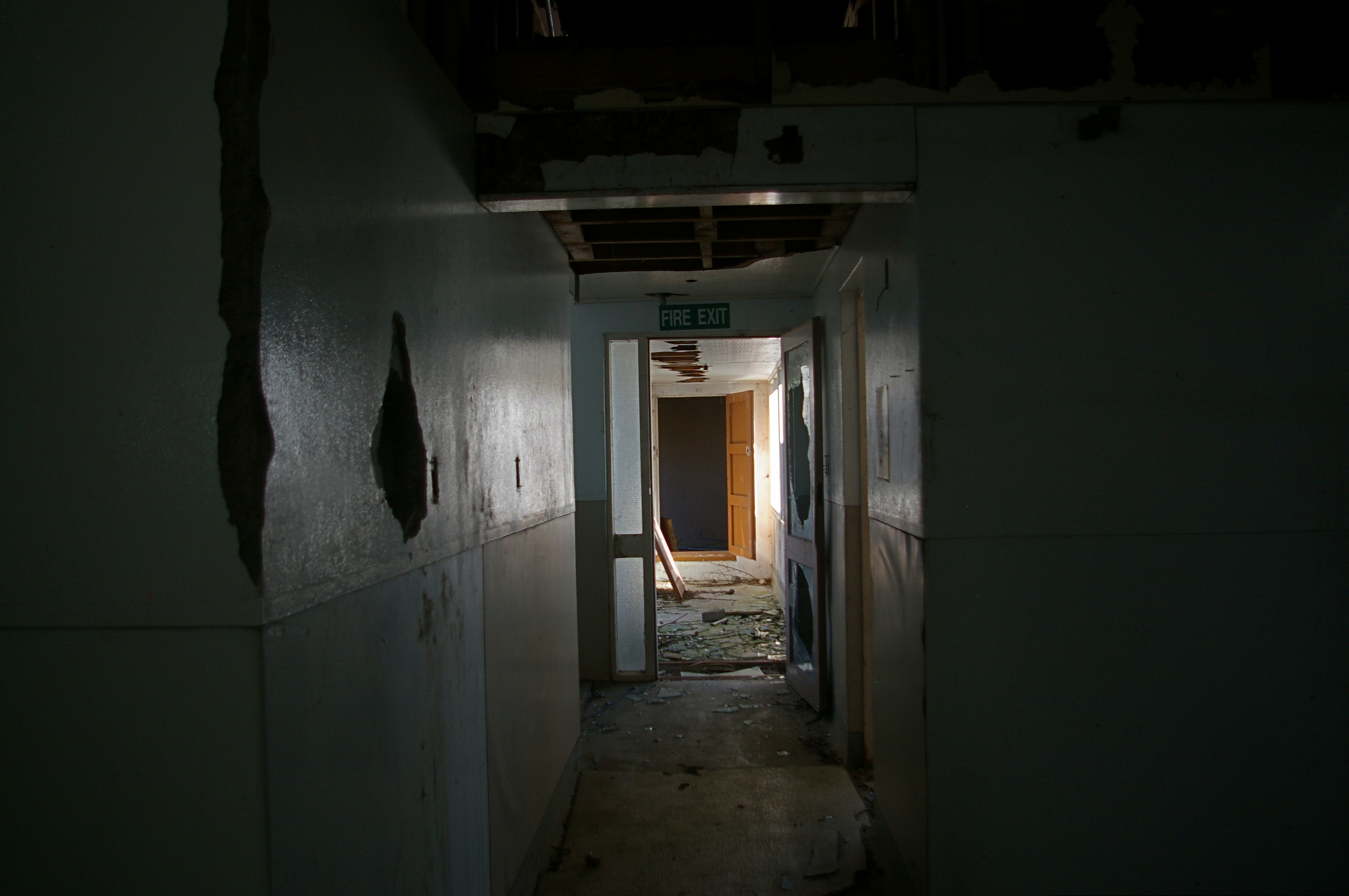
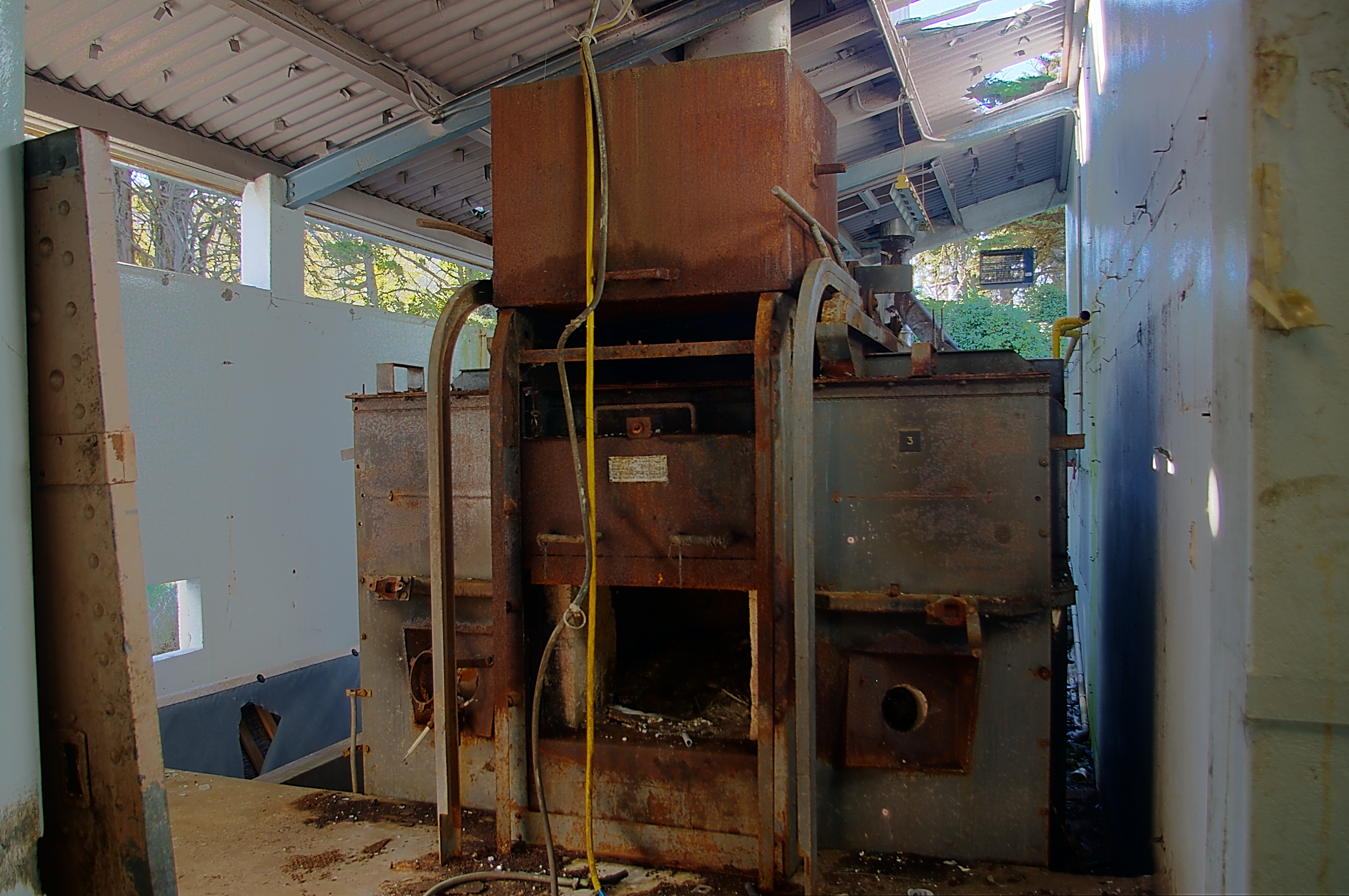
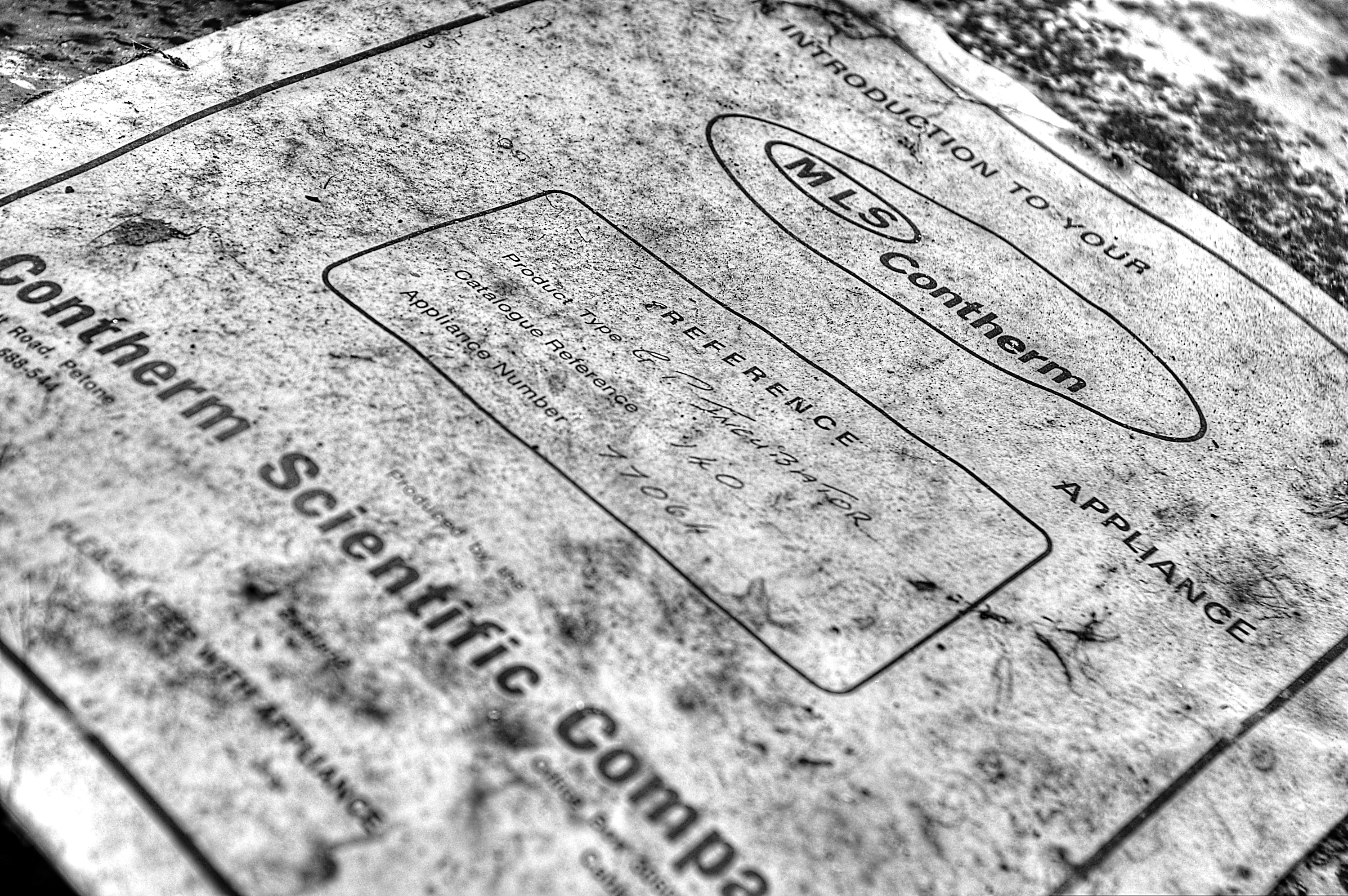
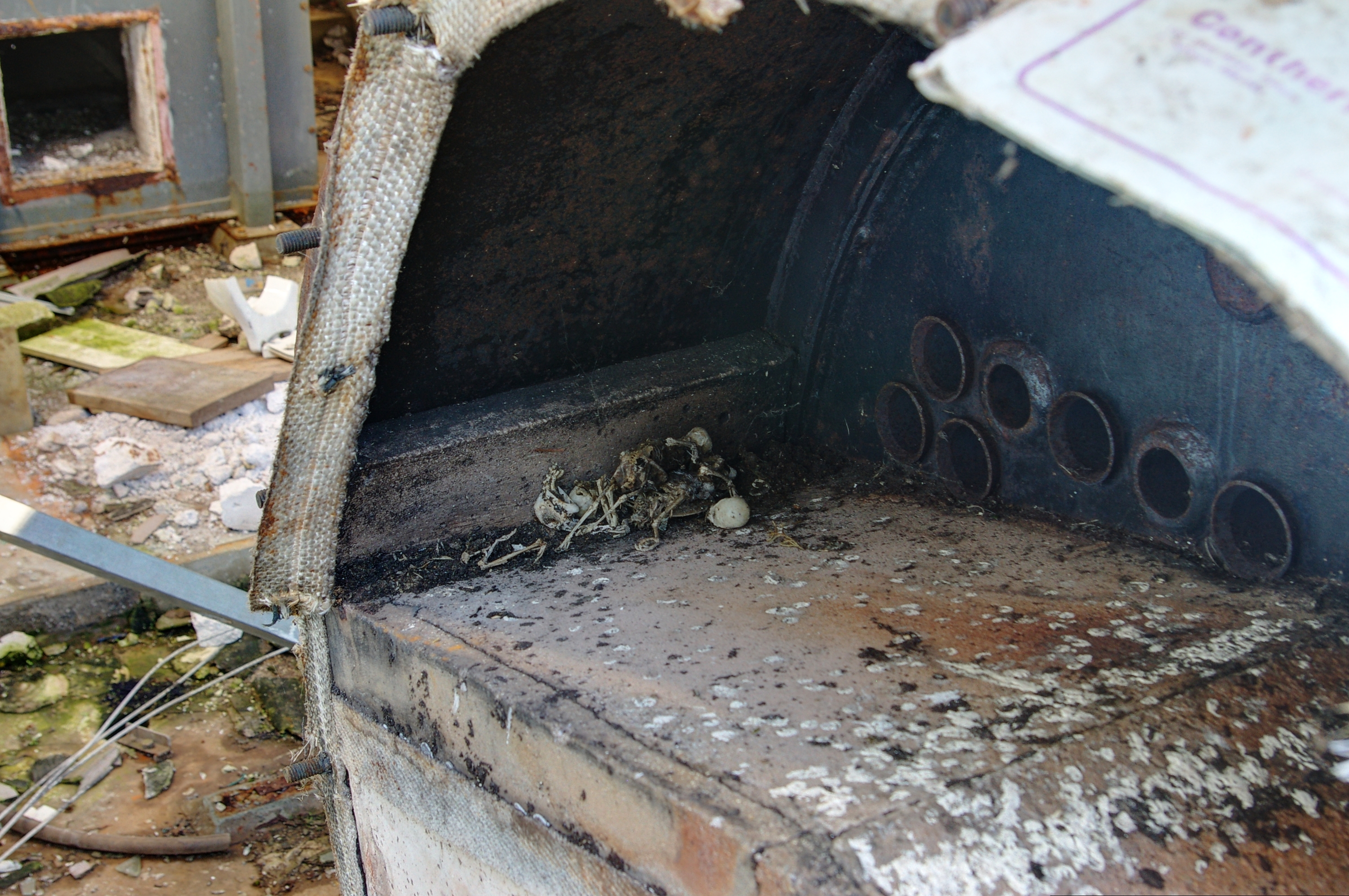
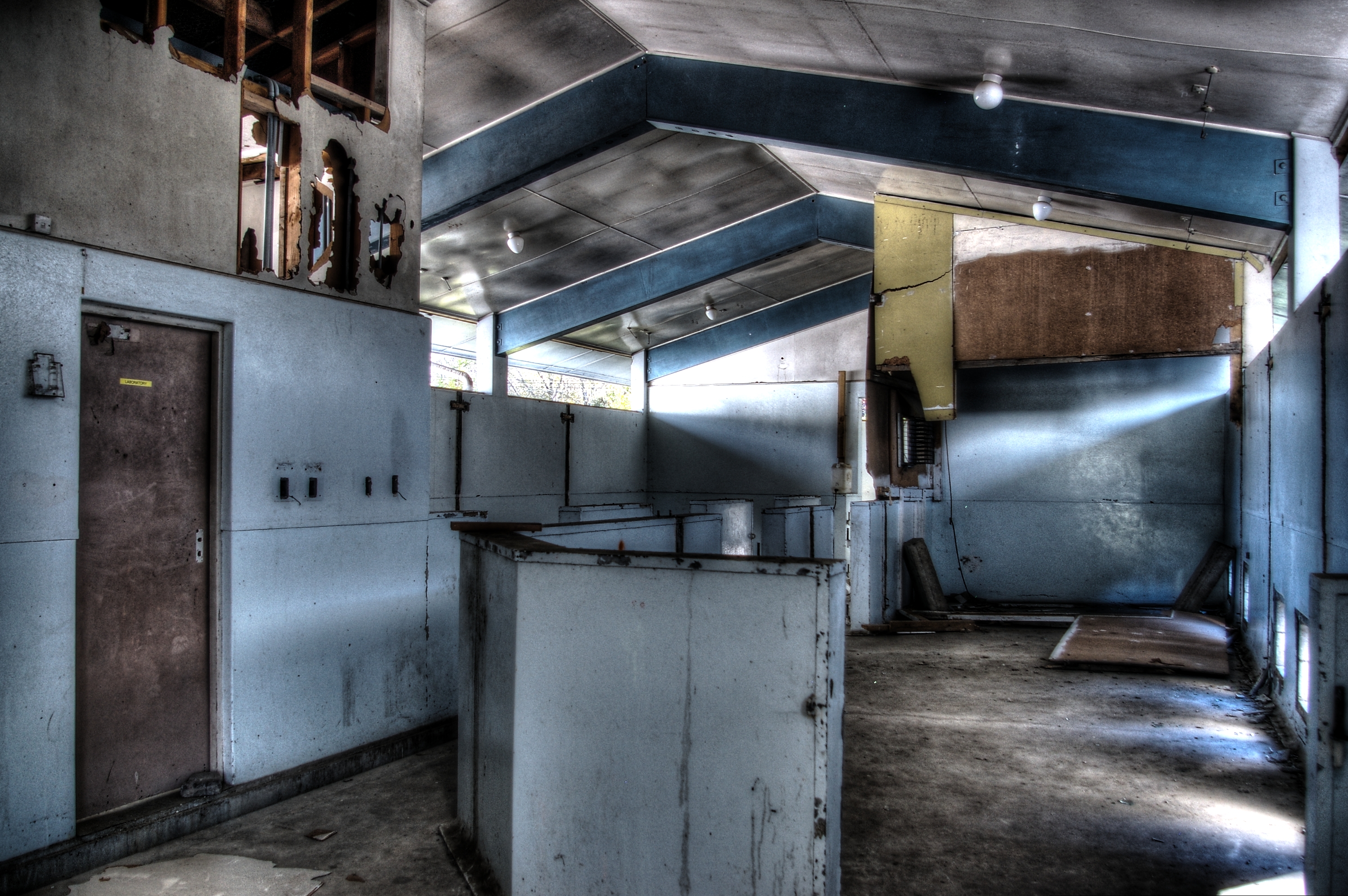
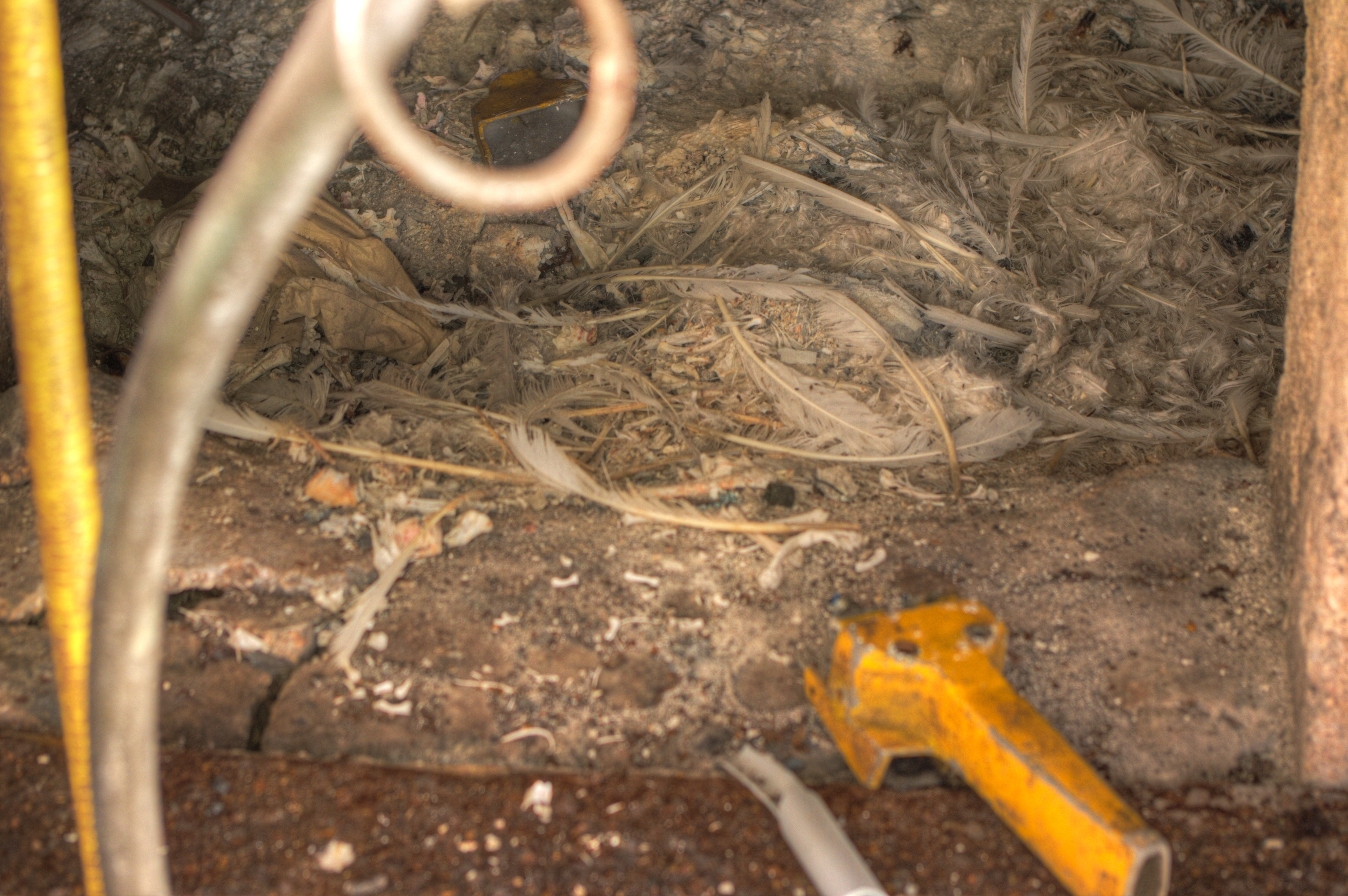
This abandoned animal testing facility has been abandoned for about 20 years apparently, despite that there are no signs of graffiti. Syringes and other detritus still litter the site and the bones & feathers of the test subjects still sit in the now rusted incinerators.





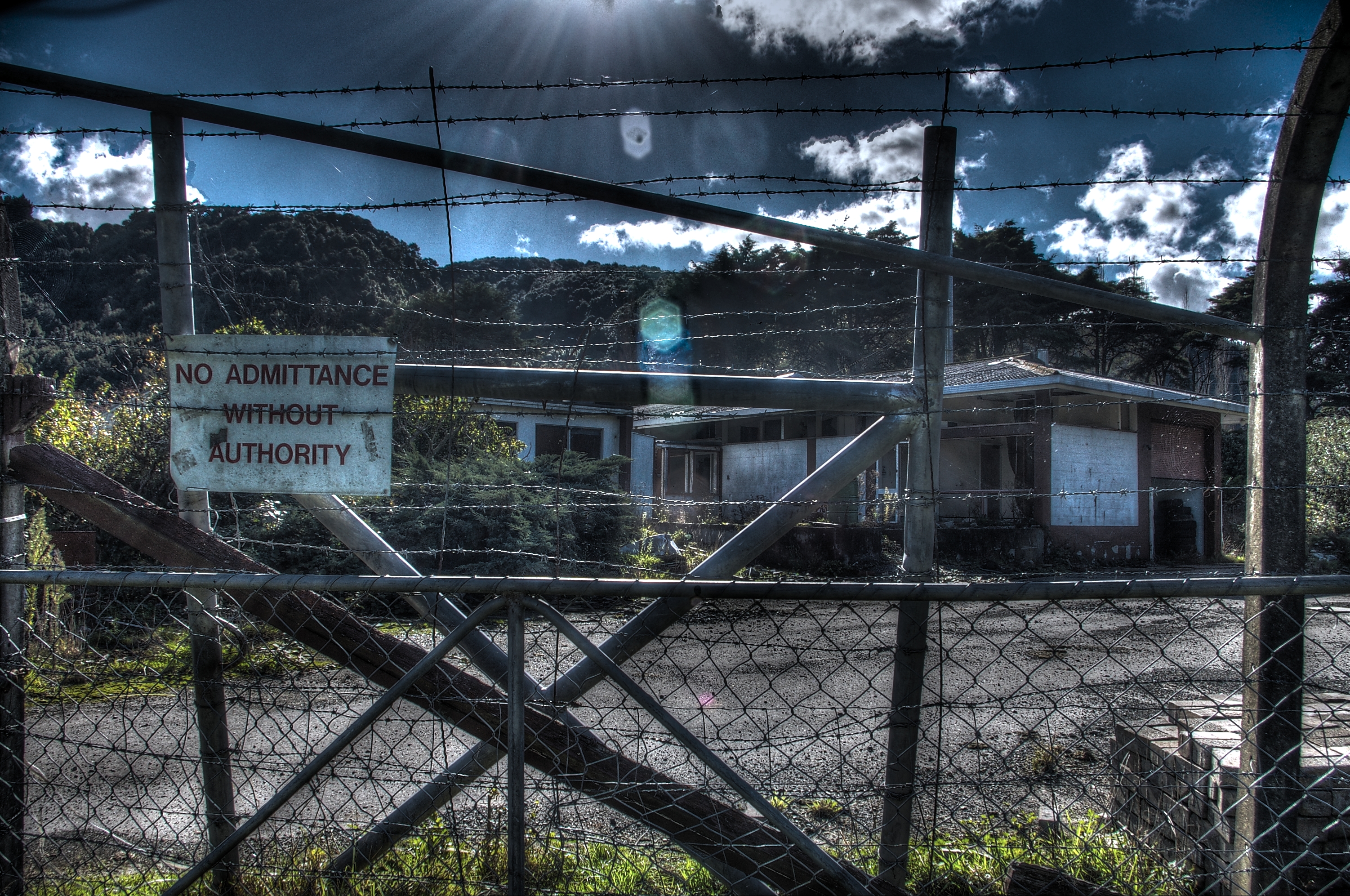

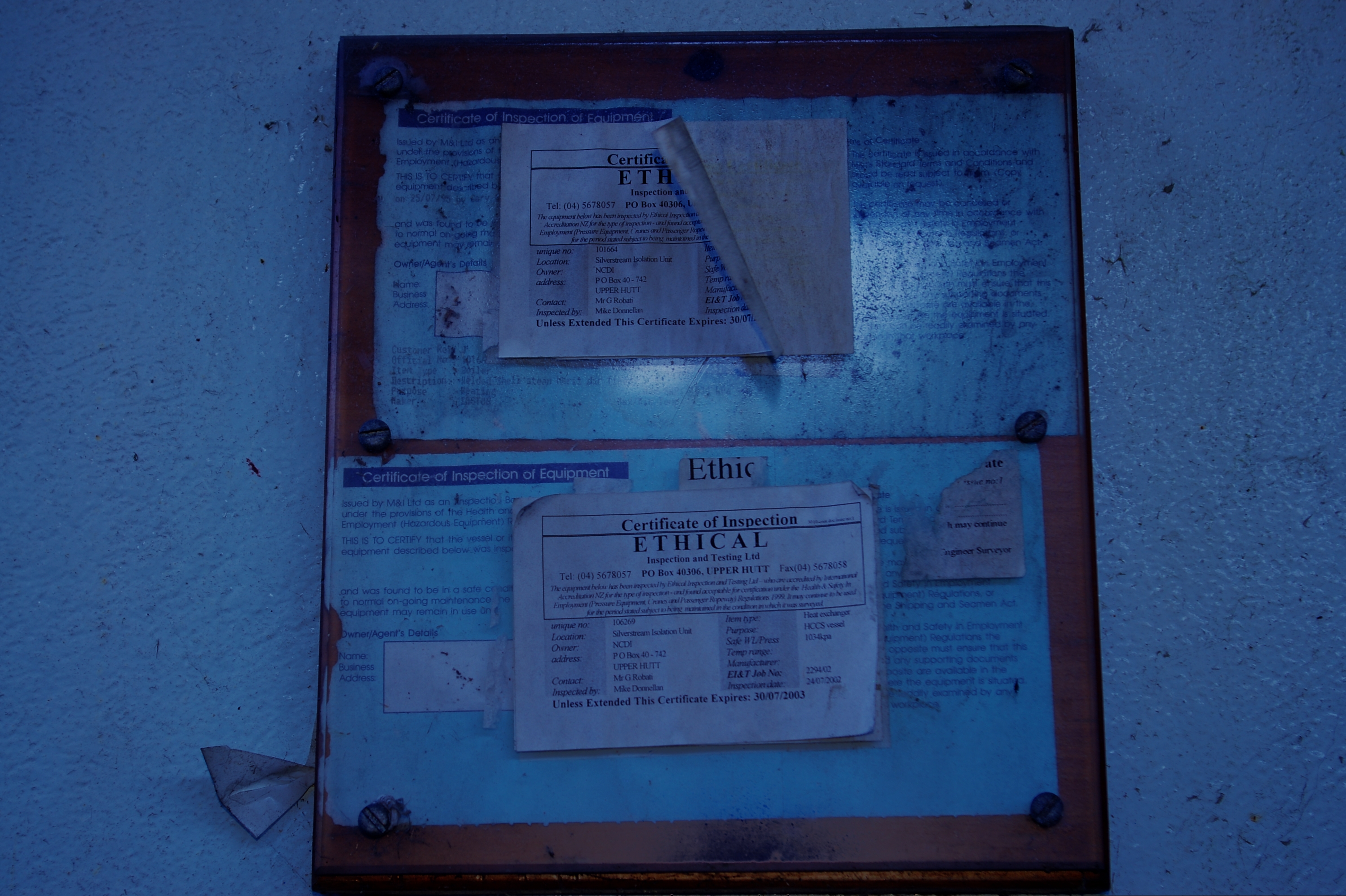



“Twelve five- to seven-day-old calves from a commercial dairy herd
were used in the trial. The herd had no contact with goats. The
calves had been fed pooled bovine colostrum that tested negative
for MmmLC. They were then transported to the Isolation Unit where they were housed indoors in two pens.
Six of the calves were dosed orally with MmmLC (5.4×10¹¹ colony
forming units or cfu) and the following day four control calves
were placed with them in the same pen.
Six days later the two remaining calves were inoculated
intravenously (IV) with MmmLC (7×10¹⁰ cfu) and placed with the
other calves. The calves were monitored for clinical signs and their
temperatures were measured daily for the first 14 days.
Nasal swabs and blood samples were collected from the day of oral
inoculation (day 0) until the day each calf was euthanased (the last
ones on day 43). Nasal swabs were collected on days 0, 2, 4, 6, 8 and
at necropsy; blood samples weekly and at necropsy. Necropsies
were carried out at regular intervals during the trial (see table) and
samples taken from tonsil, retropharyngeal and mesenteric lymph
nodes, trachea, lung, spleen, pericardial fluid and joint fluid (stifle,
carpal and hip). Both fresh and fixed samples were collected.
The nasal swabs and tissues were cultured for MmmLC. The same
samples plus bloods were tested in the CAP-21 polymerase chain
reaction (PCR)(3) for Mycoplasma mycoides cluster. The nasal swabs
were also tested in a generic PCR for mycoplasma(4) on days 0 and 2.
Serum samples were tested in the M mycoides complement fixation
test (CFT) using whole cell antigen(6). Histopathology was carried
out on the formalin fixed tissues
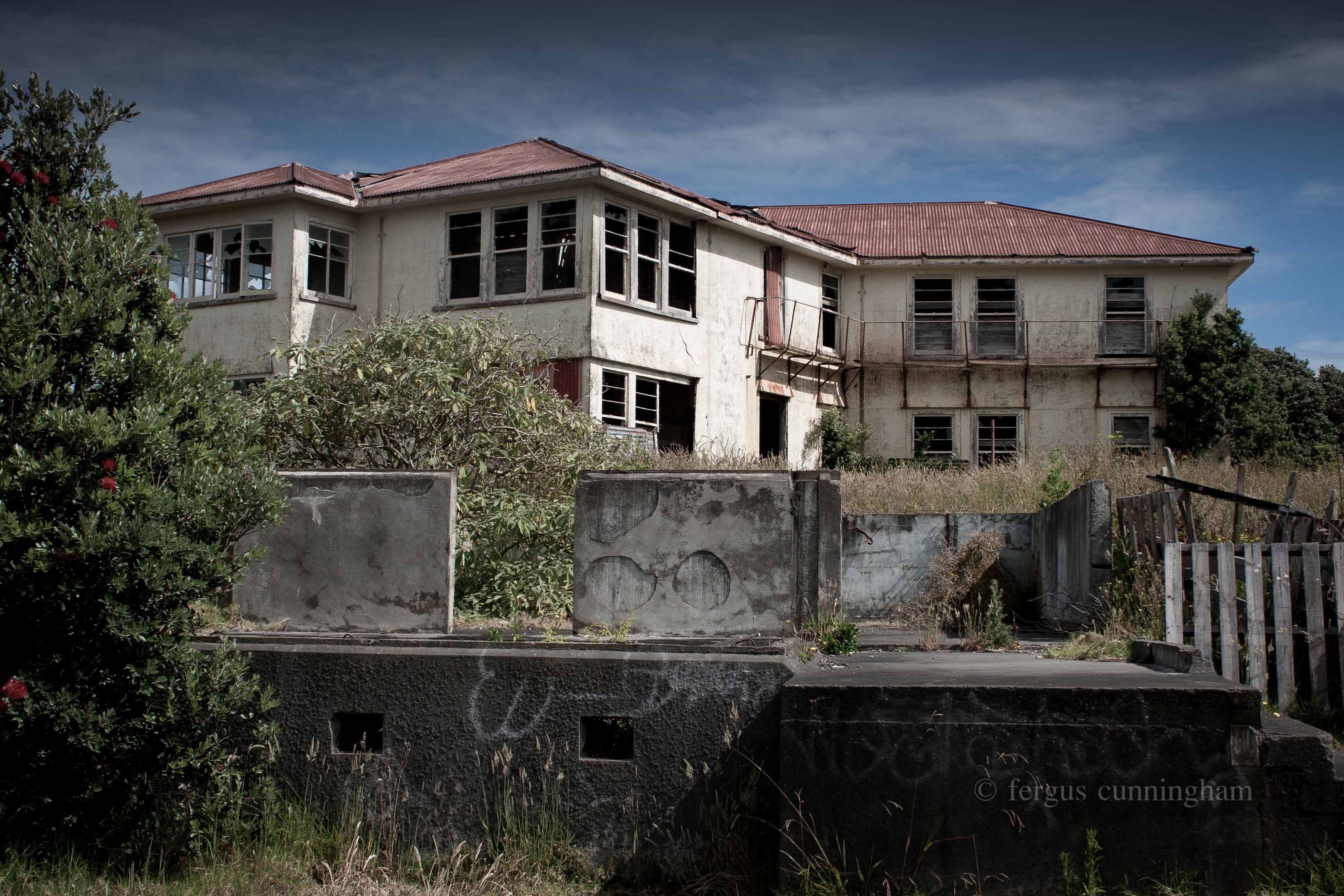
This Historic Hospital (c.1880) still stands in its dilapidated state, 22 years after its closure. When the hospital finally closed its doors in 1990, it had served the district for over a century. Locals have been complaining for years about the eyesore, demanding the owner of the property to demolish the derelict and vandalised buildings.


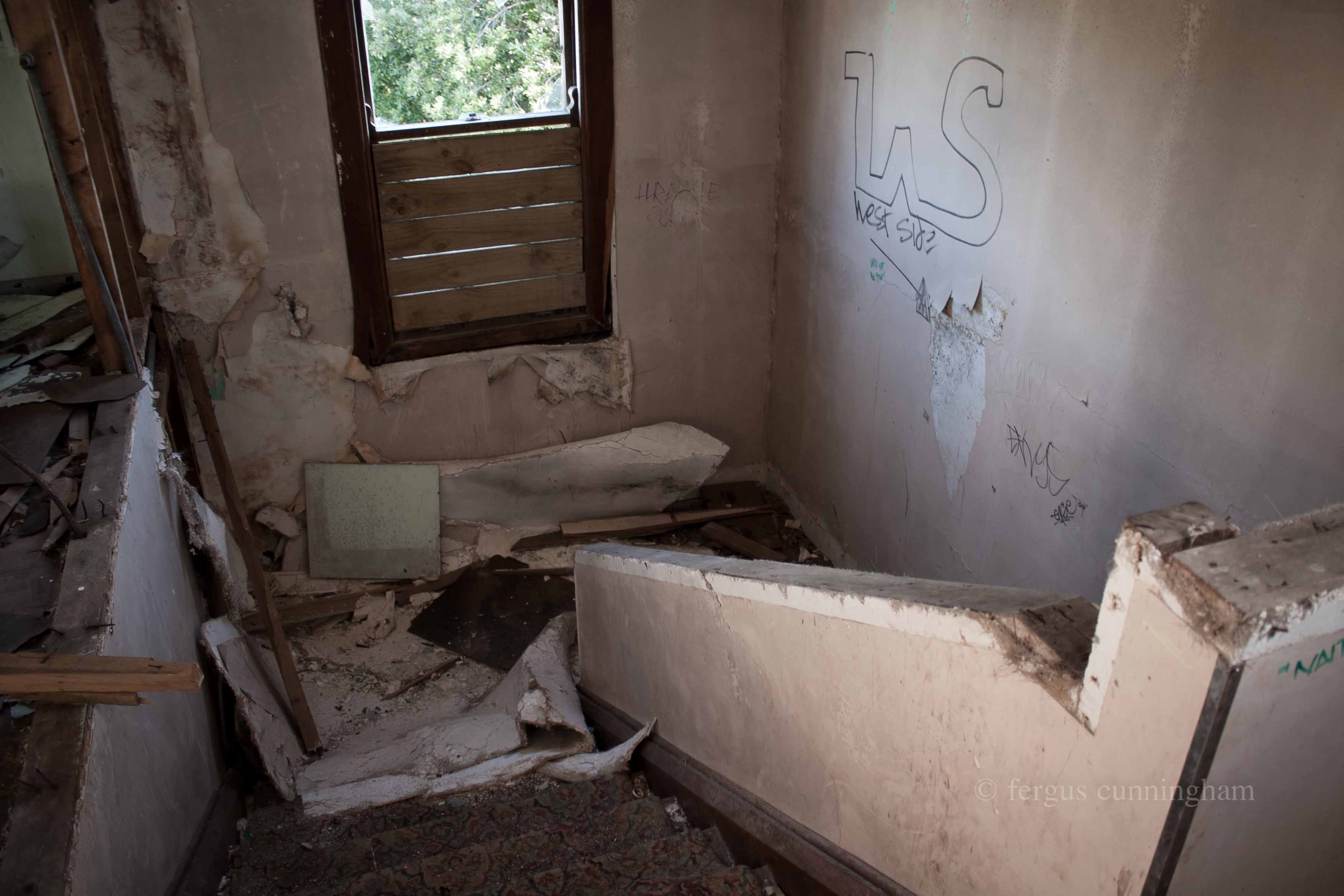

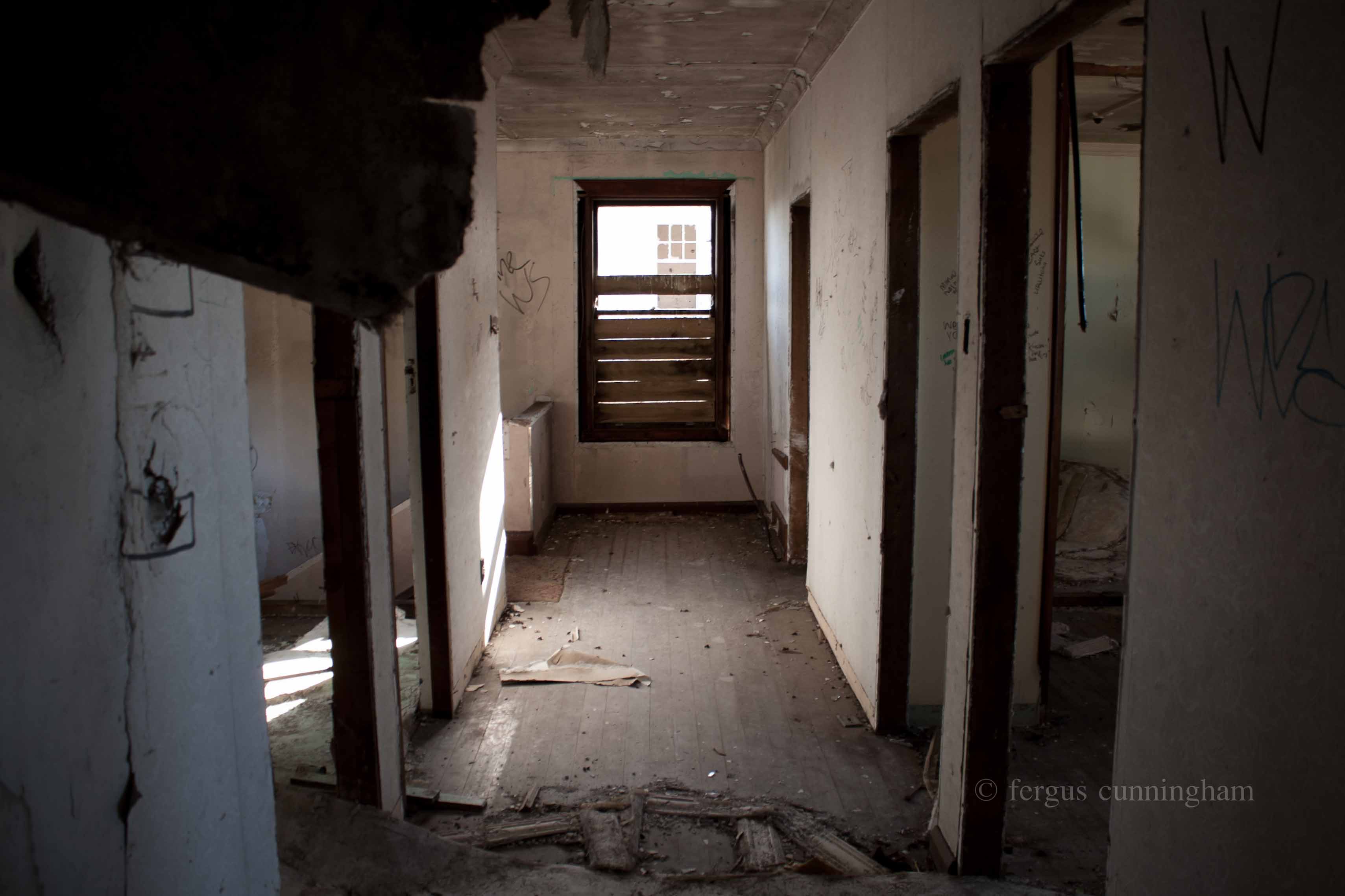

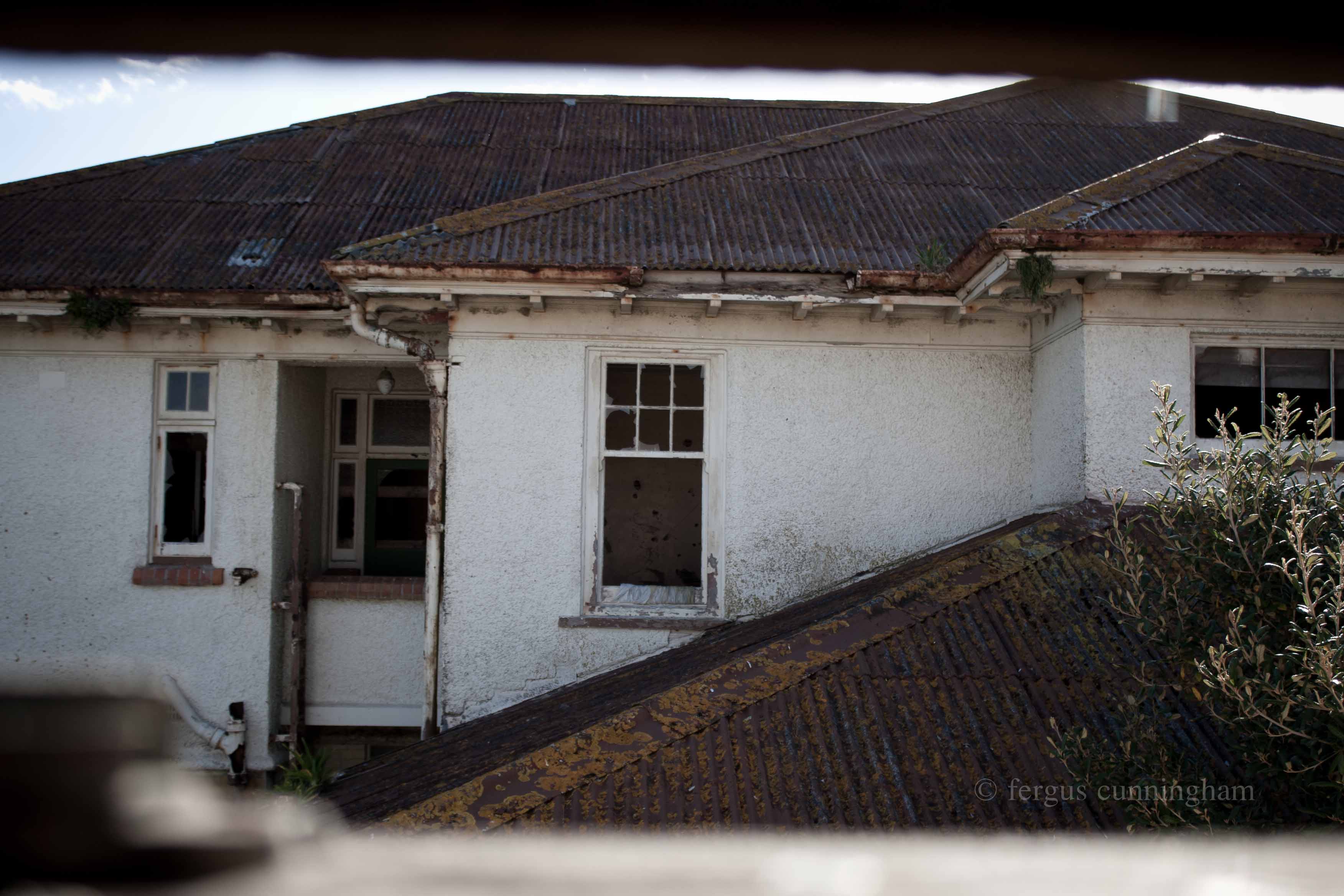

Some light painting up at an old WWII bunker.


 <a
<a


We returned for another look at this location: urbexcentral.com/2013/02/03/e-college/
A lot of vandalism occured here last year, graffiti and general destruction. Thankfully the landlord and the new tenants have been taking great care of the place in the past few months and the vandalism doesn’t appear to have gotten much worse. Unfortunately the pigeons didn’t get the memo and have made parts of the college their home (and toilet).


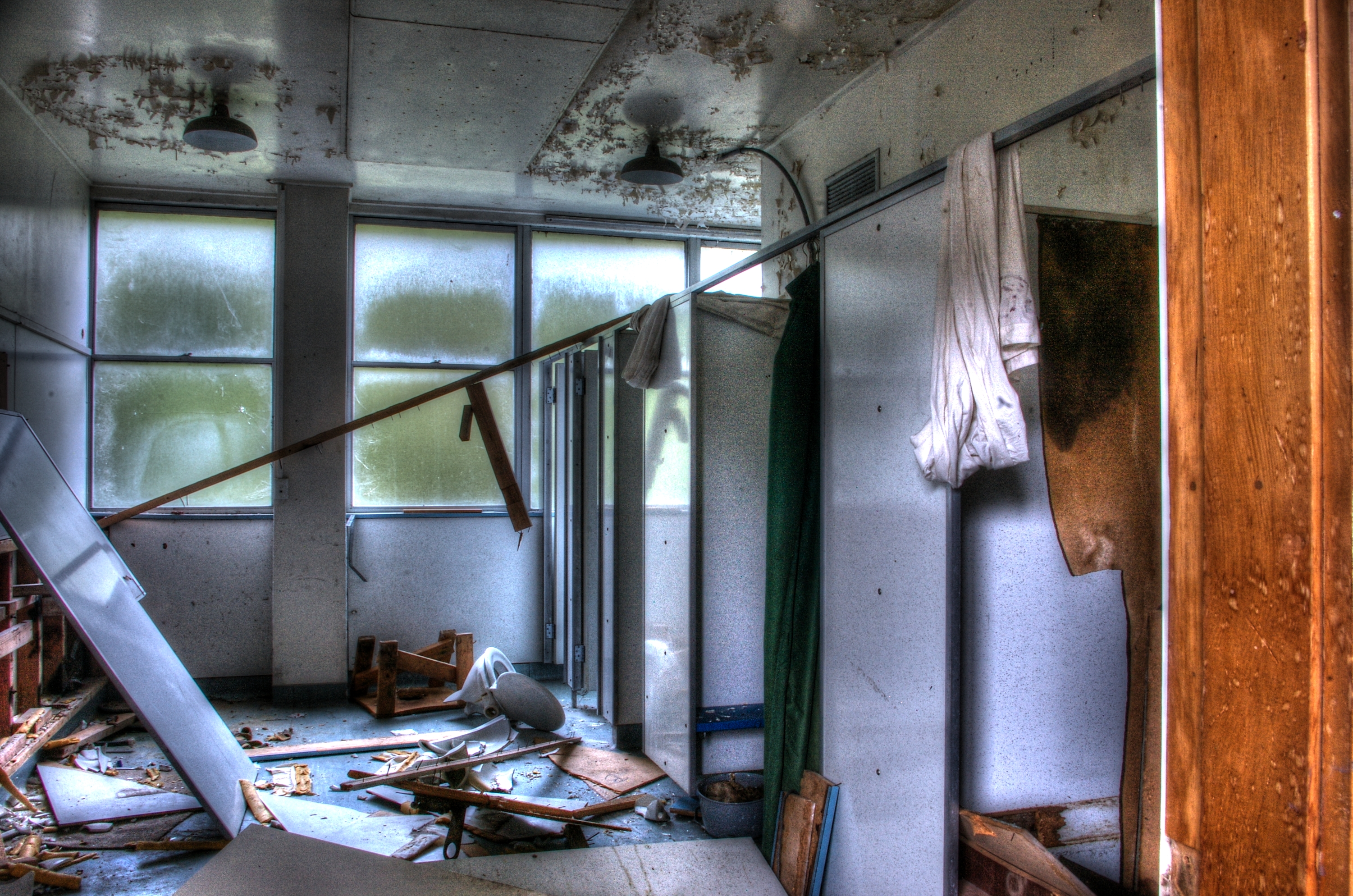

This old building was once a nursery which helped to raise numerous children in the Wellington region. The building’s future is now questionable as it sits right in the path of a new roading project. It will probably either be moved or demolished, and Wellington may lose yet another historic building.



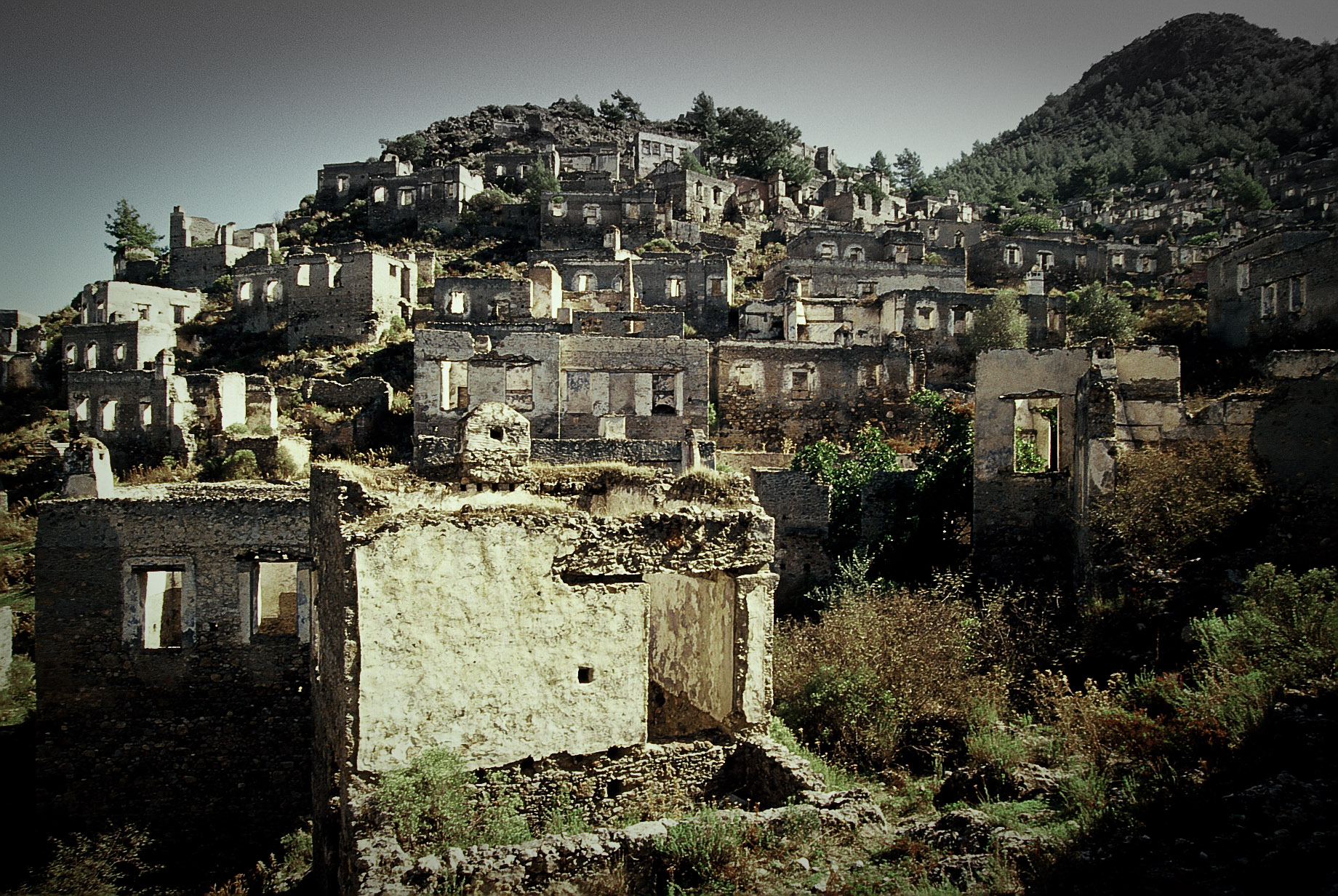
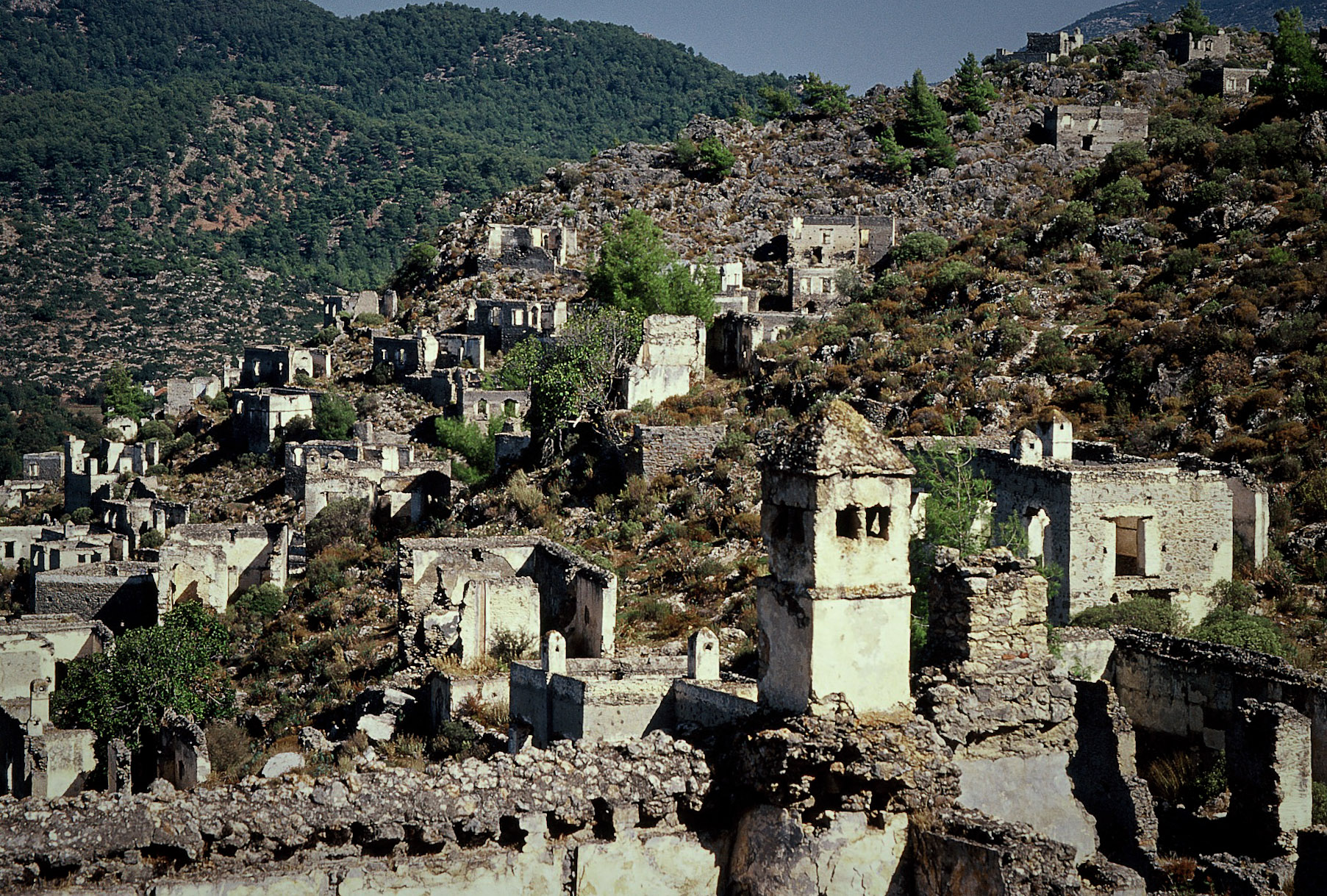
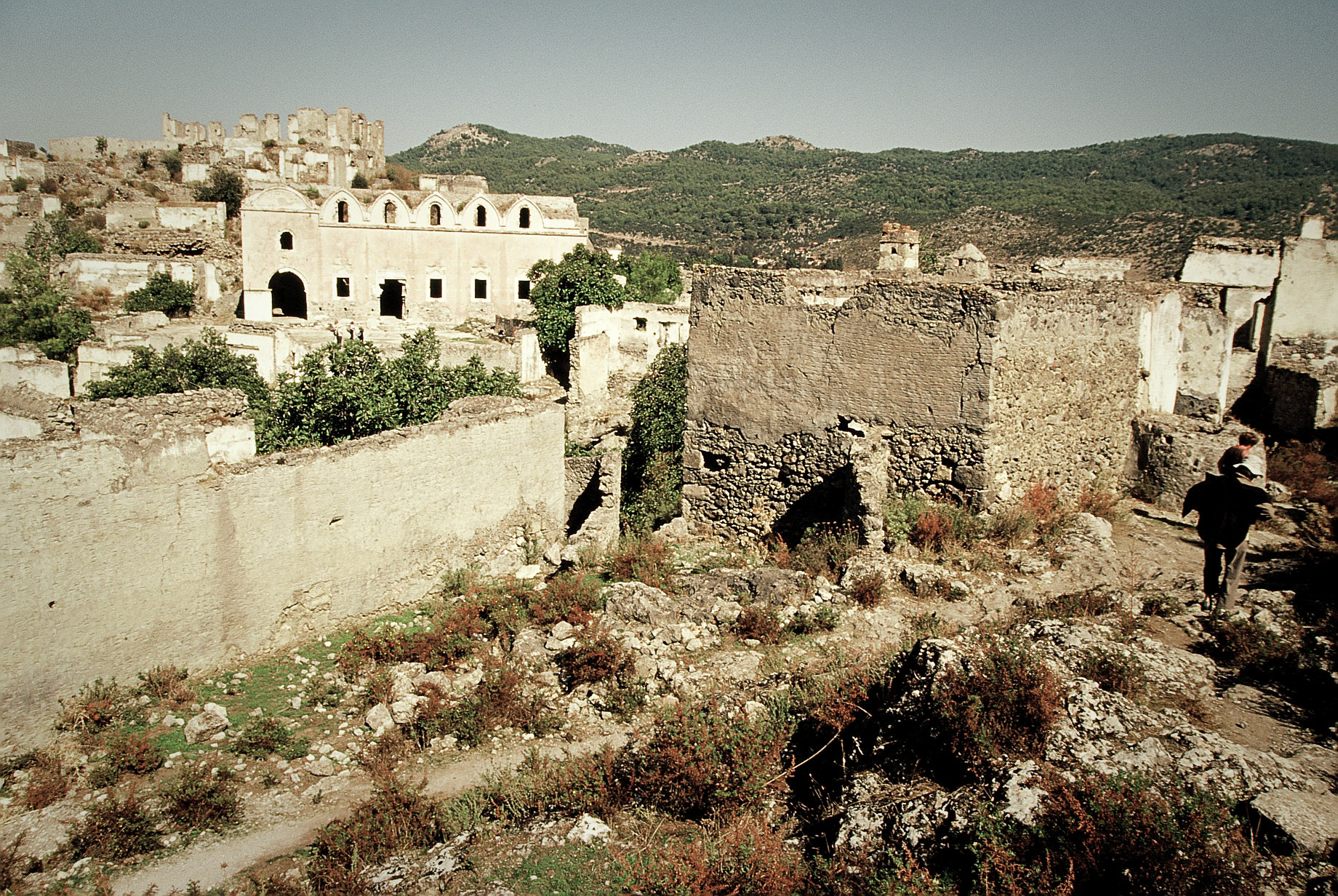
Kayaköy, Turkey, Oct 2005: This was my second visit to Kayaköy, the ghost town near Fetiye in South Western Turkey. Kayaköy consists of hundreds of rundown but still mostly intact Greek-style houses and churches, which orignally hosted a population of approximately 2000 people. Built on the ancient Greek village of Carmylessus, it existed up until the population exchanges of 1922/3. Anatolian Greeks had lived here since antiquity. After the invading Greek’s defeat to Turkey in the Greco-Turkish War (1919-1922), Greece had no choice but to sign the demands of the victorious Turks in Lausanne, Switzerland. More than 1.5 million Asia Minor Greeks were forced out of Turkey, and at least half a million Turkish muslims from Greece.



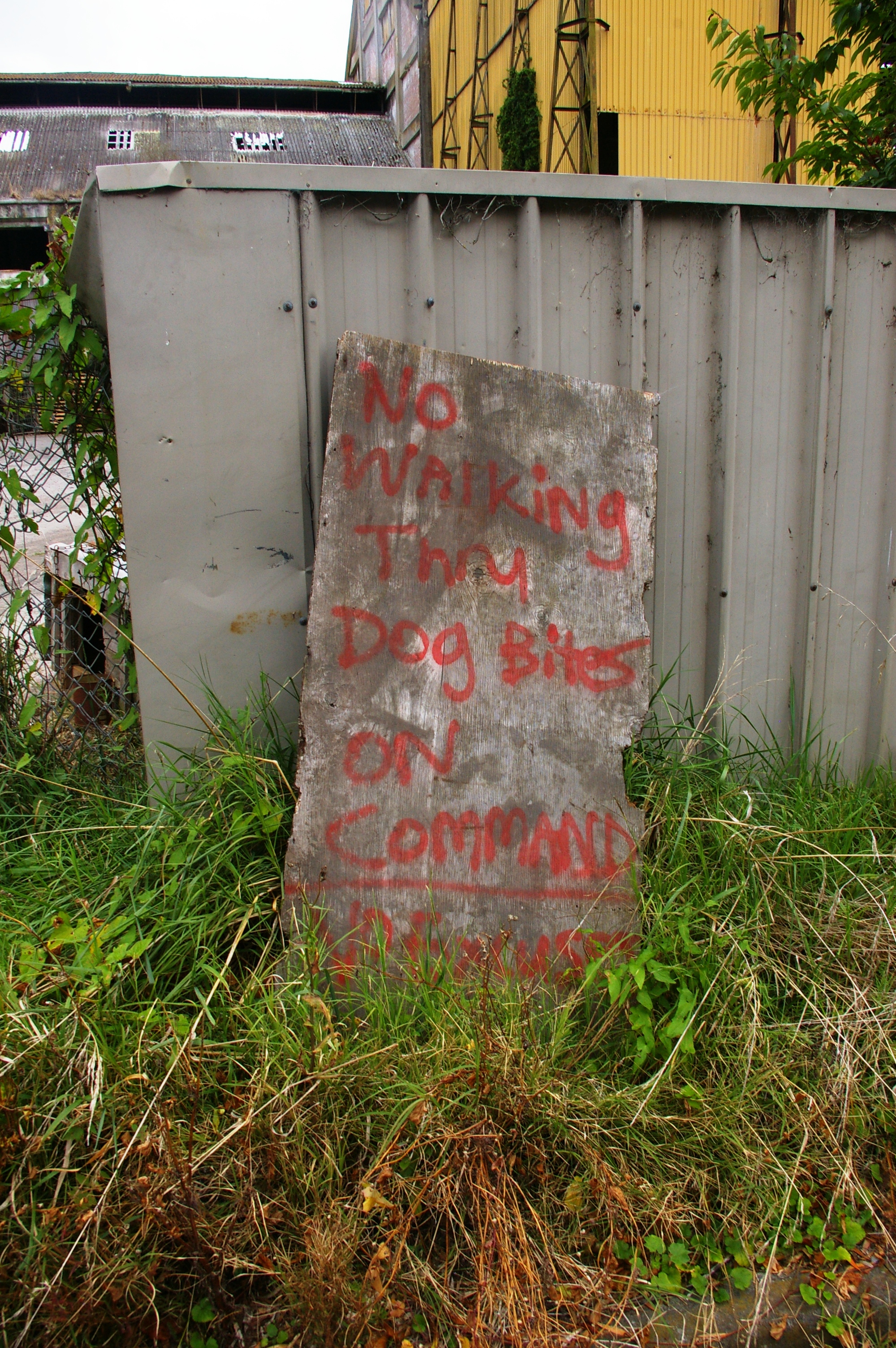
Apparently there is a dog which bites on command at this location, although when we were there we did not encounter this beast.
The location itself has decayed rapidly in the past few years, perhaps it is being slowly demolished by the owners.

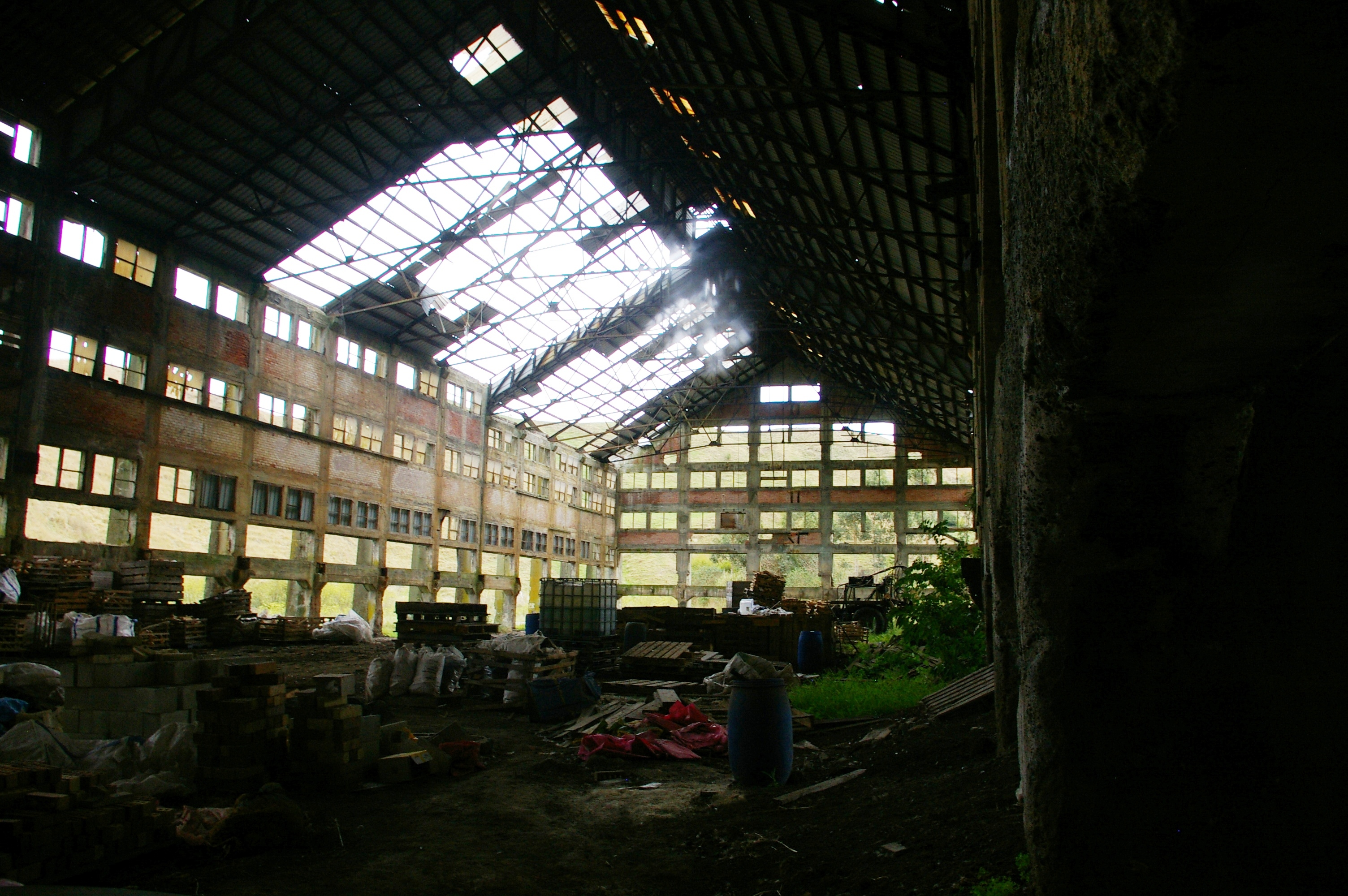
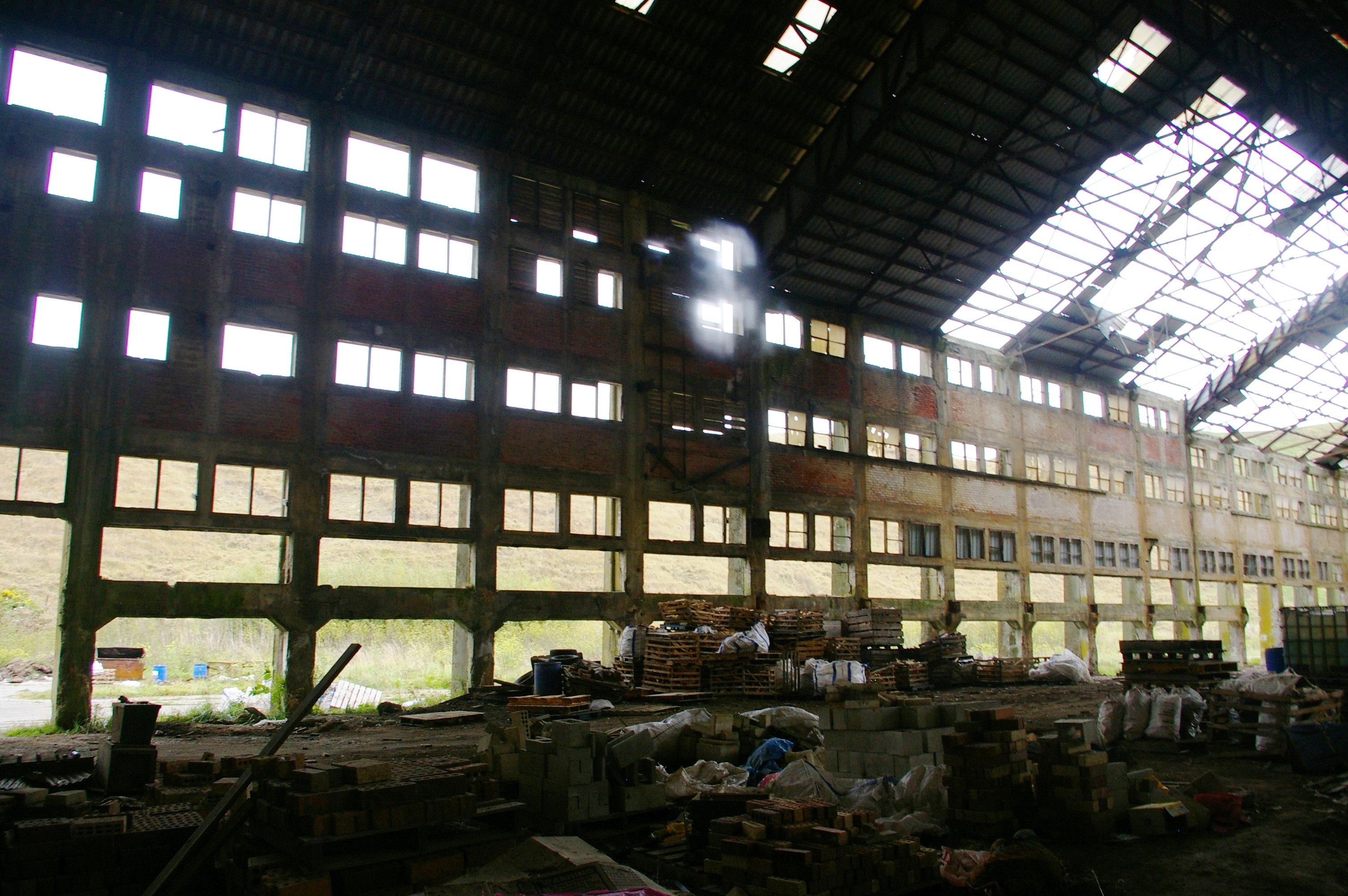
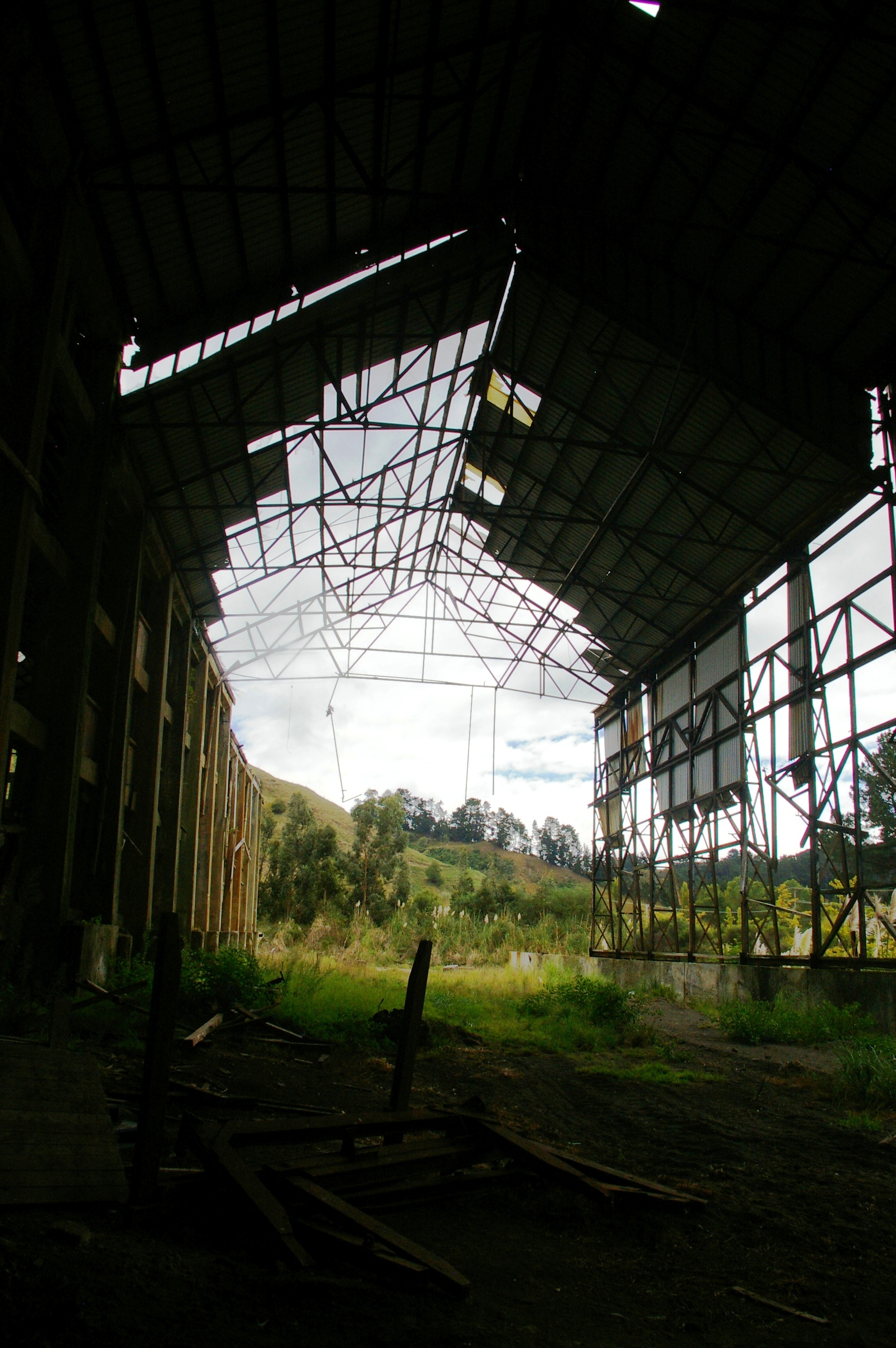
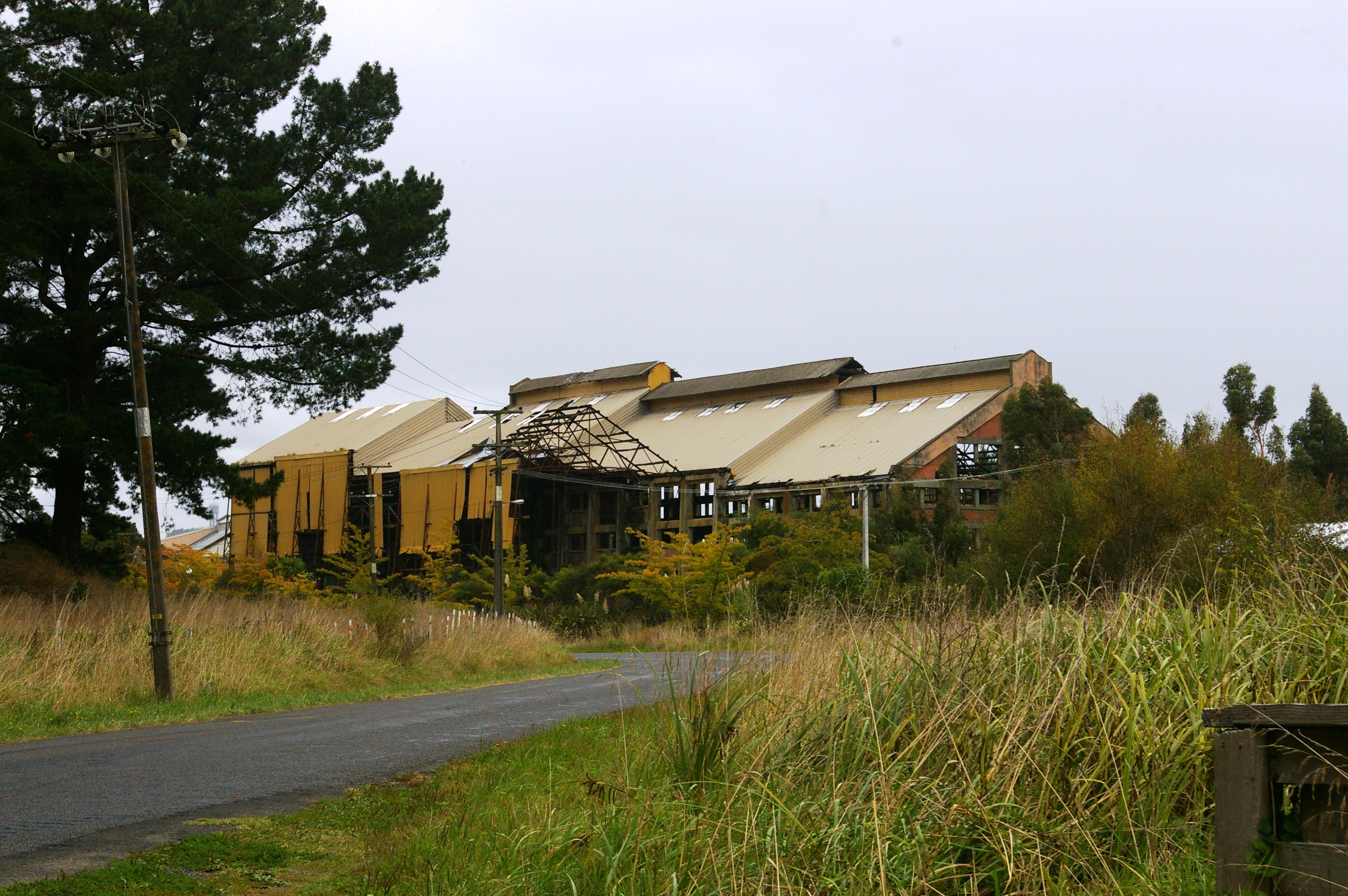
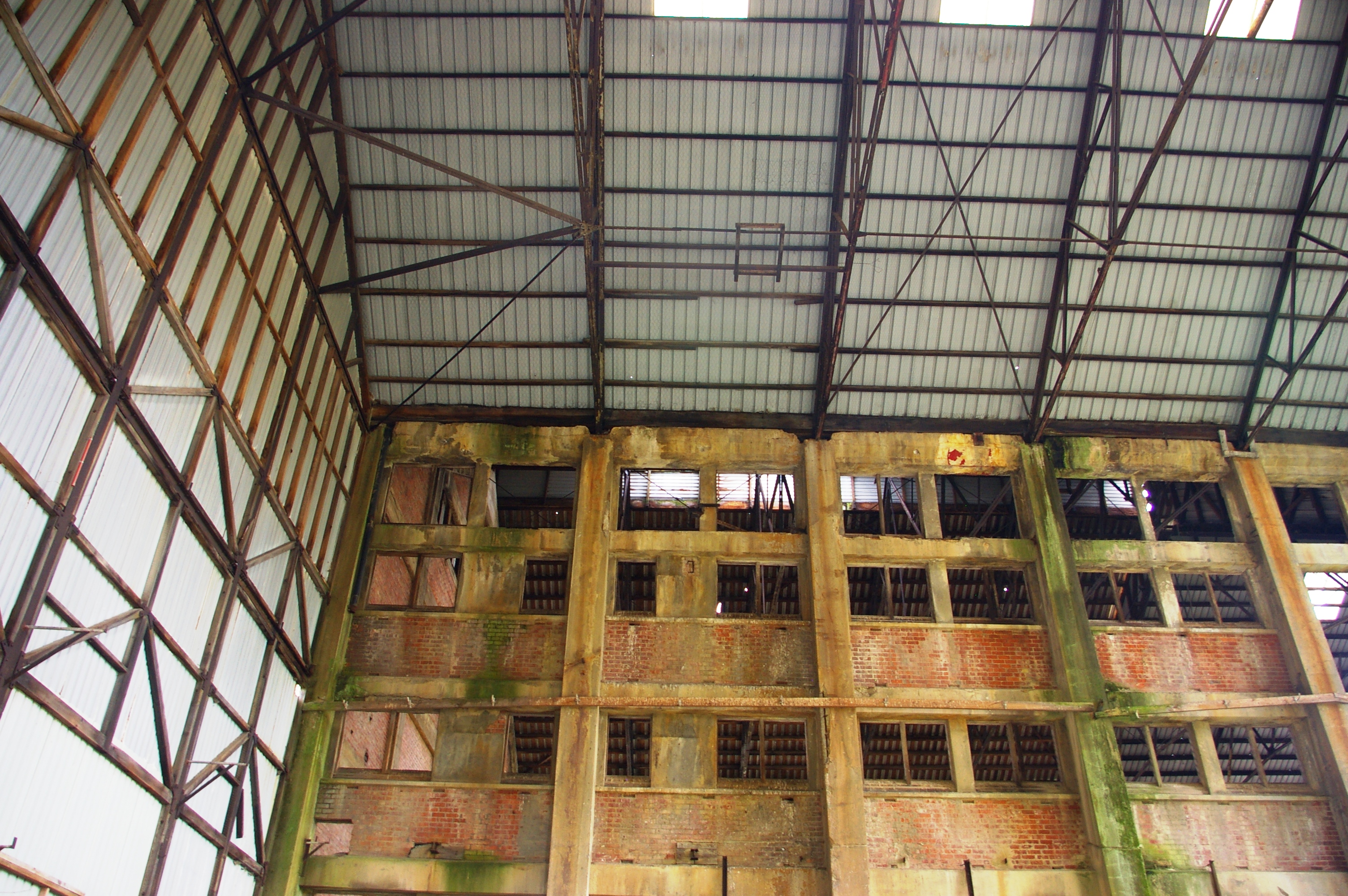

This old hospital is still in remarkable condition and is largely free from vandalism (aside from a large number of broken/opened windows) , there are even still hospital beds in the rooms. We found an interesting surprise in one of the rooms, a petrified cat.


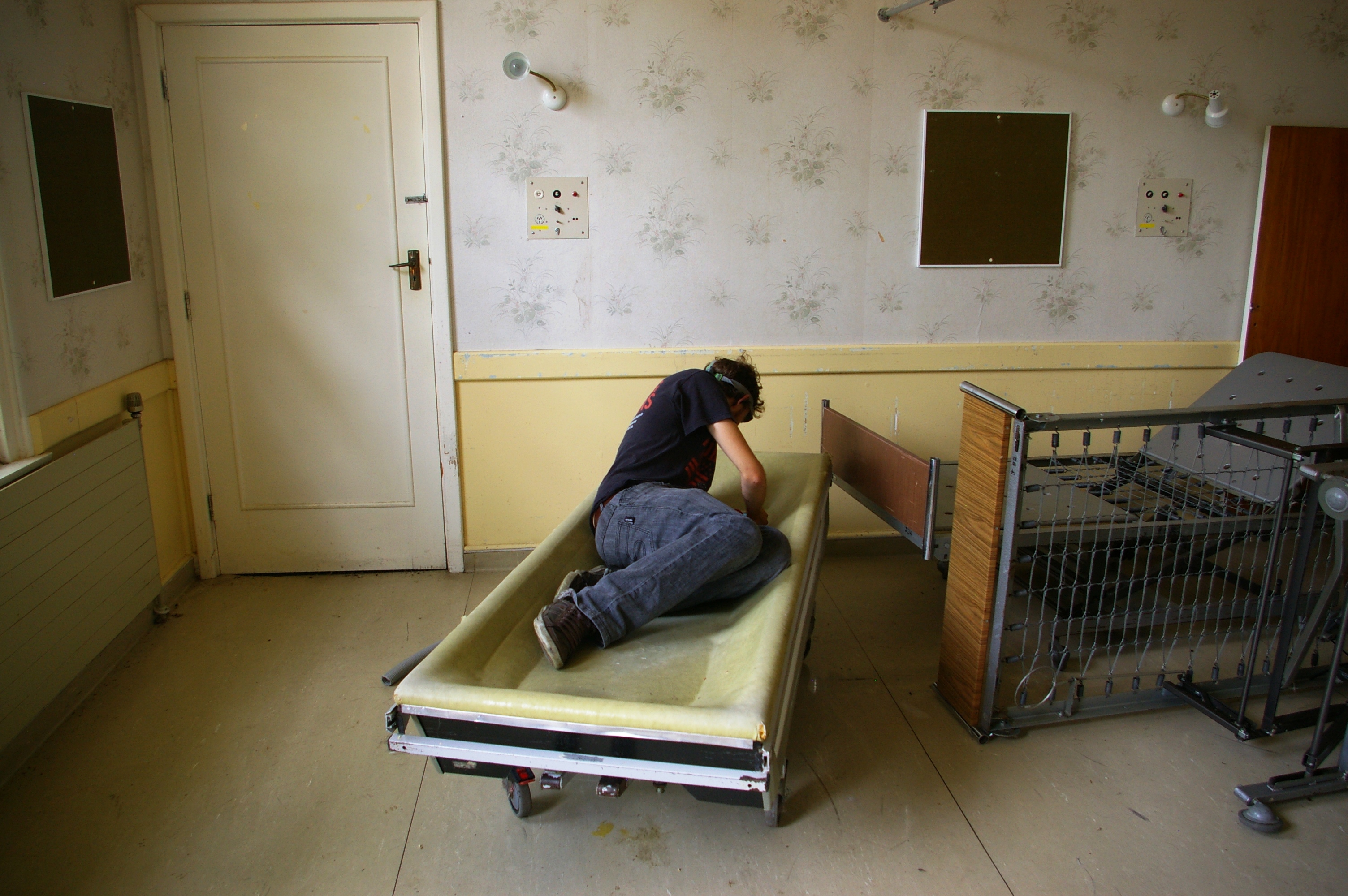

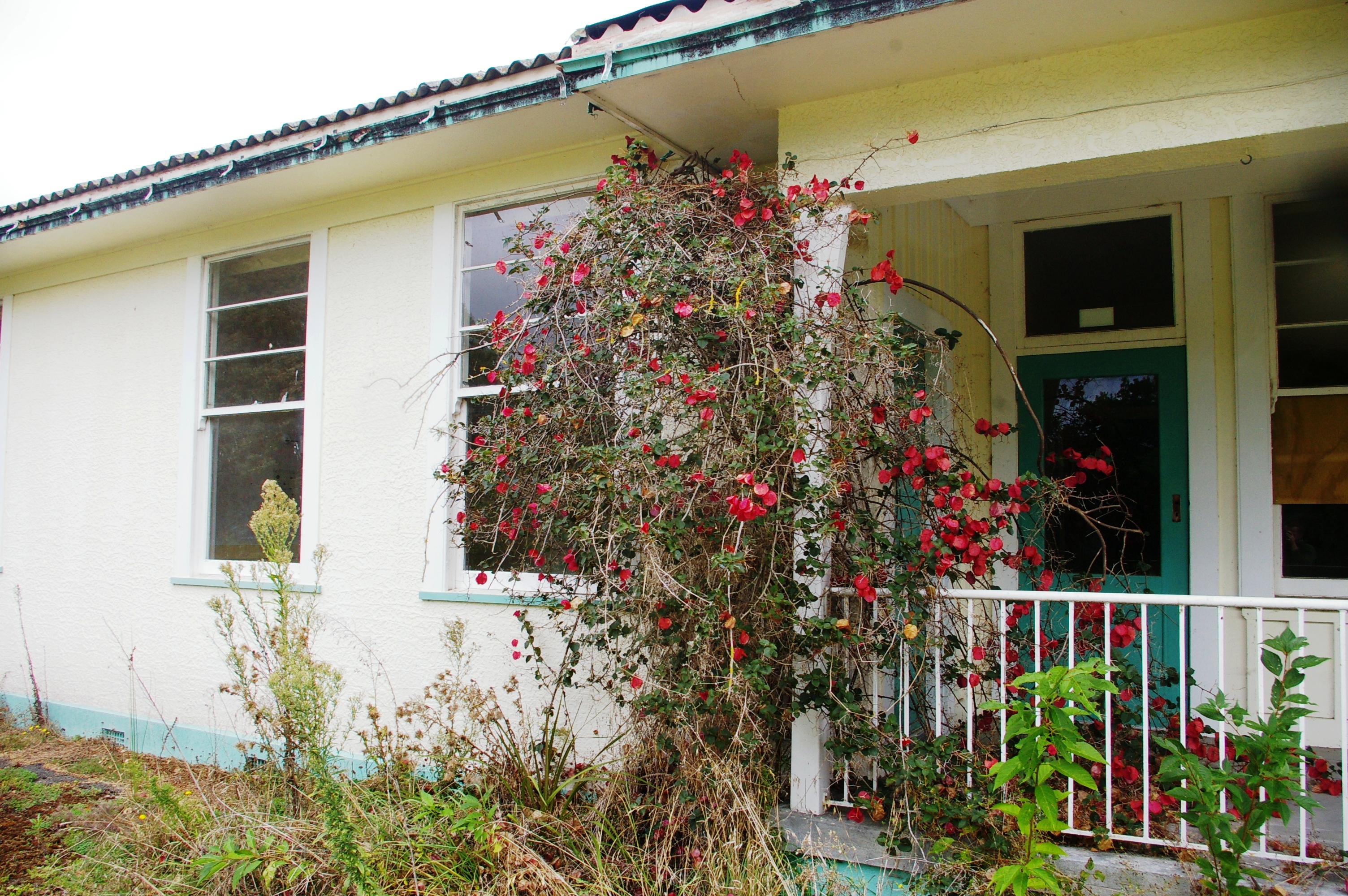
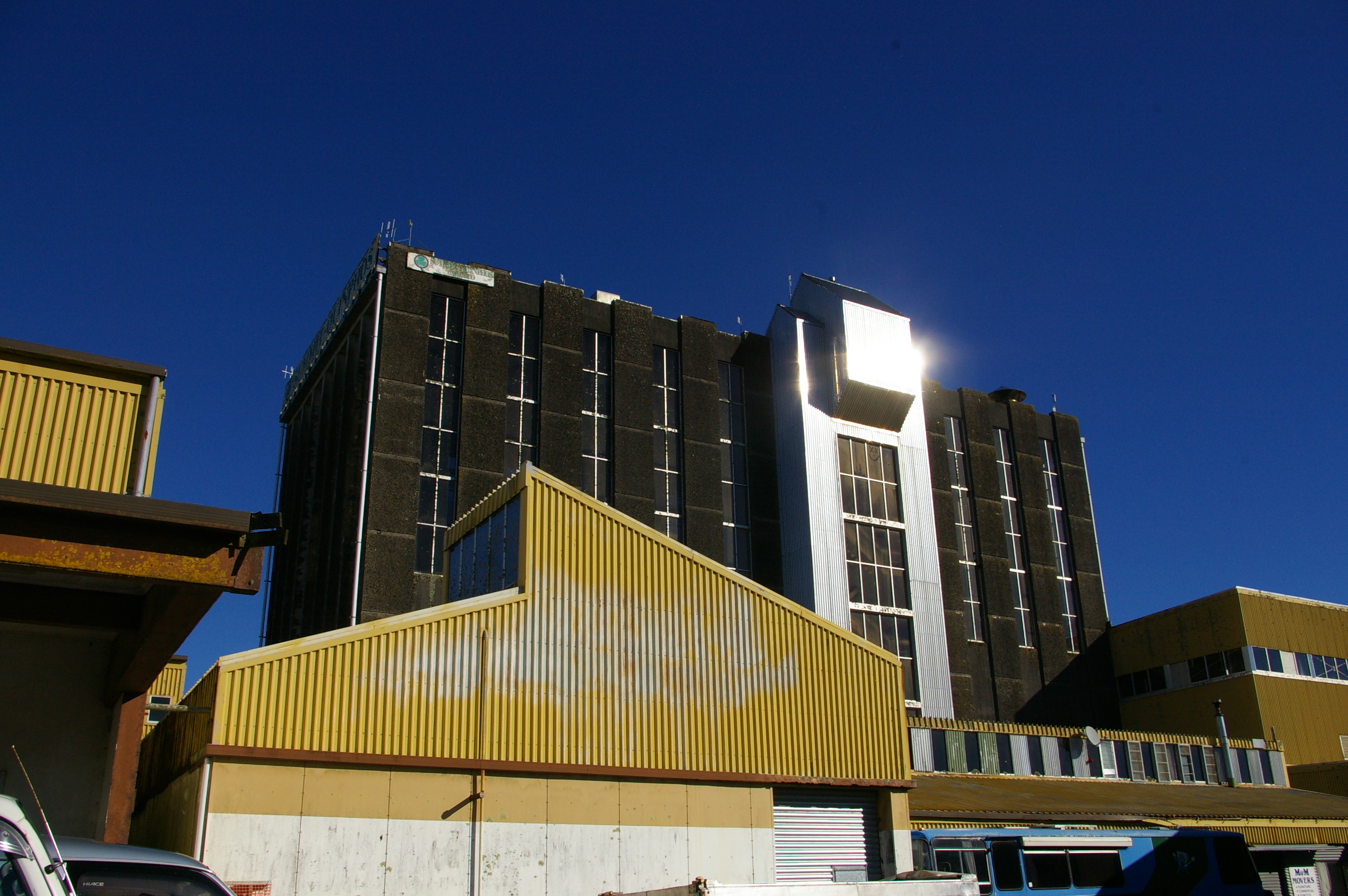
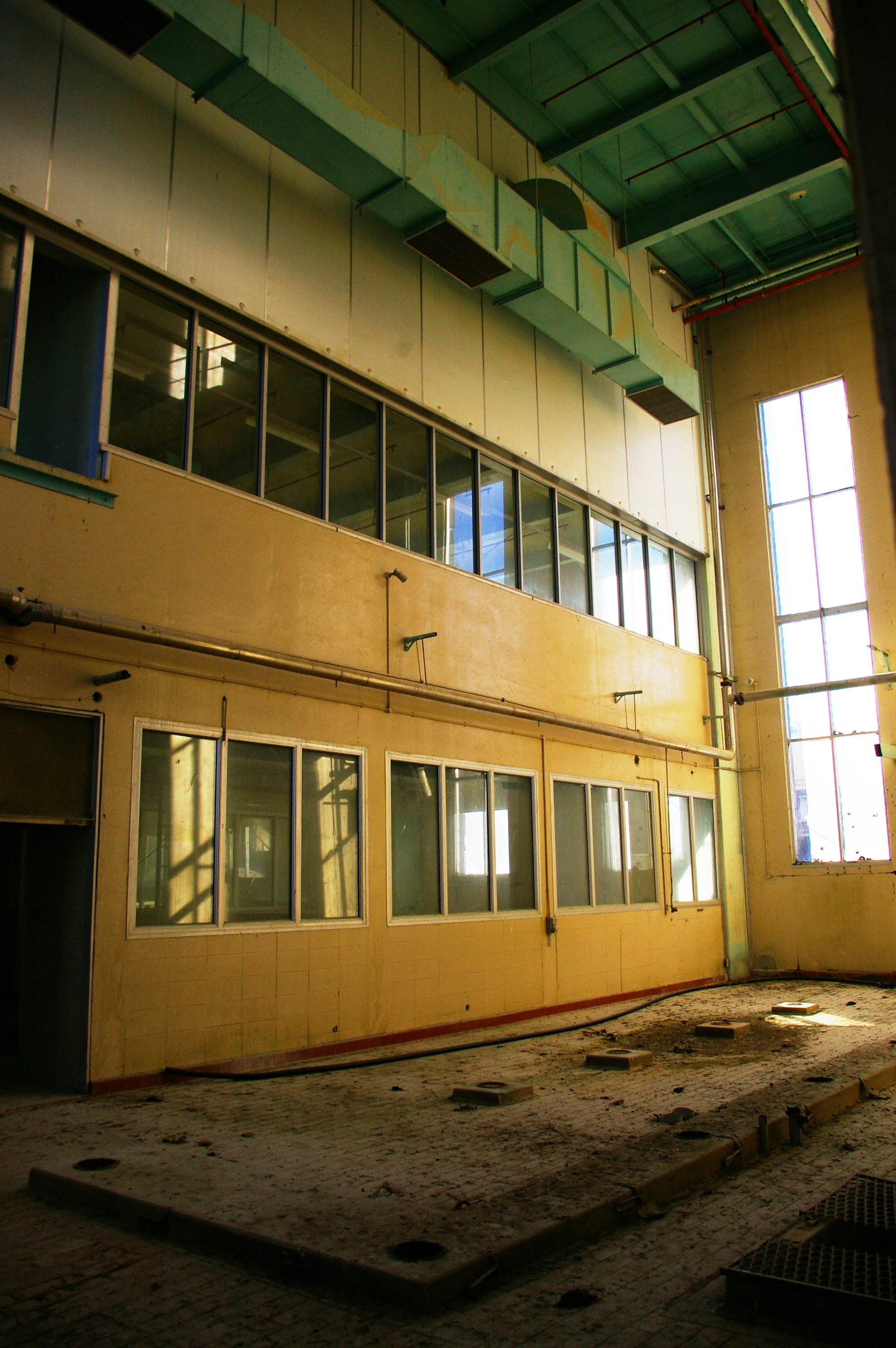
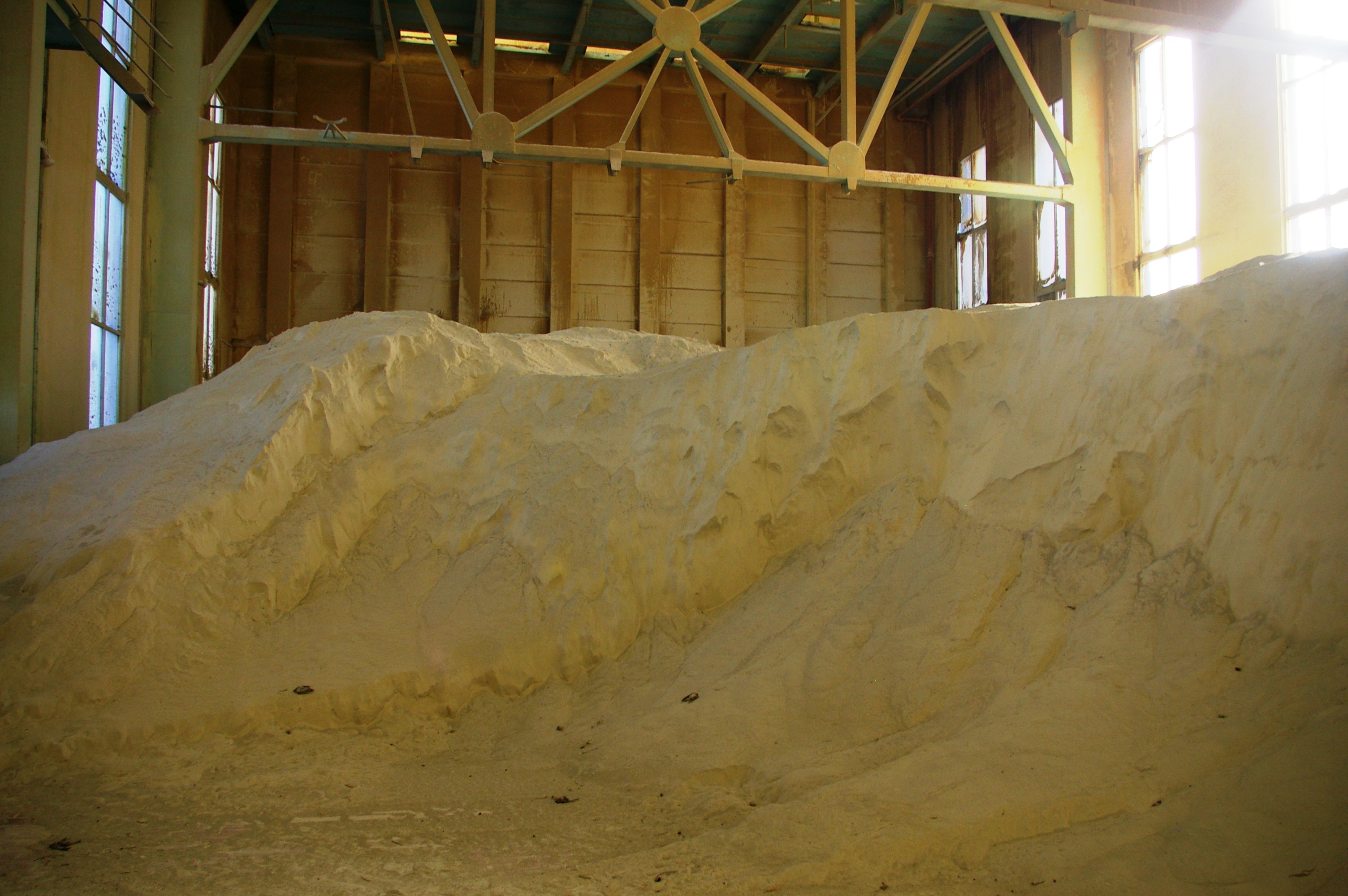
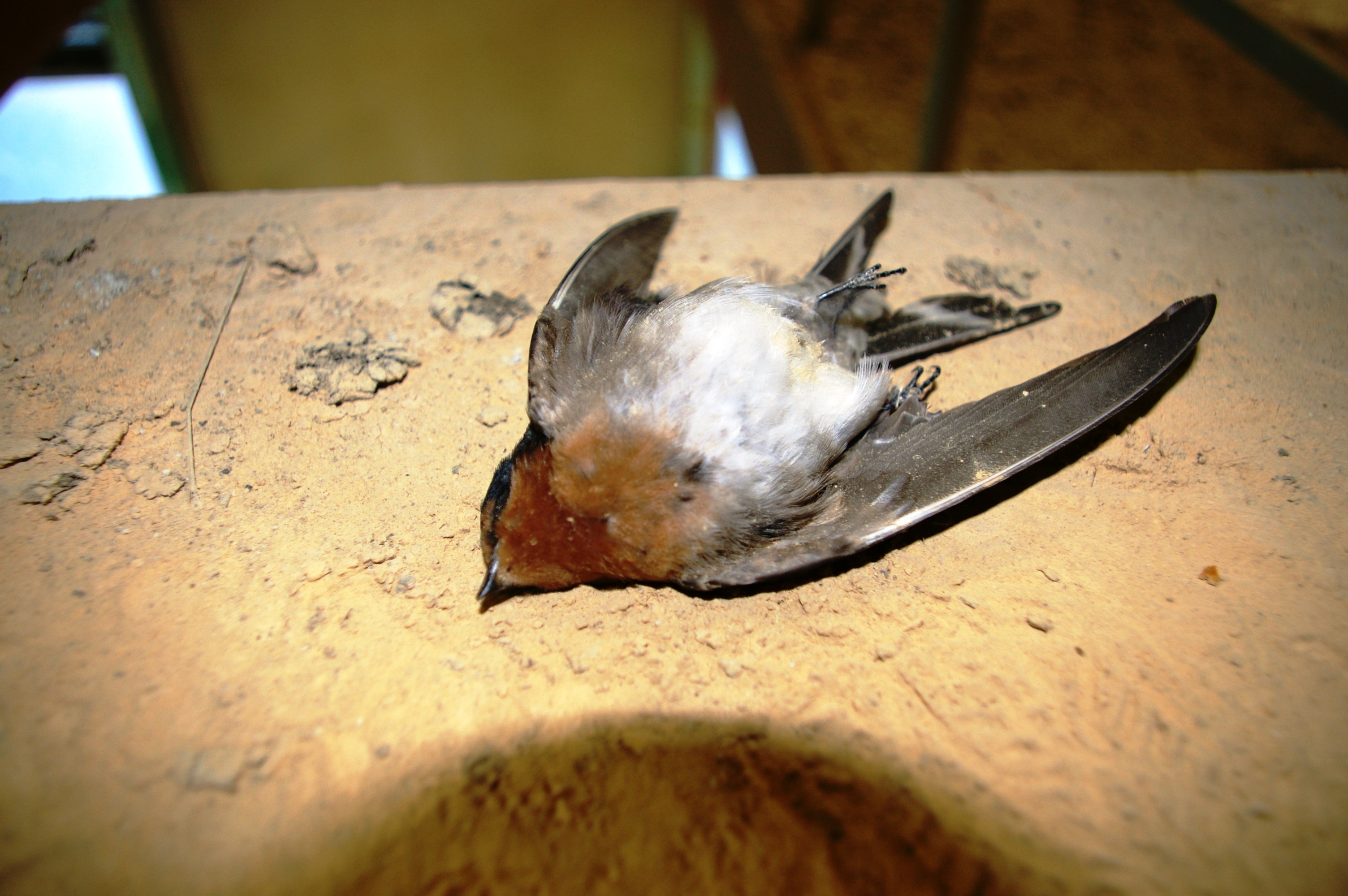
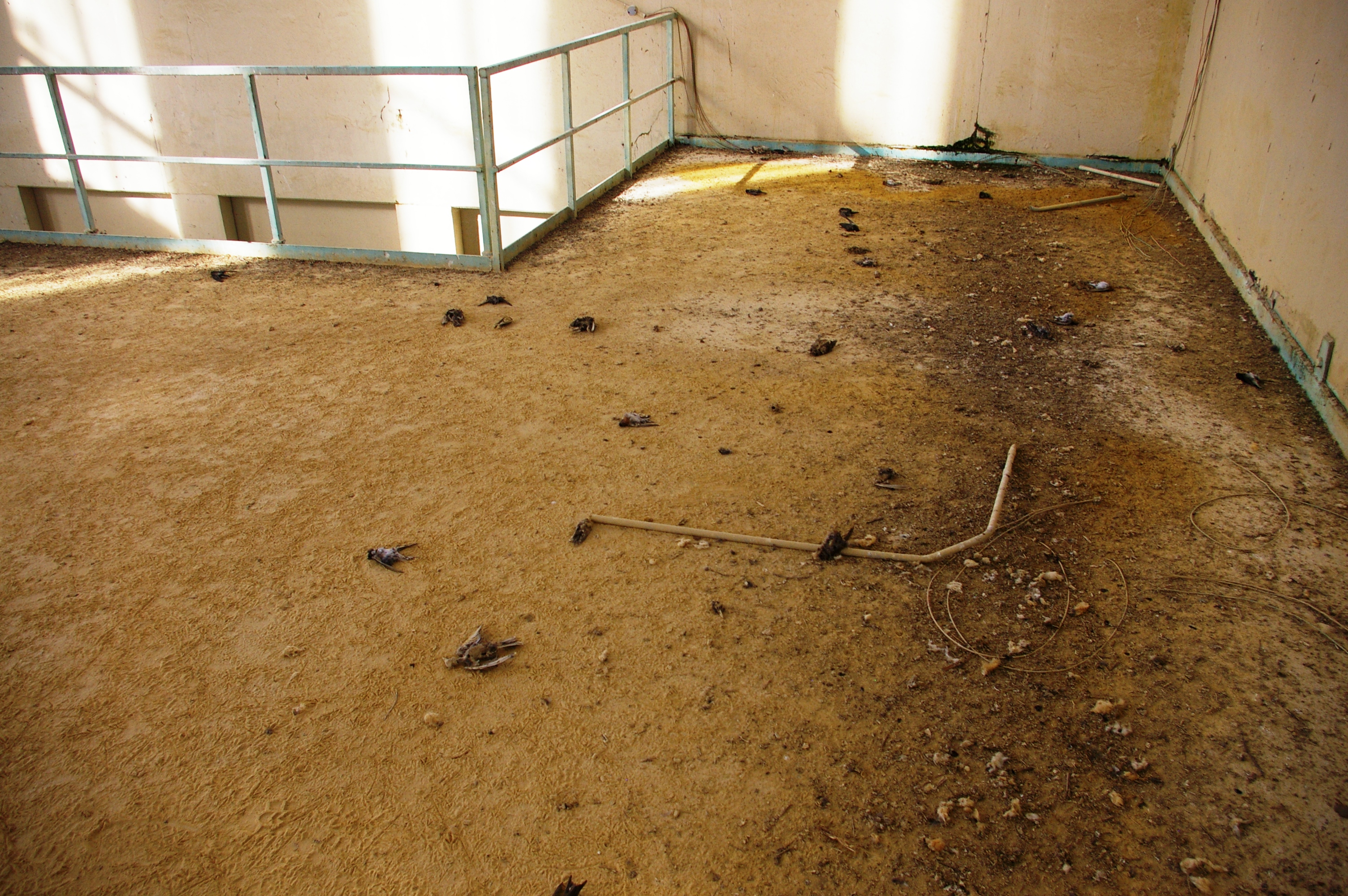
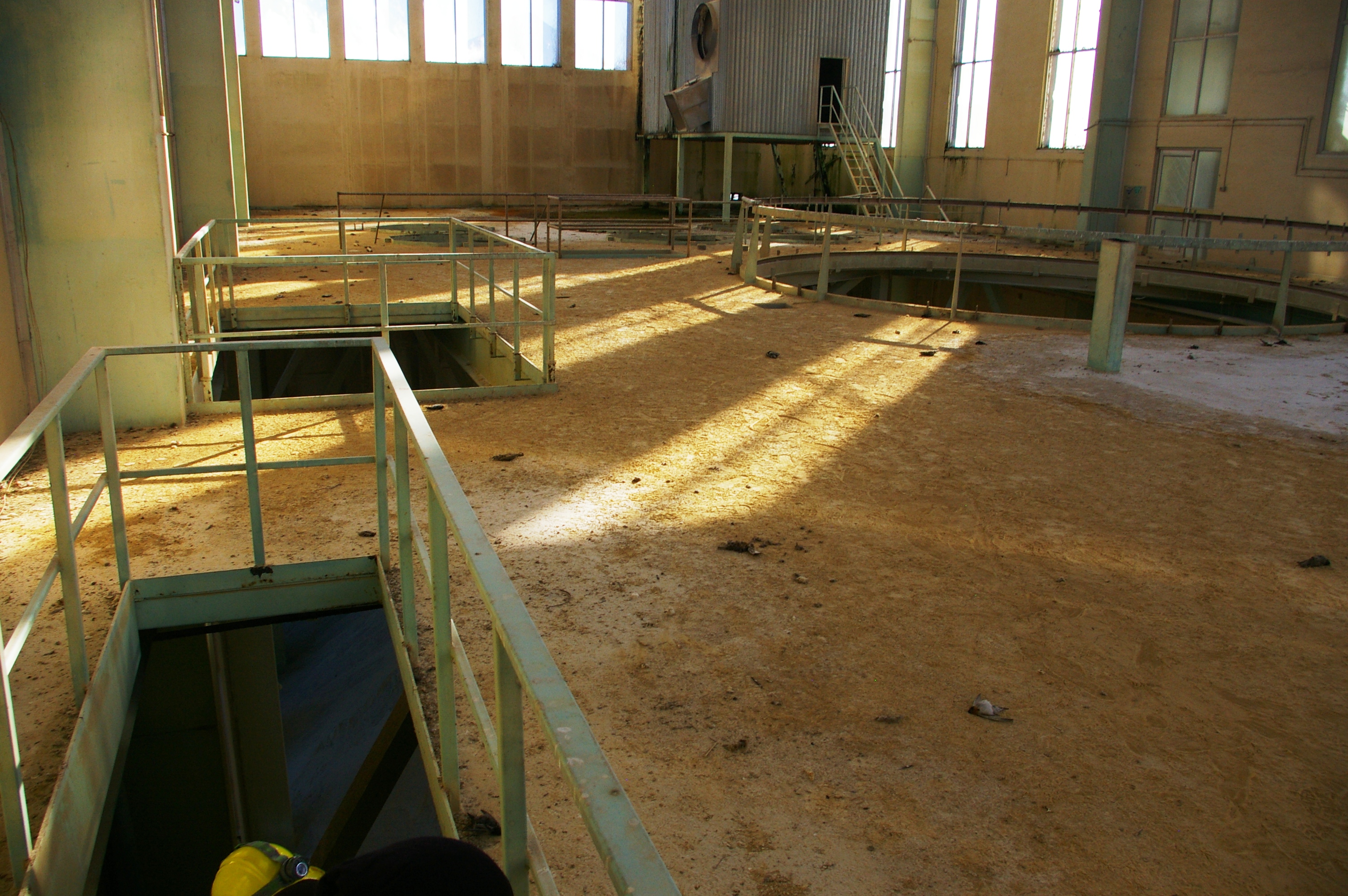
After walking into this fertiliser storage tower we quickly noticed something very wrong, hundreds of dead birds coating the floors. We’re not sure if it was the fertiliser or being trapped which entombed them in the building, but didn’t care to stay and find out.


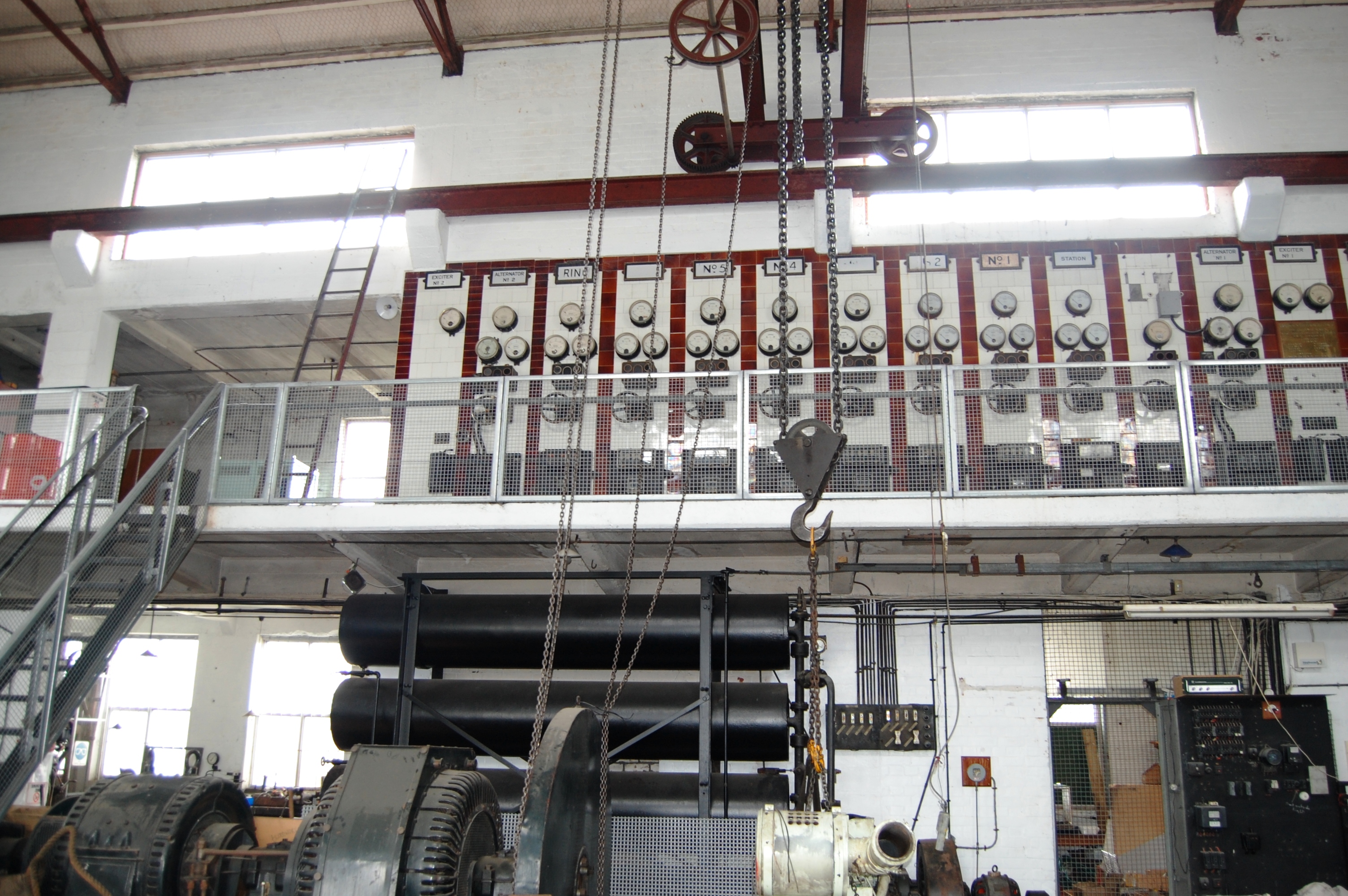
The huge generators in this power station are still fully operational, but it is unlikely that it will ever put another kW of power into the grid as it has been disconnected.
A group of enthusiasts maintain this fantastic example of engineering and occasionally hold open days, we were lucky enough to be passing by when one of their group was doing maintenance inside and allowed us (and now you) to have a peek at the inner workings.



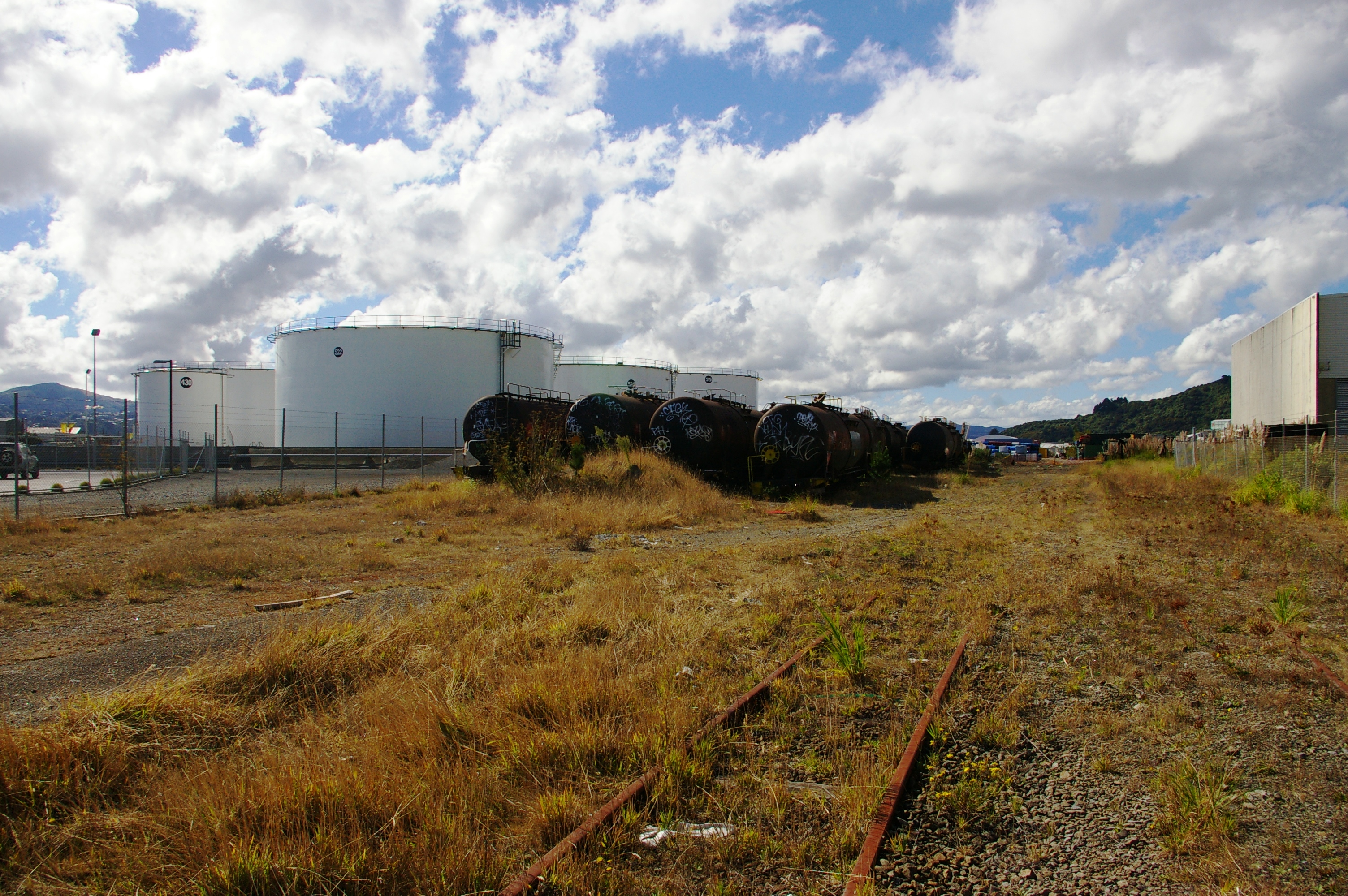
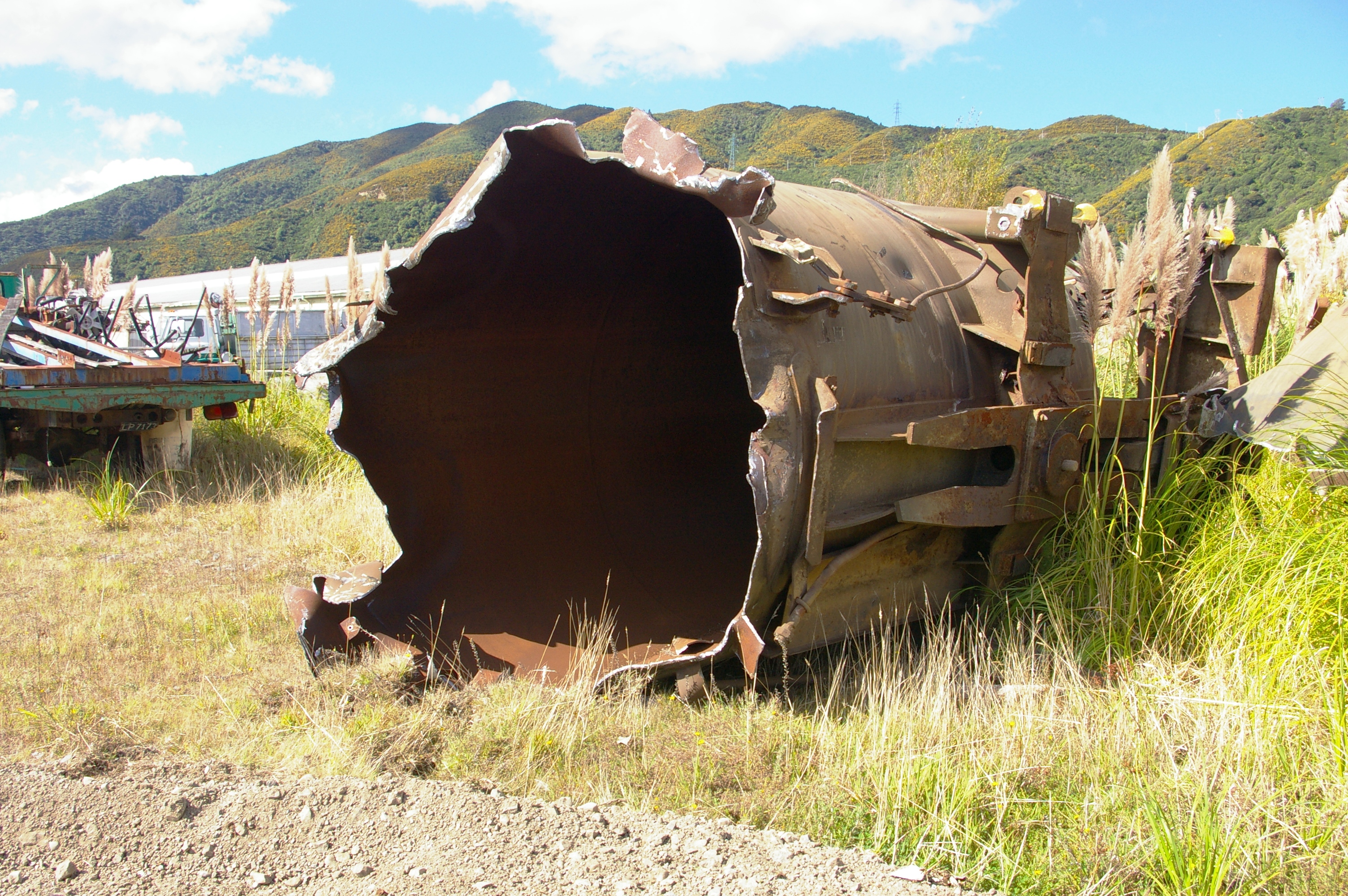
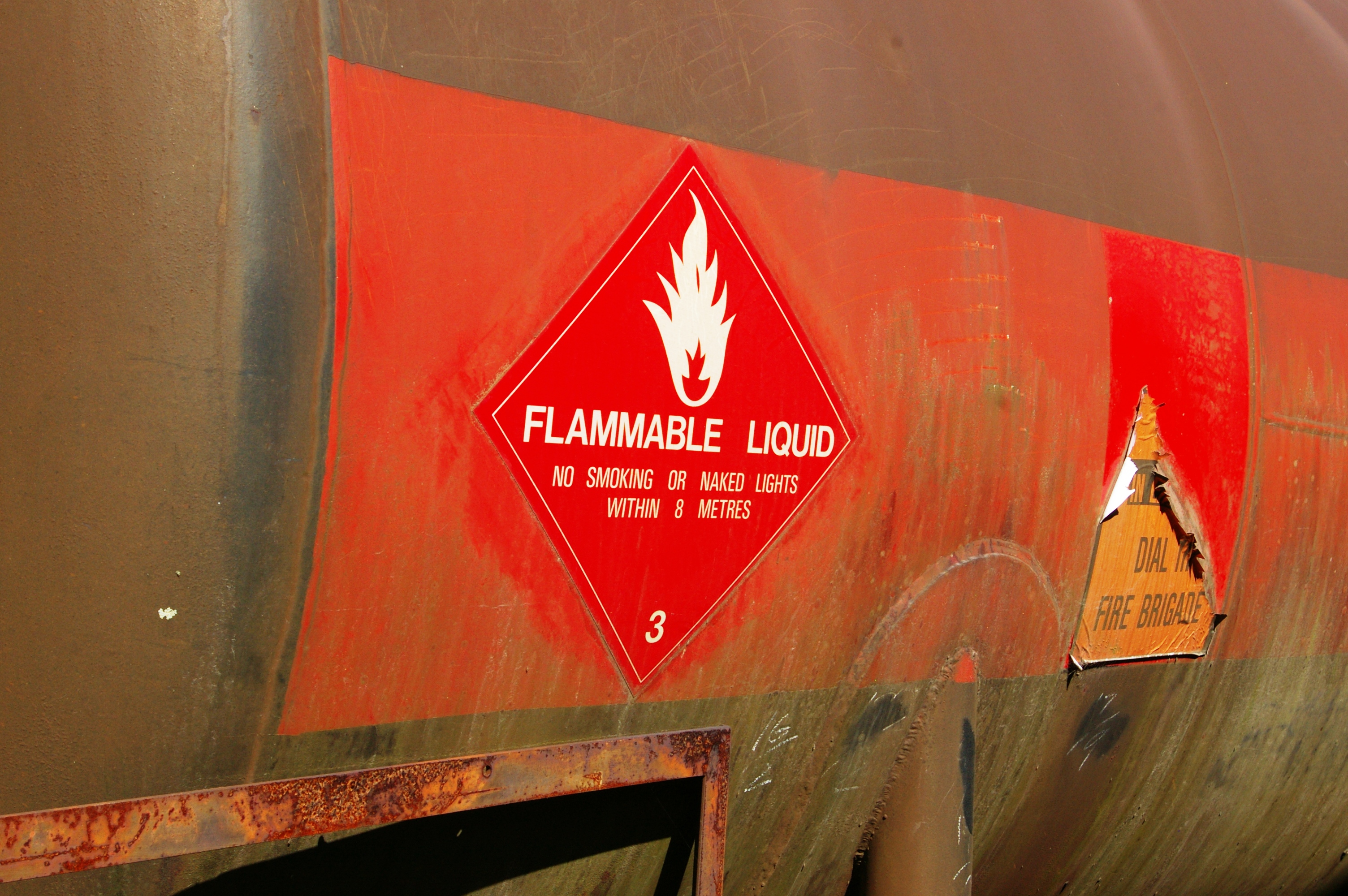
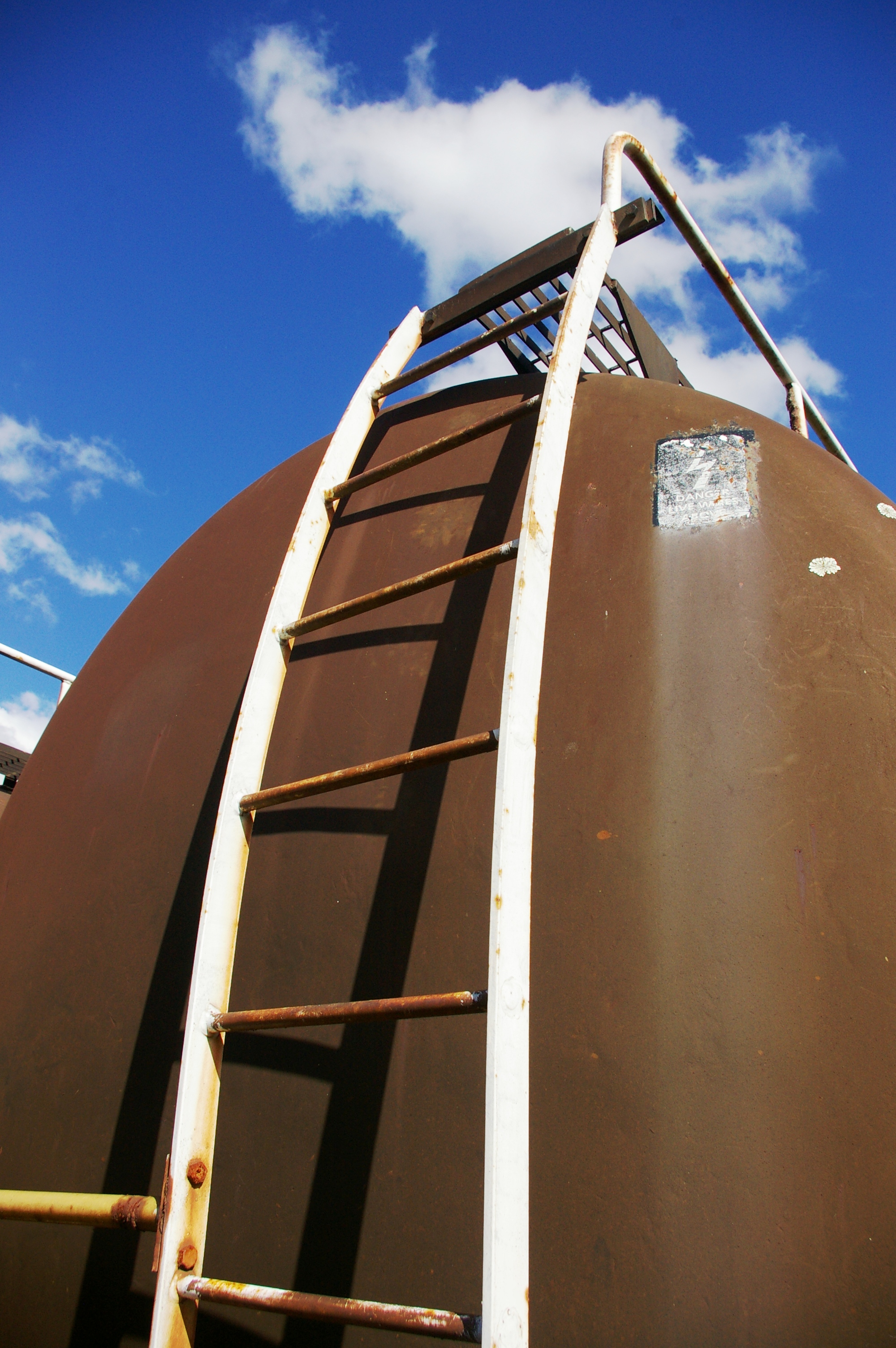
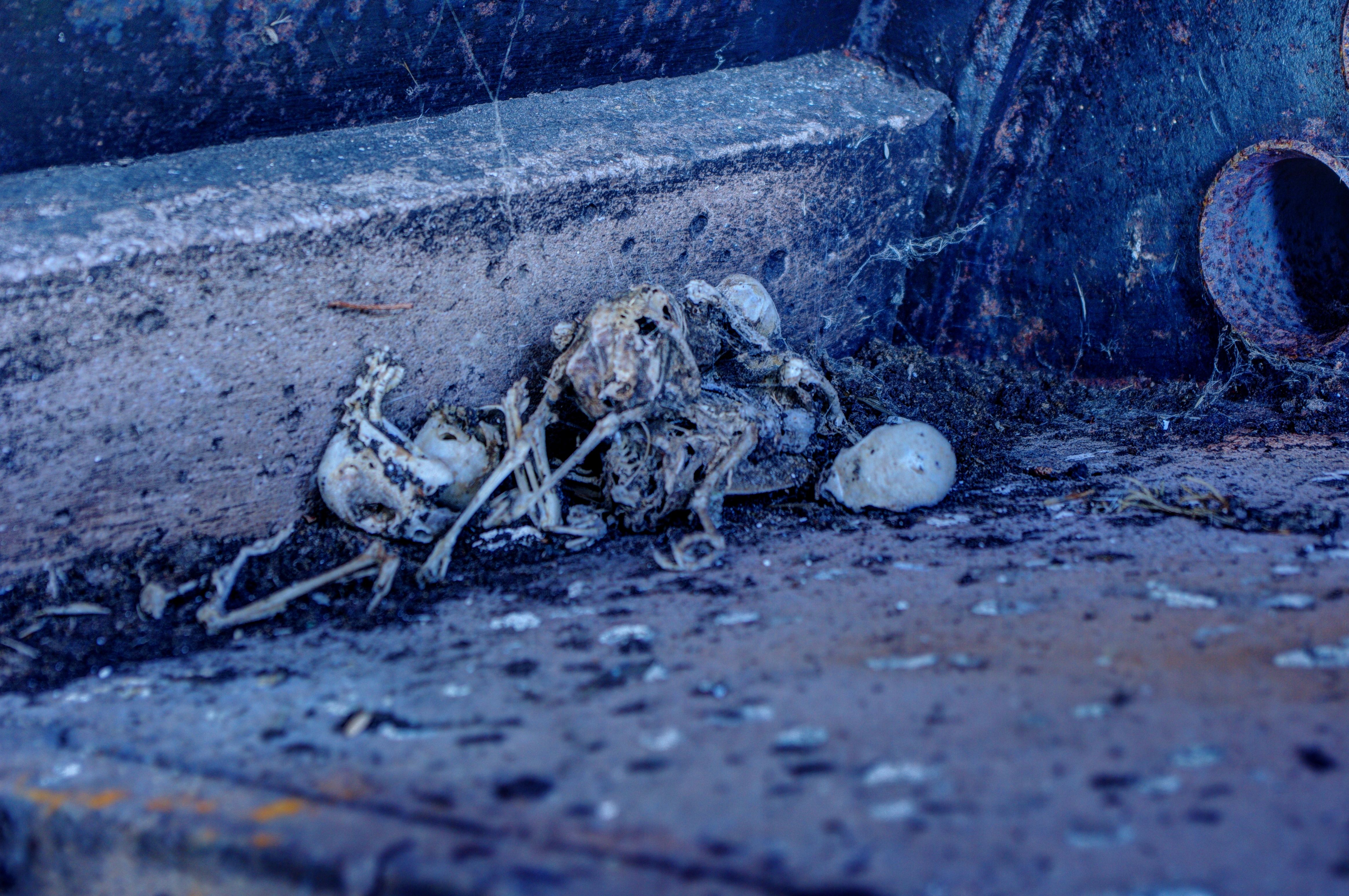
A small fleet of abandoned flammable goods tanker wagons provided us with an adventure playground.












 U R B E X C E N T R A L
