Hilltop Sanatorium

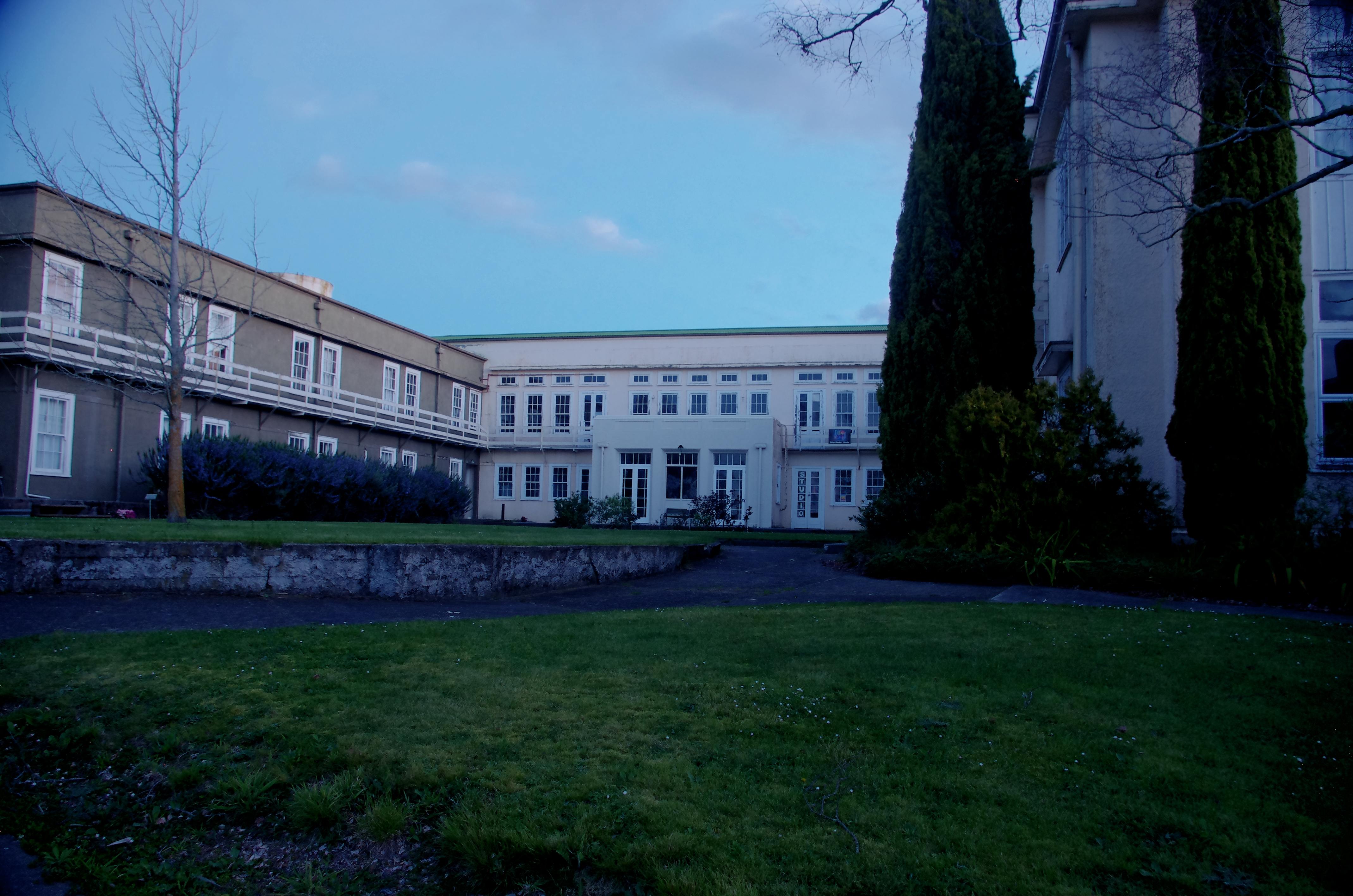
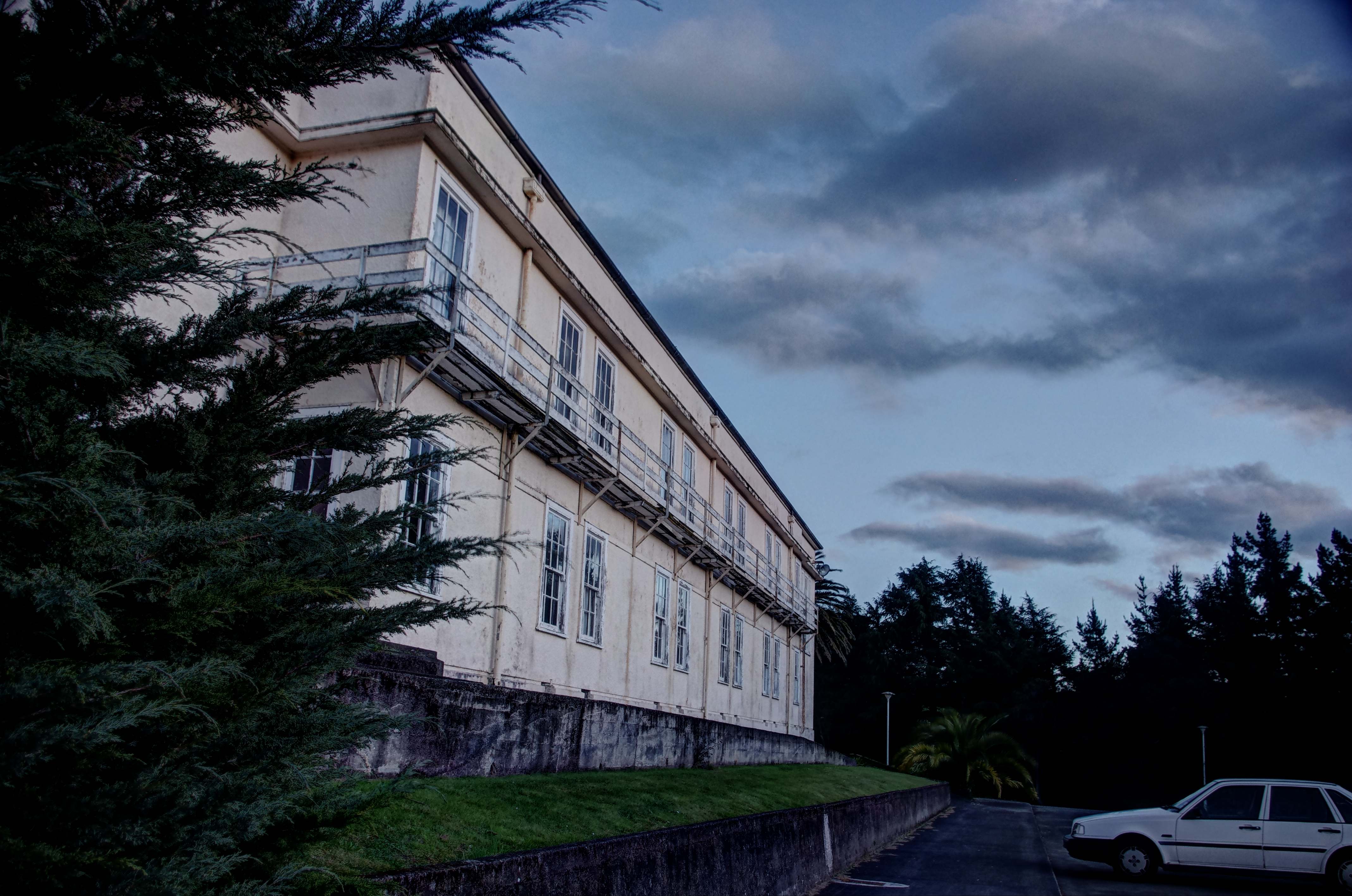
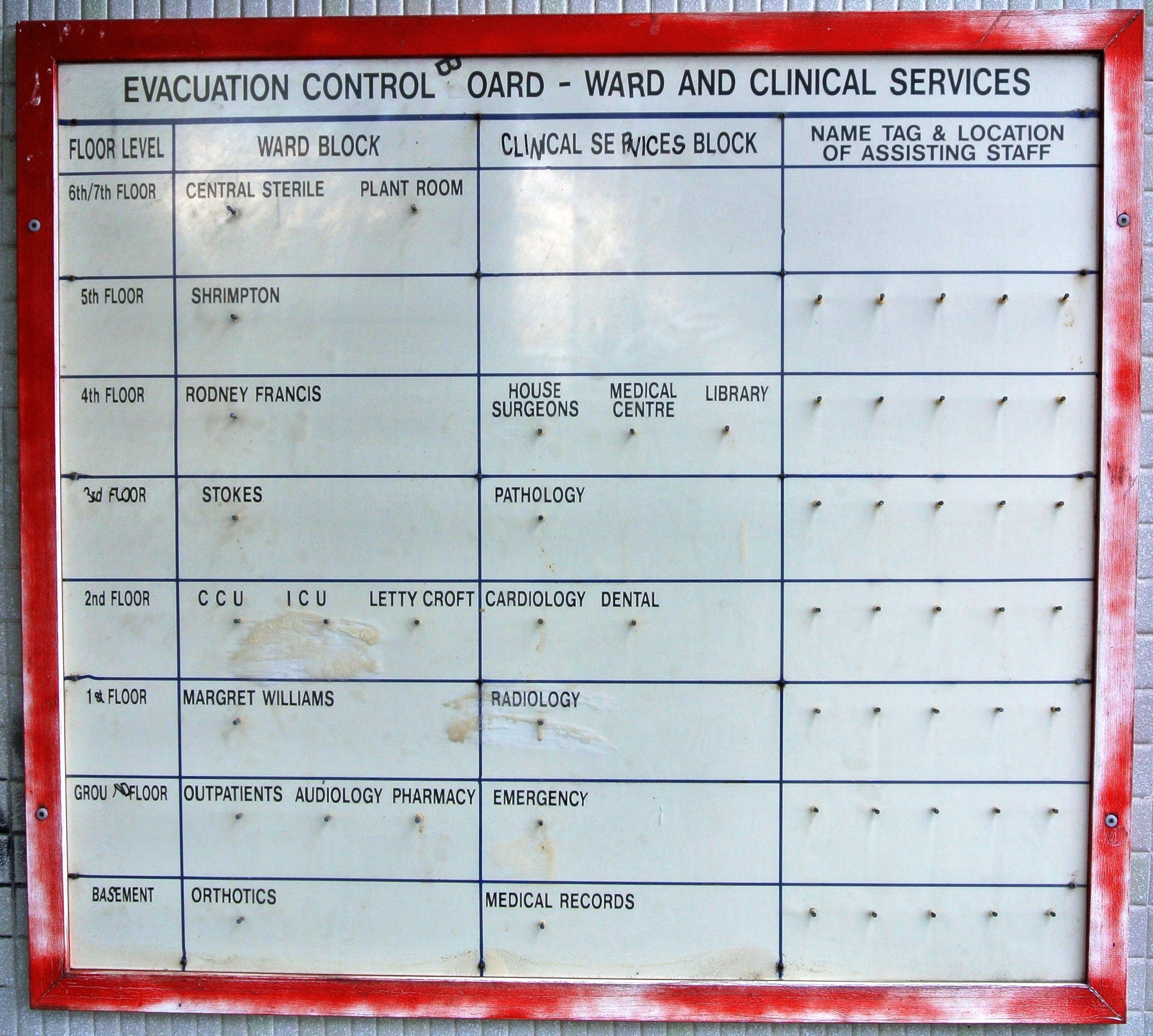
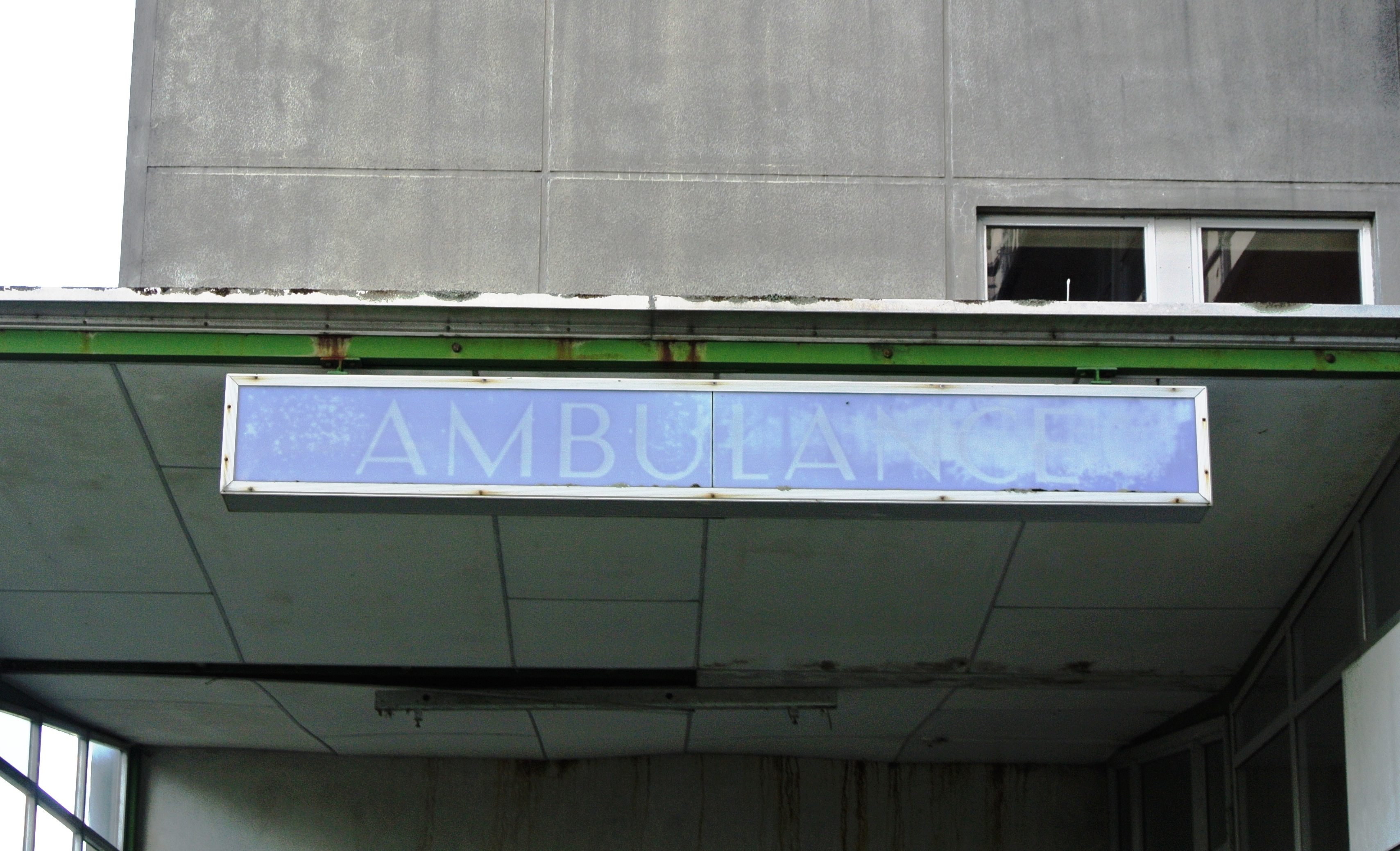
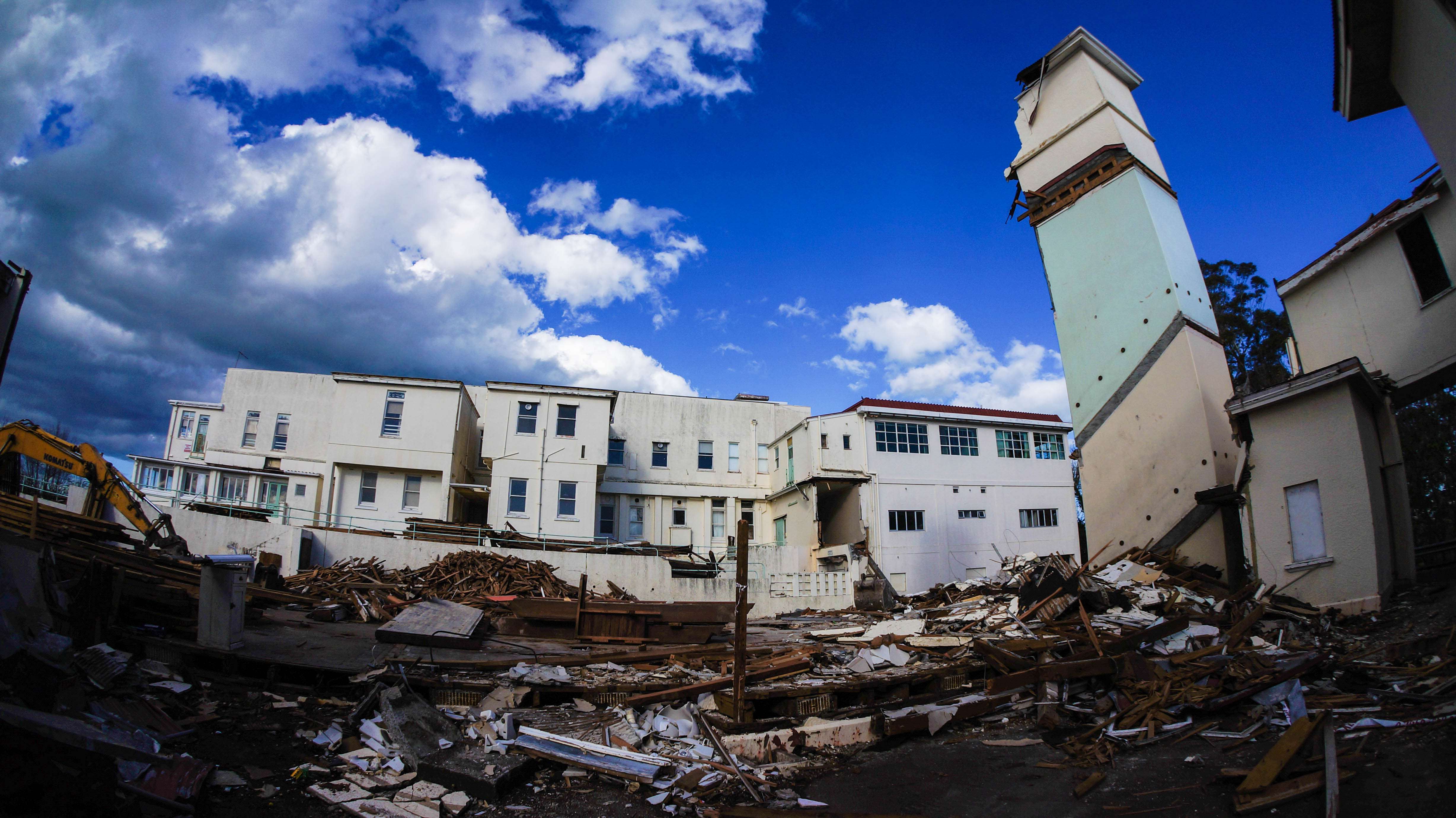
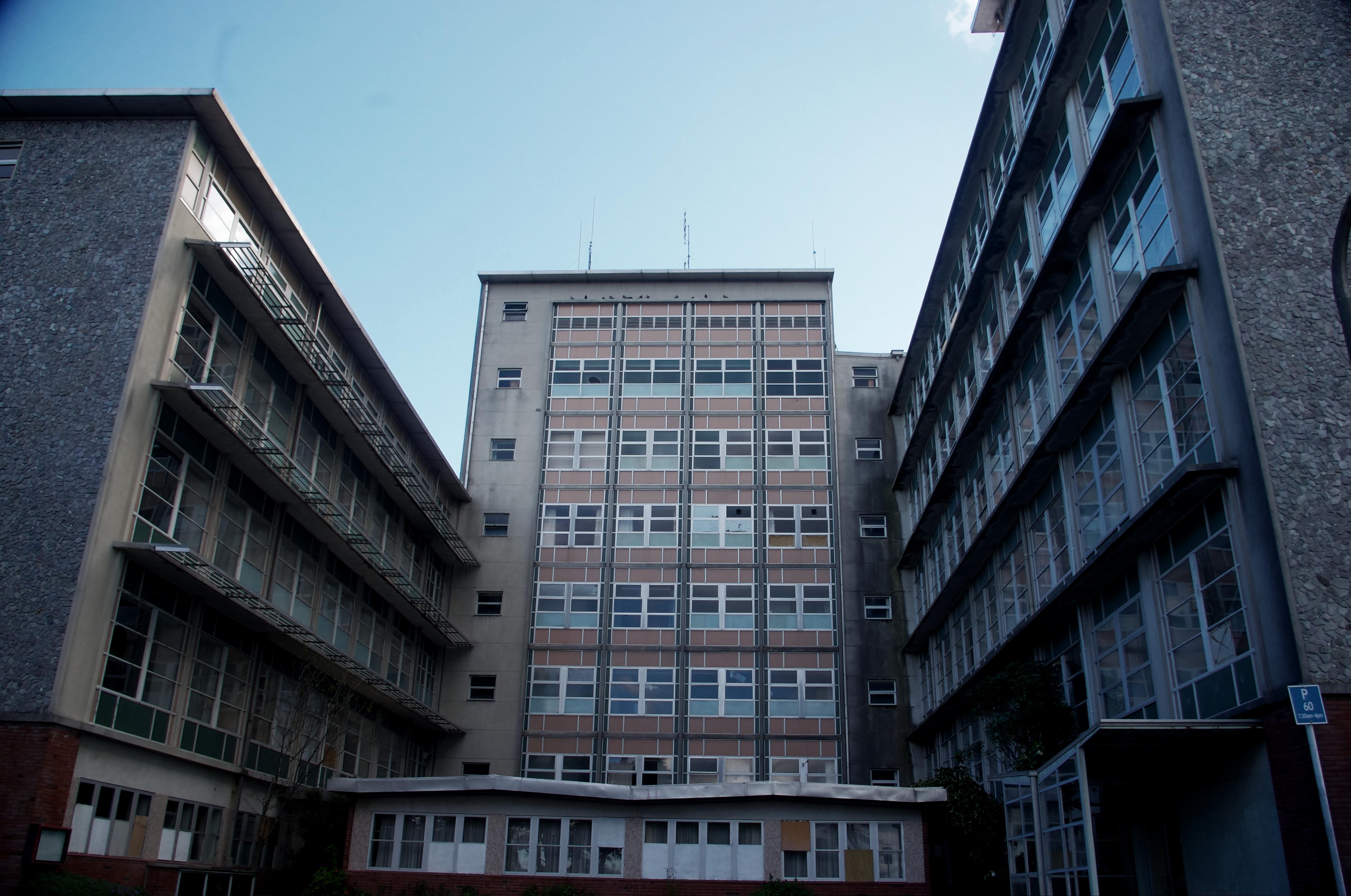
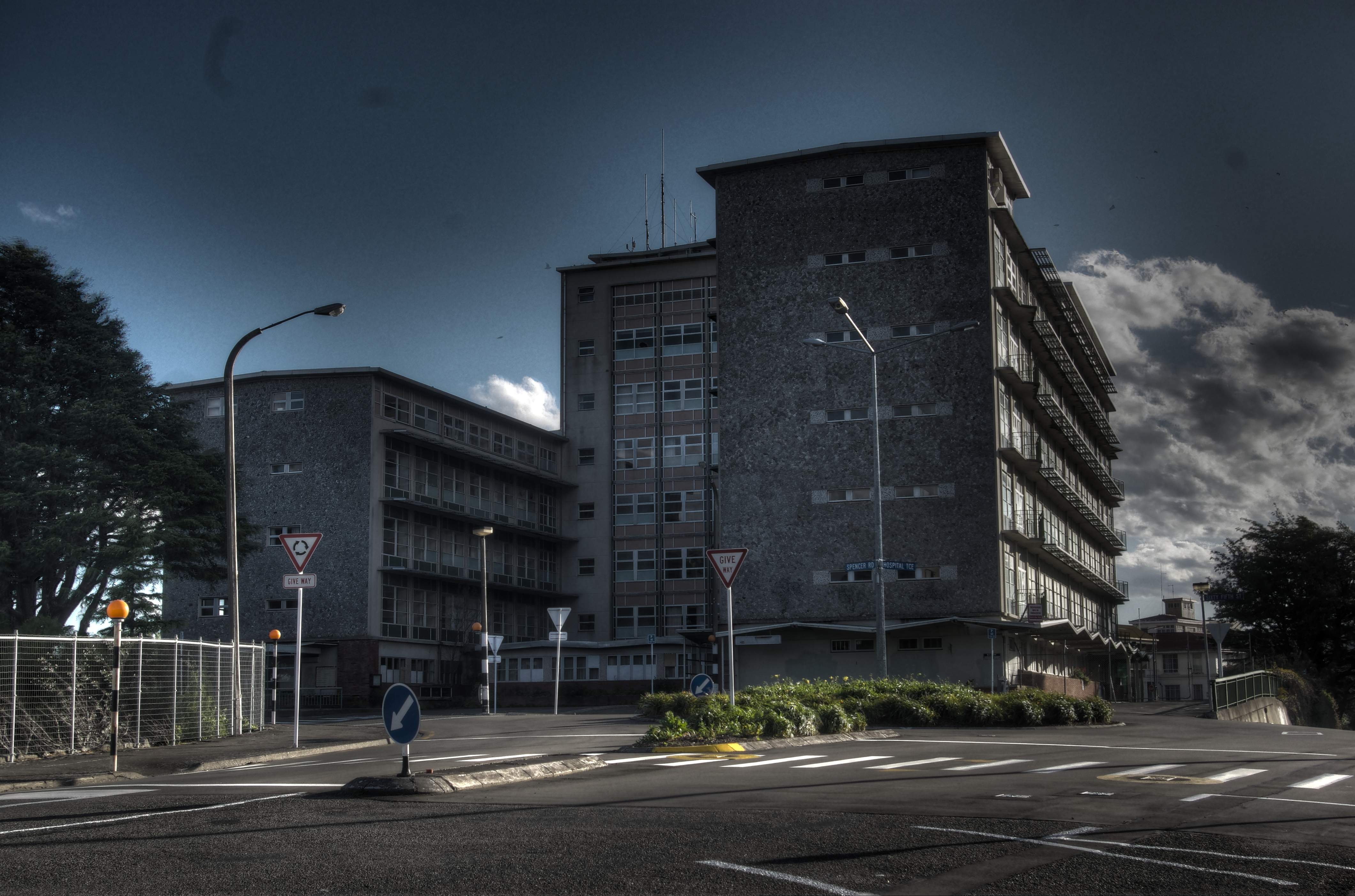
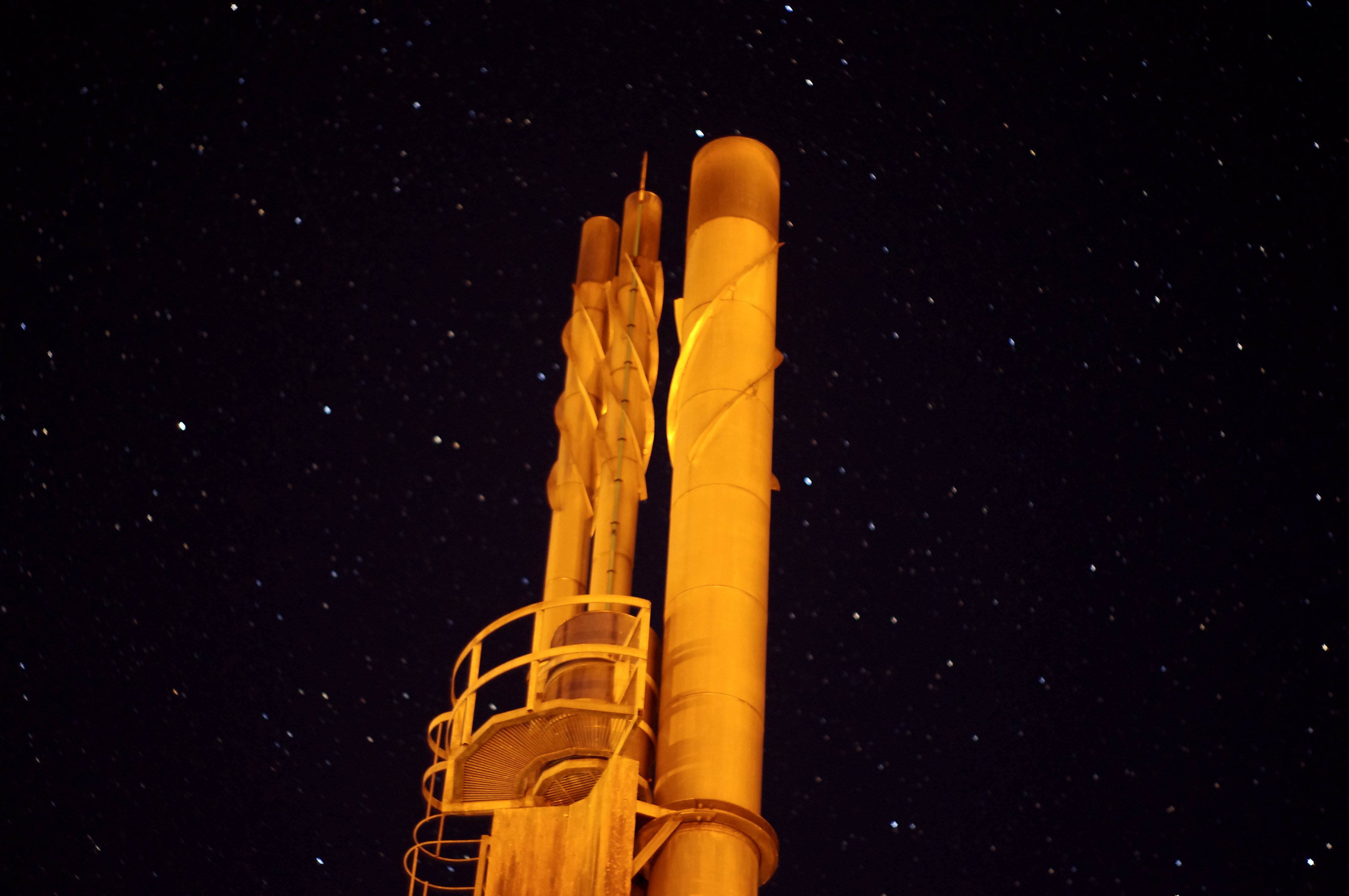
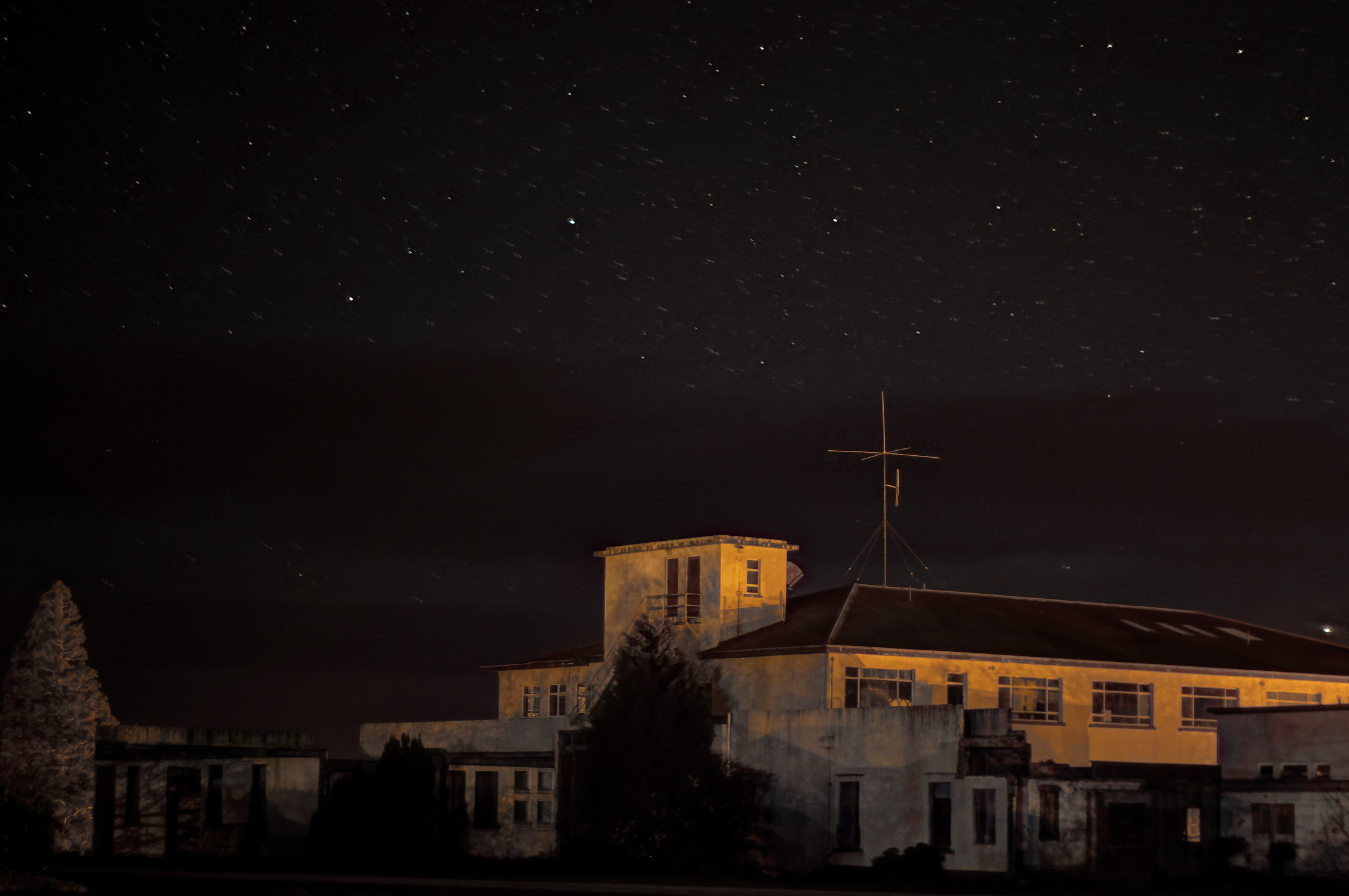
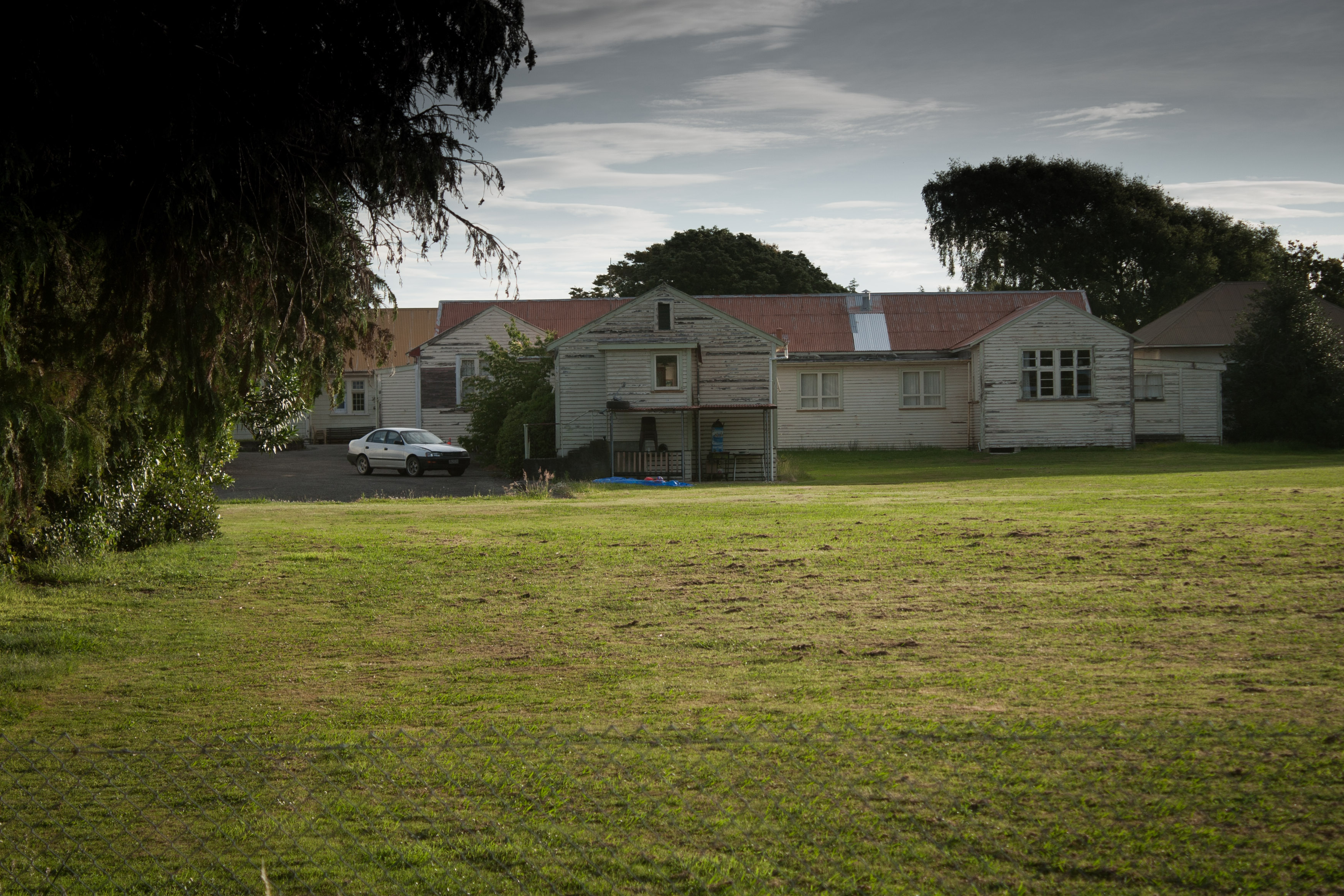
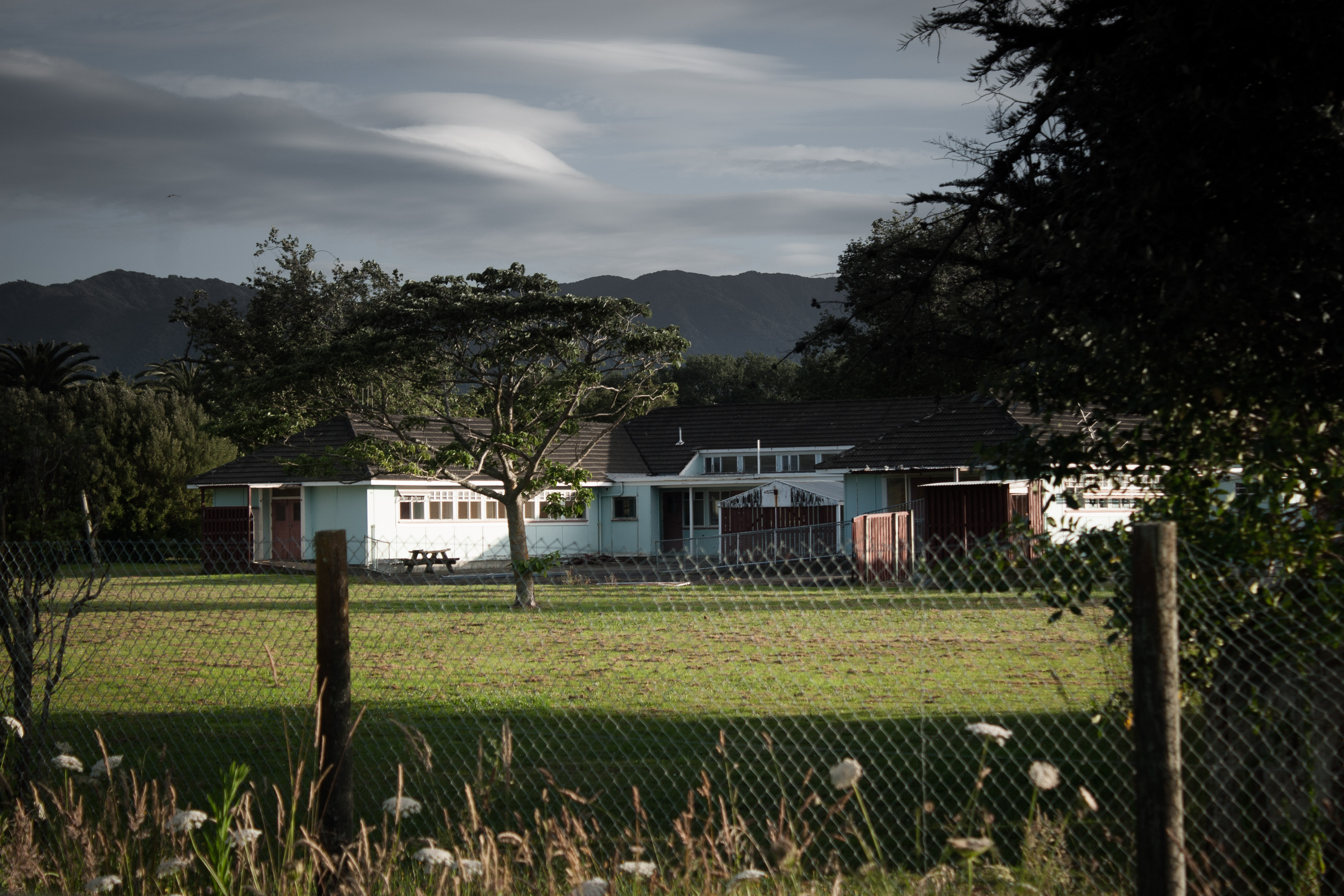
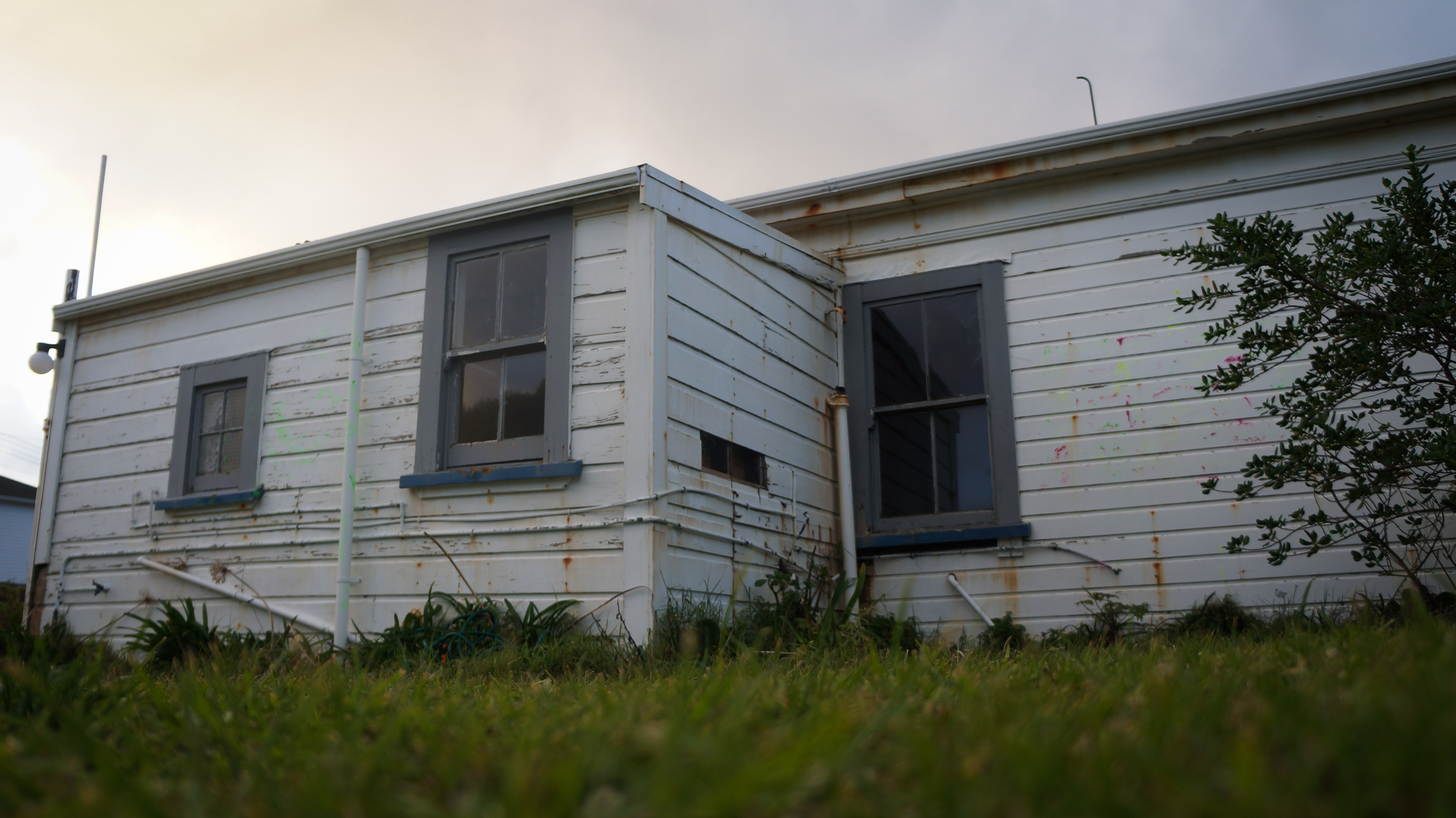
This imposing building on the hill overlooking a small country town has had several uses in it’s lifetime.
It was initially constructed as a hospital for veterans returning home from the great war, before being re-purposed as a sanatorium (tuberculosis hospital).
After 60 years and over 7000 patients, and with the number of cases of TB in decline in New Zealand the hospital became a safe haven for the handicapped and for people suffering from head injuries.
The hospital has gone through another metamorphosis in the new millennium and is now used as part of a larger vineyard complex, we popped by for an inspection on our travels through the North Island.

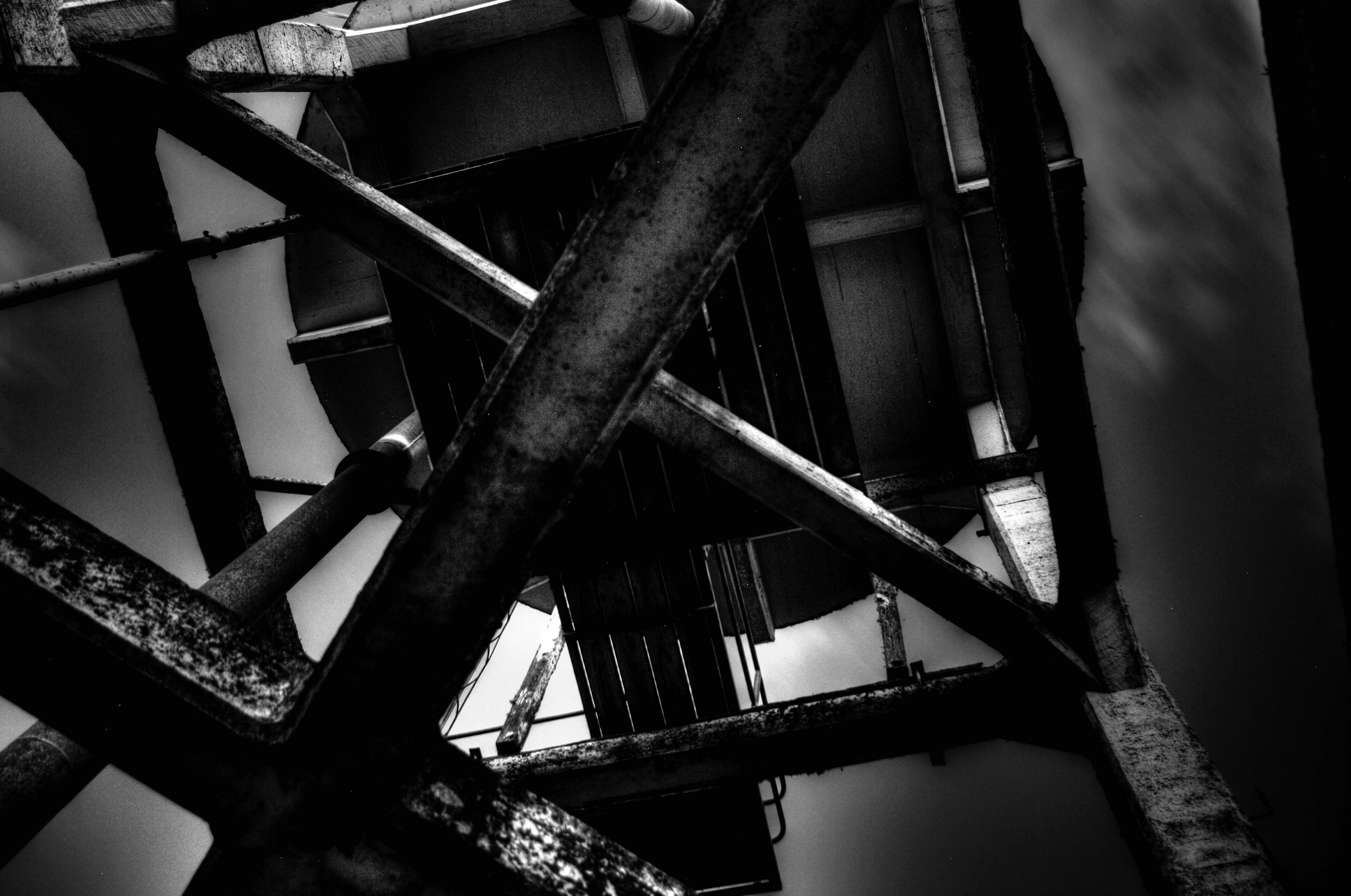
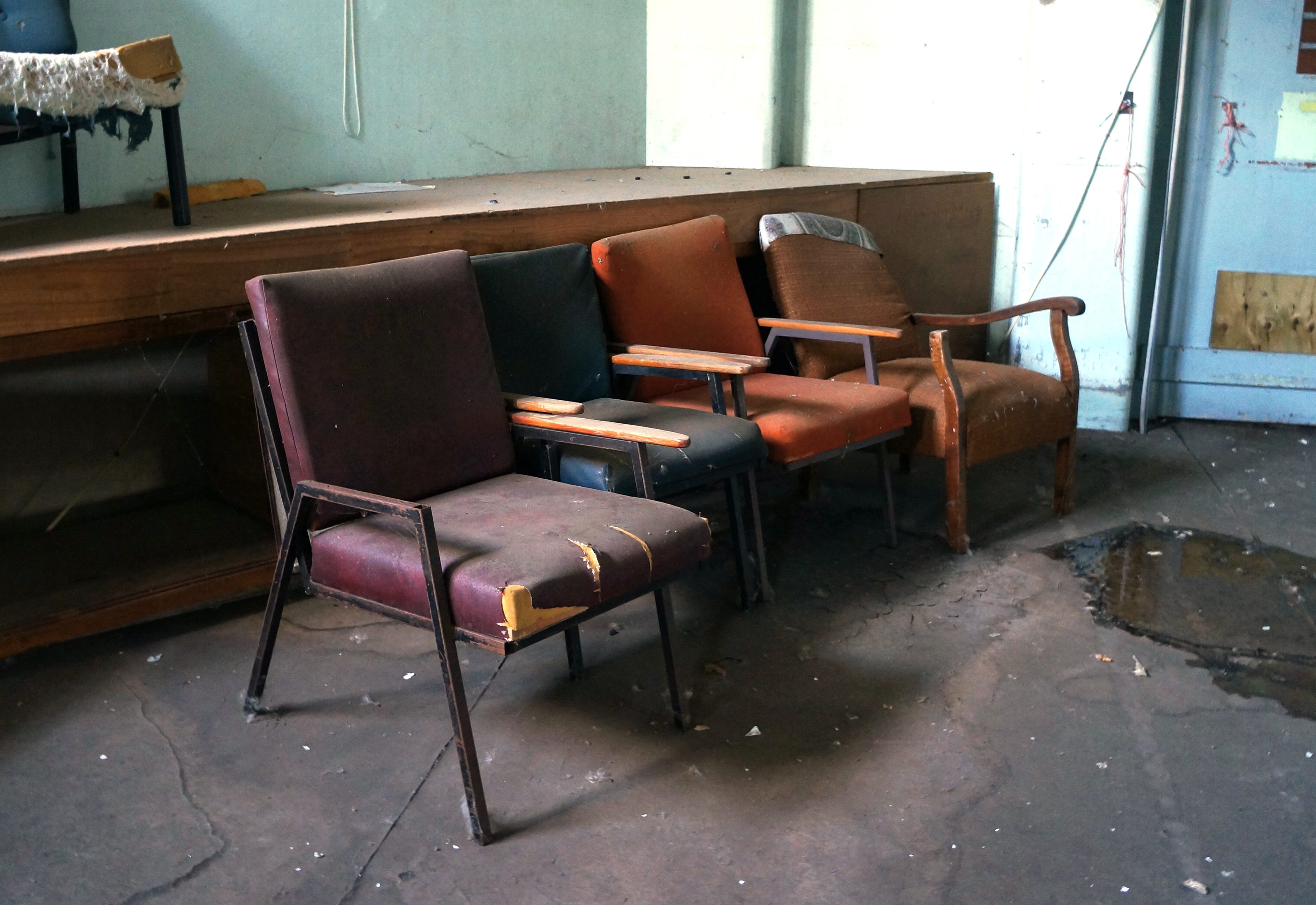
IMGP6289And7more_fused missioncontrol004 IMGP6261_2_3_4_5_6_7_tonemapped IMGP6268_69_70_71_72_73_74_fused IMGP6282_3_4_5_6_7_8_tonemapped

Hospital on the Hill pt 2: Hospital Laundry

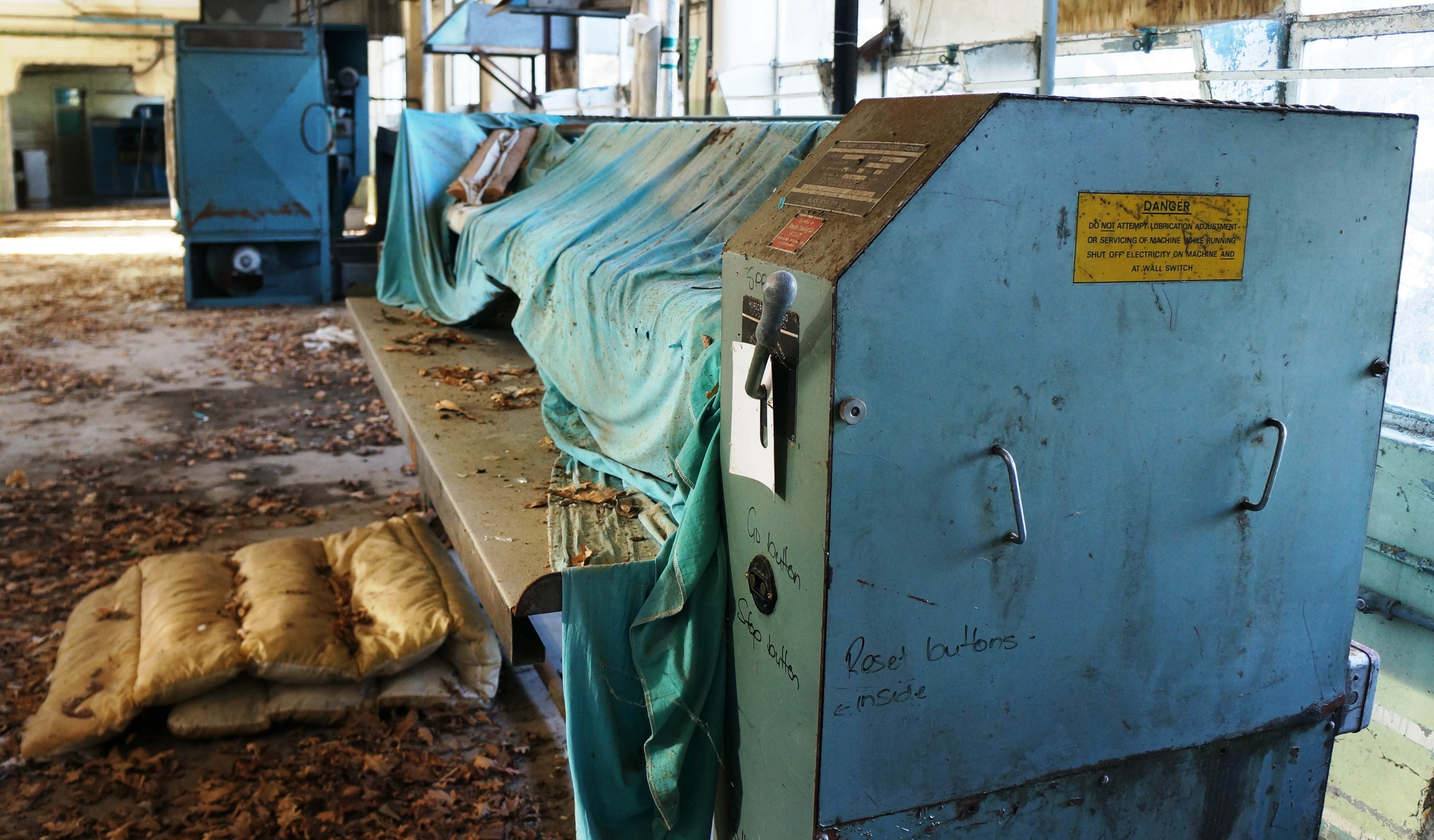
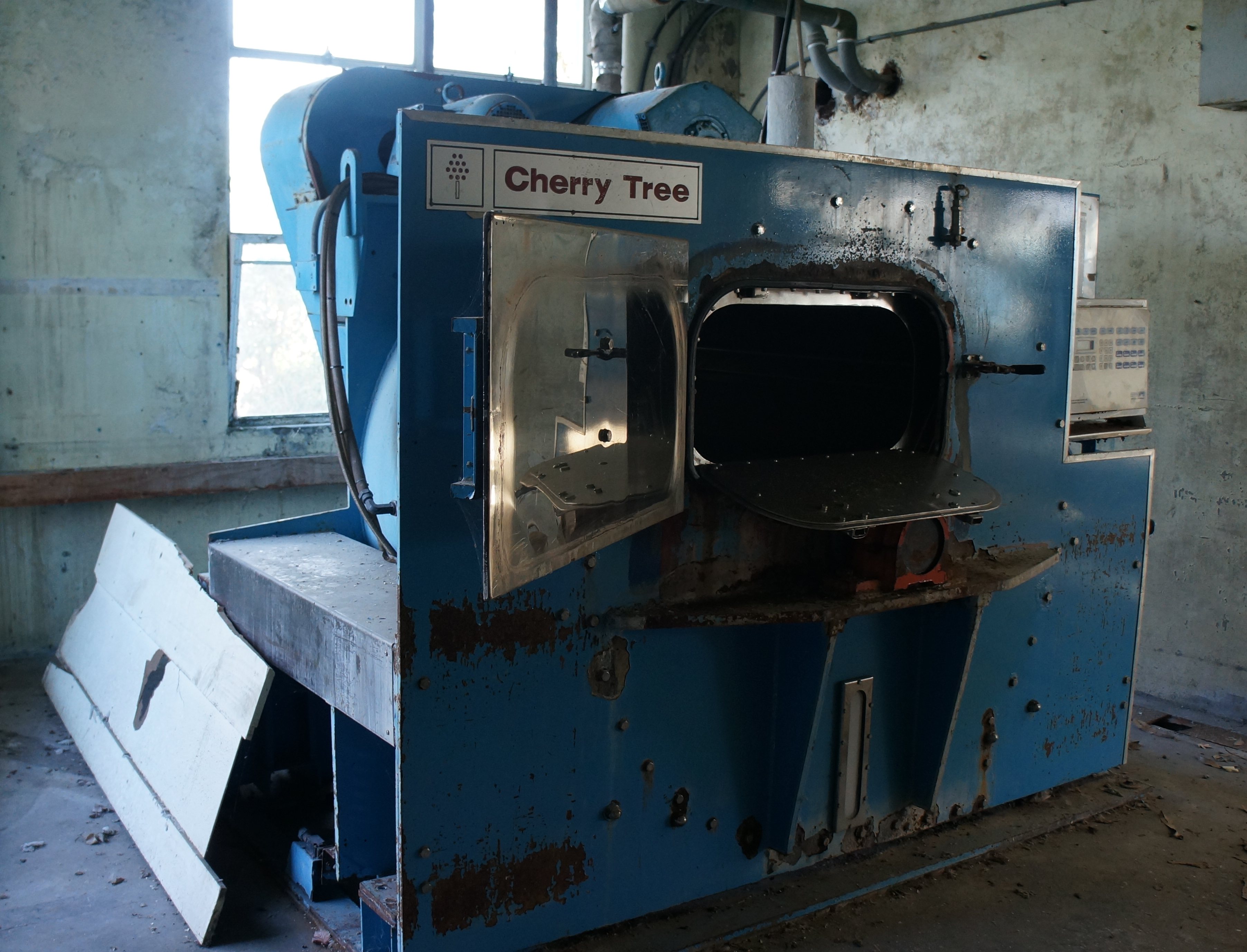
One of the first buildings we came across on the site was the hospital laundry, these machines once cleaned sheets, scrubs, and other laundry for the entire hospital complex and judging by the size of them there must have been a lot of it.
I wonder what will come of these huge washing machines, dryers and linen presses when the building is torn down – perhaps they will simply end up melted down for scrap like so many other artifacts are when an abandoned building is demolished.
9301790210_d3f638e682_o 9301792052_b5bc2a5b75_o DSC05592 DSC05595 DSC05601 DSC05608 DSC05618

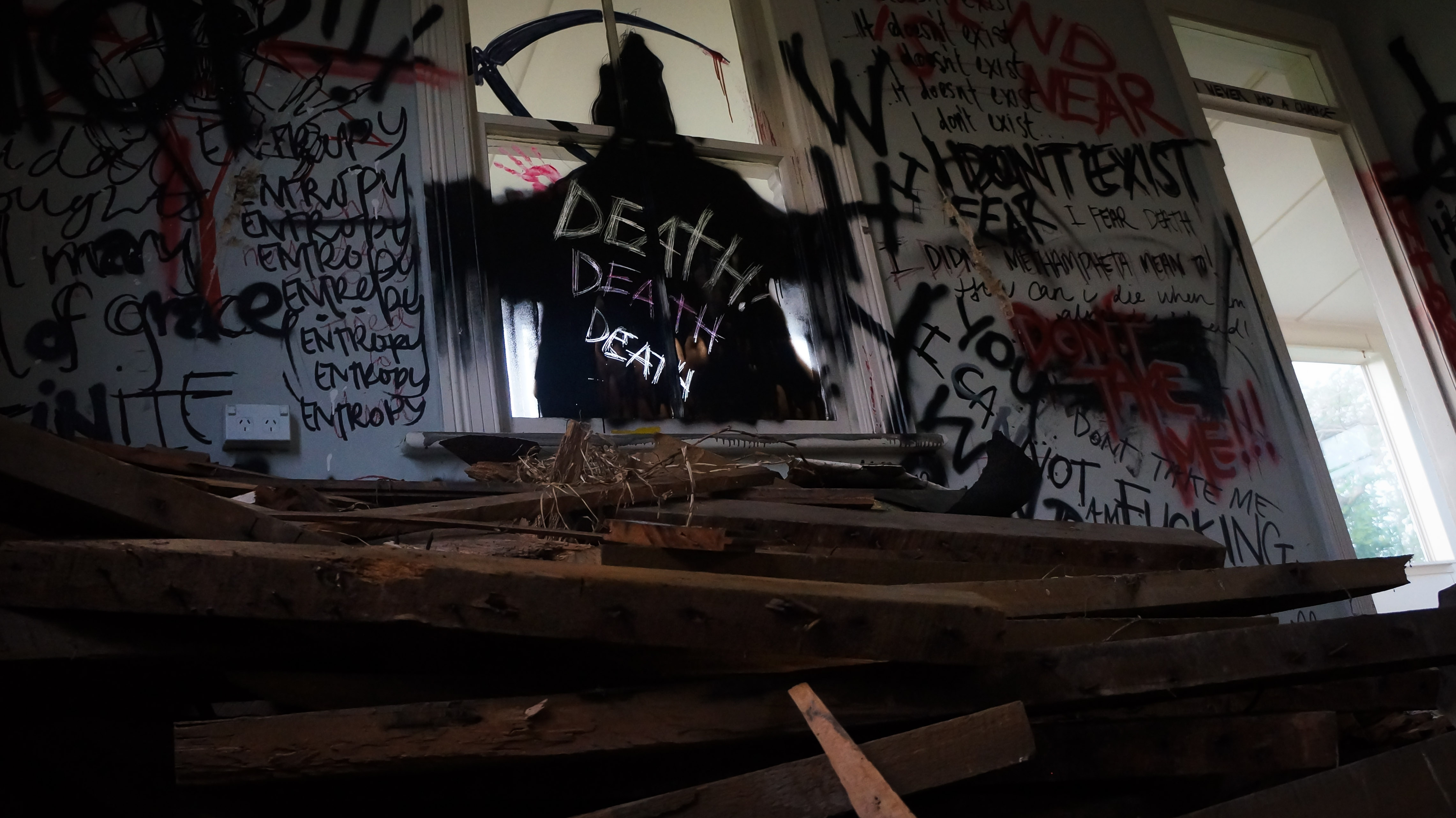
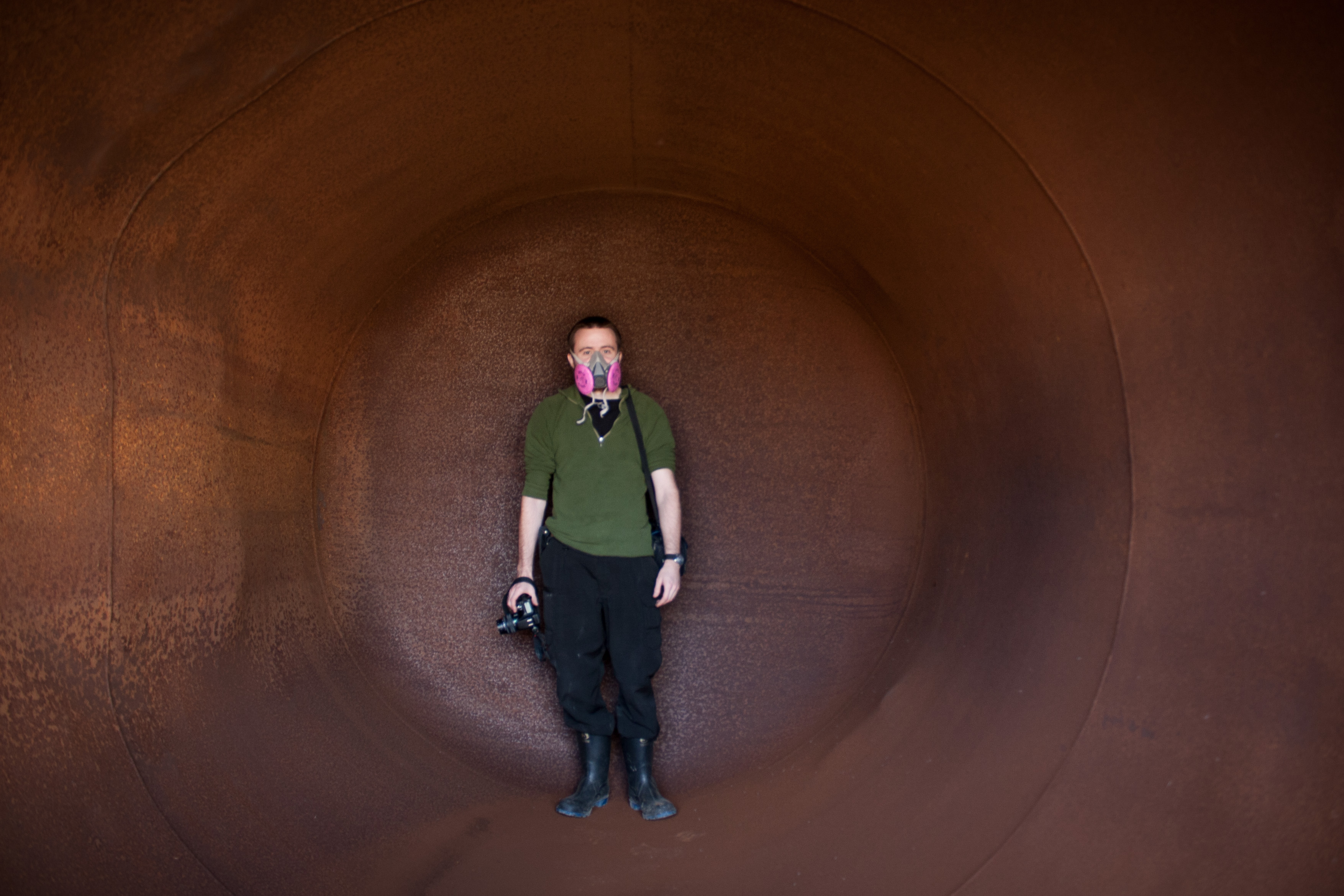
Silence Please

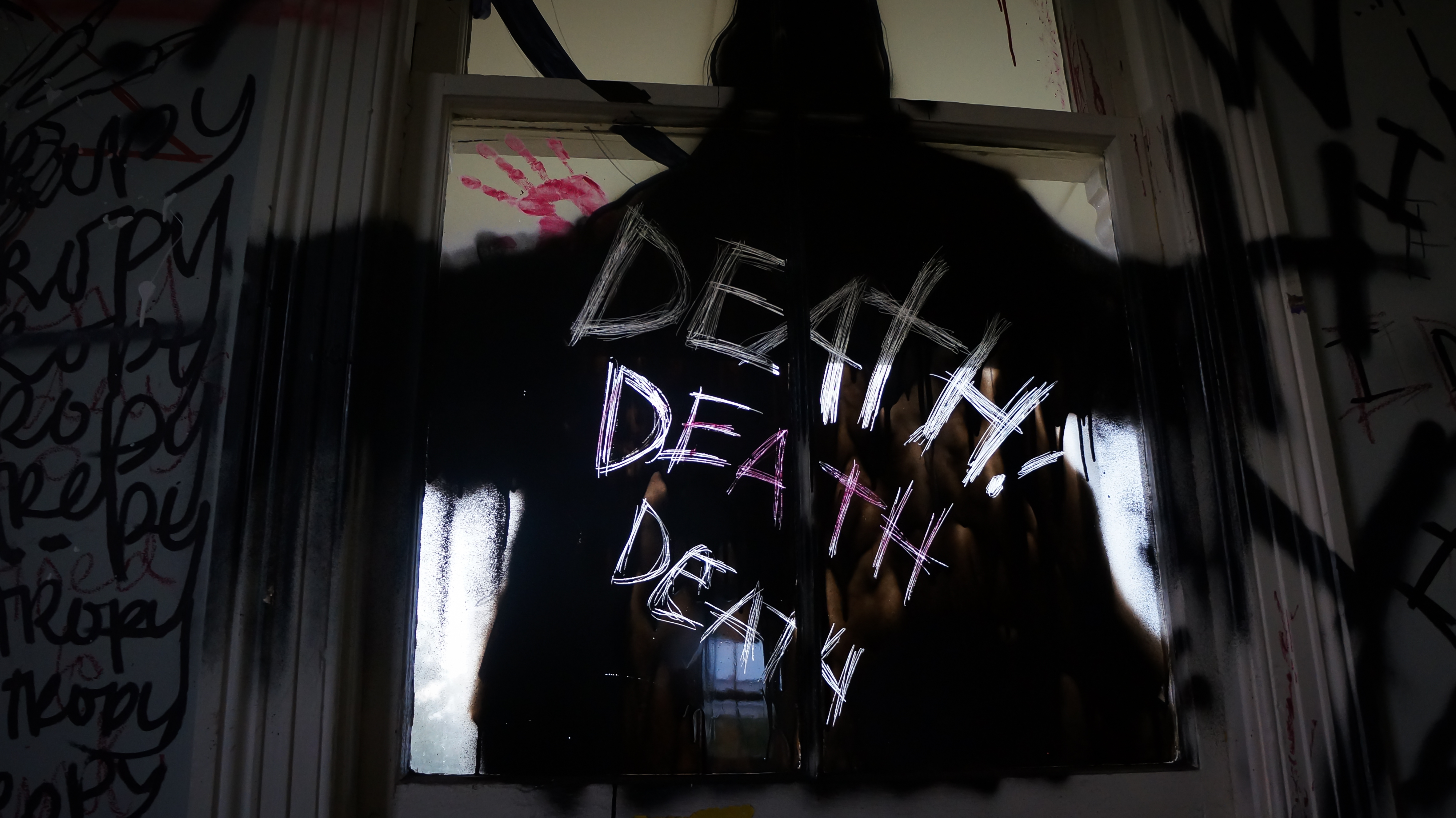
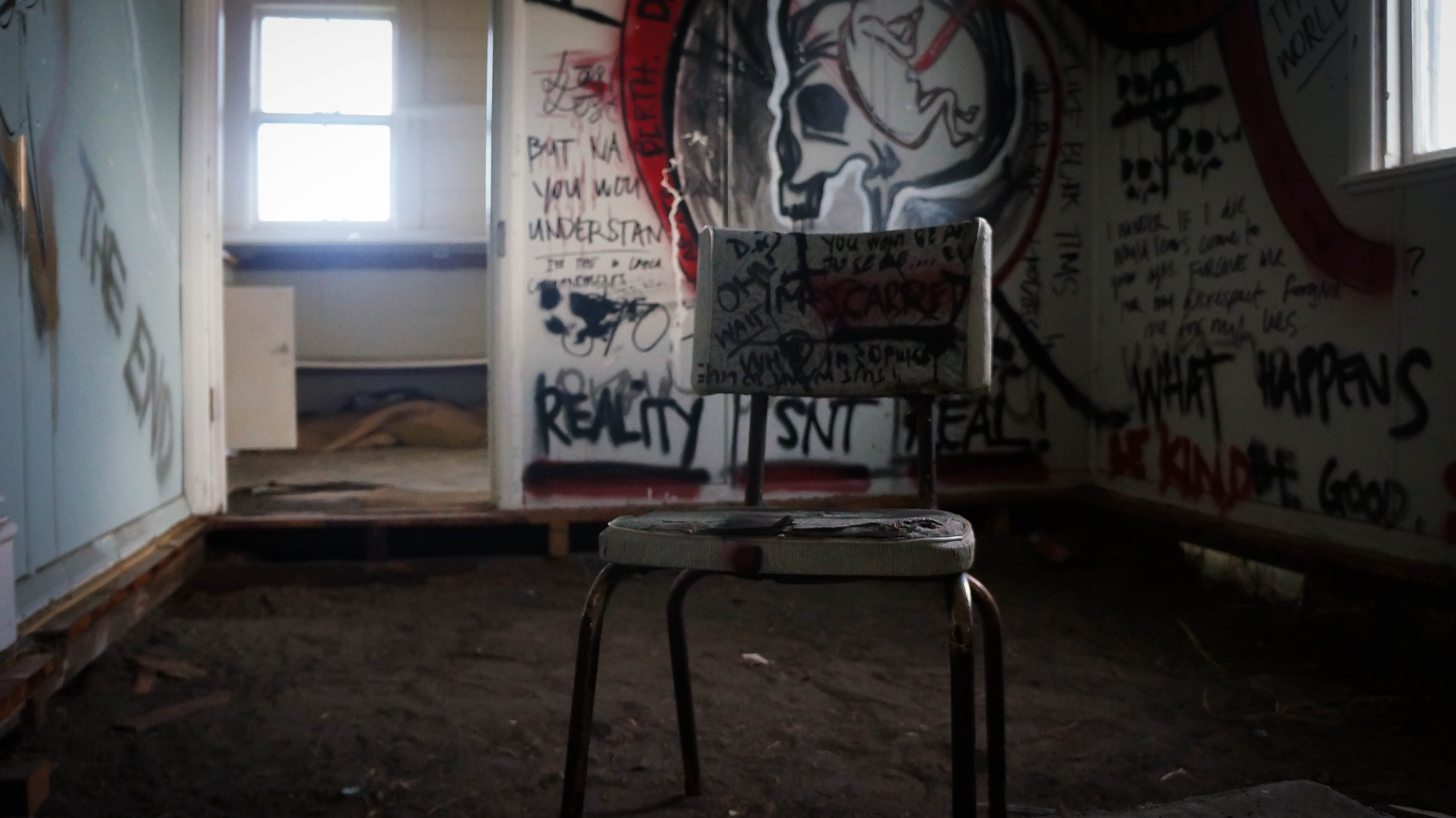
Little is known about this location other than it may have once been operated by a religious organization. The former occupants seemed to have left in a hurry, leaving furniture, clothing and other daily detritus behind. They appear to have been Indian, going by the strong smell of curry and the Hindi word for silence (ilent) scribbled on the walls. We didn’t hang around long to investigate as there was a weird vibe to the place…

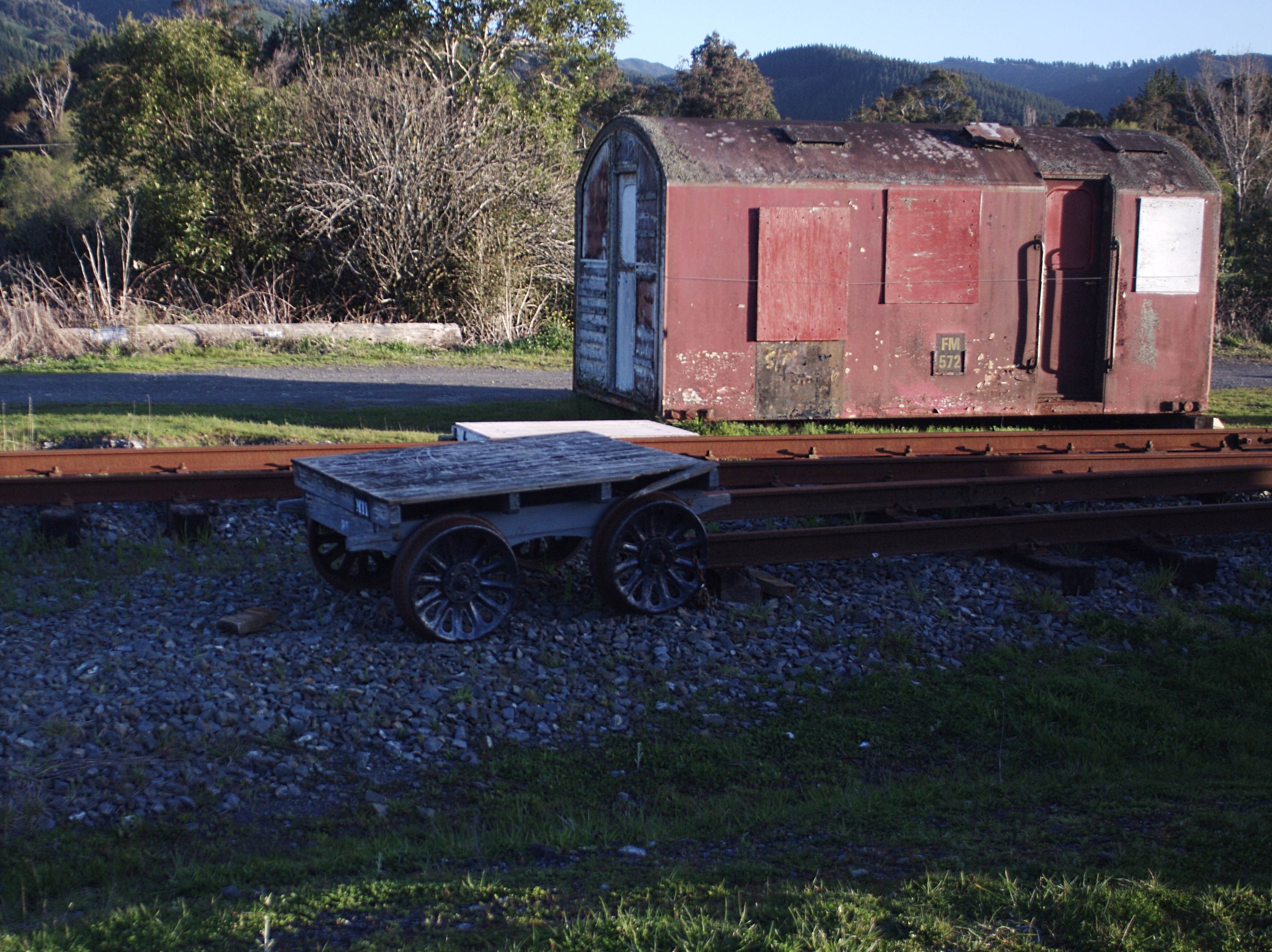
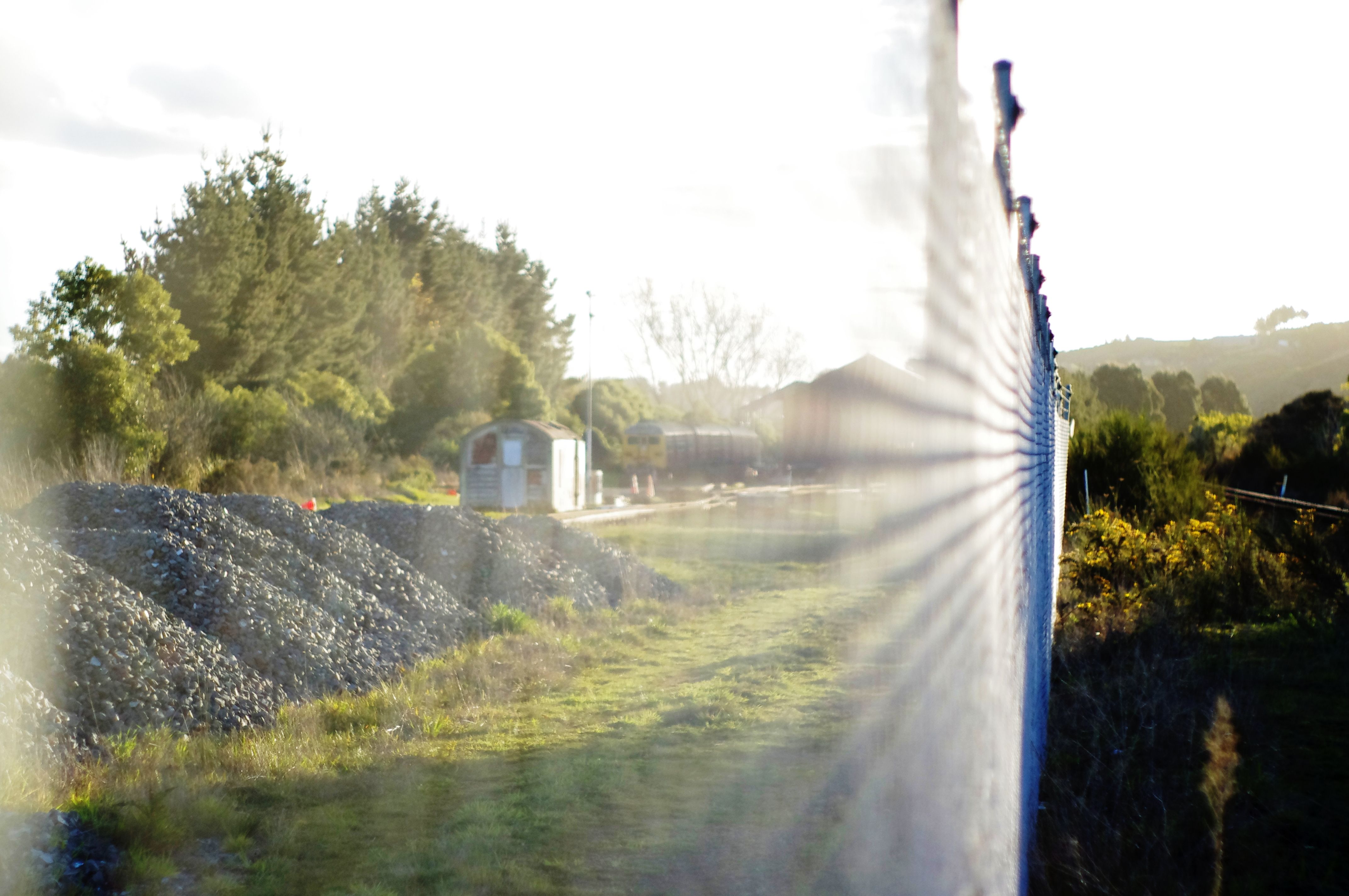
NZR – Boneyard

As I was rattling by on the train I noticed this small train boneyard in the middle of the countryside – and we decided that it deserved an inspection!
Surrounded by a high electrified perimeter fence and with dogs baying nearby, we couldn’t hang around but managed to snap these shots.IMGP2922 IMGP2924 IMGP2929 IMGP6099 IMGP6101_2 IMGP6114

Bad Education

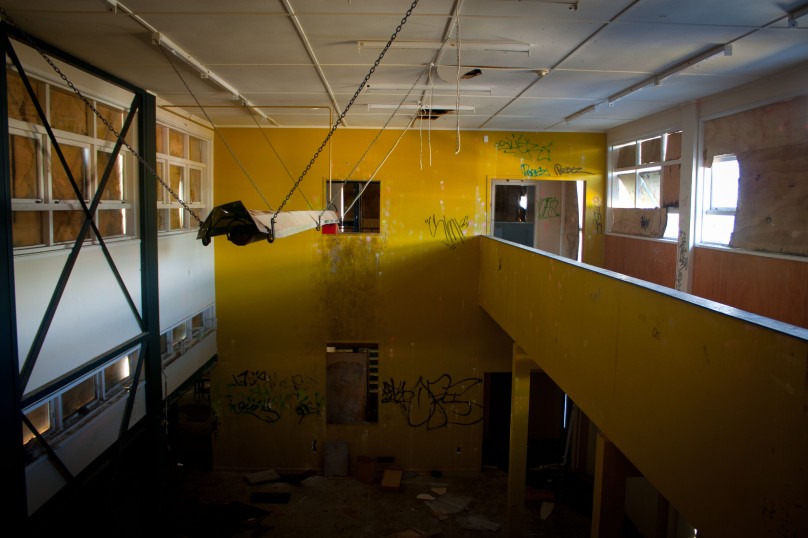
This former highschool was closed about 15 years ago. The decay and vandalism that has occurred in the interim is astounding. It’s finally due for demolition soon and the land it occupies is to be developed into a retirement village.

col1

col2

col3

col9

col15

col12

Vukovar

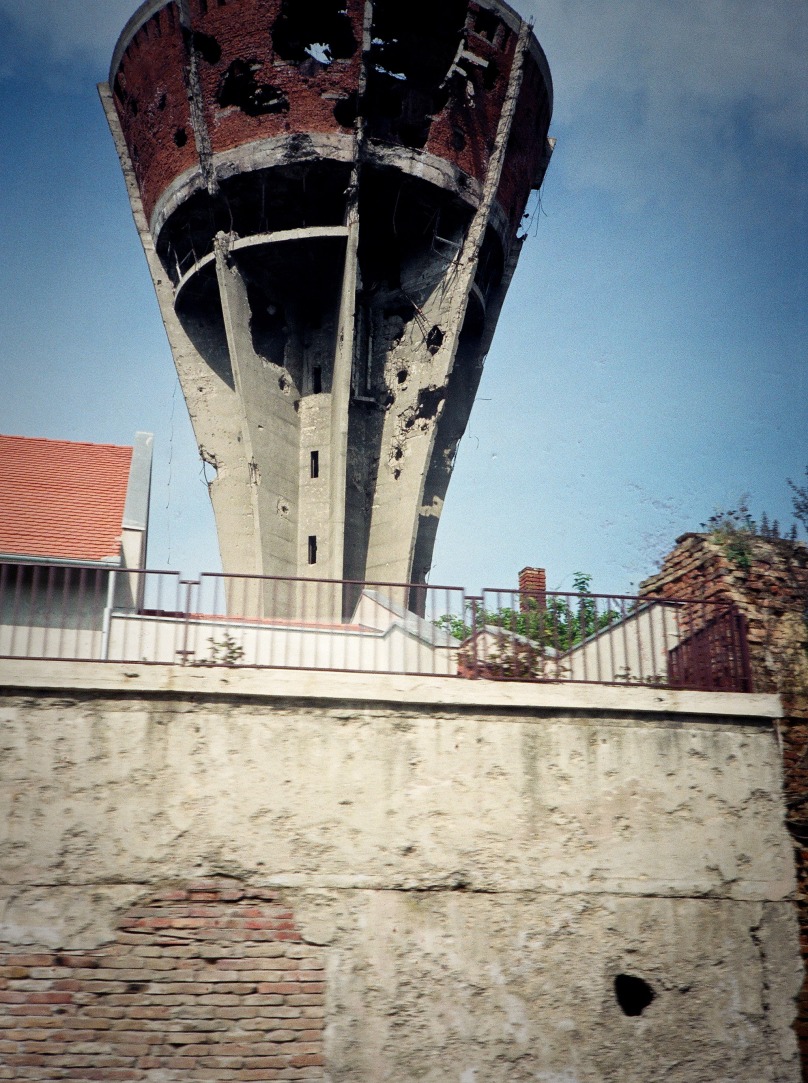
Vukovar, Croatia, 2002: Vukovar was utterly destroyed after a three month seige against the mostly Croat defenders by the Serb-dominated Yugoslav Army (JNA) in November 1991. Some estimates are that Serb gunners fired a million shells into Vukovar destroying 15,000 buildings. It was the first European city since WWII entirely leveled to the ground. At least 3,000 people were killed and 20,000 “ethinically cleansed”  The city was still a jigsaw of destruction 10 years later. Exploring was out of the question as the city was littered with landmines and unexploded ordance.

The Centre

At the close of the Second World War, this former Air Force base was converted into a “Mental Deficiency Colony” to house children deemed ‘backward’. By the mid 1970′s it had become the largest psychopaedic hospital in the southern hemisphere, with a population exceeding 700. The centre was “deinstitutionalised” in 2005 and has been largely abandoned, but not forgotten.

TheCentre1 TheCentre2 TheCentre3 TheCentre4 TheCentre5

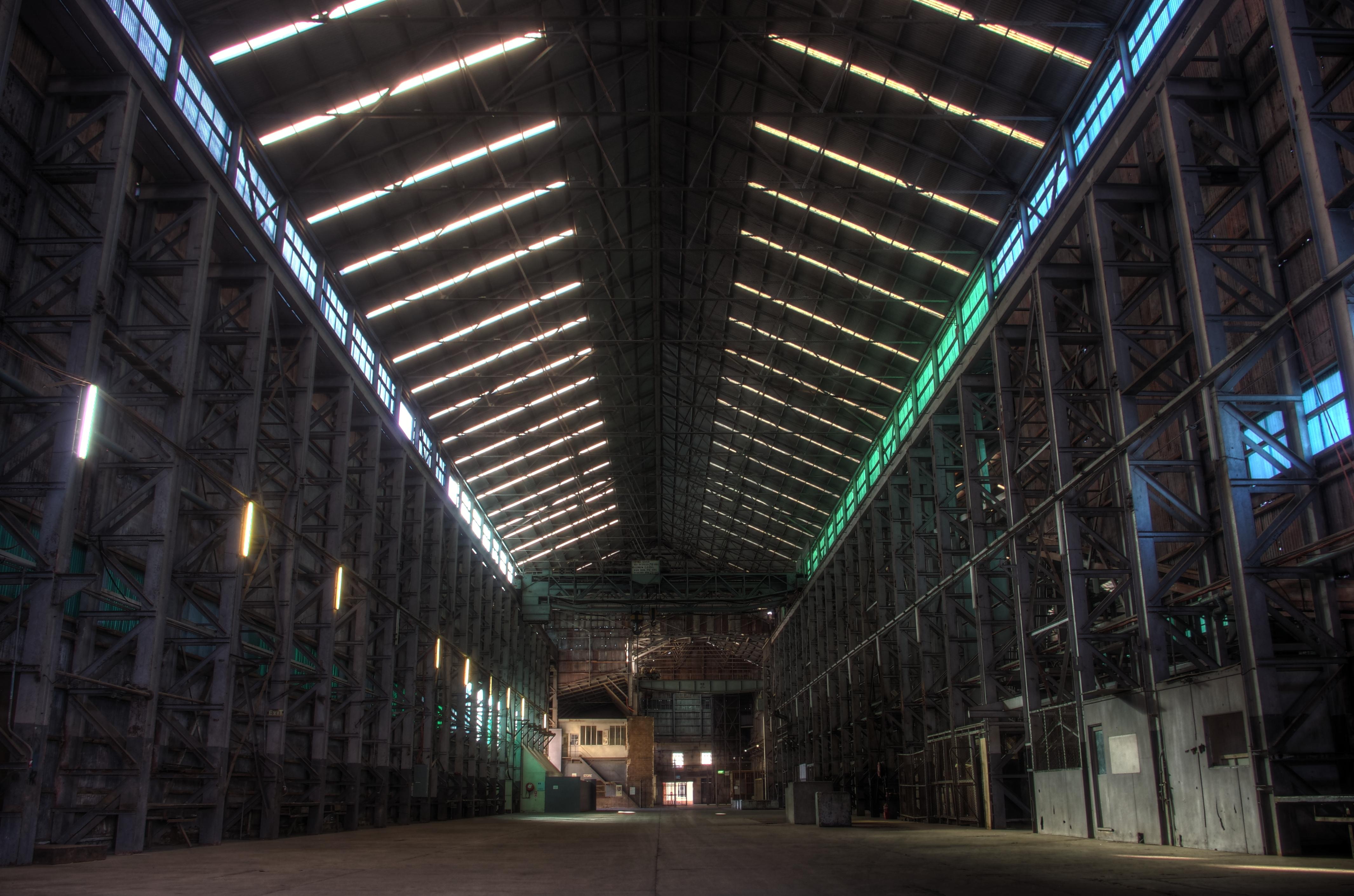
Cockatoo Island 2 – Tunnels

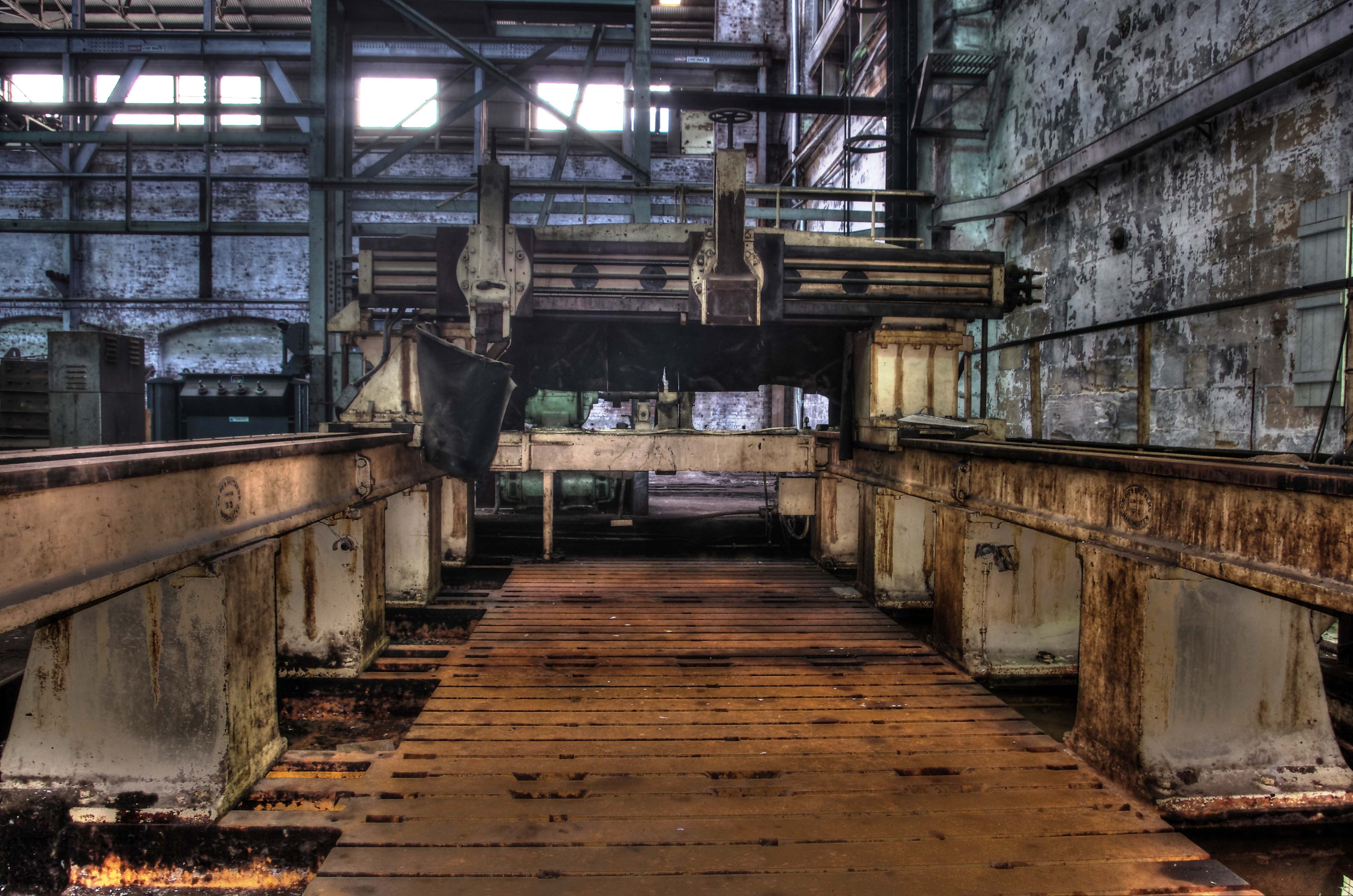
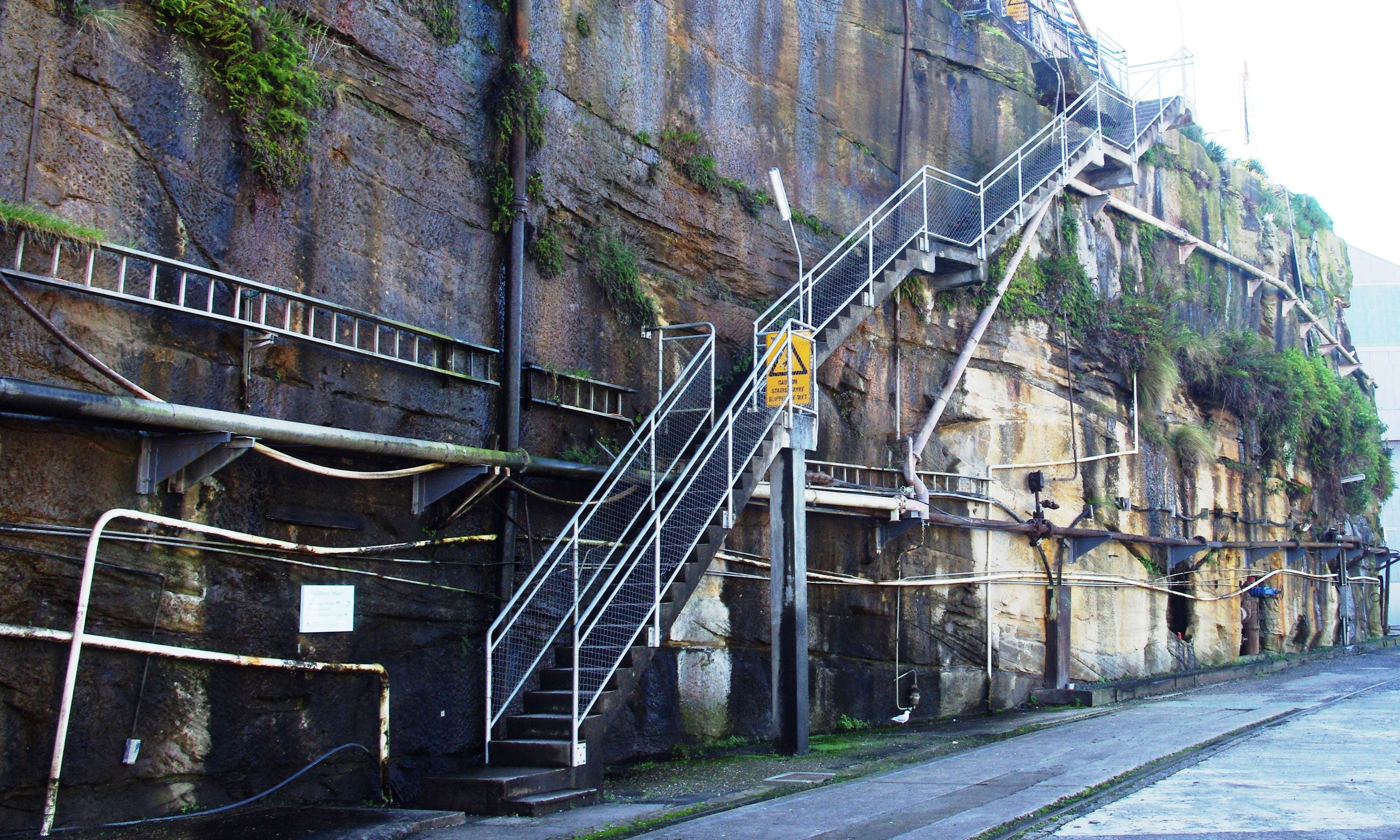
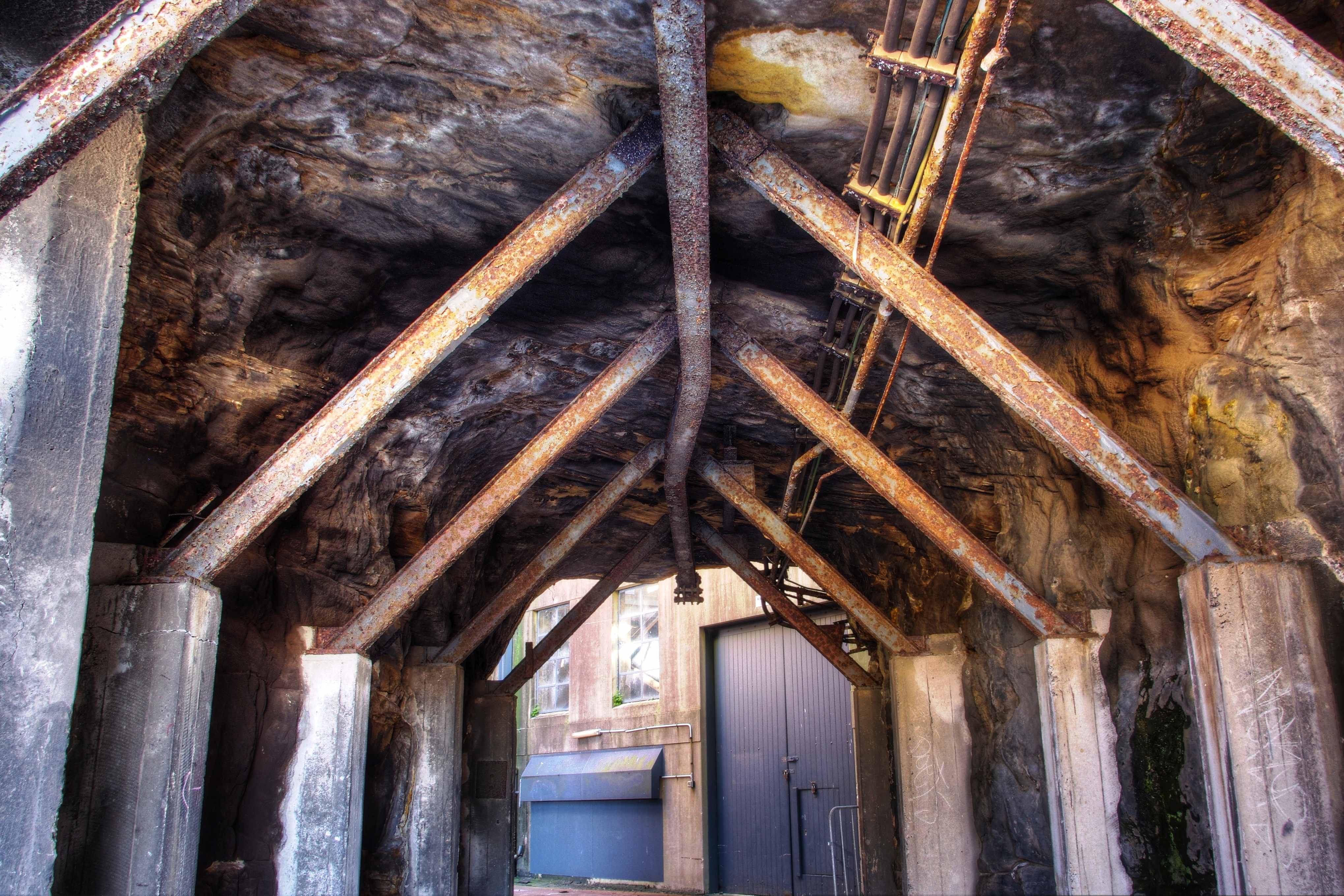
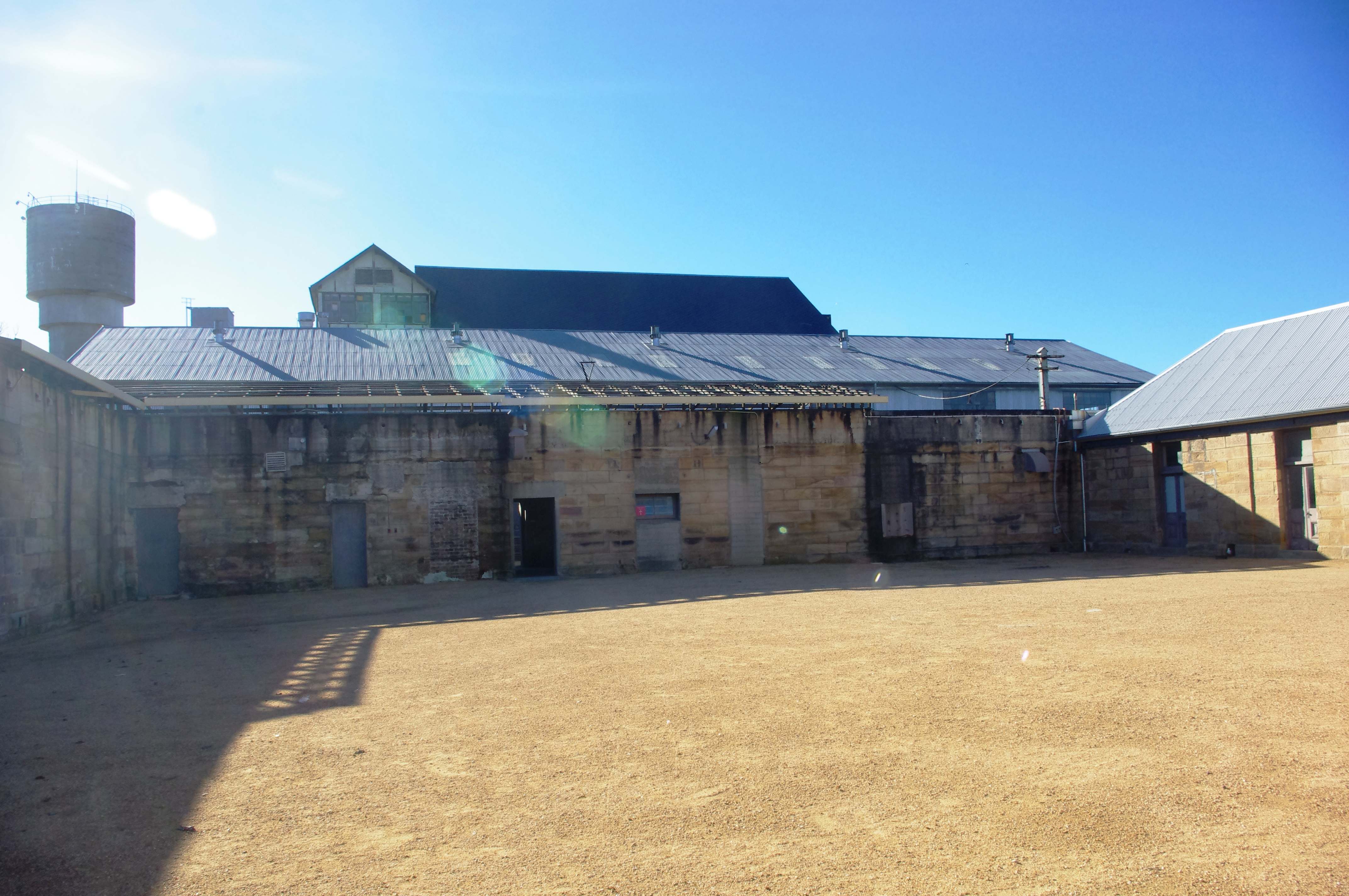
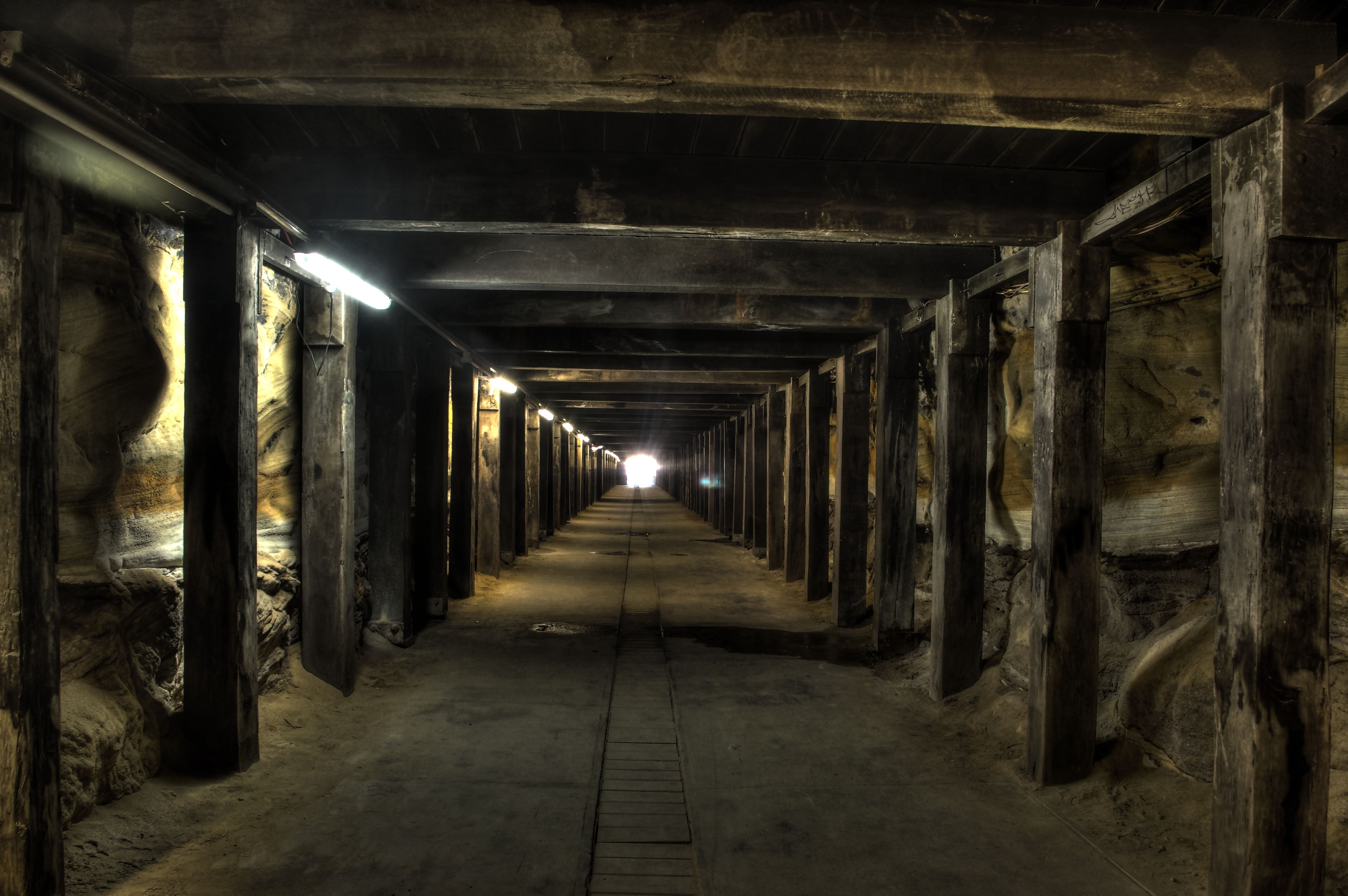
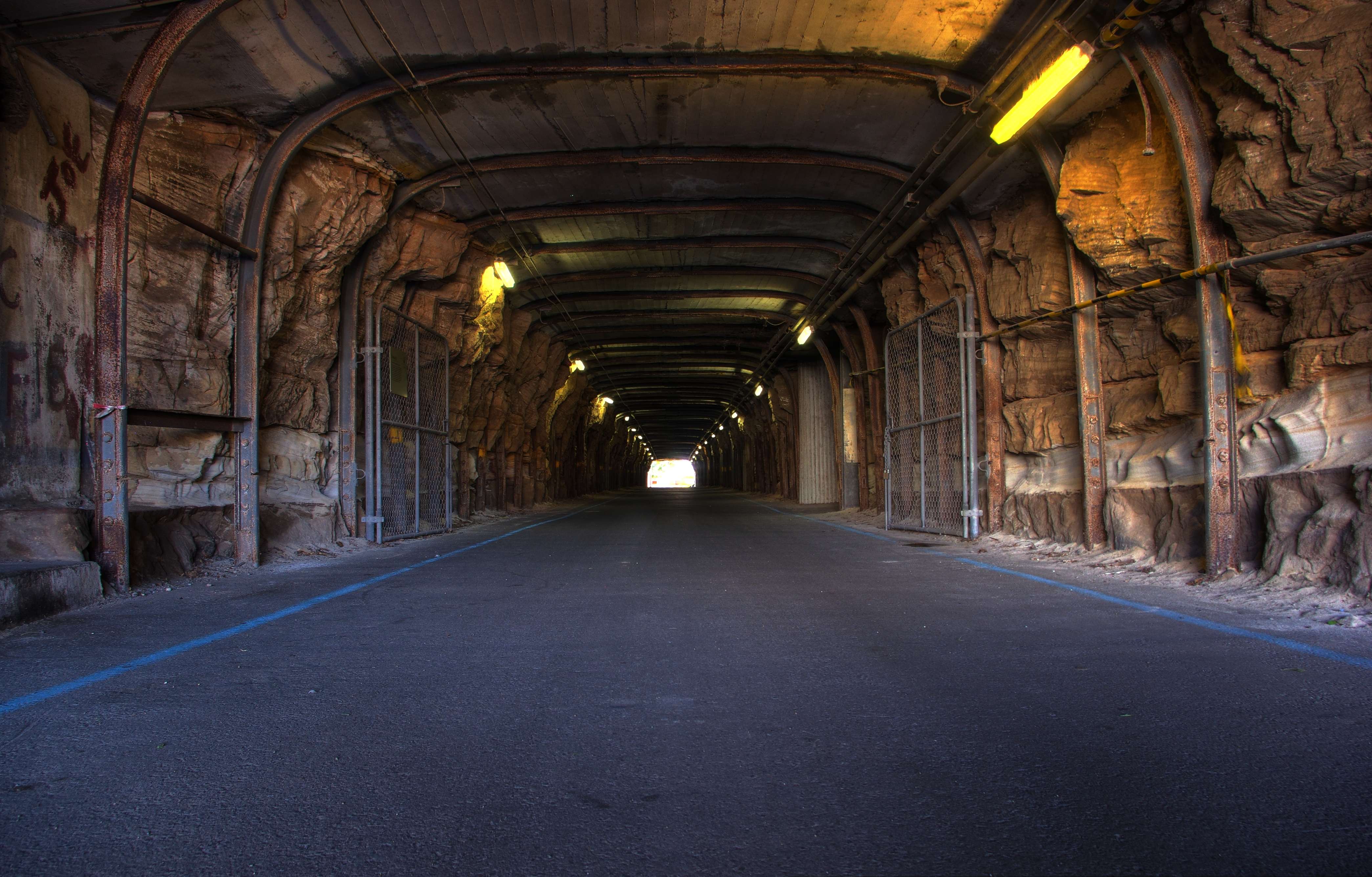
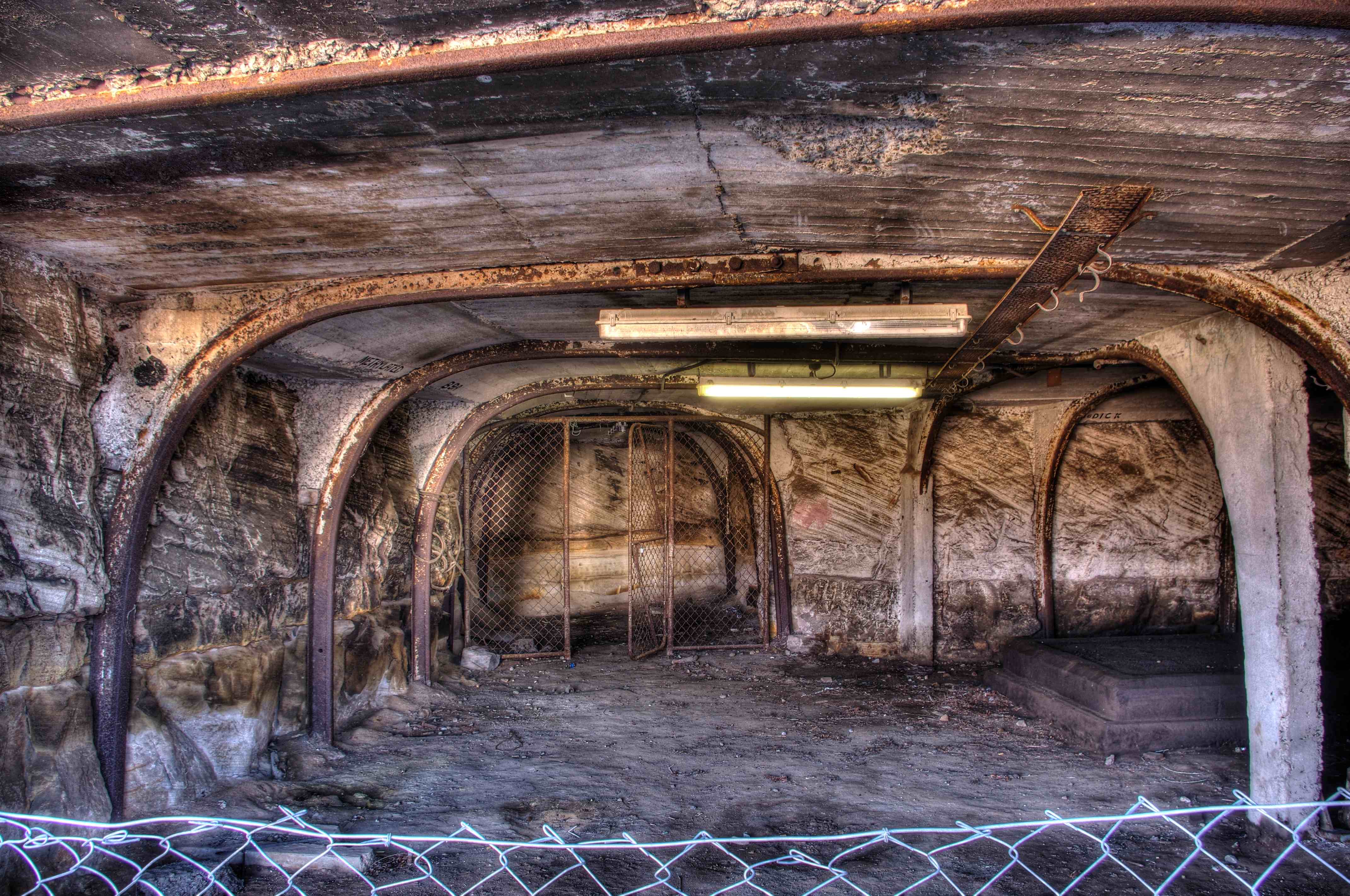
Underneath the Island, in the areas not hewn away to make room for heavy industry, Cockatoo island is criss-crossed with a myriad of tunnels, facilitating the movement of people, materials and equipment across the island. These also served a dual purpose as an air-raid shelter for use in the Second World War: one was even kitted out with an infirmary located in an annex to the main tunnel. Another tunnel has an elevator running right down into it from the buildings atop the island, down through the rock.

IMGP0896_897_898_899_900_tonemapped IMGP0903_4_5_6_tonemapped IMGP0907_08_09_10_11_12_tonemapped IMGP0913 IMGP0914_15_16_17_18_19_20_tonemapped IMGP1058 IMGP1061And8more_tonemapped IMGP1141_2_3_4_5_6_7_tonemapped

Ammo

Exploring what we think were former ammuntion stores- though from the ouside they look more like hobbit holes…

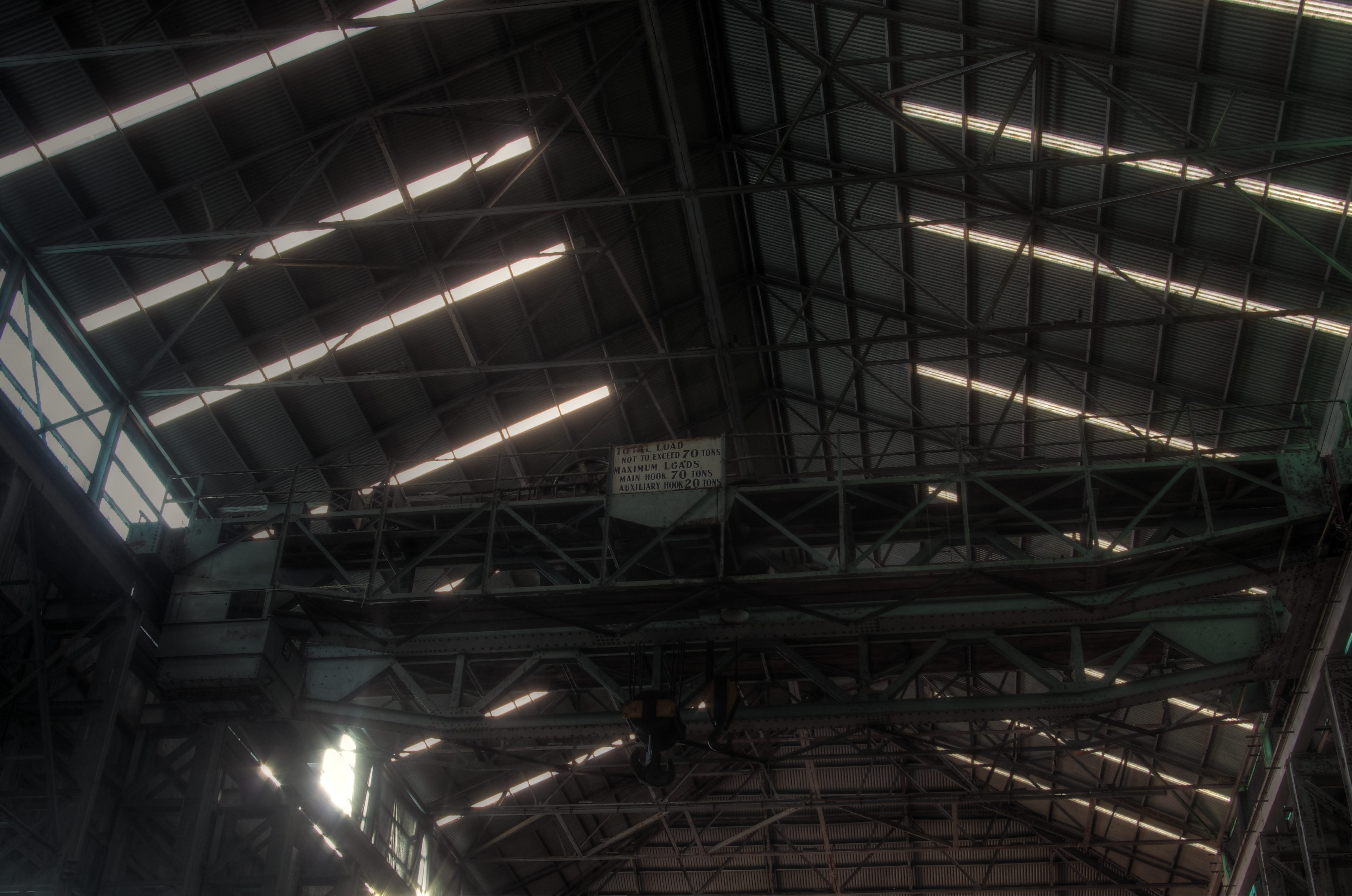
Cockatoo Island 1 – Cranes

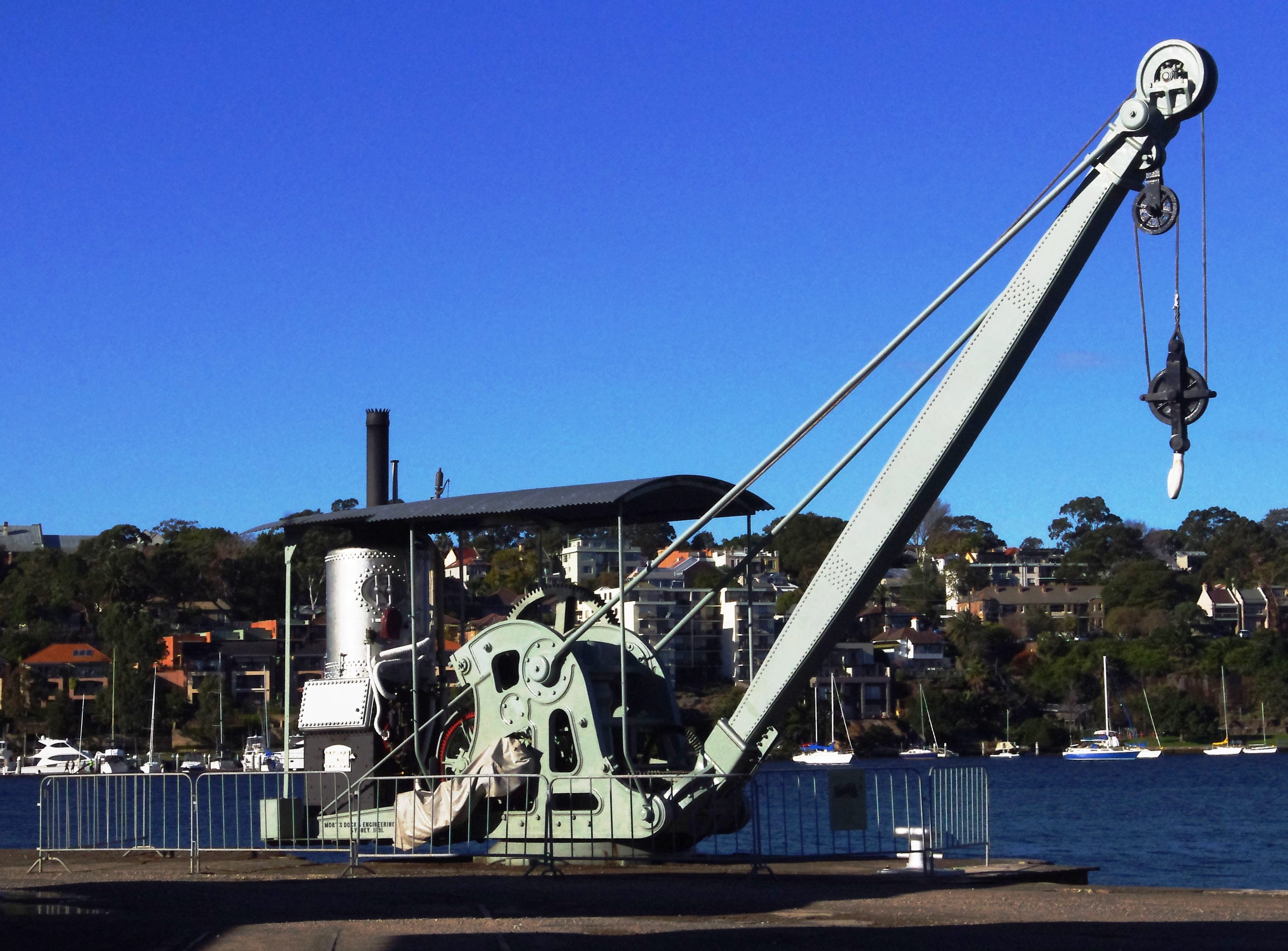
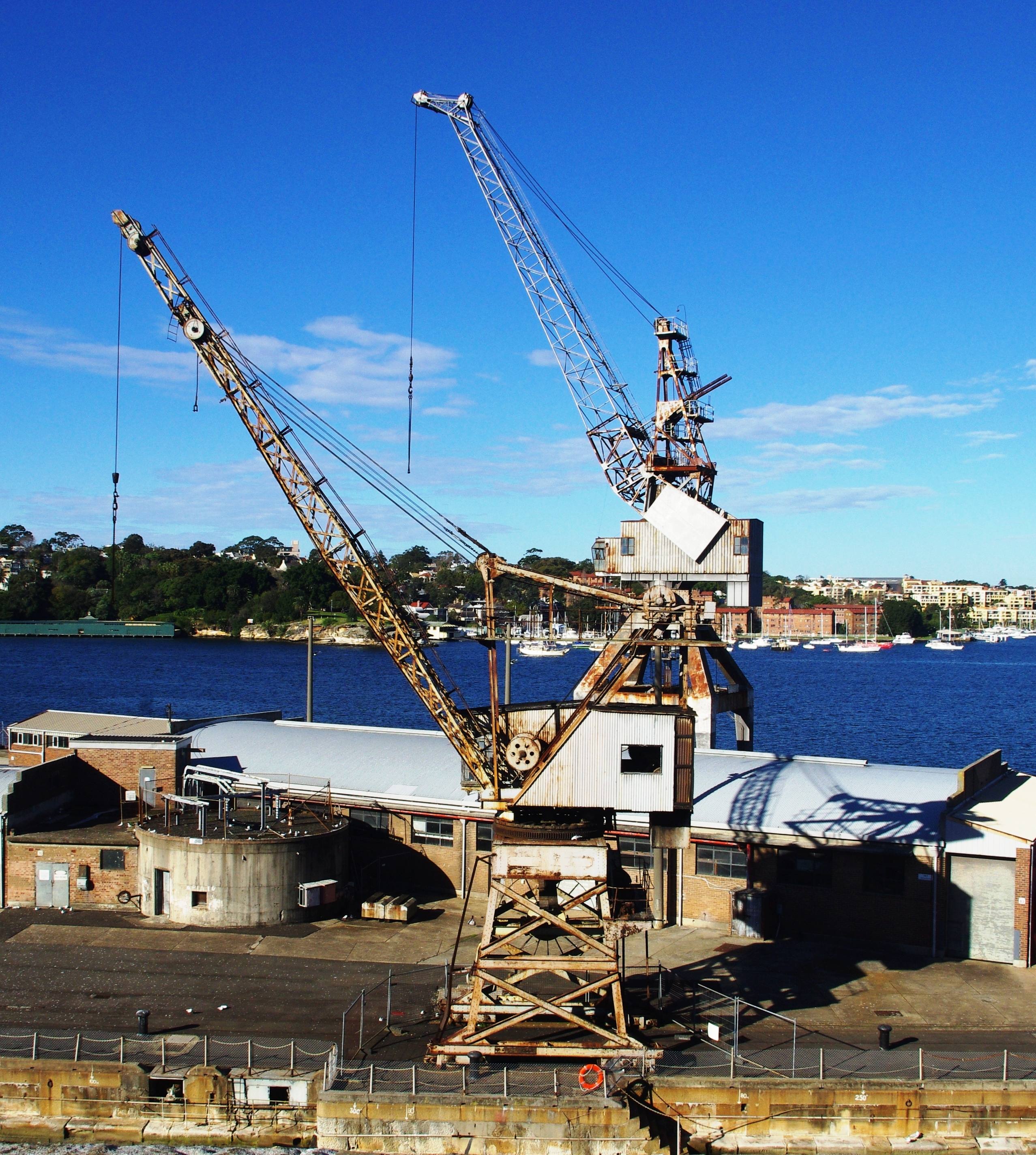
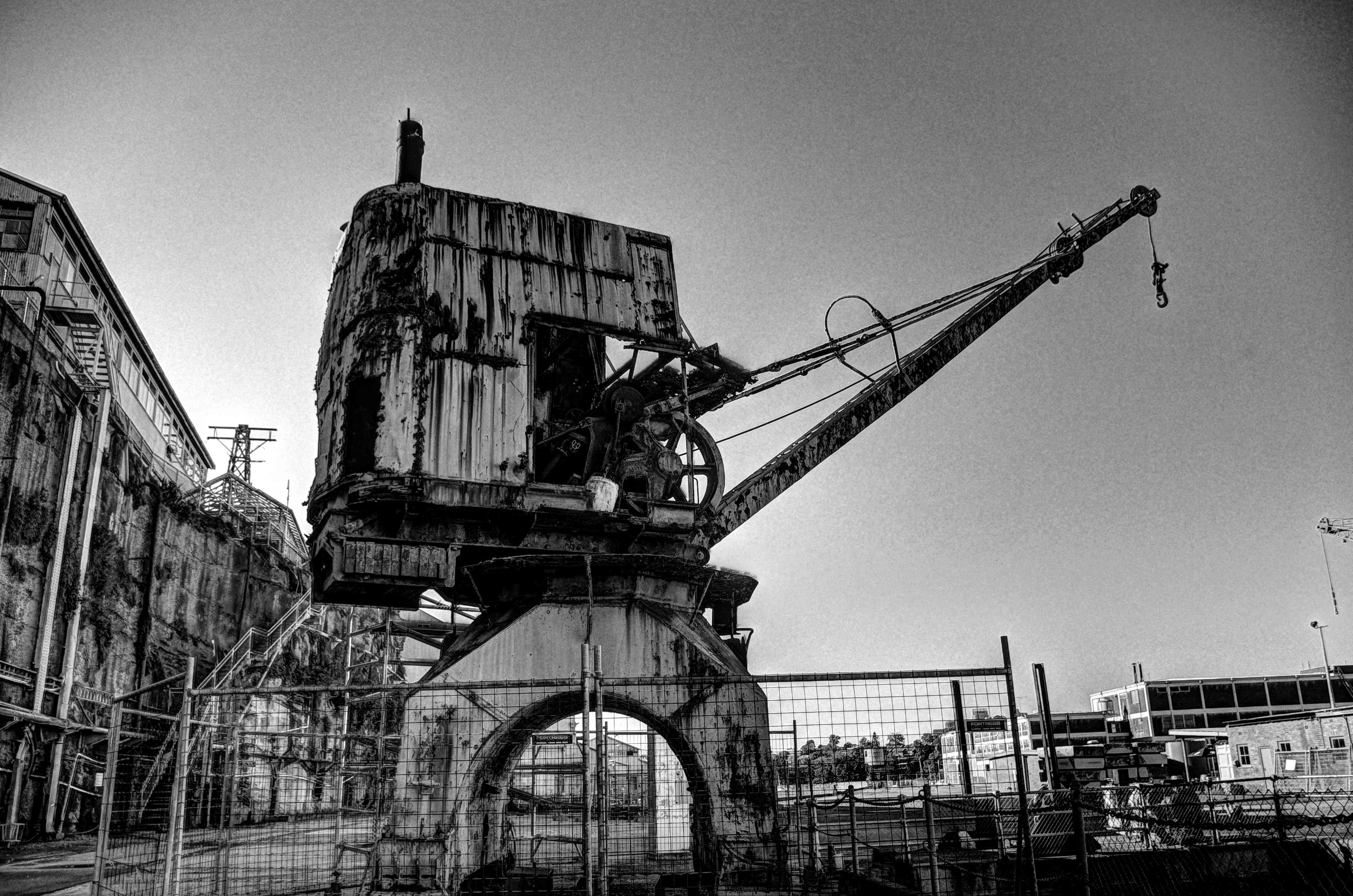
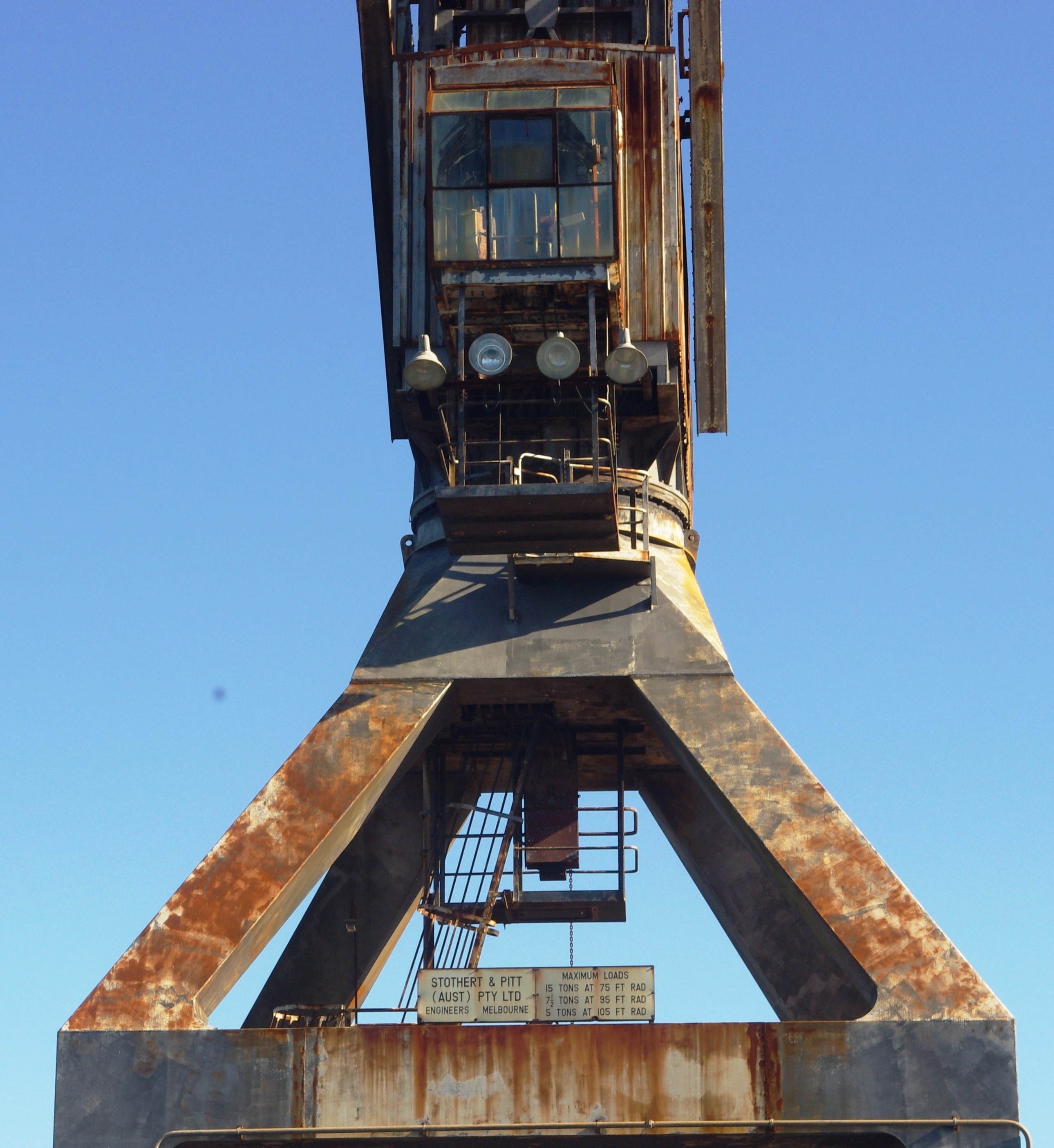
Littering the Cockatoo Island landscape, these sentinels are an imposing sight on the skyline. Many of the cranes have fallen into incredible states of disrepair, with some of the booms having become completely detached from the body of the crane.
These cranes are the subject of my first post on Cockatoo Island, one is even a familiar reminder of home.  Stothert and Pitt cranes are familiar to us from our explorations in Wellington, and are also a common sight on the Island.

IMGP0978 IMGP0983 IMGP1026IMGP1131And8more_fused IMGP1057 IMGP1084 IMGP1091 IMGP1103 IMGP1119 IMGP1158

Cockatoo Island – Introduction/Teaser

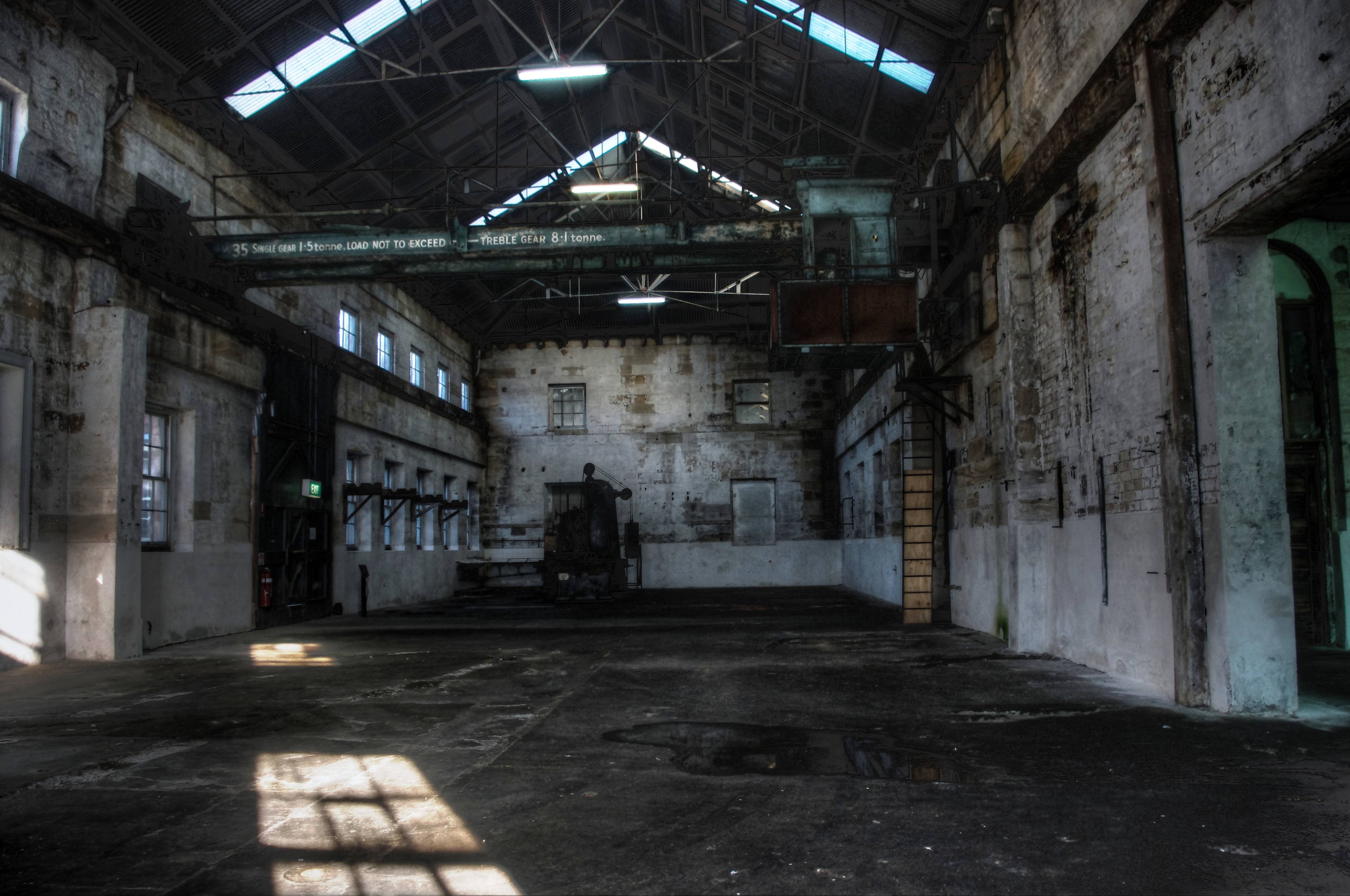
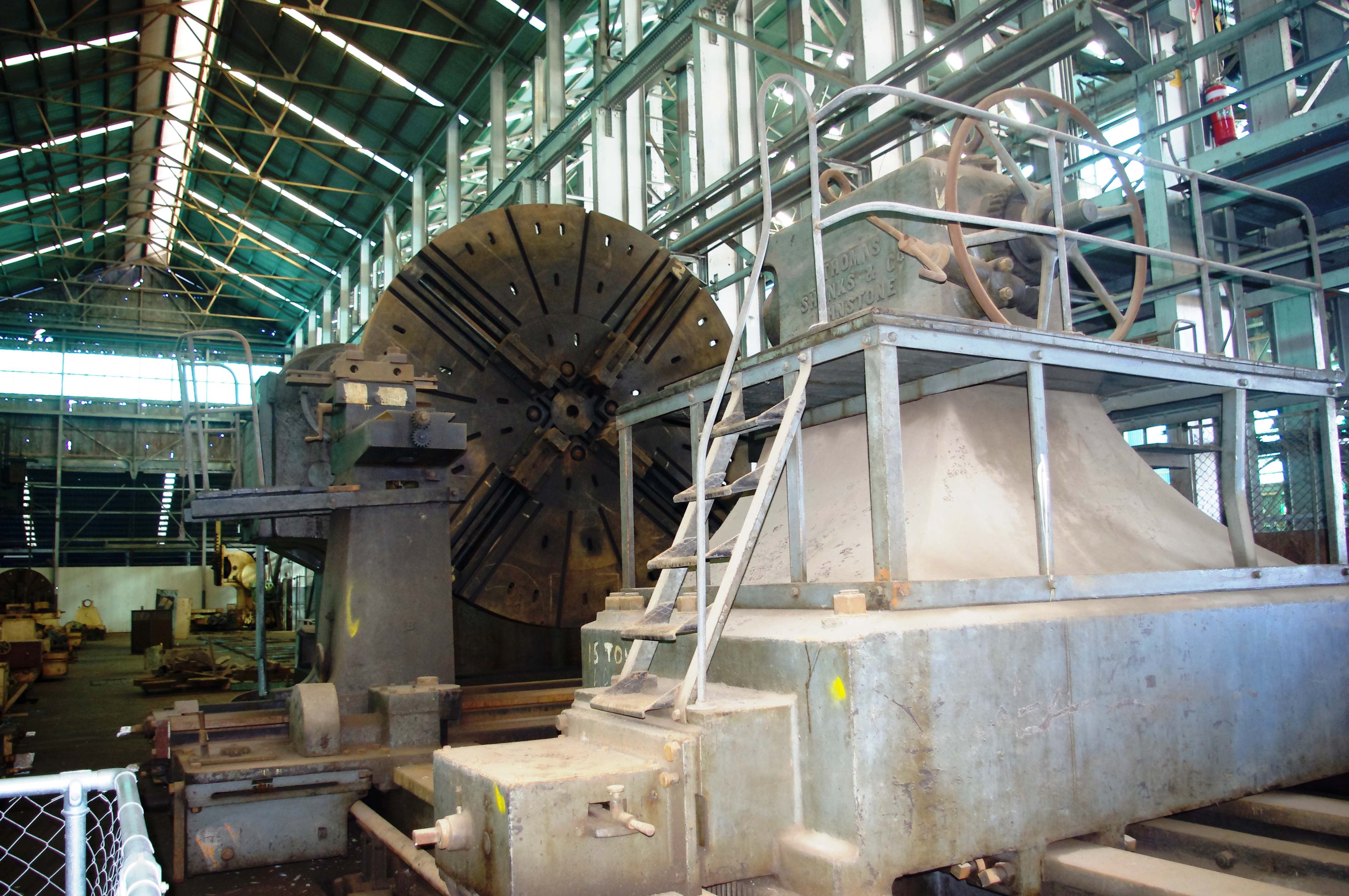
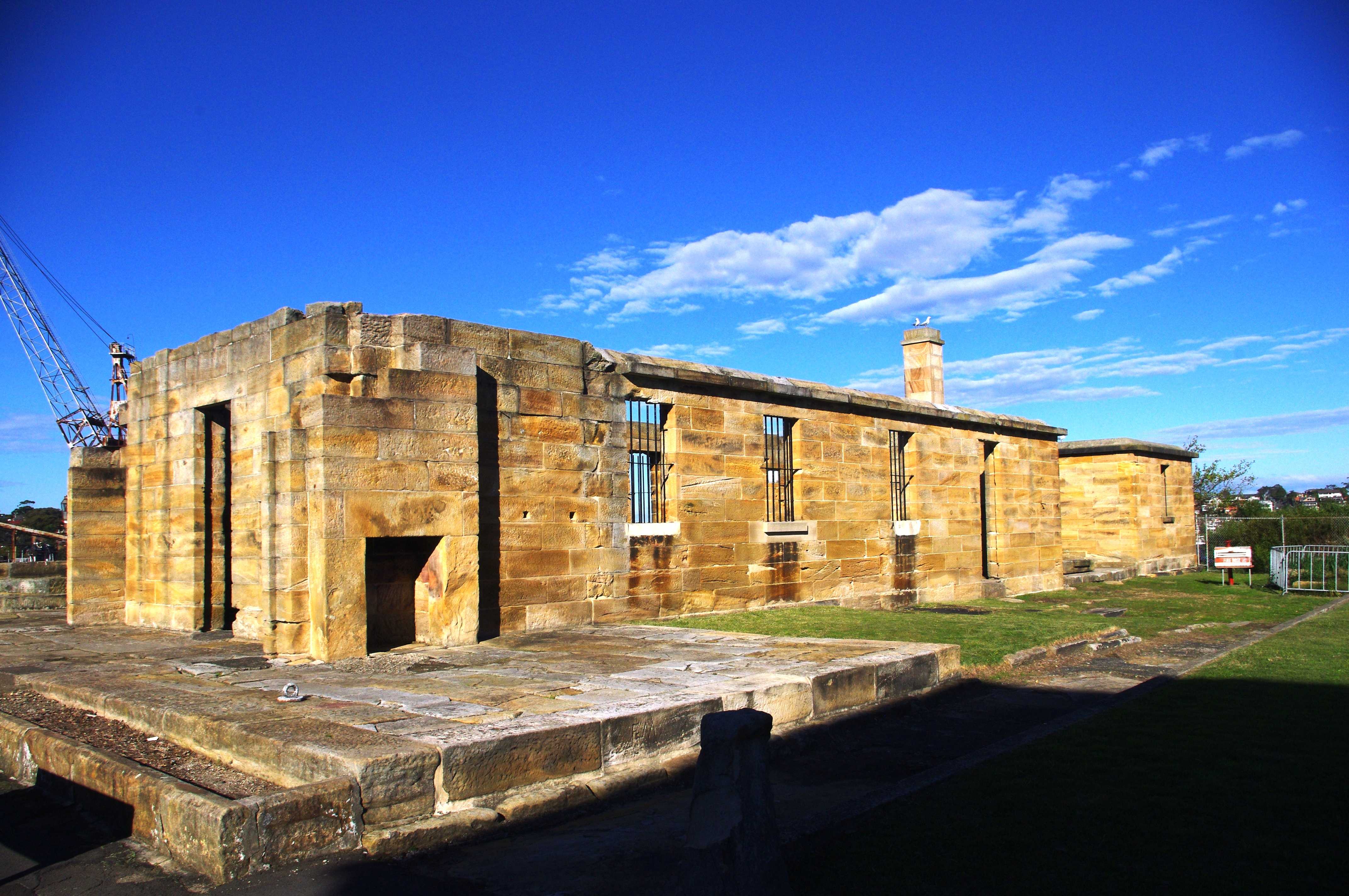
This is the first in a new series of posts focusing on Cockatoo Island, situated in Sydney harbour, with each of these instalments focusing on a different aspect of what cockatoo island has to offer in the way of urban exploration, the video here is a general overview of some of the different features of the island.

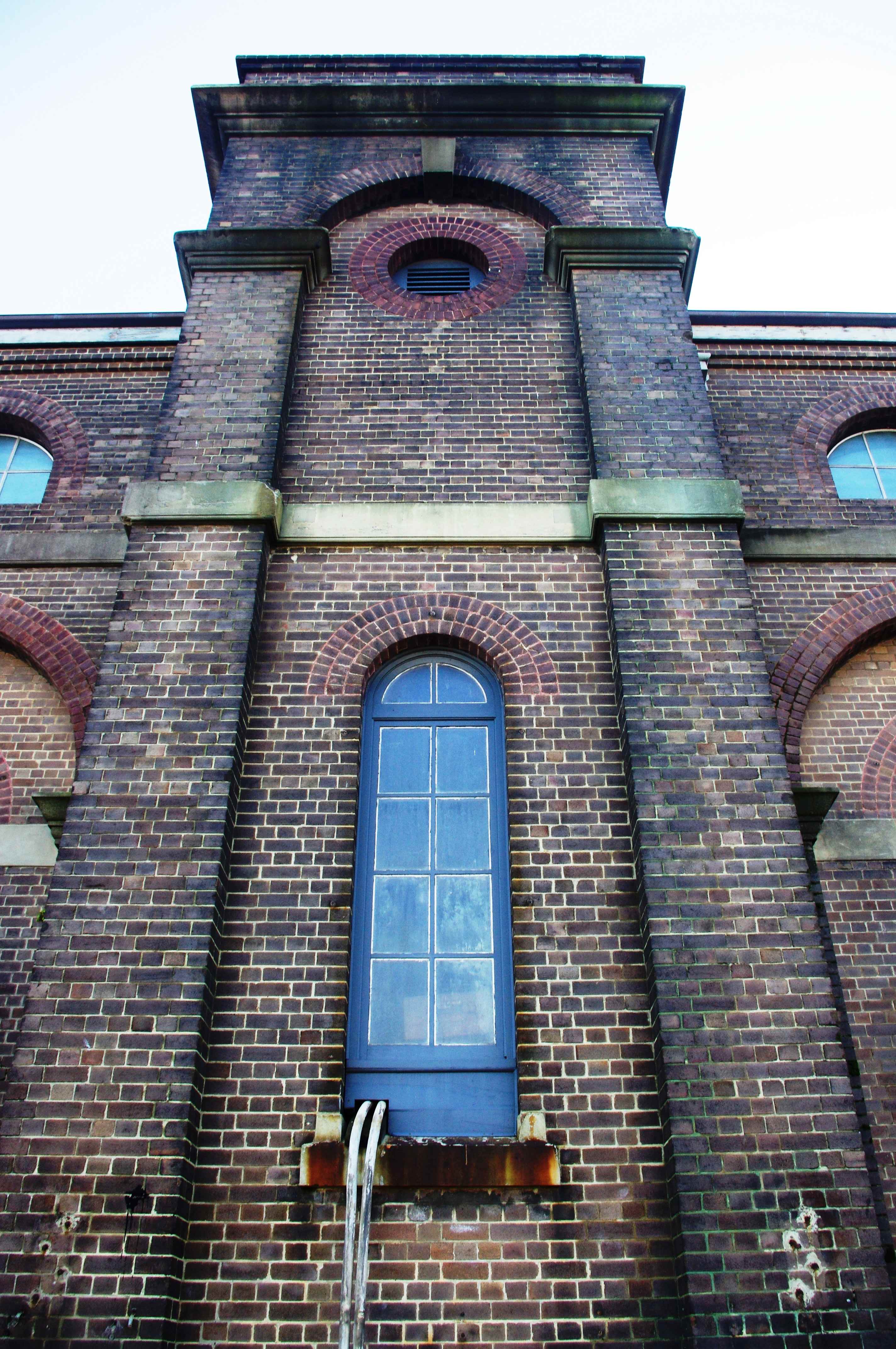
During it’s colourful history it has been used as a Military Barracks, Prison/Gaol, Shipyard and Naval Dockyard amongst other things. As a result the island is teeming with reminders of it’s history and is a plethora of abandoned buildings, tunnels, cranes and other structures including a beautiful old power station.

For more information about Cockatoo Island see:
http://www.cockatooisland.gov.au/about/history.html

http://en.wikipedia.org/wiki/Cockatoo_Island,_New_South_Wales

Pyro

Pyromania is an impulse control disorder in which individuals repeatedly fail to resist impulses to deliberately start fires, in order to relieve tension, for gratification or for relief. The term pyromania comes from the Greek word πῦρ (‘pyr’, fire).

This was just one of a dozen buildings torched by a pyromaniac over a single weekend two years ago.  A Porirua man was eventually charged with 13 arsons that included setting fire to five churches, but was found not guilty by reason of insanity.

Departures

“This is the final call for flight UC101. Departing at 1300 hours from Gate 9 for Space Station X…”  With a bit of imagination, this abandoned airport boarding bridge could be a gateway to another reality…

Beelitz-Heilstätten

Beelitz-Heilstätten, just south of Berlin, was a large hospital complex that has its beginnings in 1898.

BH1

Originally designed as a sanatorium – with the outbreak of World War I in 1914, it was converted into a military hospital for the German Army.

BH2

The suitably freezing, misty day only emphasised the eeriness of the vast hospital complex, which consists of at least 60 buildings.

BH3

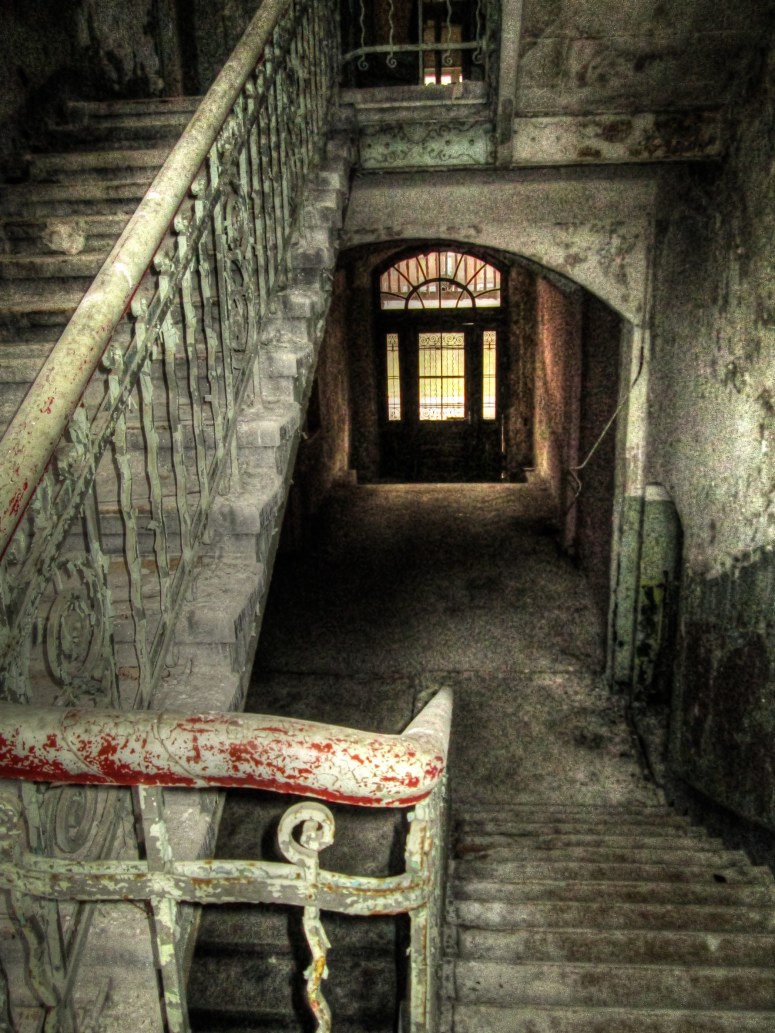
As we wandered around trying to find a way inside, it was strange to think that a gammy-legged Hitler may have once walked these very same steps almost a century ago.
BH4

During the months of October and November of 1916, a young Adolf Hitler recuperated here (unfortunately) after being wounded in the leg at the Battle of the Somme.

BH5

Eventually we gained access through a broken basement window, spending the next several hours exploring the derelict hospital…

BH6

At the close of World War II in 1945, Beelitz-Heilstätten was occupied by Soviet forces – remaining a Soviet military hospital up until 1995, well after German reunification. Since the late 1990’s however, the complex has been left mostly abandoned and become a favourite playground for urbex in Germany.

BH7

Our exploration was finally interrupted when a team of men in hi-visibility jackets arrived on the scene.

BH10

As night was descending, we felt it was about time to leave anyway – only wishing we’d taken some better photos before our hasty exit…

BH11

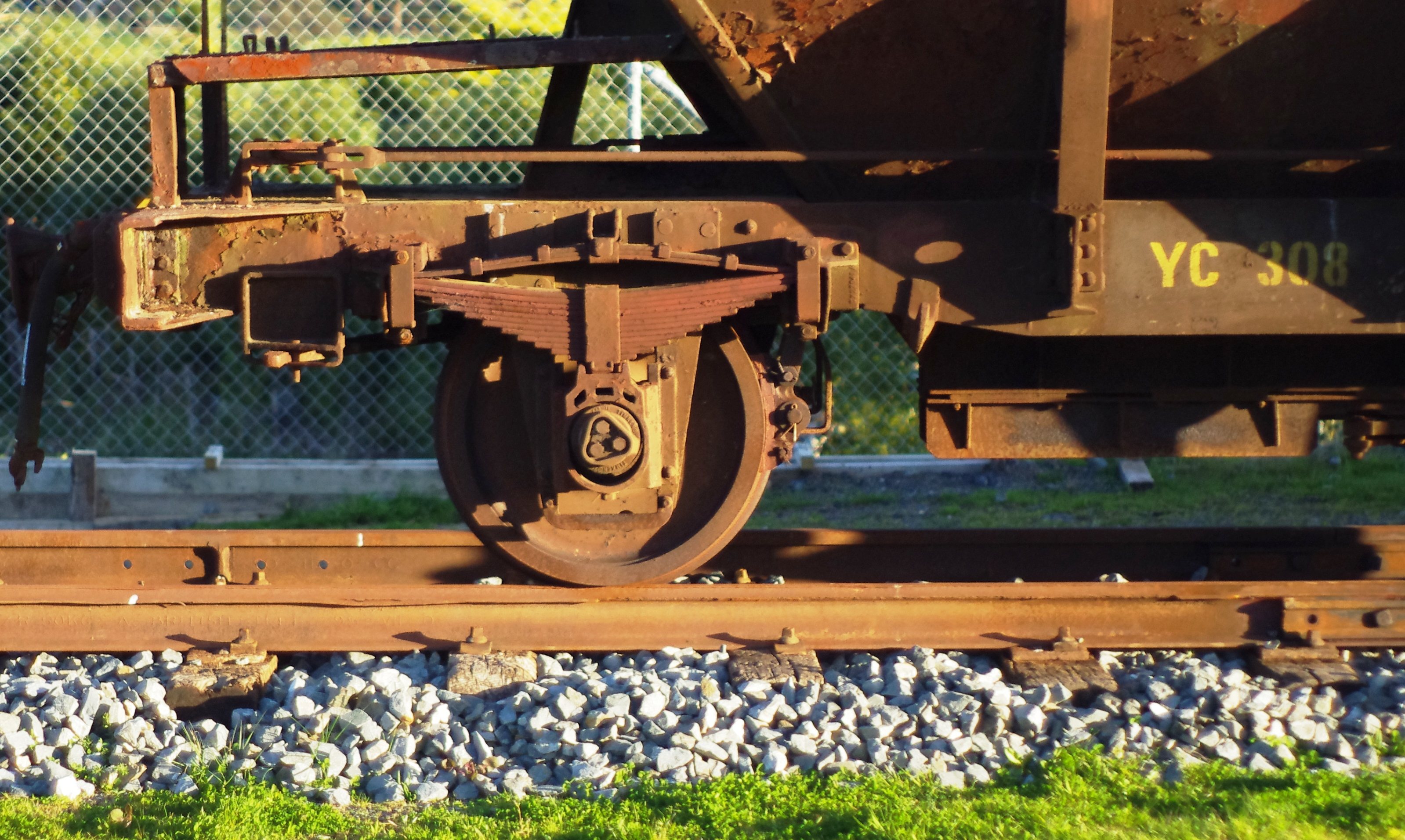
Rolling

Abandoned rolling-stock, or so we thought. They’d been sitting there idle for years, but within a couple of weeks of our visit-  they had disappeared without a trace…
rolling1

rolling2

rolling3

rolling4

rolling5

rolling6