Abandoned Teaching College

Abandoned University

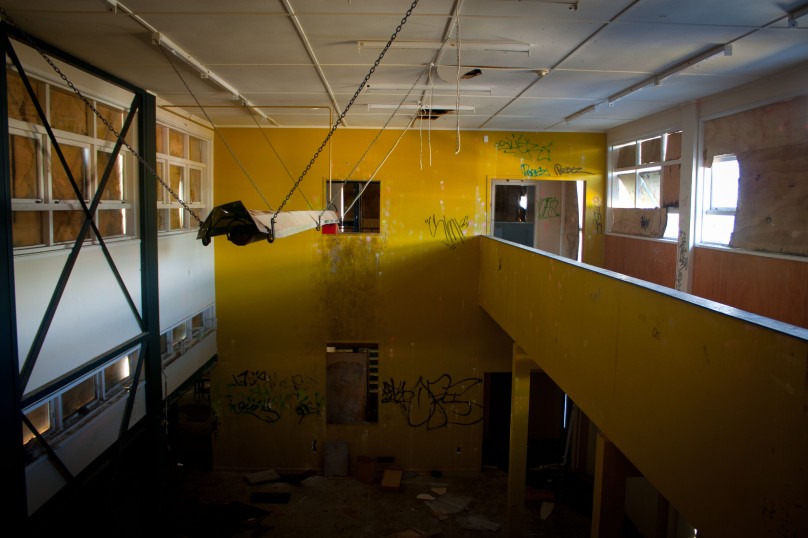
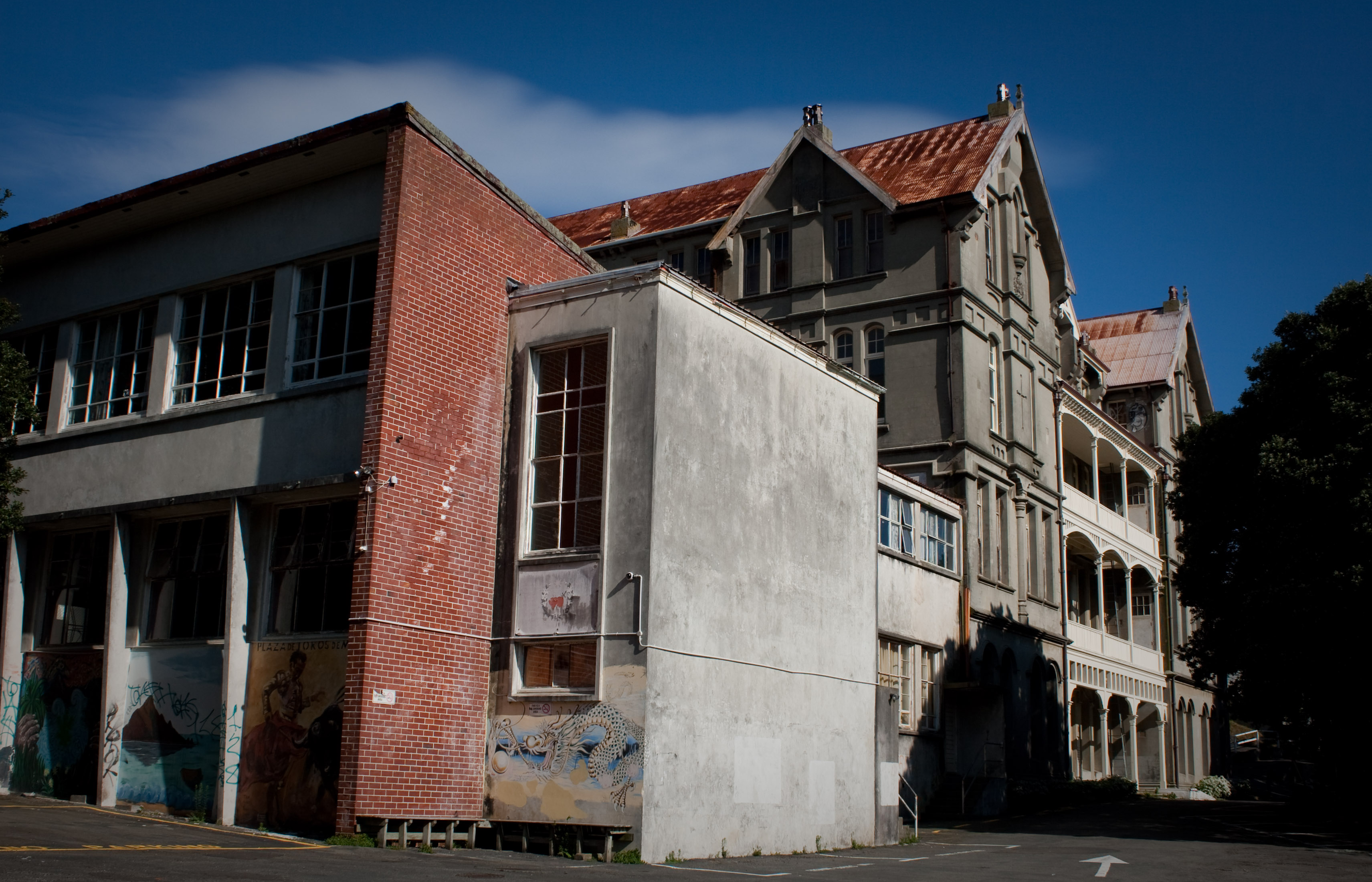
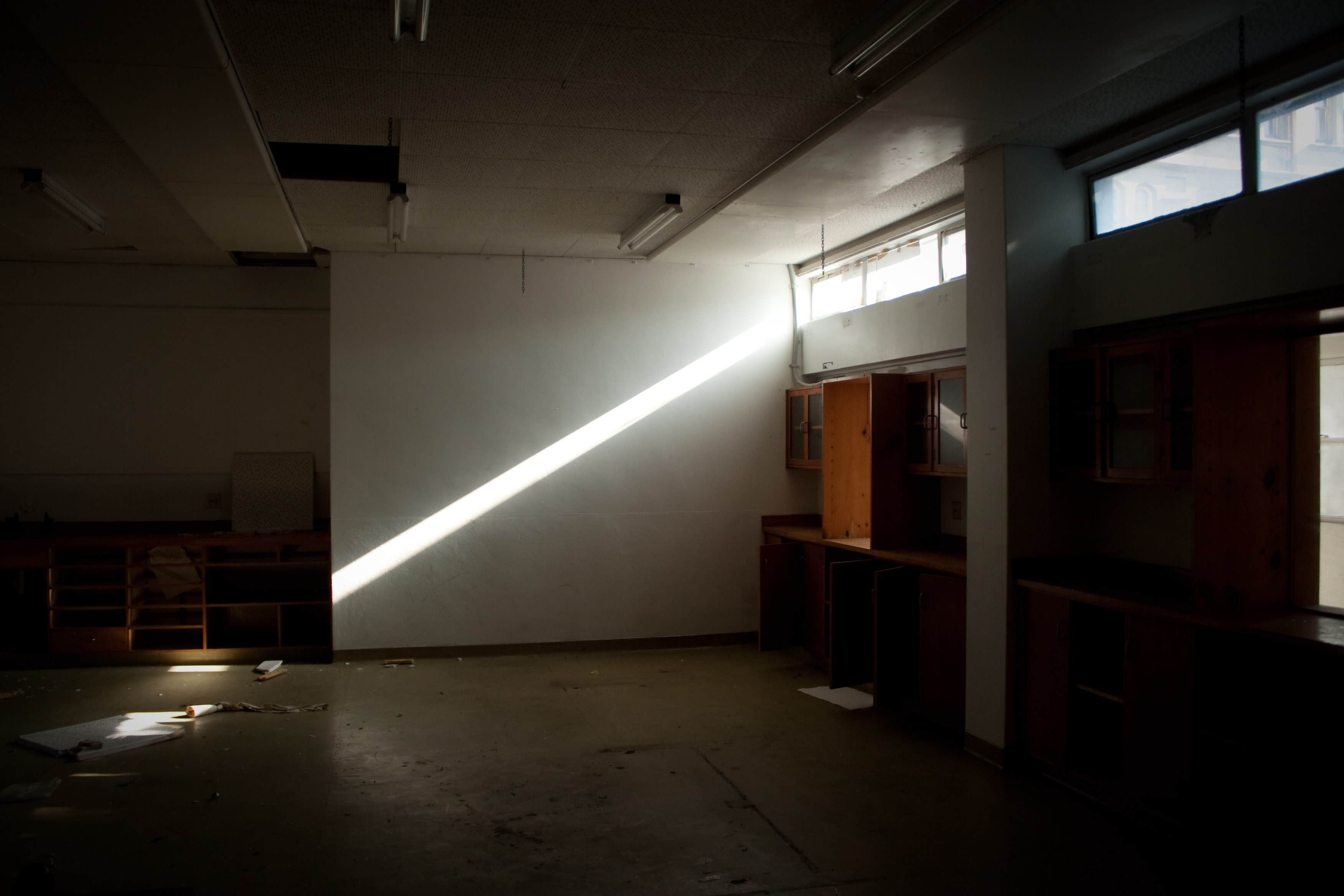
Located in Wellington, New Zealand this former teachers college was built in stages between 1966 and 1977 by architects Toomath and Wilson. Teaching here focused on social good and personal development and was what the architecture was meant to represent. Victoria University originally bought the campus for $10 and then on sold it to Ryman Health for 26 million dollars last year. (more…)

Abandoned Aquarium


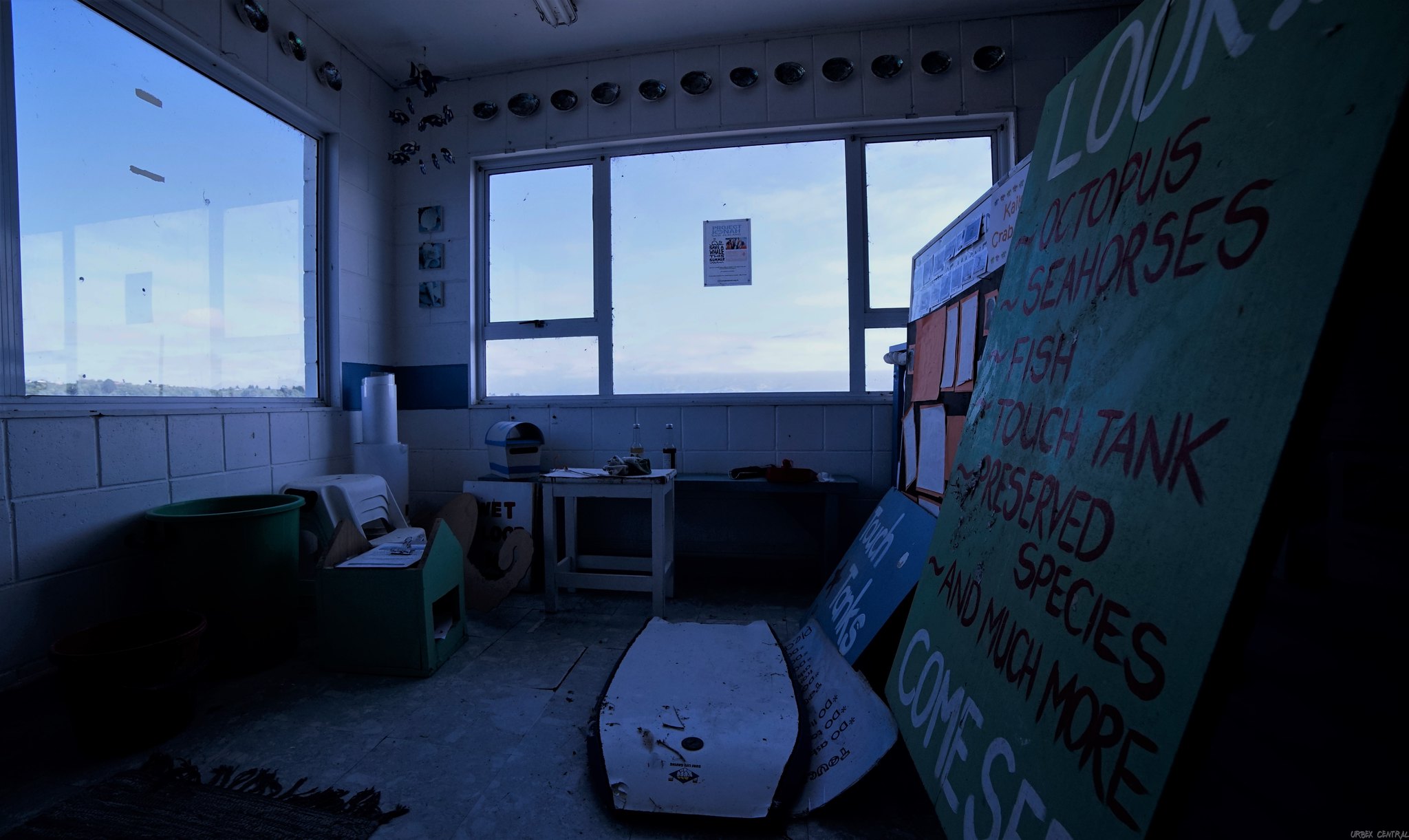
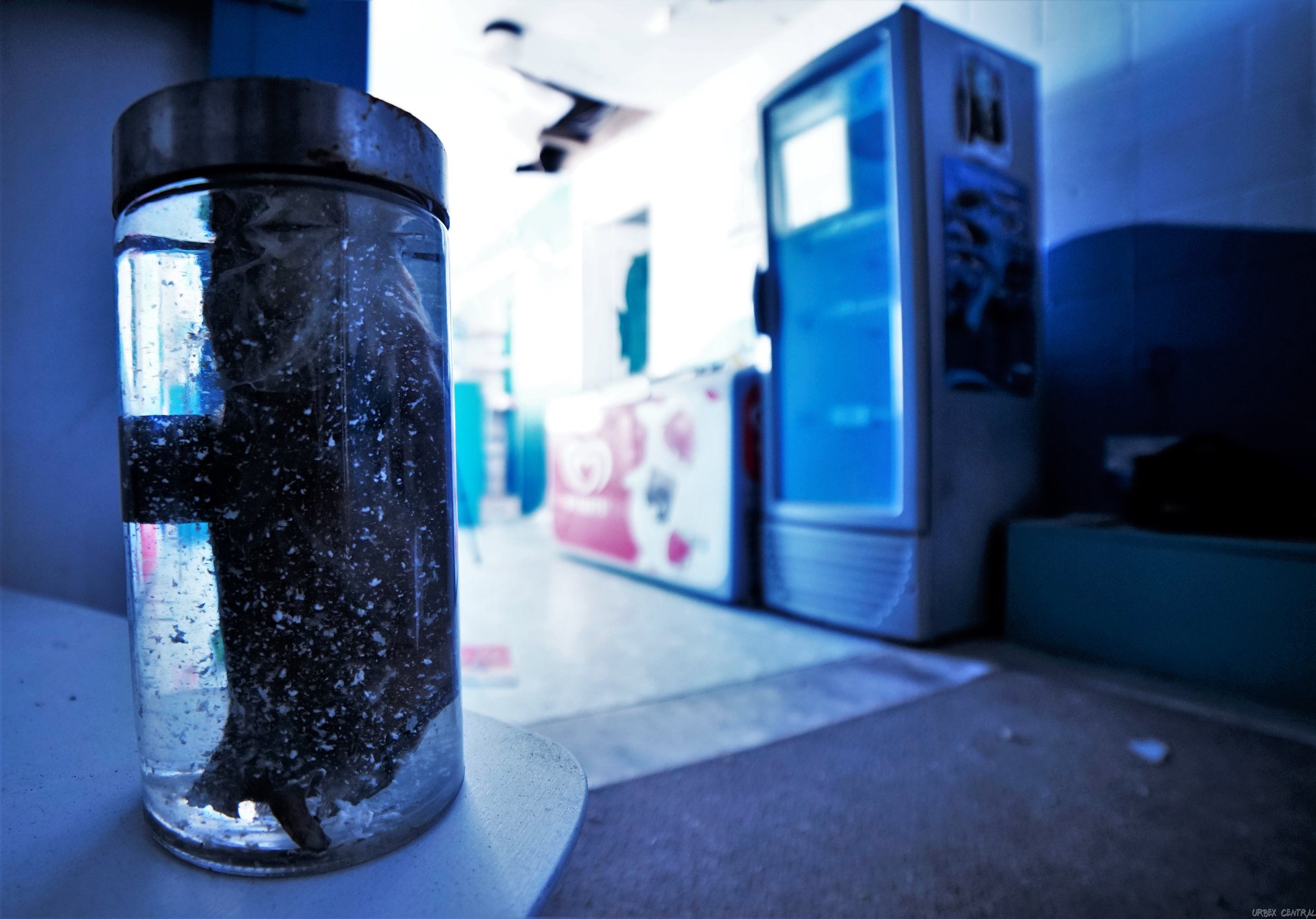
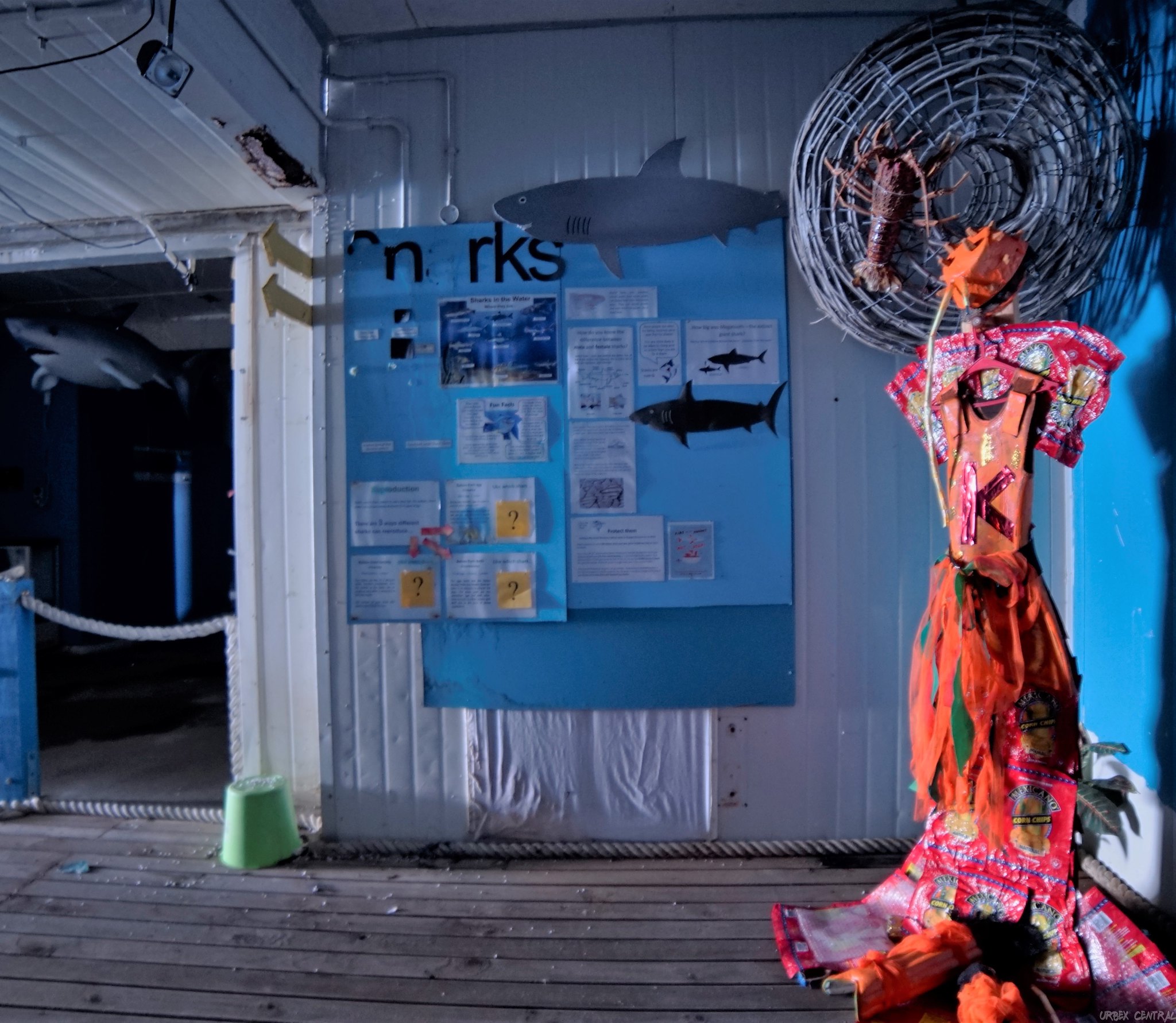
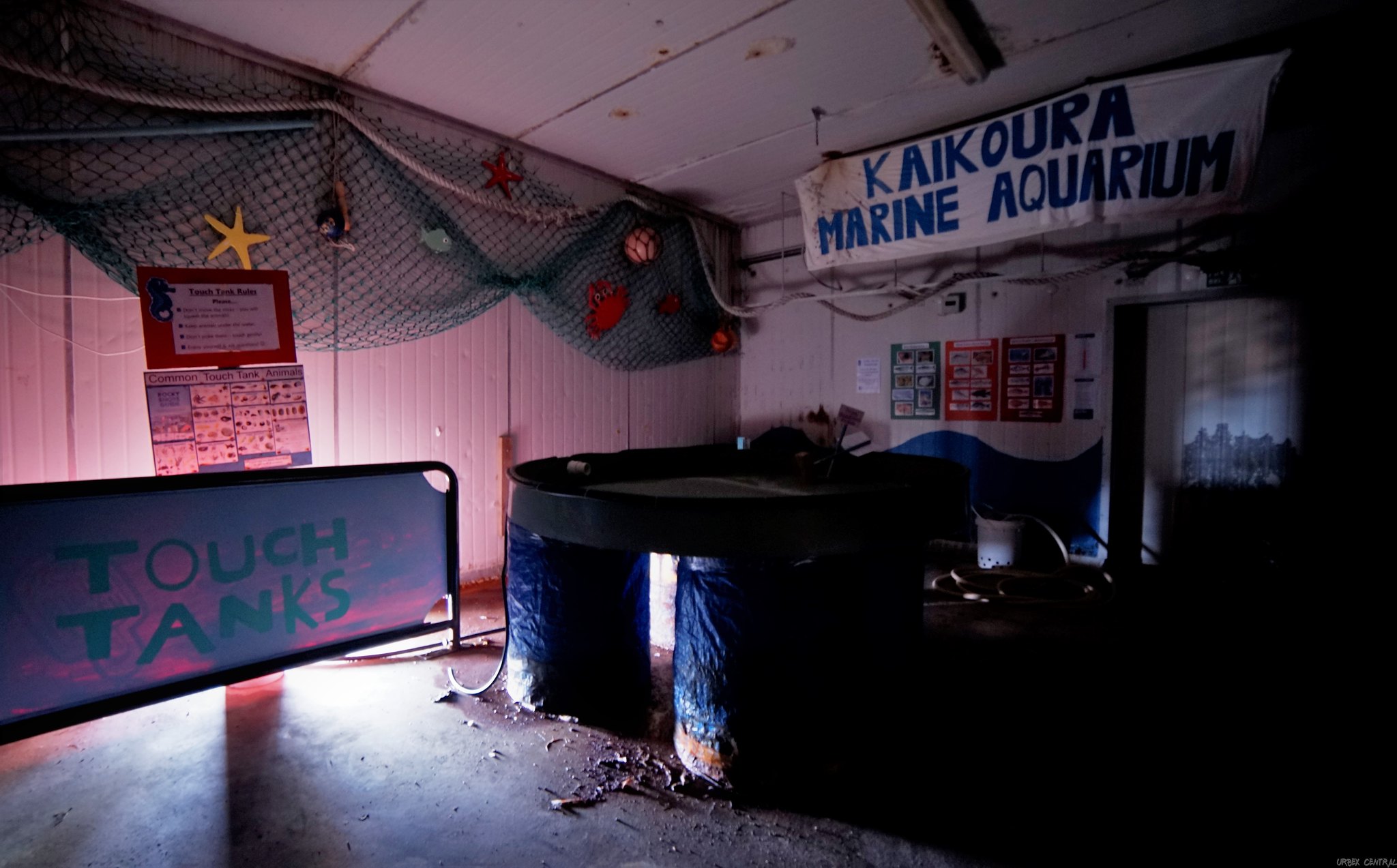
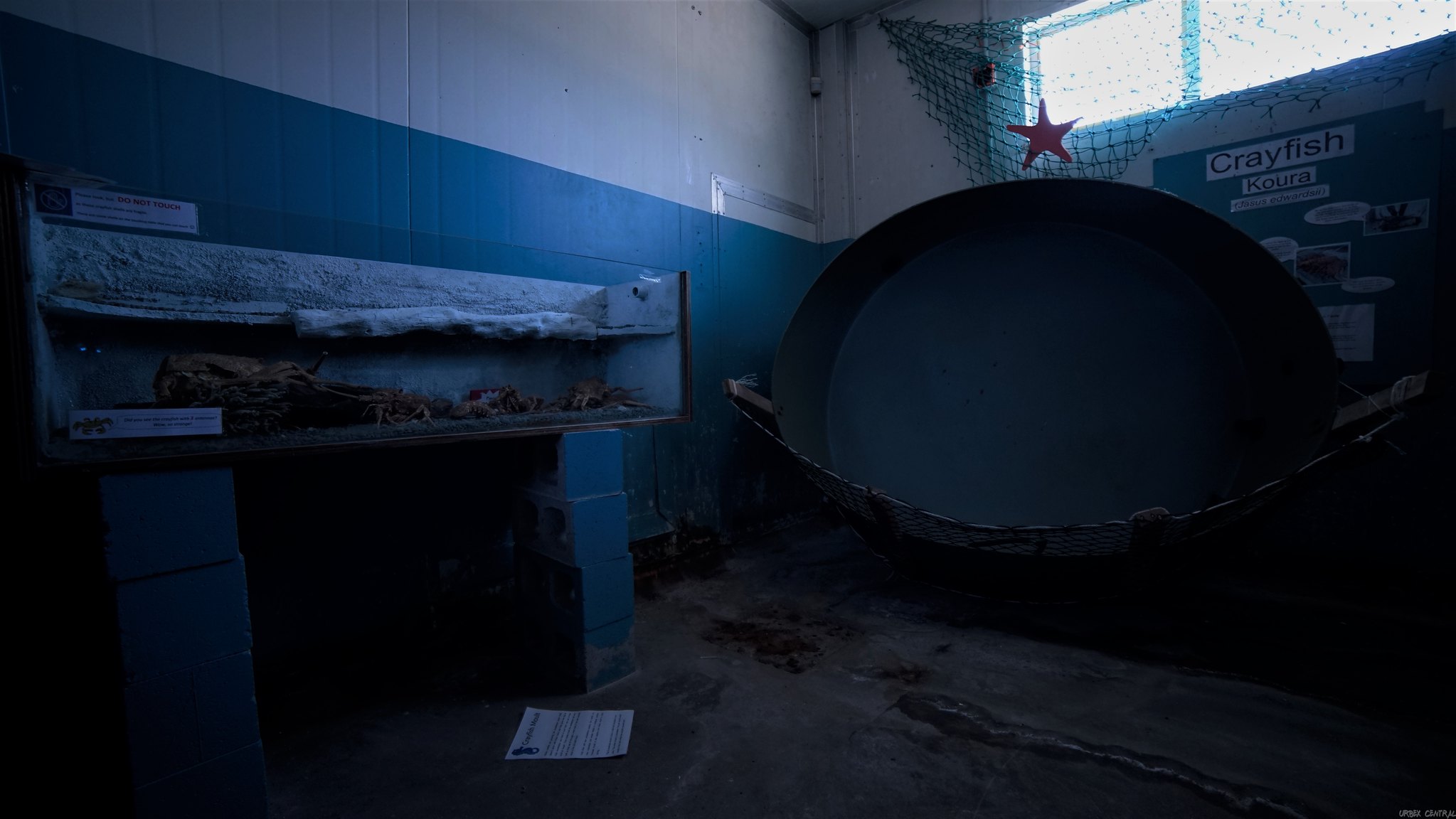
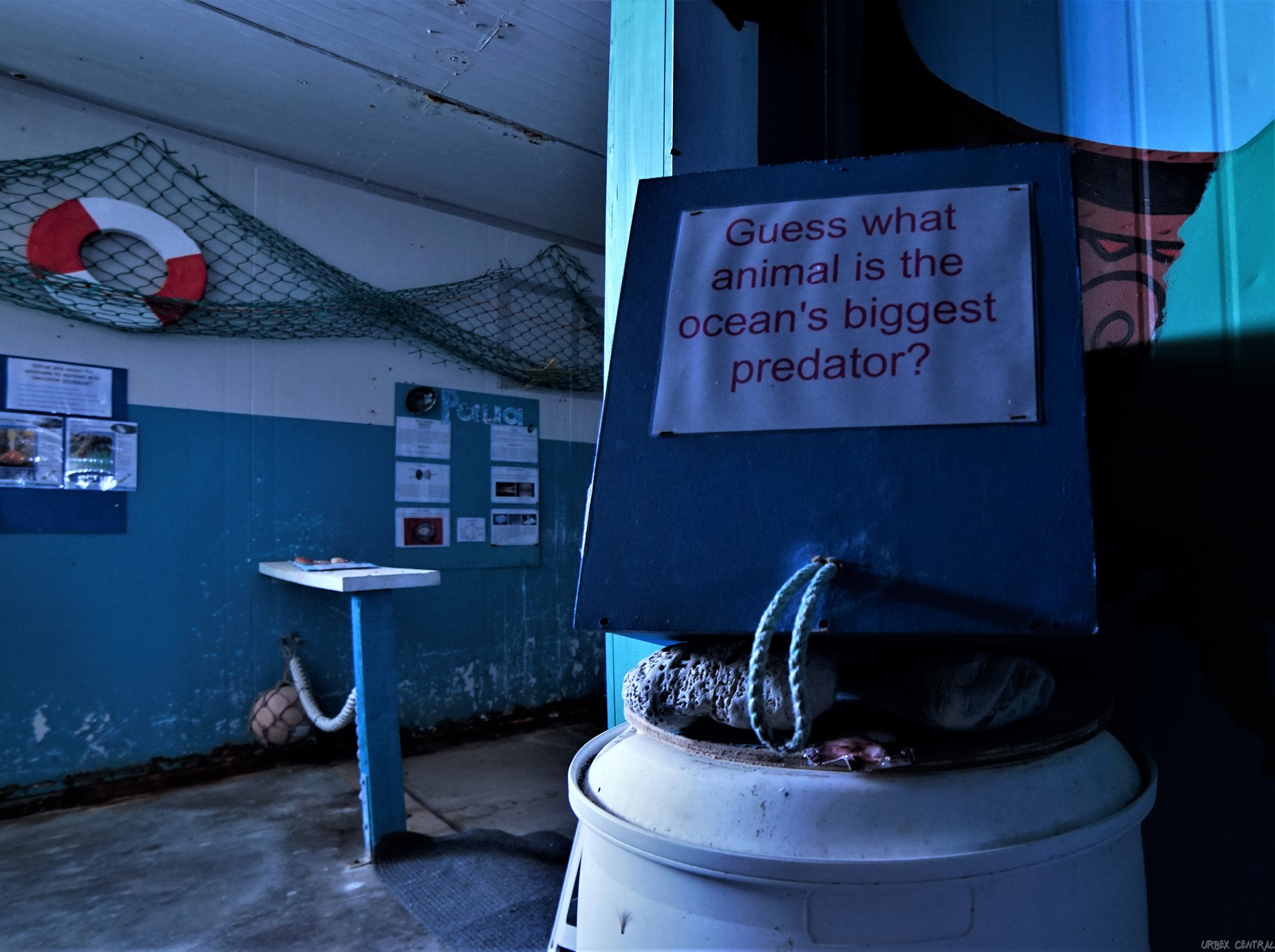
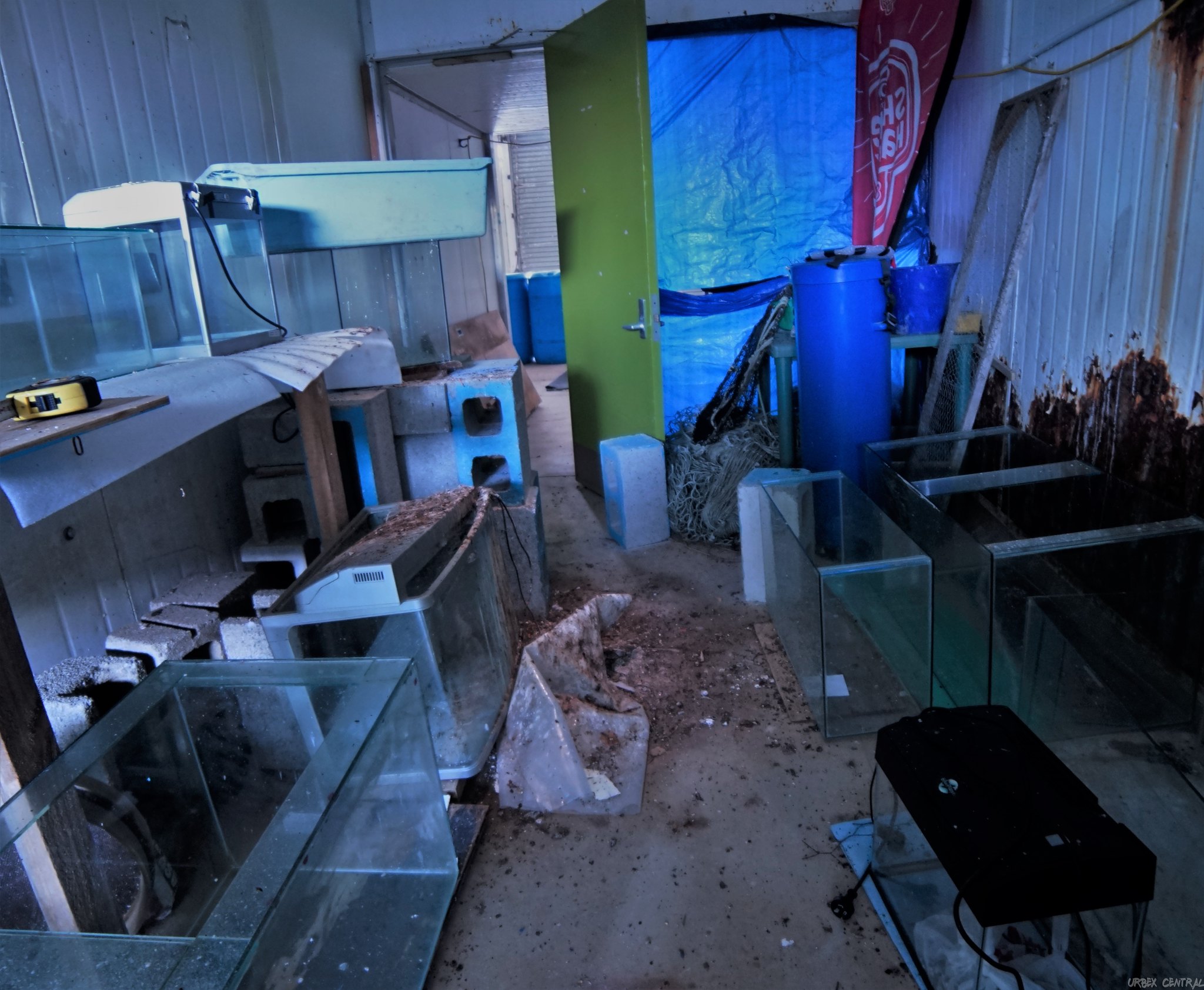
Located in a sleepy town that has had its fair share of earthquakes lies this little aquarium on the wharf, abandoned and closed down due to earthquake damage. In operation, it seems the aquarium was well loved and although small was full of interactive activities for children who visited.

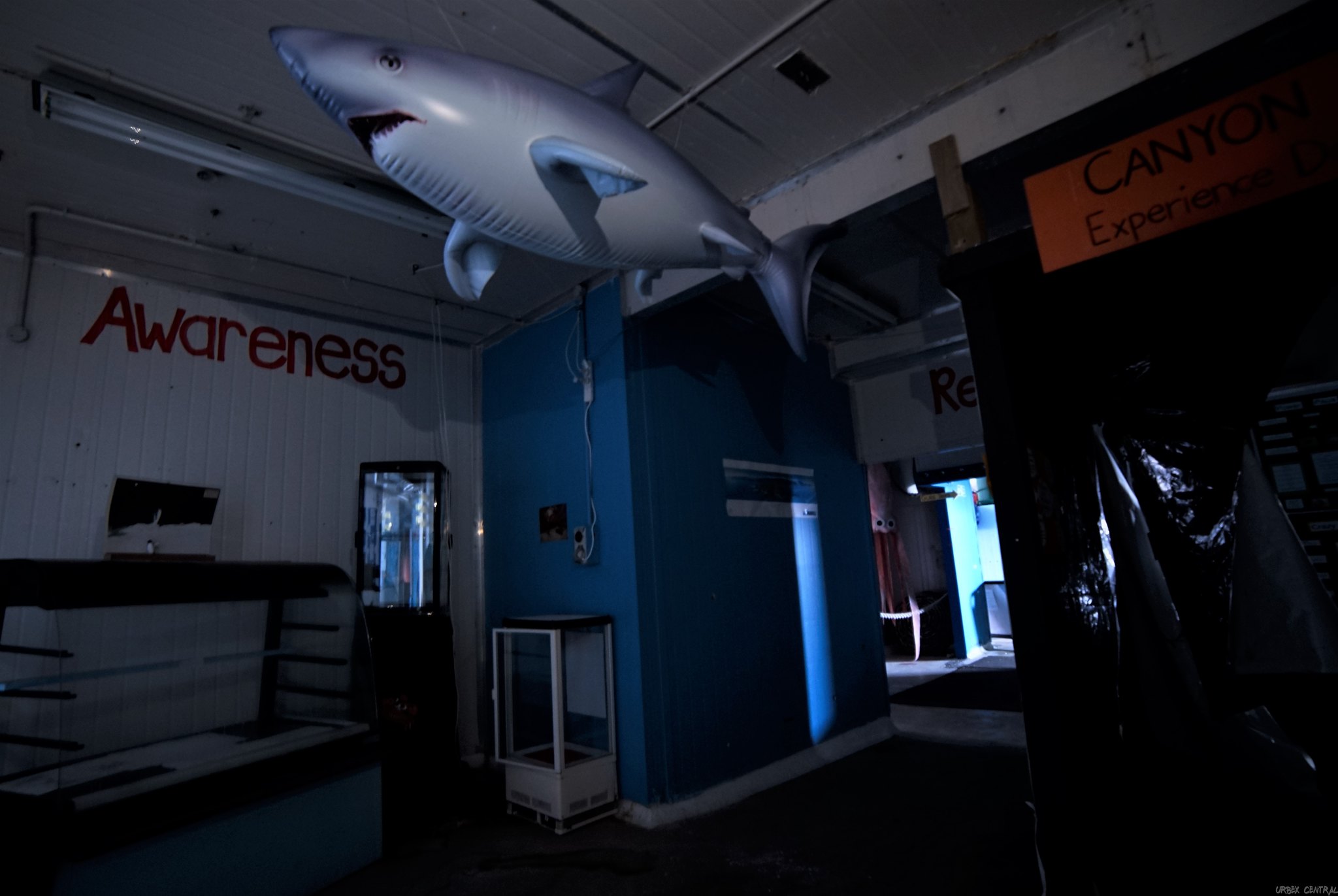
Due to an injury this explore posed a little bit of a challenge to UC but thanks to fellow explorer DerelictNZ we were able to successfully explore this place and enjoy its wonder; such as an inflatable shark, not quite the infamous Melbourne shark but close enough.


Cathedral

Images of the exterior of Christchurch Cathedral from a couple of months ago. The Cathedral was badly damaged in the February 22nd 2011 earthquake (and other aftershocks) that devastated New Zealand’s third largest city. It’s a surreal experience, the centre around Cathedral Square isΒ mostly unrecognizable, apart fromΒ the iconic Christchurch Cathedral.

The Anglican Cathedral wasΒ built between 1864 and 1904 in the centre of the city, surrounded by Cathedral Square. It became the cathedral seat of the Bishop of Christchurch in the New Zealand tikanga of the Anglican Church in Aotearoa, New Zealand and Polynesia.

Repeated earthquakes have damaged the building (mostly the spire) in the course of its history: in 1881, 1888, 1901, 1922, andΒ September 2010. The February 2011 Christchurch earthquake destroyed the spire and part of the tower, and severely damaged the structure of the remaining building. The remainder of the tower was demolished in March 2012.Β The west wall suffered collapses in the June 2011 earthquake and the December 2011 quakeΒ due to a steel structure – intended to stabilize the rose window – pushing it in.

The Anglican Church has decided to demolish the building and replace it with a new structure – a decision which has become controversial in post-quake Christchurch. Various groups have opposed the Church’s intentions, with actions including taking a case to court. As of January 2015 the judgements have mostly been in favour of the Church, with one more judgement pending. No demolition has occurred since the removal of the tower in early 2012.

There has been opposition to demolition, with heritage groups including the UNESCO World Heritage Centre opposing the action. A local character, the Wizard of New Zealand, made protests calling for the cathedral to be saved.Β Kit Miyamoto, an American-based structural engineer and expert in earthquake rebuilding, inspected the cathedral after the September 2010 quake. He cited his experience in stating that restoring and strengthening of the building was both β€œfeasible and affordable”.

In April 2012, a group of engineers from the New Zealand Society for Earthquake Engineering launched a petition seeking support of 100 colleagues to stop the demolition. They claimed that legal action was also a possibility.Β In the same month the Restore Christchurch Cathedral Group was formed and sought signatures for a petition to save the cathedral.

House on the Hill

Rural legend says this house was transported to its spectacular hilltop location sometime in the 1980’s. Allegedly the farmer who owned the property, had intended to renovate the house and make it the familyΒ home. Apparently though soon after the building was in place, the couple separated and the man was left to bring up the children on his own. Then, because he couldn’t afford to spend any more time and money on the house, it duly deteriorated and is still standing like a folly decades later. Check out ourΒ videosΒ hereΒ and here.

II Casino

We explored this former Italian restaurant two years ago, just prior to demolition.Β Remiro Bresolin, a flamboyant pioneer of Italian cuisine in New Zealand and legend of Wellington’s social scene, took drab Wellington and gave it a splash of Italian colour. For nearly 30 years his Il Casino restaurant was a capital icon and a mecca for food lovers everywhere. The restaurant closed just prior to his death in 2007 and in it’s place now stands another inner city apartment block.

The Chem-Suit Kid

It’s not everyday you see someone walking along the street wearing a full NBC (Nuclear, Biological, Chemical) suit–Β  but today was one of those days. We turned the car around and followed the shuffling figure, thinking they must have just been let out for the day. As we got out of the car and approached, gesturing with the camera and asking if we could take photos, he said in a muffled voice “okay”. As it turned out he was a student from the local high school and must have been about 16 or 17. There had been some sort of costume day at school, and being a military buff he had decided to wear the full chem-suit to school. He explained (without taking the mask off) that he had purchased the suit/mask etc in Russia and that his family was from there and Ukraine (Odessa). Then he waddled off up the hill towards home…

Escuela Mala

A re-posted video of Petone College from early 2013. This former high school- abandoned, vandalized and the victim of numerous arson attacks- has finally been euthanized to make way for a retirement village.Β Escuela Mala loosely translates as “bad school” in Spanish.

Bad Education (redux)

One of our old haunts has finally been demolished. Hutt Valley High School (formerly Petone Technical College) was closed in 1998, but partially used up until 2002. The site had been heavily vandalized over the years and targeted on a number of occasions by arsonists- most recently this past January. This last fire was the nail in the coffin for the former school. The remaining buildings were demolished last month to make way for (ironically) a retirement village.


Gunkanjima

One of us was lucky enough to visit legendary “Gunkanjima” a few years ago. Hashima Island, known locally as Gunkanjima (Battleship Island)- is situated off the coast of Japan near Nagasaki. Mitsubishi purchased the island in 1890 and began the project of extracting coal from undersea mines. They built Japan’s first large concrete building (9 stories high) in 1916 to accommodate the burgeoning ranks of workers. Concrete was specifically used to protect against typhoon destruction. In 1959, the 6.3-hectare (16-acre) island’s population reached its peak of 5,259, with a population density of 835 people per hectare for the whole island. As petroleum replaced coal in the 1960s, coal mines began shutting down all over the country, and Hashima’s mines were no exception. Mitsubishi officially announced the closure of the mines in 1974,Β with the local workers/inhabitants having to vacate their island fortress immediately.

GunkanjimaΒ is increasingly gaining international attention, not only for its modern regional heritage, but also for the undisturbed housing complex remnants representative of the period. In the 2012 James Bond film Skyfall, the island served as an inspiration for the lair of villain Raoul Silva, but filming did not take place on the island itself. One section was recreated at Pinewood Studios in England and the rest via CGI. In 2013, Google sent an employee to the island with a Street View backpack to capture its condition in panoramic 360-degree views and allow users to take a virtual walk across the island. Google also used its Business Photos technology to let users look inside the abandoned buildings, complete with old black-and-white TVs and discarded soda bottles.

The Lost Resort

Anyone visiting Rarotonga for more than a few days,Β will probably have heard of (or seen) the doomed and abandoned Sheraton resort on the south coast.Β For a tiny country (pop. 14,600) which earns half of its income from tourism, completing the project is seen as vital.

The history of the project dates back to 1987 when the Cook Islands Government signed a deal with an Italian bank, after being unable to attract the required foreign investment. The Government acted as guarantors for the NZ$52 million loan and agreed to anΒ Italian company’s bidΒ to buildΒ Rarotonga’s first luxury 5-star 200-suite hotel and golf course. Sheraton signed up to manage the property and work began on its construction in 1990.

However within a few years, the lion’s share of $52 million disappeared down a black hole carved out by the mafia and other crooks- the project was 80% complete when the insurance firm cut off funding to the builders. Since then, Rarotongans have seen a steady flow of foreign receivers, consultants, con men, lawyers, bankers and developers trying to figure out what to do with the site. The country’s finances were crippled as the government’s liability ballooned to $122 million, and taxpayers are still saddled with the interest bill. The issue of who owns the hotel has been stuck in the courts for years.

Many locals think the project was doomed from the beginning, after a curse was thrown on the site in 1911- afterΒ More Uriatua was shot dead by William John Wigmore, following a bitter argument over ownership of the land. At the project’s official launch, Metua More’s grandson, More Rua turned up dressed as a high priest in warlike regalia, intoning the resurrection of his grandmother’s curse. He ended by slamming his spear into a rock onto which a plaque had just been unveiled by the Prime Minister, marking the beginning of the Sheraton project. When the rock split to ground level, the locals saw it as a sign that the resort was still cursed and doomed. It still lies abandoned and derelict today, with no new grand plans of completing The Lost Resort.


The Cres

We visited this infamous Wellington suburb two years ago, just as the demolition of 88 state houses had begun. The area had gained national attention due to Mongrel Mob gang members terrorising other residents, and their ensuing refusal to abide by eviction notices. As of last visit the proposed new state houses were still not there- but the gang was…


Portal

This 253 meter long former railway tunnel- constructed in the 1870β€²s- came to the end of it’s working life in 1955 when a replacement tunnel was opened. Apart from a bit of water seeping in through the cracks, it still seems in pretty sound order after all these years.

portal1

portal2

portal3

portal4

portal5

Man on Wire

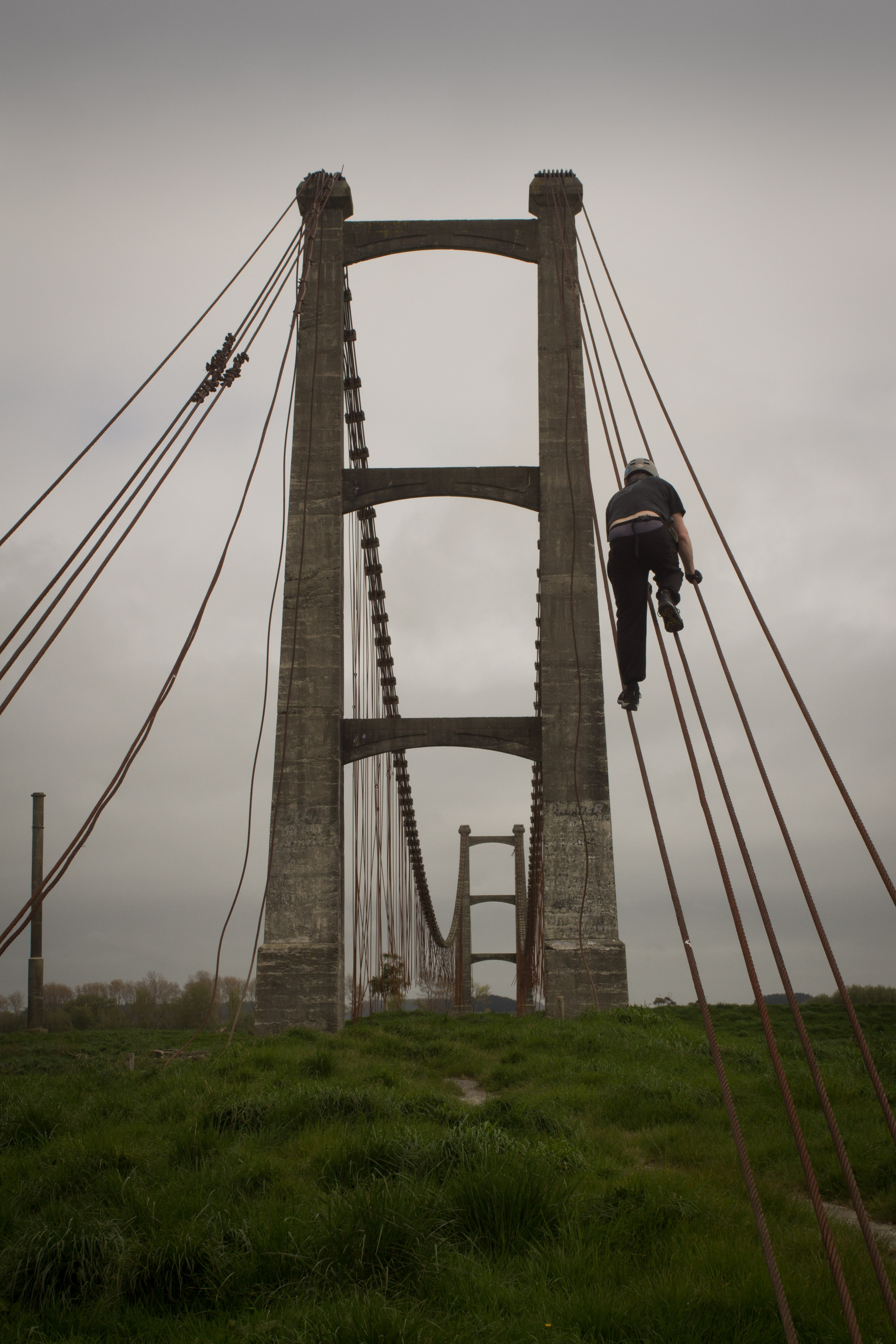
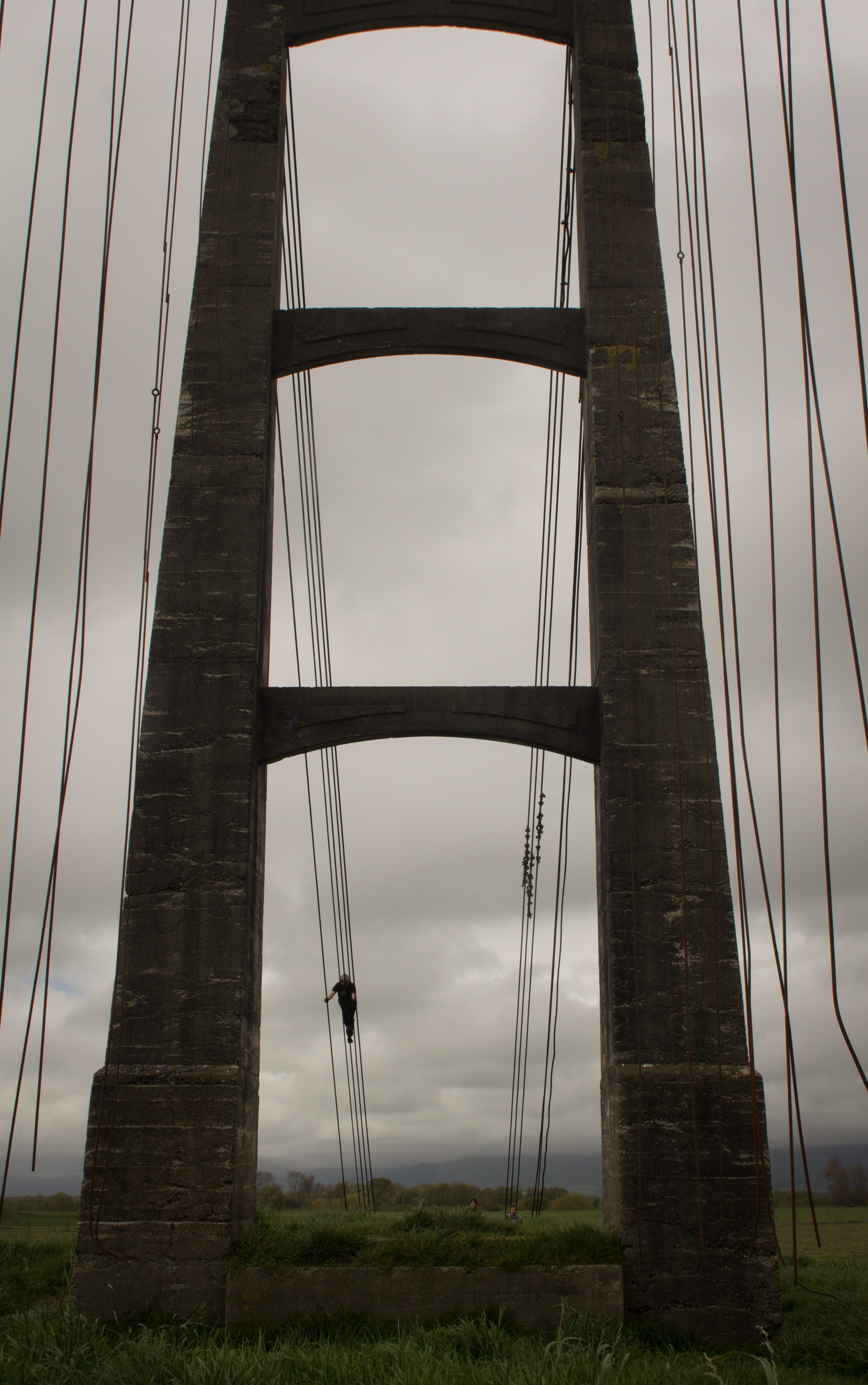
Gunner gets in some tight rope walking practise up the cables of an abandoned suspension bridge. This particular bridge was a crucial factor to the success of this region in the early to mid 19th century. Check out Gunner’s video of the event here

mow1. mow2 mow3 mow4 mow6


Bad Education

This former highschool was closed about 15 years ago. The decay and vandalism that has occurred in the interim is astounding. It’s finally due for demolition soon and the land it occupies is to be developed into a retirement village.

col1

col2

col3

col9

col15

col12

The College

This school was closed in the 1980s and has been mostly left to ruin. The main building was “red stickered” last year, and like many buildings in Wellington declared “earthquake prone”. It’s more than likely the buildings will now be demolished- all the more reason to explore the site while it still remains…

ecollege1

ecollege3

ecollege6

ecollege7

ecollege8

ecollege9

ecollege5

ecollege10