With the beginning of summer we cracked 4 new drains in one day, and met plenty of friendly eels along the way.


With the beginning of summer we cracked 4 new drains in one day, and met plenty of friendly eels along the way.
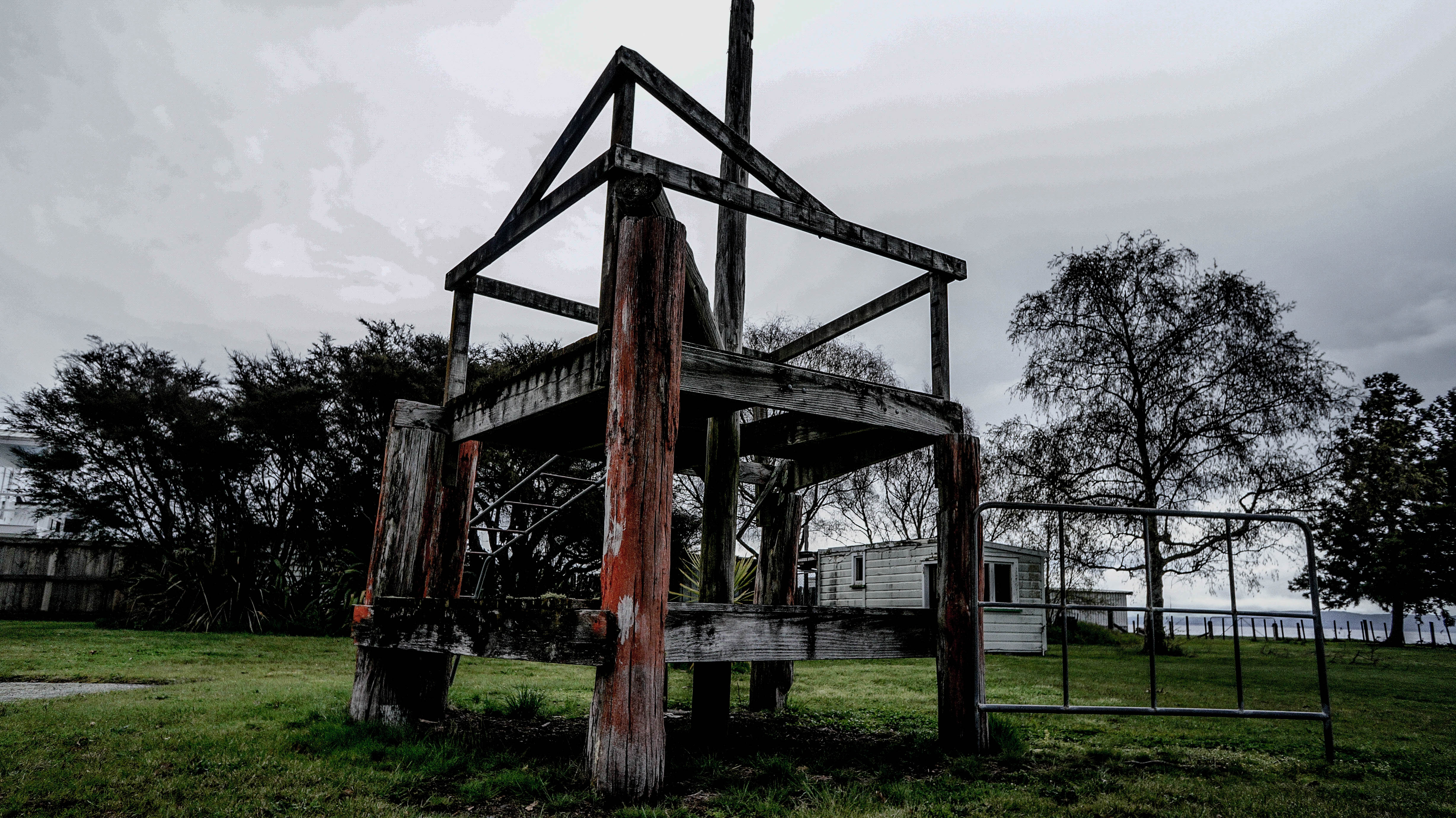
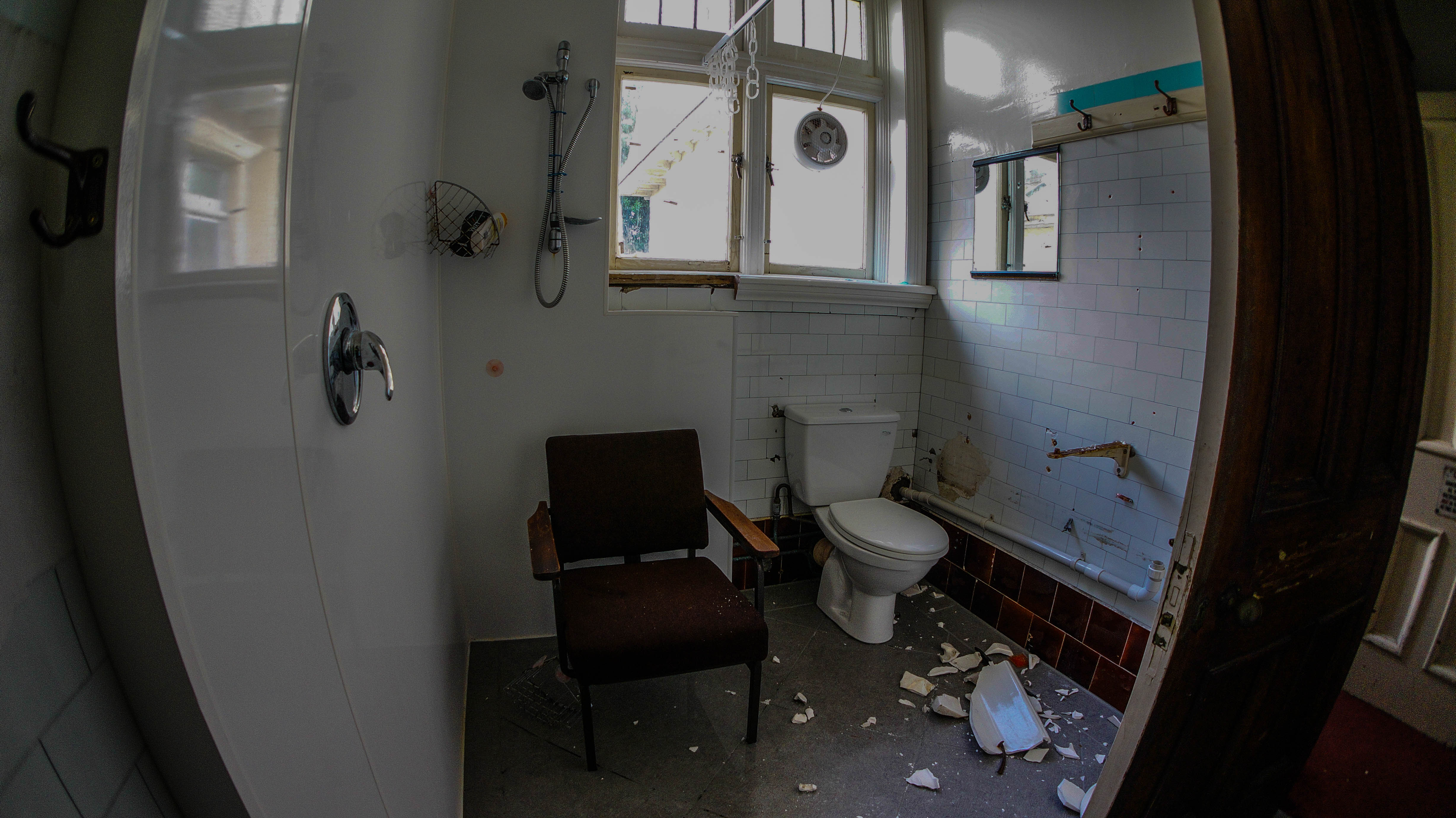
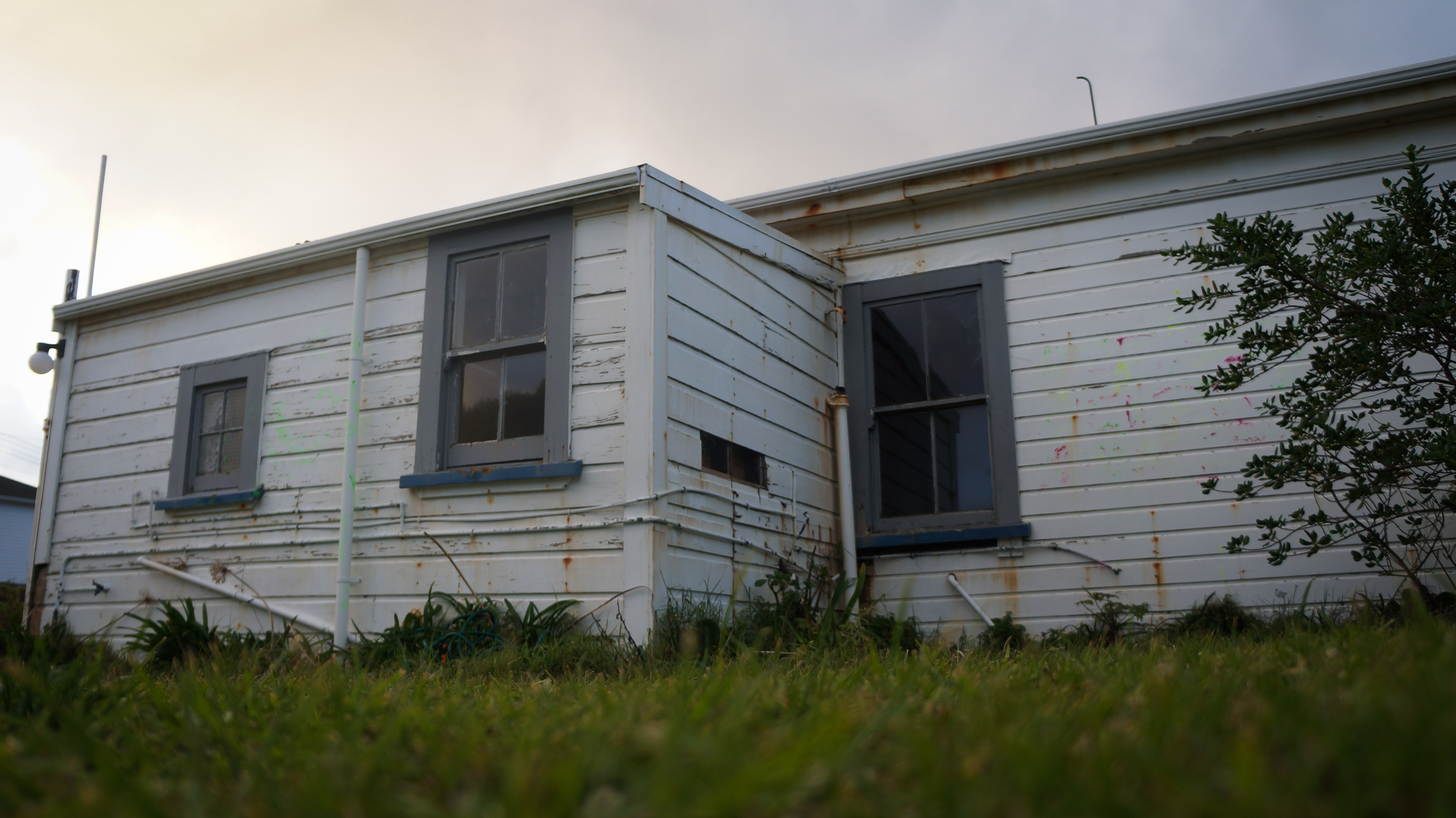
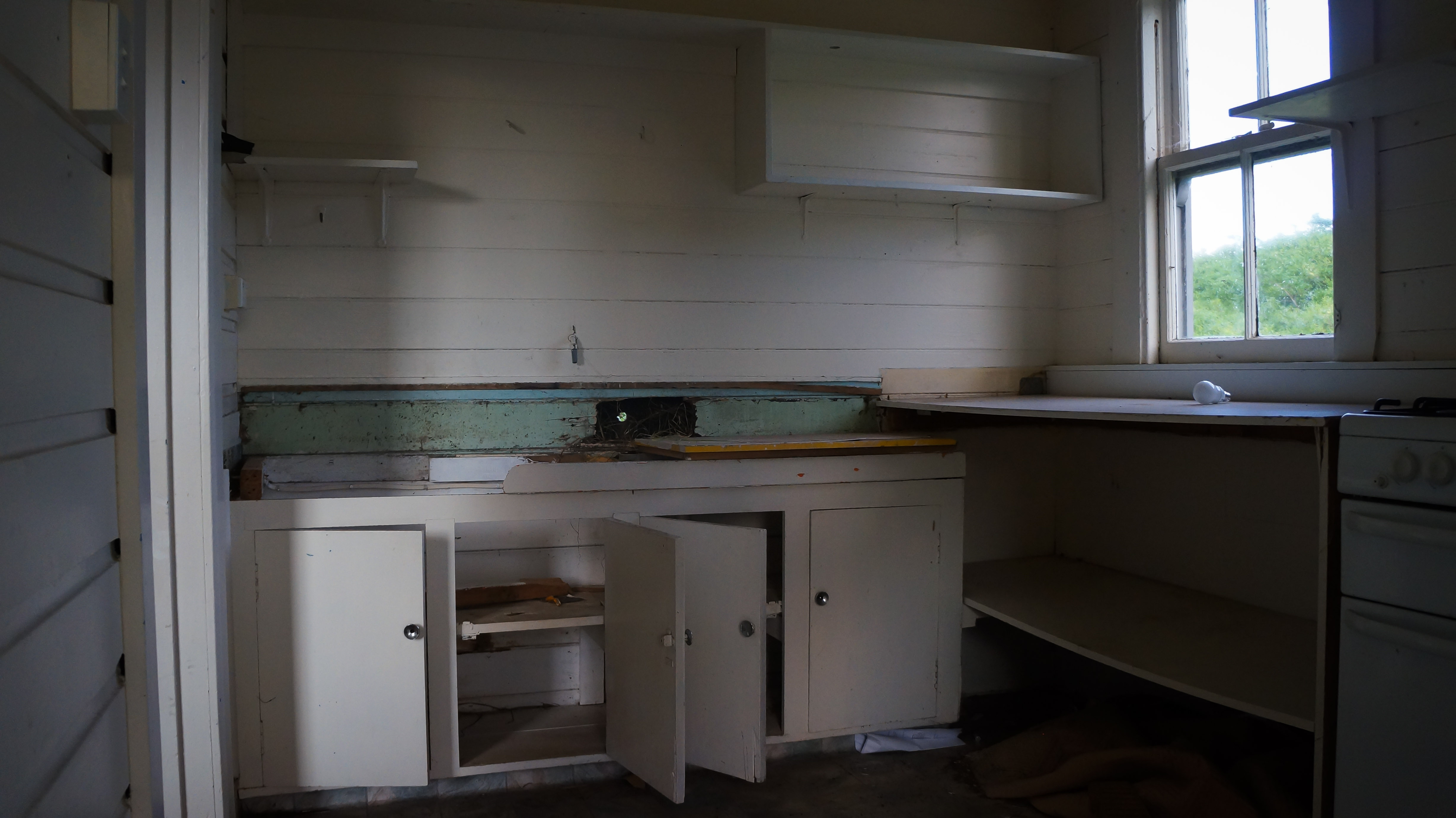
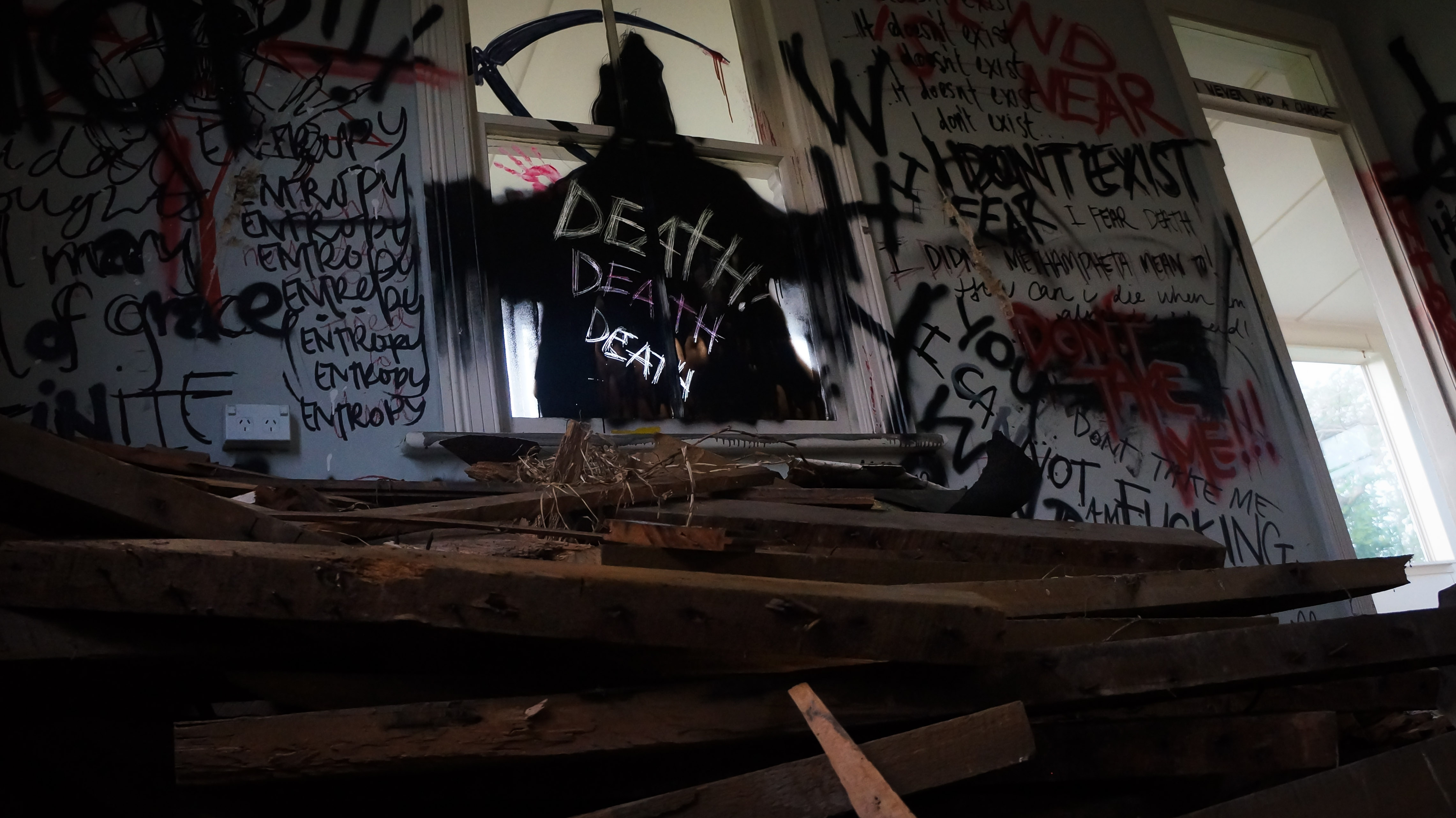
Opened in 1980 as a standalone abortion clinic.
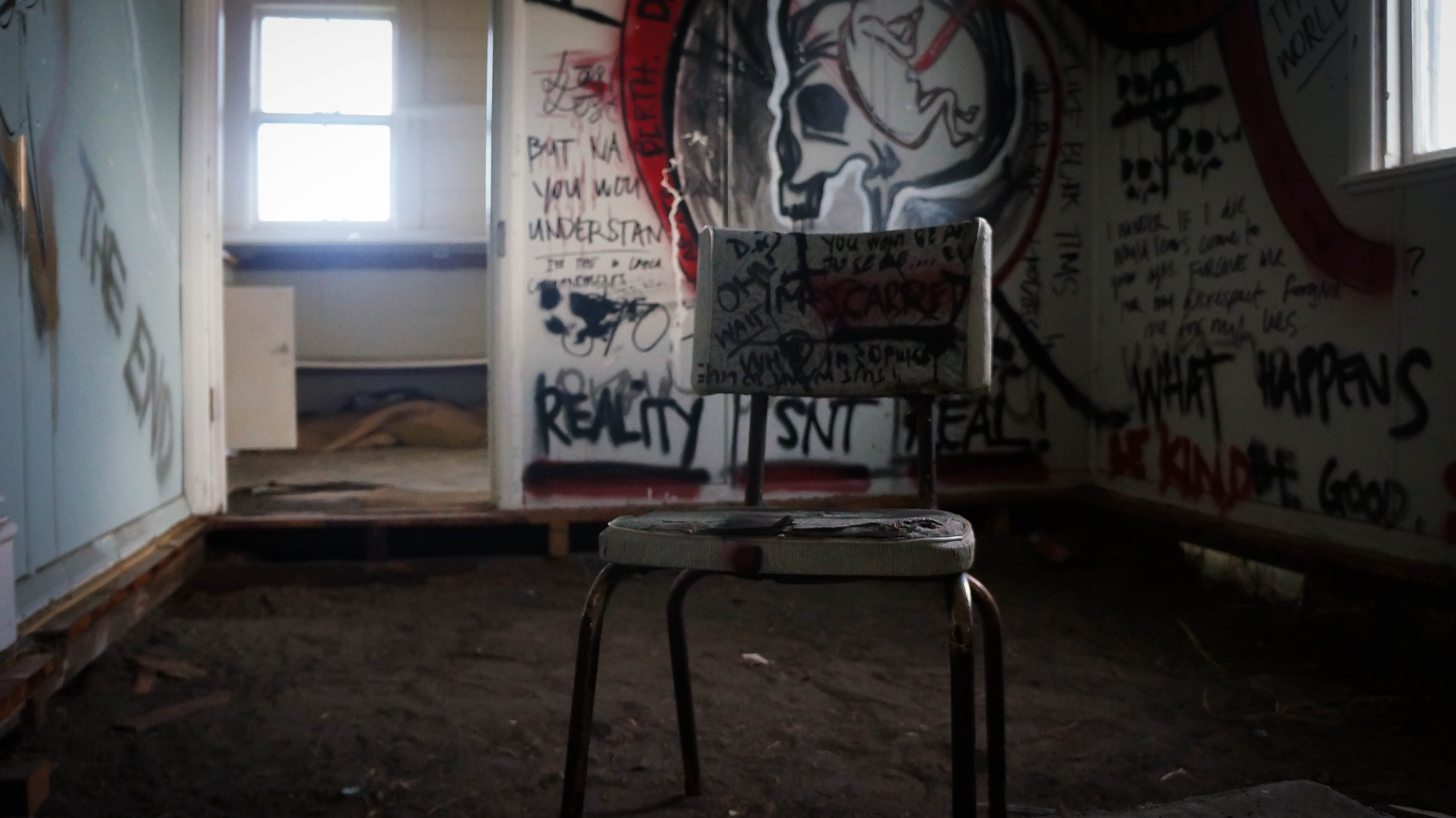
A place of much controversy and protest throughout the years now lays idle with little remaining of its past other than a sadistic looking chair.


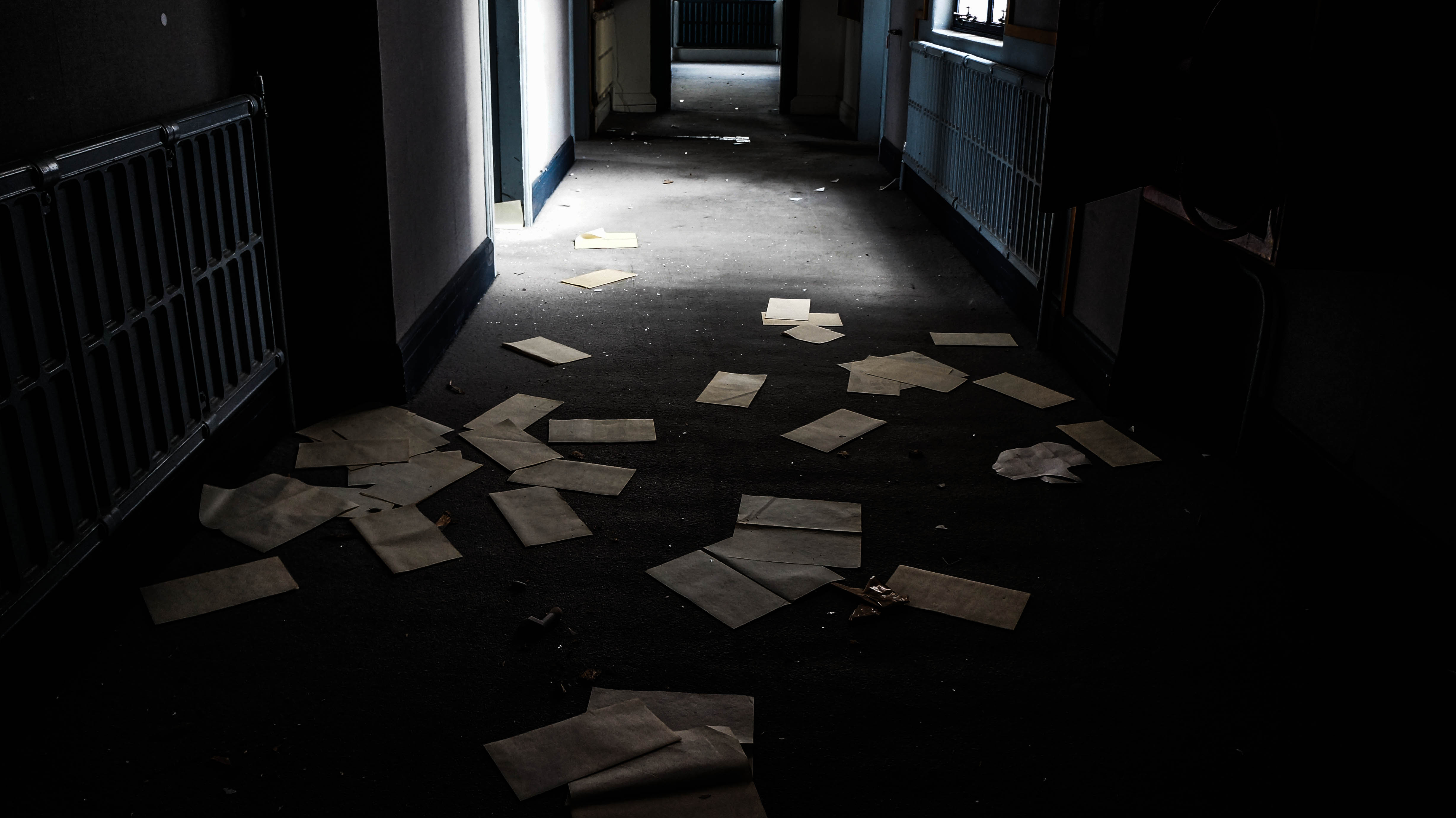
Exploring some of the wards of the abandoned hospital in central New Zealand featured in our previous posts.


Click on each thumbnail to view the full picture.
The previous posts may be viewed here:
https://urbexcentral.com/2013/10/05/hospital-on-the-hill-pt-3-utilities/
https://urbexcentral.com/2013/09/25/hospital-on-the-hill-pt-2-hospital-laundry/
https://urbexcentral.com/2013/09/24/hospital-on-the-hill-pt-1-exterior/
More to come…
Now that Wellington’s violent (some reaching 200km/hr winds) spring storms are finally ebbing away we can get back down into the slippery drains running through the city.
We recently explored an urban stream running through an industrial area – and found a drain, complete with concrete slipways in the process.
After traveling down the long tunnel we reached an impasse, a slippery slope into a deep pool of turbulent water – this is definitely a drain we will check out at the end of summer when we can progress further.


This purpose built institute- and accommodation halls- is now largely vacant and abandoned… Constructed in the early 1970s in typical Brutalist style- the imposing, totalitarian and fortress like qualities are not exactly an architecture form for aspiring students…
One of Wellington’s defining features is our fleet of trolley buses, we found a couple of older models rusting in a paddock and decided on an inspection. The old signs hark back to simpler times.


Once upon a time this complex housed New Zealand’s largest hospital complex, catering primarily towards those of an unsteady state of mind. The site now houses a modern hospital, together with a modern psychiatric facility. Many of the older buildings of the complexes former life still litter the grounds, we stopped by to have a look at some of the remains.


Fording a stream in a rather unconventional manner, because here at Urbex Central we feel you don’t always need to take Urban Exploration seriously 🙂
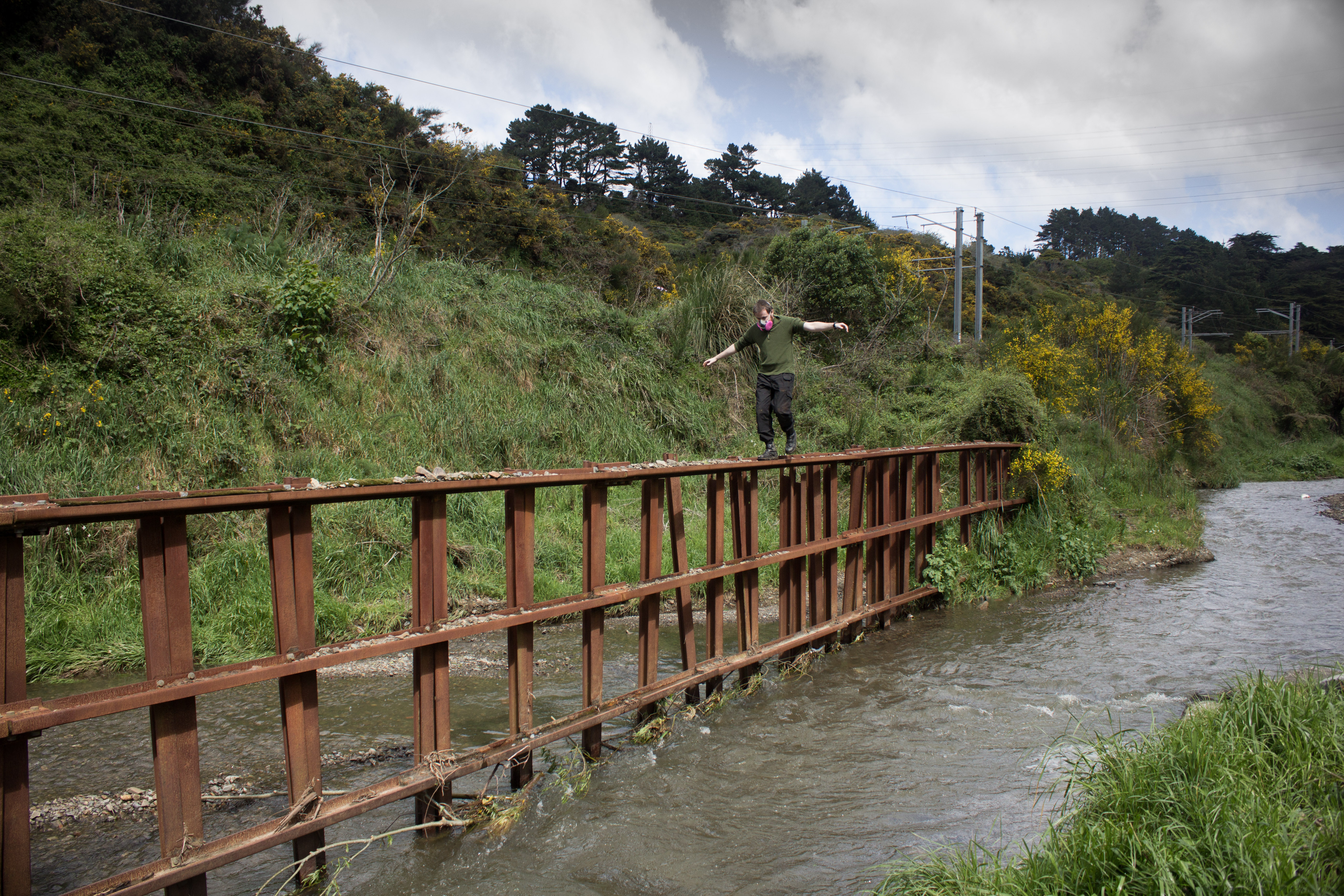


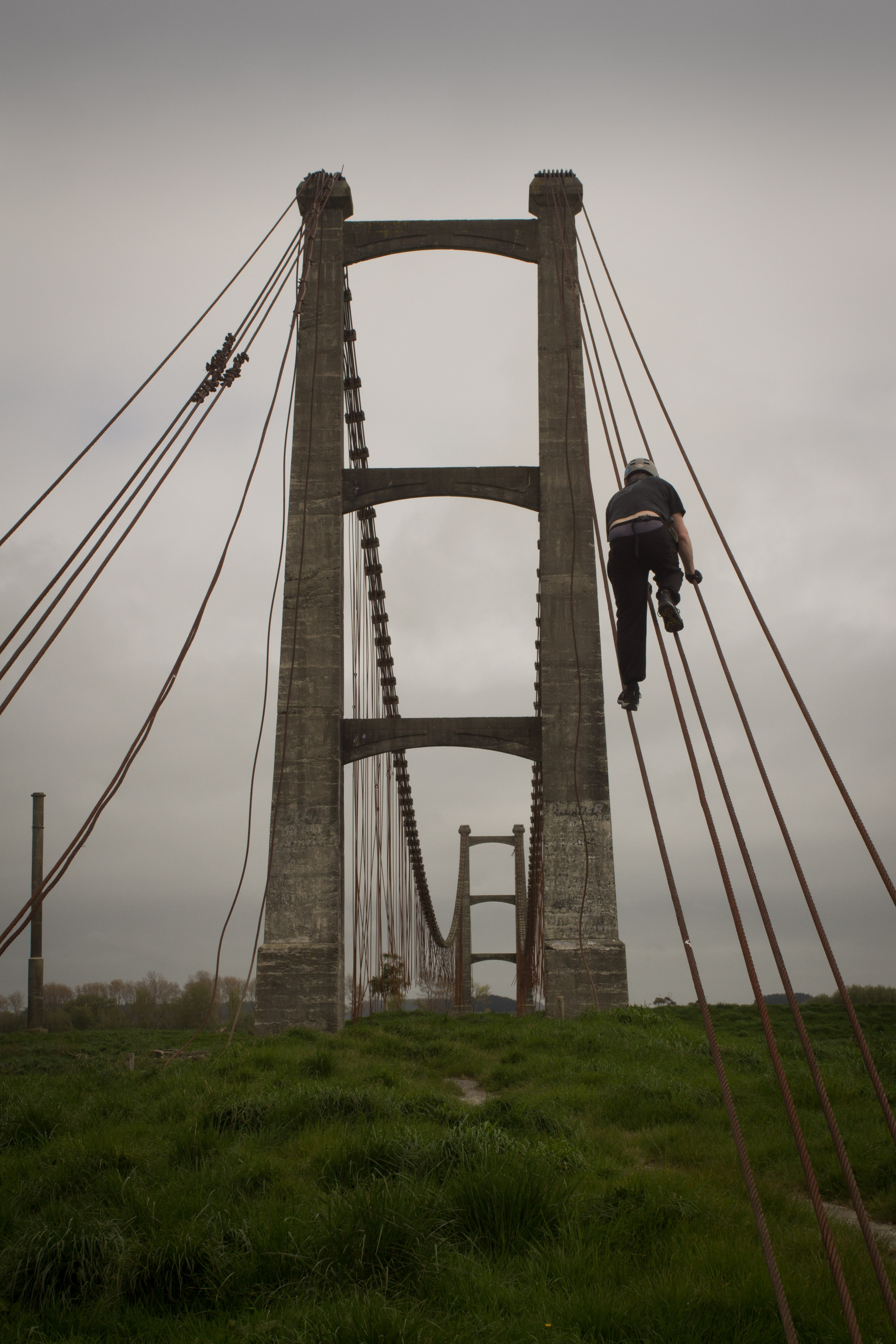
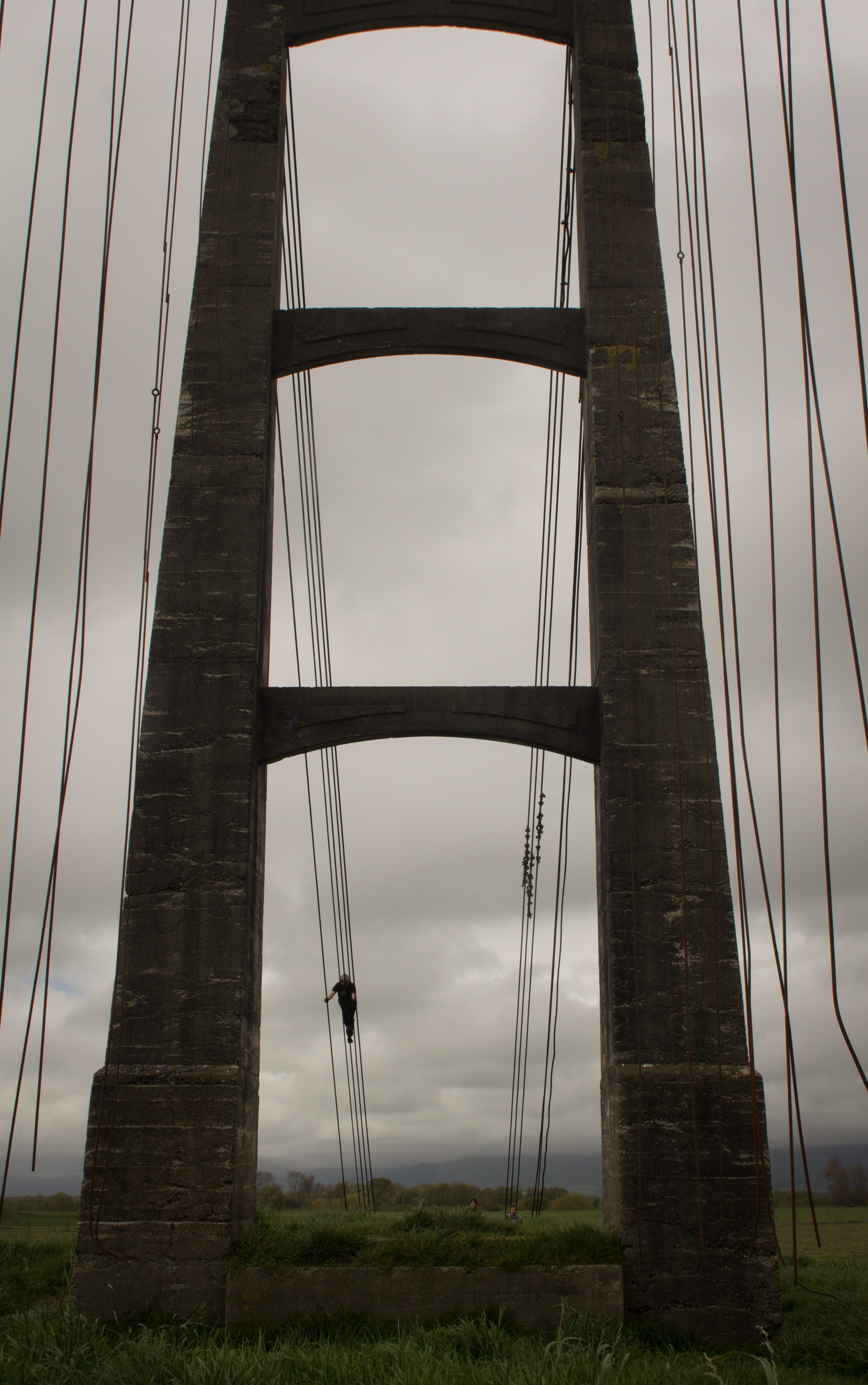
Gunner gets in some tight rope walking practise up the cables of an abandoned suspension bridge. This particular bridge was a crucial factor to the success of this region in the early to mid 19th century. Check out Gunner’s video of the event here…



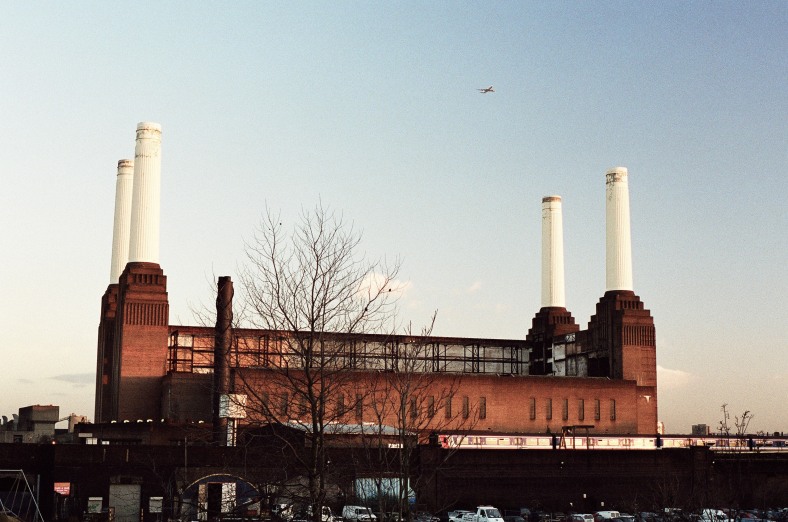
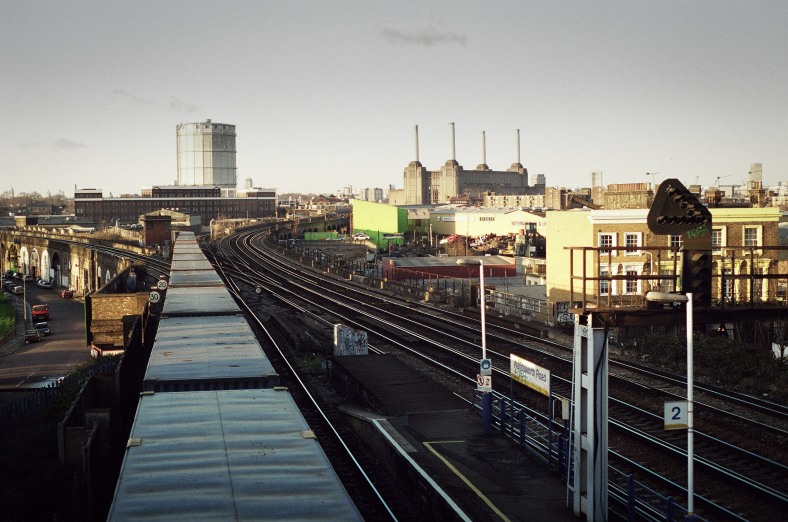
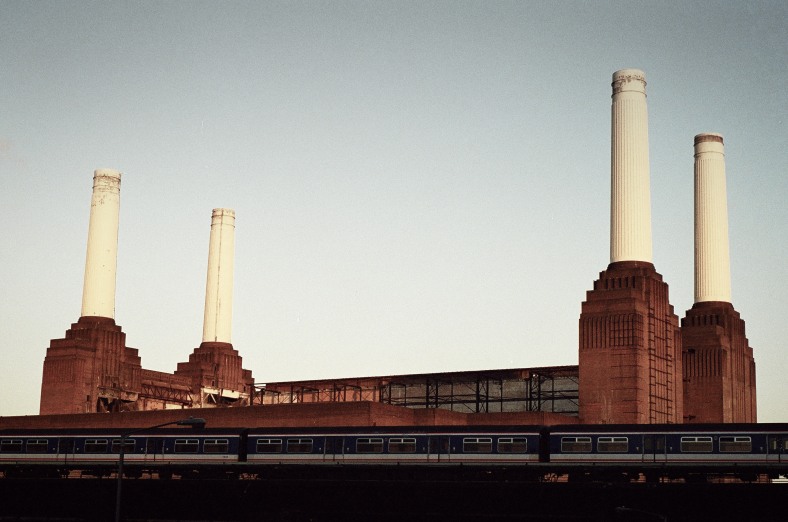
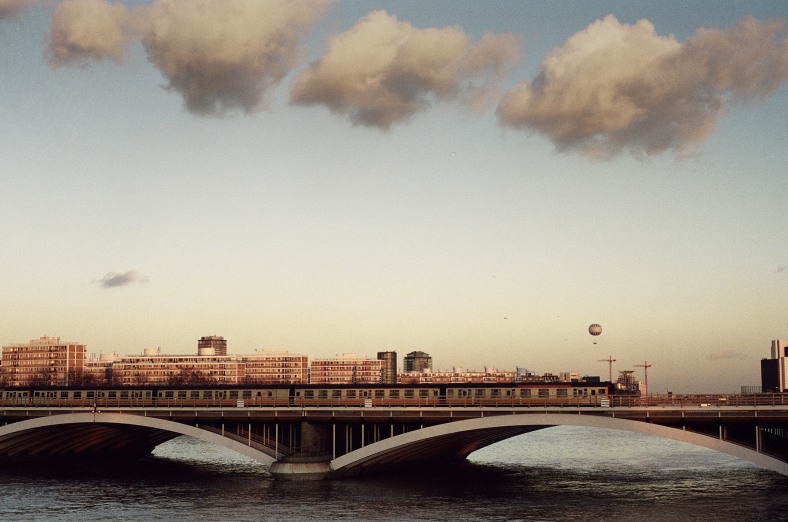
Some exterior shots of the Battersea Powerstation– late 99. This iconic London structure is arguably the most recognisable face of British industrial architecture today. Famous for its Pink Floyd album cover (with the flying pig)- Battersea Powerstation is also a bit of an urban exploration mecca.
This defunct reservoir is no longer used to supply Wellington’s northern suburbs with water, despite that the weir remains full. The sunny day made for a good opportunity to experiment with some infra-red photography and high-speed video.


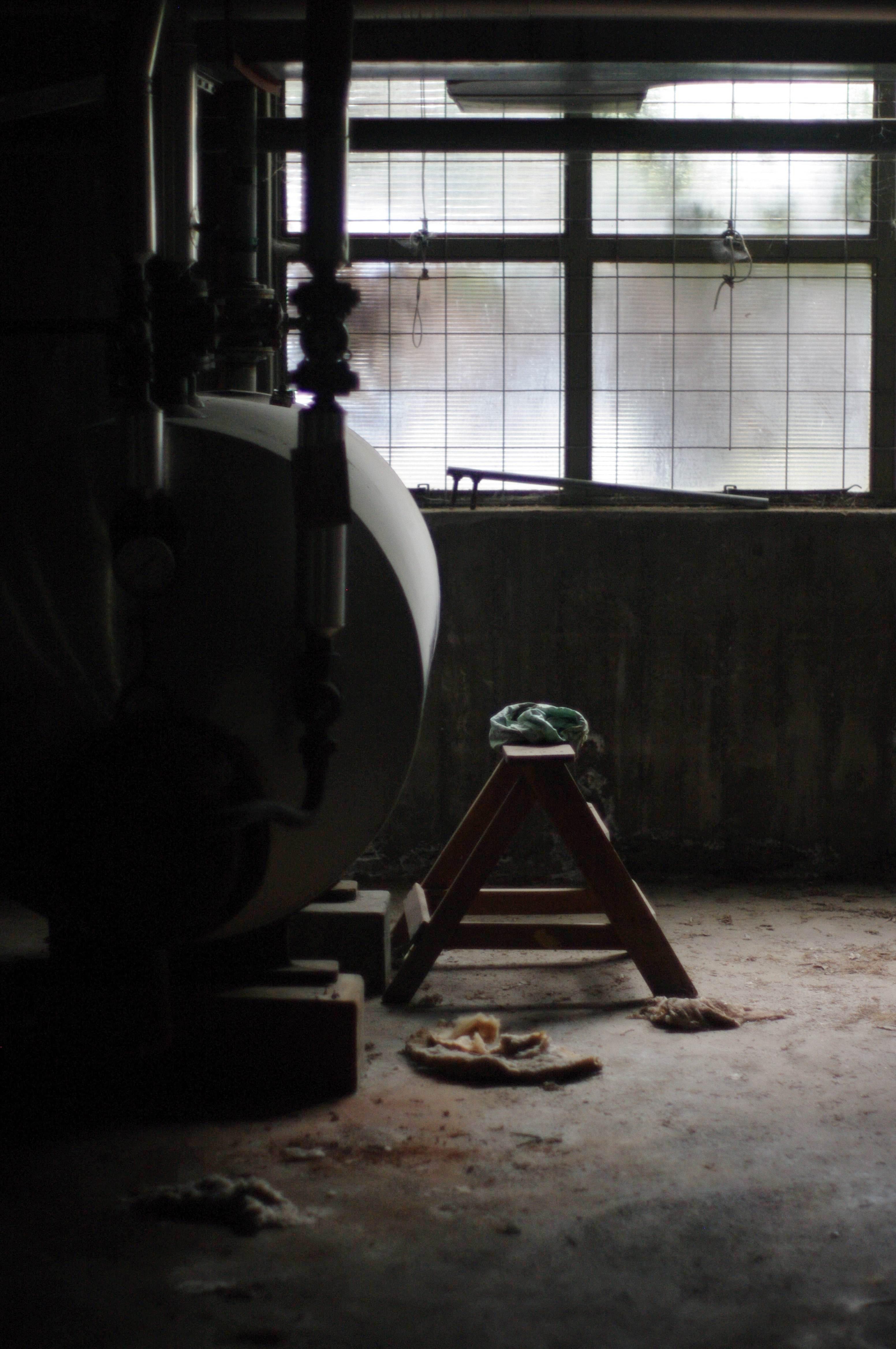
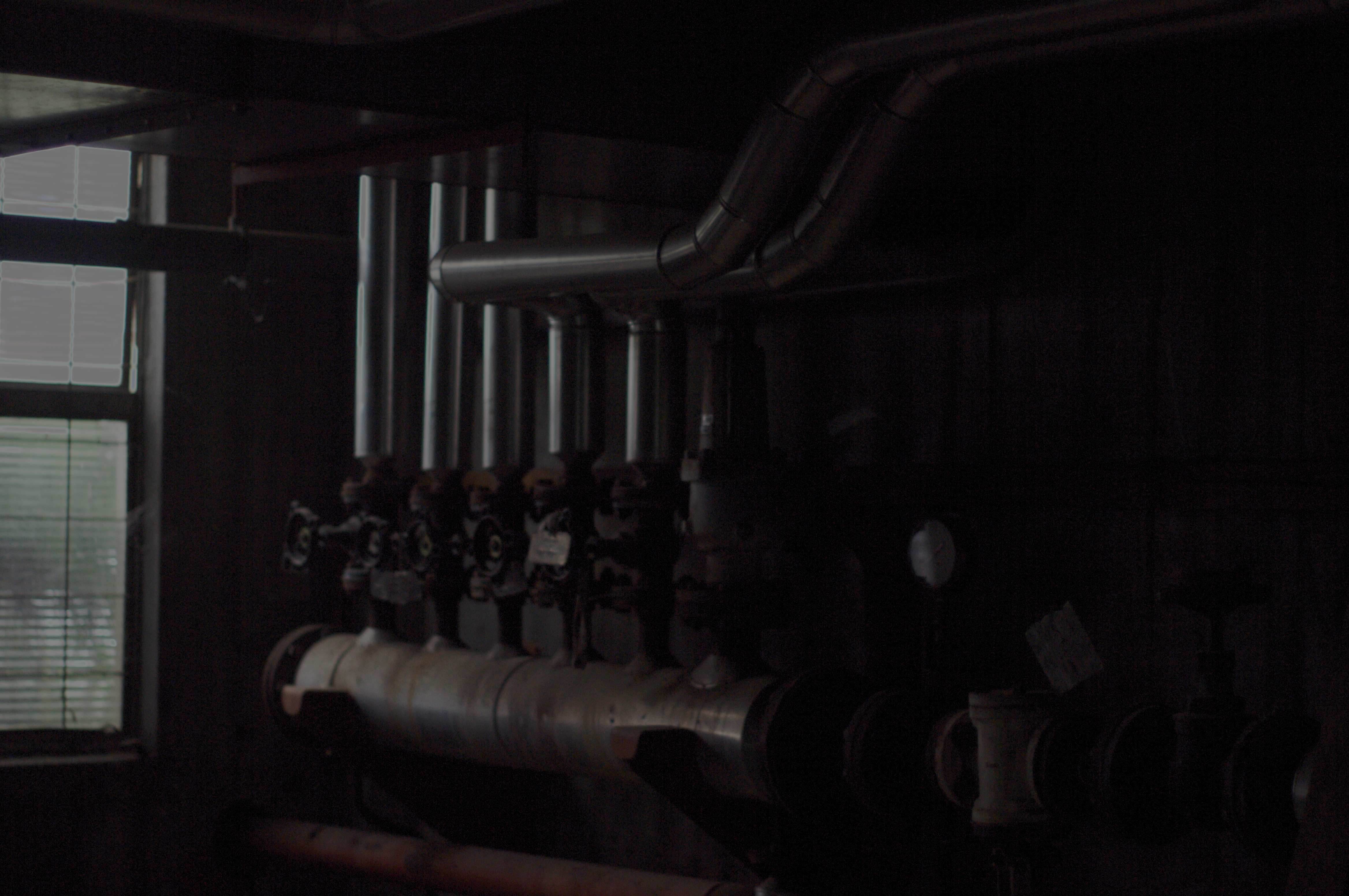
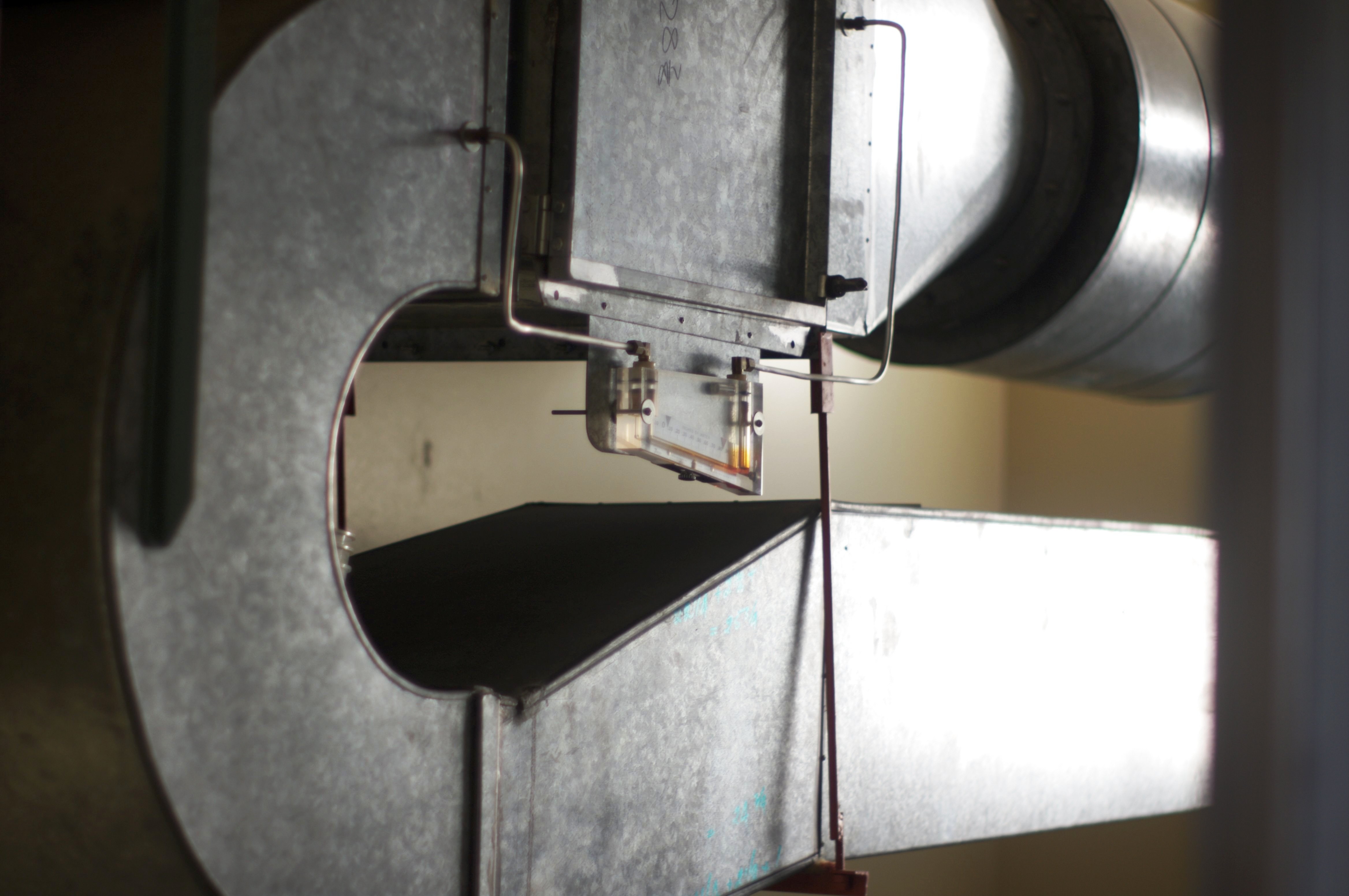
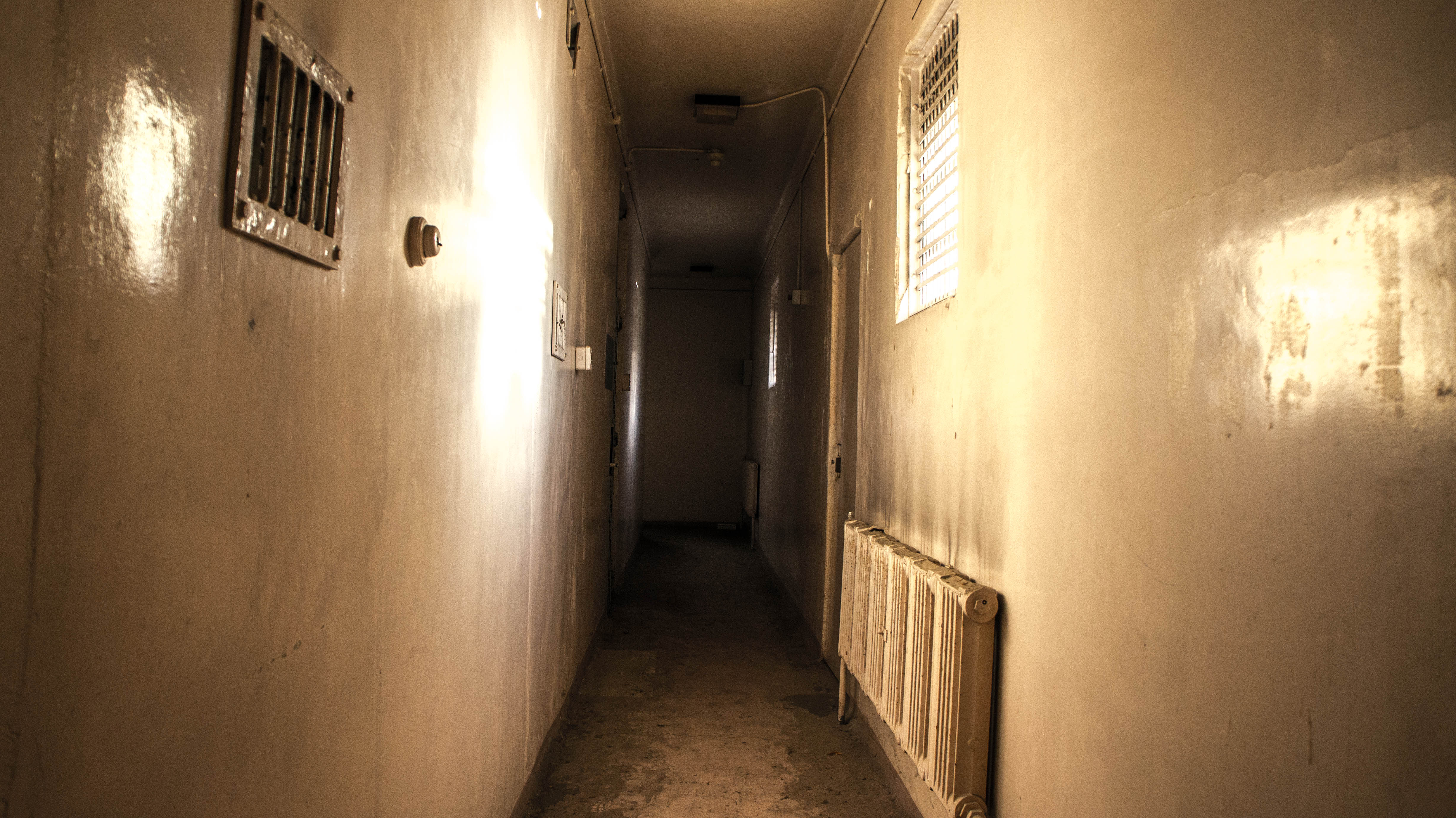
Exploring abandoned buildings offers all sorts of opportunities to see areas that would normally be off limits to the general public, including dimly lit service tunnels and utility rooms.



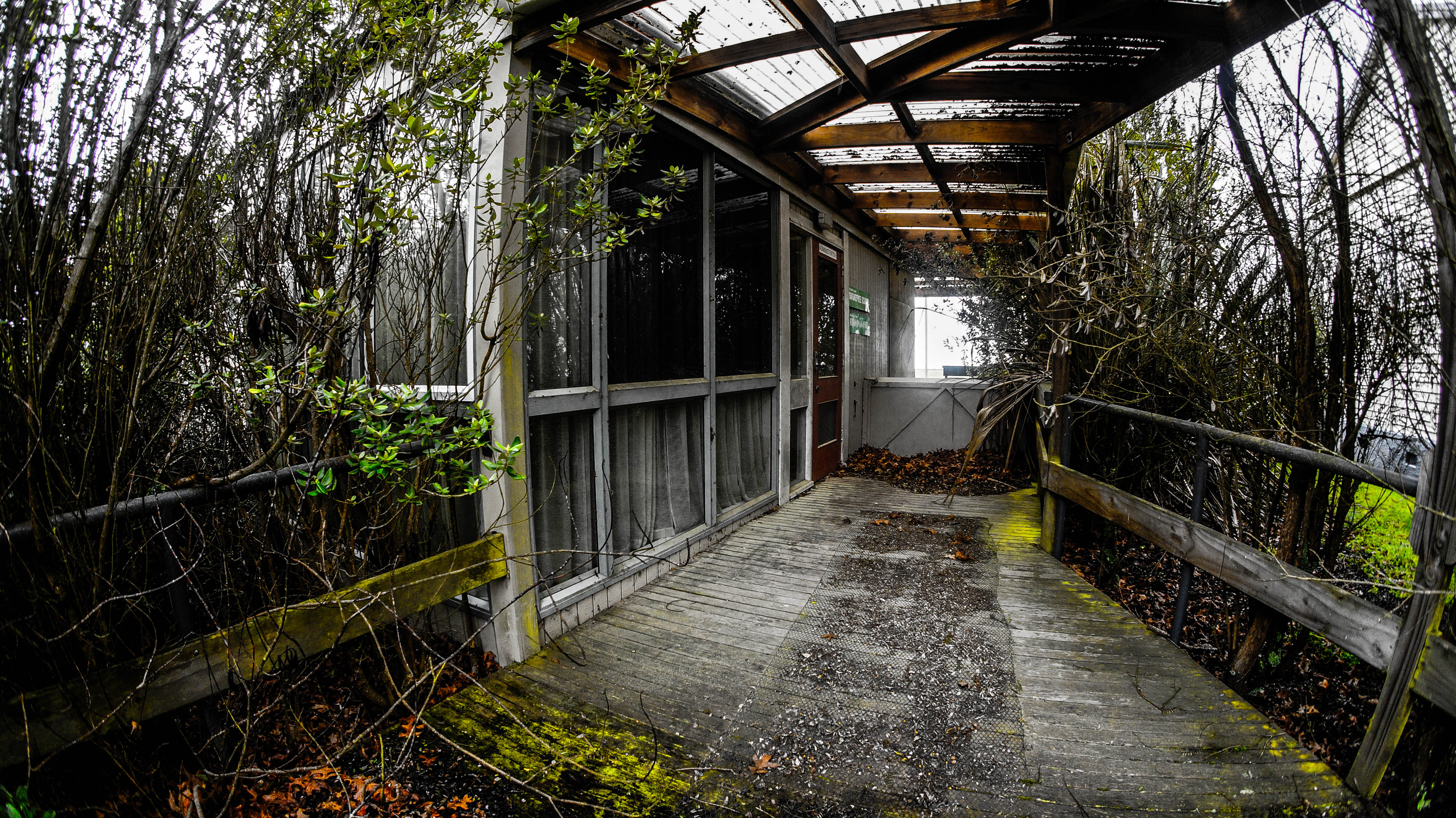
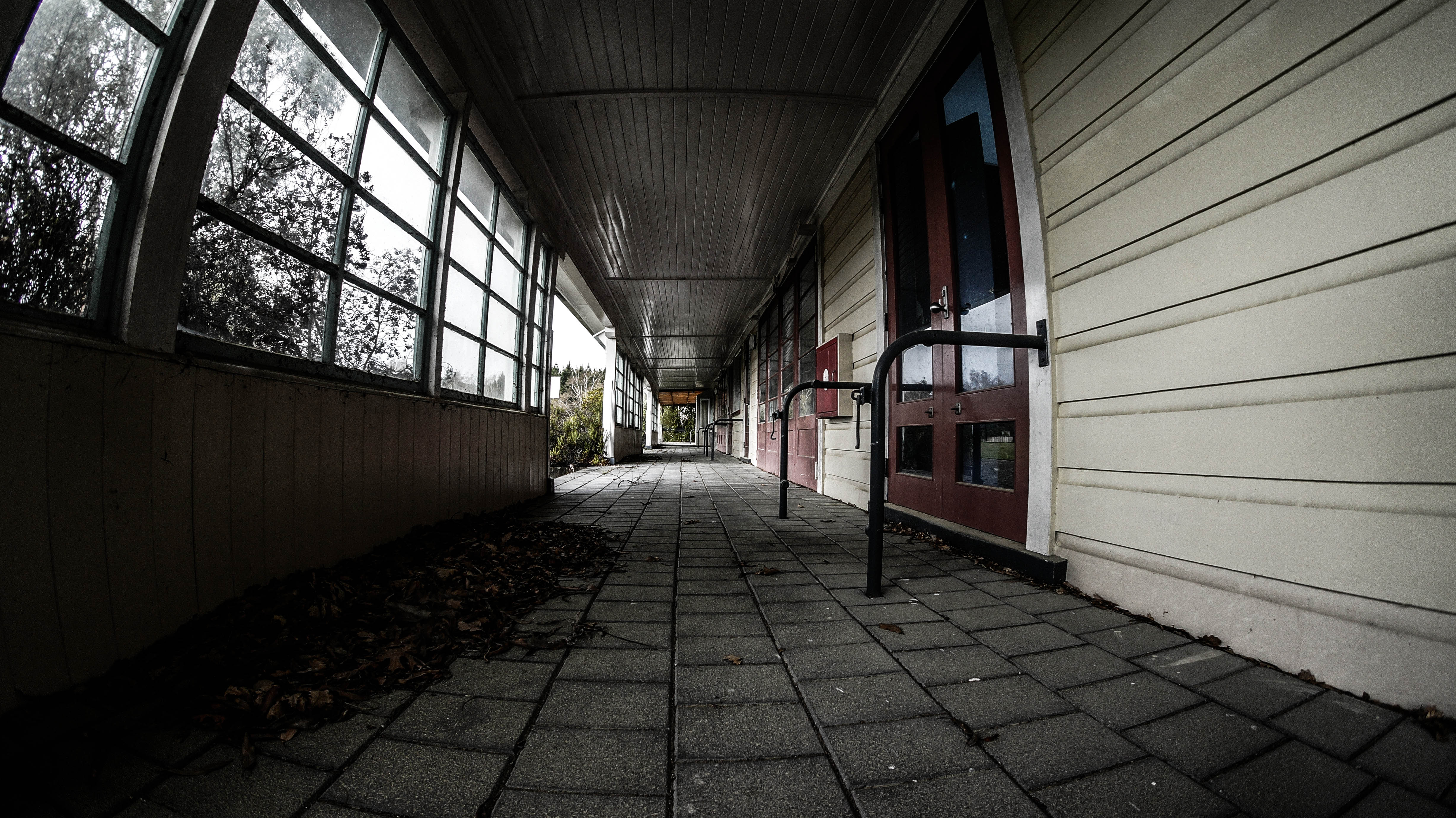
An old Primary school near Taupo my friend used to attend, now left to ruin after a decline in numbers.


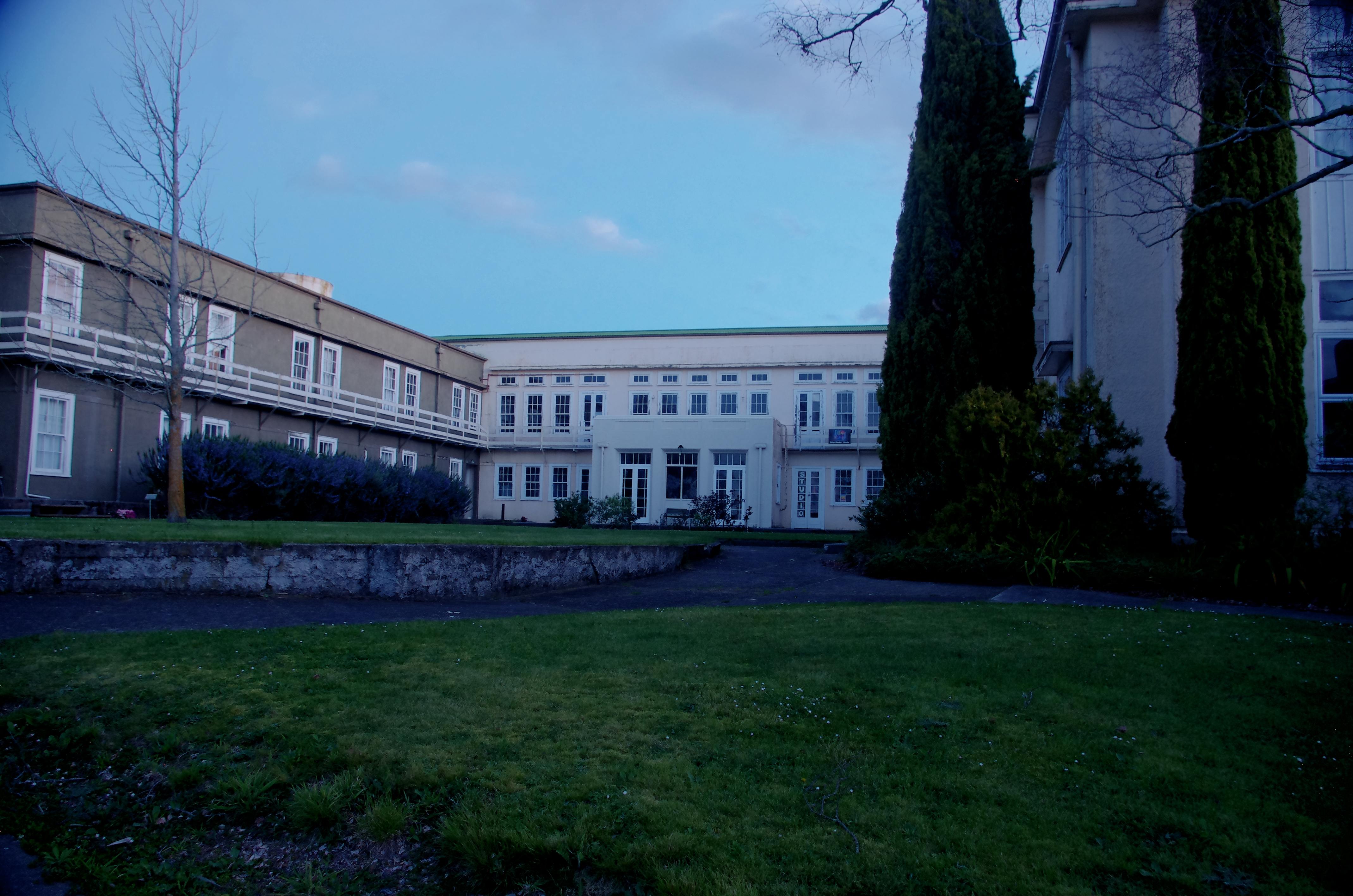
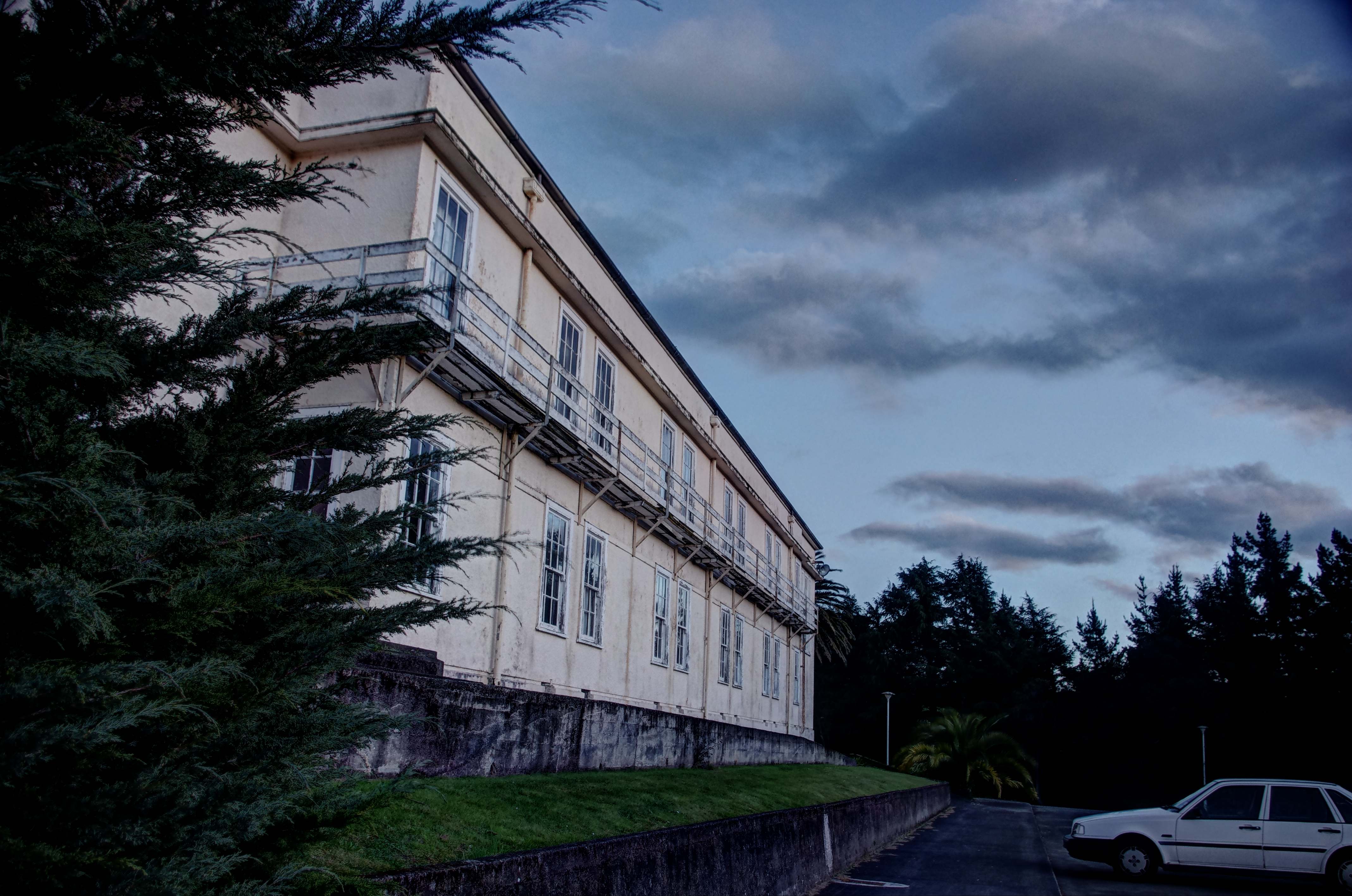
This imposing building on the hill overlooking a small country town has had several uses in it’s lifetime.
It was initially constructed as a hospital for veterans returning home from the great war, before being re-purposed as a sanatorium (tuberculosis hospital).
After 60 years and over 7000 patients, and with the number of cases of TB in decline in New Zealand the hospital became a safe haven for the handicapped and for people suffering from head injuries.
The hospital has gone through another metamorphosis in the new millennium and is now used as part of a larger vineyard complex, we popped by for an inspection on our travels through the North Island.


One of the first buildings we came across on the site was the hospital laundry, these machines once cleaned sheets, scrubs, and other laundry for the entire hospital complex and judging by the size of them there must have been a lot of it.
I wonder what will come of these huge washing machines, dryers and linen presses when the building is torn down – perhaps they will simply end up melted down for scrap like so many other artifacts are when an abandoned building is demolished.


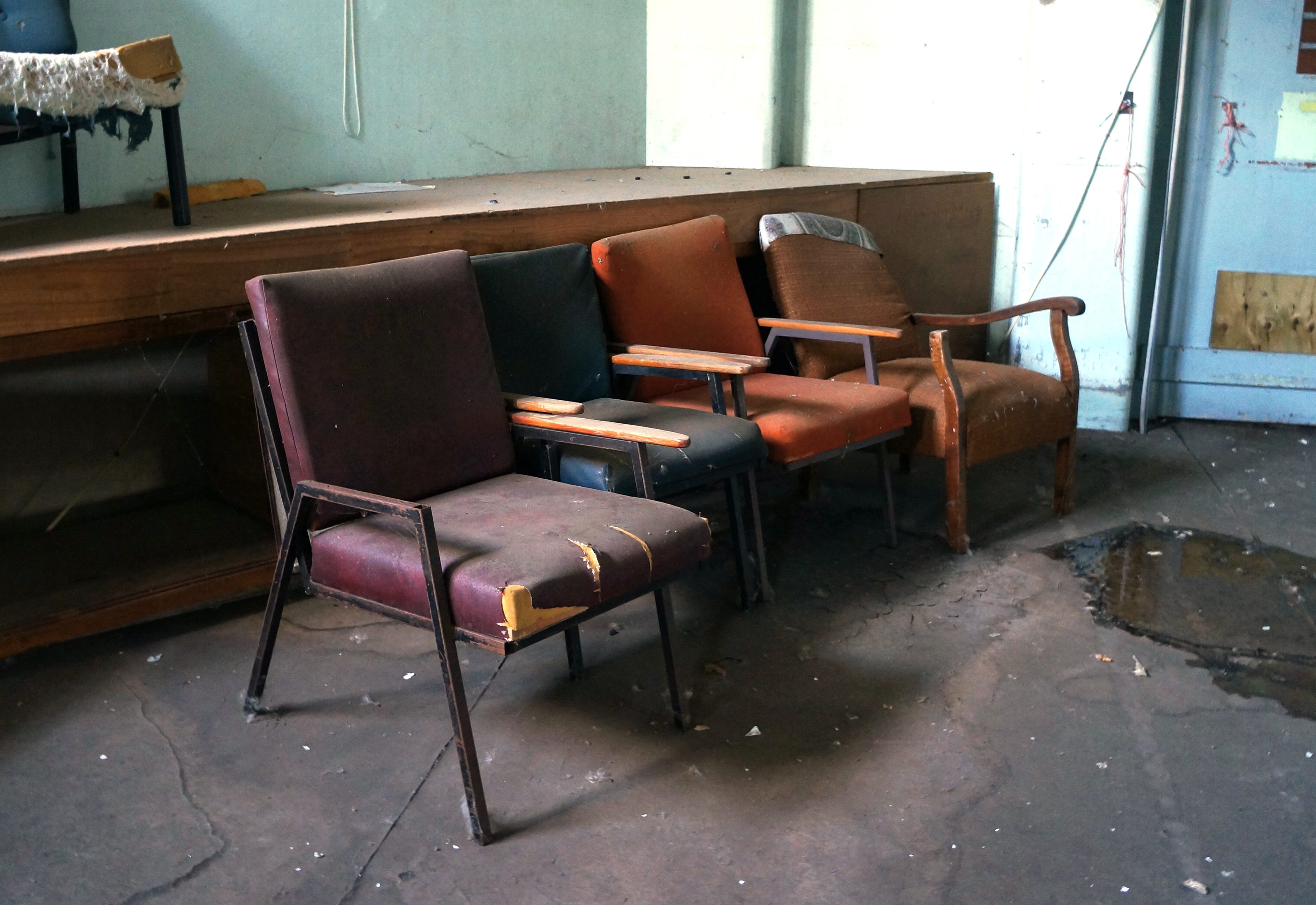
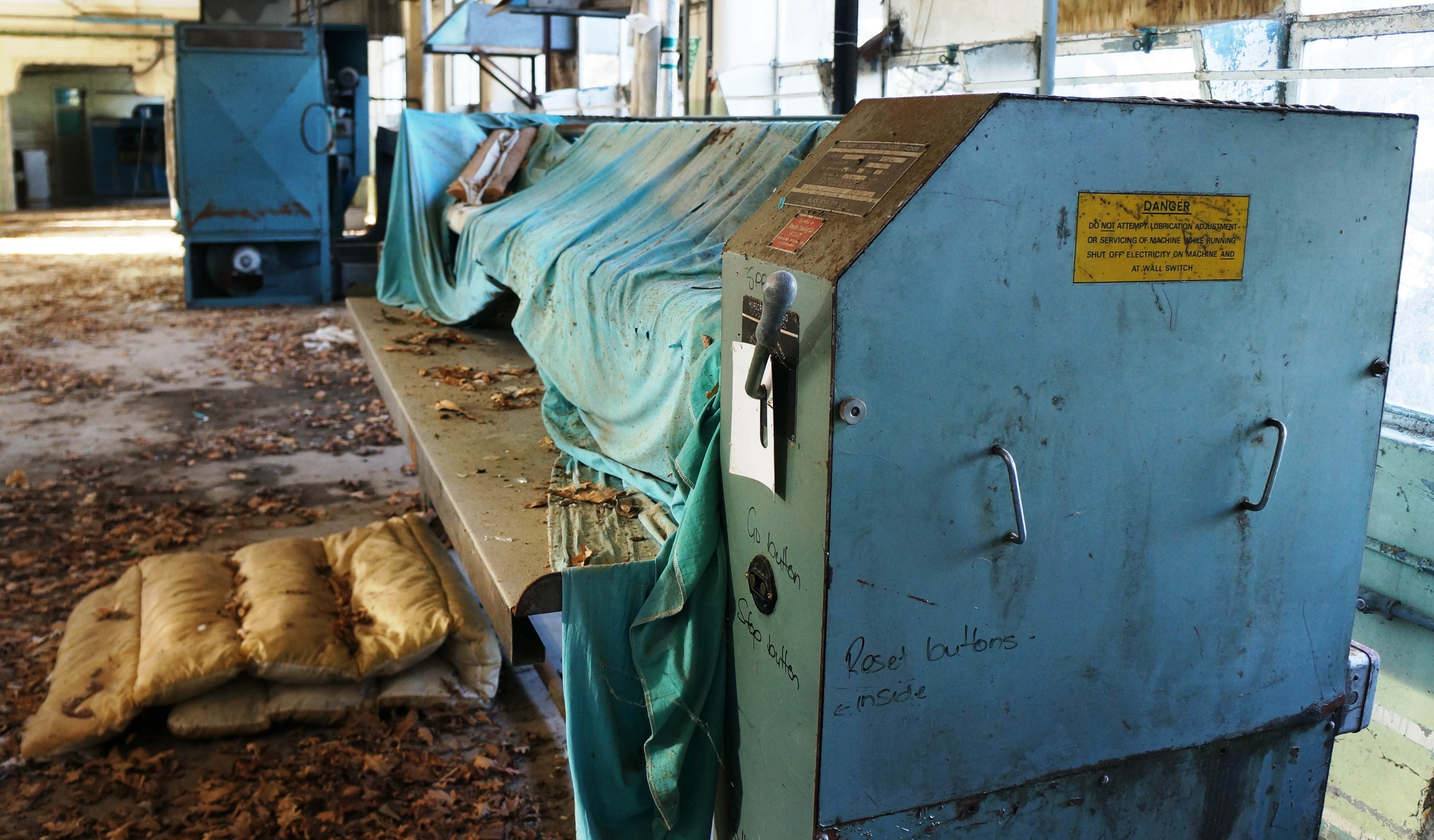
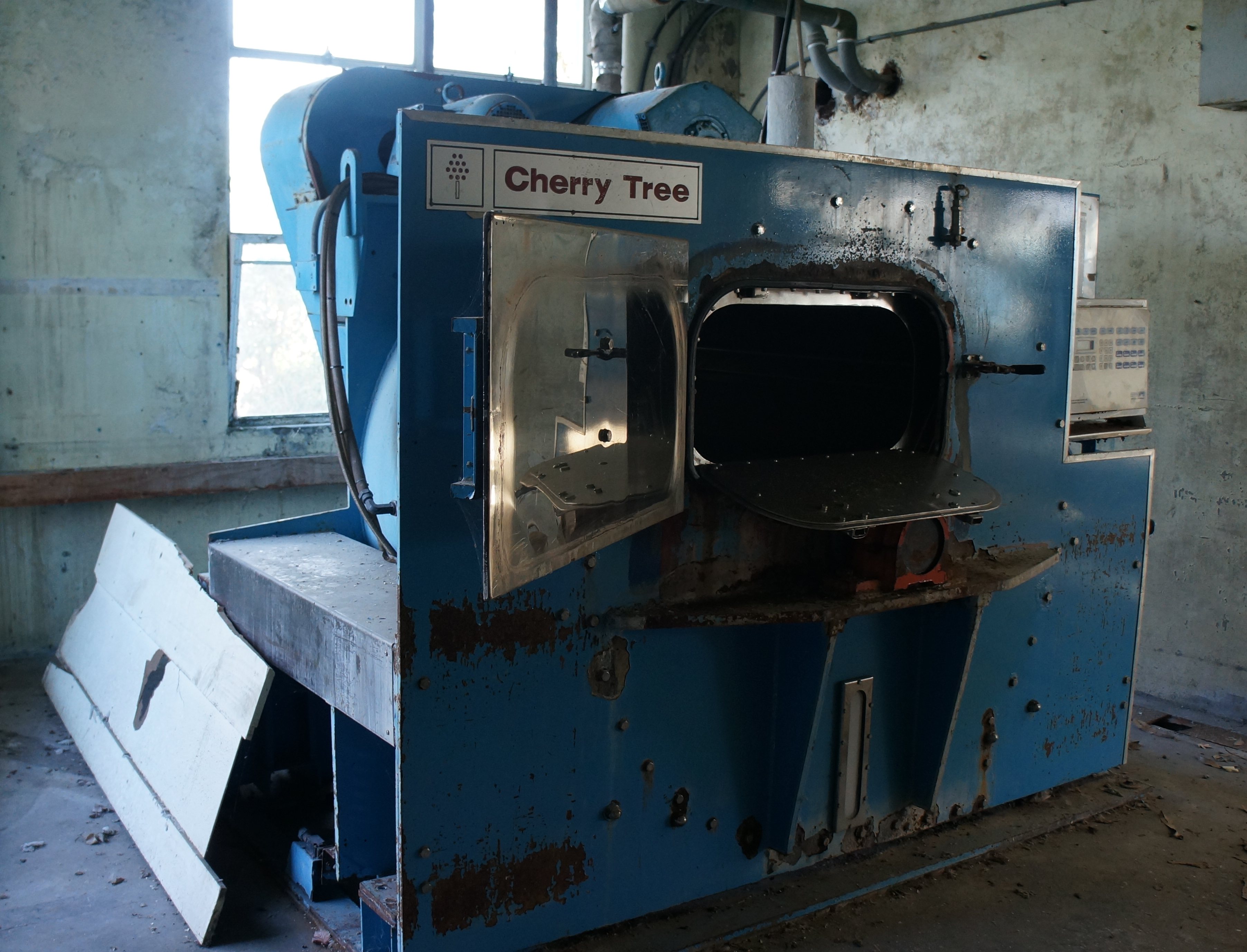
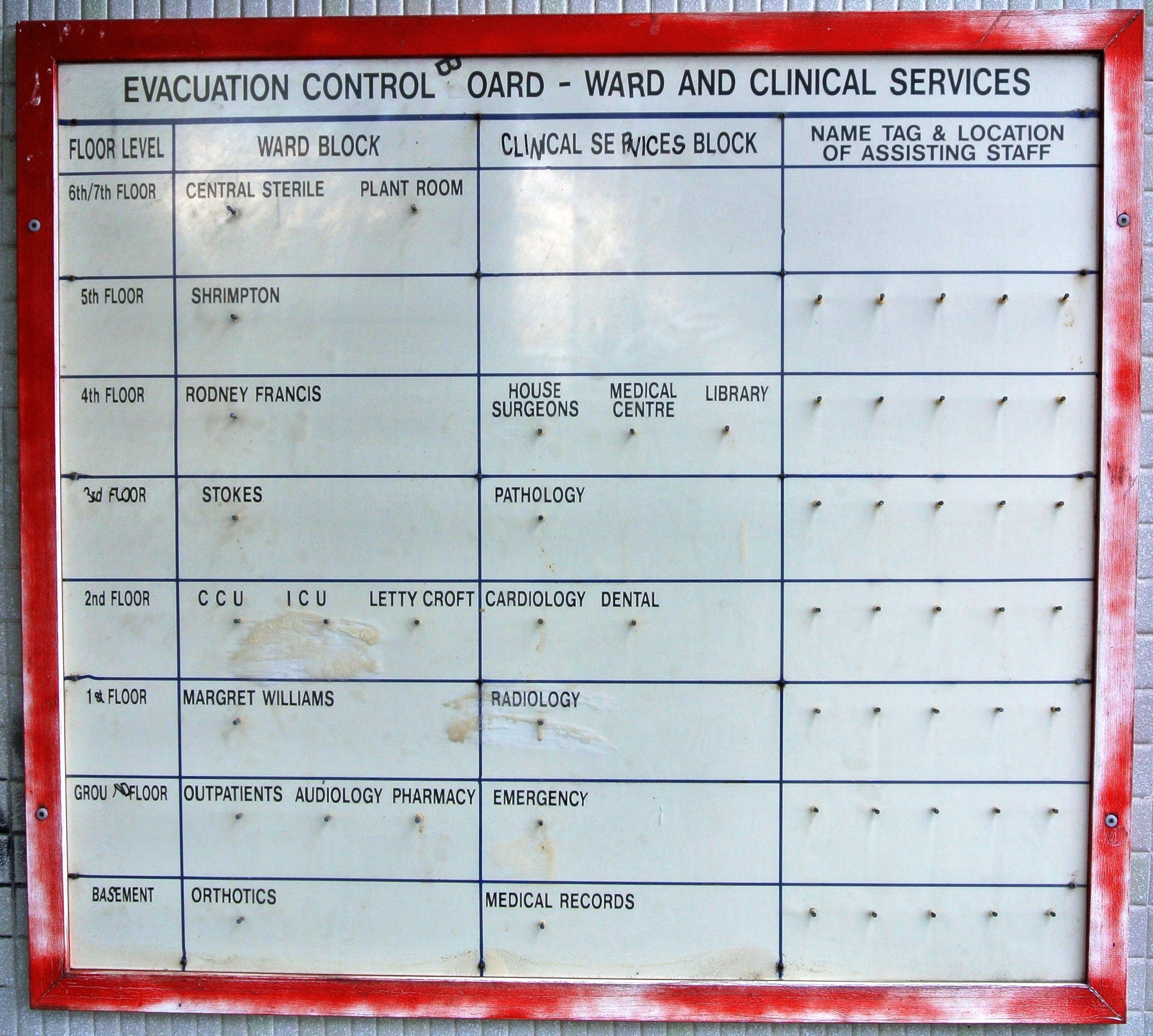
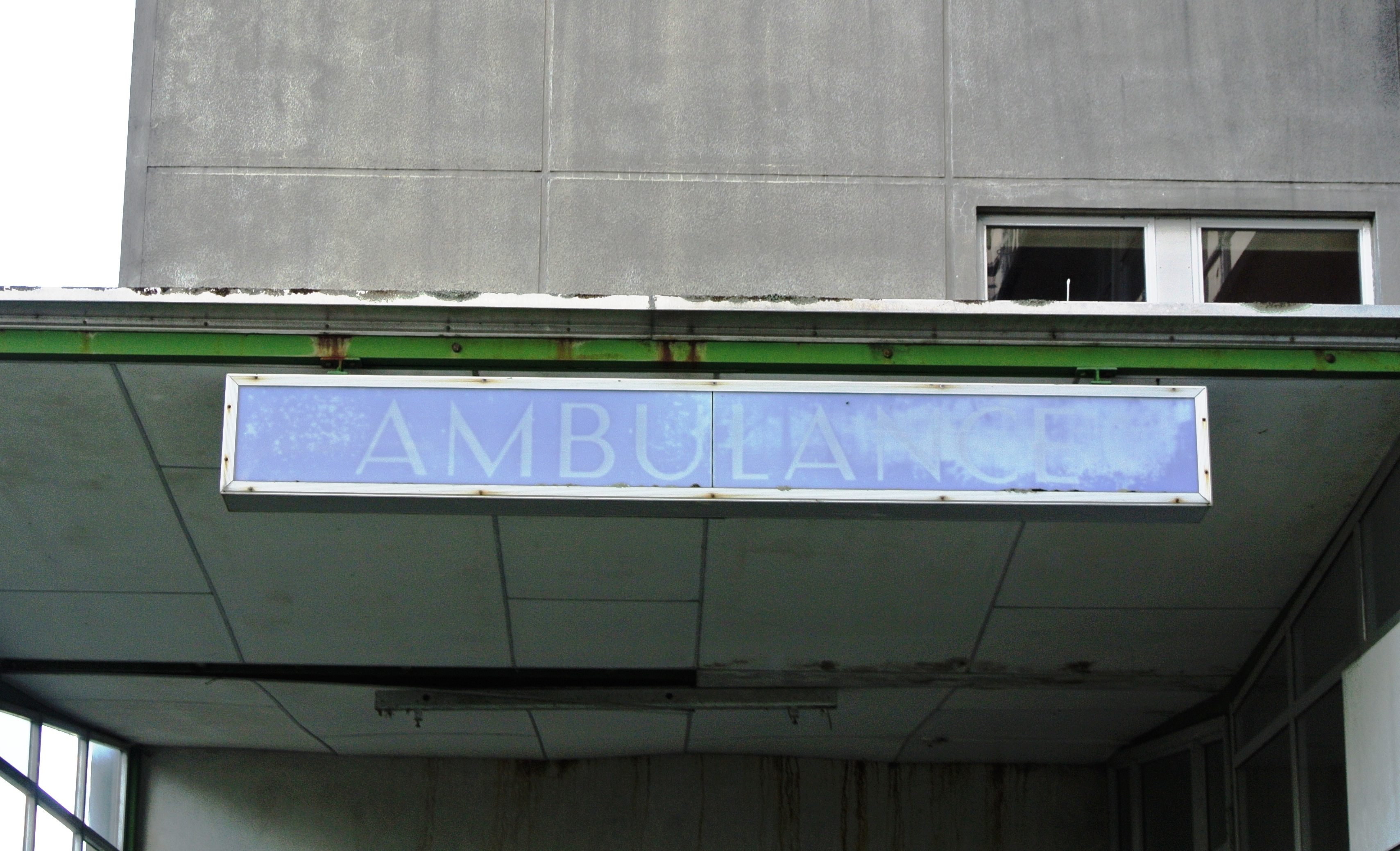
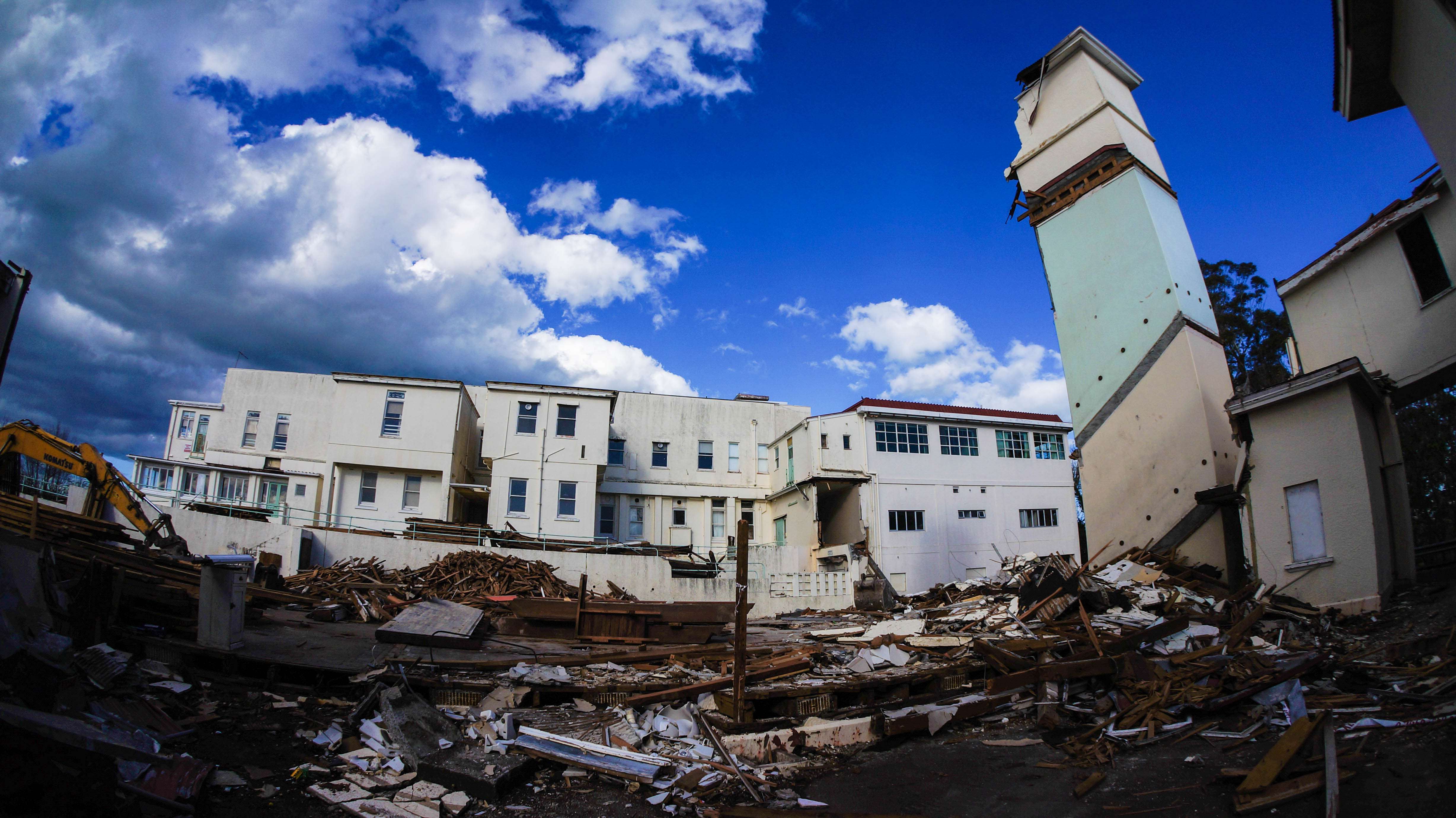
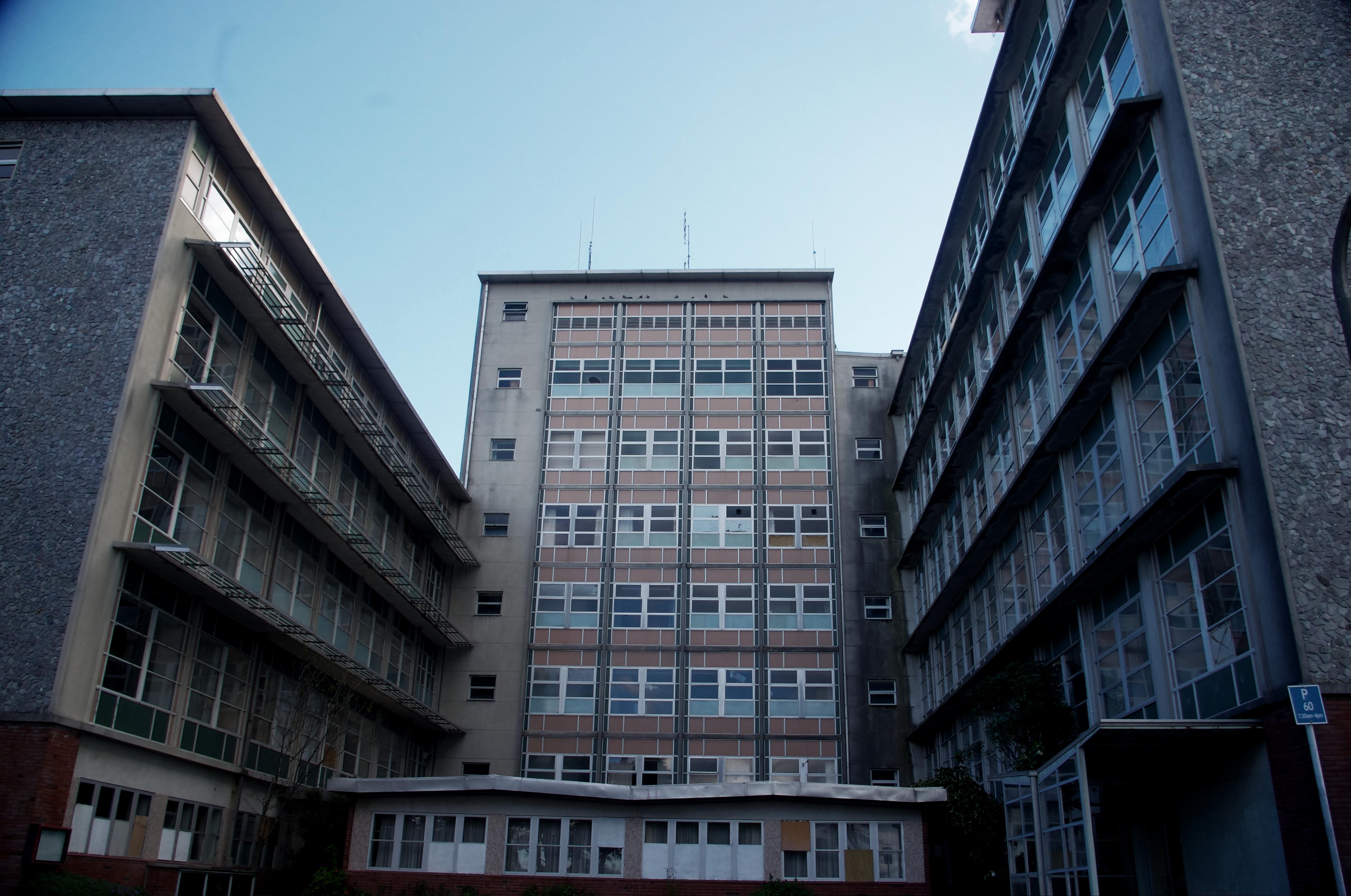
This abandoned hospital is currently being demolished from its imposing perch high up on a hill above a smaller town/city, we managed to inspect it before it’s gone forever. This post is the first in a series of our findings.





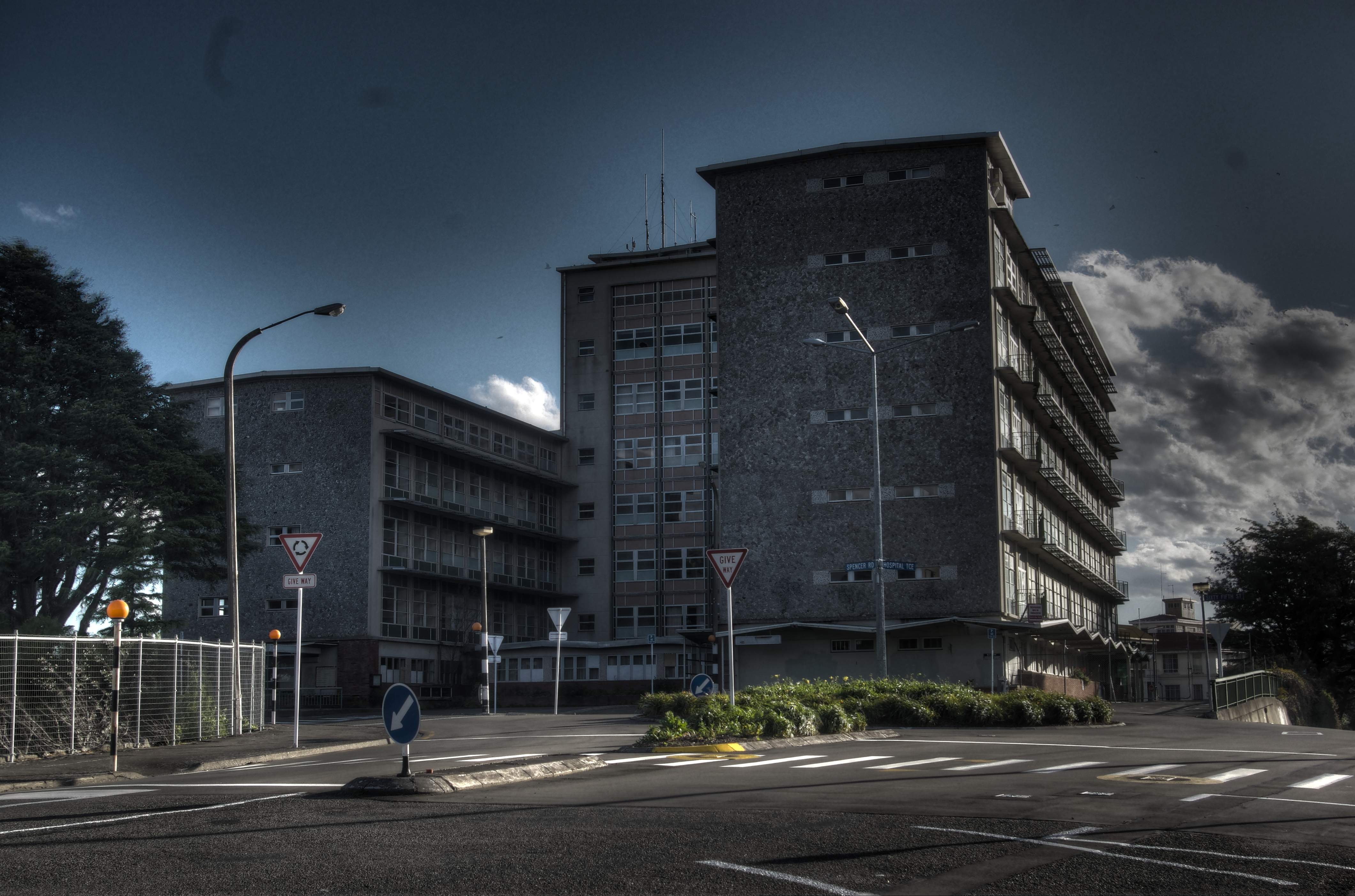

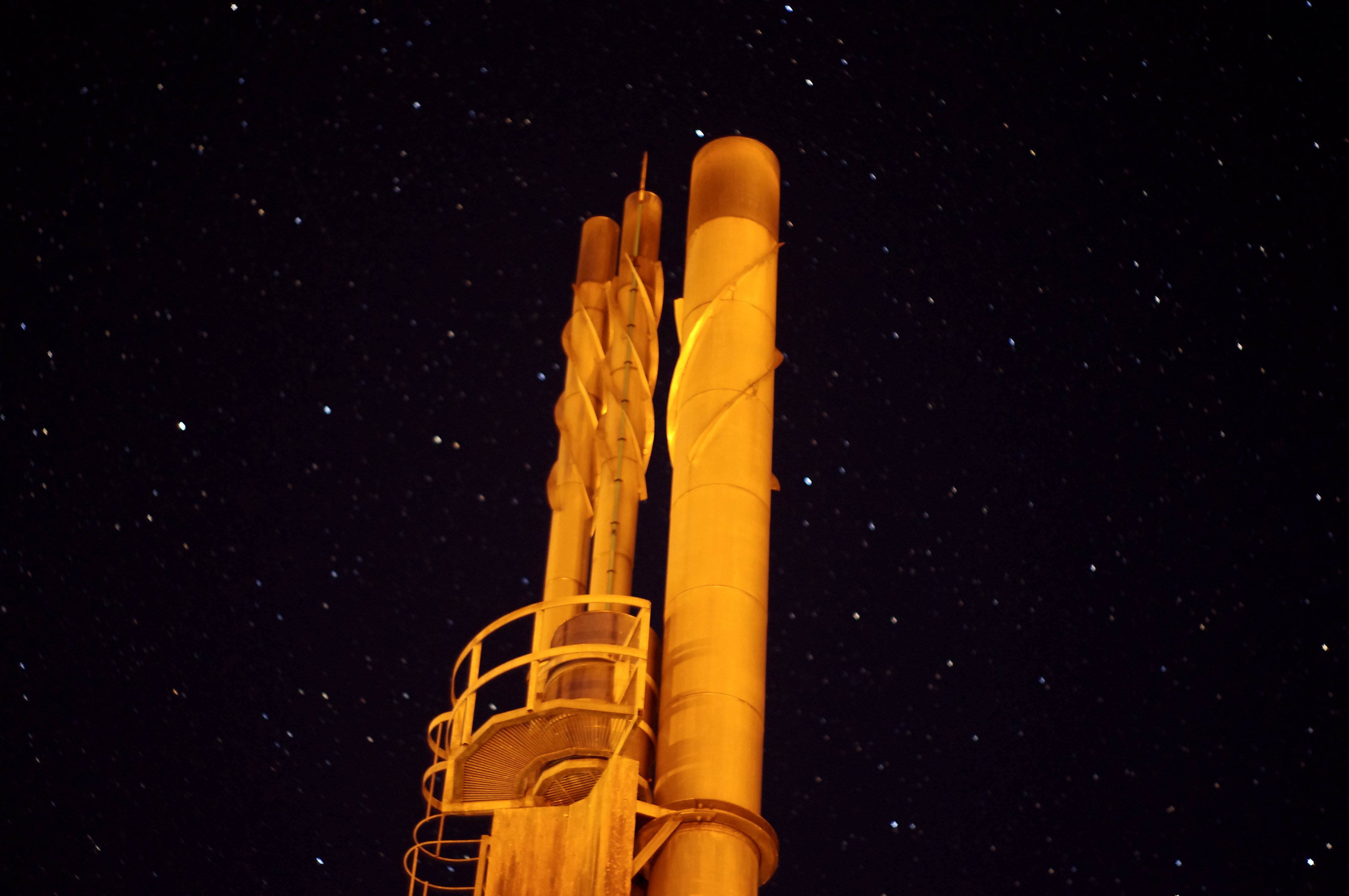
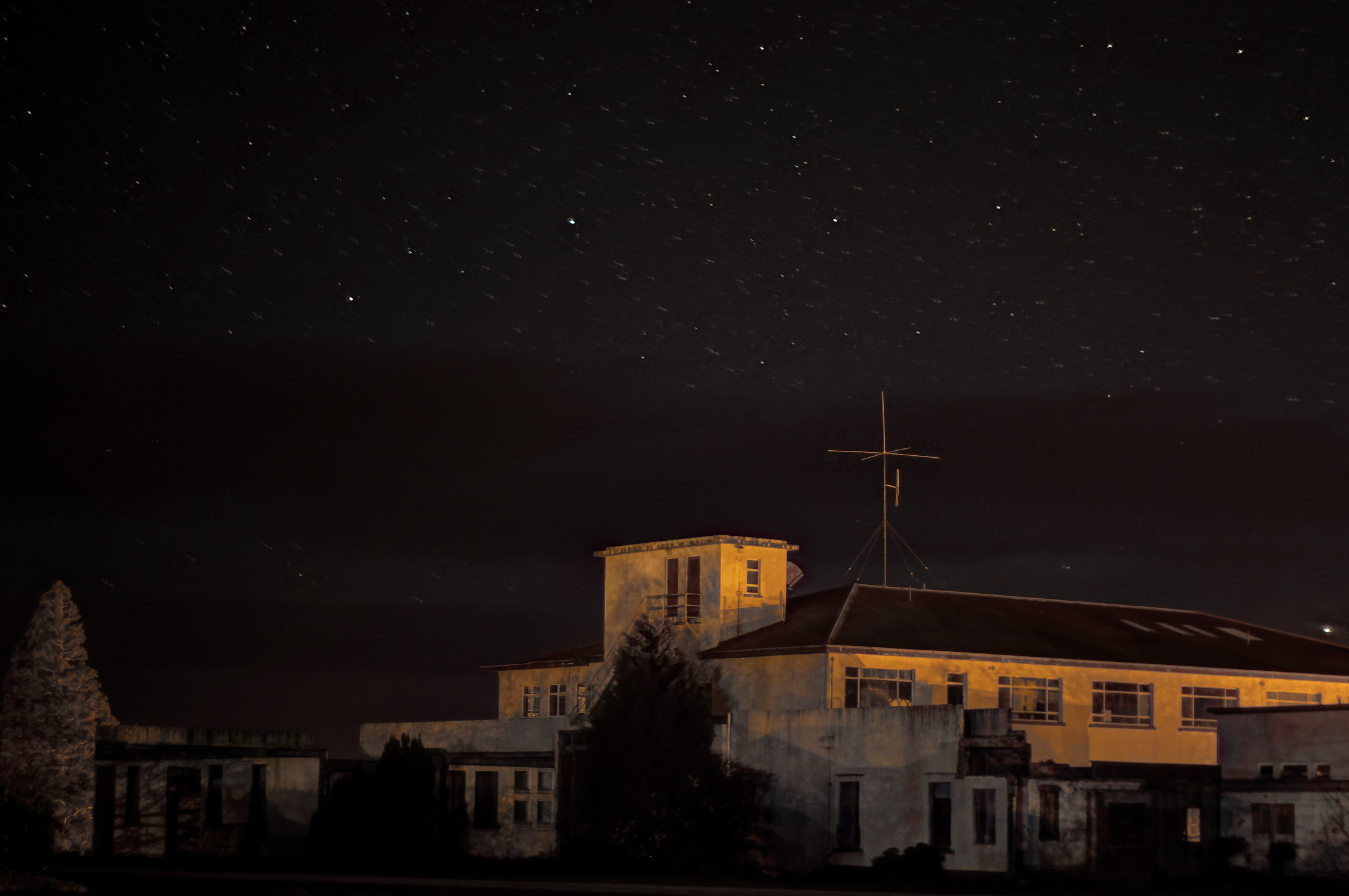
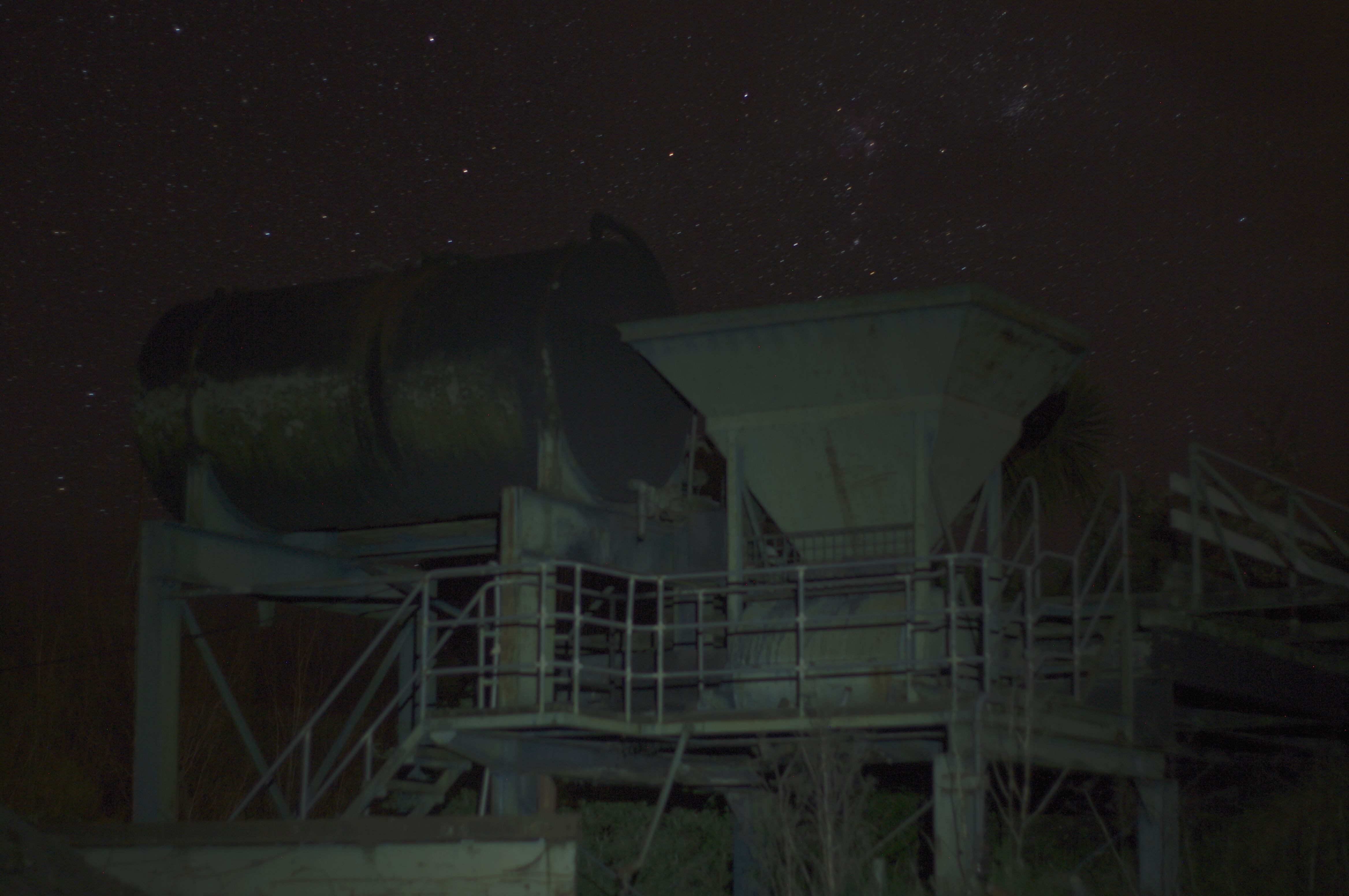
Driving through the Manawatu at night can be boring, but not when you have abandoned buildings and stars to take photos of!
Featured in this post are a strange concrete shed on a paddock, a quarry, and the hospital featured in this post (in a new light):
Stay tuned for more posts from this trip.






Little is known about this location other than it may have once been operated by a religious organization. The former occupants seemed to have left in a hurry, leaving furniture, clothing and other daily detritus behind. They appear to have been Indian, going by the strong smell of curry and the Hindi word for silence (ilent) scribbled on the walls. We didn’t hang around long to investigate as there was a weird vibe to the place…
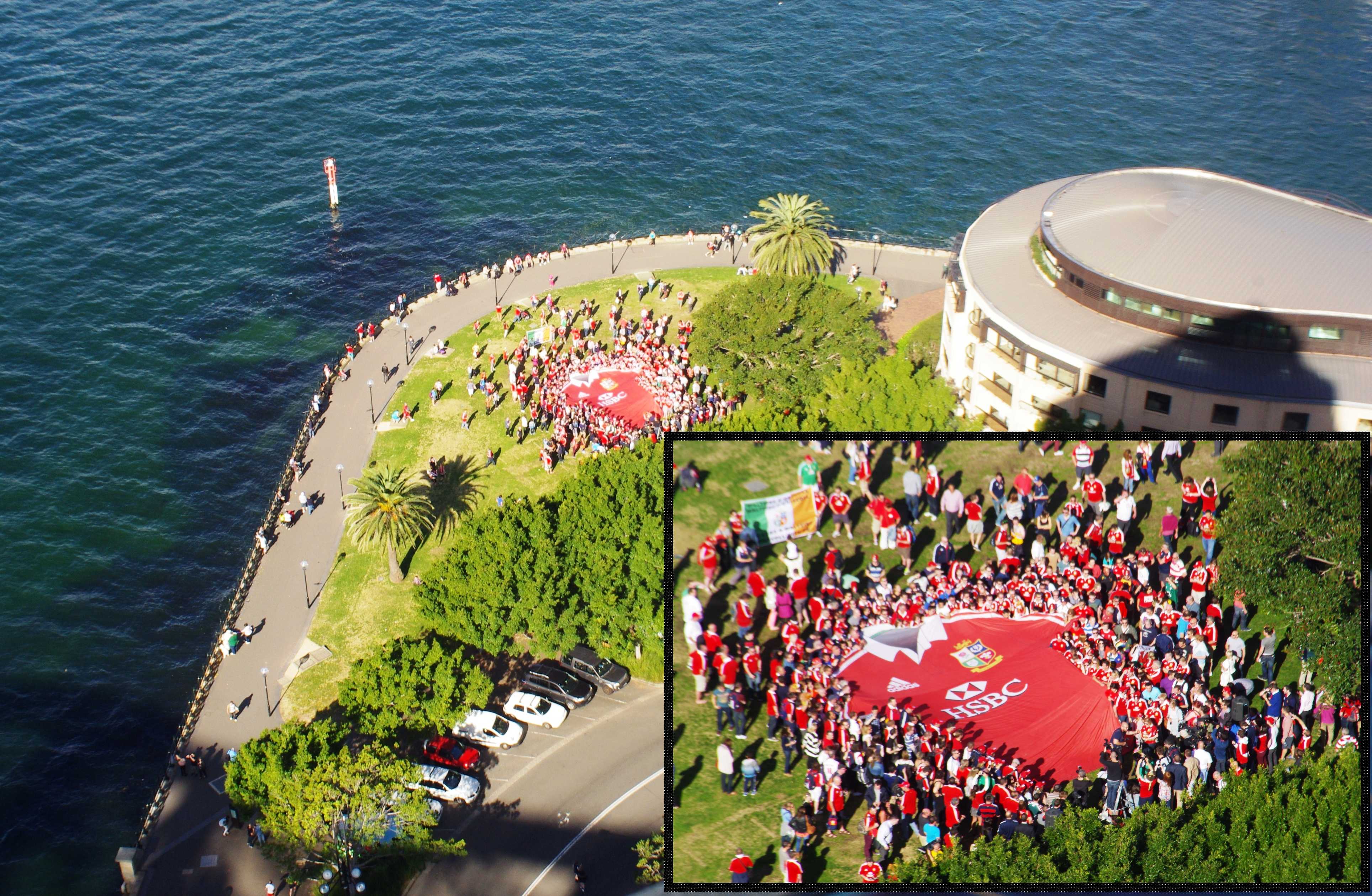
While in Sydney, after visiting cockatoo island, I made a beeline up the harbour bridge to take some photos. There are guided tours where you can walk over the bridge (seen in one of my photos) however they don’t allow cameras on these, so I was forced to climb one of the towers in order to make the most of the view.




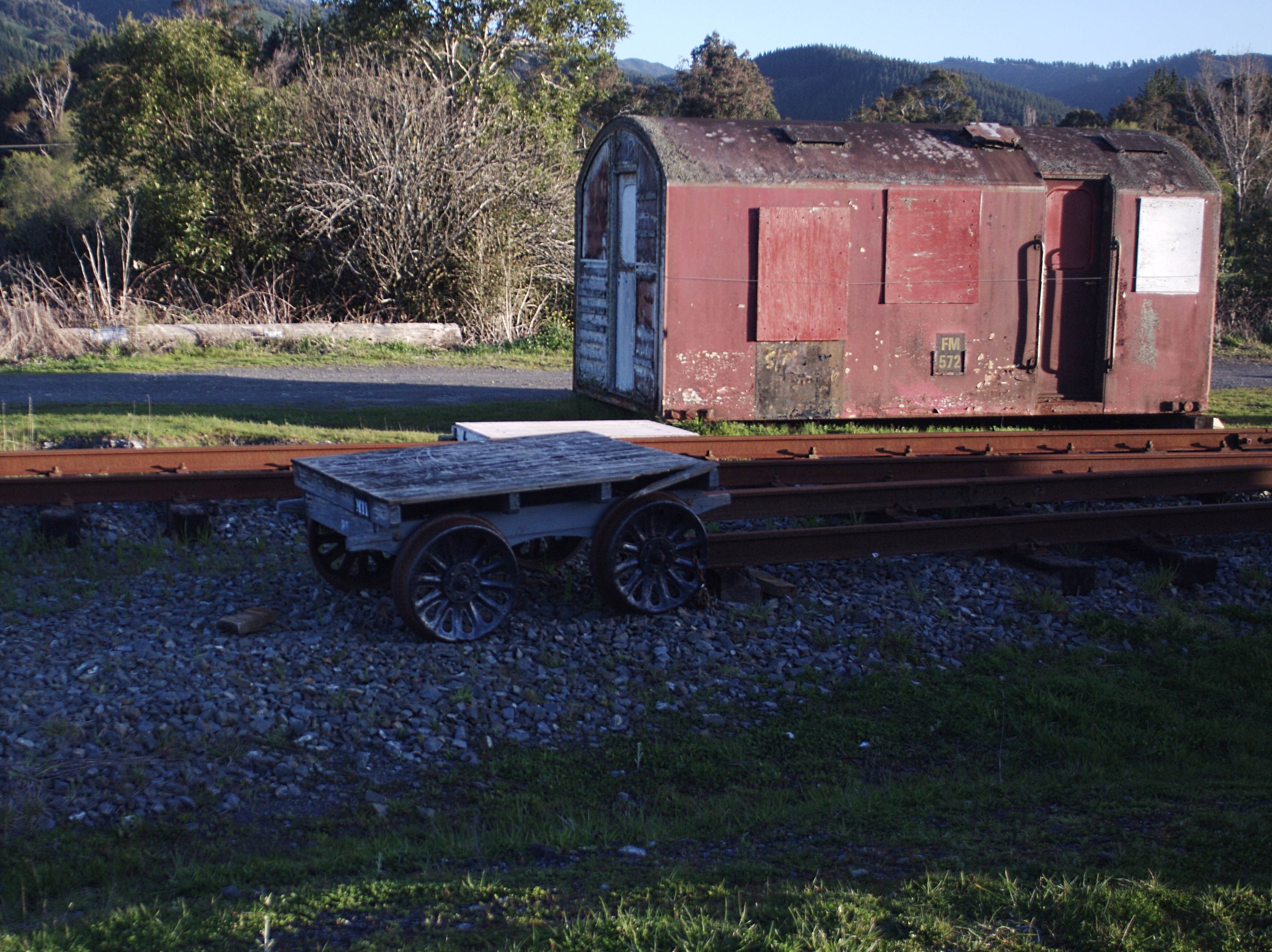
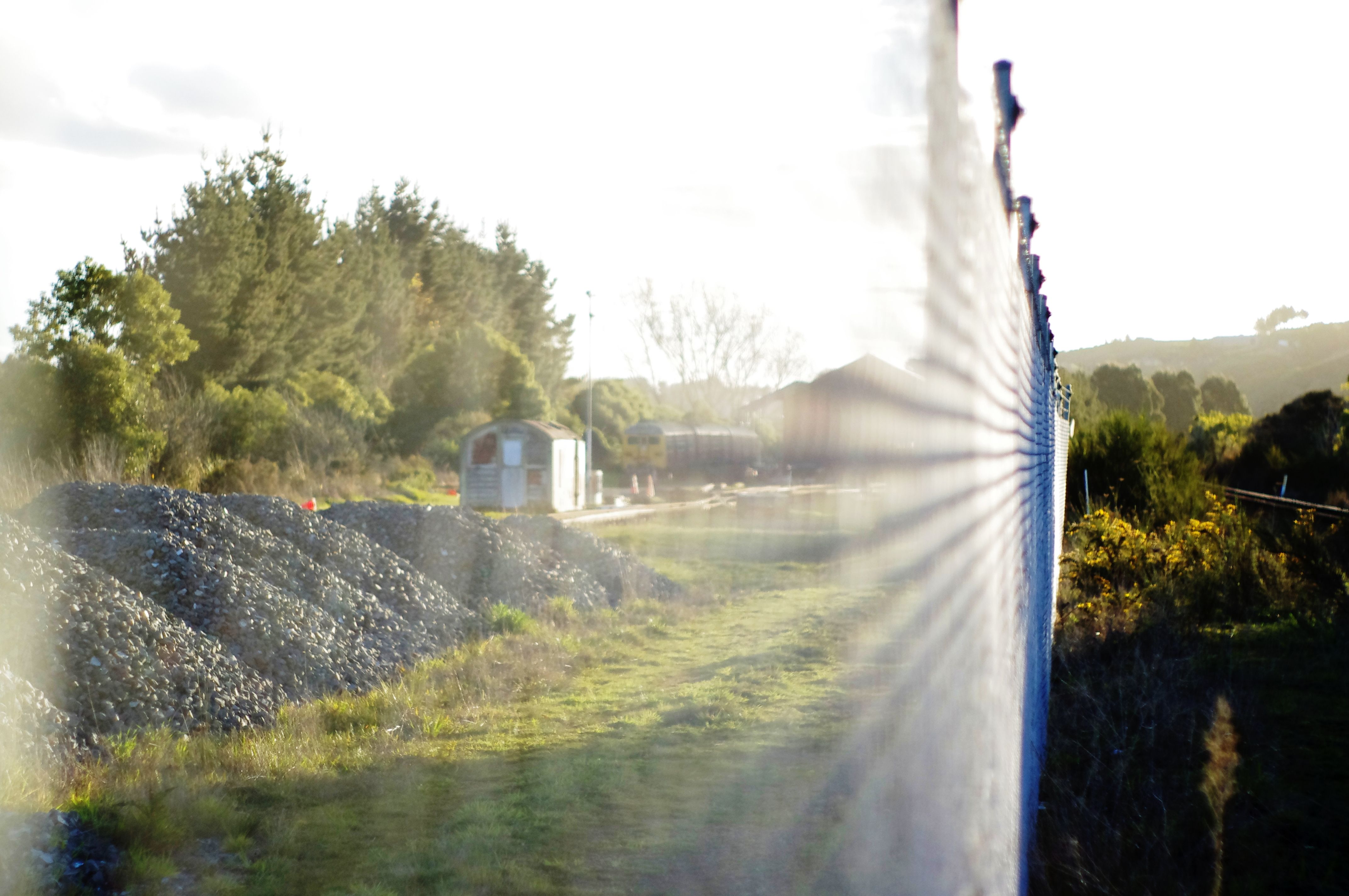
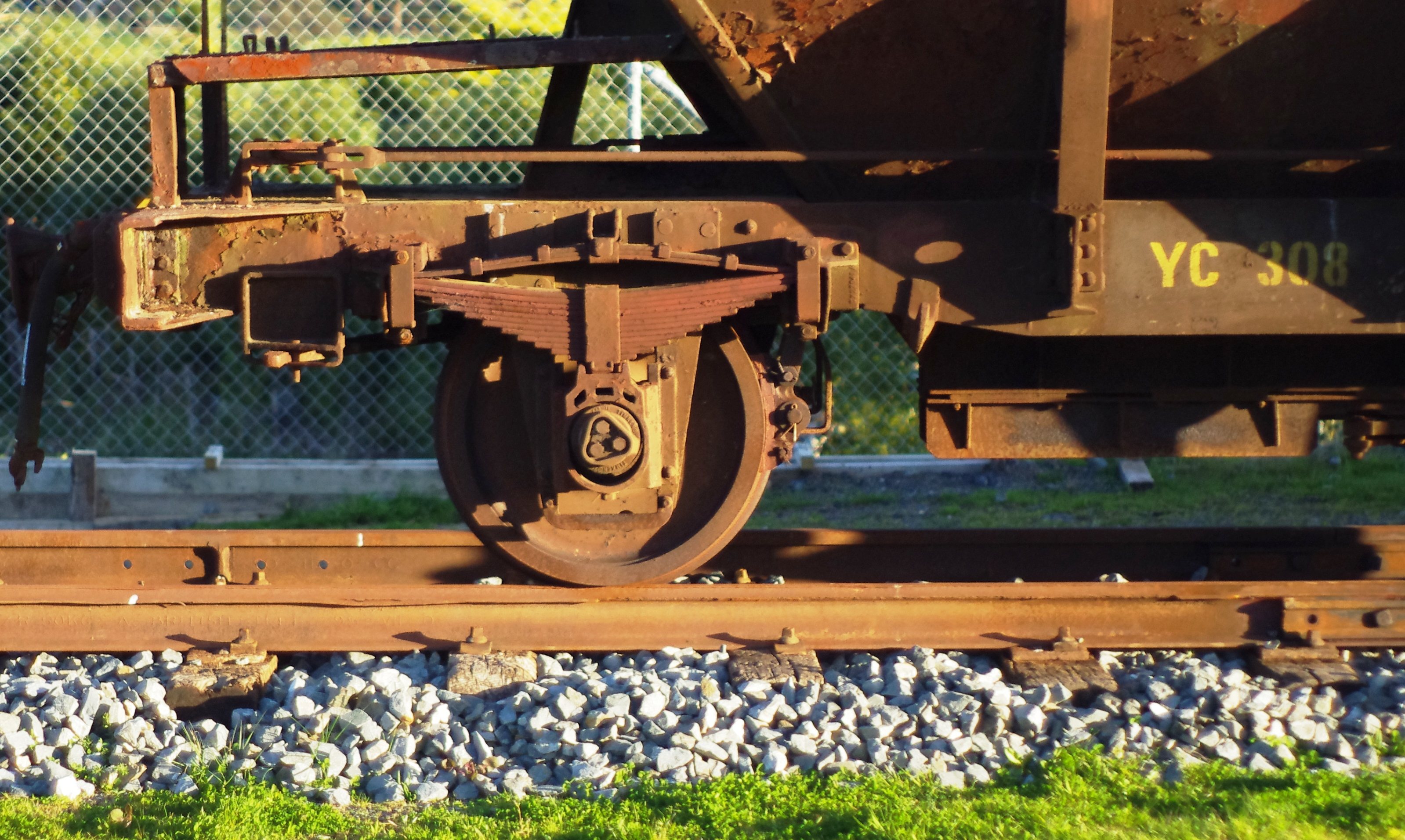
As I was rattling by on the train I noticed this small train boneyard in the middle of the countryside – and we decided that it deserved an inspection!
Surrounded by a high electrified perimeter fence and with dogs baying nearby, we couldn’t hang around but managed to snap these shots.


Okay- so what else do you call a video exploring an abandoned school gymnasium full of pigeon poop…? 🙂
Sometimes we don’t even have to search for a new location- we just stumble on them. This abandoned rural school and pool is a good example. We came across it accidentally while taking some time out from exploring a nearby complex. Someone’s got to brush up on their freestyle strokes though 🙂
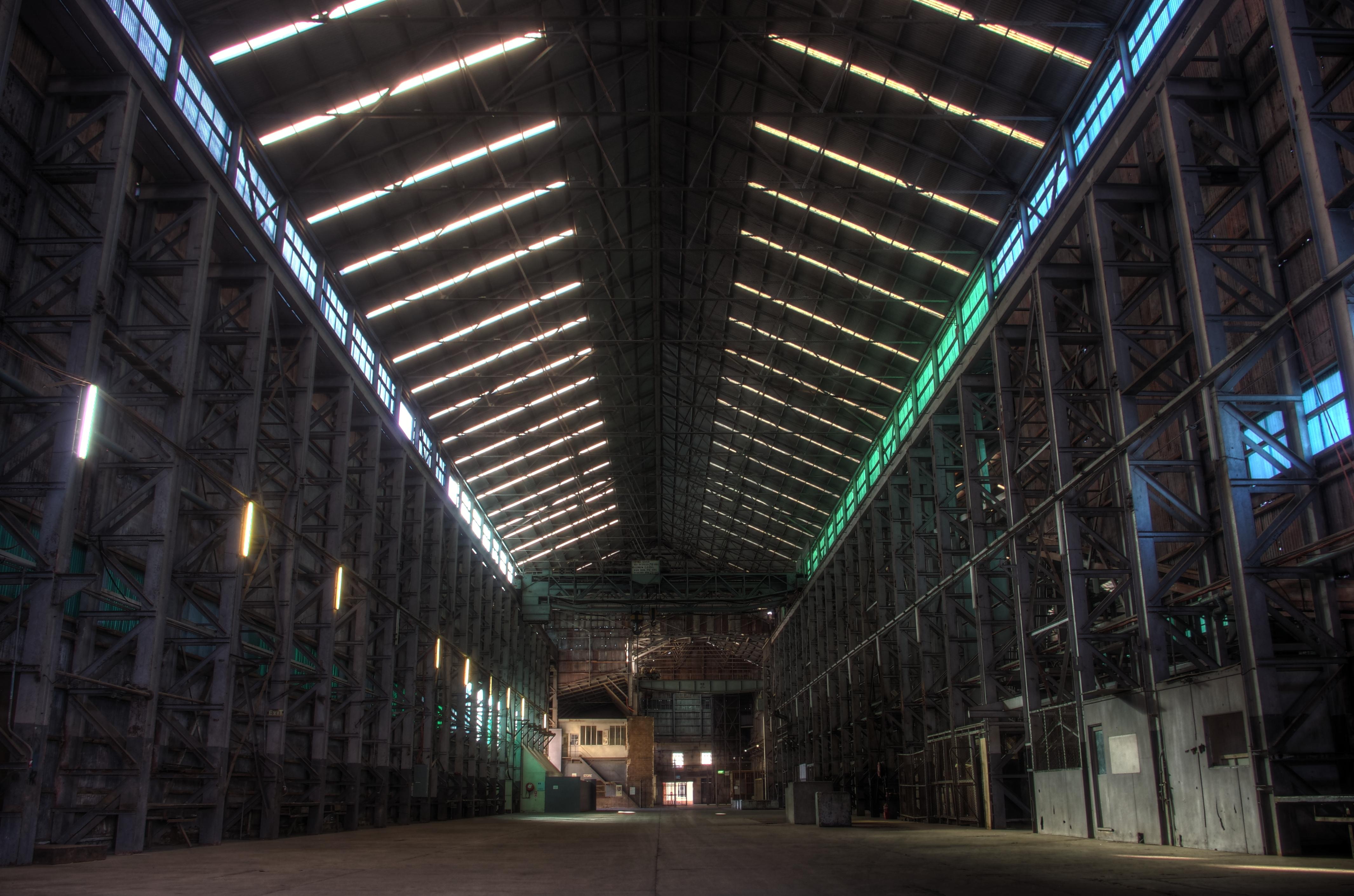
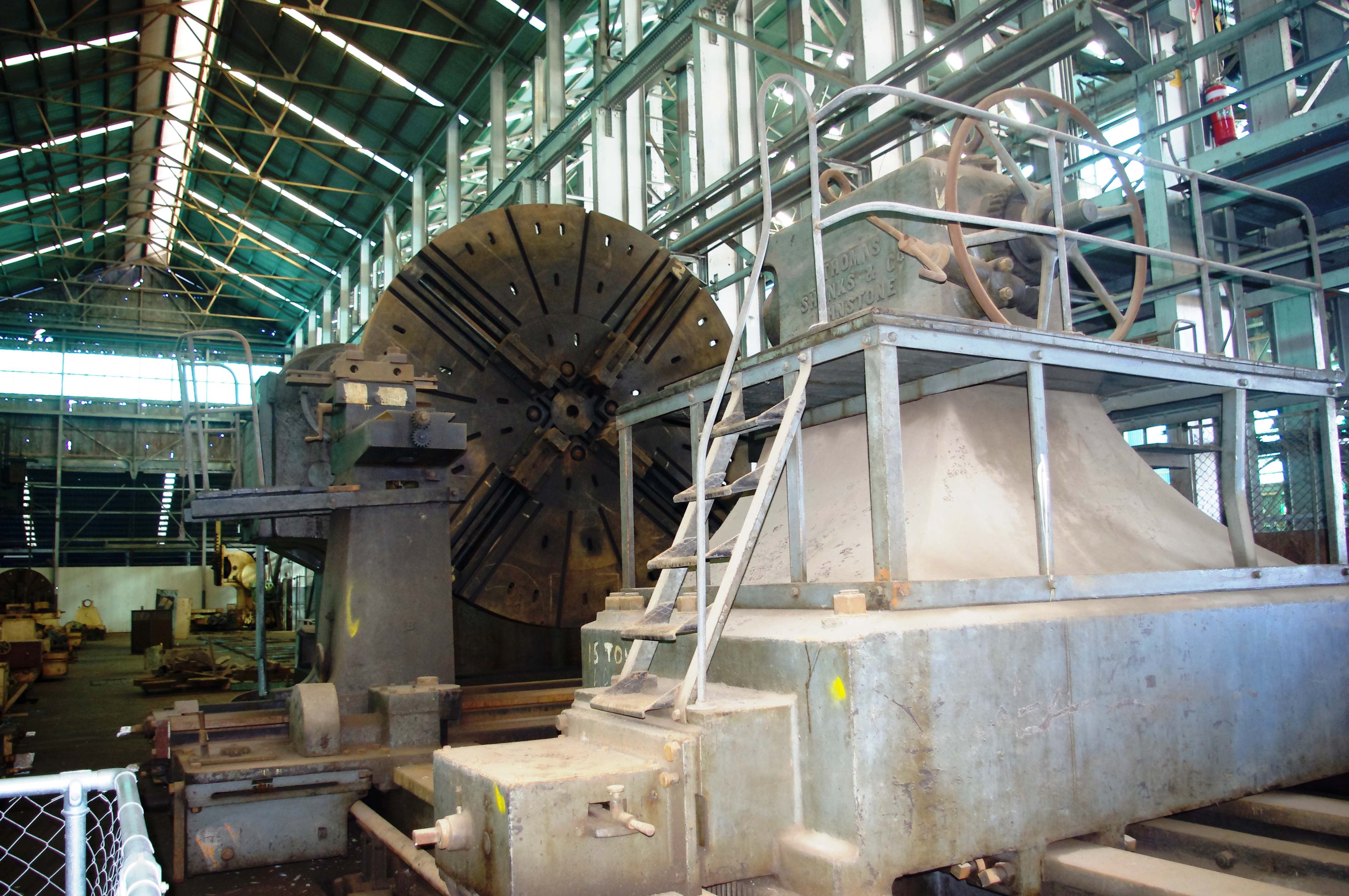
These huge abandoned warehouses still contain a plethora of heavy machinery including huge lathes and industrial sized milling machines.
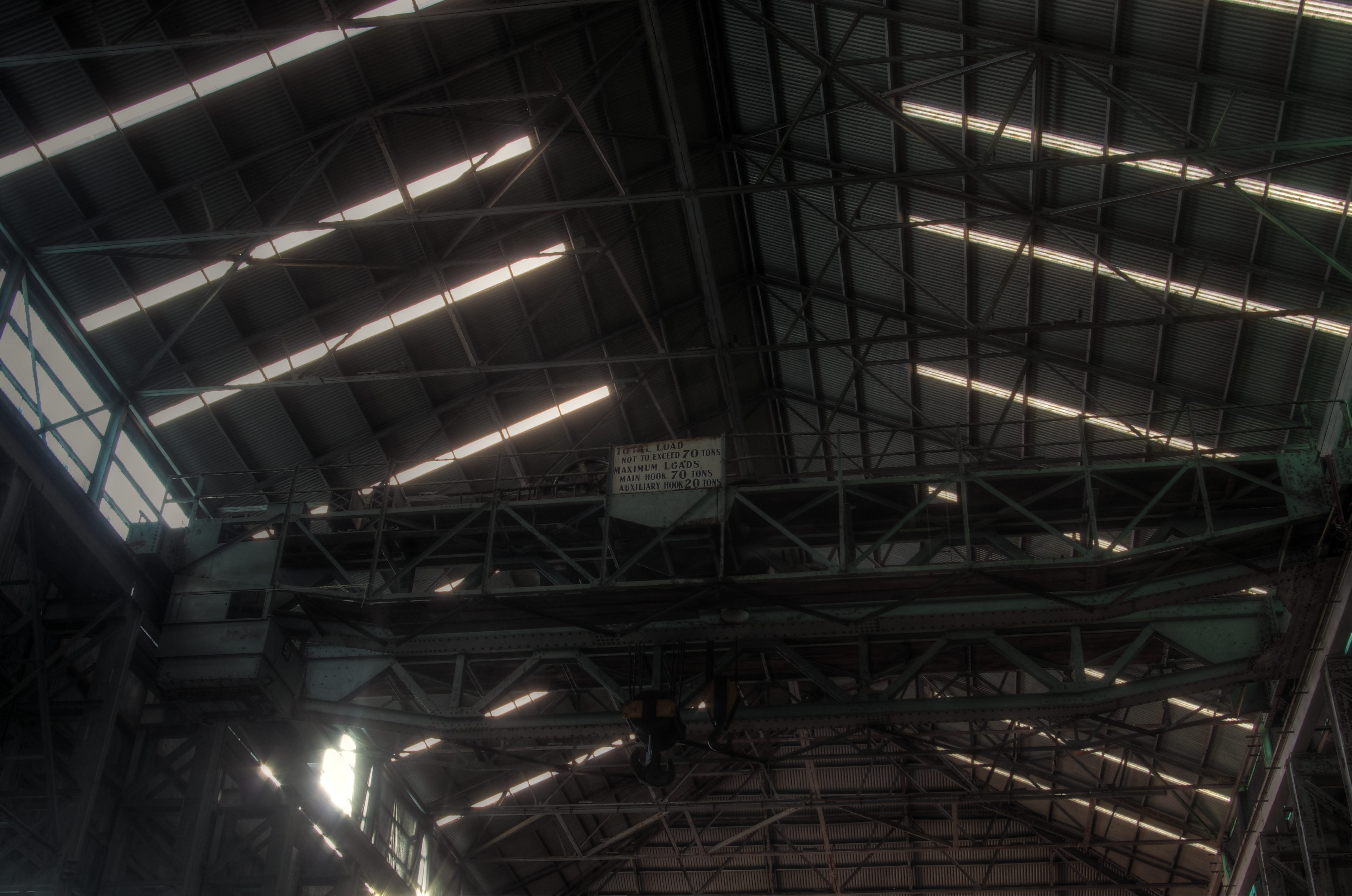

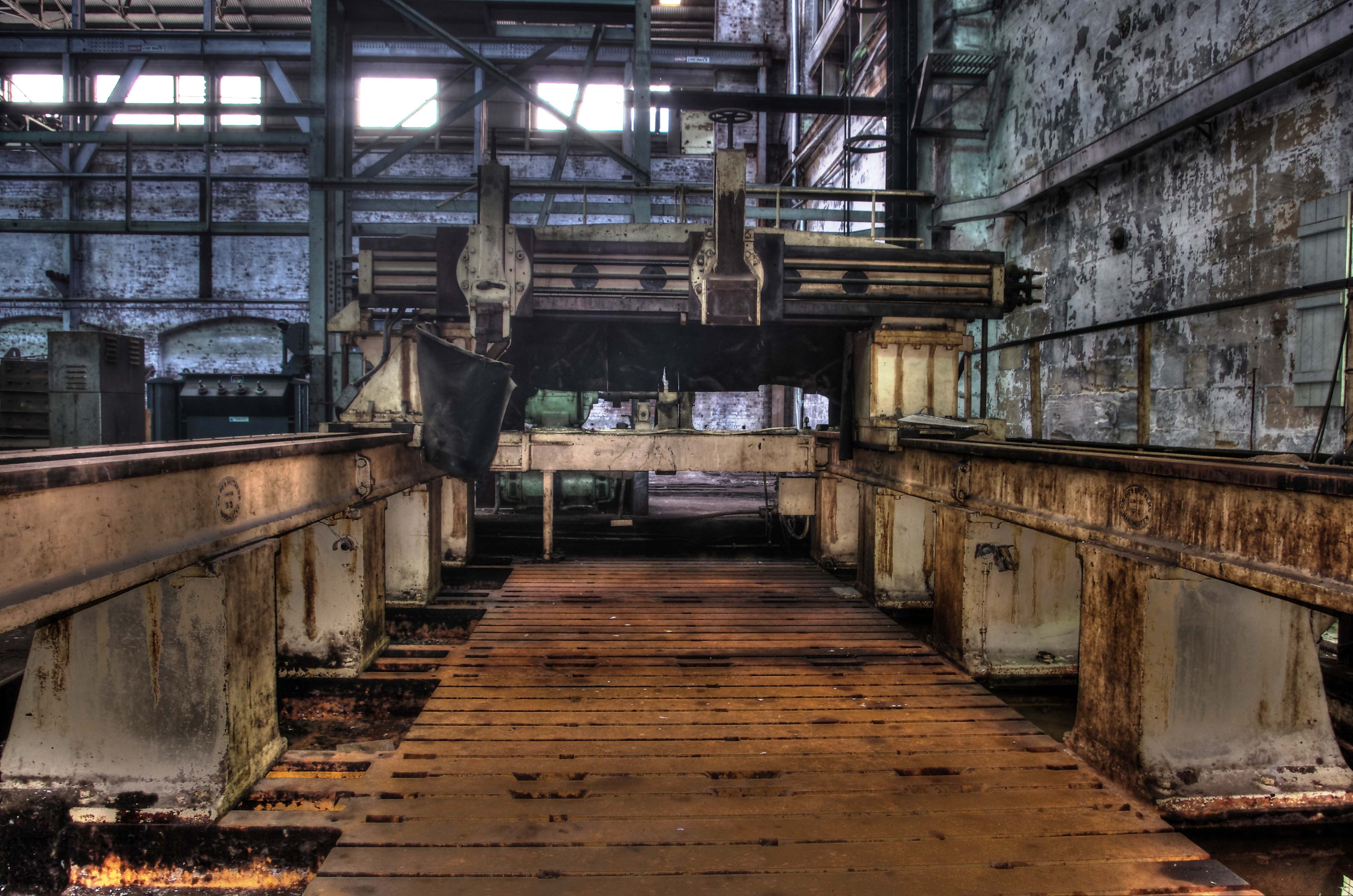
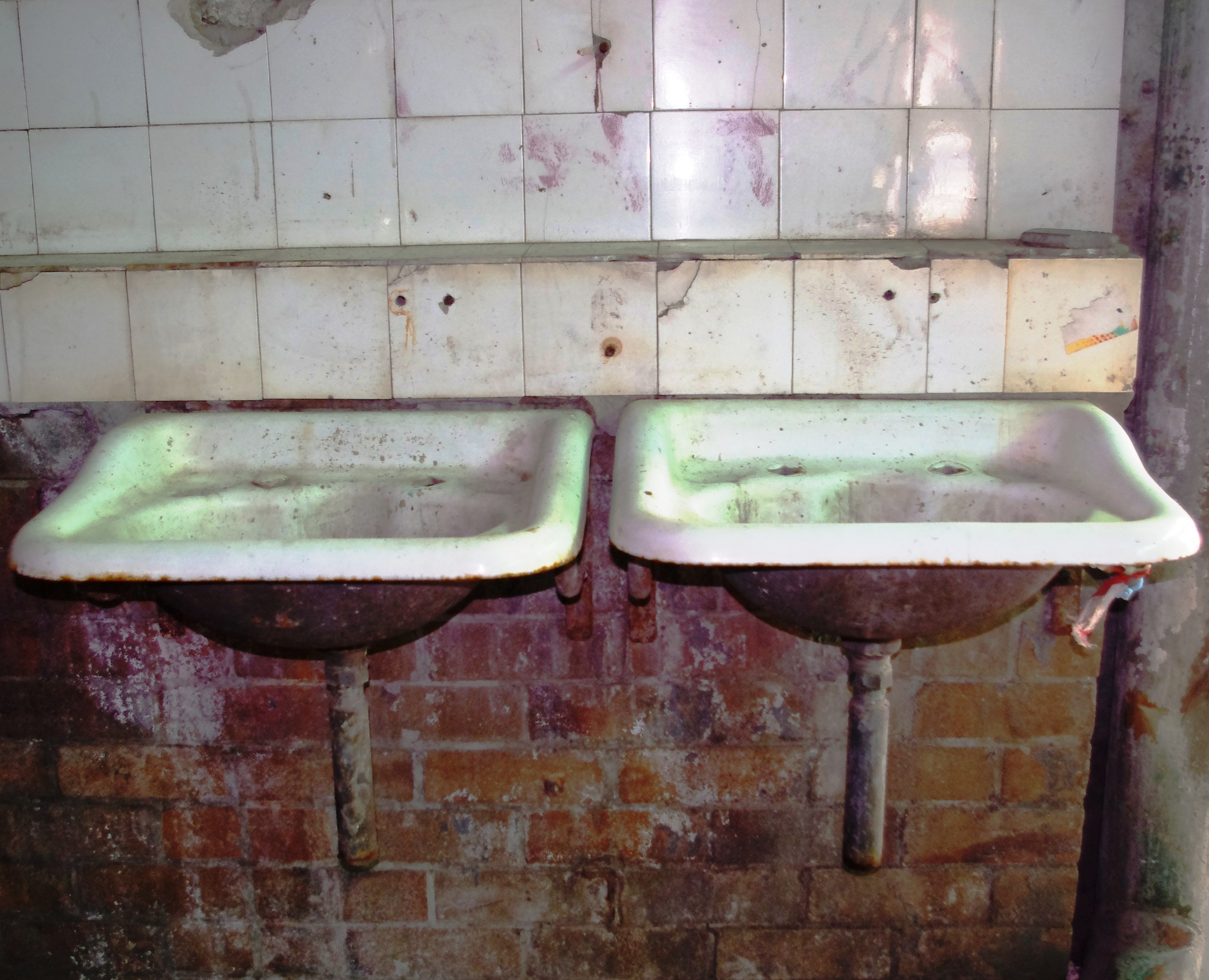


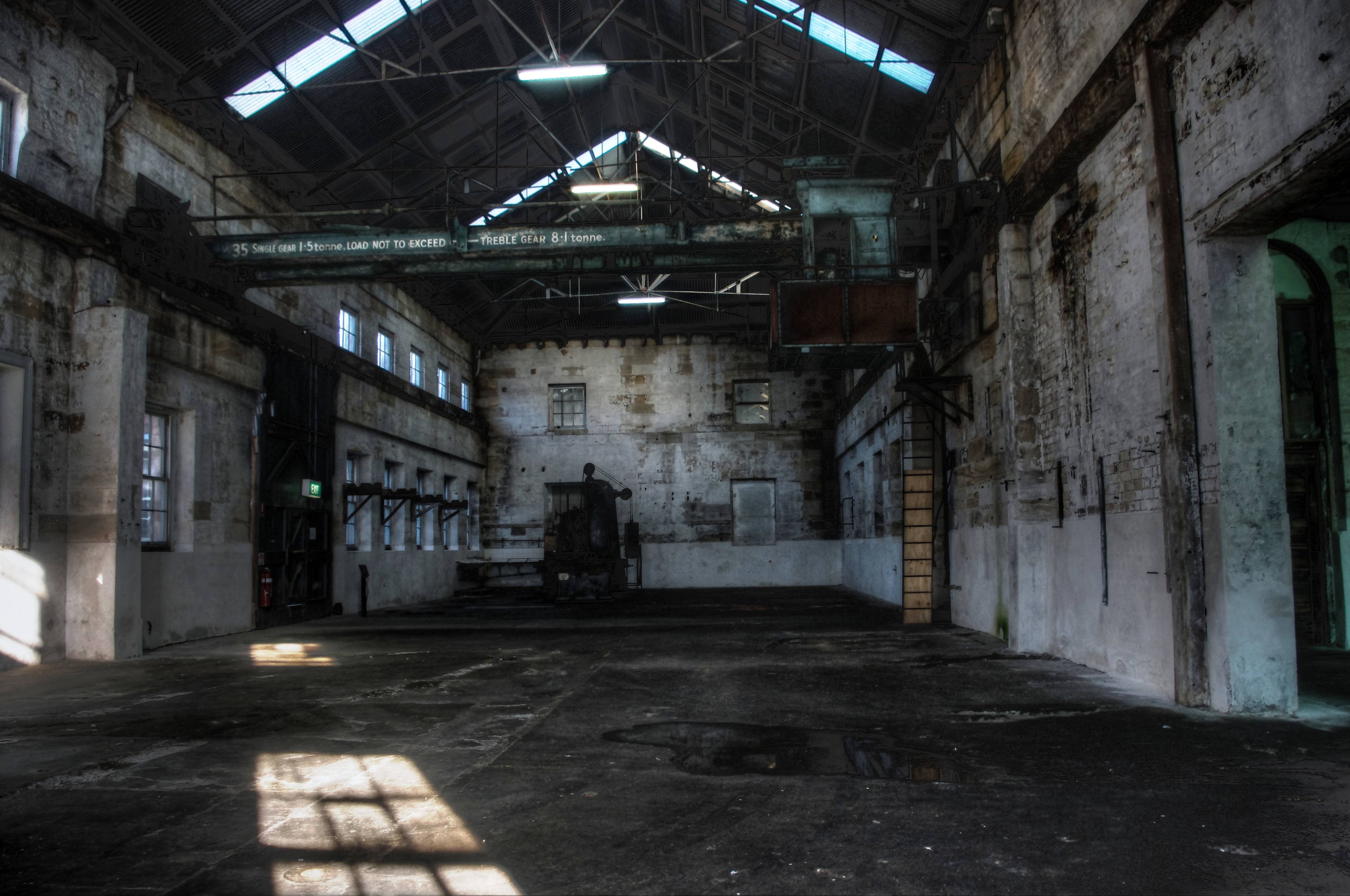


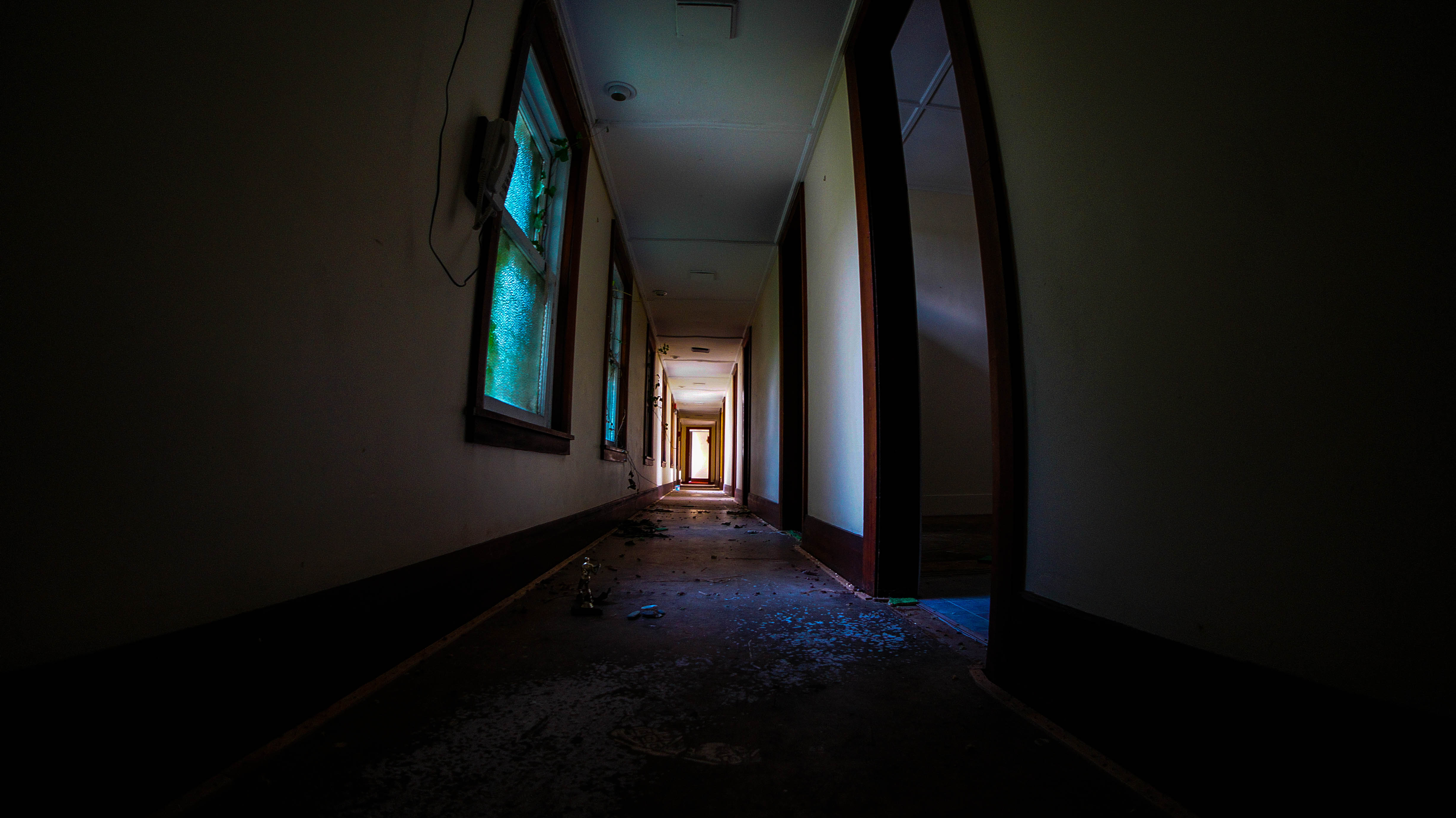
This old nurses home was built in 1910 to serve the nearby hospitals, it now lays crippled and decaying for the last decade with it’s only visitors being the odd squatter and us.






The Crusader fortress of Beaufort Castle- constructed in the 12th century- has been the focus for countless battles and the home of many occupiers over the centuries.

Beaufort (French for “beautiful fortress”) sits atop a 300 meter cliff which declines steeply to the Litani River. Its commanding location, with views over of much of southern Lebanon and northern Israel, is still of strategic value today.

In fact, Beaufort is one of the few cases where a medieval fortress has also proven to be of strategic military value, in the age of modern warfare.

In late 2005 the place was in ruins- but there was no mistake who held the high ground here.

Hezbollah’s AK47 emblazoned flag fluttered in the breeze- along with their allies and former rivals, AMAL.

Seven months later, the IDF once again invaded Lebanon- blitzing their way up to Beirut- laying South Lebanon to waste and cluster bombs in the July War

The Palestinian Liberation Organisation (PLO) held the castle from the beginning of the Lebanese Civil War in the mid 1970′s, until the Israeli invasion of Lebanon in 1982. The Israeli Defence Forces (IDF) finally evicted the PLO and occupied and fortified Beaufort, controlling south Lebanon for the next two decades.

Upon their withdrawl in 2000, the IDF set explosives and destroyed most of the structure. In 2007 an Israeli film- Beaufort– was released about an IDF unit stationed at the fortress.
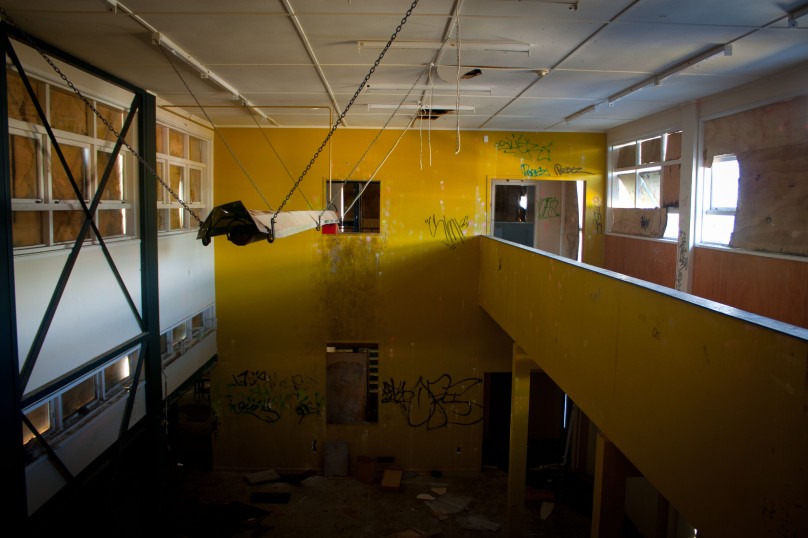
This former highschool was closed about 15 years ago. The decay and vandalism that has occurred in the interim is astounding. It’s finally due for demolition soon and the land it occupies is to be developed into a retirement village.



“Don’t play on the tracks- head for the high ground”. Why not do both? Part II of Escarpment…
Aswan, Egypt, Dec 2005: Anba Hatre is an earlier name for the 7th century Coptic Christian monastery of St Simeon- featured here in the previous post. During the exploration some video was shot on a very basic mini-DV tape camcorder, and due to this being the last tape. it was edited in camera to make the tape last longer. This is the result, with only a basic “damaged” effect and a soundtrack by the instrumental band Grails, appropriately titled “Erosion Blues”.
Aswan, Egypt, Dec 2005: After exploring some ancient tombs on the westbank of the Nile (featured here)- we decided to walk across the open desert to the ruined 7th century monastery of St. Simeon. It didn’t look far, but in the heat and harsh enviroment of the desert, it proved to be a bit more challenging. The Monastery of St Simeon dates back to the 7th century- it survived as a Christian stronghold of southern Egypt up until being sacked by Saladin in 1173 and abandoned. No real thorough archaeological attention has ever been paid to this ancient site. It was examined and published by Grossmann in 1985, and in 1998 by the inspectors of the antiquities- but still very little is known about this ancient monastery fortress.


This station was constructed in 1938 on the eve of World War Two just before resources would become scarce and be redirected towards the war effort; there was never an opening ceremony for this building due to the war. Today the building is earthquake prone but with historical building status, left to decay with its replacement facility sitting just a few steps away.



The power station which at one point powered the island, from what I can tell the facilities now on the island are now powered in part by solar panel arrays affixed to the defunct industrial warehouses.



While out on a parkour jam with the guys from Wellington Parkour and Freerunning we came across a bag full of trash that someone had dumped in the harbour, this represented a perfect opportunity to put their parkour skills to good use for the greater good of the community and was a good show of teamwork.
Much like urban exploration, our bread and butter, parkour is about interacting with our urban environment and experiencing it in new and different ways. Where we preserve it statically on film and in video, practitioners of parkour interact kinetically with the landscape.
Massive respect to the guys from Wellington Parkour and Freerunning for performing these feats.
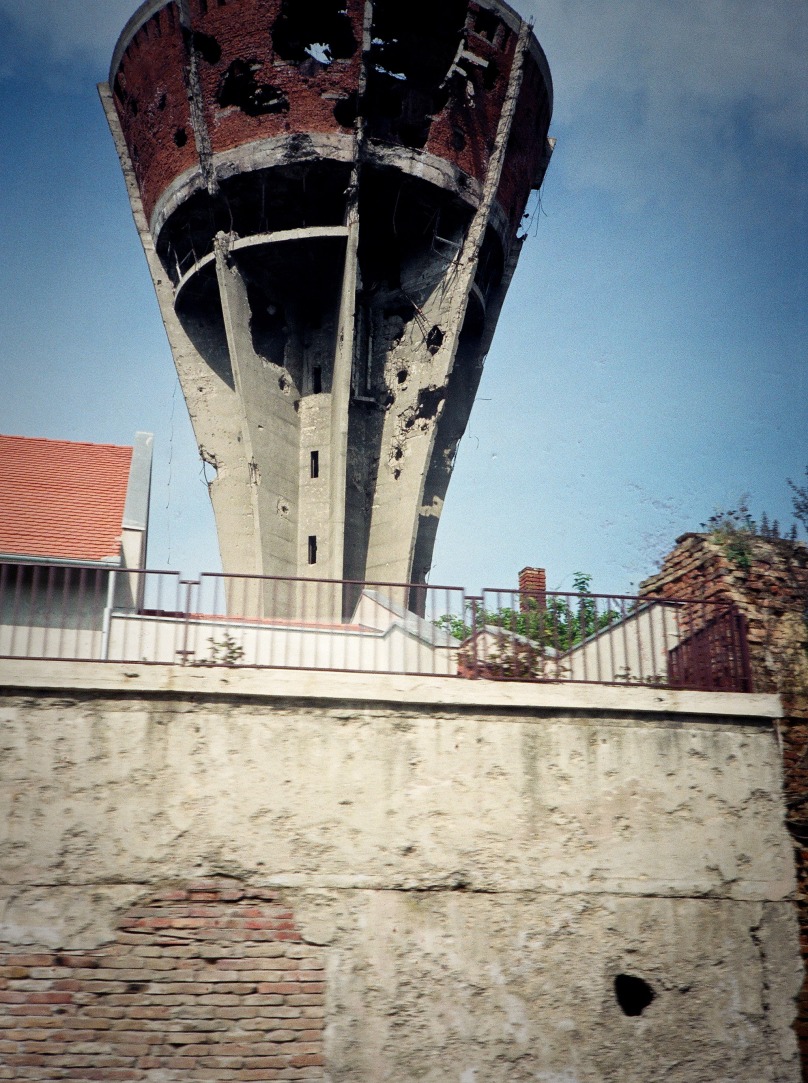
Vukovar, Croatia, 2002: Vukovar was utterly destroyed after a three month seige against the mostly Croat defenders by the Serb-dominated Yugoslav Army (JNA) in November 1991. Some estimates are that Serb gunners fired a million shells into Vukovar destroying 15,000 buildings. It was the first European city since WWII entirely leveled to the ground. At least 3,000 people were killed and 20,000 “ethinically cleansed” The city was still a jigsaw of destruction 10 years later. Exploring was out of the question as the city was littered with landmines and unexploded ordance.




“I’ve never let my school interfere with my education.” Mark Twain
This former notorious rural psychiatric hospital- see this post- was visited by one of our group back in 2008. The majority of the buildings then were mostly intact with minimum vandalism. Today many of the buildings have been demolished, with the remainder largely abandoned or used as storage. Incredibly though a number of the villa’s are now reoccupied, by apparently sane people.




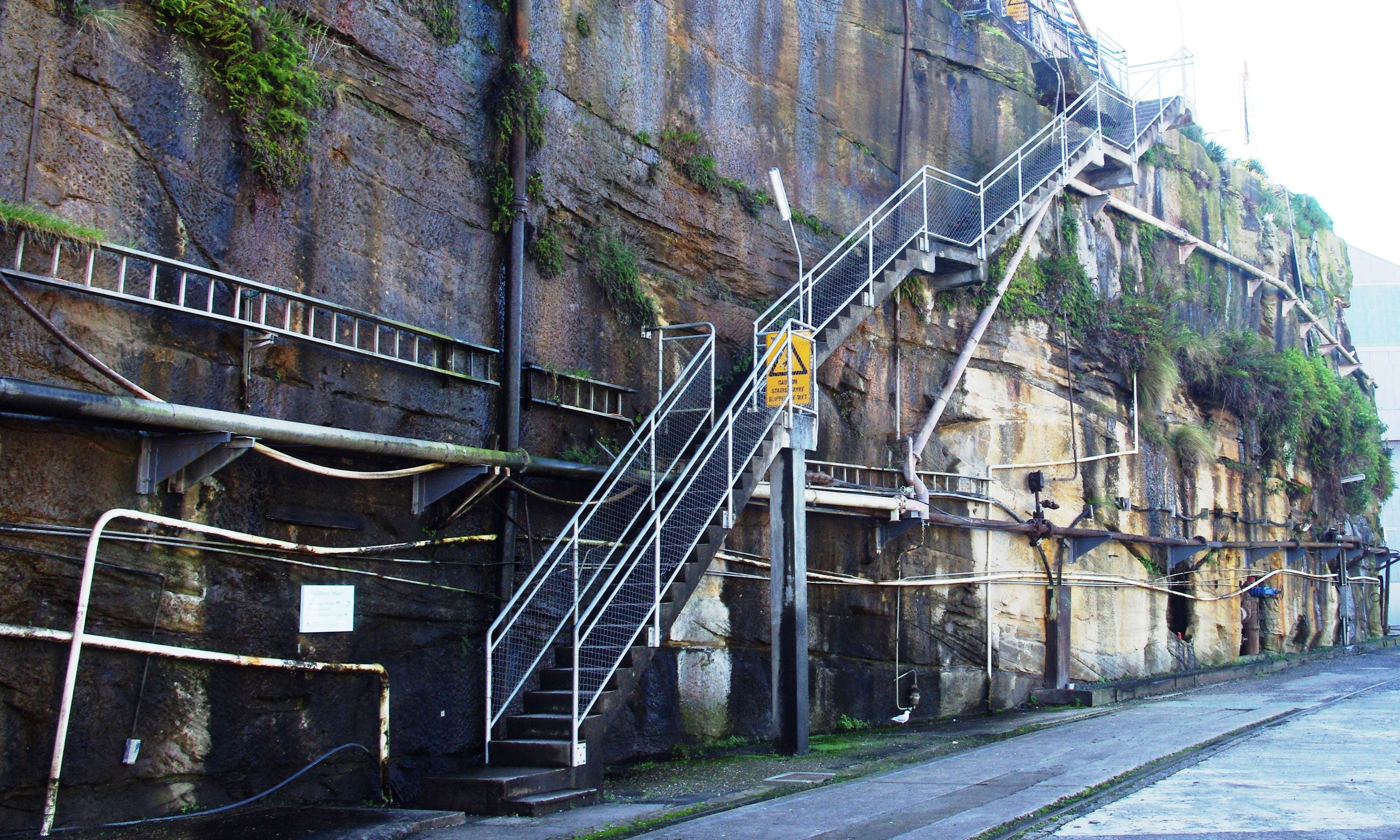
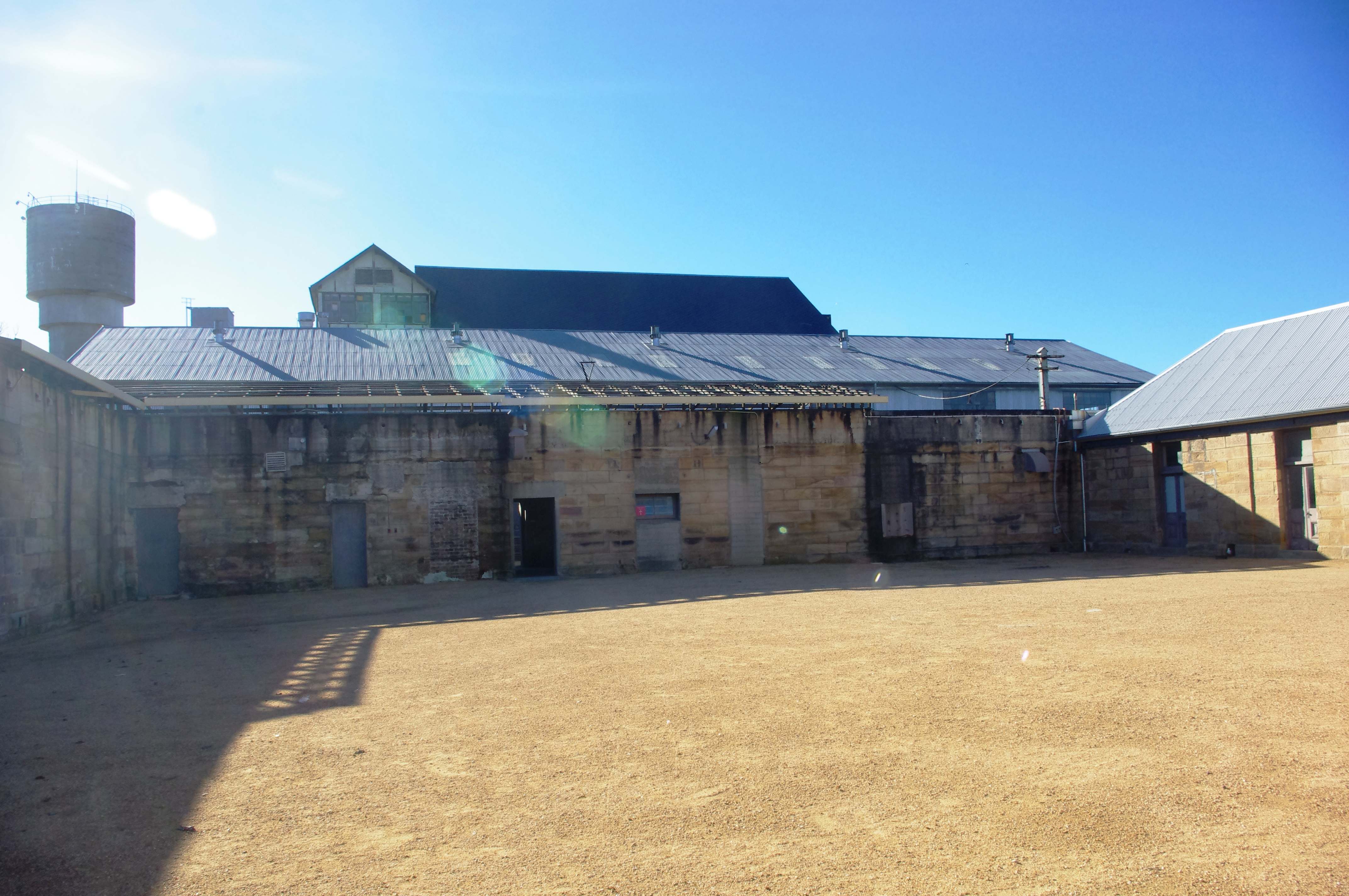
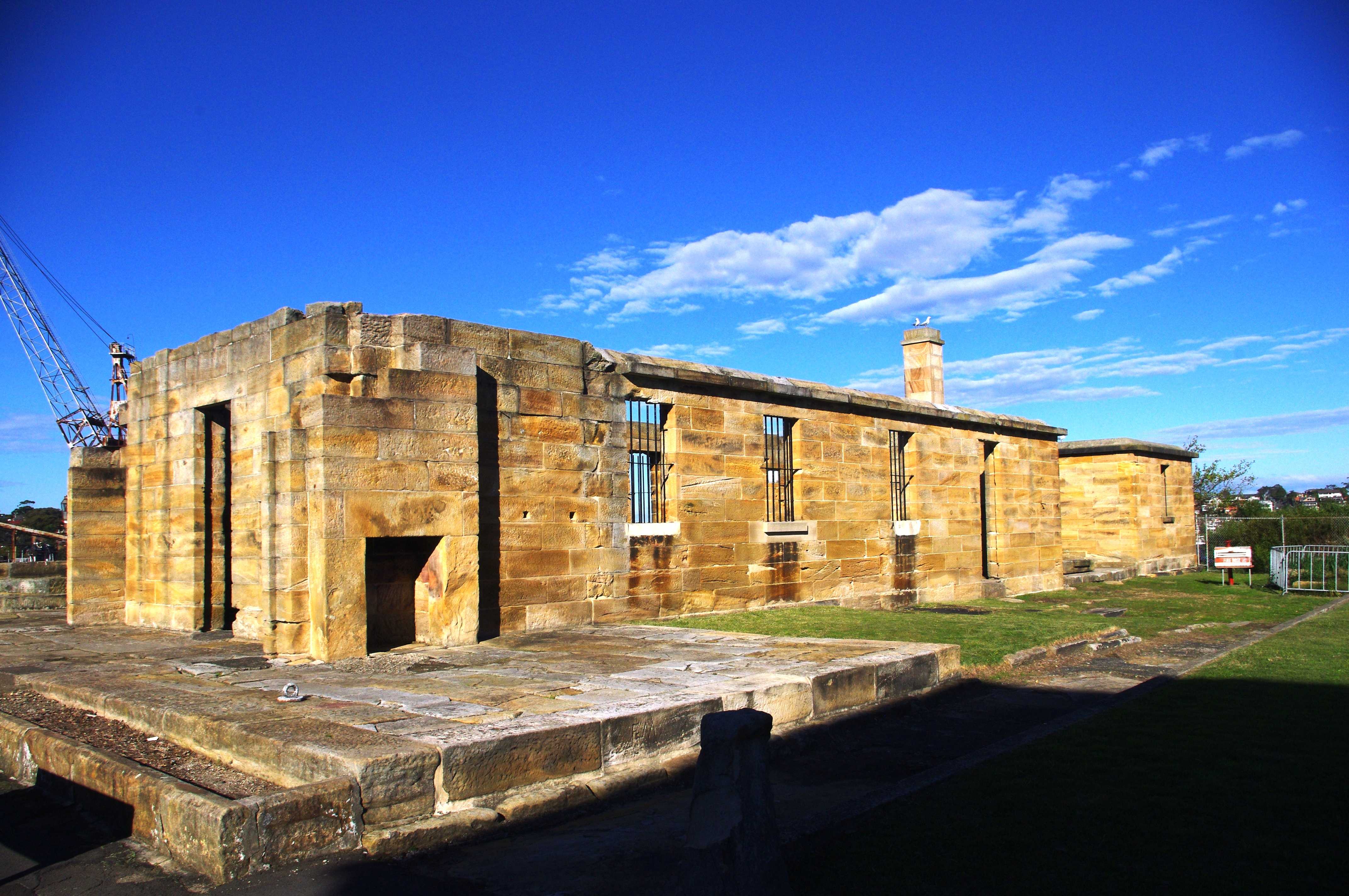
The islands prison, and the garrison to guard them were a readily available source of workers for the islands shipyard and to quarry the sandstone of which the island is comprised.




Egypt, Dec 2005: Inspecting some ancient tombs on the westbank of the Nile- across from Aswan. They were completely off the tourist trail and not mentioned in any guidebooks. We eventually found a man who had keys to them and he let us in for a look- after a certain amount of “baksheesh” was paid. One tomb was for the overseer of Kom from approx 191bc- another dated way back, at least 4000 years…
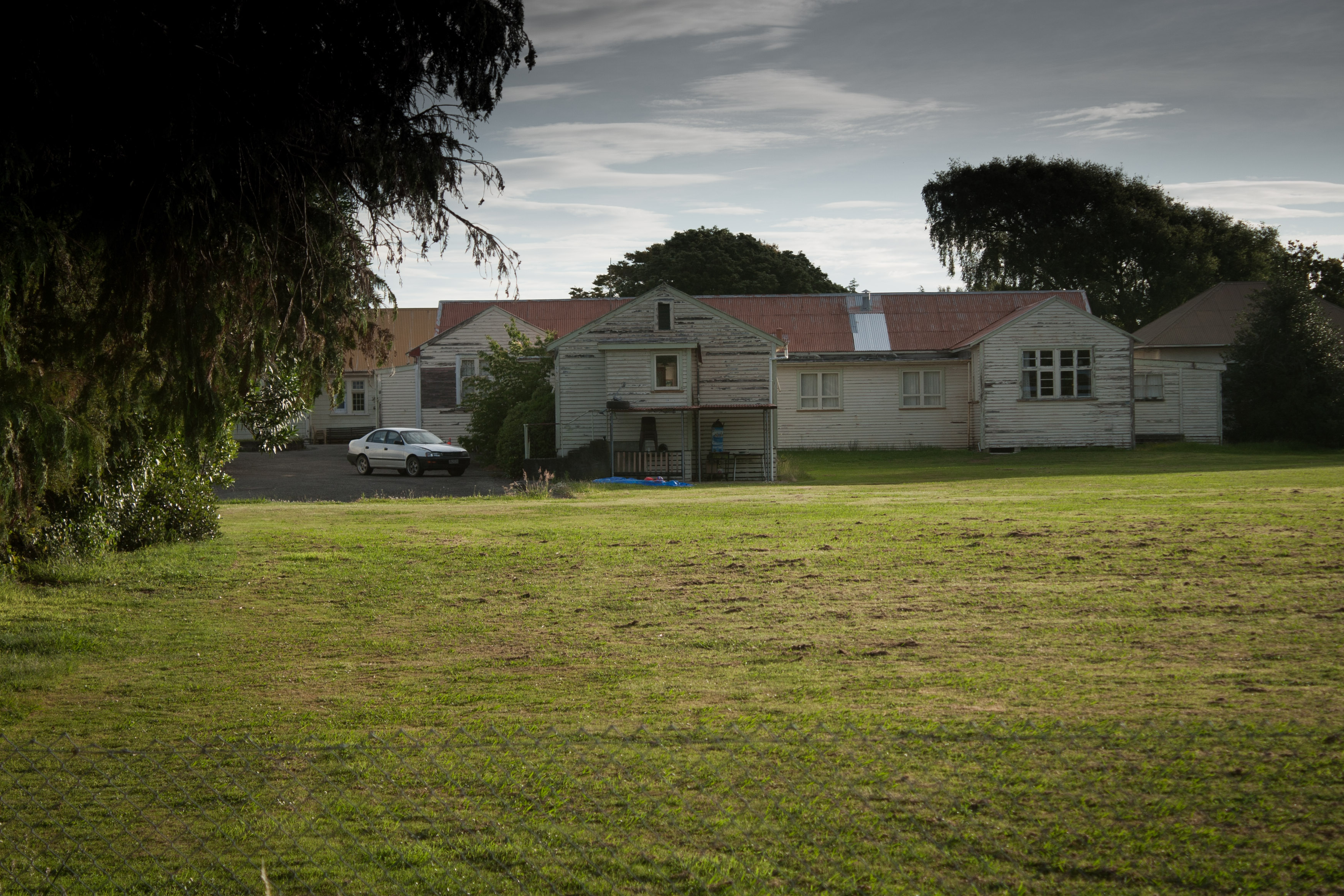
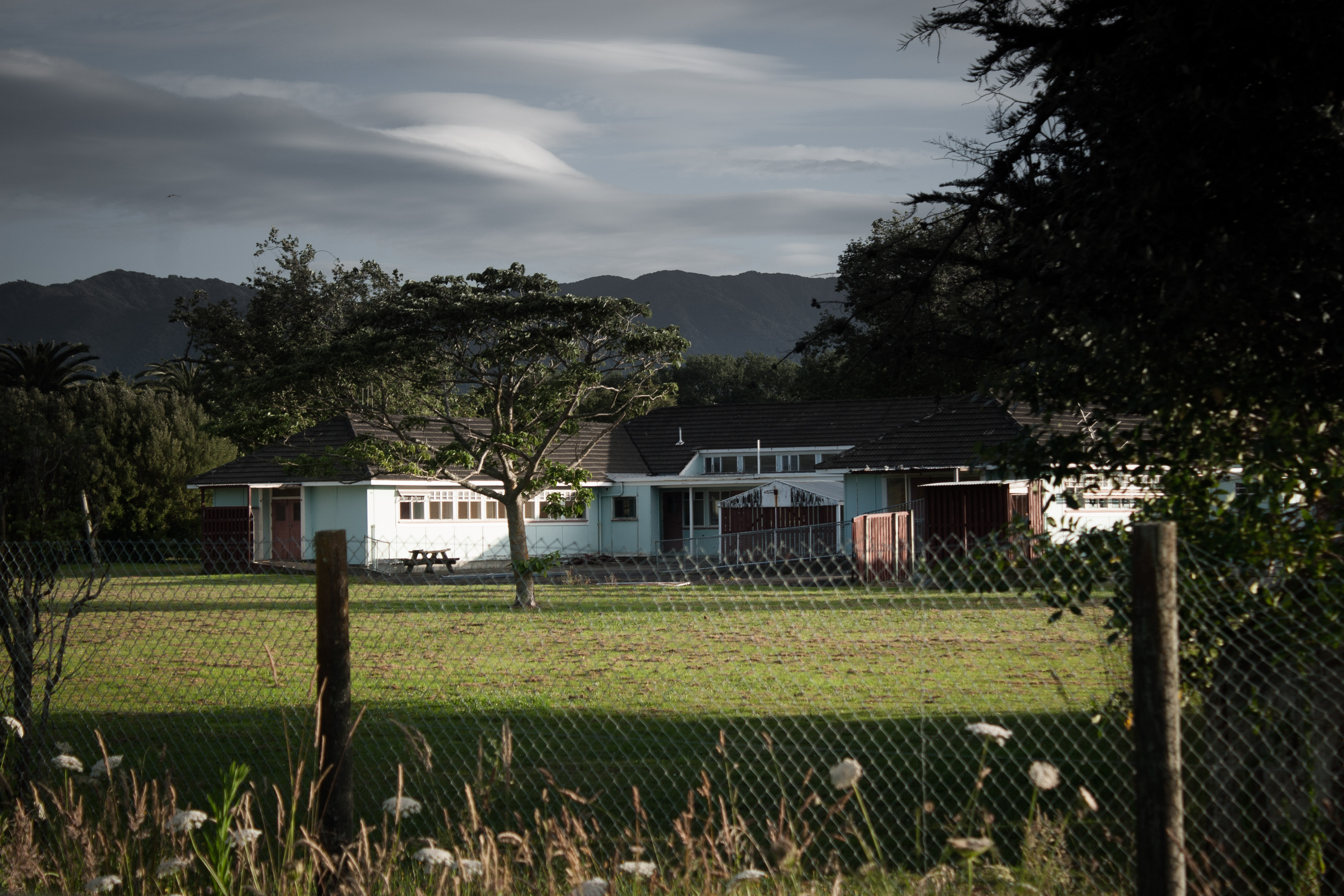
At the close of the Second World War, this former Air Force base was converted into a “Mental Deficiency Colony” to house children deemed ‘backward’. By the mid 1970′s it had become the largest psychopaedic hospital in the southern hemisphere, with a population exceeding 700. The centre was “deinstitutionalised” in 2005 and has been largely abandoned, but not forgotten.


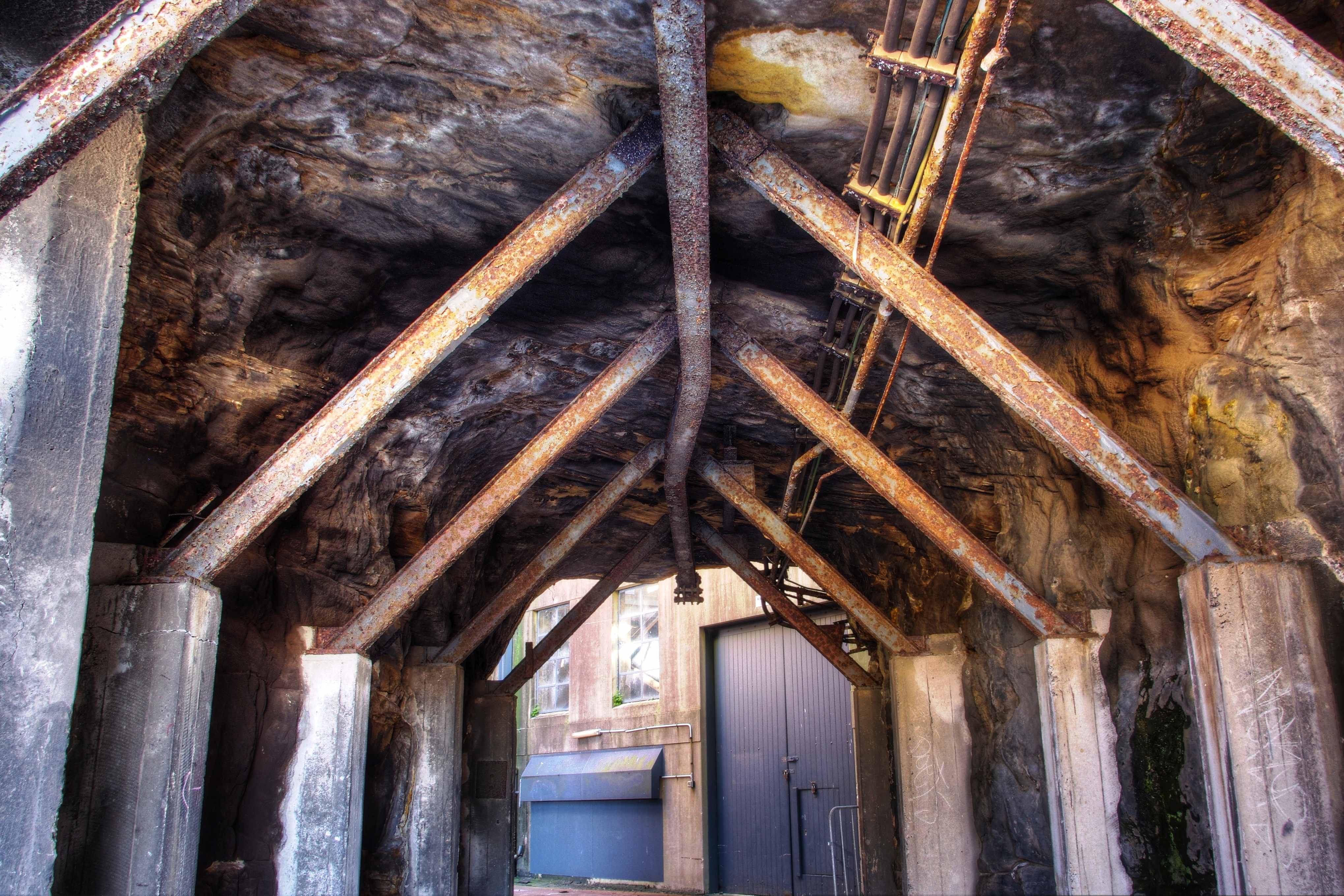
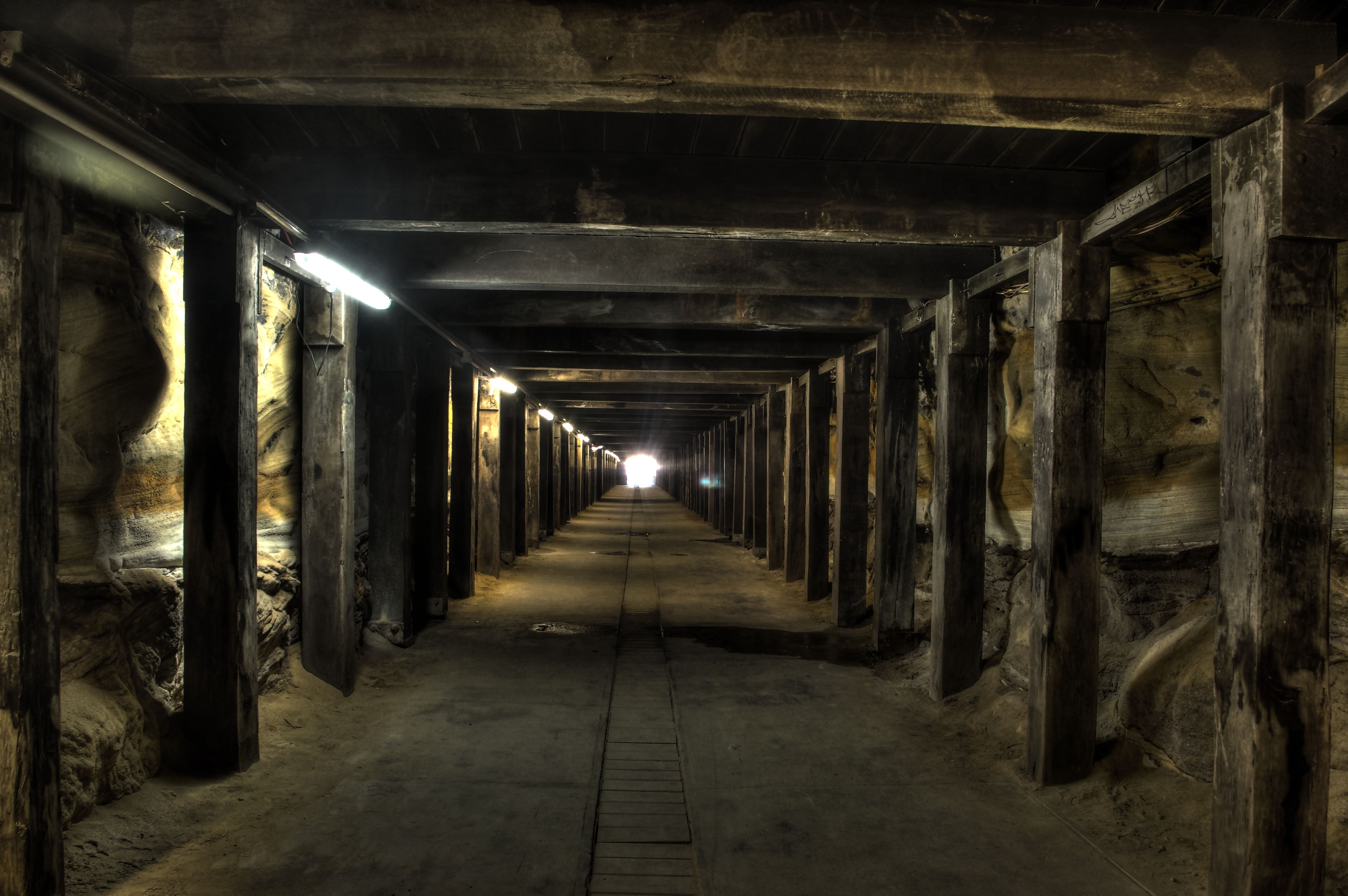
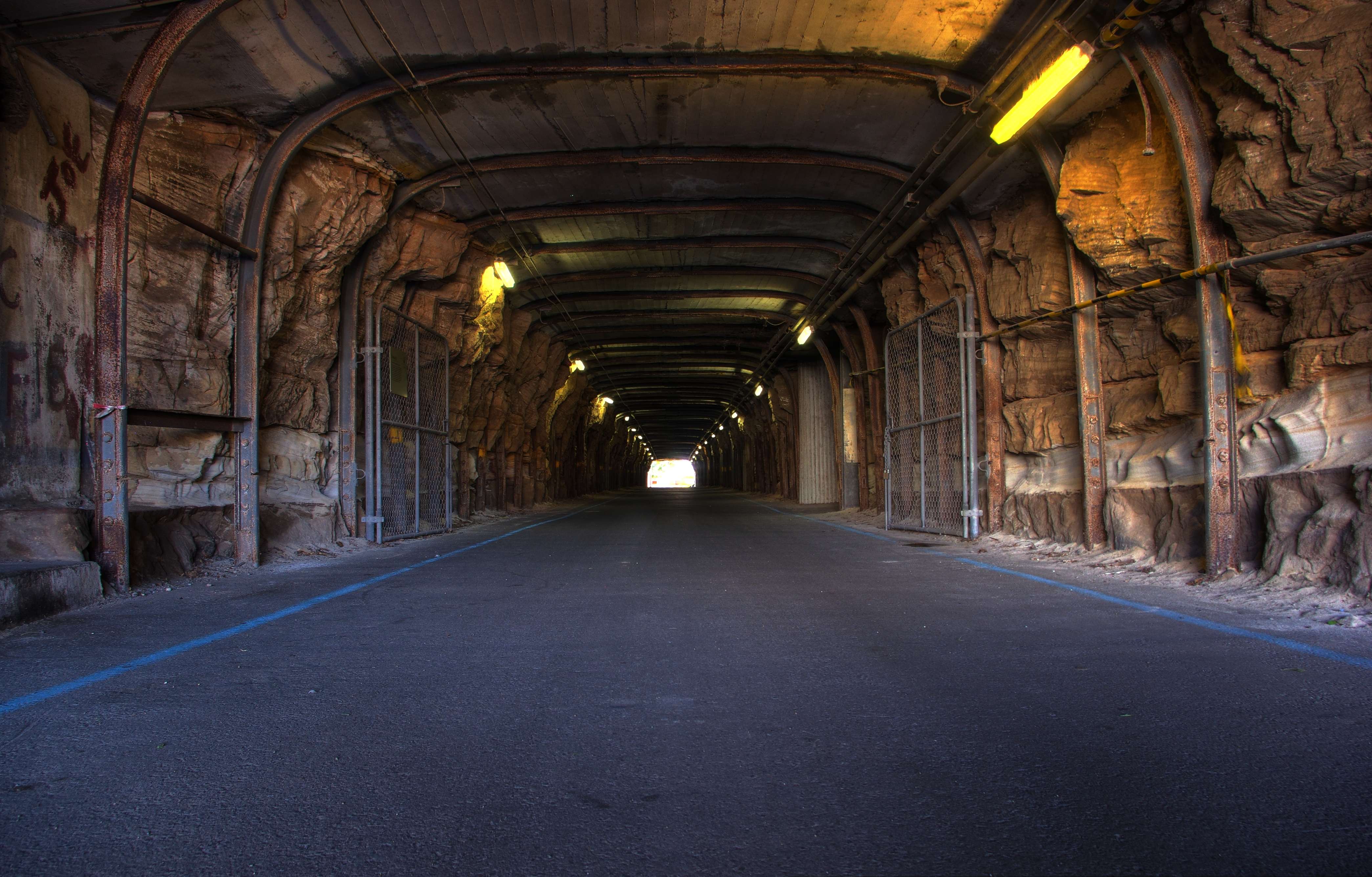
Underneath the Island, in the areas not hewn away to make room for heavy industry, Cockatoo island is criss-crossed with a myriad of tunnels, facilitating the movement of people, materials and equipment across the island. These also served a dual purpose as an air-raid shelter for use in the Second World War: one was even kitted out with an infirmary located in an annex to the main tunnel. Another tunnel has an elevator running right down into it from the buildings atop the island, down through the rock.



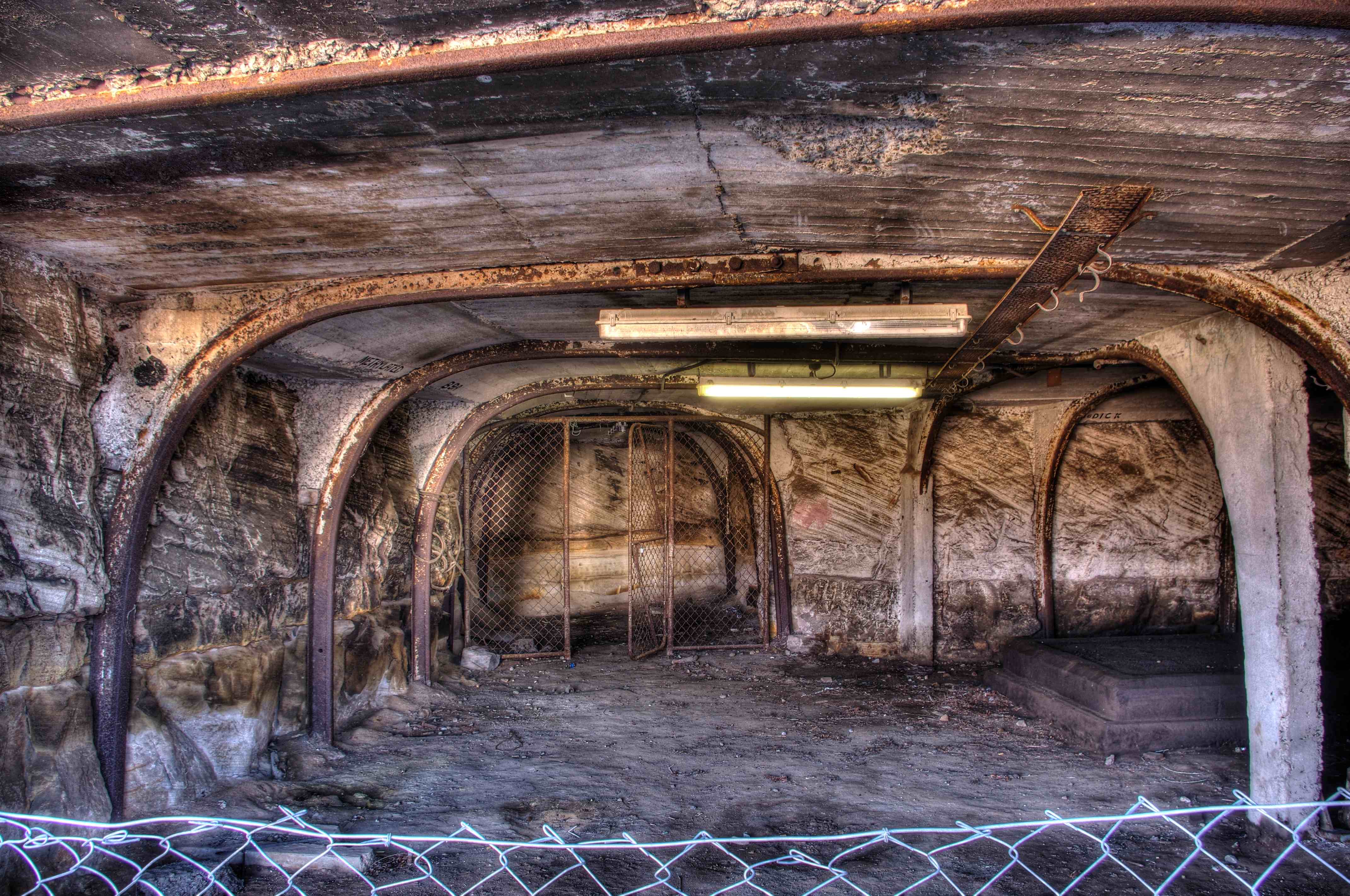
Exploring what we think were former ammuntion stores- though from the ouside they look more like hobbit holes…
The property was formerly a convent in the 1960’s and stories of ill treatment to the students who boarded here are all the information that can be found about it. What remains here now are mere shells of what once were.


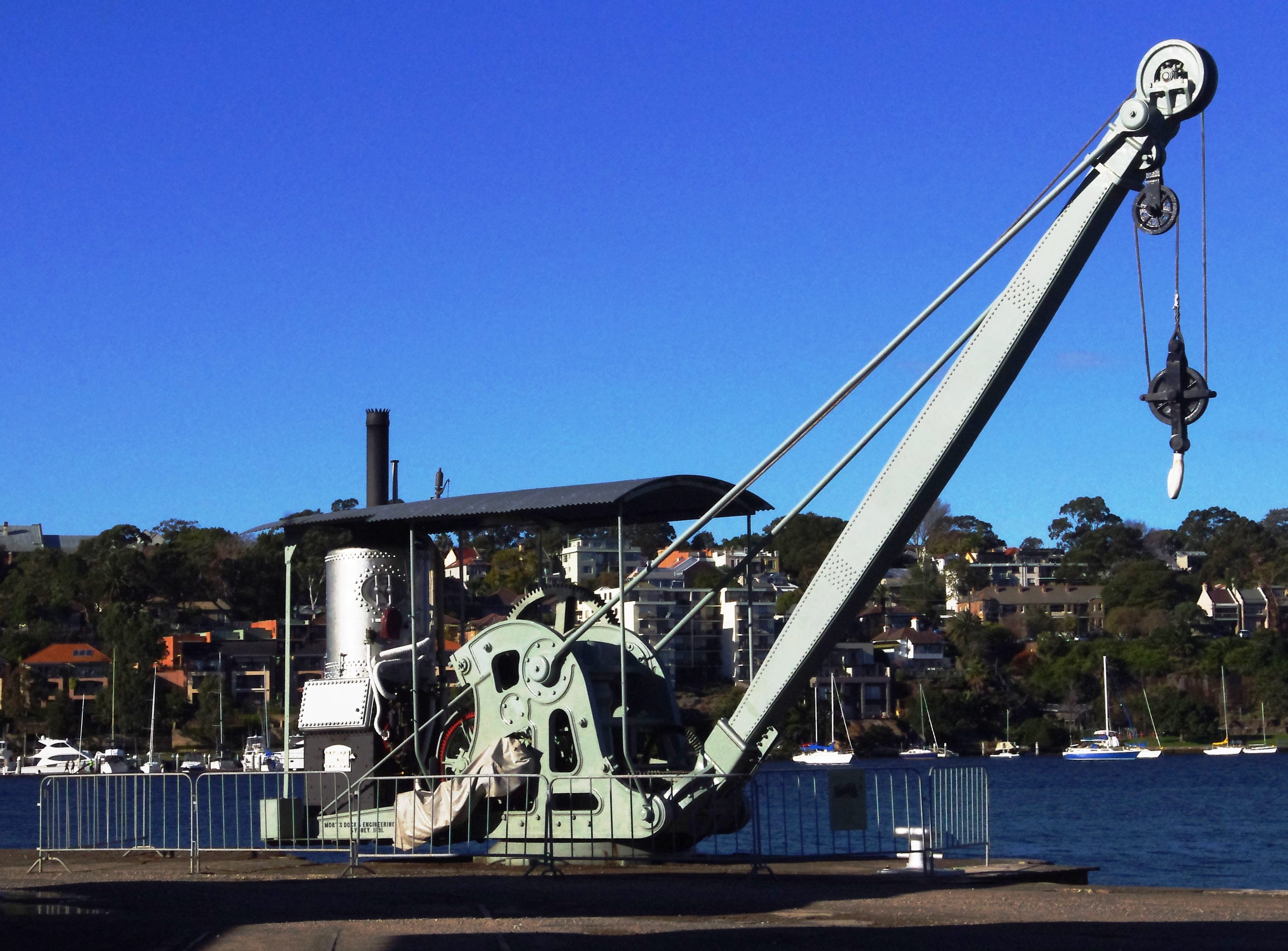
Littering the Cockatoo Island landscape, these sentinels are an imposing sight on the skyline. Many of the cranes have fallen into incredible states of disrepair, with some of the booms having become completely detached from the body of the crane.
These cranes are the subject of my first post on Cockatoo Island, one is even a familiar reminder of home. Stothert and Pitt cranes are familiar to us from our explorations in Wellington, and are also a common sight on the Island.

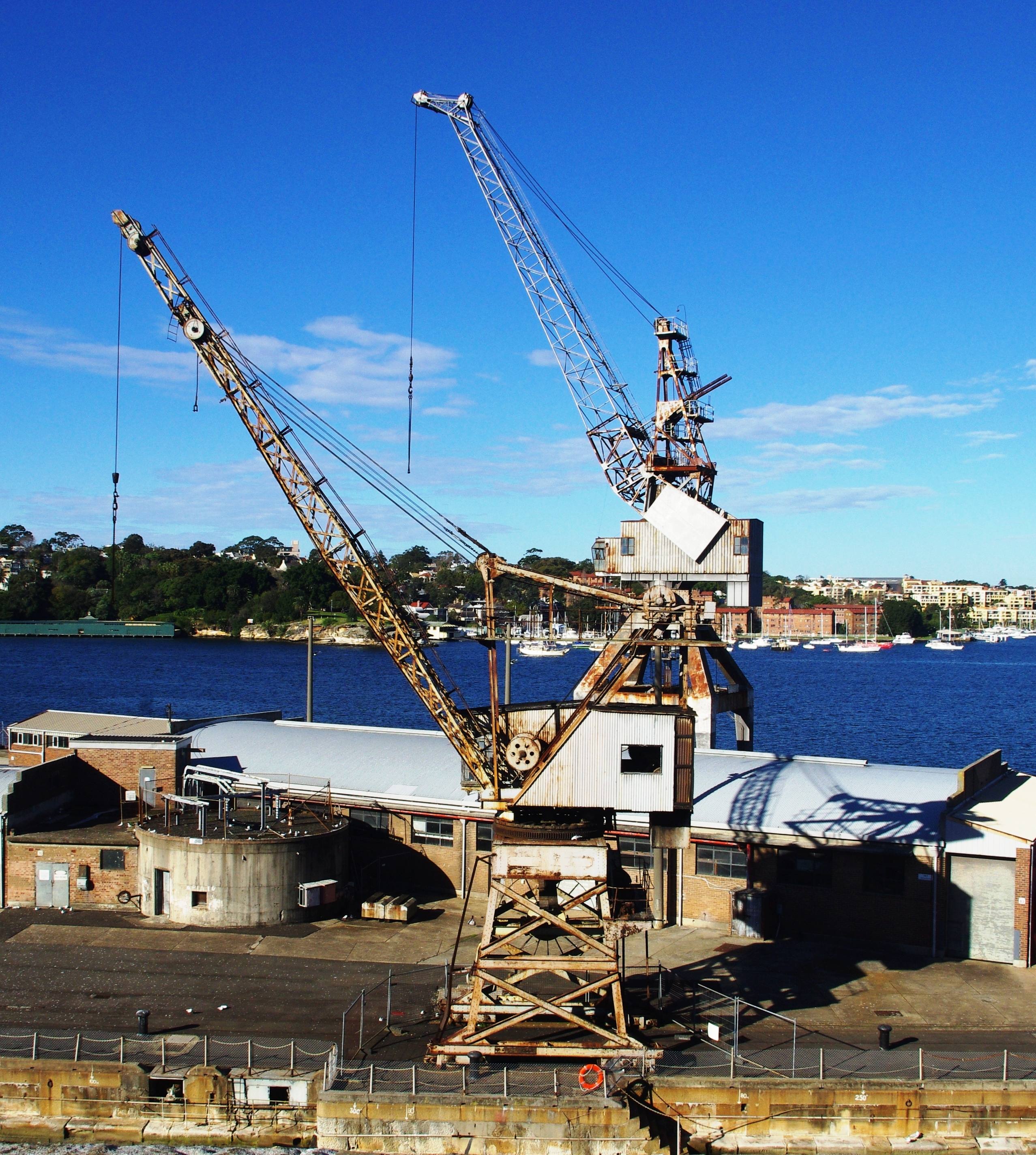
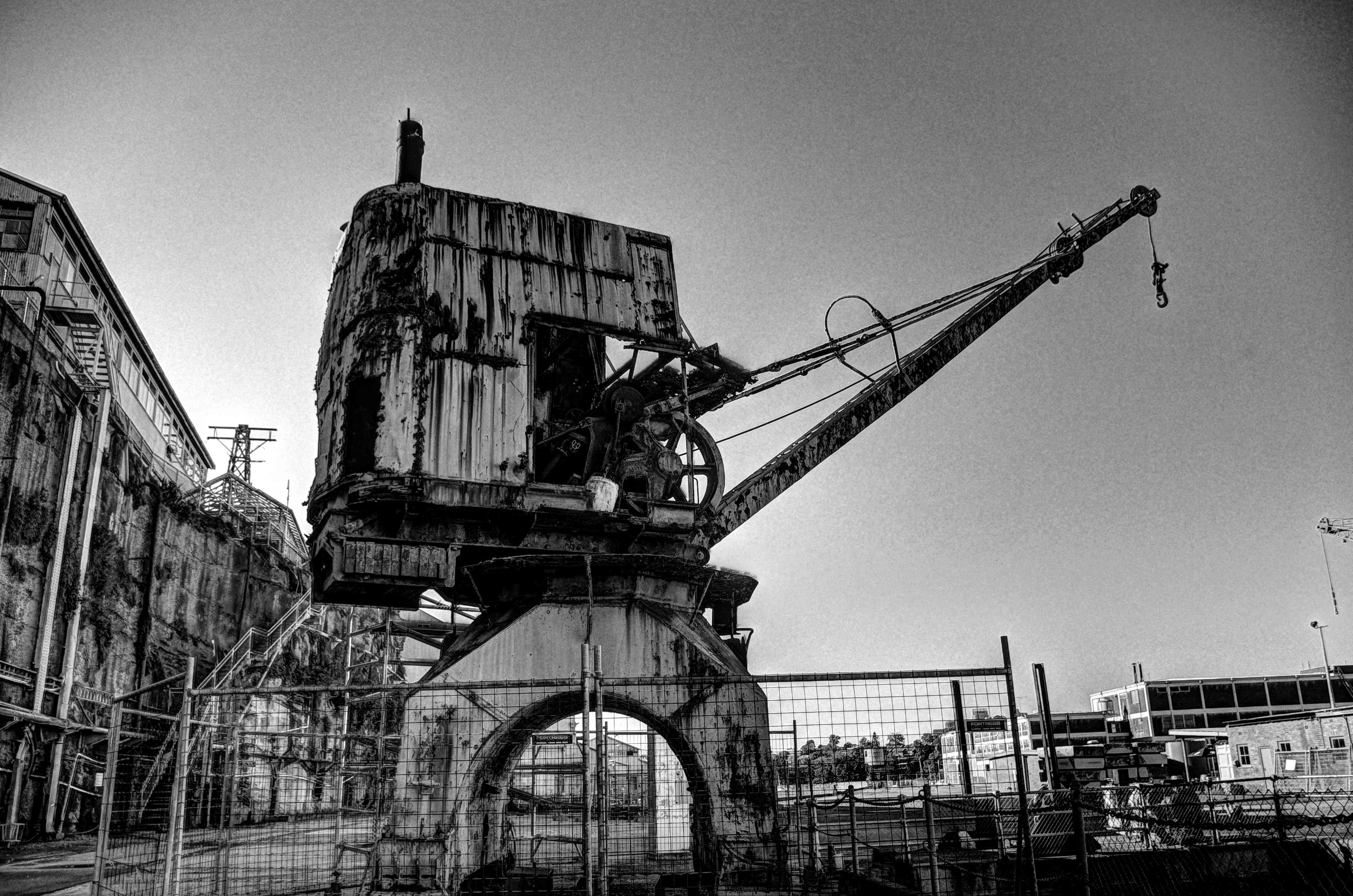


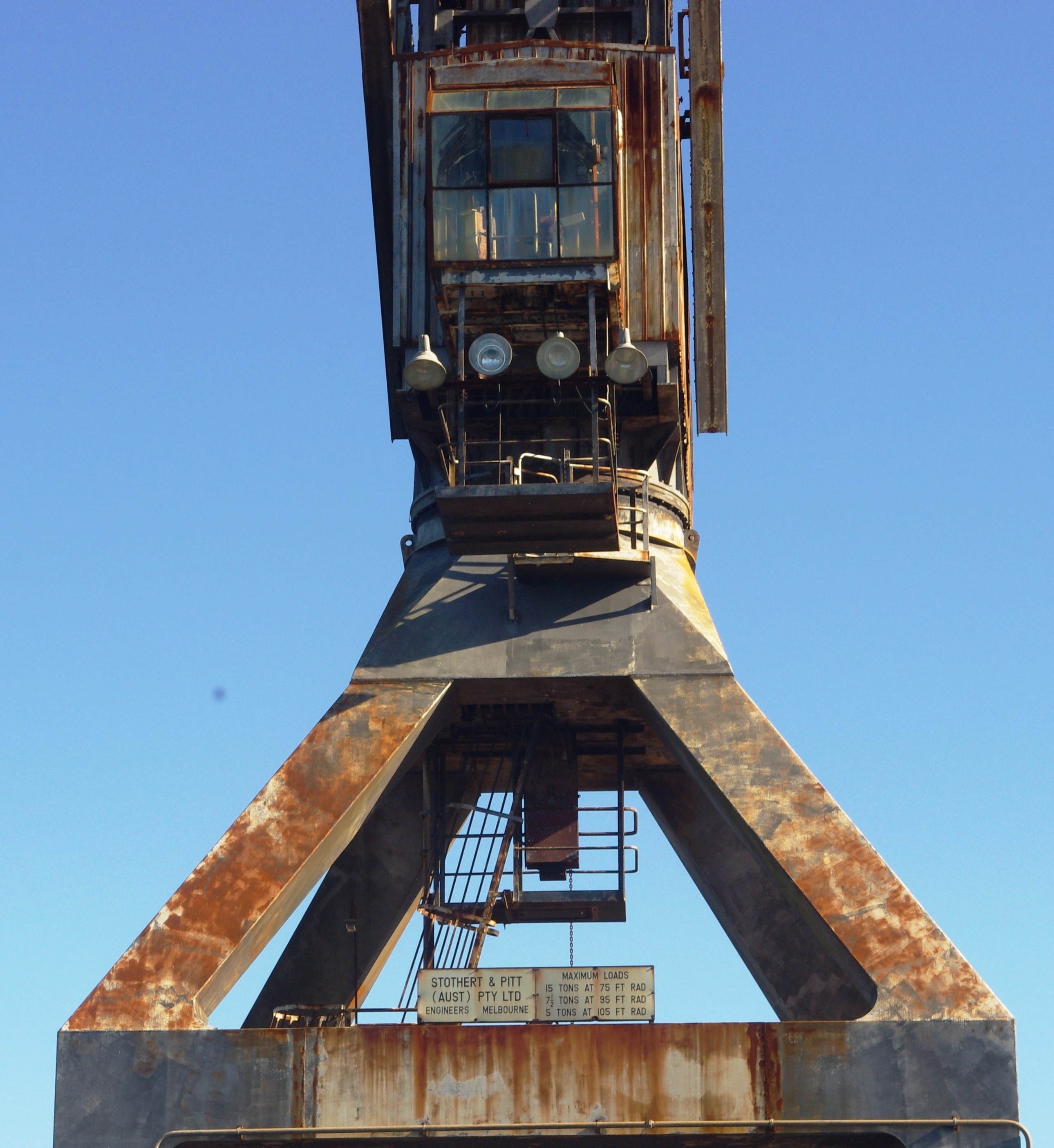


This is the first in a new series of posts focusing on Cockatoo Island, situated in Sydney harbour, with each of these instalments focusing on a different aspect of what cockatoo island has to offer in the way of urban exploration, the video here is a general overview of some of the different features of the island.
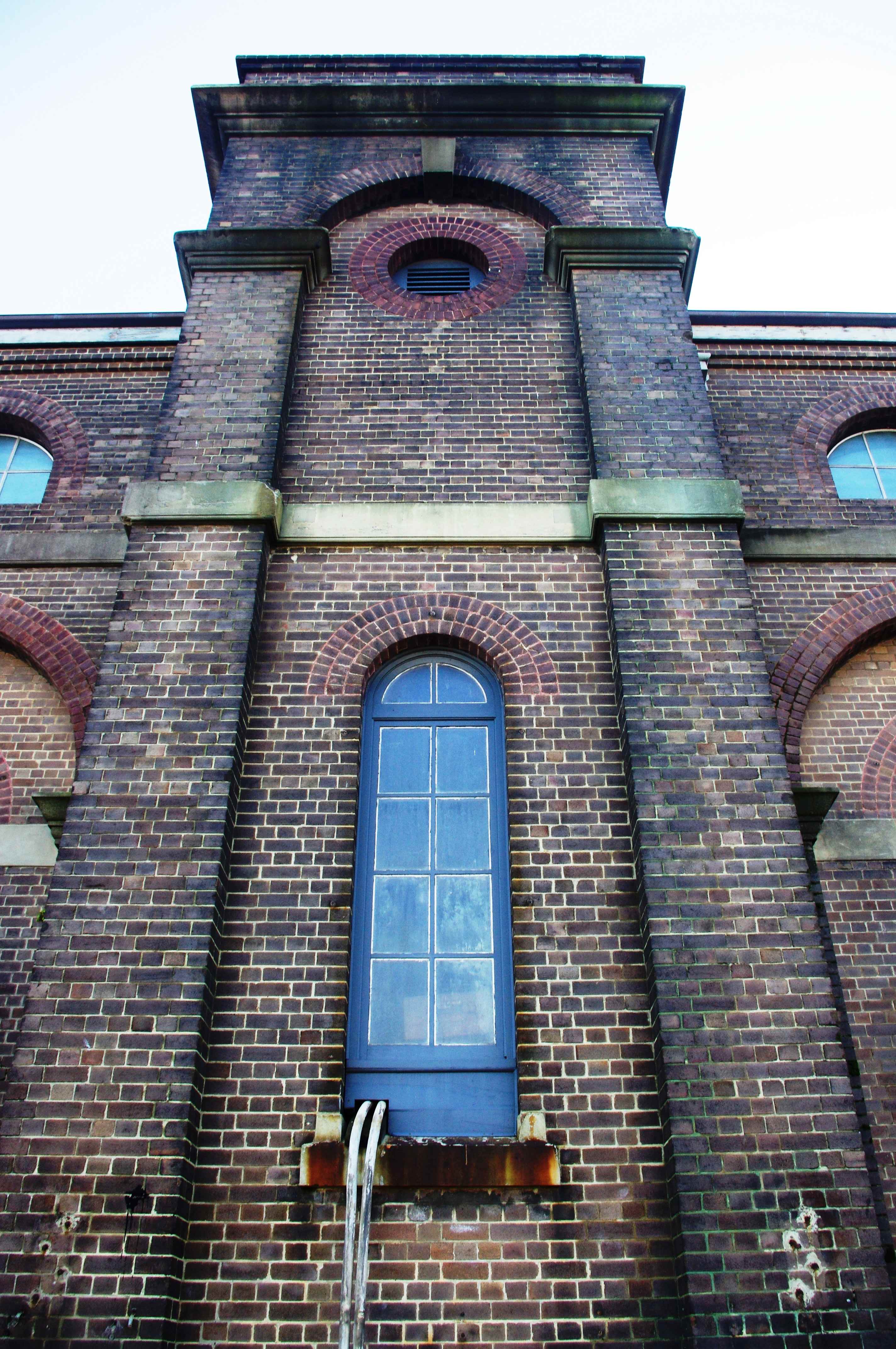
During it’s colourful history it has been used as a Military Barracks, Prison/Gaol, Shipyard and Naval Dockyard amongst other things. As a result the island is teeming with reminders of it’s history and is a plethora of abandoned buildings, tunnels, cranes and other structures including a beautiful old power station.
For more information about Cockatoo Island see:
http://www.cockatooisland.gov.au/about/history.html
http://en.wikipedia.org/wiki/Cockatoo_Island,_New_South_Wales
“I had a terrible education. I attended a school for emotionally disturbed teachers.”
Woody Allen
Pyromania is an impulse control disorder in which individuals repeatedly fail to resist impulses to deliberately start fires, in order to relieve tension, for gratification or for relief. The term pyromania comes from the Greek word πῦρ (‘pyr’, fire).
This was just one of a dozen buildings torched by a pyromaniac over a single weekend two years ago. A Porirua man was eventually charged with 13 arsons that included setting fire to five churches, but was found not guilty by reason of insanity.
There are people who, like houses, are beautiful in dilapidation. Logan P. Smith
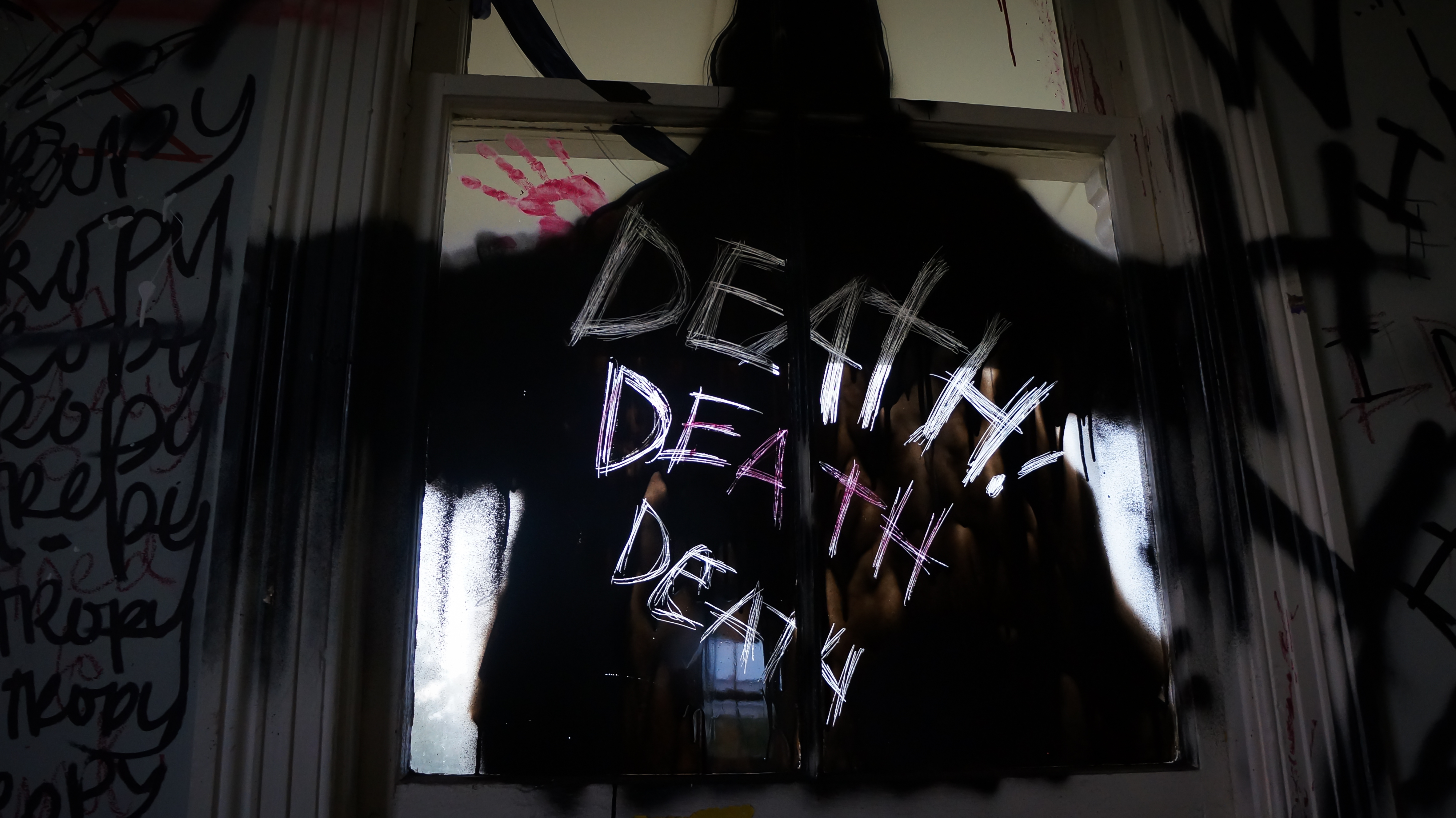


In keeping with our recent racecourse posts, but this time from a different racecourse entirely, join us on a trip up to the top of an observation tower at a rural racecourse on the Kapiti coast. Taken just after a big storm had lashed the lower North island, thankfully the wind had dropped enough to make the climb.
Horsing around at a deserted racecourse and inspecting a disused tote building…


 U R B E X C E N T R A L