International School

This International School was one of the main international schools in Christchurch, after extensive demolition in the central business district of Christchurch this is one of the last multi storey buildings awaiting demolition. There were many interesting items left here from when the earthquake happened in February 2011 which paint a sad picture of the day the people evacuated in panic and were never allowed to return.

Abandoned Strippers

Along our journey exploring what Christchurch had to offer with our new found friend, Wildboyz we found something we had never explored before, an abandoned strip club! In the past we have found the odd brothel but never a strip club and with it a load of old artifacts such as stripper dollars, stilettos, g strings and even a hidden secret room that was for the most “special” of customers at the fine establishment, I hope you enjoy our latest post.

Sea View Asylum

Located in a tiny town on a remote coast of New Zealand lies this bizarre and mysterious old mental hospital which started life as a gaol and decommissioned as a hospital in the 90’s. Amazingly throughout its operation there were no reports of mistreatment unlike other hospitals of this era, however due to the remoteness of this place it makes you wonder even more what really happened between these walls with electric shock treatment being just one of the horrible treatments used at the time.

On our drive over to this asylum, U.K based explorer WildBoyz,  who had joined up with us for this explore seemed rather perplexed by the windy roads and the remoteness of where we were headed, persistent in my desire to find this location I reassured him it would be worth the drive, I hope you will agree.

Stadium Wasteland

This stadium was built in 1880 and has seen extensive redevelopments and financial difficulty over the years, up until the Christchurch earthquakes which have deemed the stadium damaged beyond repair. The stadium however still sits idle and abandoned with no final decision over it’s future. Throughout it’s lifetime the stadium played host to such famous acts as Tina Turner, Pearl Jam, Meat loaf and U2.

This explore was in collaboration with Wildboyzue from the U.K and finding this stadium was quite a shock to us, such a huge, seemingly solid looking facility wasted and most likely soon to be demolished.

Quarantined

This former quarantine station was first opened in 1872 for people arriving New Zealand with contagious diseases. The facilities were refurbished and extended in 1918-19 and were maintained in readiness until World War II (1939-45) but were little used. The accommodation blocks were used in both World War I and World War II to house interned “enemy aliens”. For over 100 years, beginning in the early 1880s, it also served as an animal quarantine station. Animals arriving in New Zealand from other countries were quarantined on the island for 30–60 days to check they were free of disease. Blood samples were taken regularly and tested. Each animal was also treated for internal and external parasites.

In 1971 this particular facility, a maximum security animal quarantine station was completed. Until then, New Zealand had only ever imported livestock from Britain, Australia and Canada. The idea of a maximum security animal station was to enable scientists and geneticists to study new exotic breeds from outside of these ‘safe’ countries. When the station received its first shipment of animals in March 1972, it was the most sophisticated facility of its kind in the world. This allowed for the importation of a more diverse range of exotic animals such as elk, red deer, alpaca and llama, and capacity to hold more of the traditional imported livestock. In 1985 a scheme was introduced to import ova and embryos of cattle, sheep, and goats for implantation into New Zealand livestock. This inadvertently lessened the need for quarantine stations. It meant that existing livestock lines could be diversified rather than relying on importing. The quarantine station was closed in 1995.

II Casino

We explored this former Italian restaurant two years ago, just prior to demolition. Remiro Bresolin, a flamboyant pioneer of Italian cuisine in New Zealand and legend of Wellington’s social scene, took drab Wellington and gave it a splash of Italian colour. For nearly 30 years his Il Casino restaurant was a capital icon and a mecca for food lovers everywhere. The restaurant closed just prior to his death in 2007 and in it’s place now stands another inner city apartment block.

Station B

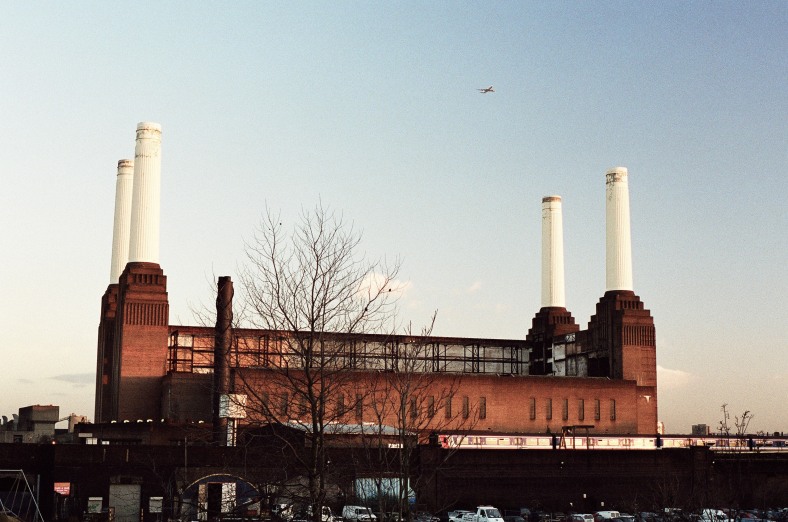
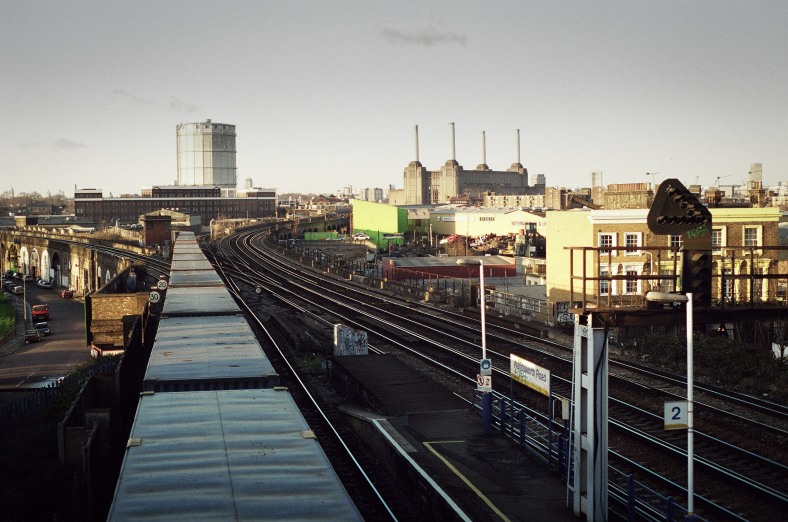
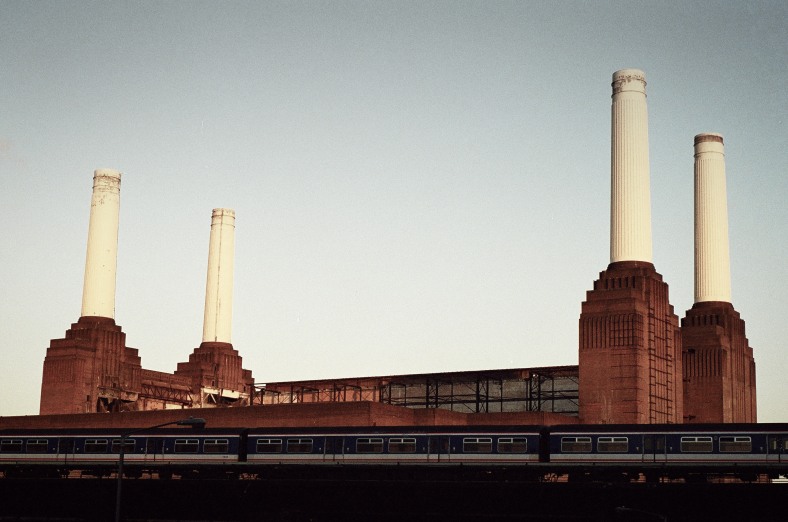
This set of images from London’s iconic Battersea Power Station come to us courtesy of our friend Sentinel UE. He writes: We had been looking at doing this for a few weeks. A daytime visit a week before showed the way in. The night came for us to go in, but a text came in saying, ‘Forget about it, the access is locked down.’ We were not prepared to be outdone, and thinking of another possible route headed for that option. Once onto the site it was a fun time trying to read the maps kindly given to us – we had been up all day on another explore and were a bit brain dead – but after a while we sorted our heads out and got sorted with the access points into both Control Room A & B.

Battersea Power Station is a decommissioned coal-fired power station located on the south bank of the River Thames. The station ceased generating electricity in 1983, but over the past 50 years it has become one of the best-known landmarks in London. On 7 June, 2012 it was sold to SP Setia and Sime Darby. In January 2013 the first residential apartments went on sale. Construction on Phase 1 is due for completion in 2016/17.  For a previous post on this urbex icon click here.

Vacancy

This former conference and accommodation complex- closed due to being “earthquake prone”- is still very, very vacant…

ZK-EPA


Abandoned in a patch of farmland in New Zealand lies this abandoned plane, the plane was originally a military plane which transported RNZAF squadrons until 1978. The plane was then sold on to an Airmotive company who had planned but found no further use with the plane, thus the fuselage was broken up and transported to the farmland where it still lays to this day, a sad end for such a fantastic and unique looking plane.


Mother Earth

At the fringe of this neglected community garden area, there was a strange, landscaped new-age prayer circle thing. It wasn’t peaceful, inspirational, meditative etc… just a bit weird, kitsch, humorous, tacky and kinda creepy. The amphitheatre, inspired by something called the Vortrovia Vision, is apparently called an “Amphenium”. Wow, if it’s got a cool name like that it’s got to be pretty impressive, right? Wrong!

More quotes from the beautifully presented(sic) informational details onsite: “This local/universal, sacred/secular, aesthetic/functional built & landscaped environment, called the “Amphenium,“will serve some of the following purposes; a spiritual-cultural arts centre, a solar power generator & multi functional performance venue, a kinetic work of art and tourist attraction, a 24/7 online multi-media experience, a showcase for new environmentally friendly technology, a planetarium, a site for celebrating seasonal and astronomical events (eg. solstices/equinoxes), a sculpted park featuring medicinal flora & works of art reflecting spiritual, mythical, astrological & cosmological themes: the wellspring generator, portal to & birthplace of a sustainable new world. Access to the apex of the dome would be catered for by an egg shaped capsule. As it ascends it will revolve & open up like a flower into 8 horizontal segments.” Hmm- that’s one helluva multi-functional venue… the UFO landing dock was missing though 😉

Escuela Mala

A re-posted video of Petone College from early 2013. This former high school- abandoned, vandalized and the victim of numerous arson attacks- has finally been euthanized to make way for a retirement village. Escuela Mala loosely translates as “bad school” in Spanish.

Bad Education (redux)

One of our old haunts has finally been demolished. Hutt Valley High School (formerly Petone Technical College) was closed in 1998, but partially used up until 2002. The site had been heavily vandalized over the years and targeted on a number of occasions by arsonists- most recently this past January. This last fire was the nail in the coffin for the former school. The remaining buildings were demolished last month to make way for (ironically) a retirement village.


Isolation

This psychiatric hospital was opened in 1912 and operated till 1998, surrounded by controversy with how patients were treated throughout its lifetime, this set of photos documents our explore of the isolation wards. Finding old x-rays and patient records scattered throughout the wards among the decay of the hospital gave us a chilling insight into its history.

WAIKUNE

After 30 years of decay this abandoned prison camp is barely recognisable as a prison anymore, this was a quick, fun early morning explore of a prison that was closed due to 1000 prisoners being released in New Zealand under the Criminal Justice Act in 1985.

Mental Health – Secure Child Facility

This psychiatric hospital facility was open for more than 85 years and contained a society of mental health workers and patients. There are many reports of mistreatment throughout the years and it being an isolated, depressing place to live. Under some pressure and excitement we explored and were treated to some amazing finds.

Enjoy part one – The children’s ward 🙂 More to come.

Gunkanjima

One of us was lucky enough to visit legendary “Gunkanjima” a few years ago. Hashima Island, known locally as Gunkanjima (Battleship Island)- is situated off the coast of Japan near Nagasaki. Mitsubishi purchased the island in 1890 and began the project of extracting coal from undersea mines. They built Japan’s first large concrete building (9 stories high) in 1916 to accommodate the burgeoning ranks of workers. Concrete was specifically used to protect against typhoon destruction. In 1959, the 6.3-hectare (16-acre) island’s population reached its peak of 5,259, with a population density of 835 people per hectare for the whole island. As petroleum replaced coal in the 1960s, coal mines began shutting down all over the country, and Hashima’s mines were no exception. Mitsubishi officially announced the closure of the mines in 1974, with the local workers/inhabitants having to vacate their island fortress immediately.

Gunkanjima is increasingly gaining international attention, not only for its modern regional heritage, but also for the undisturbed housing complex remnants representative of the period. In the 2012 James Bond film Skyfall, the island served as an inspiration for the lair of villain Raoul Silva, but filming did not take place on the island itself. One section was recreated at Pinewood Studios in England and the rest via CGI. In 2013, Google sent an employee to the island with a Street View backpack to capture its condition in panoramic 360-degree views and allow users to take a virtual walk across the island. Google also used its Business Photos technology to let users look inside the abandoned buildings, complete with old black-and-white TVs and discarded soda bottles.

The Lost Resort

Anyone visiting Rarotonga for more than a few days, will probably have heard of (or seen) the doomed and abandoned Sheraton resort on the south coast. For a tiny country (pop. 14,600) which earns half of its income from tourism, completing the project is seen as vital.

The history of the project dates back to 1987 when the Cook Islands Government signed a deal with an Italian bank, after being unable to attract the required foreign investment. The Government acted as guarantors for the NZ$52 million loan and agreed to an Italian company’s bid to build Rarotonga’s first luxury 5-star 200-suite hotel and golf course. Sheraton signed up to manage the property and work began on its construction in 1990.

However within a few years, the lion’s share of $52 million disappeared down a black hole carved out by the mafia and other crooks- the project was 80% complete when the insurance firm cut off funding to the builders. Since then, Rarotongans have seen a steady flow of foreign receivers, consultants, con men, lawyers, bankers and developers trying to figure out what to do with the site. The country’s finances were crippled as the government’s liability ballooned to $122 million, and taxpayers are still saddled with the interest bill. The issue of who owns the hotel has been stuck in the courts for years.

Many locals think the project was doomed from the beginning, after a curse was thrown on the site in 1911- after More Uriatua was shot dead by William John Wigmore, following a bitter argument over ownership of the land. At the project’s official launch, Metua More’s grandson, More Rua turned up dressed as a high priest in warlike regalia, intoning the resurrection of his grandmother’s curse. He ended by slamming his spear into a rock onto which a plaque had just been unveiled by the Prime Minister, marking the beginning of the Sheraton project. When the rock split to ground level, the locals saw it as a sign that the resort was still cursed and doomed. It still lies abandoned and derelict today, with no new grand plans of completing The Lost Resort.


The Sun Is In Our Eyes

Not exactly “urbex”- but definately exploring the urban- this visit to the North Lebanese city of Tripoli and surrounds in late 2005, had more scares and thrills than your usual explore. Shot mostly from the ancient Crusader citadel of Qala’at Sanjil (Raymond de Saint-Gilles), it was evident that pigeon training/racing is a popular pastime in Tripoli.

Lebanon’s second city is now a no-go zone, with fighting between Sunni Muslims and Alawites killing 27 people in the last two weeks alone. The long-running rivalry between Tripoli’s Sunni Muslims and members of the Alawite sect, an offshoot of Shi’ite Islam, has been worsened by Syria’s three-year-conflict. The civil war has become increasingly sectarian as mostly Sunni rebels – who represent the majority in Syria – battle President Bashar al-Assad’s predominantly Alawite government and Syrian Armed Forces.

School of Poor Achievements (Part One)

An Anglican school founded in the 1840’s and once home to some of New Zealand’s Maori leaders sits decayed and vandalised after closing its doors due to bad performance and bullying. While sad to see such a grand building in such a state, it’s location and clock tower are beautiful and feel more like entering a European village than a New Zealand location.

The Cres

We visited this infamous Wellington suburb two years ago, just as the demolition of 88 state houses had begun. The area had gained national attention due to Mongrel Mob gang members terrorising other residents, and their ensuing refusal to abide by eviction notices. As of last visit the proposed new state houses were still not there- but the gang was…


Carpe Diem

This former high school closed in 2007, and despite more than $85,000 spent on security since, fed-up residents have arranged patrols after systematic vandalism and theft. A poster in one of the classrooms ironically proclaims “seize the day”- yeah right… The New Zealand Government is currently trying to offload 52 closed schools. Doing so is more complex than selling a private home, and steps required under the Public Works Act can cause big delays. Obstacles to sale include locating former owners and their successors if the land was gifted, or for the right of first refusal, and complex Maori land claims. But for local residents the delays further the pain of school closures, as past community hubs turn into eyesores.

2013 in review

The WordPress.com stats helper monkeys prepared a 2013 annual report for Urbex Central. Thanks for watching and stay tuned for 2014…

Here’s an excerpt:

The concert hall at the Sydney Opera House holds 2,700 people. This blog was viewed about 25,000 times in 2013. If it were a concert at Sydney Opera House, it would take about 9 sold-out performances for that many people to see it.

Click here to see the complete report.

Ruapehu Railways

Standing at the feet of Mt Ruapehu are the remains of several railway viaducts in various stages of decay. Modernisation of the railway network and the move towards concrete bridges in place of the historic steel viaducts has meant that these symbols of industrialisation are no longer in use. One of the viaducts has been turned into a tourist attraction with the option of walking across it – on this viaduct I took the path less travelled and popped down for a look at the hidden service platform beneath its deck.

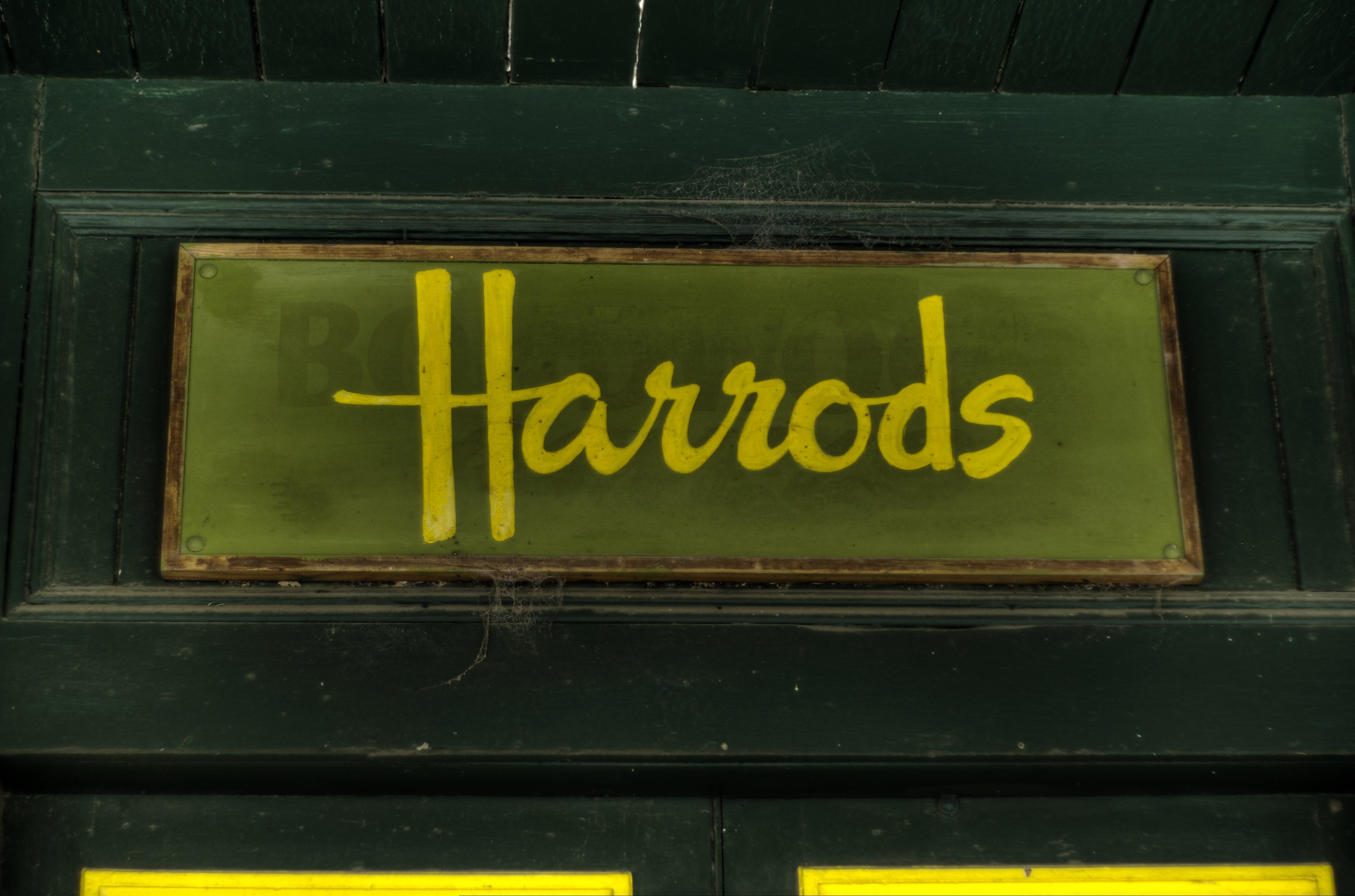
Harrods?

In a small country town that sits in the shadow of Mt Ruapehu there lies a shop, a shop bearing the same name as an infamous London department store.
I’m not sure if this place ever operated as a business, or if this is just some sort of joke but it’s closed these days either way.
image001 image002 image003

Thermal Resort


This abandoned thermal resort has sat vacant for years, cats both living and dead can be found throughout the premises and the place has a very peculiar air about it. The lawns are mowed, the garden tended to and the cats fed. Someone has been looking after this place, despite the fact that it does not seem to have functioned as a business for many years.
The area this is located in has a reputation for being a little bit dodgy, and I couldn’t help but feel on edge walking around with a DSLR when there was a ute (SUV for you Americans) parked in an abandoned service station across the road with two unsavory types eyeballing me.

Building compute

This 1930′s era totalisator building was a real joy to explore and document, thousands of people used to attend the race courses of New Zealand commuting by train for the big day. Now one of the last untouched buildings of its kind in New Zealand and  sitting idle as a pioneer of New Zealand’s computing history.

For the video of our explore :  Excitation

Artillery

This coastal artillery battery (one of many) was built to defend New Zealand’s capital Wellington against a Naval attack. Work began in 1908 on constructing a 2 gun battery using 6″MkVII guns. By 1912 these 6″ guns were manned by the Wellington Naval Artillery Volunteers. At its prime at the beginning of World War II, this fort had a total of no less than four different batteries of guns, and became the HQ for the heavy artillery regiment that manned the various coastal defence batteries in and around Wellington.

Future Fix

Exploring the grounds of a former historic hospital- unfortunately now earmarked for demolition due to the large amount of asbestos and at least a $50m repair bill.

Portal

This 253 meter long former railway tunnel- constructed in the 1870′s- came to the end of it’s working life in 1955 when a replacement tunnel was opened. Apart from a bit of water seeping in through the cracks, it still seems in pretty sound order after all these years.

portal1

portal2

portal3

portal4

portal5

Hospital on the Hill pt 4: Wards

Exploring some of the wards of the abandoned hospital in central New Zealand featured in our previous posts.

Click on each thumbnail to view the full picture.

The previous posts may be viewed here:
https://urbexcentral.com/2013/10/05/hospital-on-the-hill-pt-3-utilities/
https://urbexcentral.com/2013/09/25/hospital-on-the-hill-pt-2-hospital-laundry/
https://urbexcentral.com/2013/09/24/hospital-on-the-hill-pt-1-exterior/

More to come…

ill Institute

This purpose built institute- and accommodation halls- is now largely vacant and abandoned… Constructed in the early 1970s in typical Brutalist style- the imposing, totalitarian and fortress like qualities are not exactly an architecture form for aspiring students…

Hospital Complexities

Once upon a time this complex housed New Zealand’s largest hospital complex, catering primarily towards those of an unsteady state of mind. The site now houses a modern hospital, together with a modern psychiatric facility. Many of the older buildings of the complexes former life still litter the grounds, we stopped by to have a look at some of the remains.

Ford

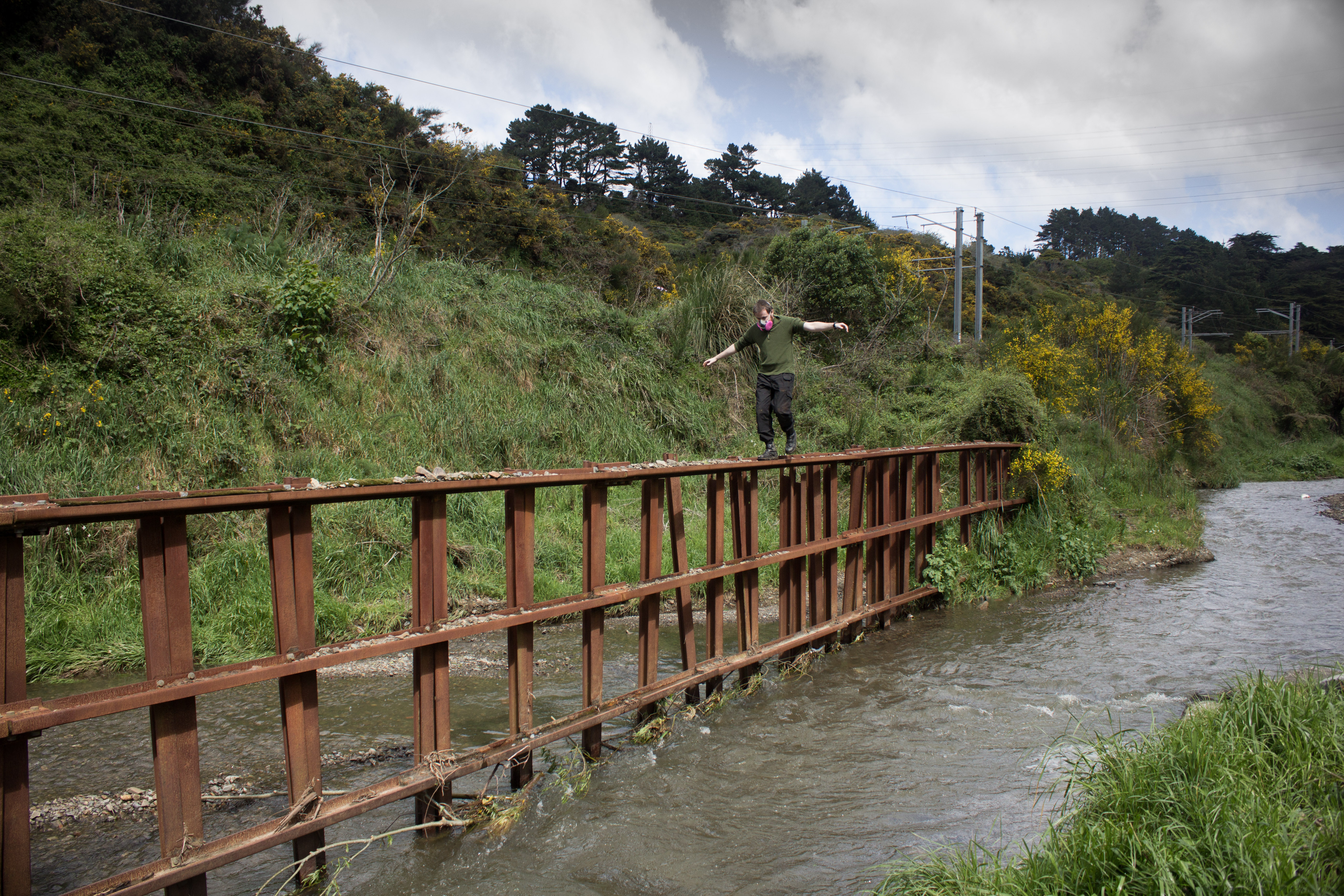
Fording a stream in a rather unconventional manner, because here at Urbex Central we feel you don’t always need to take Urban Exploration seriously 🙂

ford1 ford2 ford3