“This is the final call for flight UC101. Departing at 1300 hours from Gate 9 for Space Station X…” With a bit of imagination, this abandoned airport boarding bridge could be a gateway to another reality…
Author: urbexcentral
Urban exploration from New Zealand. Urbex, abandoned and derelict houses, factories, banks, prisons, stadiums, brothels, strip clubs, court houses and lots more.
Beelitz-Heilstätten
Beelitz-Heilstätten, just south of Berlin, was a large hospital complex that has its beginnings in 1898.

Originally designed as a sanatorium – with the outbreak of World War I in 1914, it was converted into a military hospital for the German Army.

The suitably freezing, misty day only emphasised the eeriness of the vast hospital complex, which consists of at least 60 buildings.

As we wandered around trying to find a way inside, it was strange to think that a gammy-legged Hitler may have once walked these very same steps almost a century ago.

During the months of October and November of 1916, a young Adolf Hitler recuperated here (unfortunately) after being wounded in the leg at the Battle of the Somme.

Eventually we gained access through a broken basement window, spending the next several hours exploring the derelict hospital…

At the close of World War II in 1945, Beelitz-Heilstätten was occupied by Soviet forces – remaining a Soviet military hospital up until 1995, well after German reunification. Since the late 1990’s however, the complex has been left mostly abandoned and become a favourite playground for urbex in Germany.

Our exploration was finally interrupted when a team of men in hi-visibility jackets arrived on the scene.

As night was descending, we felt it was about time to leave anyway – only wishing we’d taken some better photos before our hasty exit…

Rolling
Abandoned rolling-stock, or so we thought. They’d been sitting there idle for years, but within a couple of weeks of our visit- they had disappeared without a trace…


Drainspotting
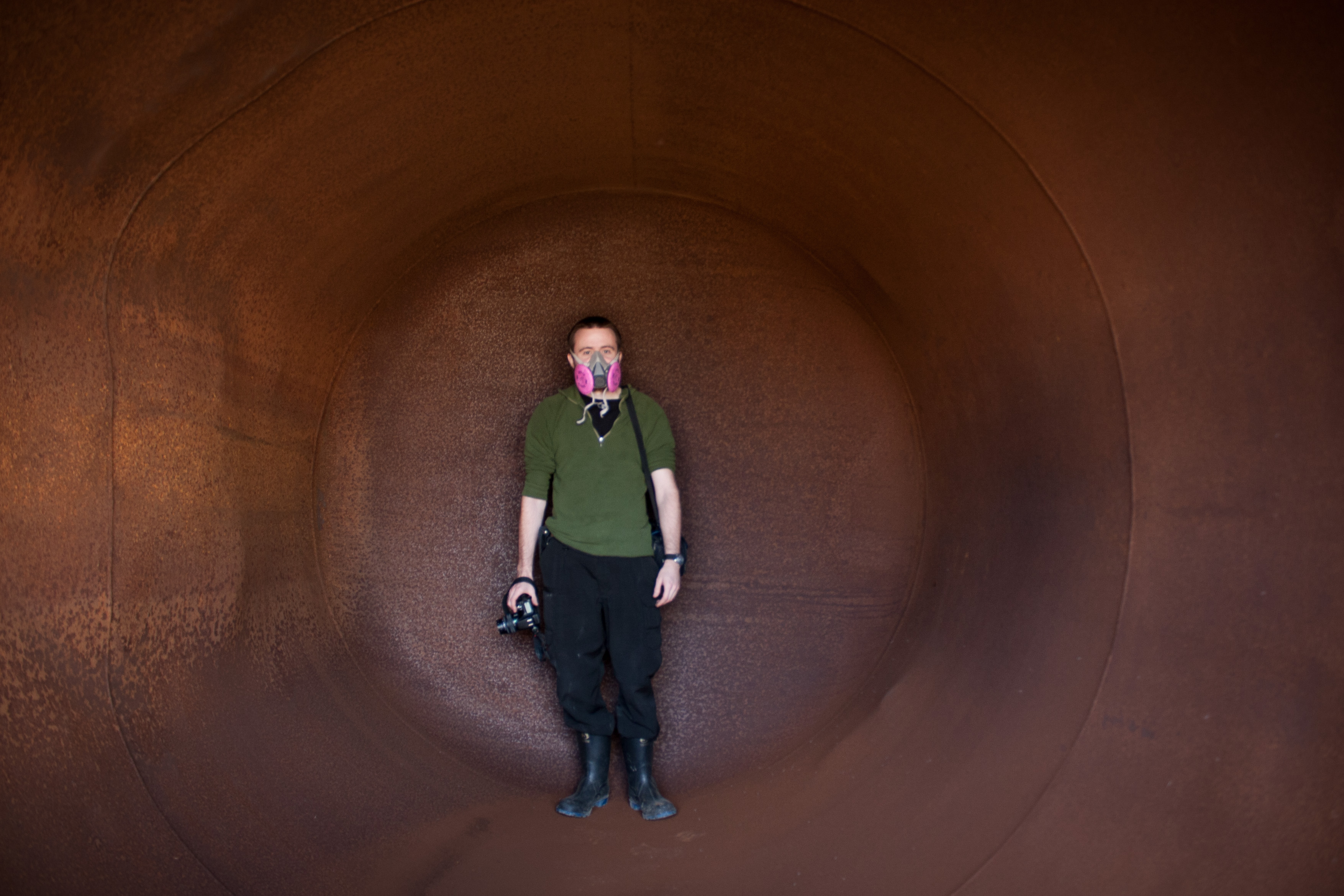
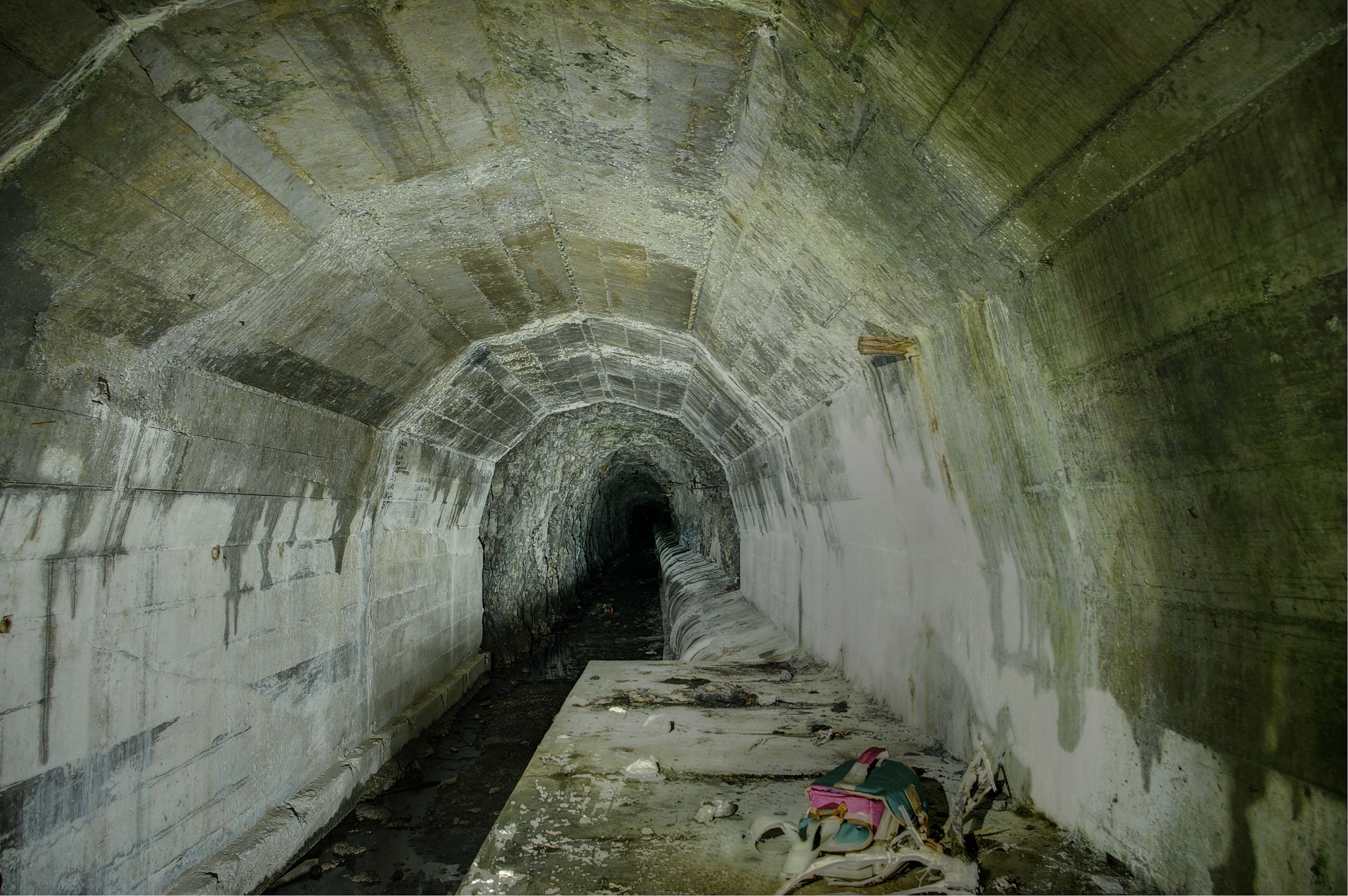
“Never play on the train tracks”- but no one said anything about playing under the tracks…
Subterranean
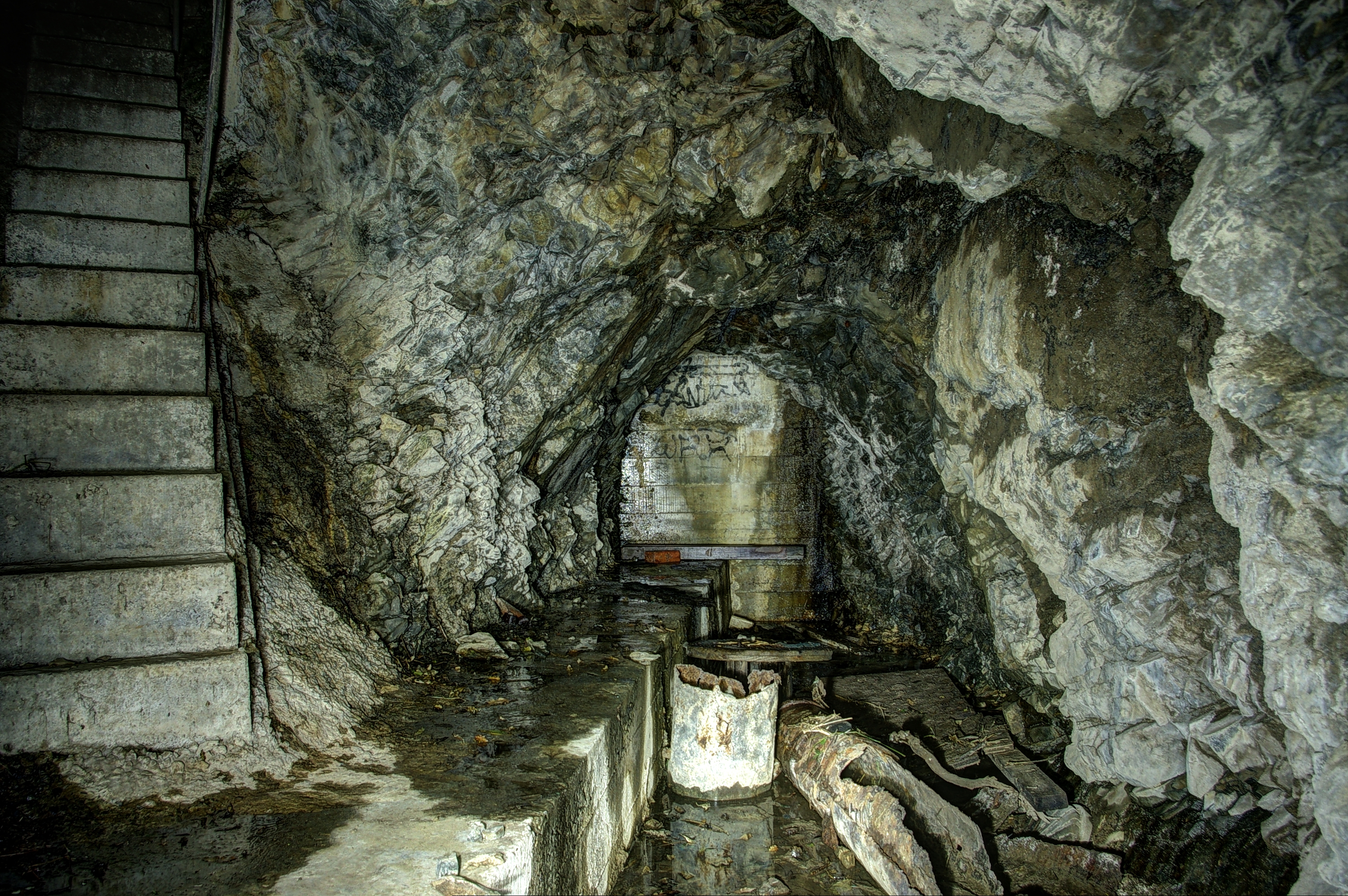
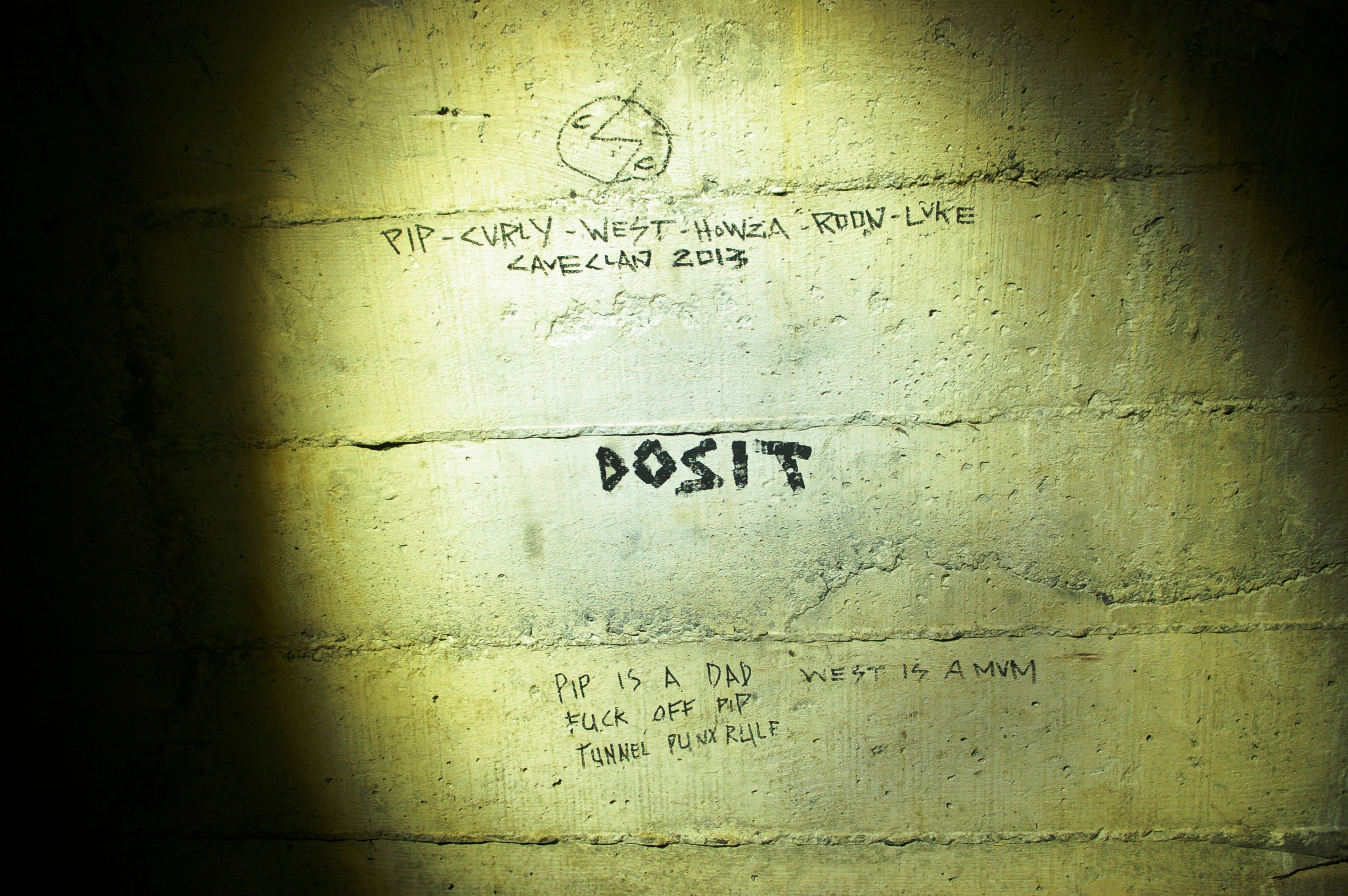
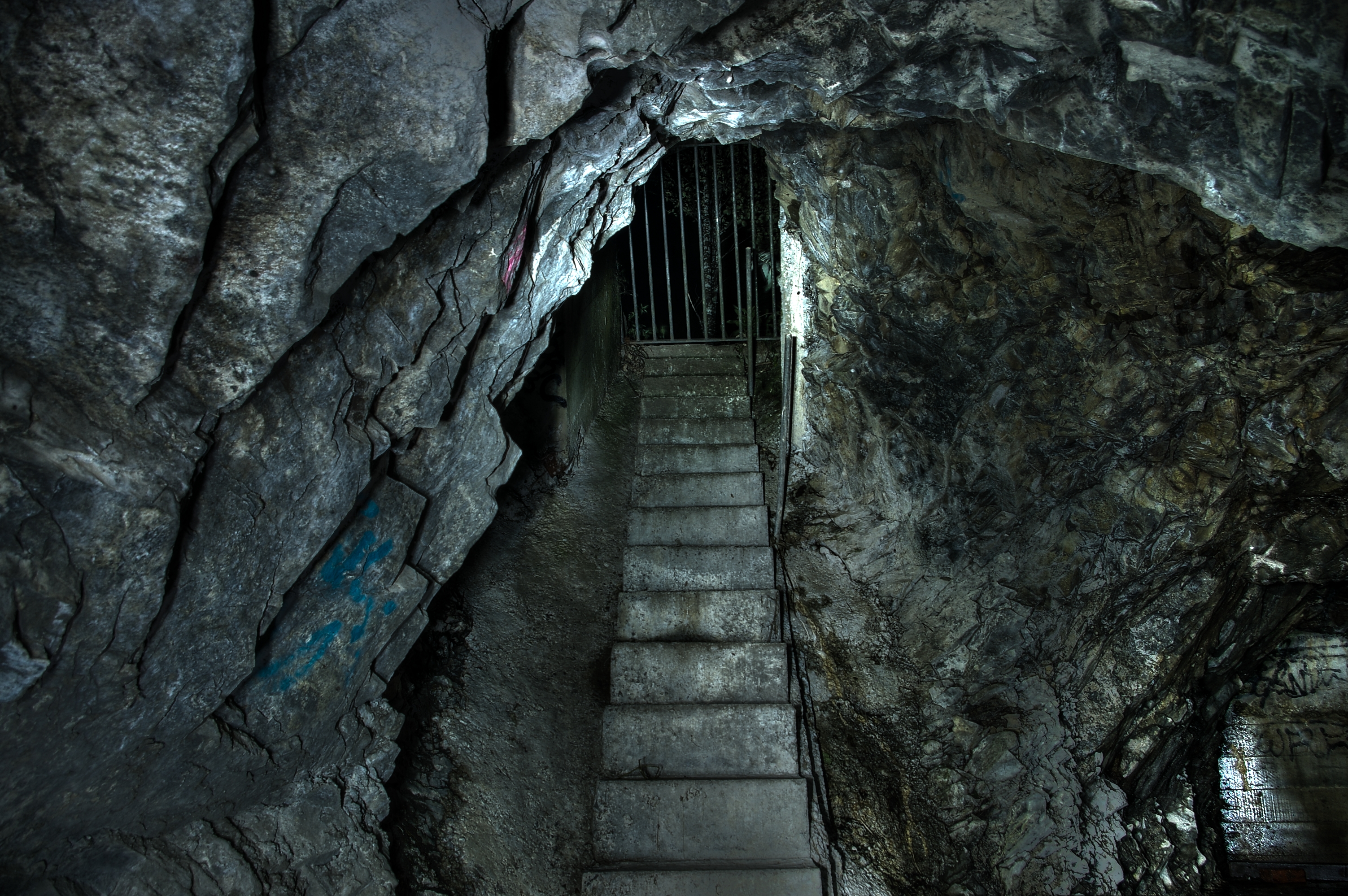
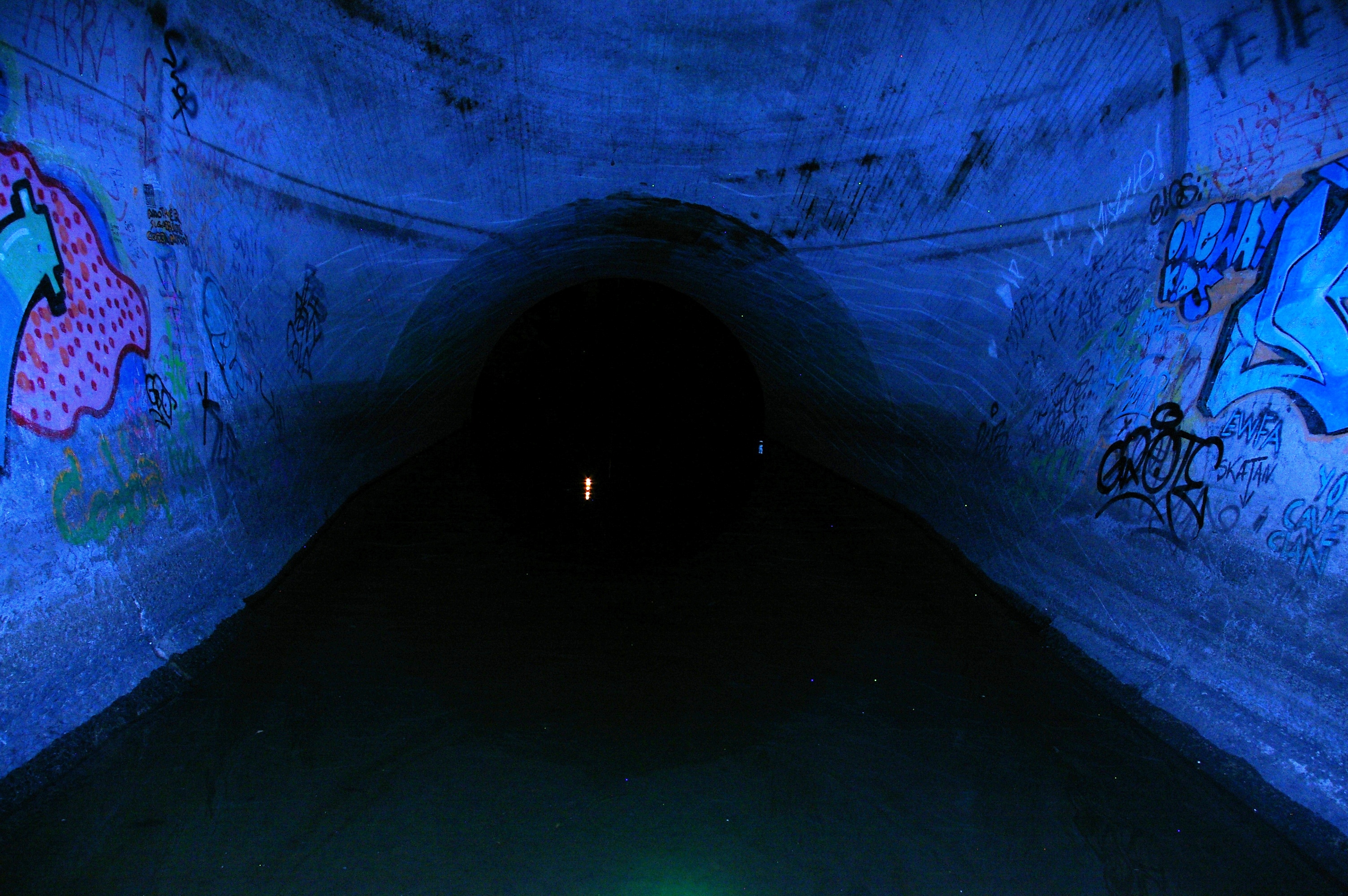
We returned to an old haunt, some tunnels hewn through the Wellington hills, to find that some visitors from the Cave Clan had been through since our last visit. These tunnels run right through the hills carrying sewage in an enclosed pipe, the tunnels themselves have been hewn from the rock and the bare rocks are visible throughout. It was rumored that a large amount of money was hidden in these tunnels after a notorious Wellington bank robbery, council workers were sent in to investigate and the money was never found.



Now Boarding
At Gate Infinity, Nowhere Air Flight XXX to Bermuda Triangle is now boarding.


In Vivo
In vivo (Latin for “within the living”) is experimentation using a whole, living organism as opposed to a partial or dead organism. Animal testing and clinical trials are two forms of in vivo research. On average around 300,000 animals per year are used in experimentation, testing and teaching in New Zealand – from cats and dogs to rabbits, deer, mice, rats, fish, birds, pigs, cows and guinea pigs. This particular former testing facility has been irresponsibly left to the ravages of time and vandalism, a haunting reminder of what we commit in the name of science.
The Convent
This former Catholic girls boarding school and convent was closed in the mid 1980′s. The buildings have been used for a variety of purposes over the years (including featuring in a couple of Peter Jackson films), but it has now been deemed unsafe and closed indefinately. Although carrying the Historic Places Trust’s highest heritage protection status, the closure due to being “Earthquake prone” has left it in a strange kind of limbo. The future looks very bleak indeed for this Historic landmark.
Parkview
A retired Abortion Clinic known as Parkview, part of Ewart Hospital and the Wellington Hospital.
Opened in 1980 and short lived until it was forgone in 2000.
While it has been the subject of a lot of scrutiny and protest, it has been untouched and, ironically, resides next to a children’s kindergarten.


Bad Science
Some more Chemistry experiments from a former tertiary institution… This is both a sequel and companion to Gunner’s Big Science.






Pioneer Cottage
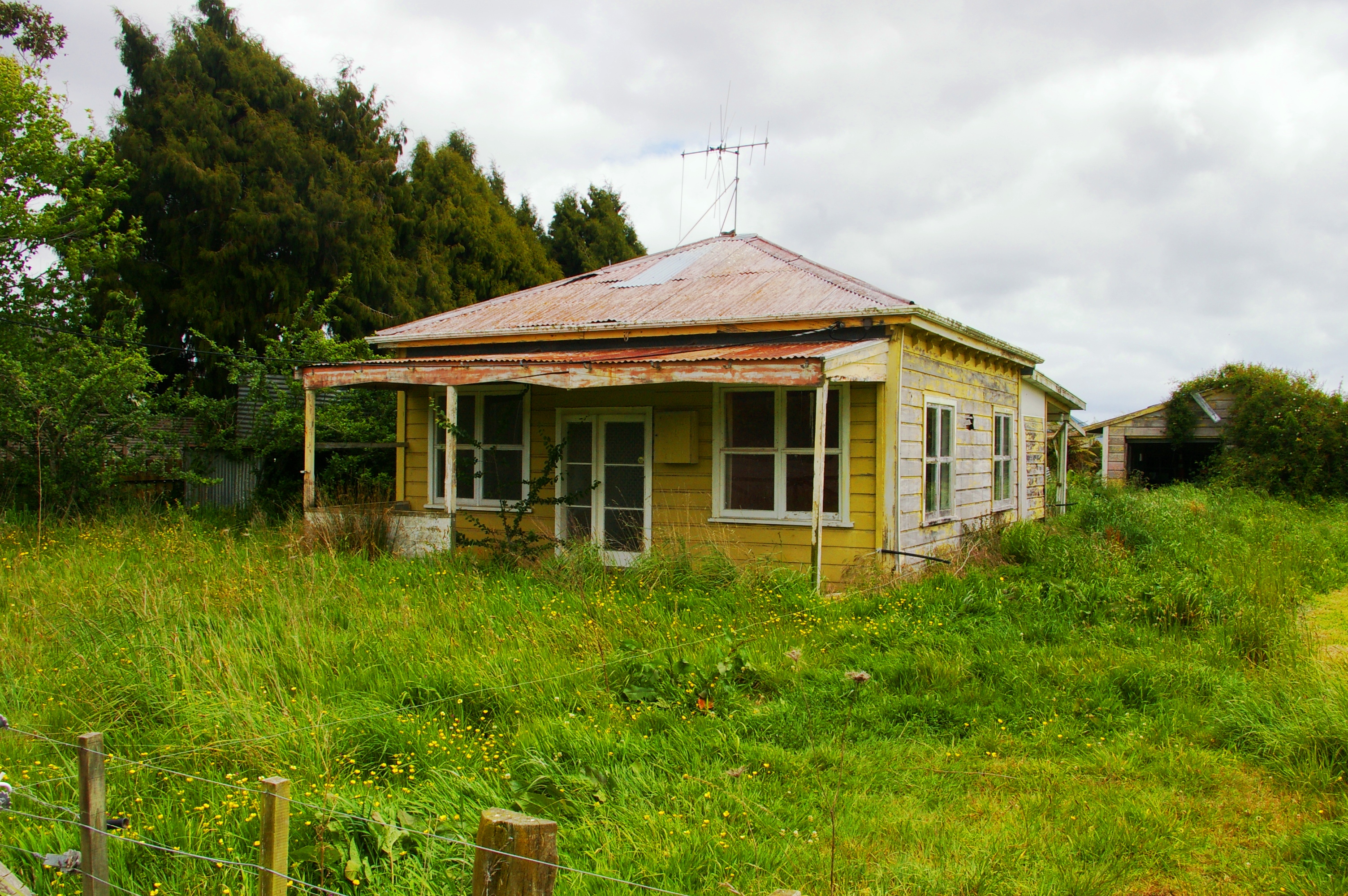
This abandoned house is trapped in time, there are numerous reminders of the history of this building scattered throughout. It is as if the occupants simply walked out 50 years ago, with dishes still drying in the kitchen…


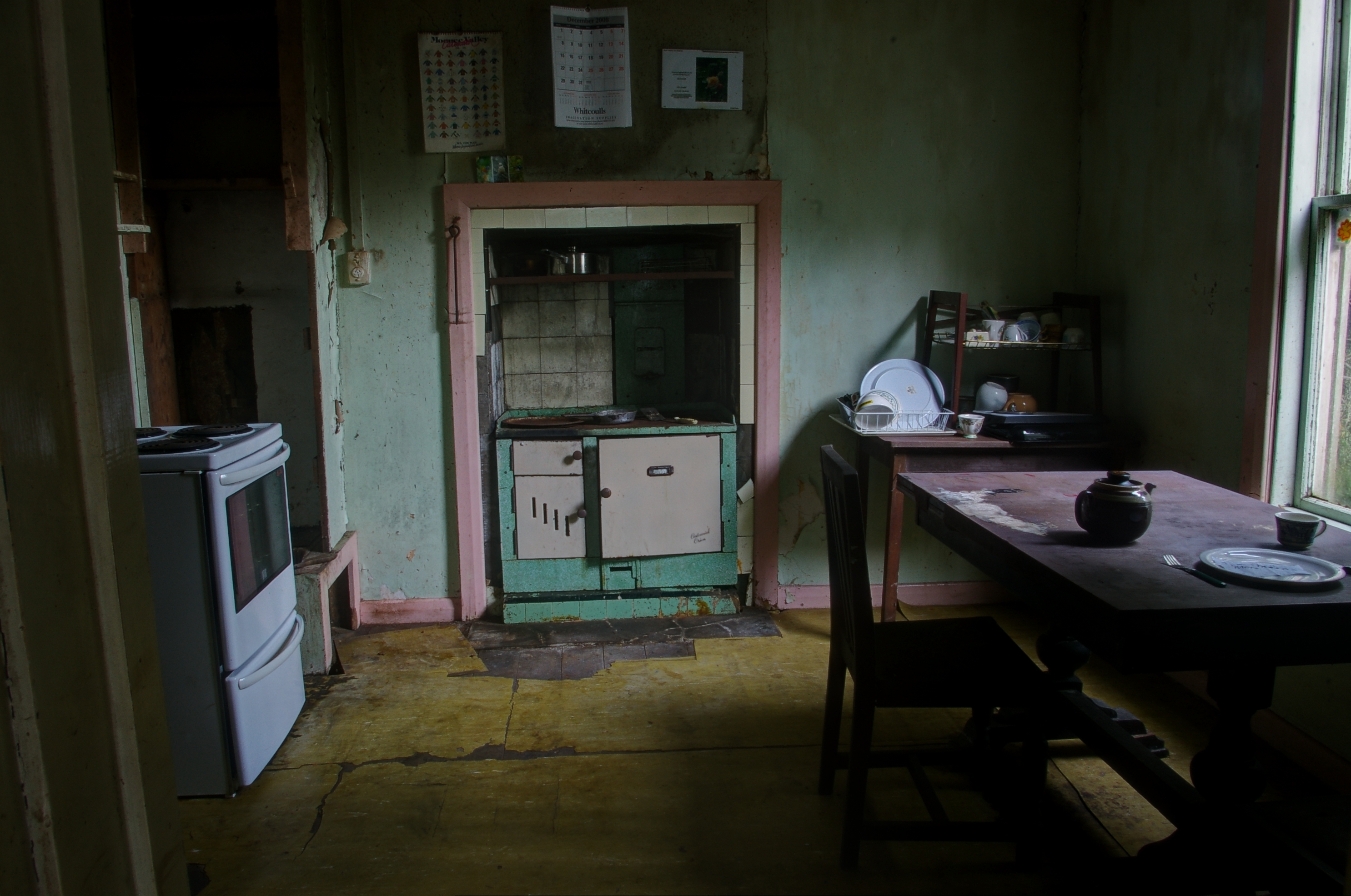
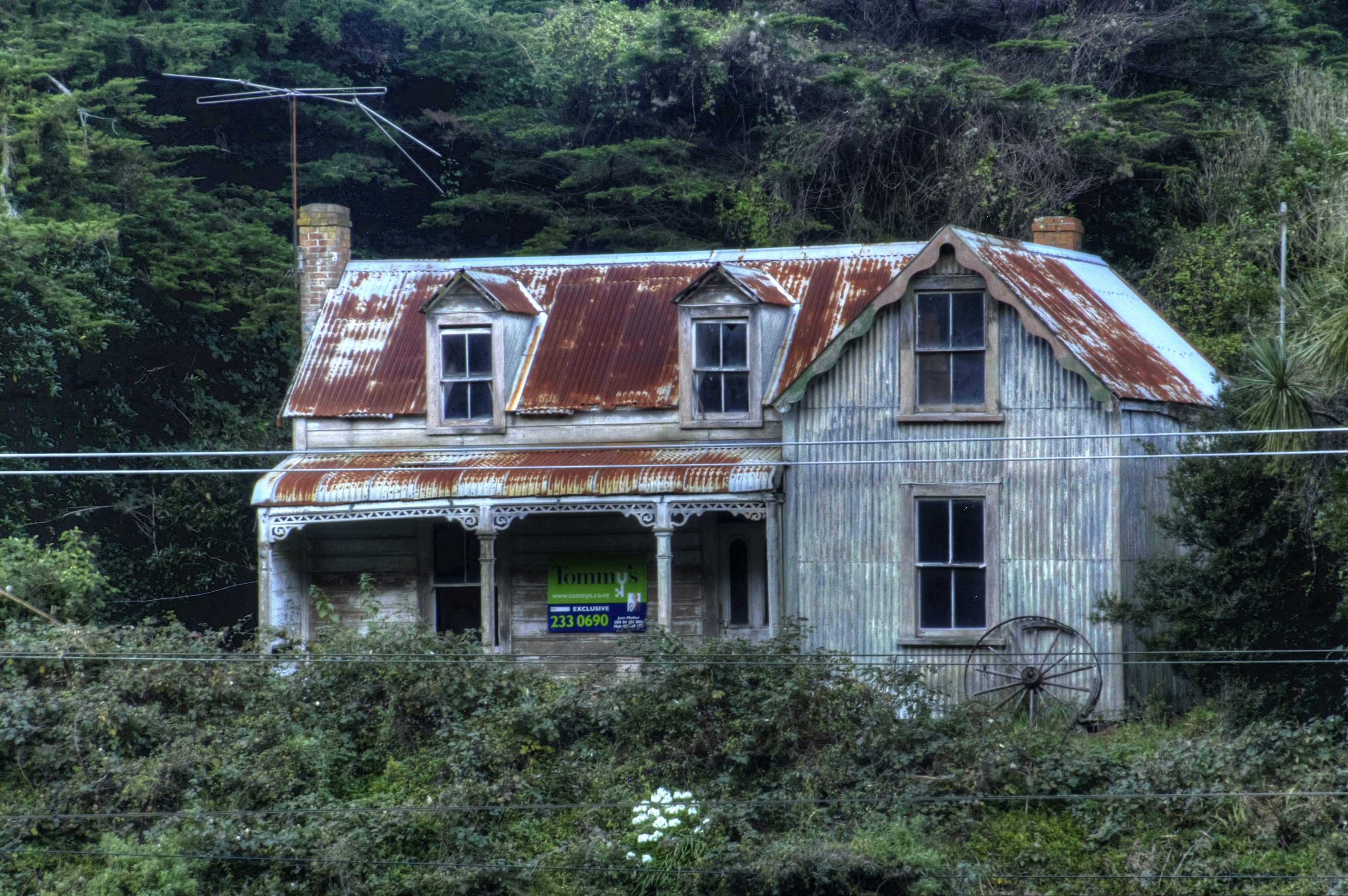
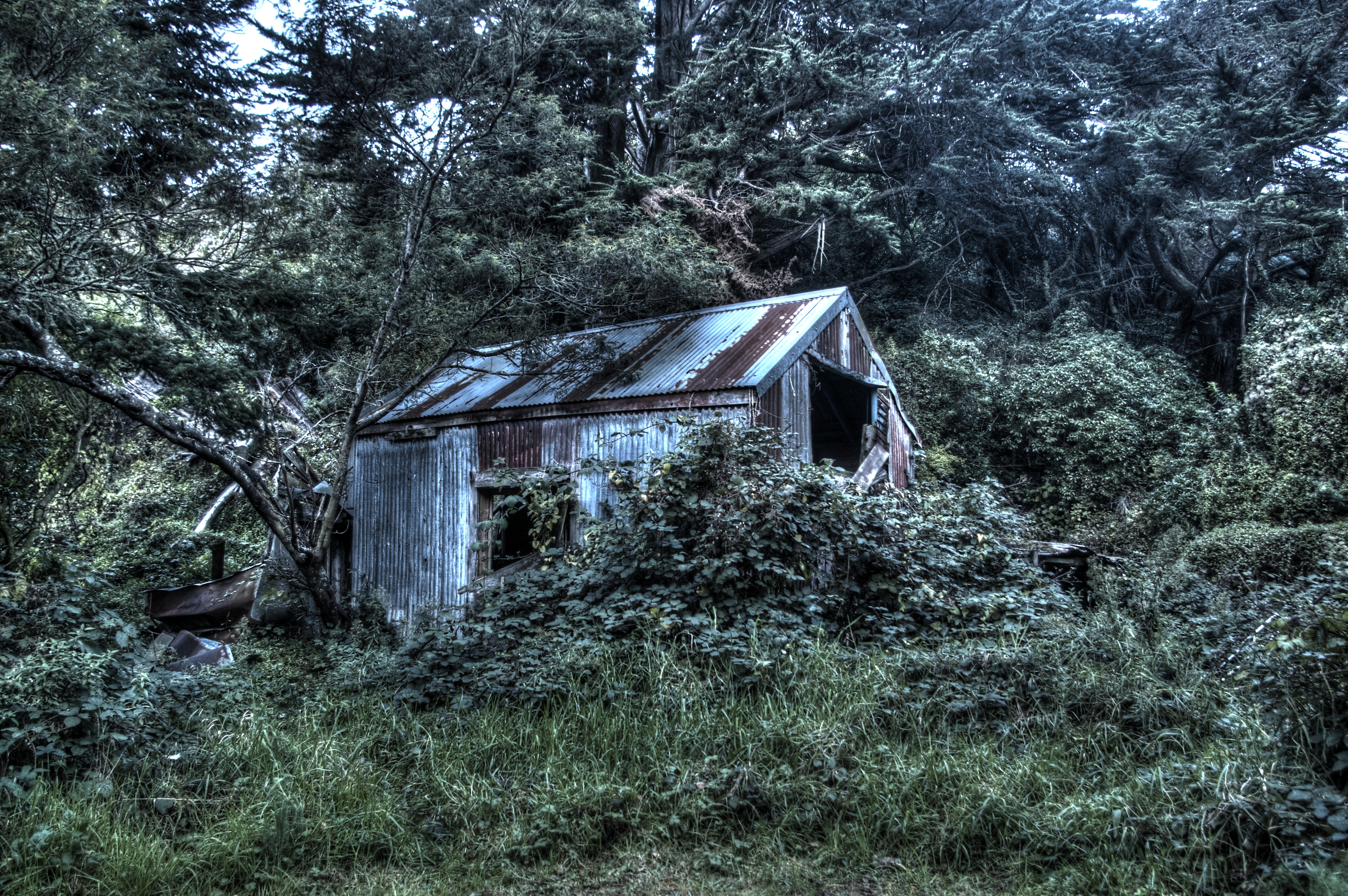

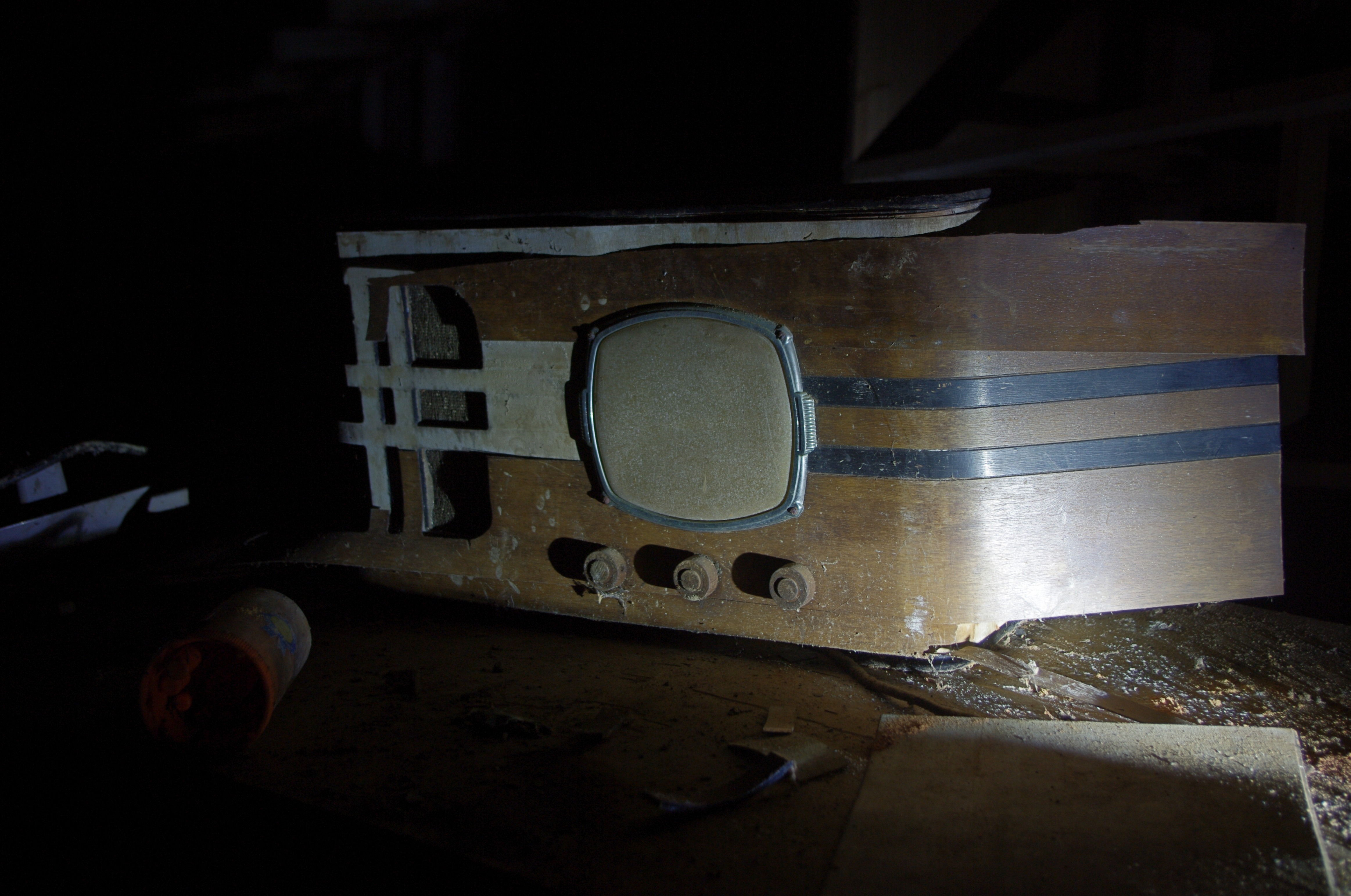


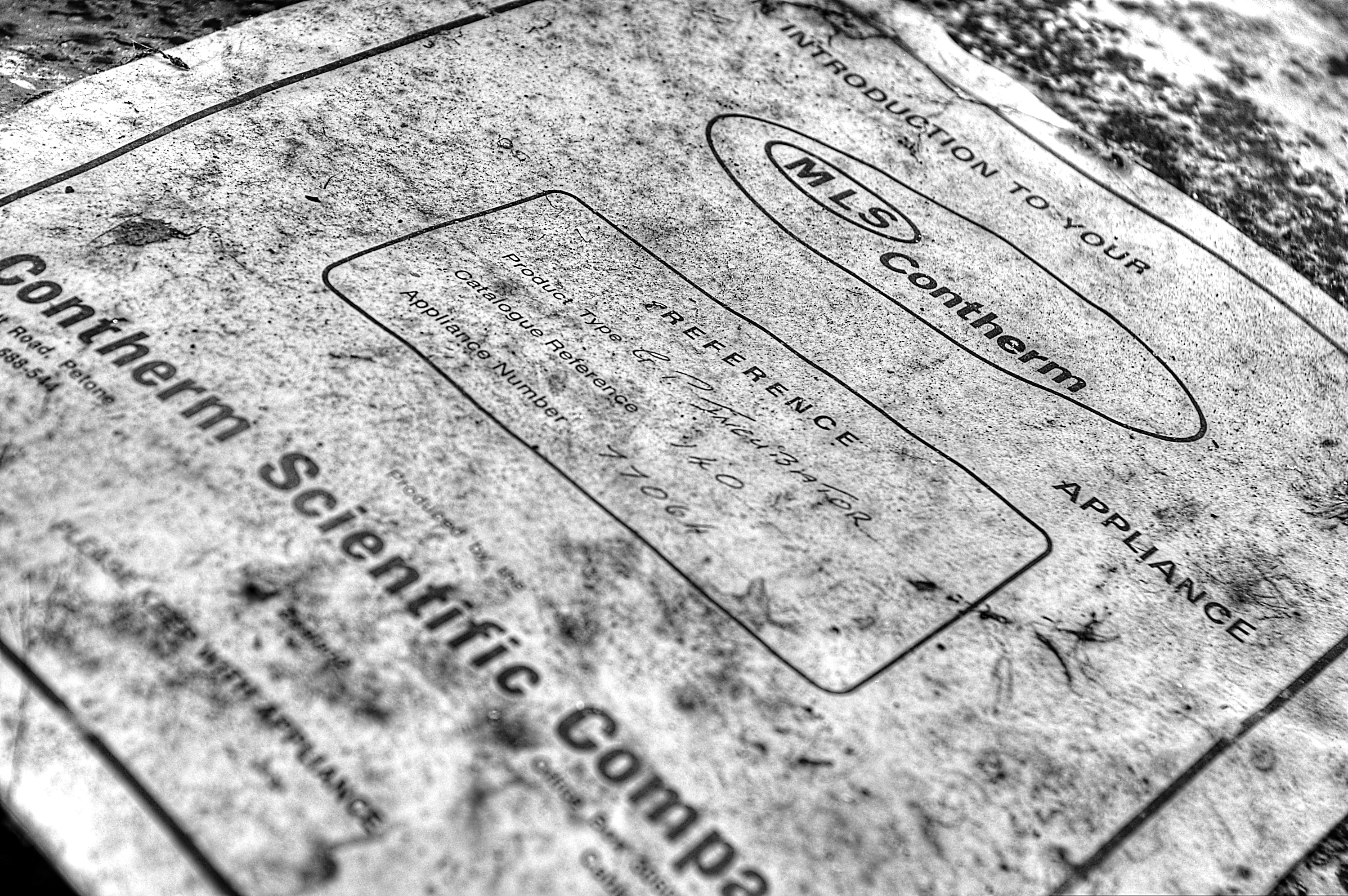
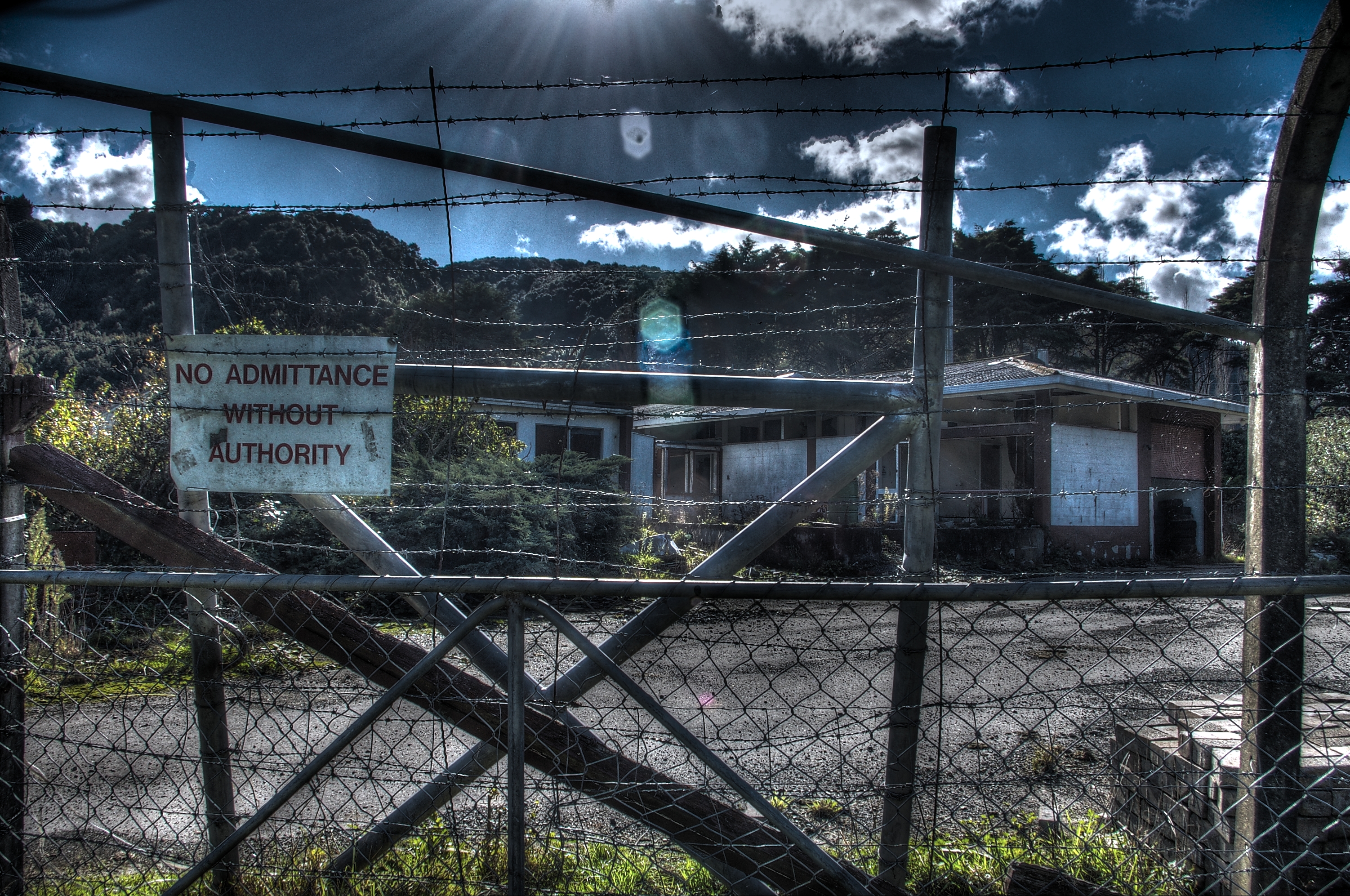
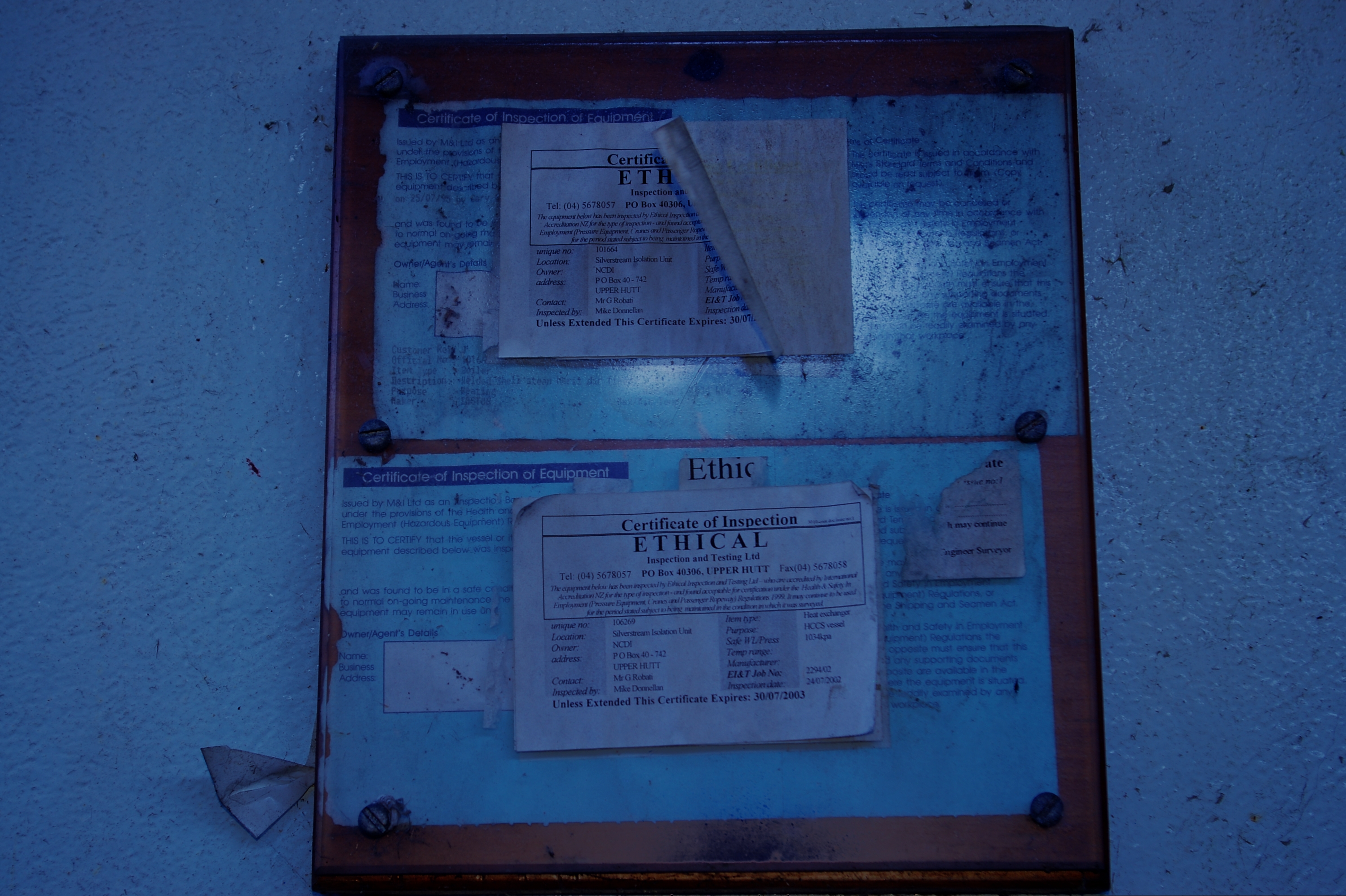
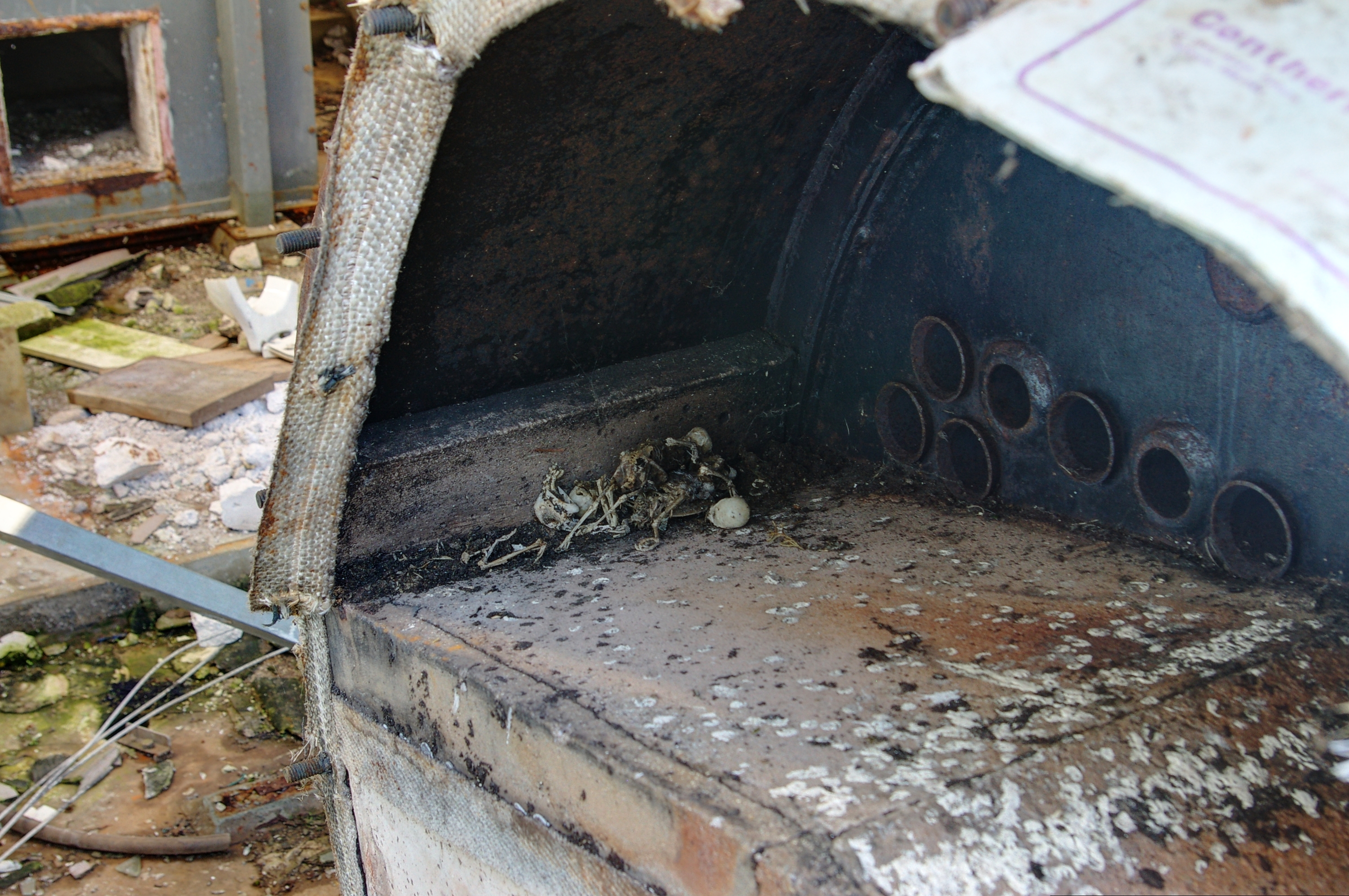
Animal Testing Centre & Incinerator
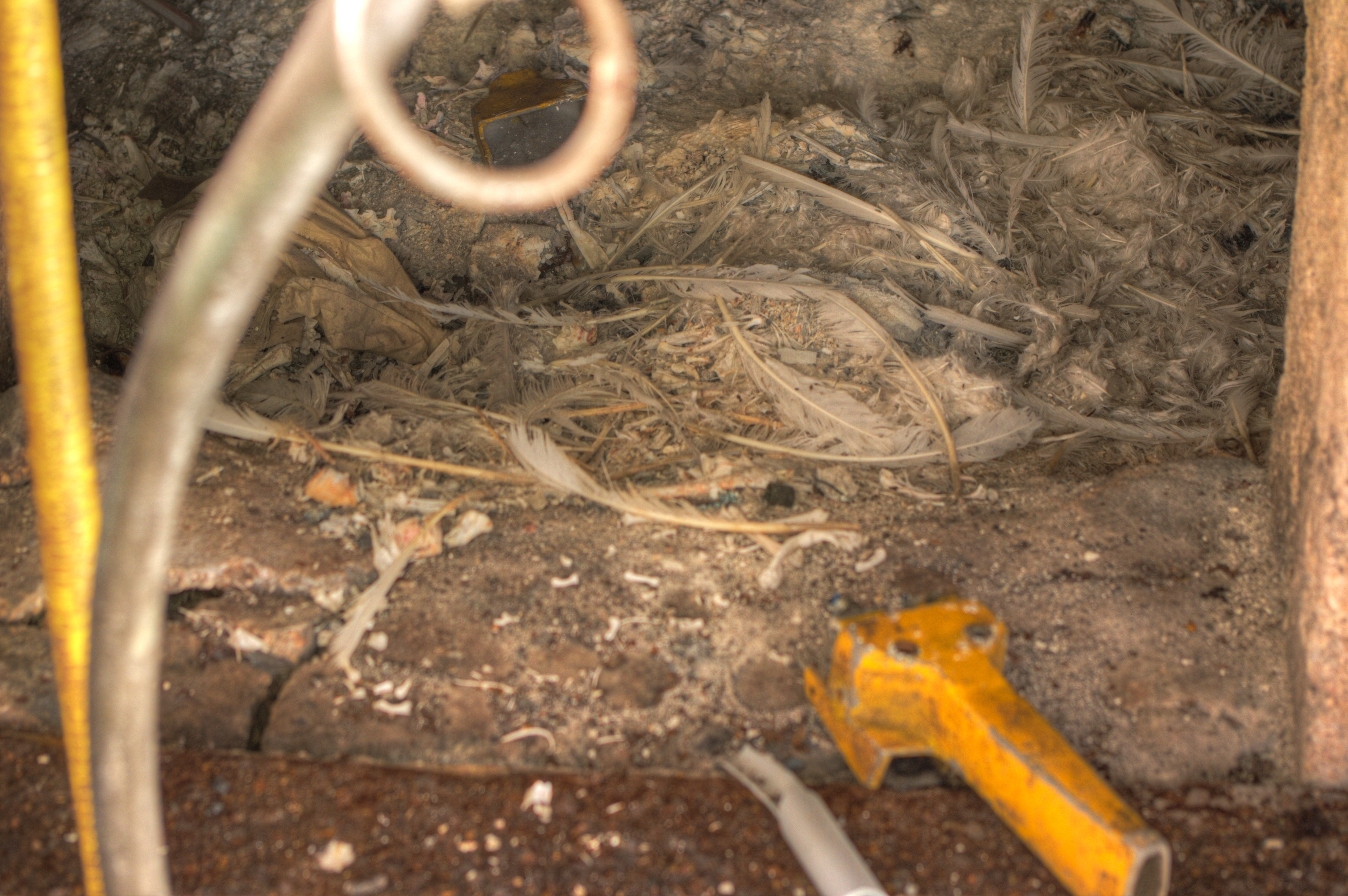
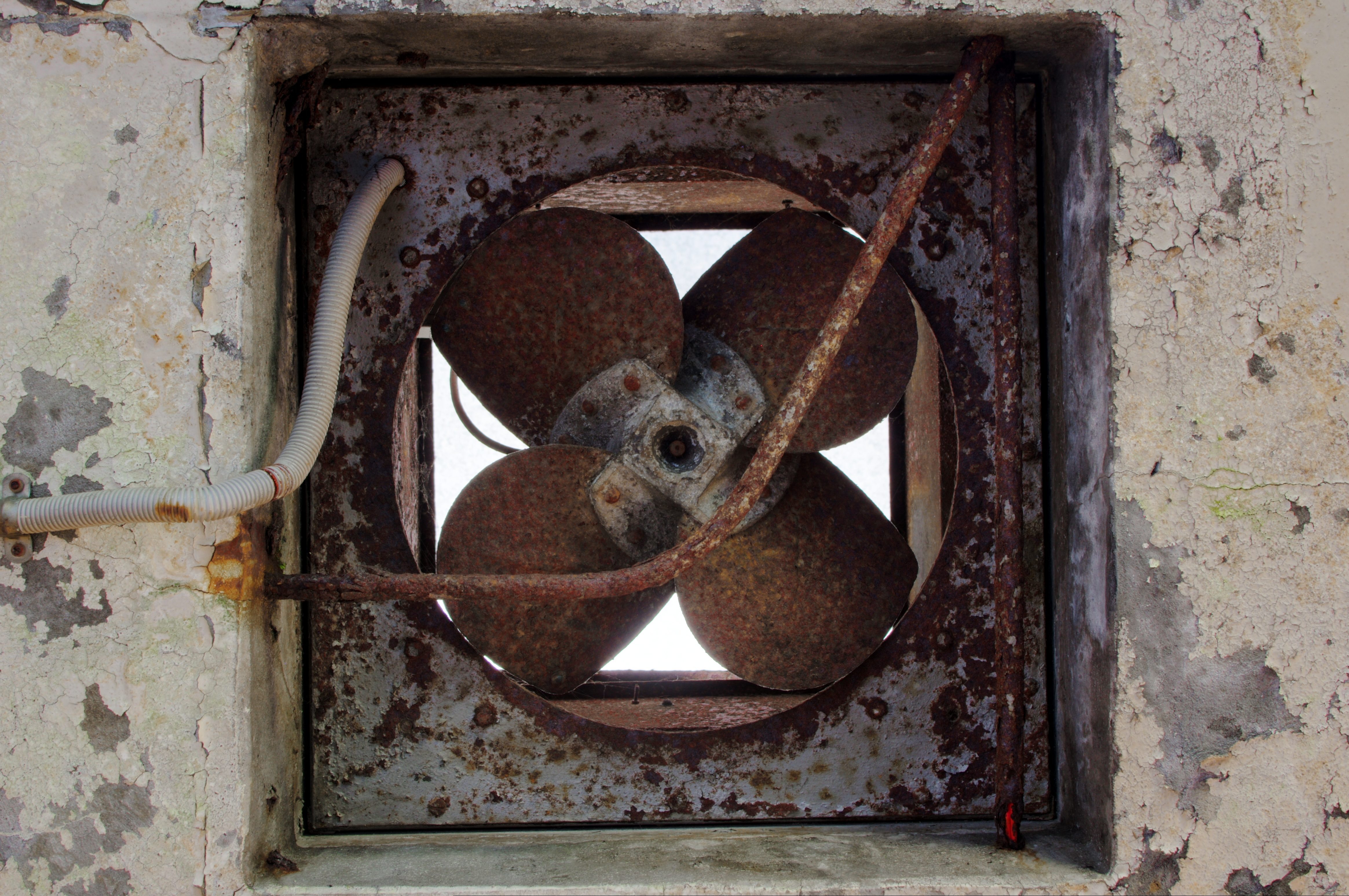
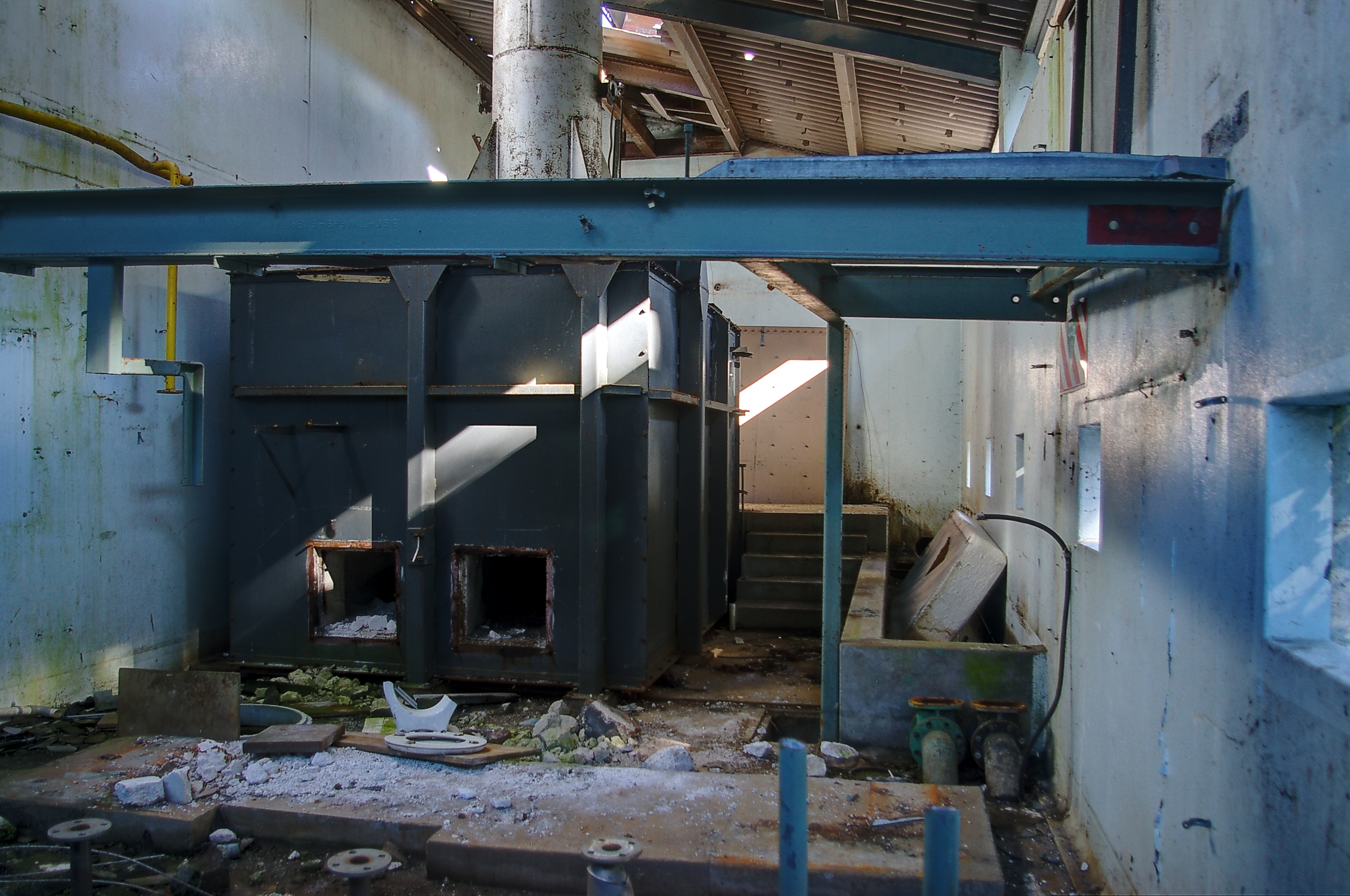
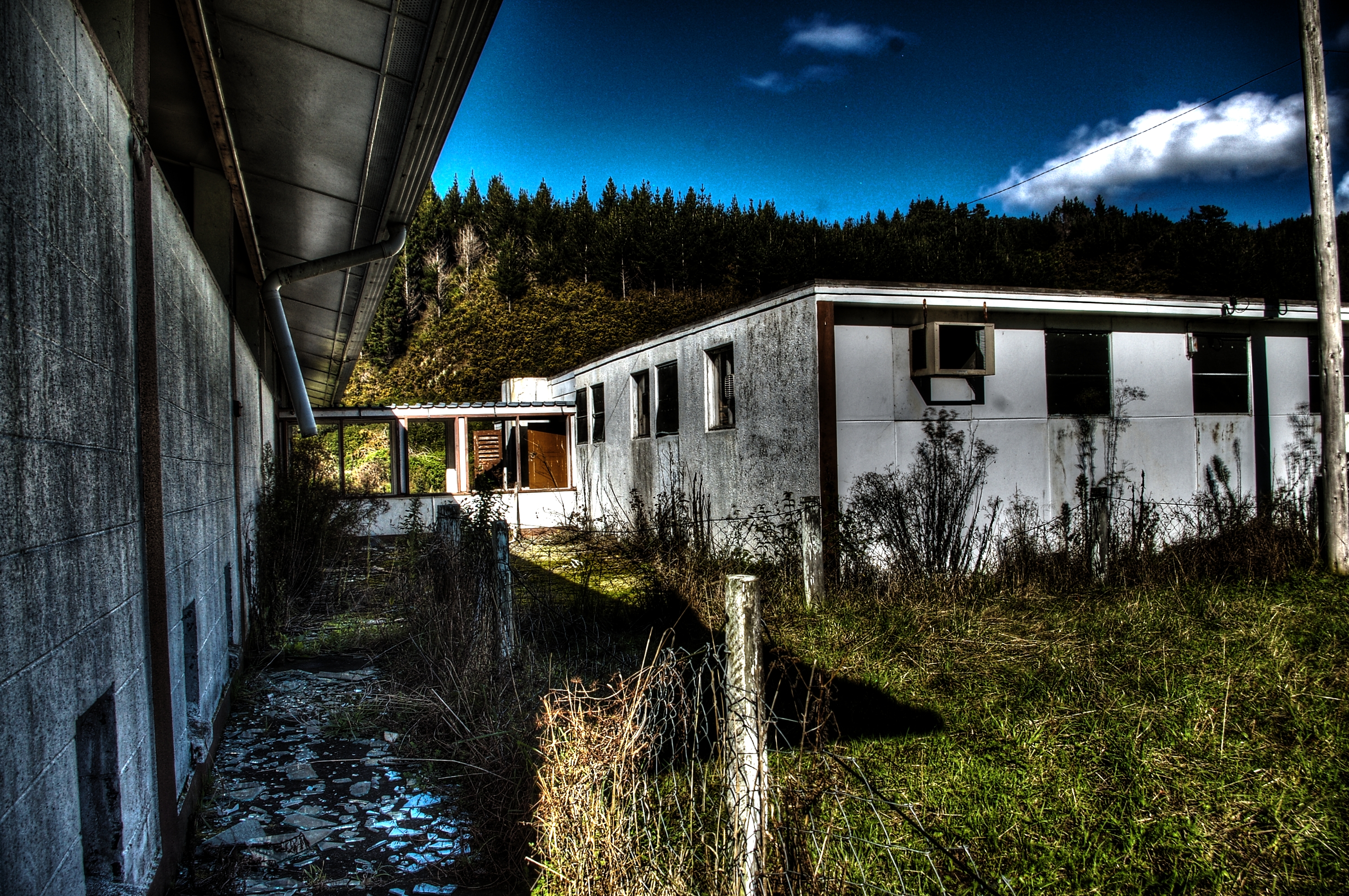
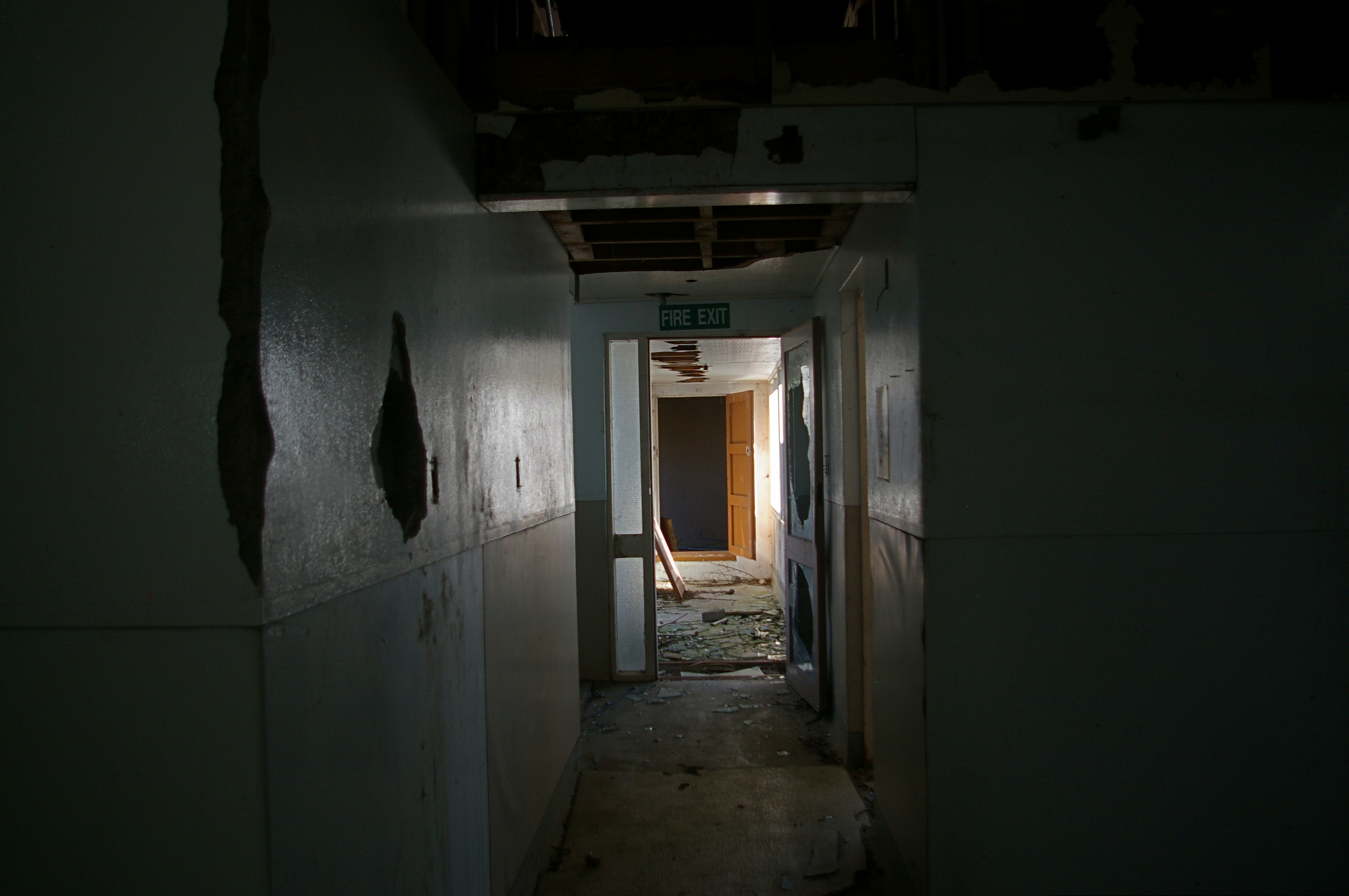
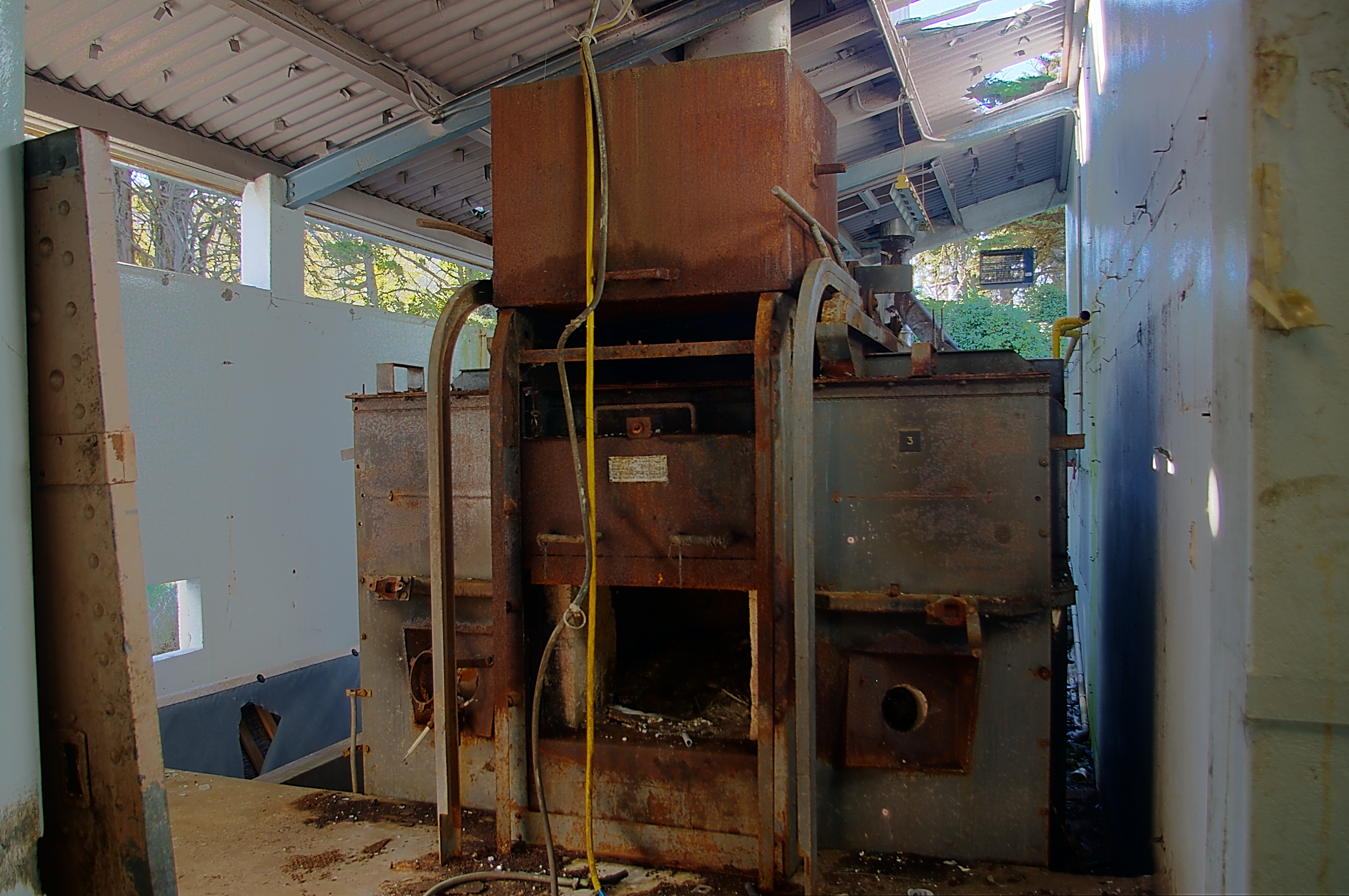
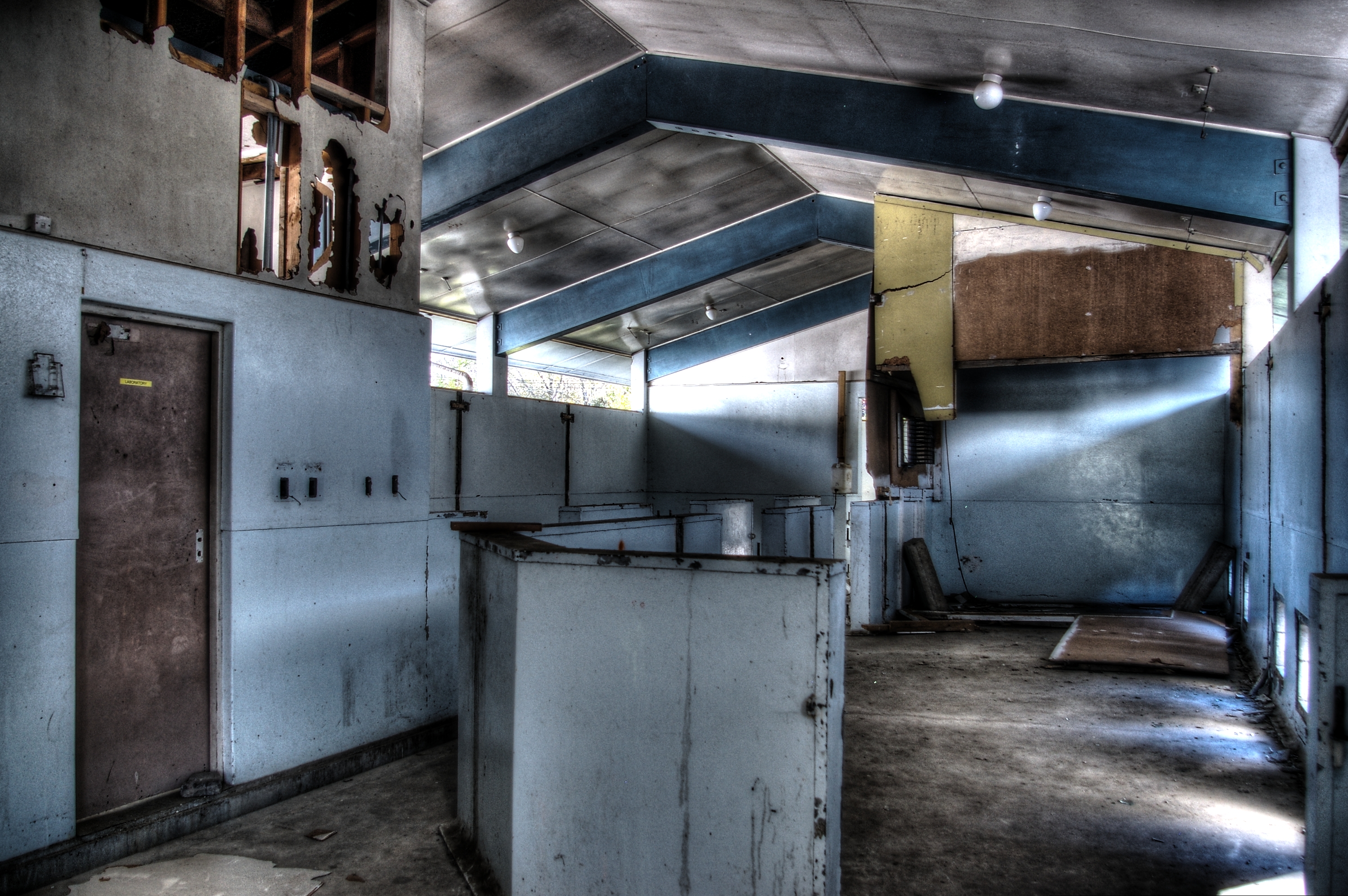
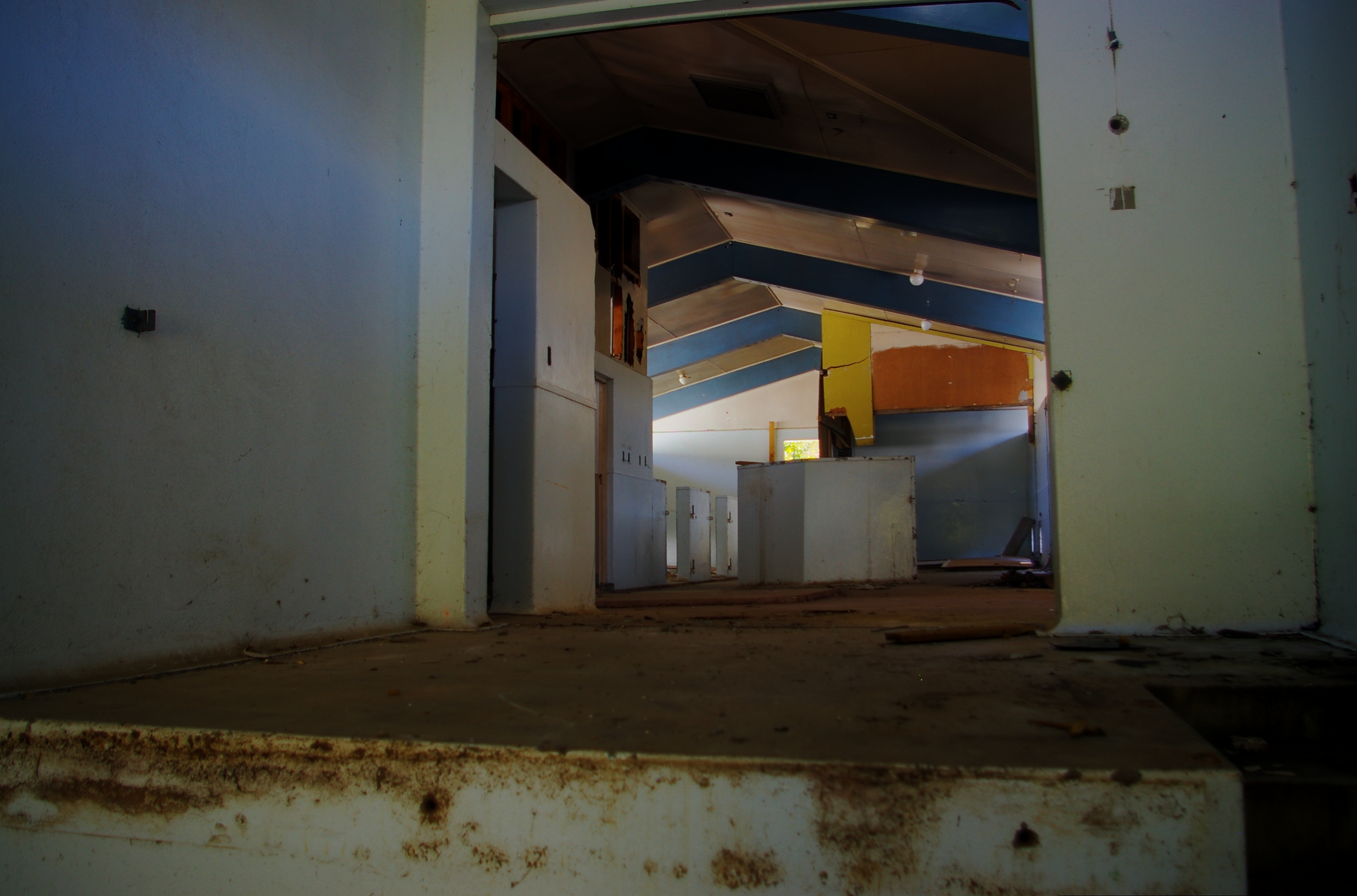
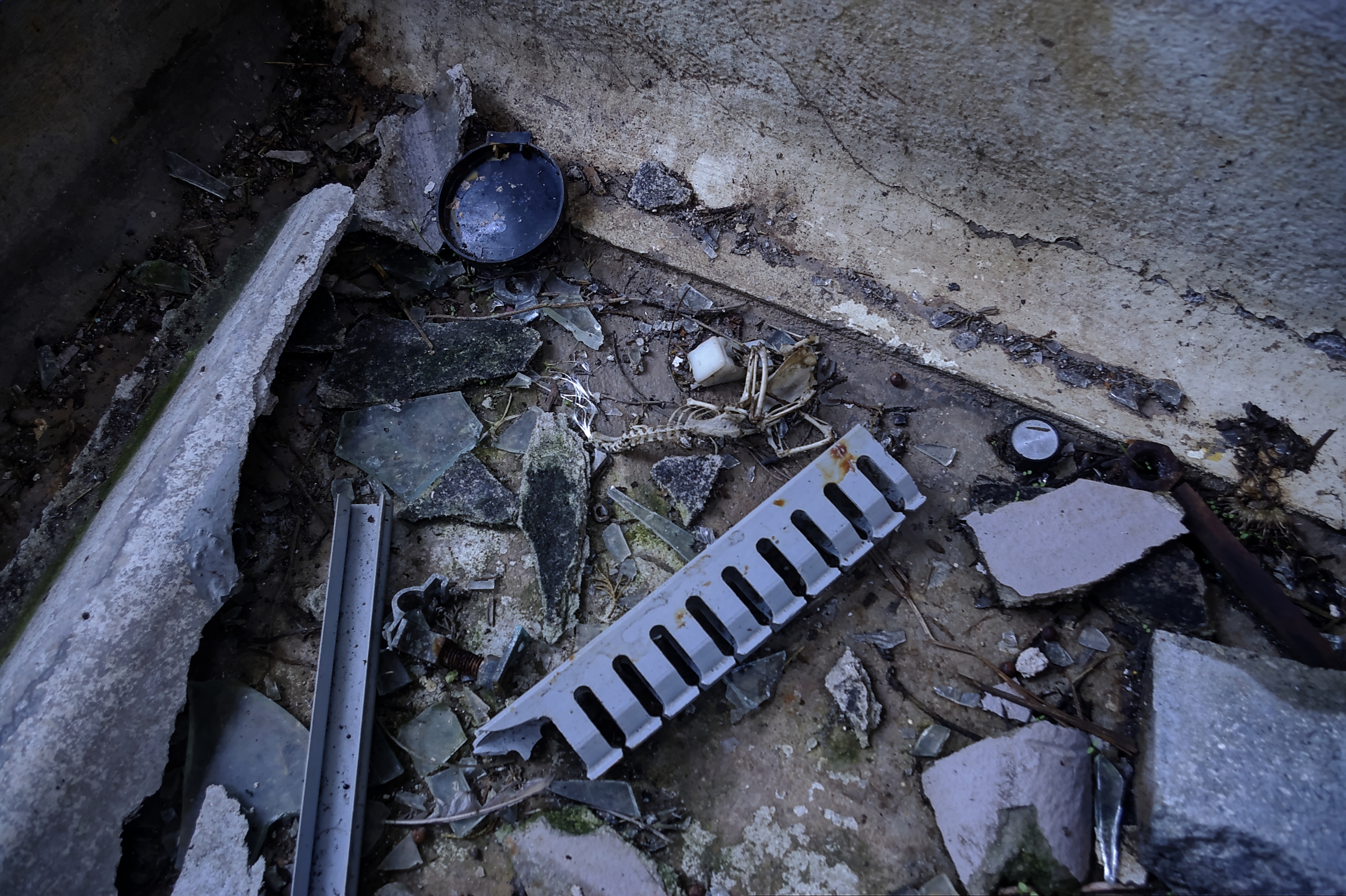
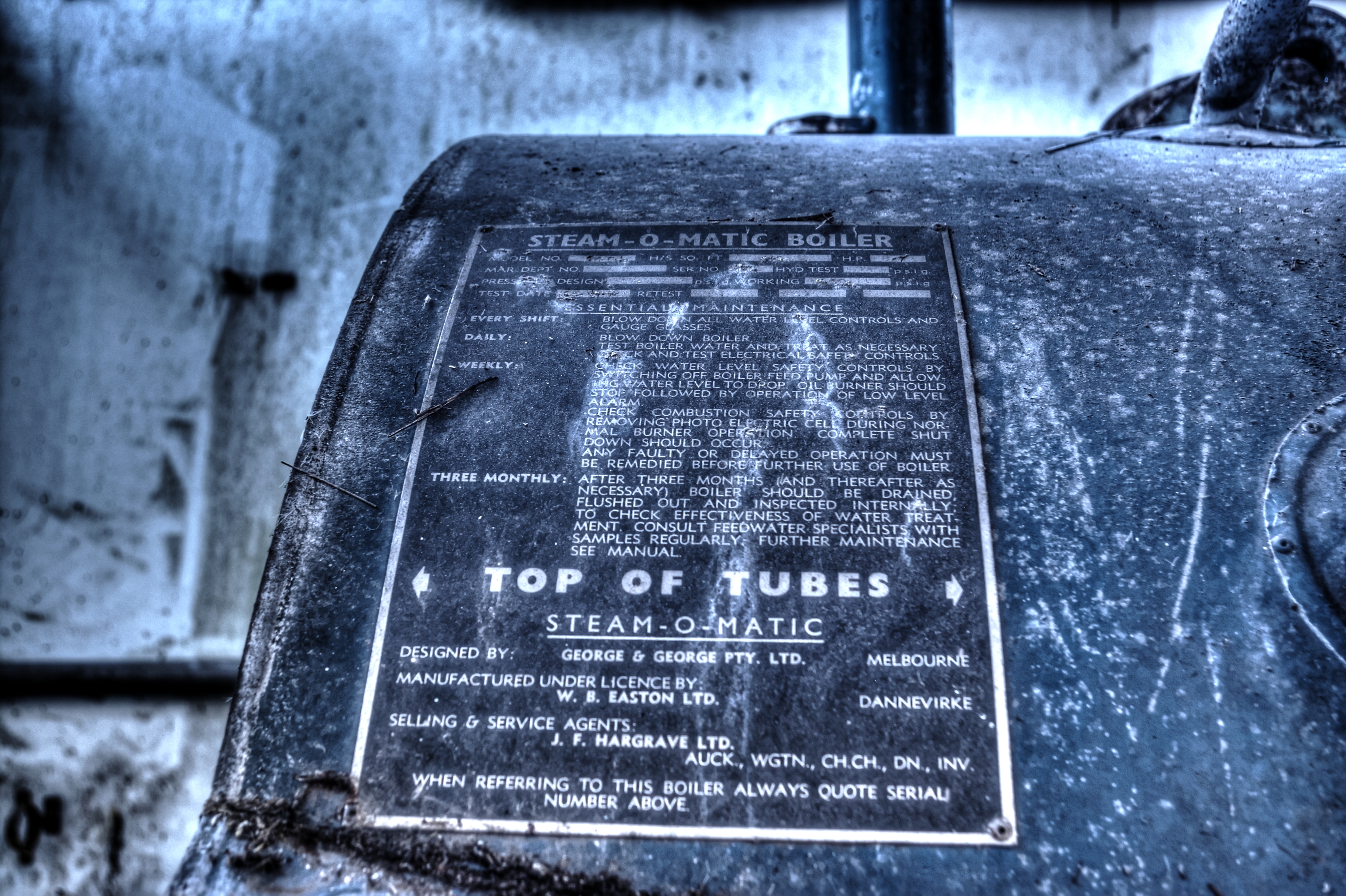
This abandoned animal testing facility has been abandoned for about 20 years apparently, despite that there are no signs of graffiti. Syringes and other detritus still litter the site and the bones & feathers of the test subjects still sit in the now rusted incinerators.









“Twelve five- to seven-day-old calves from a commercial dairy herd
were used in the trial. The herd had no contact with goats. The
calves had been fed pooled bovine colostrum that tested negative
for MmmLC. They were then transported to the Isolation Unit where they were housed indoors in two pens.
Six of the calves were dosed orally with MmmLC (5.4×10¹¹ colony
forming units or cfu) and the following day four control calves
were placed with them in the same pen.
Six days later the two remaining calves were inoculated
intravenously (IV) with MmmLC (7×10¹⁰ cfu) and placed with the
other calves. The calves were monitored for clinical signs and their
temperatures were measured daily for the first 14 days.
Nasal swabs and blood samples were collected from the day of oral
inoculation (day 0) until the day each calf was euthanased (the last
ones on day 43). Nasal swabs were collected on days 0, 2, 4, 6, 8 and
at necropsy; blood samples weekly and at necropsy. Necropsies
were carried out at regular intervals during the trial (see table) and
samples taken from tonsil, retropharyngeal and mesenteric lymph
nodes, trachea, lung, spleen, pericardial fluid and joint fluid (stifle,
carpal and hip). Both fresh and fixed samples were collected.
The nasal swabs and tissues were cultured for MmmLC. The same
samples plus bloods were tested in the CAP-21 polymerase chain
reaction (PCR)(3) for Mycoplasma mycoides cluster. The nasal swabs
were also tested in a generic PCR for mycoplasma(4) on days 0 and 2.
Serum samples were tested in the M mycoides complement fixation
test (CFT) using whole cell antigen(6). Histopathology was carried
out on the formalin fixed tissues
PTA
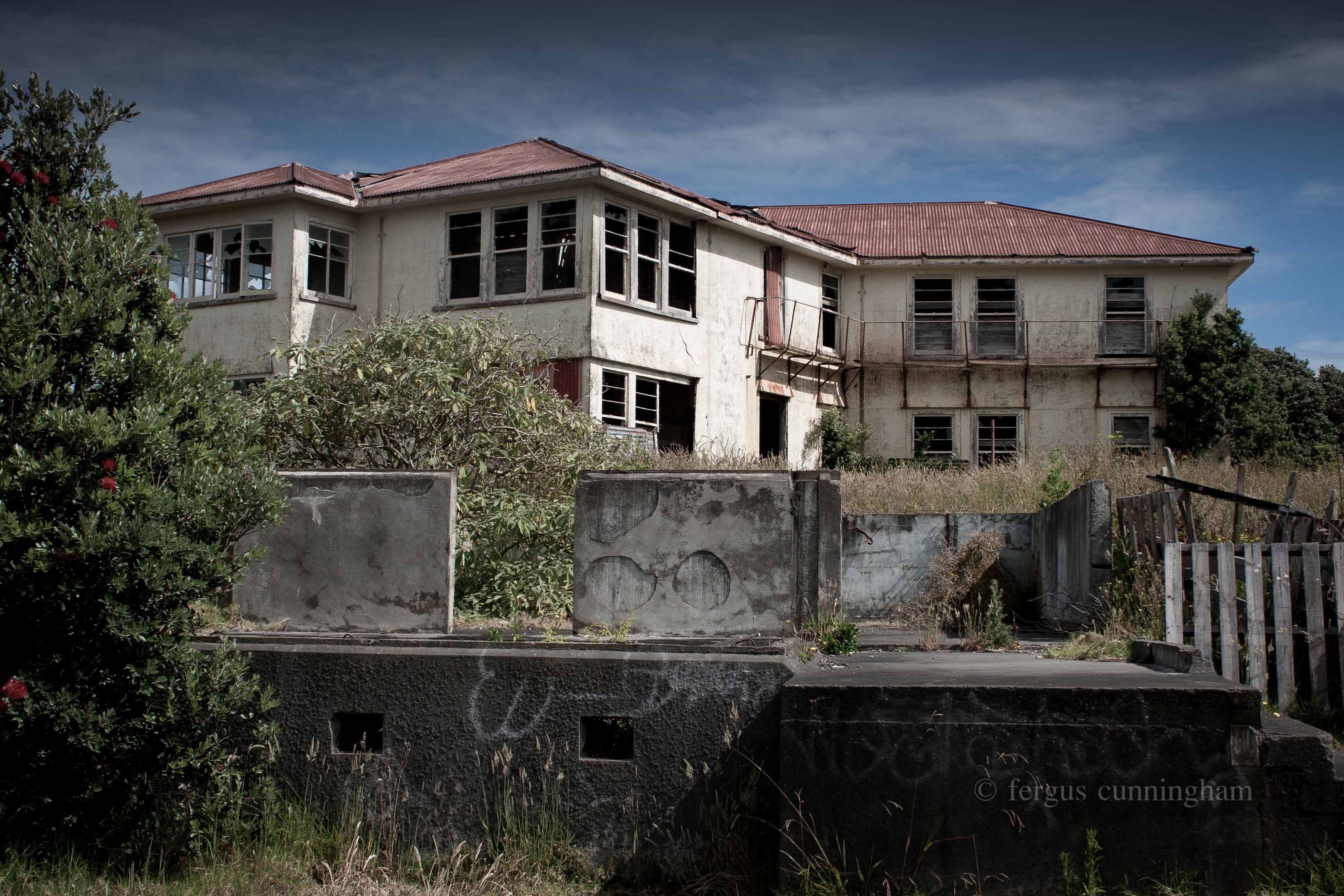
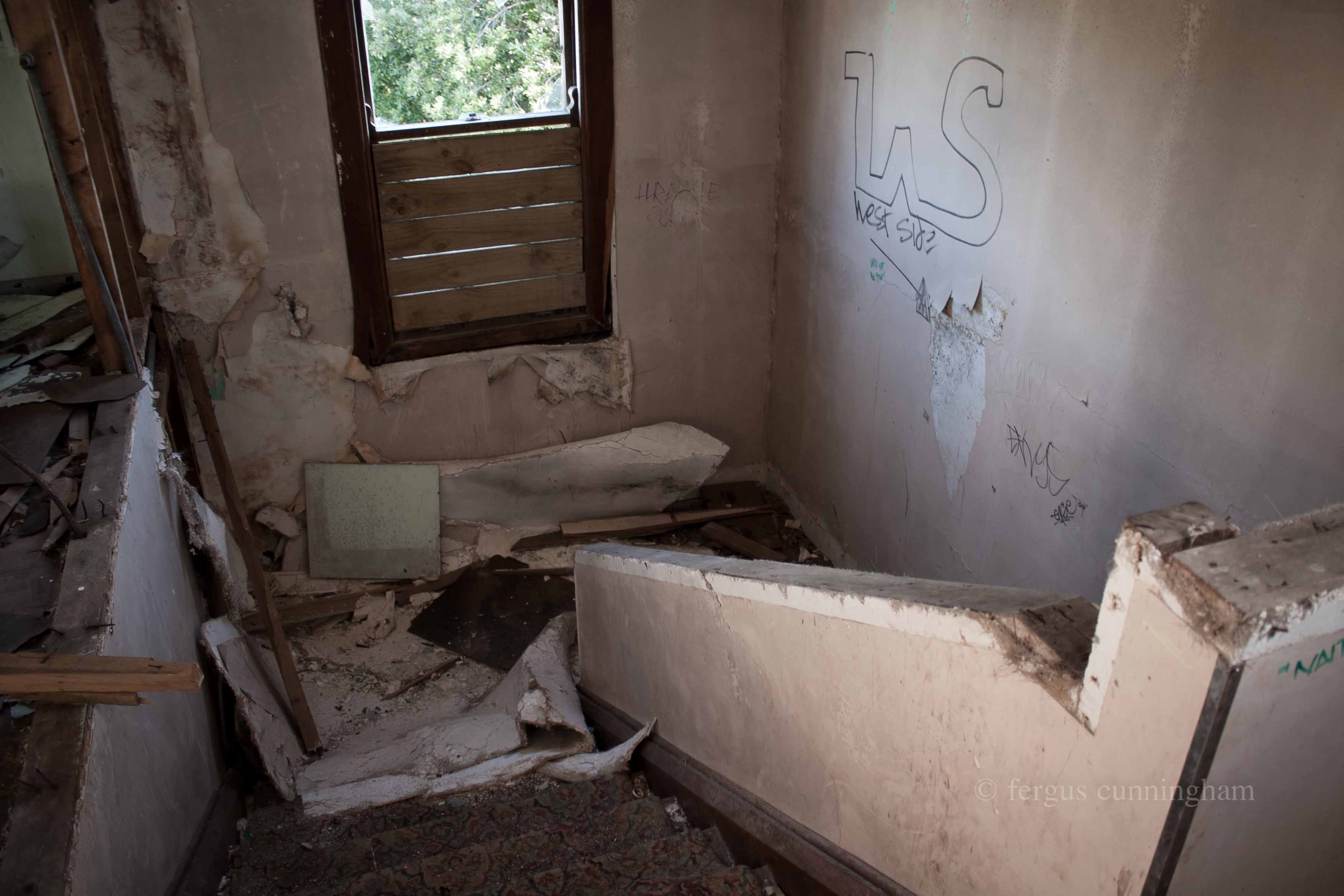
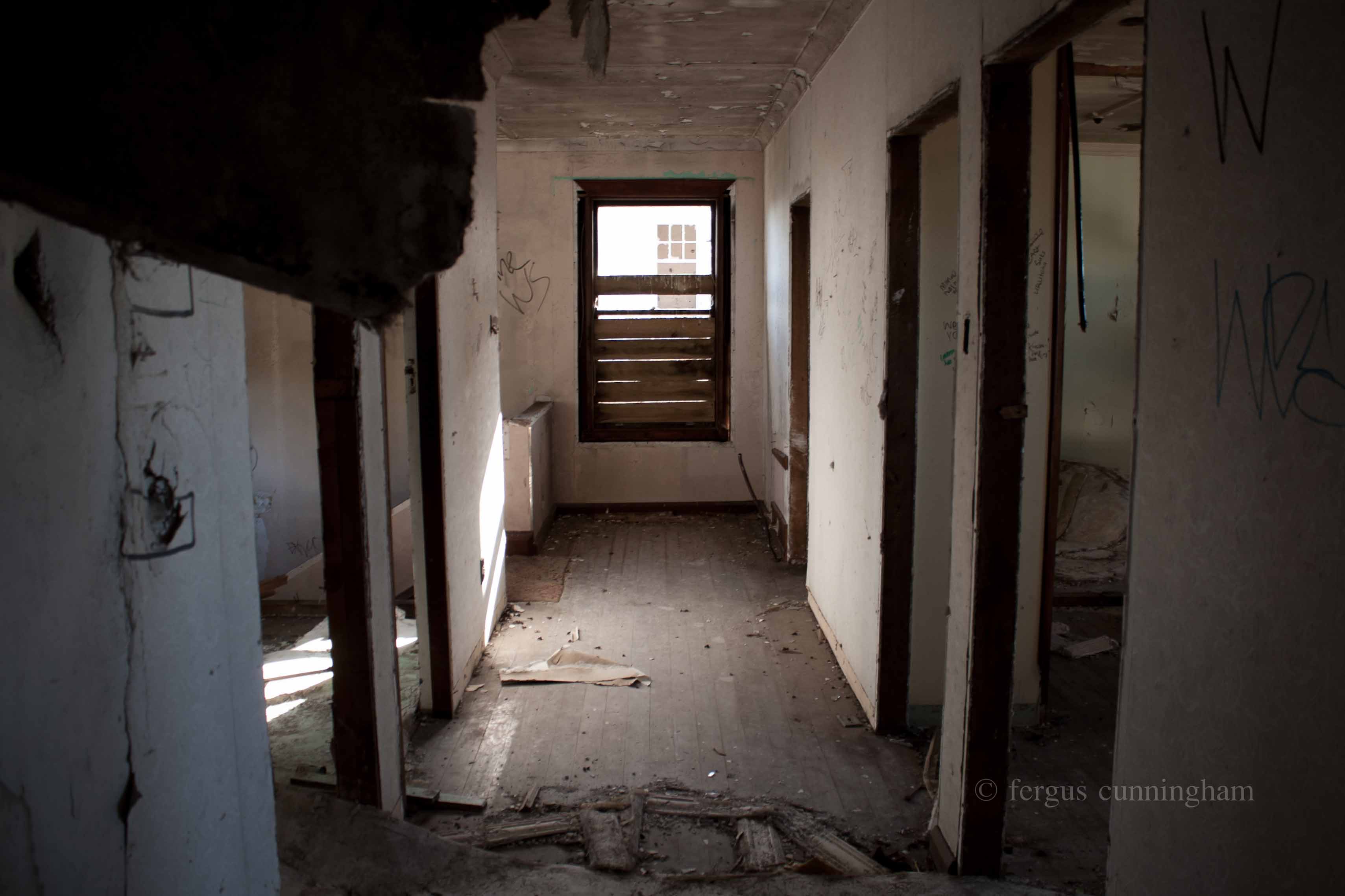
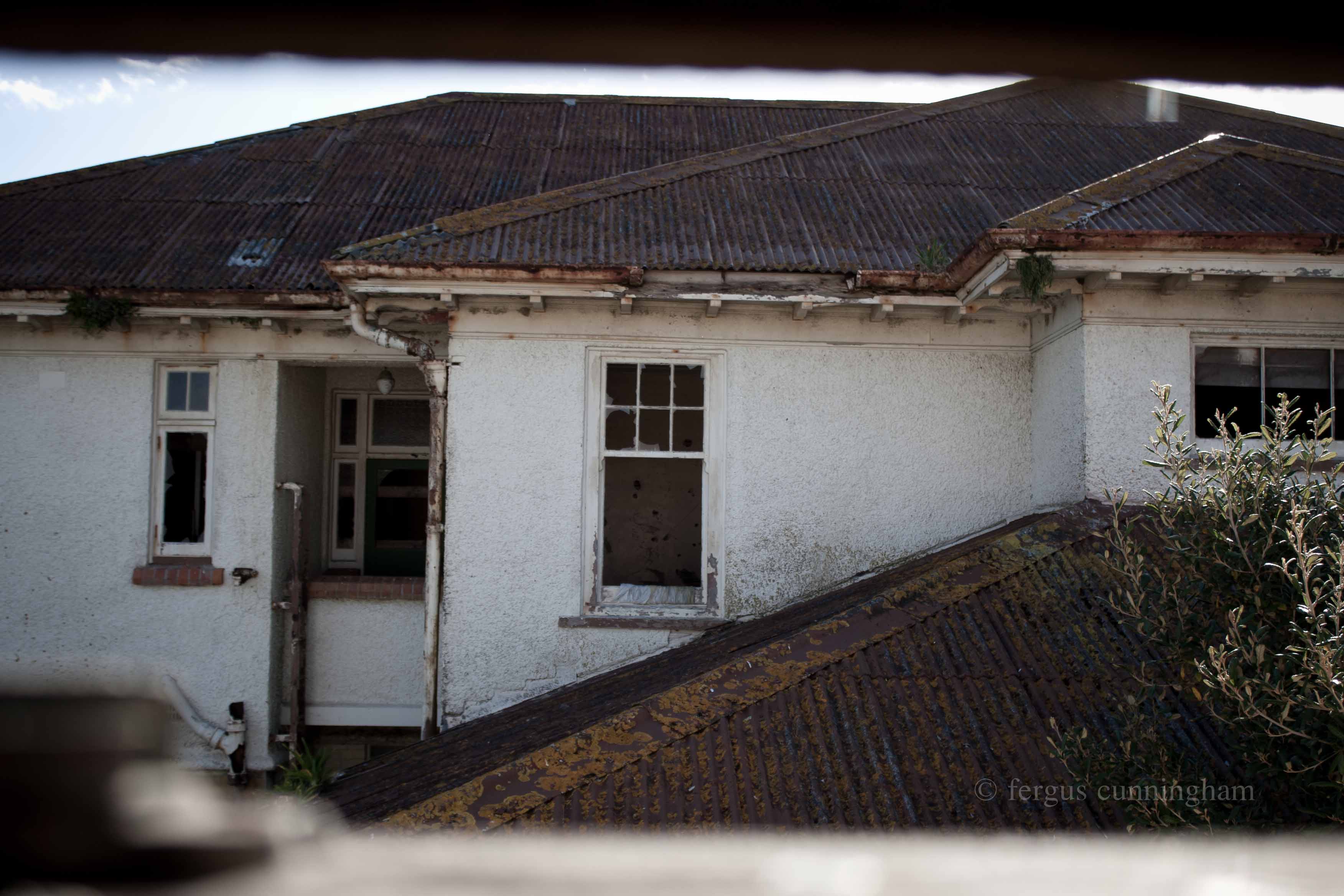
This Historic Hospital (c.1880) still stands in its dilapidated state, 22 years after its closure. When the hospital finally closed its doors in 1990, it had served the district for over a century. Locals have been complaining for years about the eyesore, demanding the owner of the property to demolish the derelict and vandalised buildings.





Light Painting
Some light painting up at an old WWII bunker.


 <a
<a


Sacred
We returned for another look at this location: urbexcentral.com/2013/02/03/e-college/
A lot of vandalism occured here last year, graffiti and general destruction. Thankfully the landlord and the new tenants have been taking great care of the place in the past few months and the vandalism doesn’t appear to have gotten much worse. Unfortunately the pigeons didn’t get the memo and have made parts of the college their home (and toilet).



The Tower
The iconic Hawera water tower has watched over this South Taranaki town for a century now. Standing at 55 meters high, the tower was saved from demolition after years of neglect in the 80s/90s had made it unsafe. Hawera (or “Te Hawera”) literally means ‘the burnt place’, and originates after an incident between two feuding Maori tribes in the area. One tribe attacked the other during the night and burned their village down- so it became known as ‘the burnt place’.
We’ll Take Care Of Your Children
This old building was once a nursery which helped to raise numerous children in the Wellington region. The building’s future is now questionable as it sits right in the path of a new roading project. It will probably either be moved or demolished, and Wellington may lose yet another historic building.



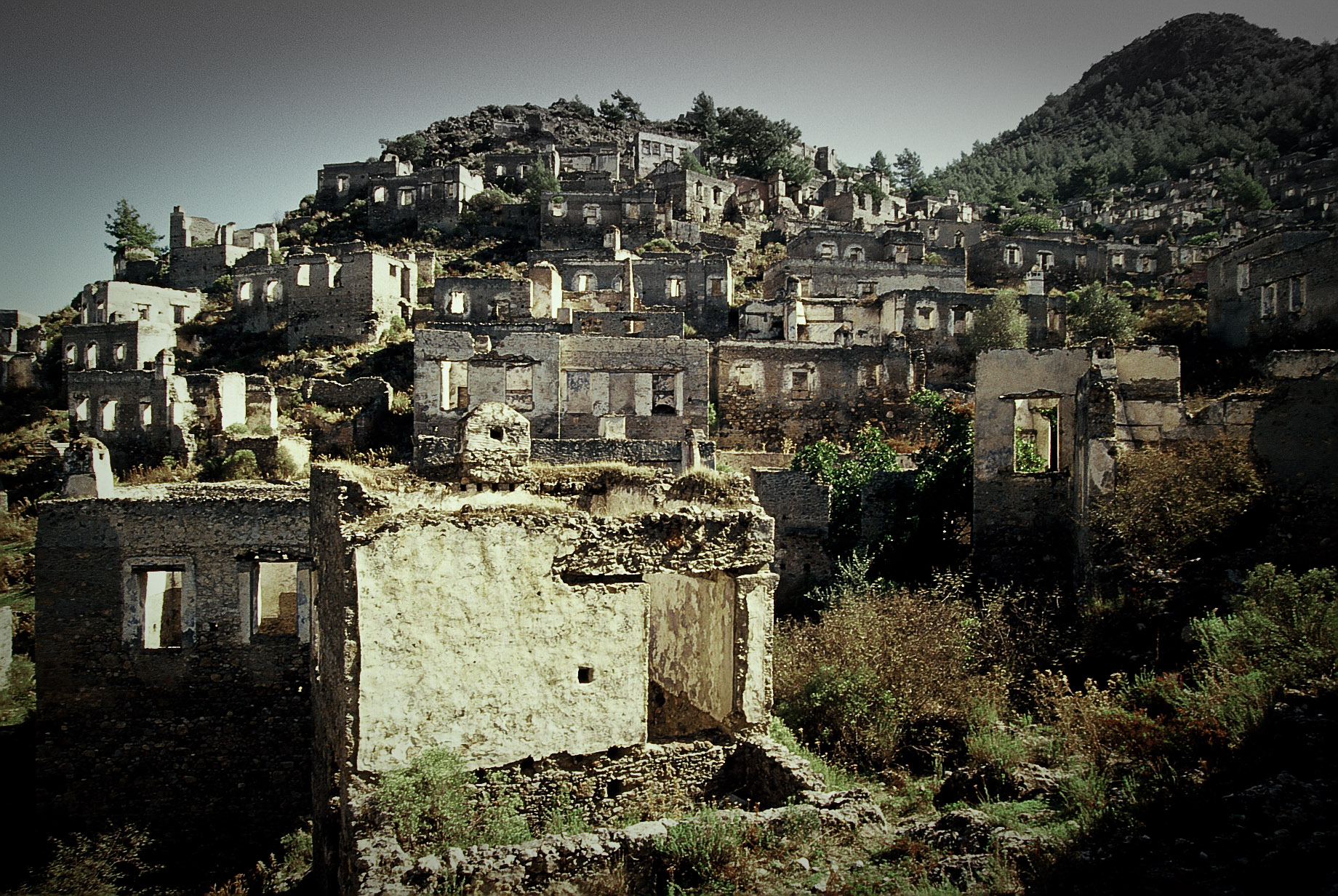
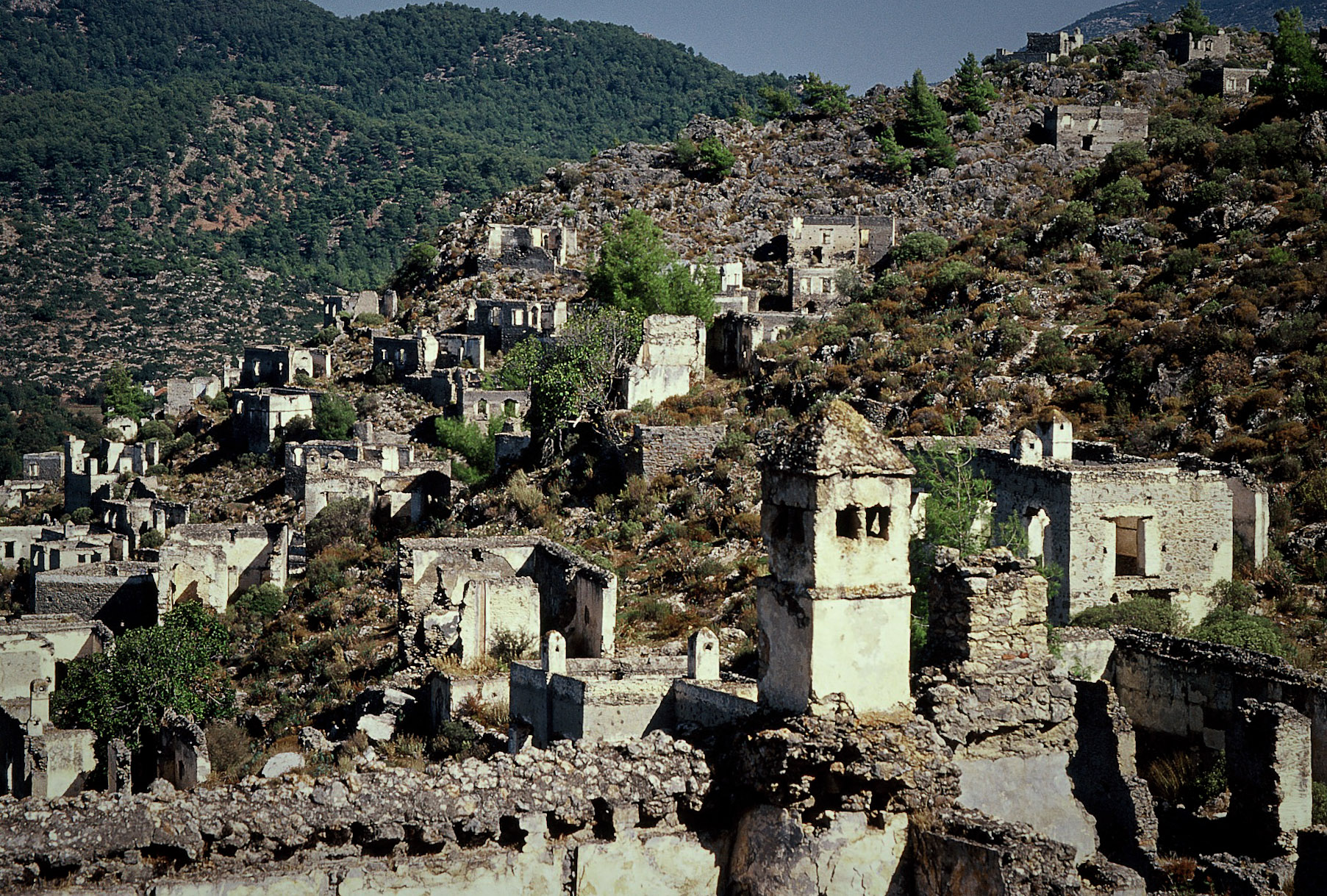
Ghost Town
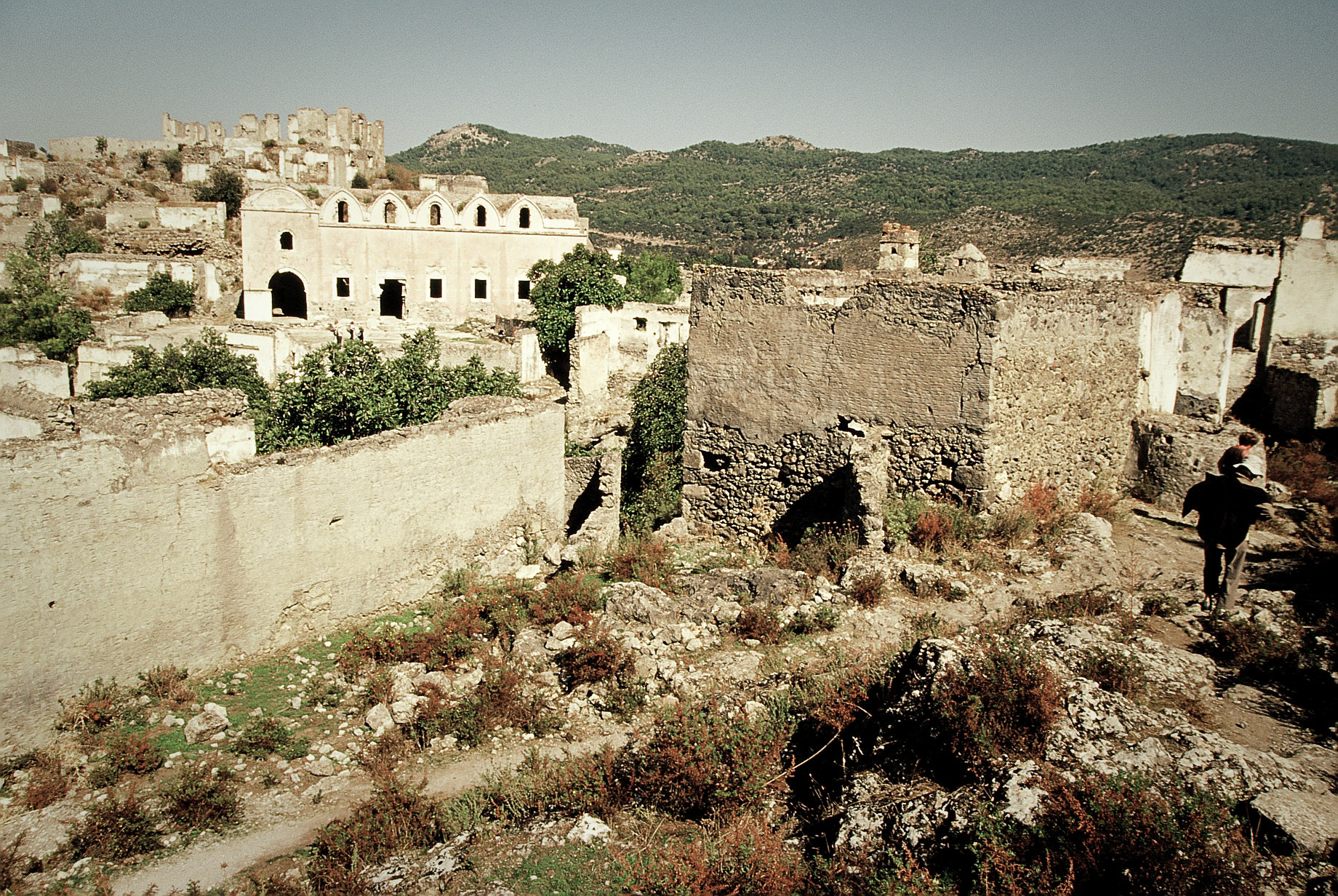
Kayaköy, Turkey, Oct 2005: This was my second visit to Kayaköy, the ghost town near Fetiye in South Western Turkey. Kayaköy consists of hundreds of rundown but still mostly intact Greek-style houses and churches, which orignally hosted a population of approximately 2000 people. Built on the ancient Greek village of Carmylessus, it existed up until the population exchanges of 1922/3. Anatolian Greeks had lived here since antiquity. After the invading Greek’s defeat to Turkey in the Greco-Turkish War (1919-1922), Greece had no choice but to sign the demands of the victorious Turks in Lausanne, Switzerland. More than 1.5 million Asia Minor Greeks were forced out of Turkey, and at least half a million Turkish muslims from Greece.



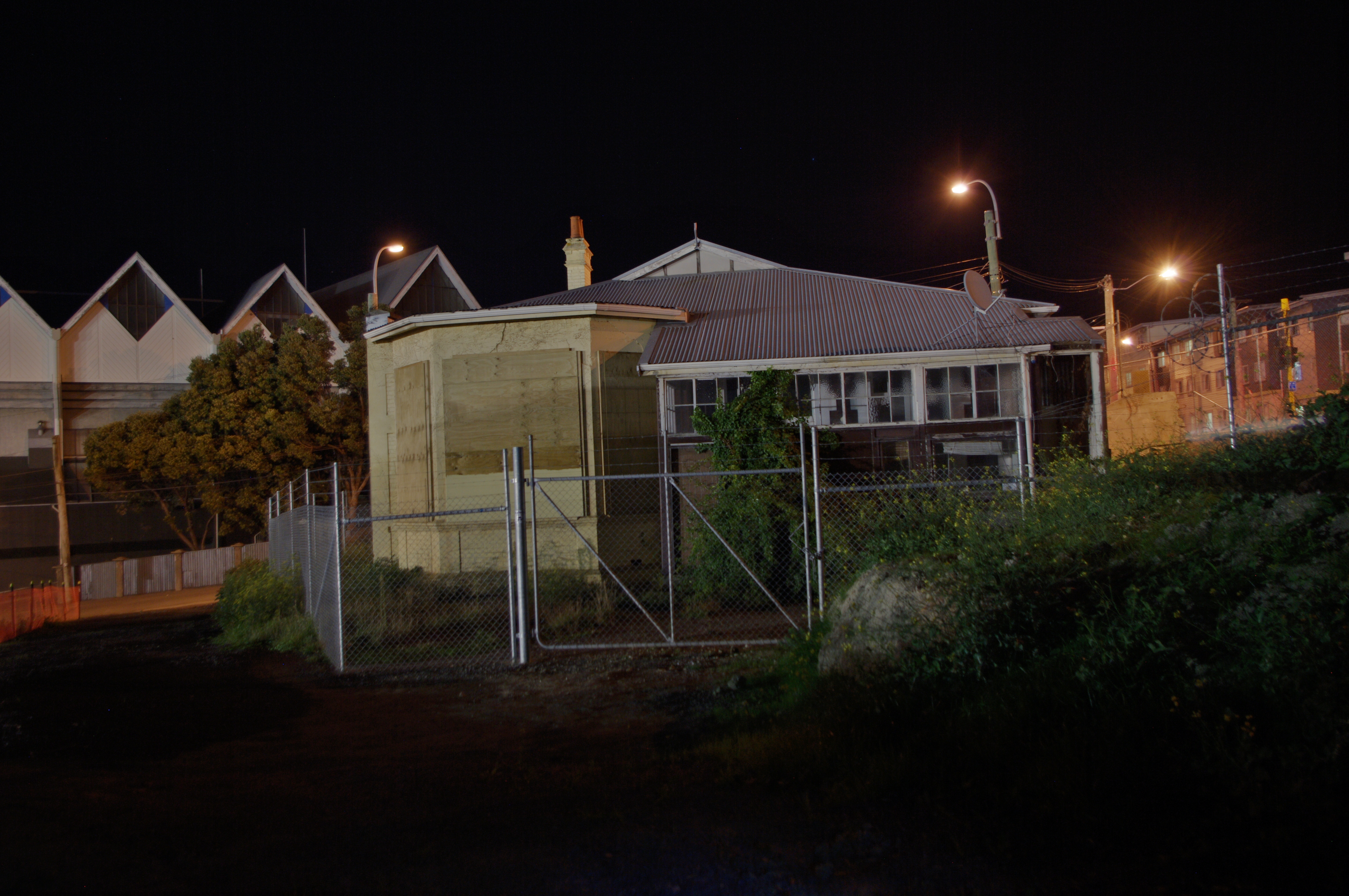
Don’t Be In The Dark
A night visit to our favourite local factory… Documenting its history & decline- was interrupted by Gunner’s insistence on throwing a bit of light on the subject…
Hospital Complex
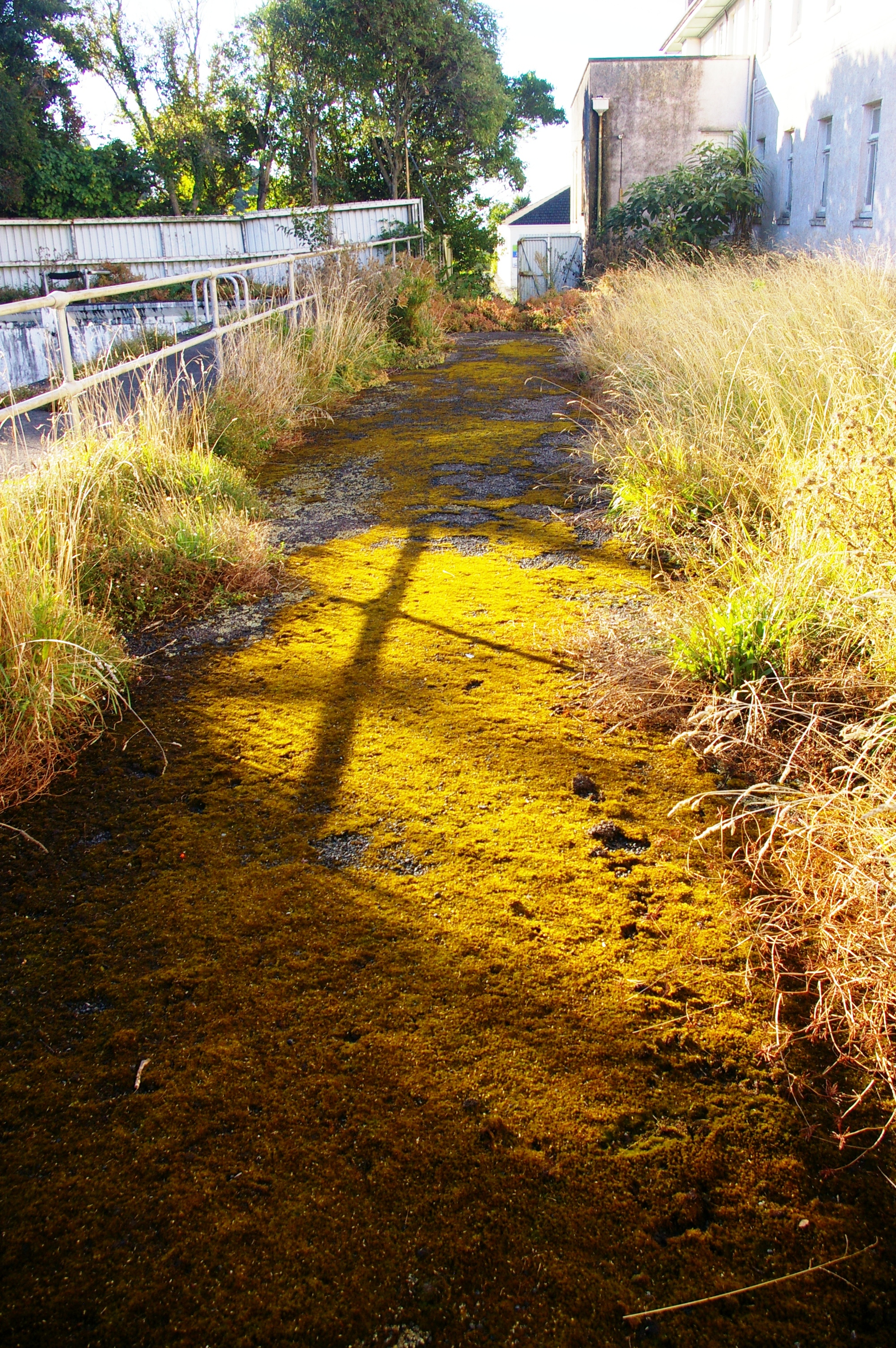
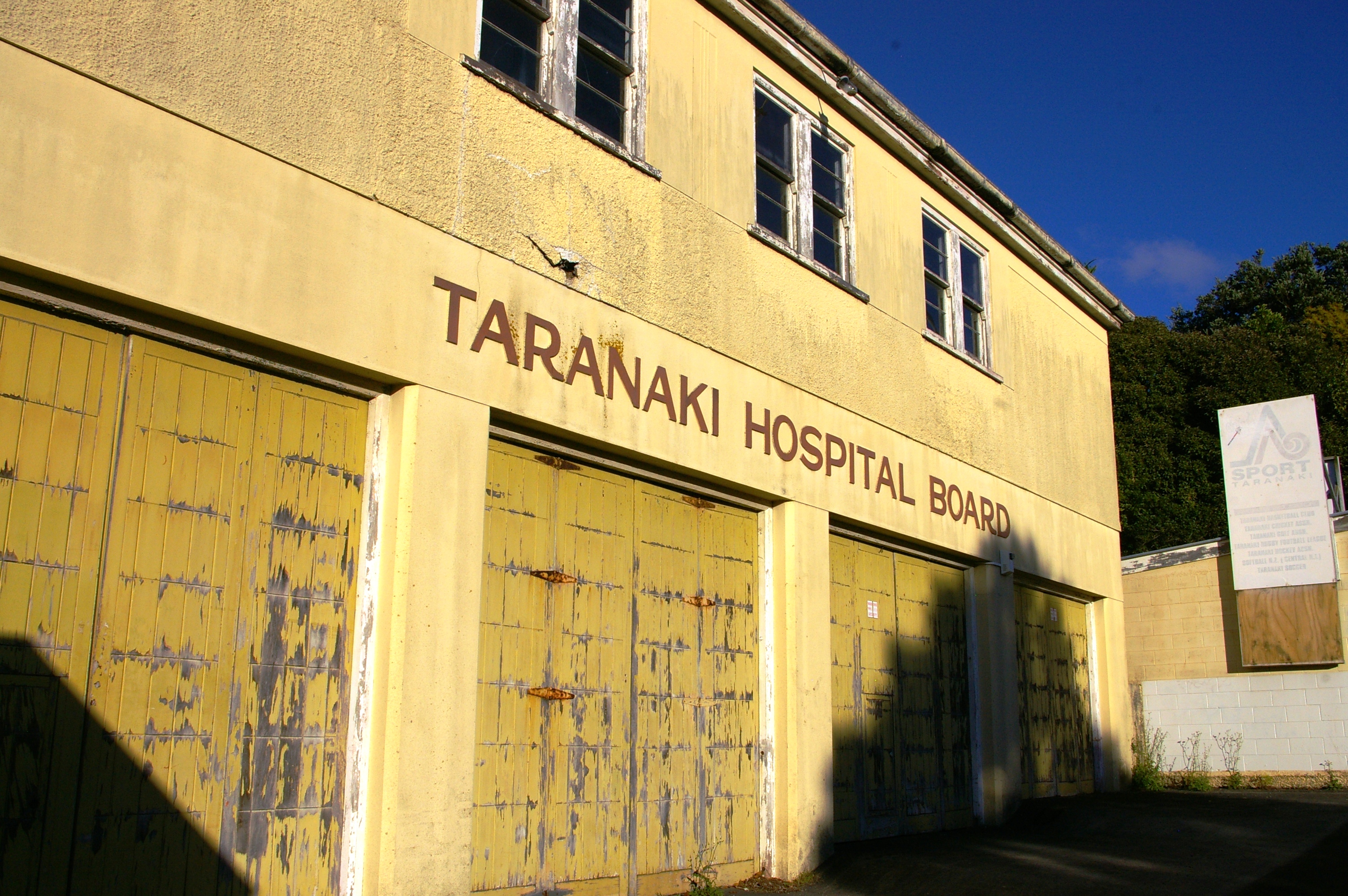
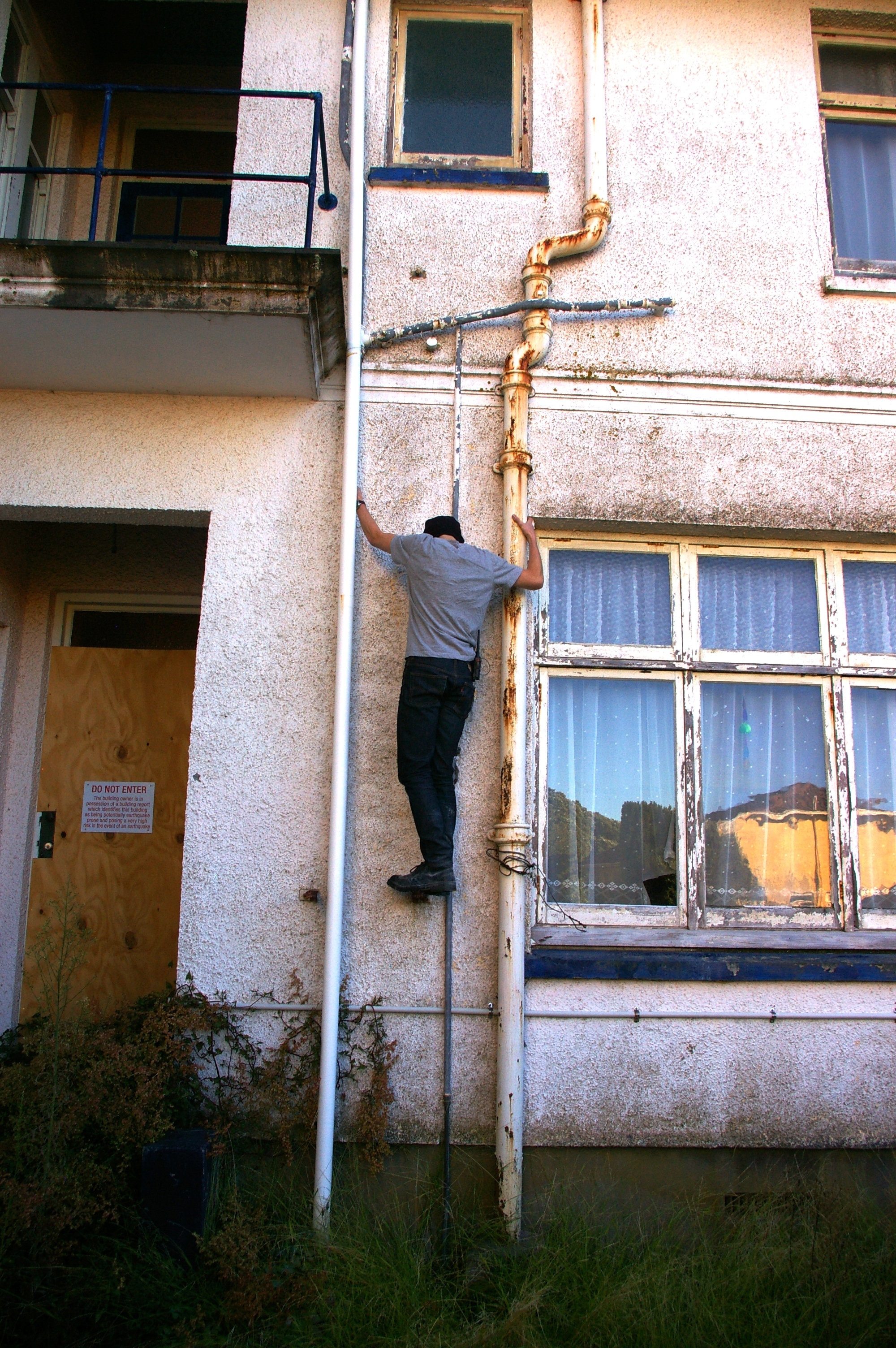
We would have stayed longer and explored more of the buildings at this picturesque hospital situated high on a hill with fantastic views, but some local homies decided to ruin our fun. These buildings are all in poor condition and are incredibly earthquake prone (some of the masonry is crumbling), the homies were playing loud music with their sub, perhaps in an attempt to initiate a partial collapse of the buildings.






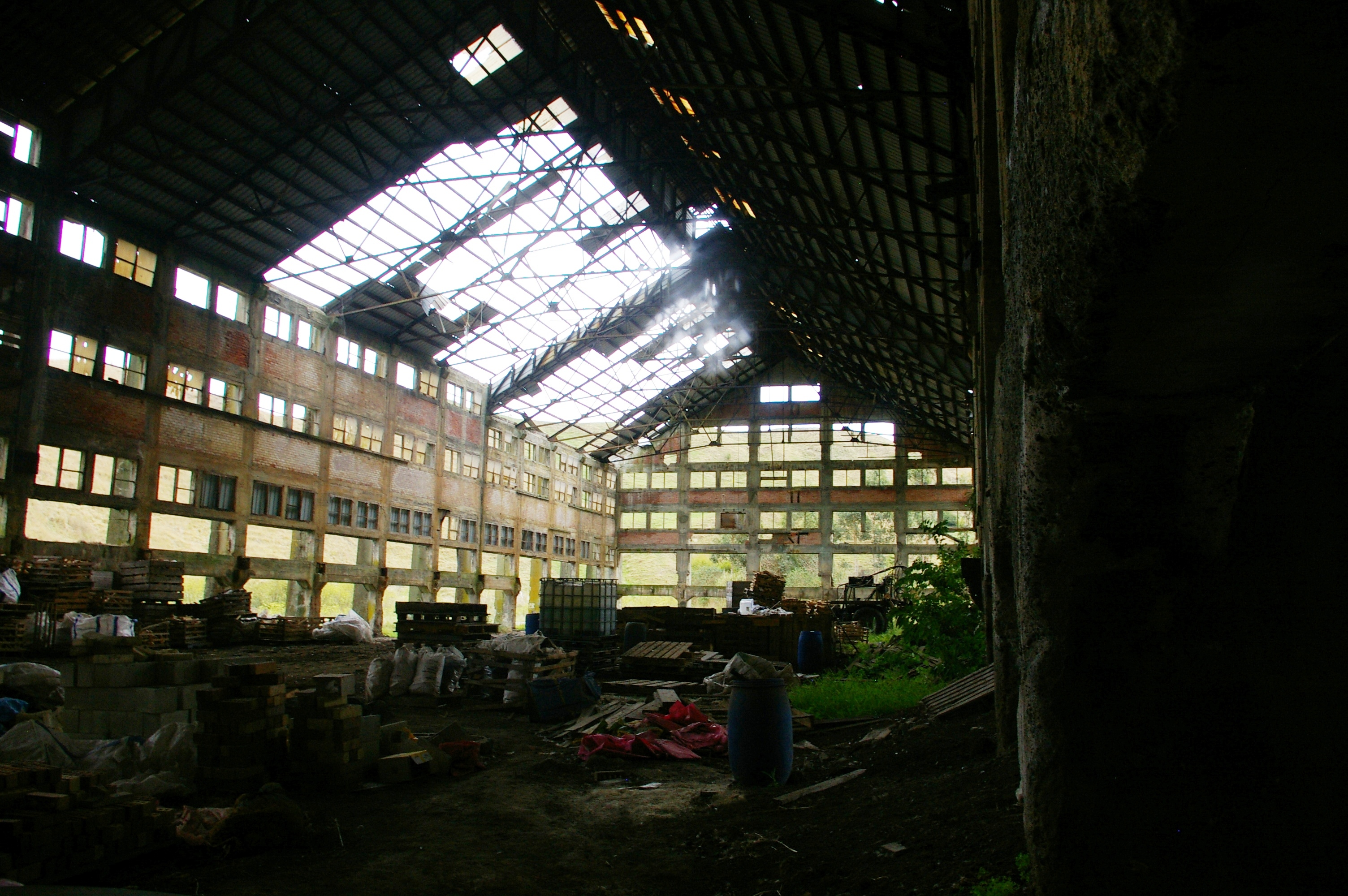
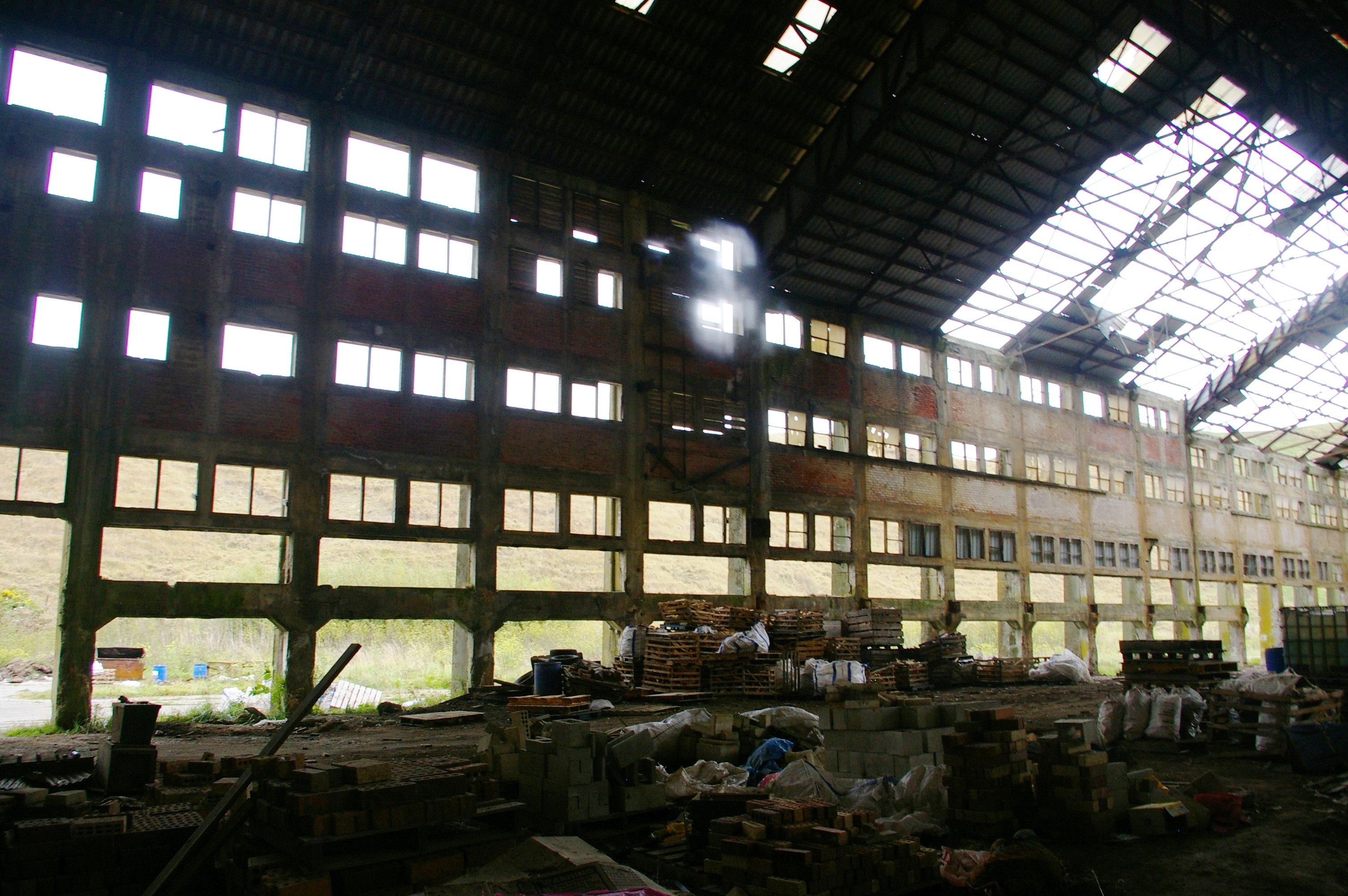
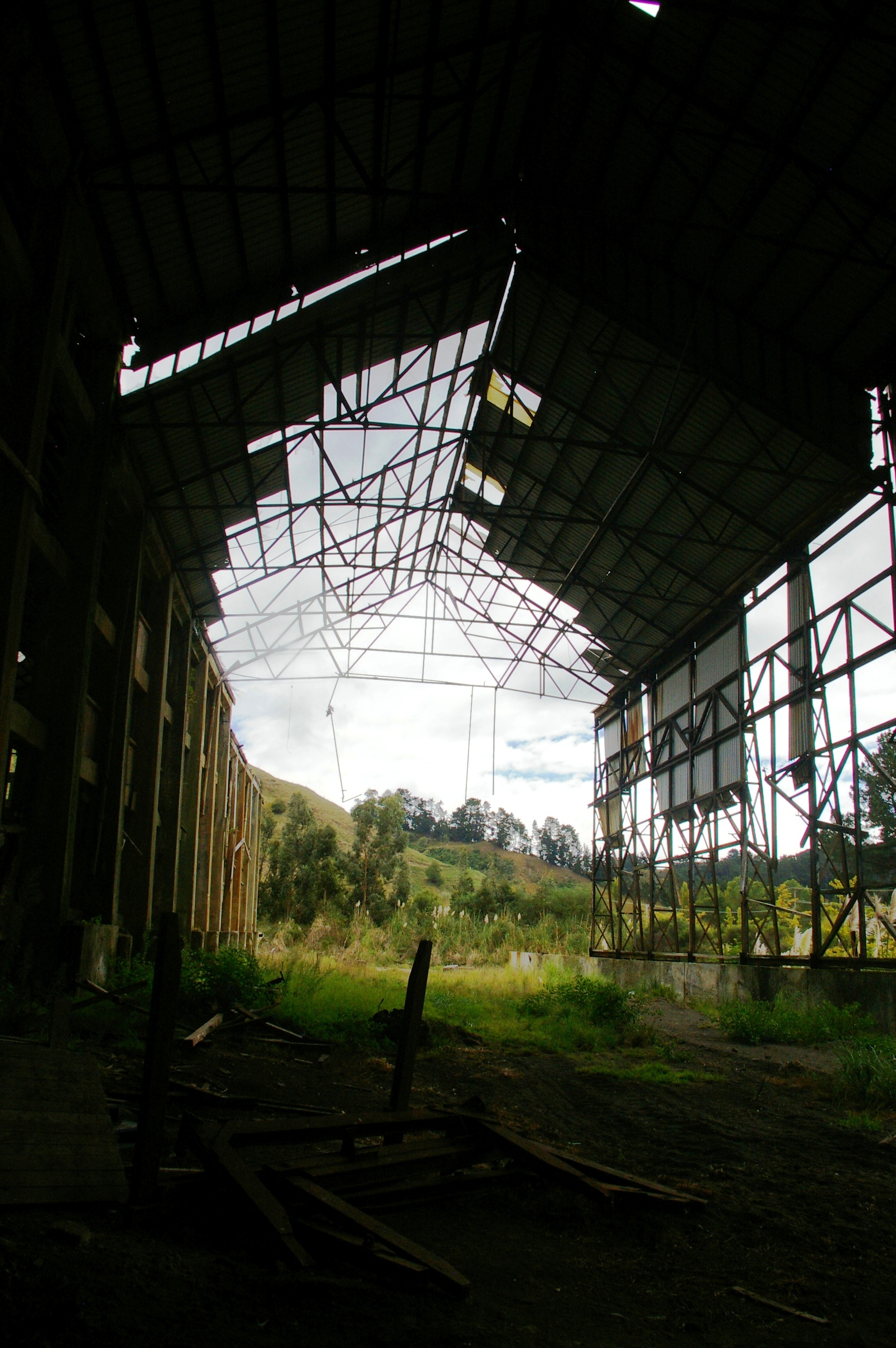
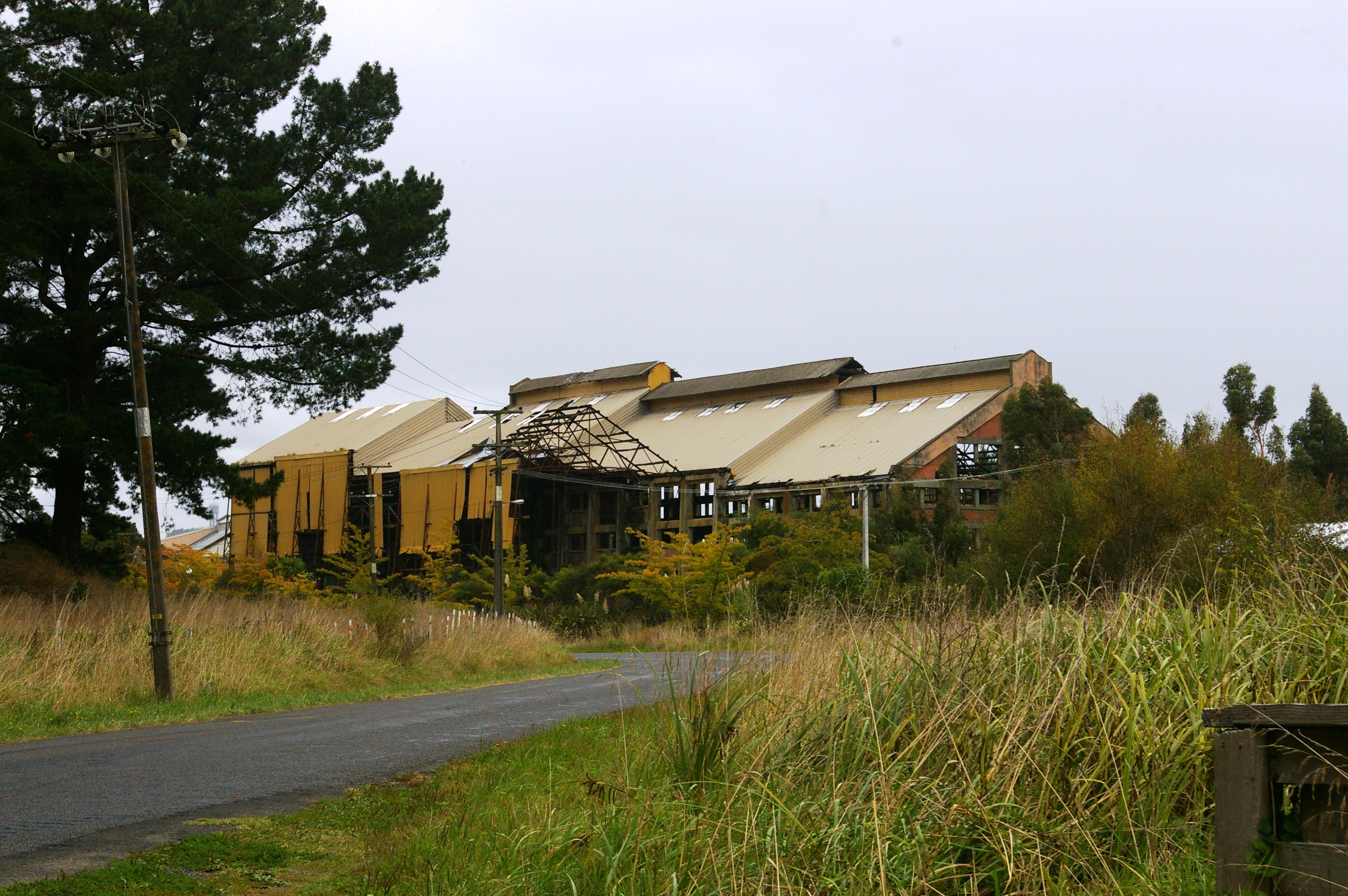
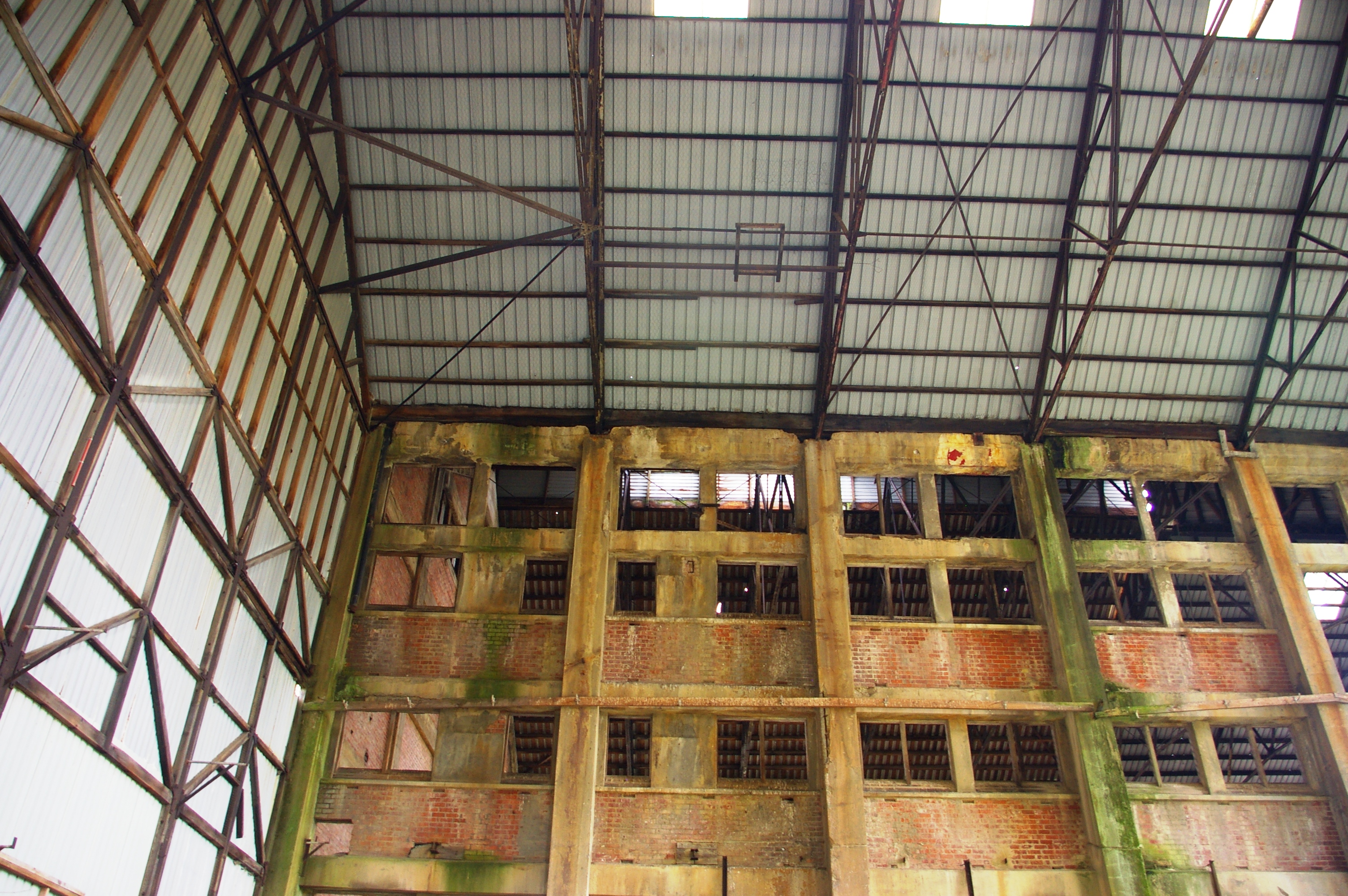
Fertiliser Works
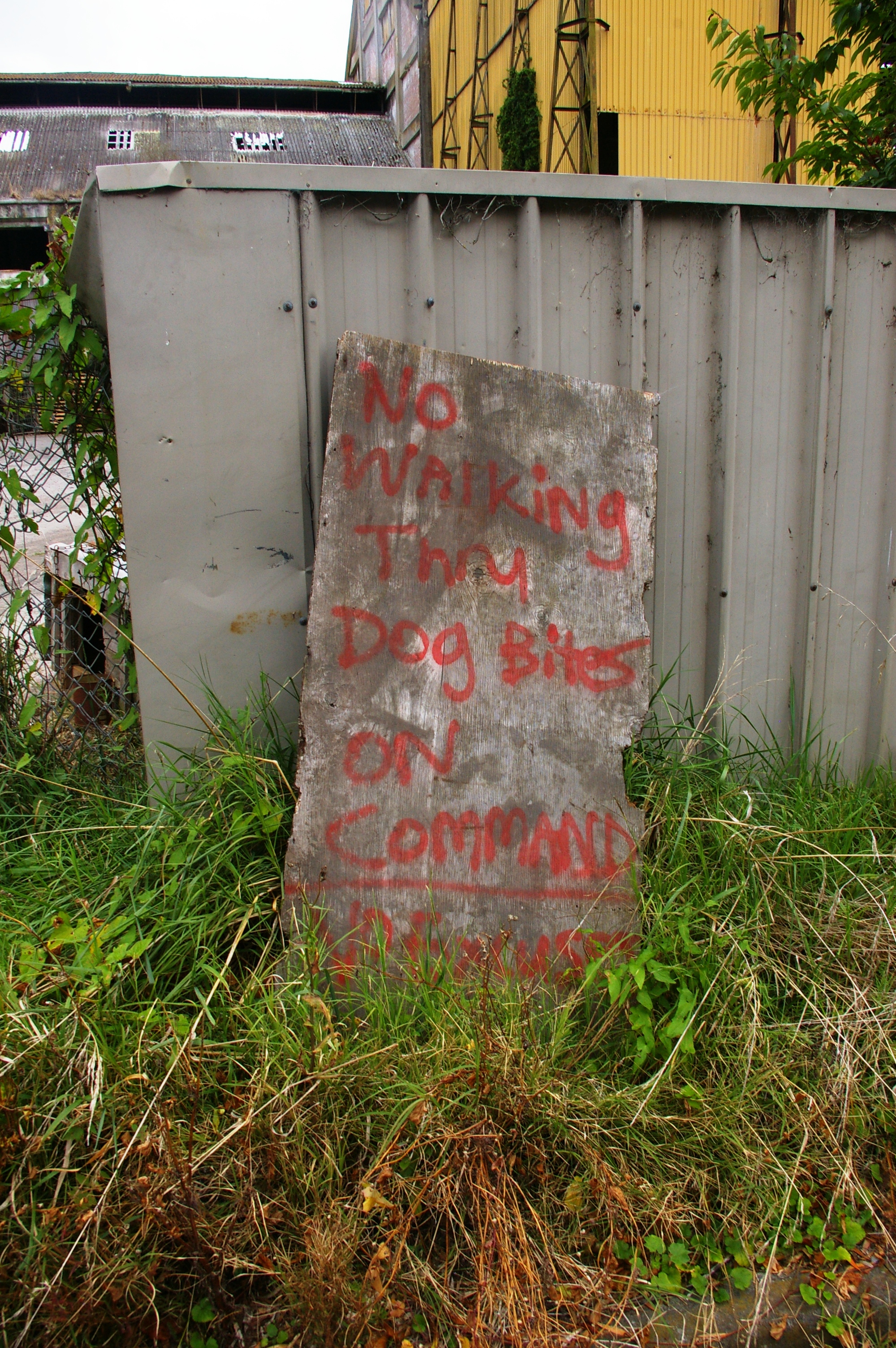
Apparently there is a dog which bites on command at this location, although when we were there we did not encounter this beast.
The location itself has decayed rapidly in the past few years, perhaps it is being slowly demolished by the owners.


Bed Ridden
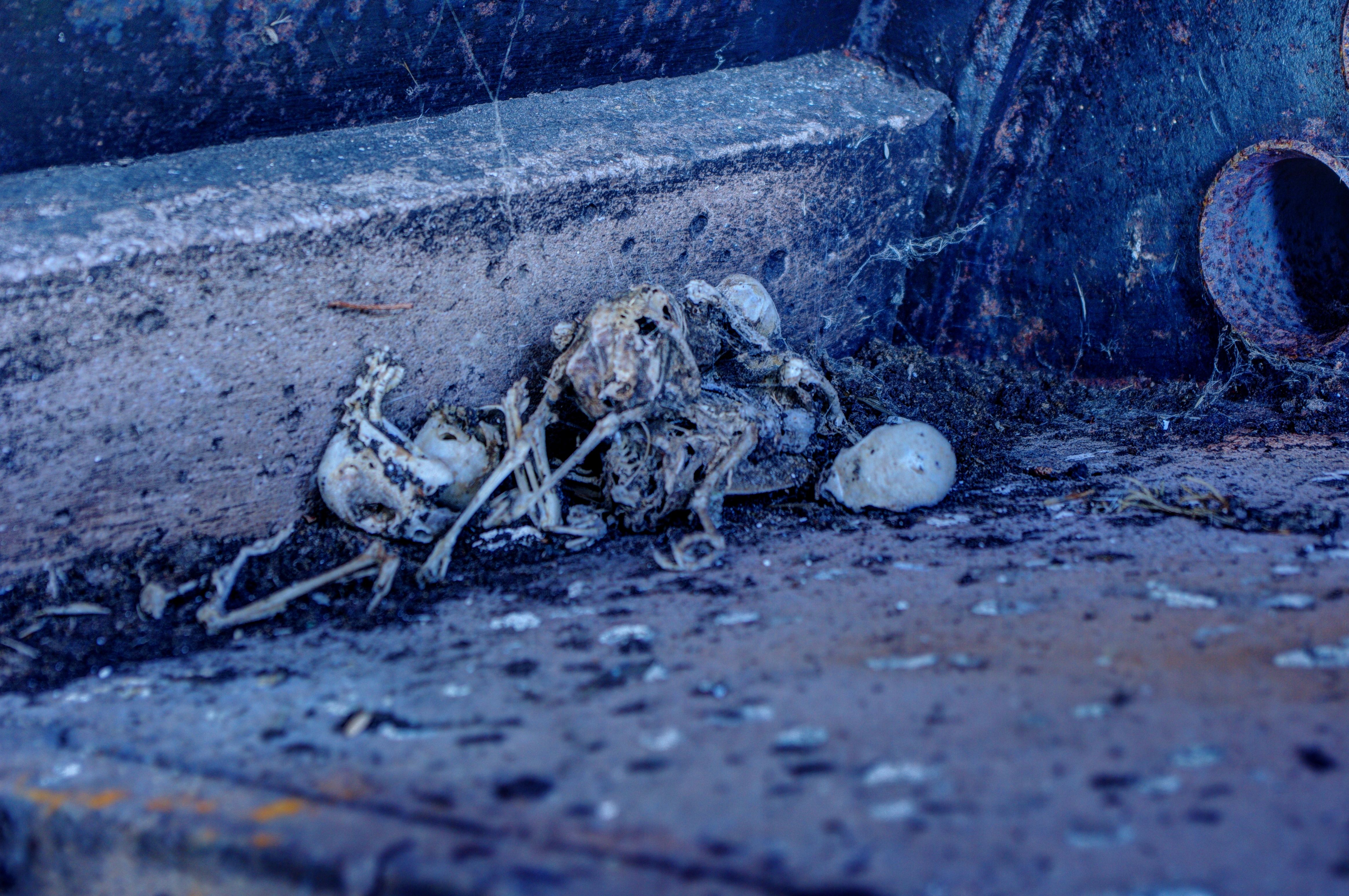
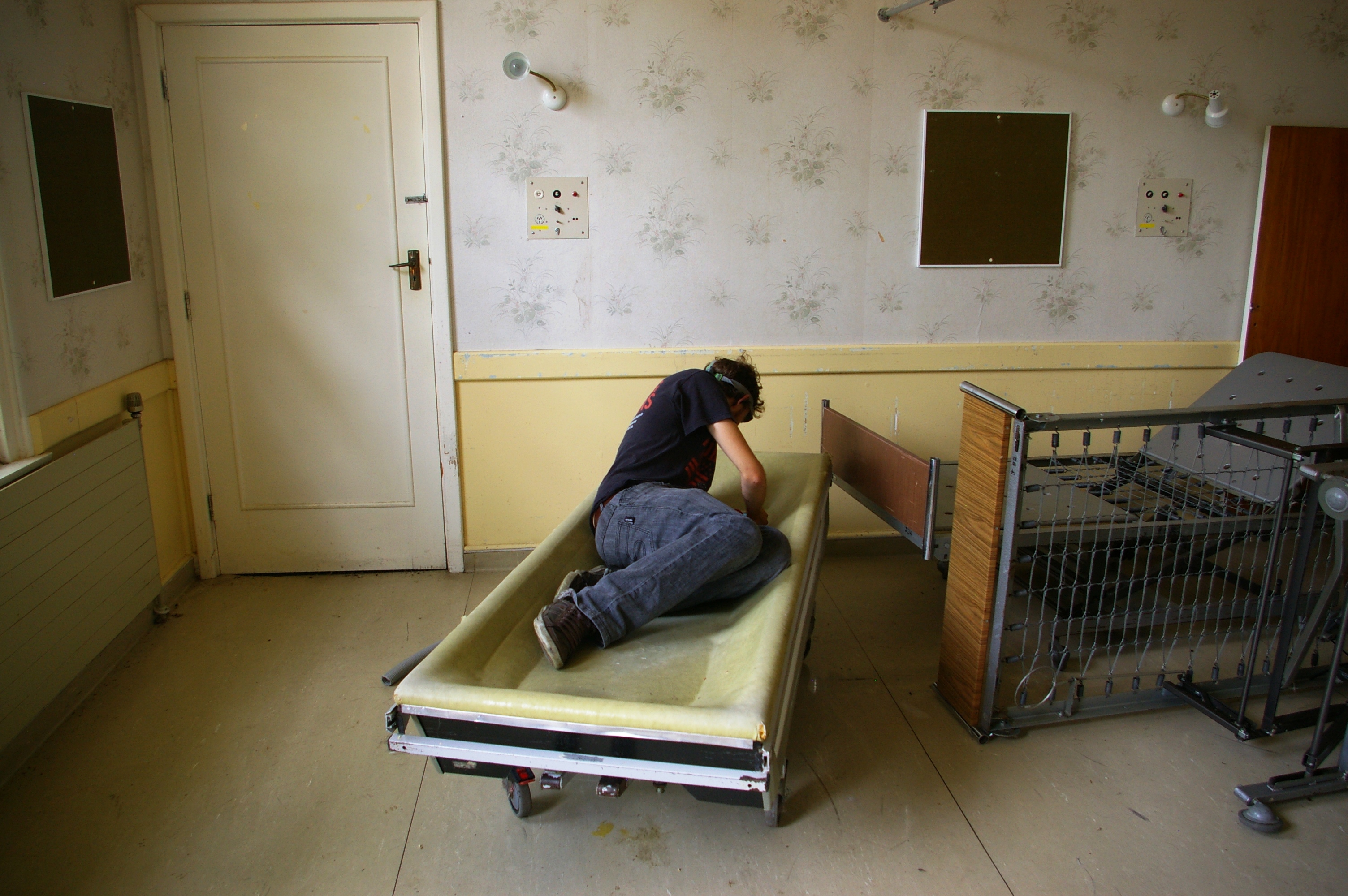
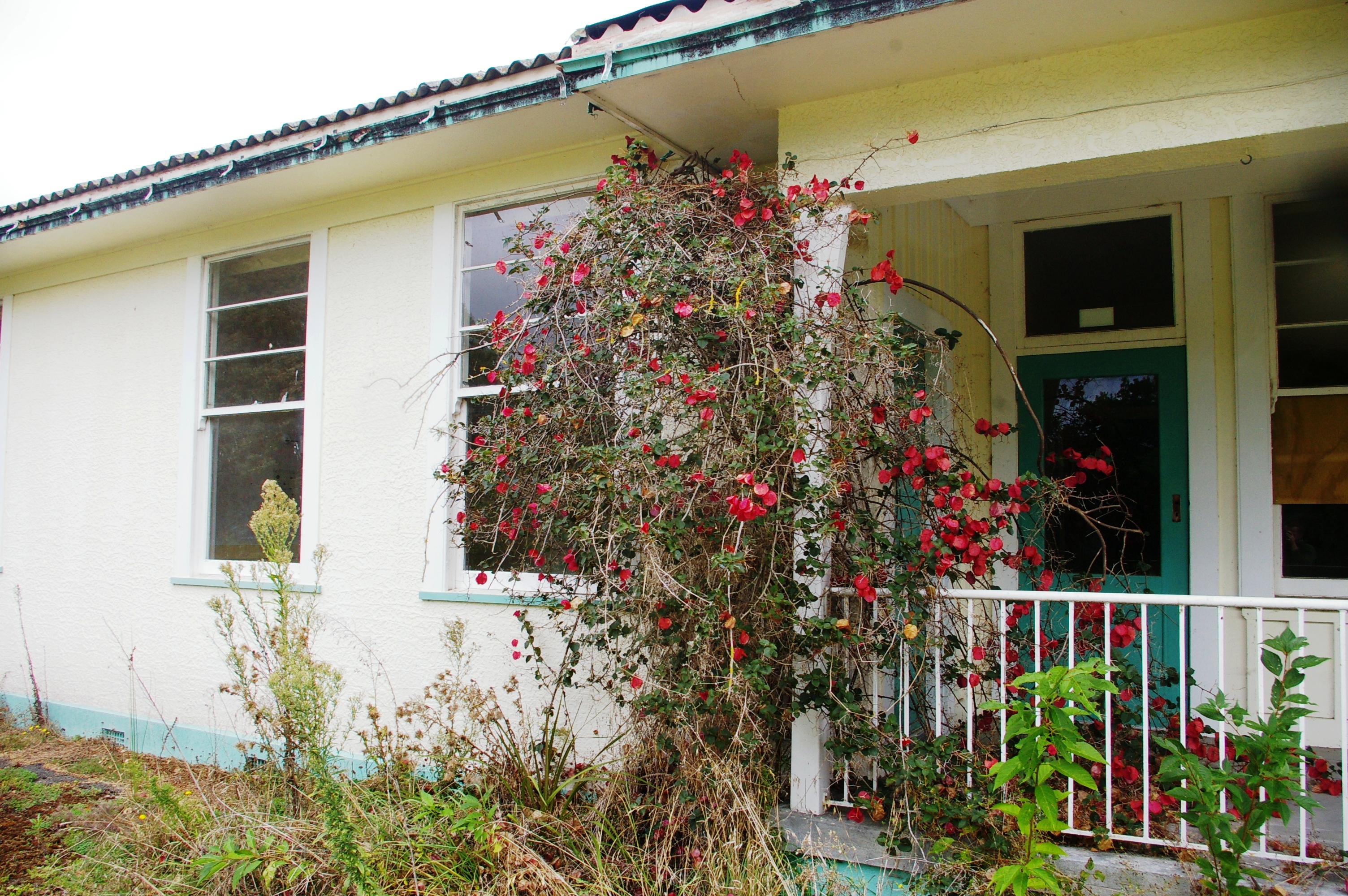
This old hospital is still in remarkable condition and is largely free from vandalism (aside from a large number of broken/opened windows) , there are even still hospital beds in the rooms. We found an interesting surprise in one of the rooms, a petrified cat.



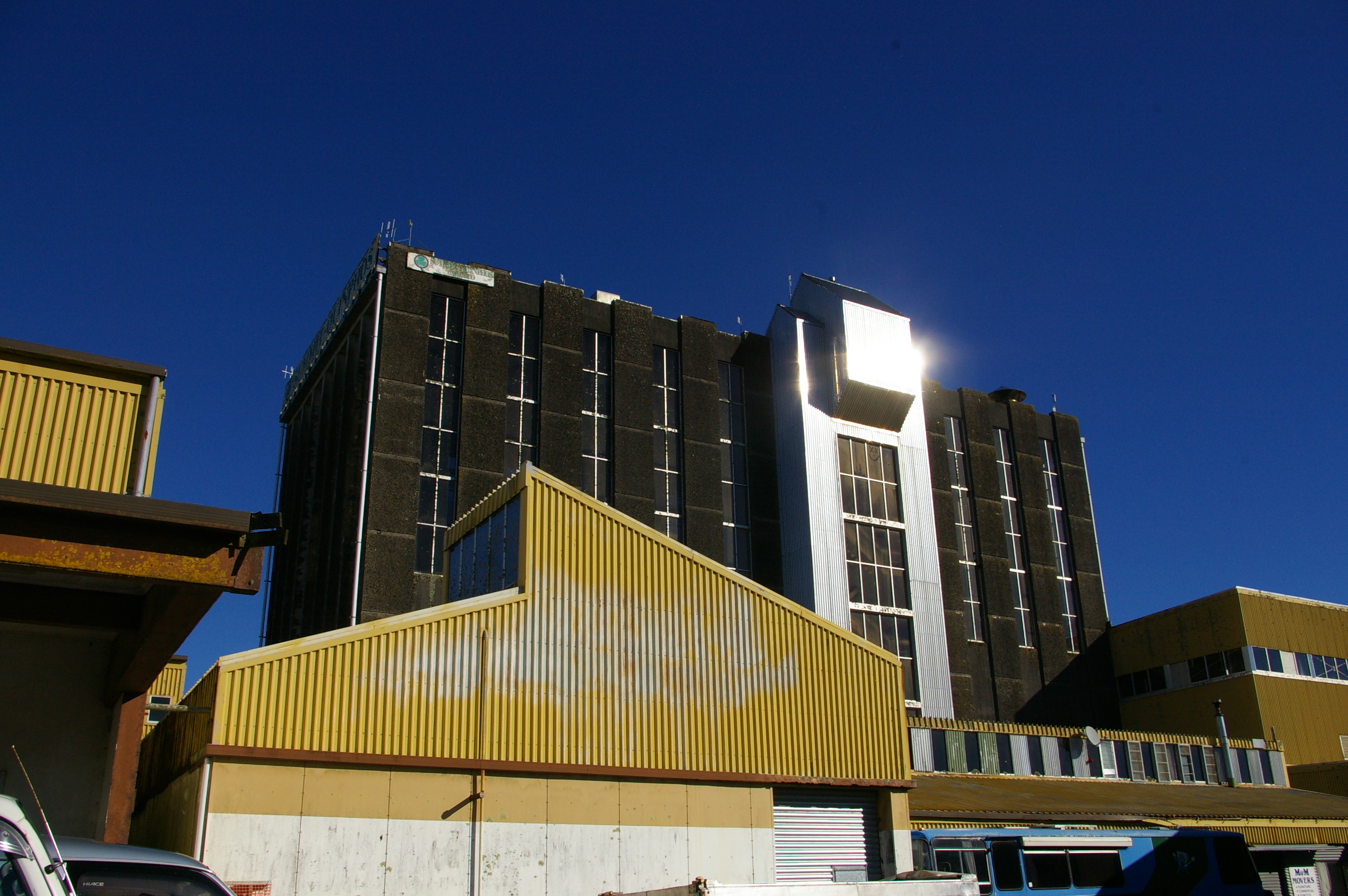
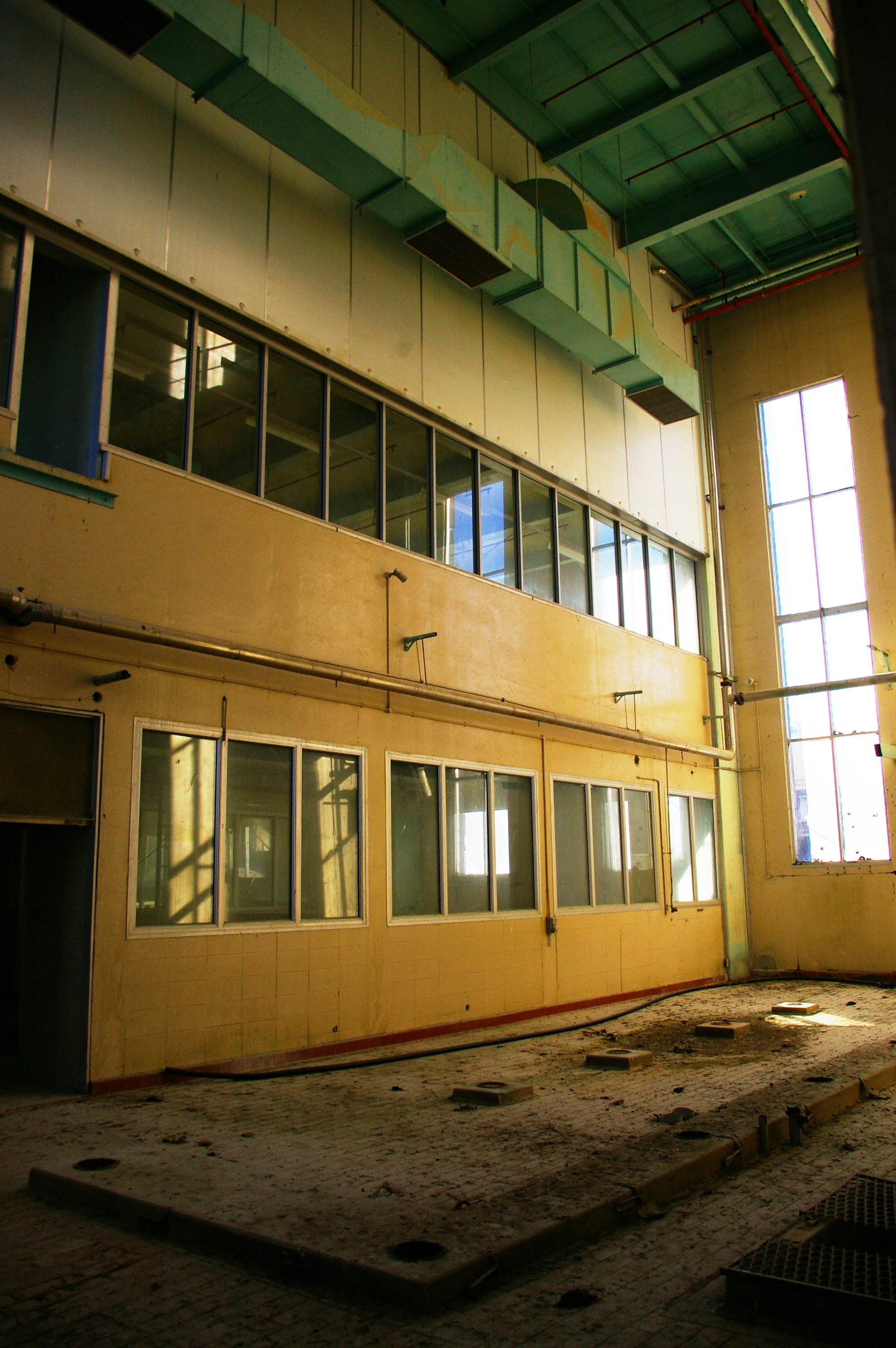
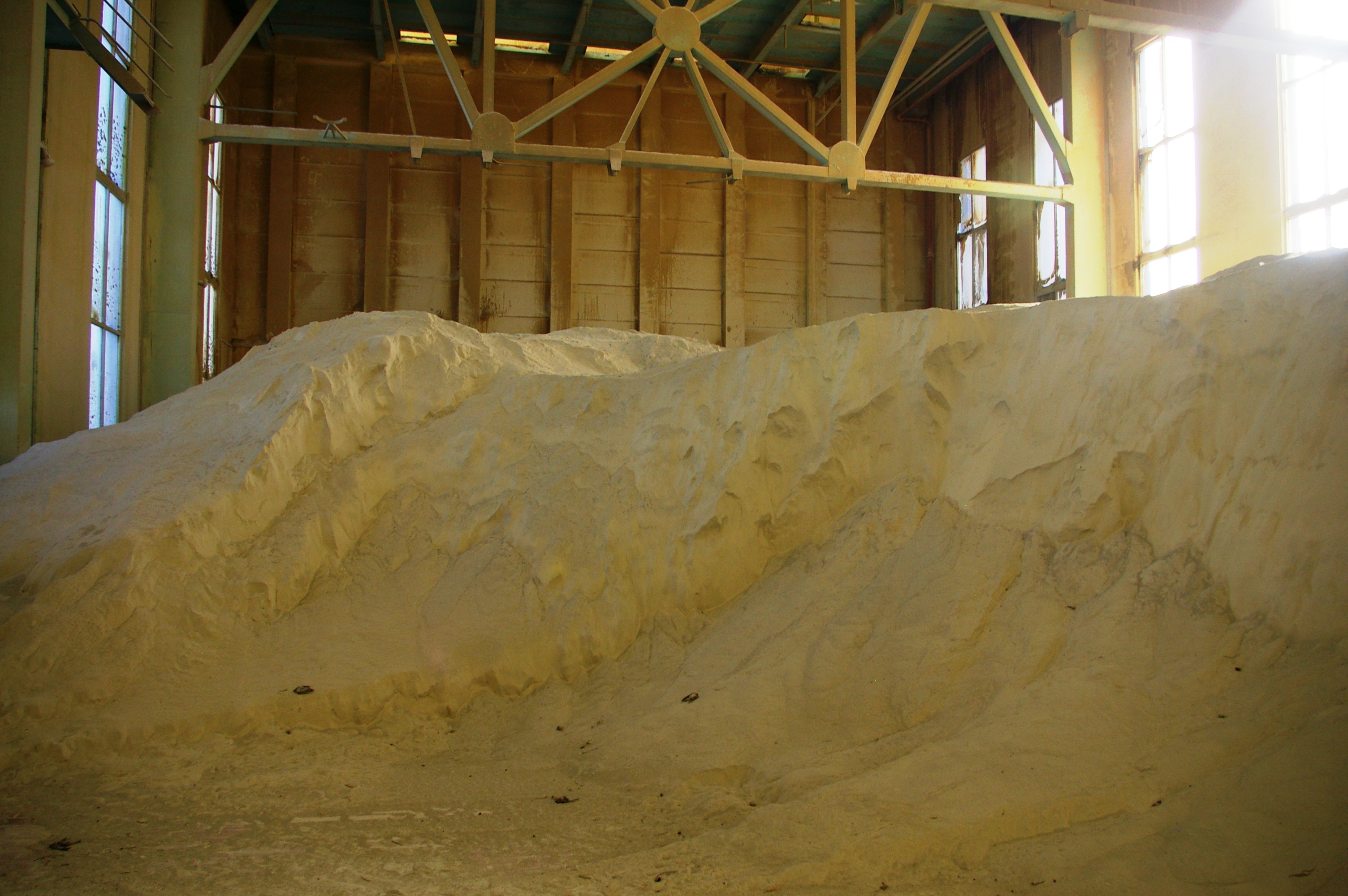
Fertiliser Tower
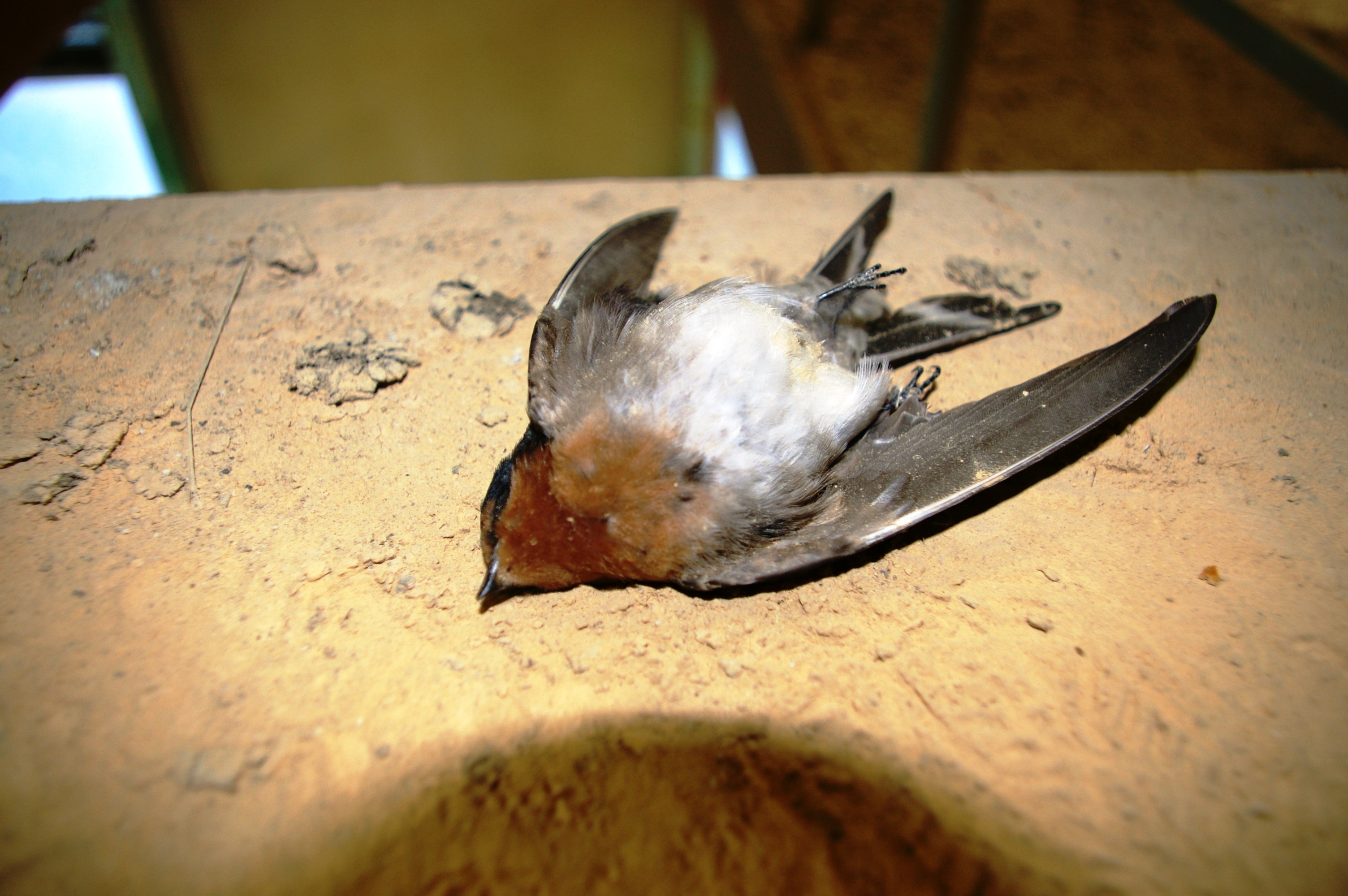
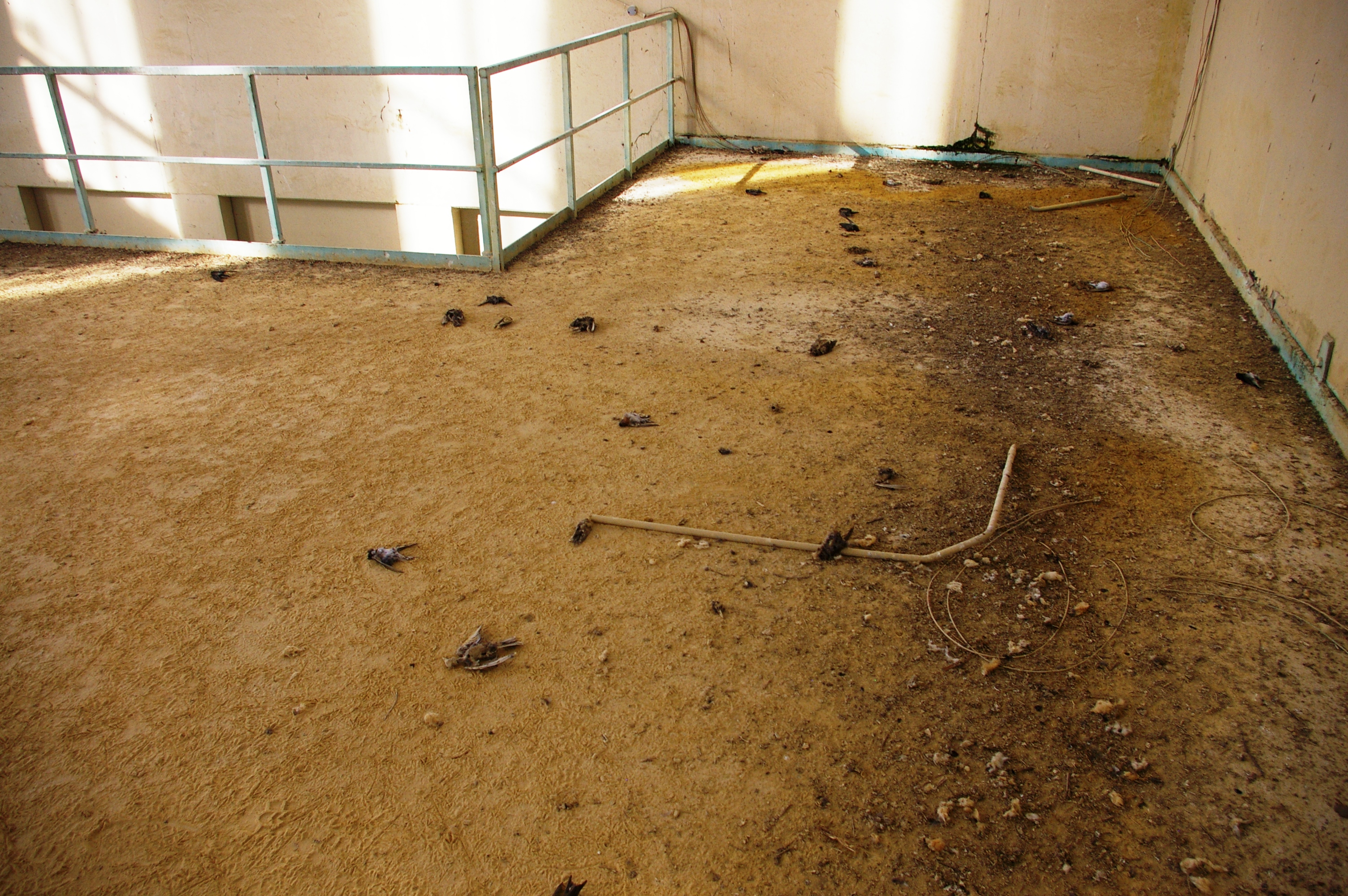
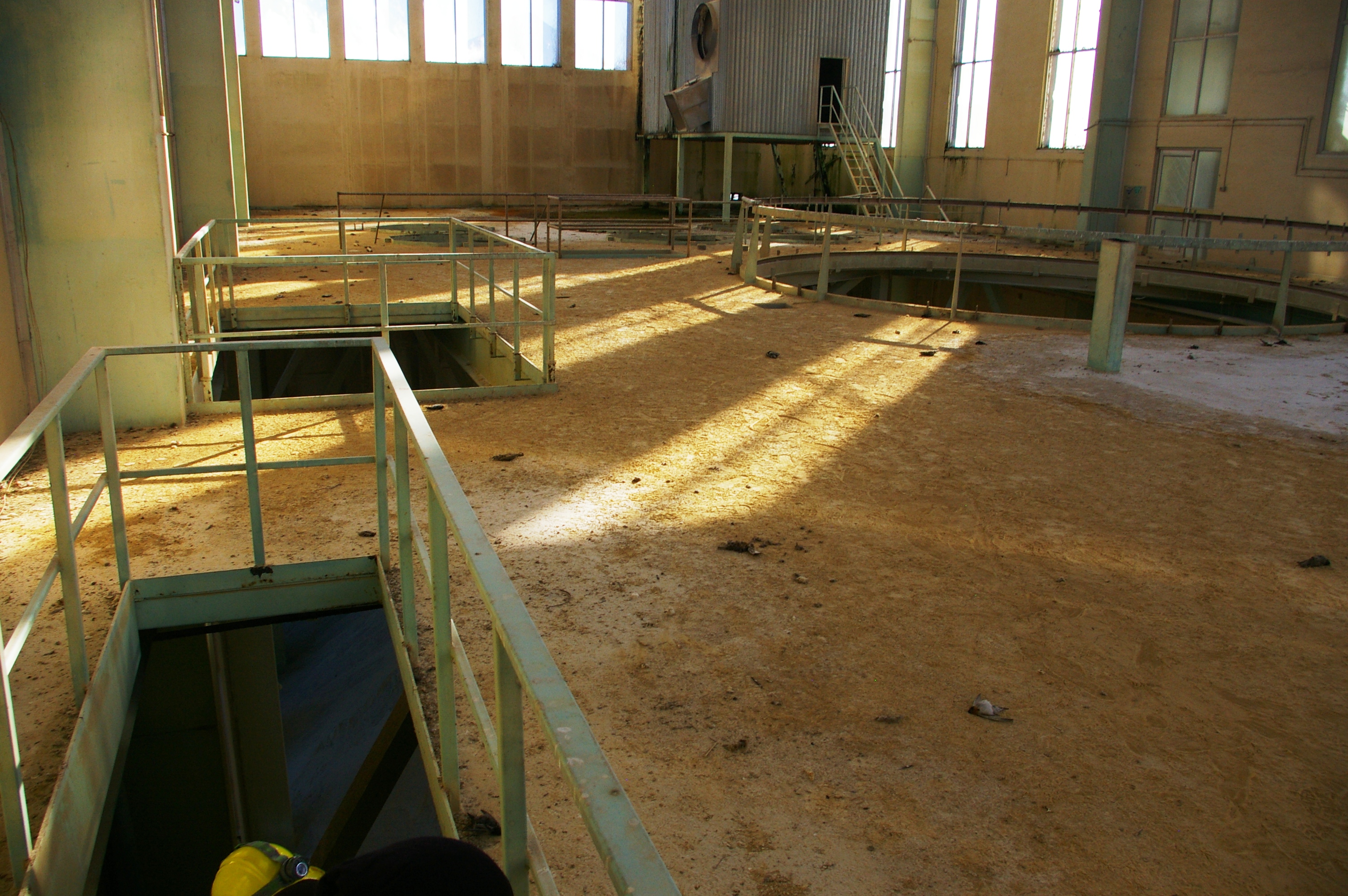
After walking into this fertiliser storage tower we quickly noticed something very wrong, hundreds of dead birds coating the floors. We’re not sure if it was the fertiliser or being trapped which entombed them in the building, but didn’t care to stay and find out.


Power
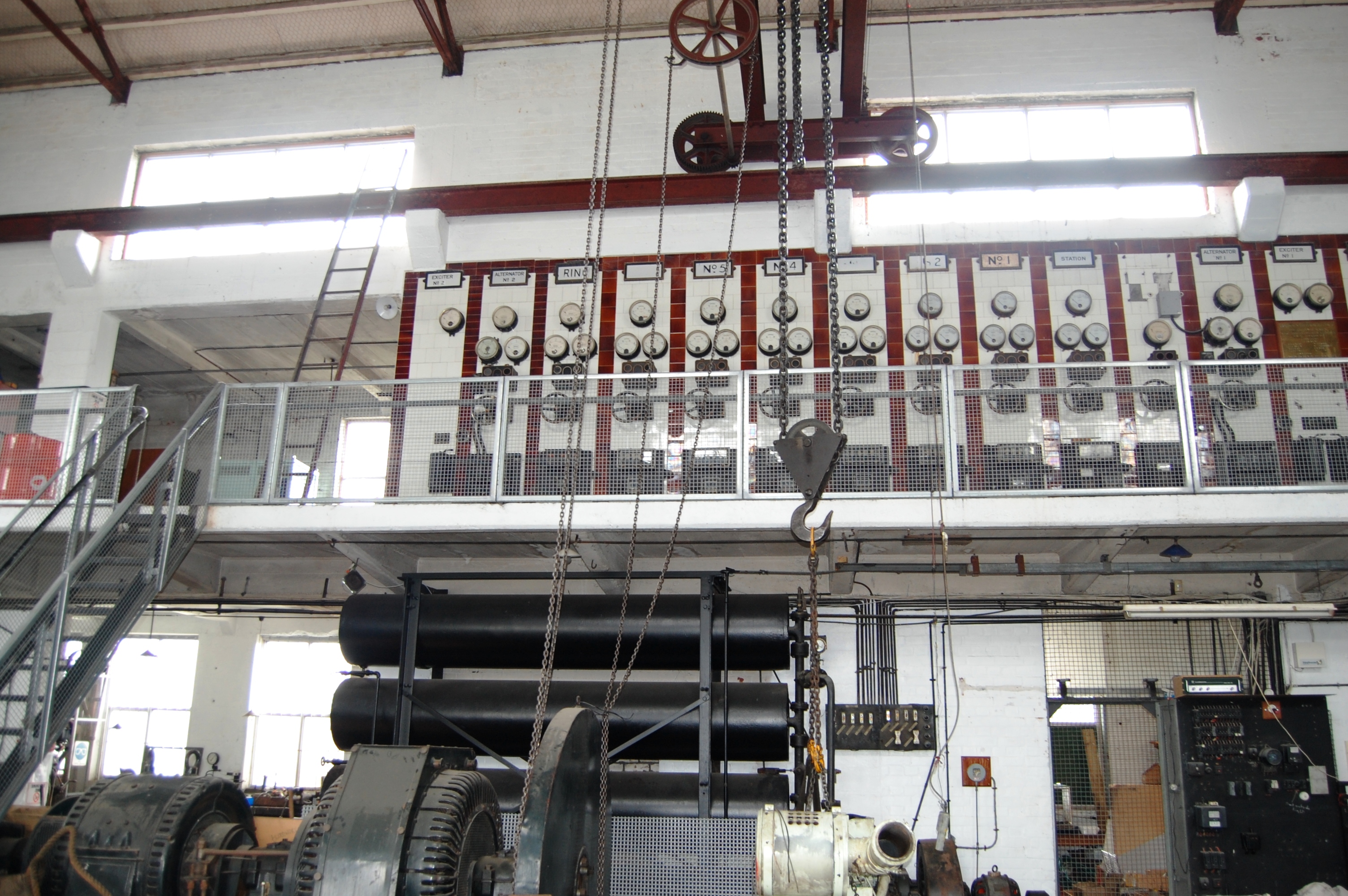
The huge generators in this power station are still fully operational, but it is unlikely that it will ever put another kW of power into the grid as it has been disconnected.
A group of enthusiasts maintain this fantastic example of engineering and occasionally hold open days, we were lucky enough to be passing by when one of their group was doing maintenance inside and allowed us (and now you) to have a peek at the inner workings.



Hilltop Hospital in East Manawatu
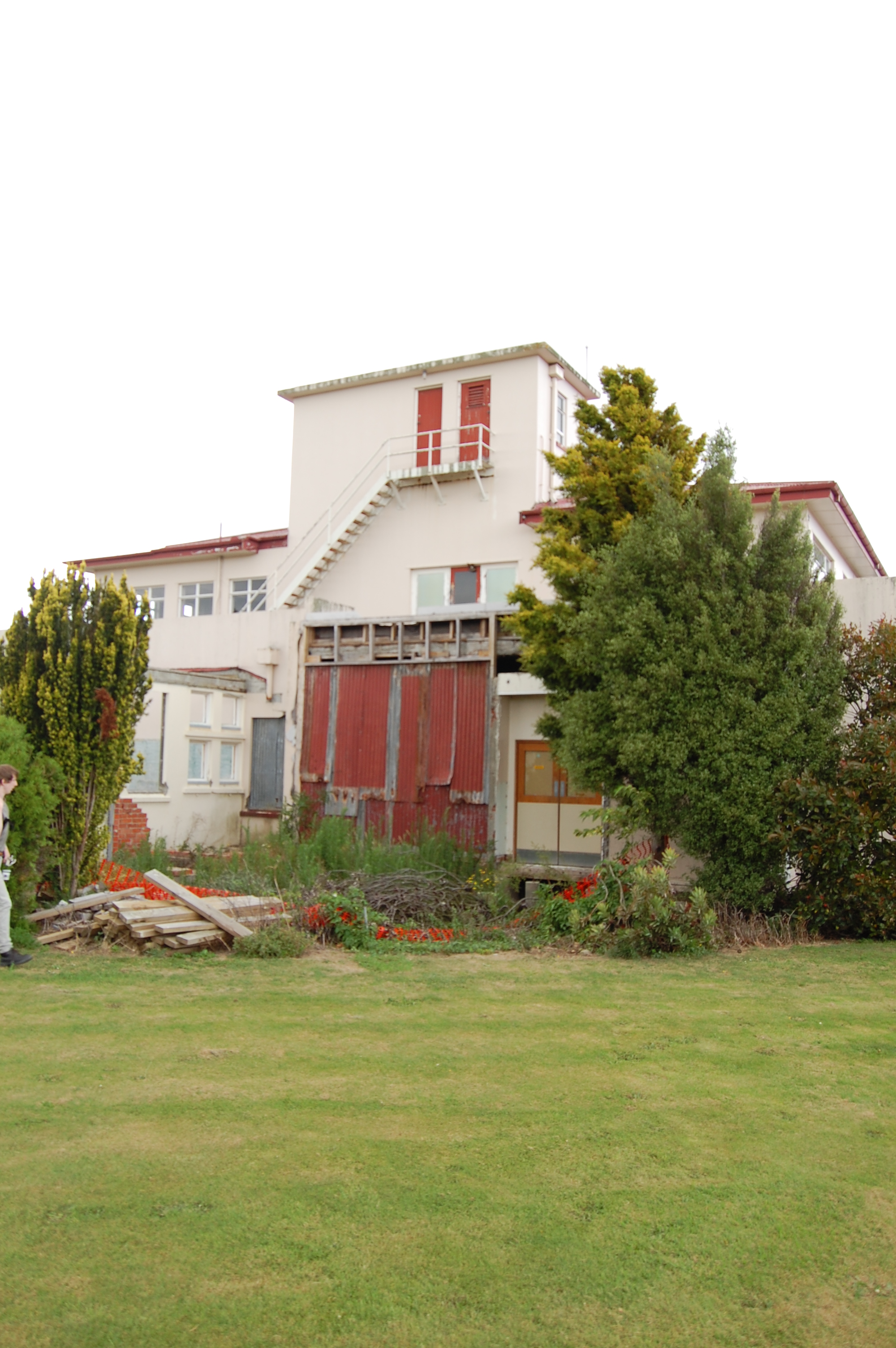
This rural hospital became defunct once the small country town in which it is located upgraded their facilities and build a new hospital on a different site, by the time we managed to explore it an entire wing had been removed and much of the interior had been stripped and sold to building recyclers. It is a shame to lose what was once such a nice example of art deco architecture. These photos were taken by an associate of ours, so credit goes to them for the images.



Tanked
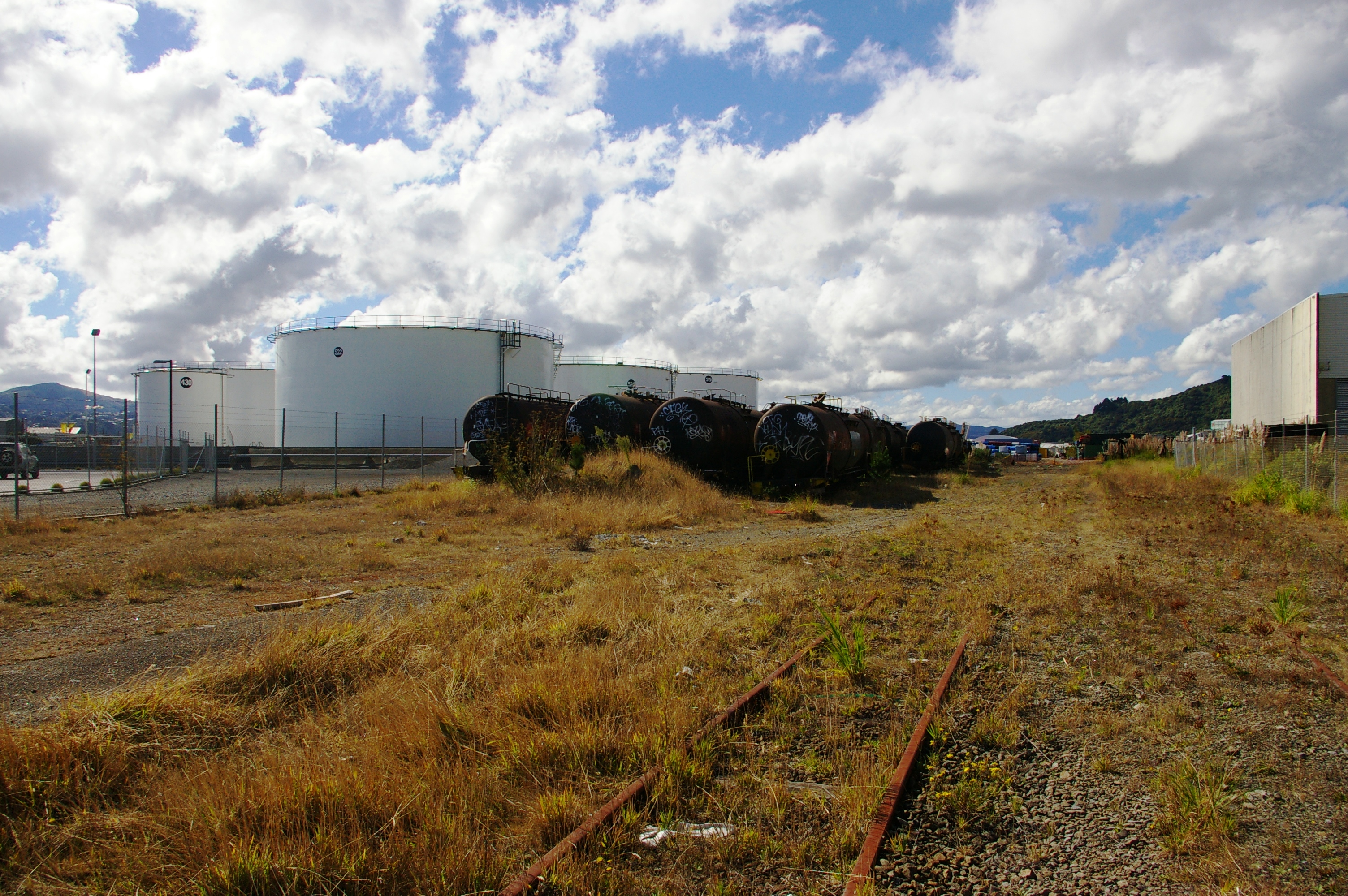
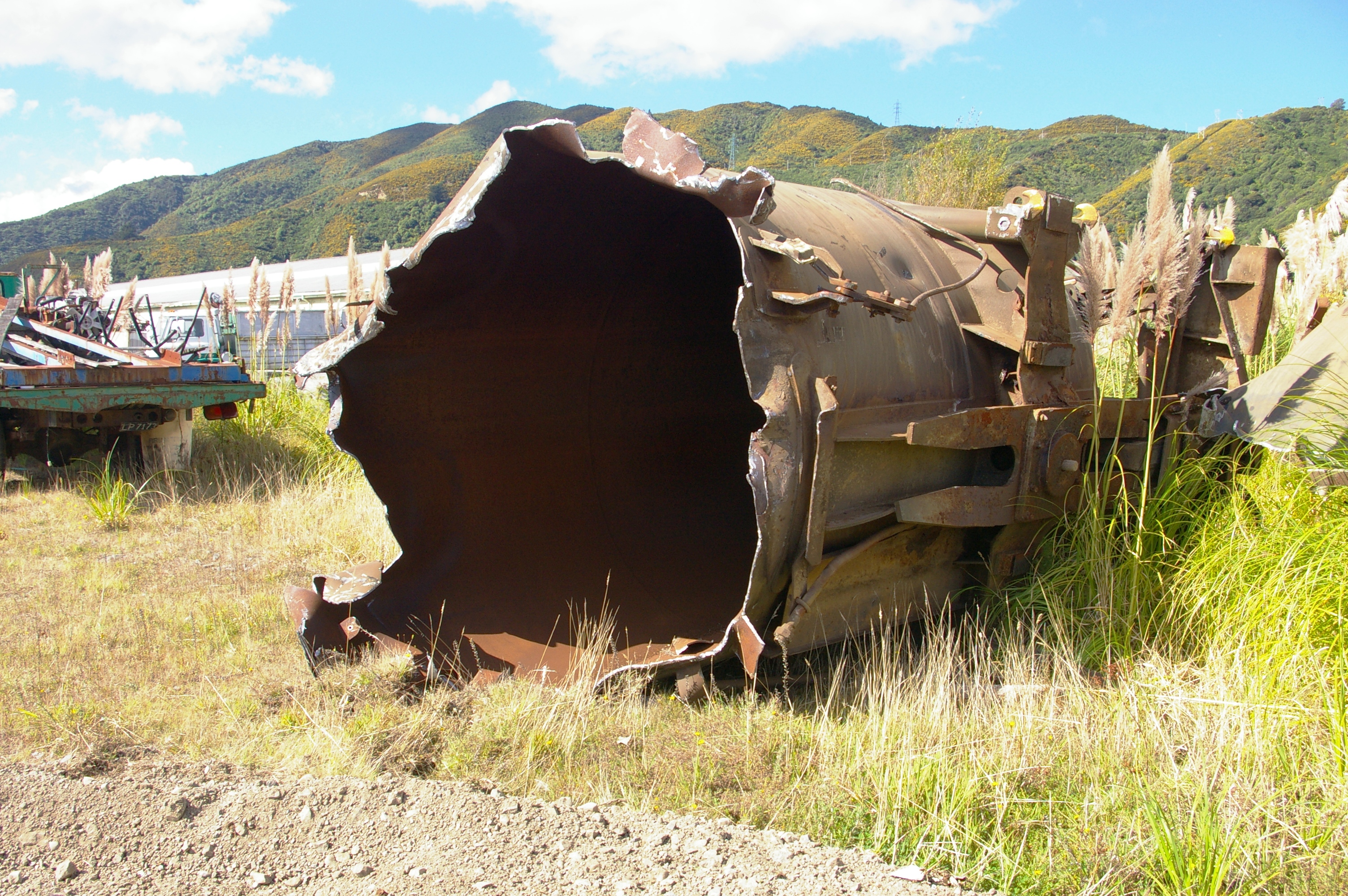
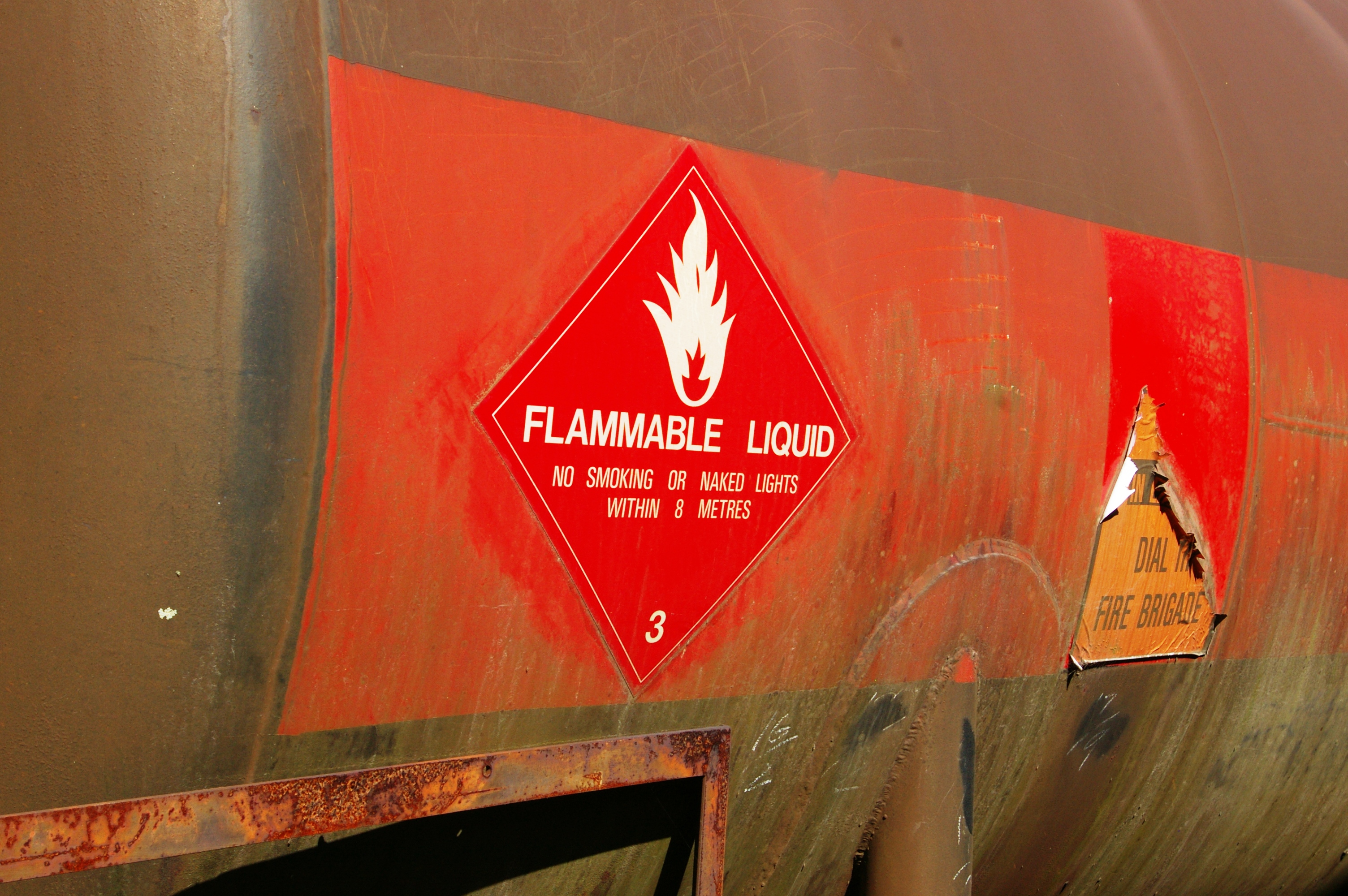
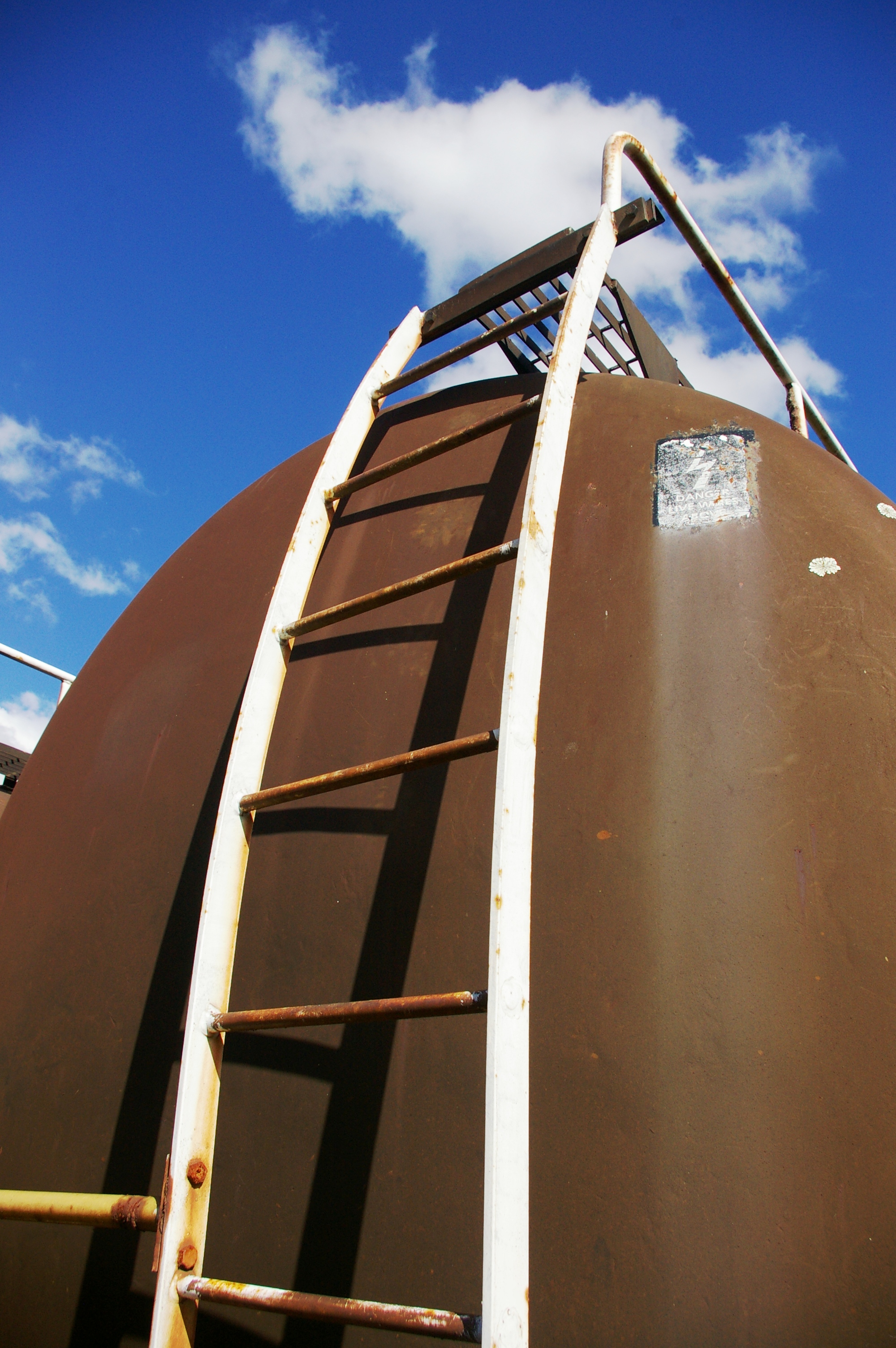
A small fleet of abandoned flammable goods tanker wagons provided us with an adventure playground.








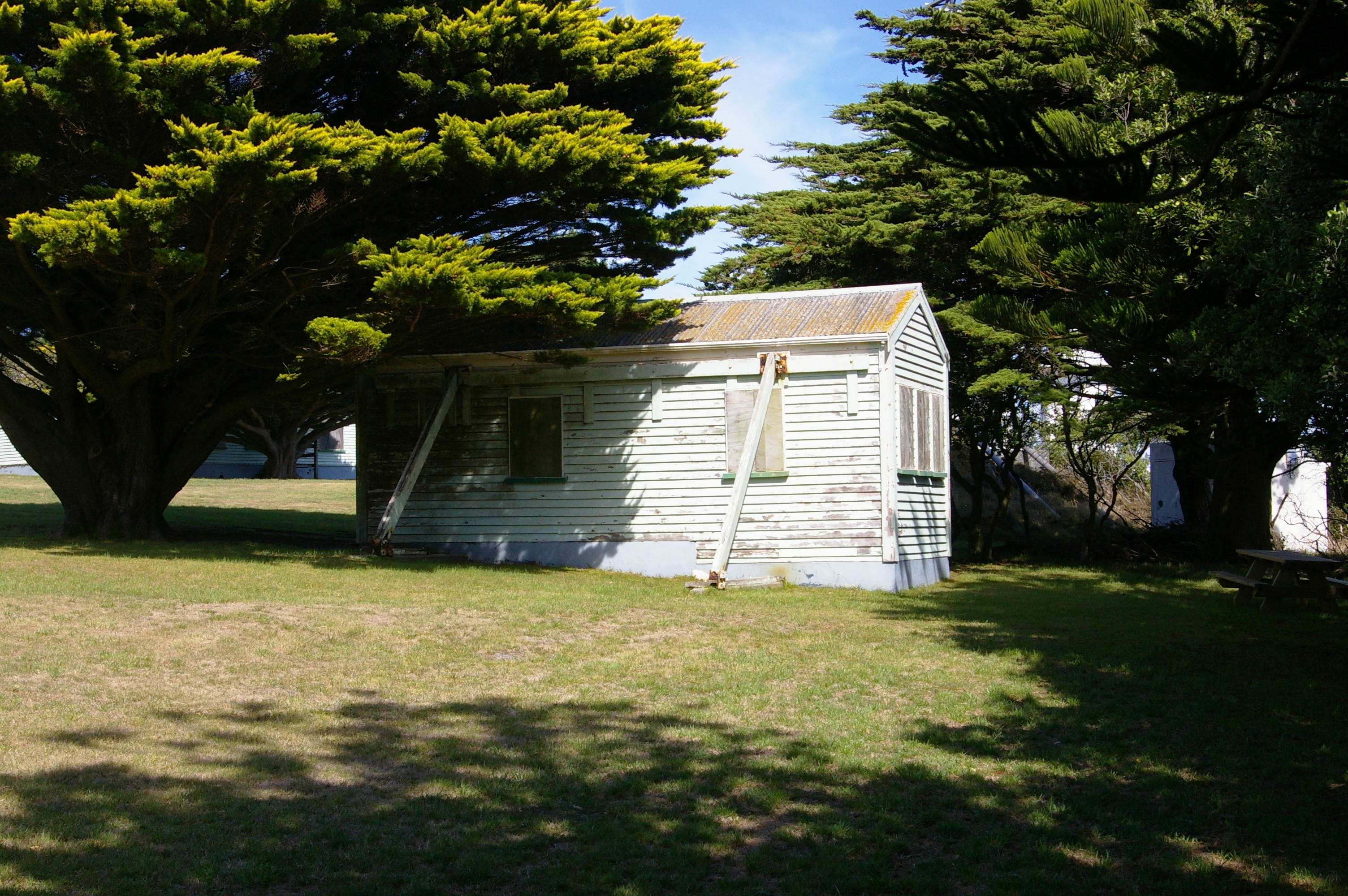
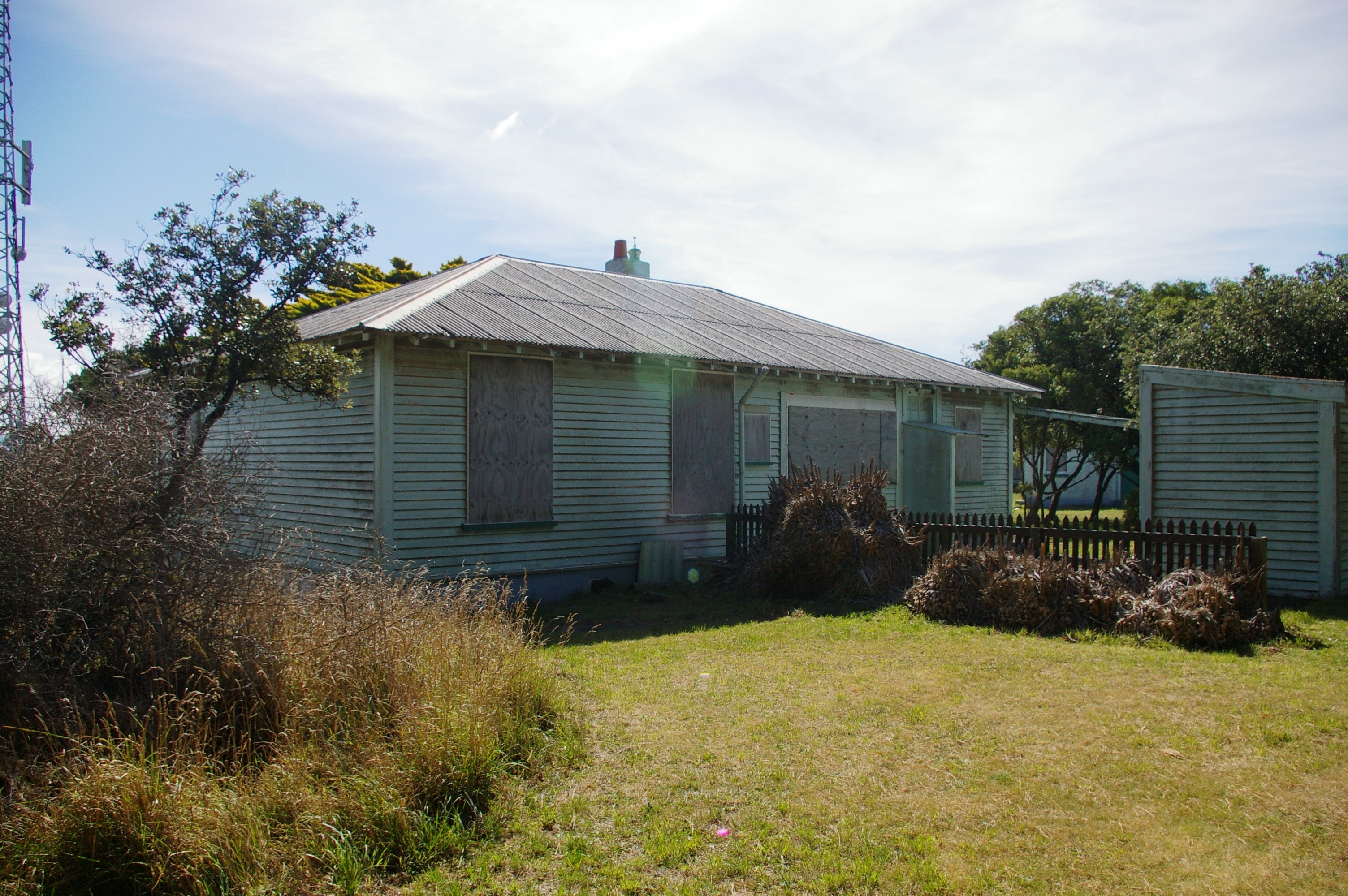
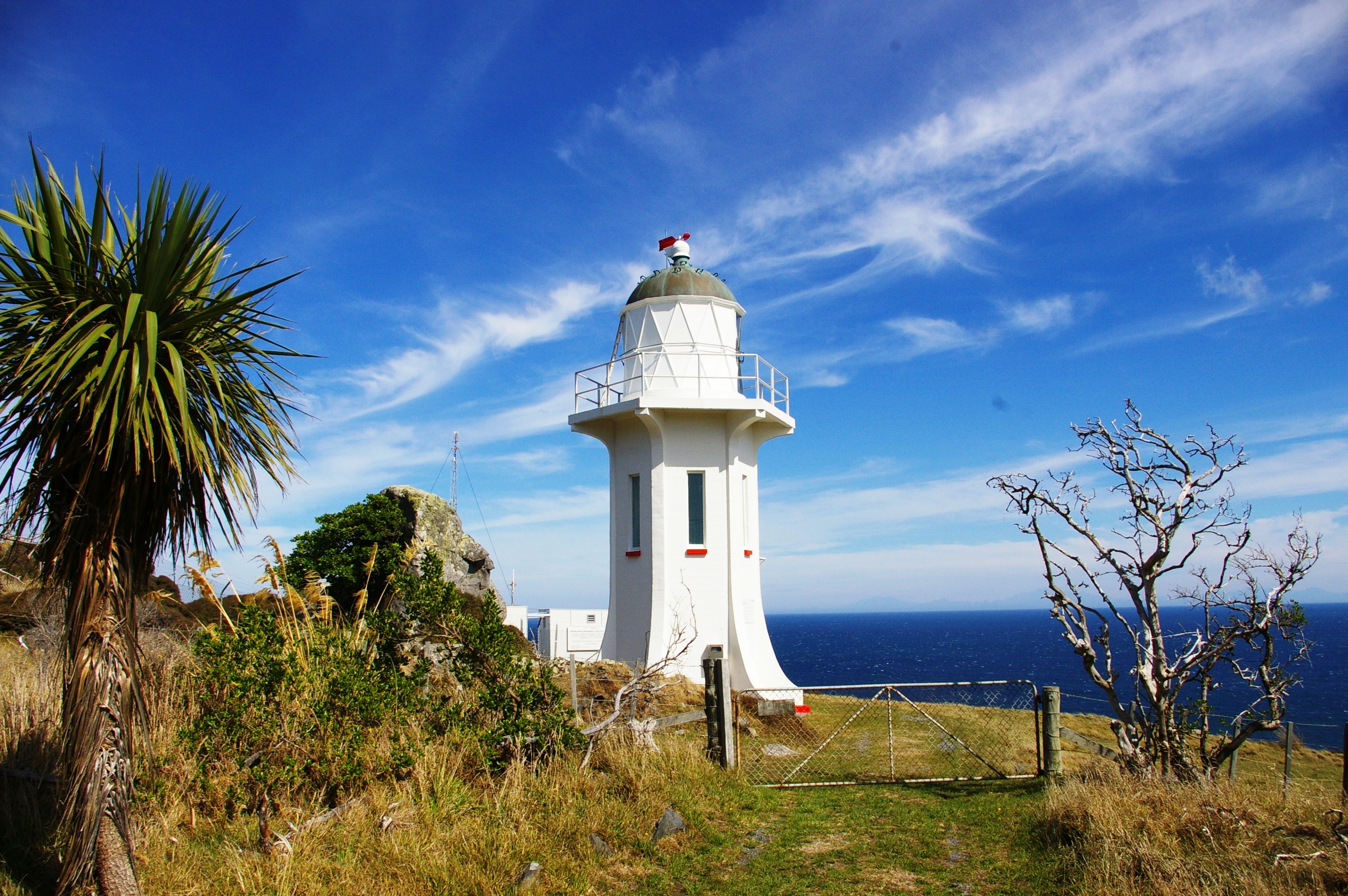
Lighthouse Keepers’ Houses
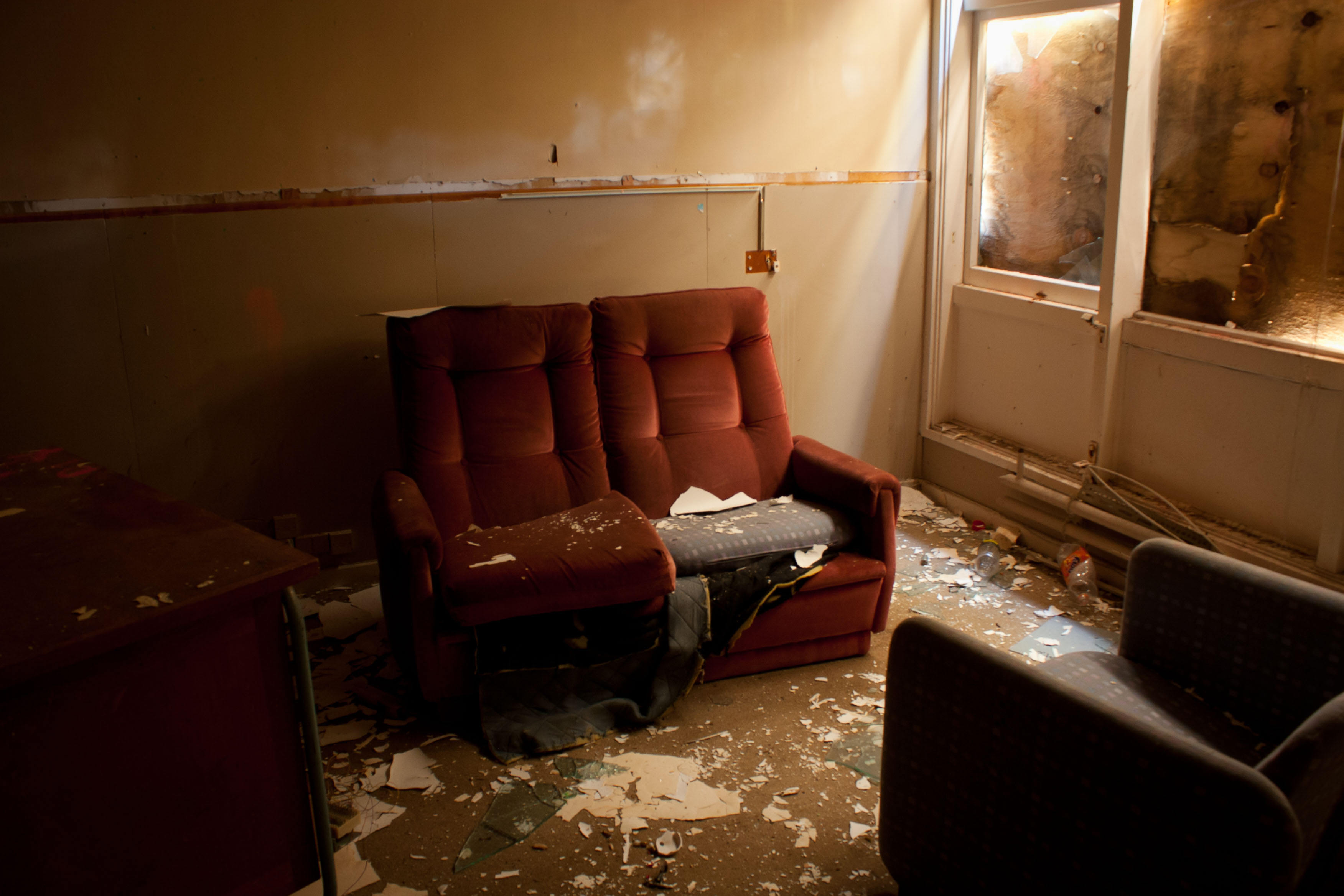
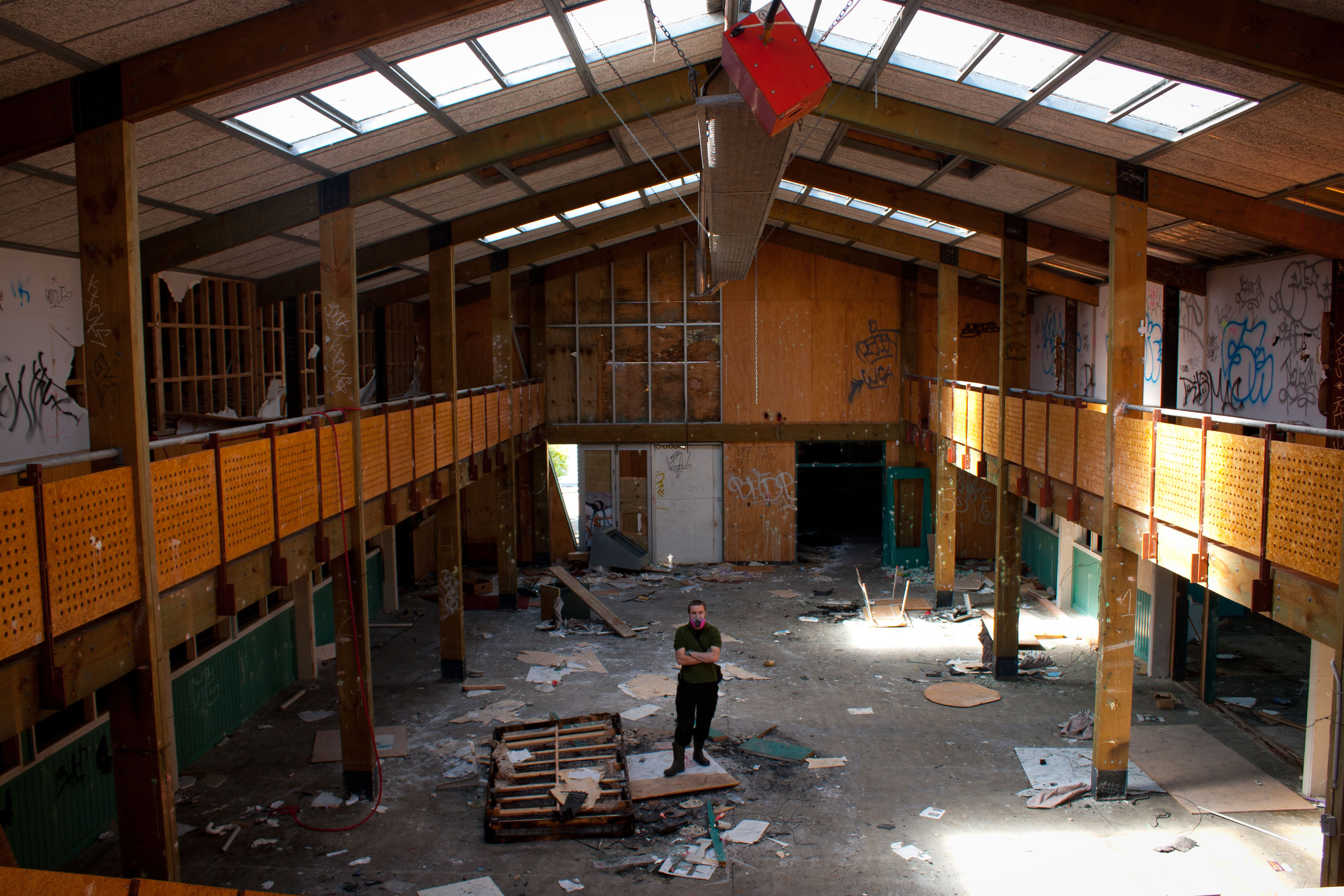
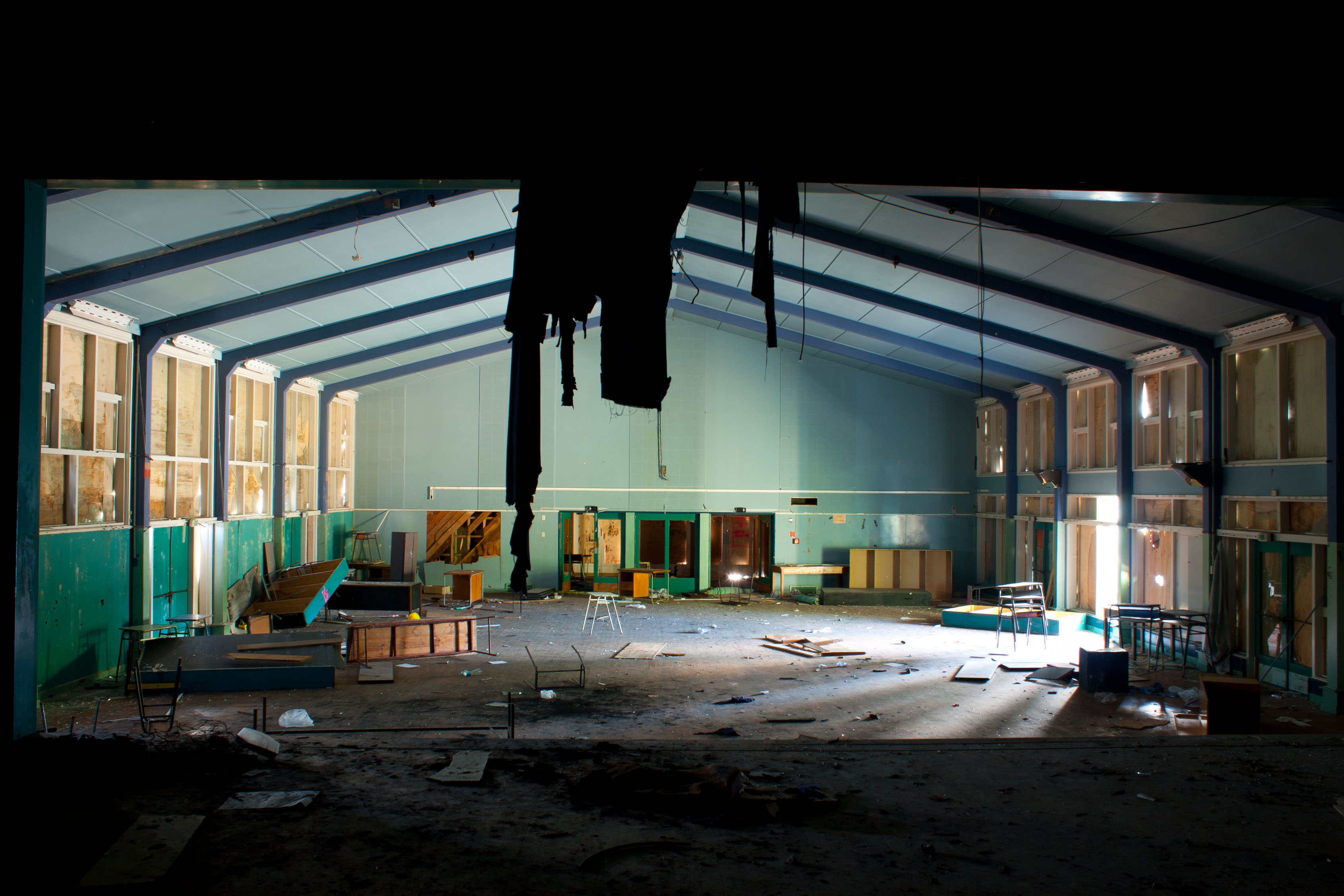
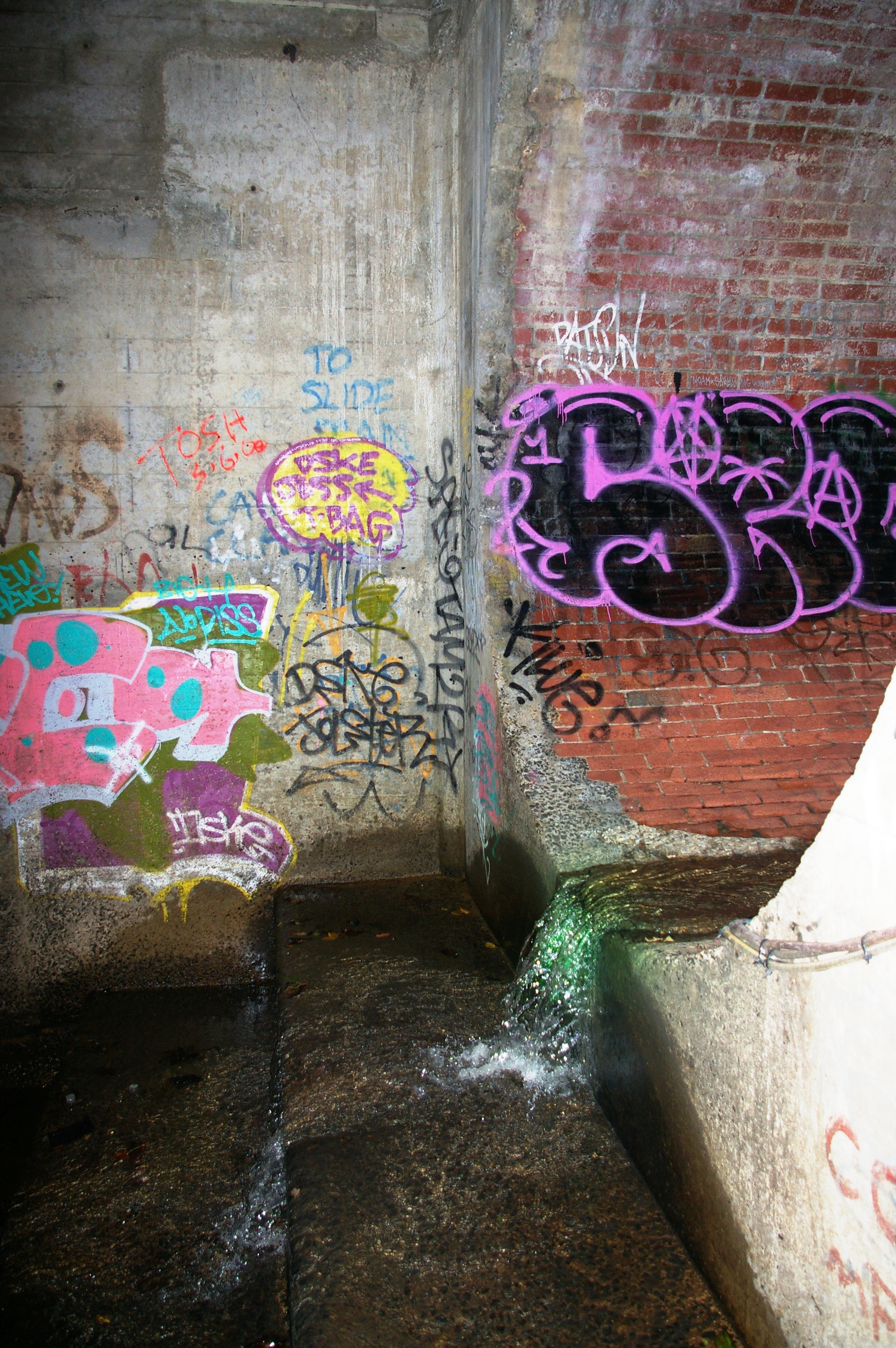
With the automation of lighthouses the job of lighthouse keeper and its associated chattels and residences soon became a thing of the past. Here we see the remaining lighthouse keepers’ houses at a lighthouse standing vigil near the entrance to Cook Strait.

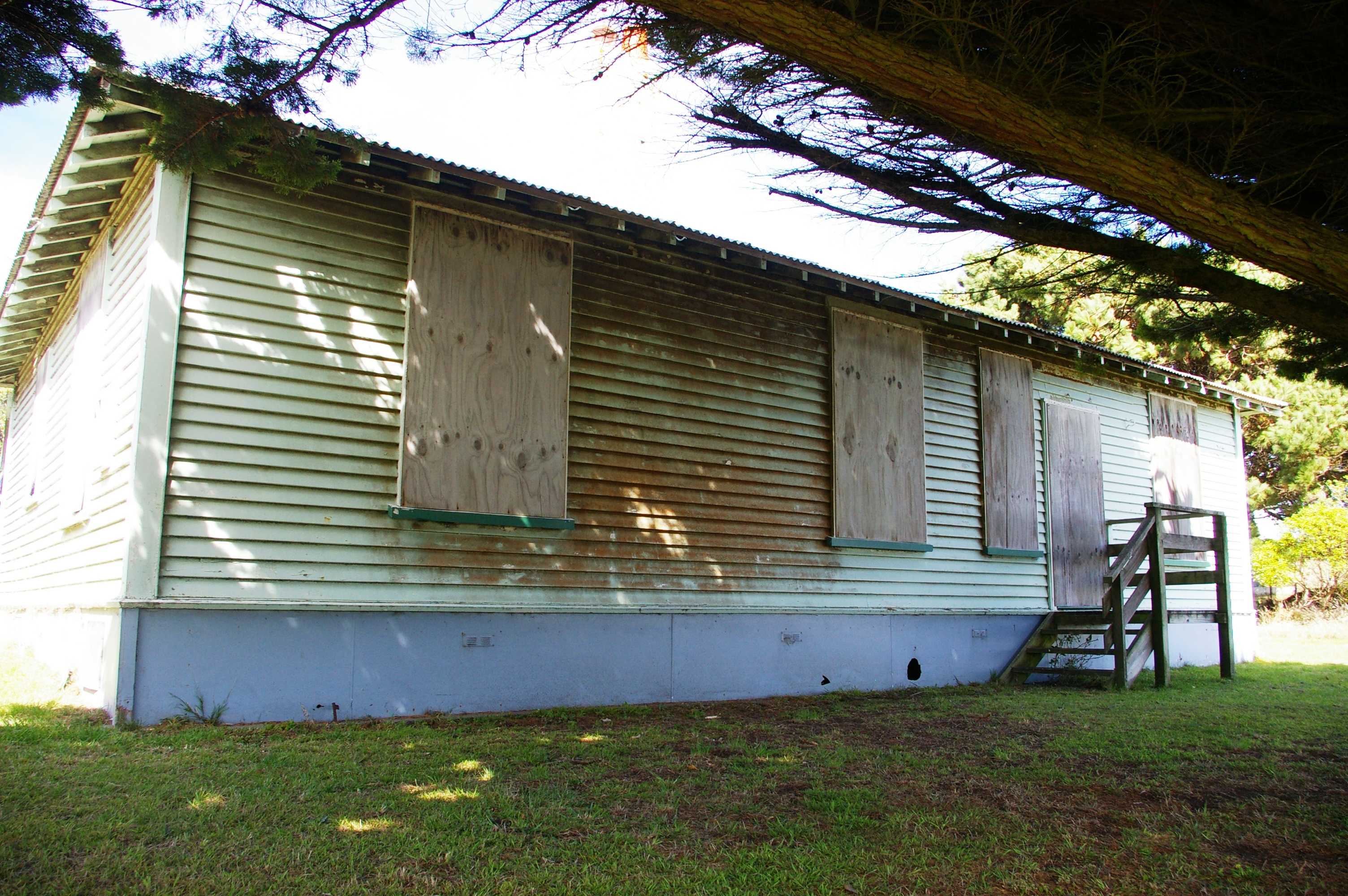

Liebster Award
One of our Urbex Central followers has nominated us for the Liebster Award – which is like a chain letter of affection from one blogger to the next, but without the spurious claims of profound loss of luck if the chain is broken. Thank you Tina of Everyday life in Vienna (aka tinasrabbithole). Tina’s faithful ‘likes’ regularly skew the fragile ecosystem of our blog’s statistics, conveying the impression that we’ve established a hardcore following of Austrians. In fact, we have found a hardcore following in one Norwegian ex-Wellingtonian residing in Vienna. But who’s counting anyway? Check out Tina’s observations from a land where lovers lock themselves to bridges, and toilet patrons make use of a handy little porcelain shelf upon which to inspect their own (and conceivably, one another’s?) stools for ‘health reasons’.
Apparently the Liebster guidelines require us to say a little about ourselves, and suggest some blogs worth checking out.
Righto. Well Urbex Central is playground to a group of charming subversives who unite under the nom de plume The Inspectres. We delight in going places that get our hearts racing, our senses maxing-out, our limbs aching and our imaginations whirring. We are really just finding our feet as a collective, discovering through trial and error what each of us can do: find, scout, film, shoot, edit, write, act, climb, sneak, slither, haul, impersonate, improvise, infiltrate. Wellington, New Zealand feels right now like it is opening in our hands like some kind of exotic stone fruit. We’re savoring it.
As far as blogs we follow, they are as diverse as we are.
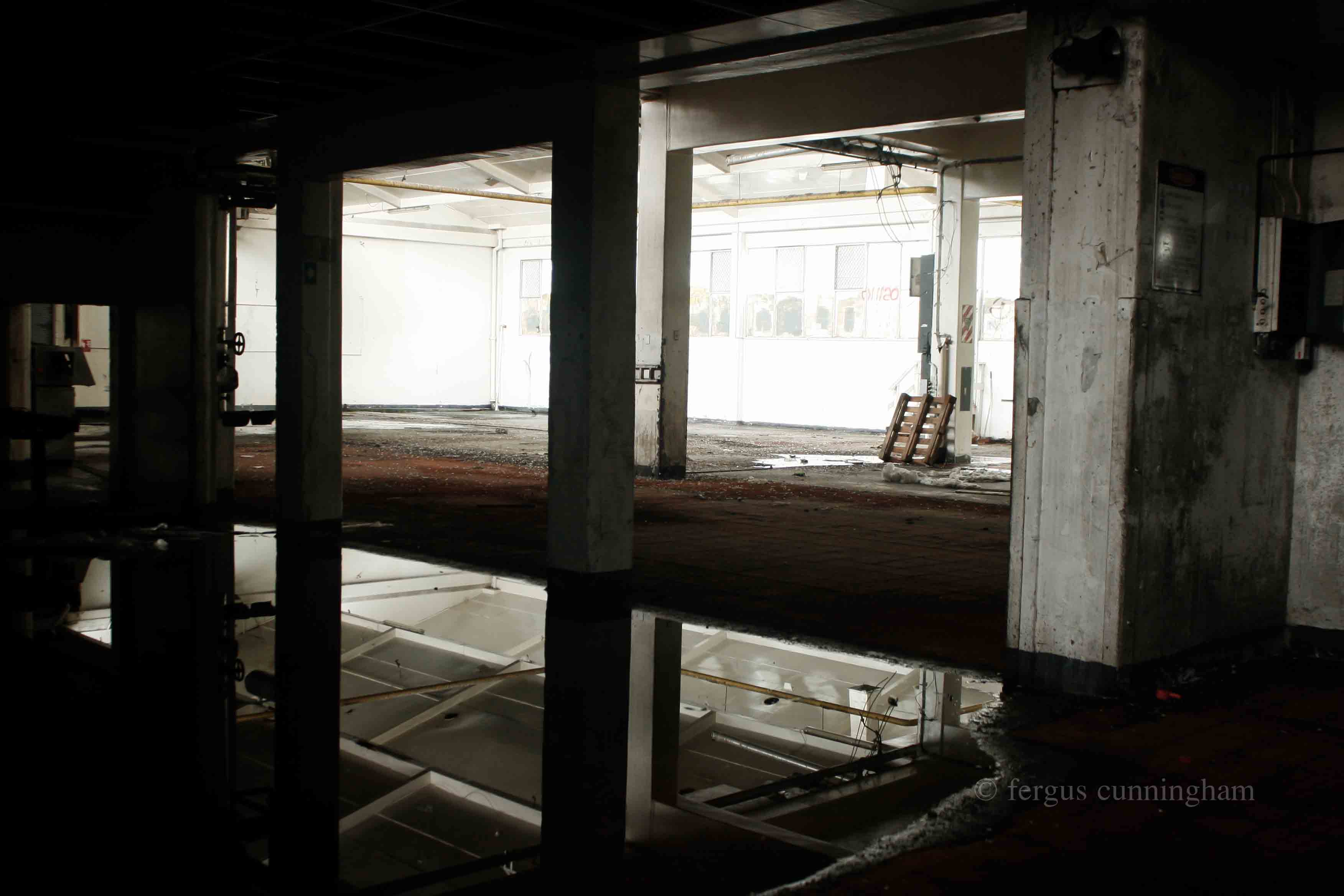
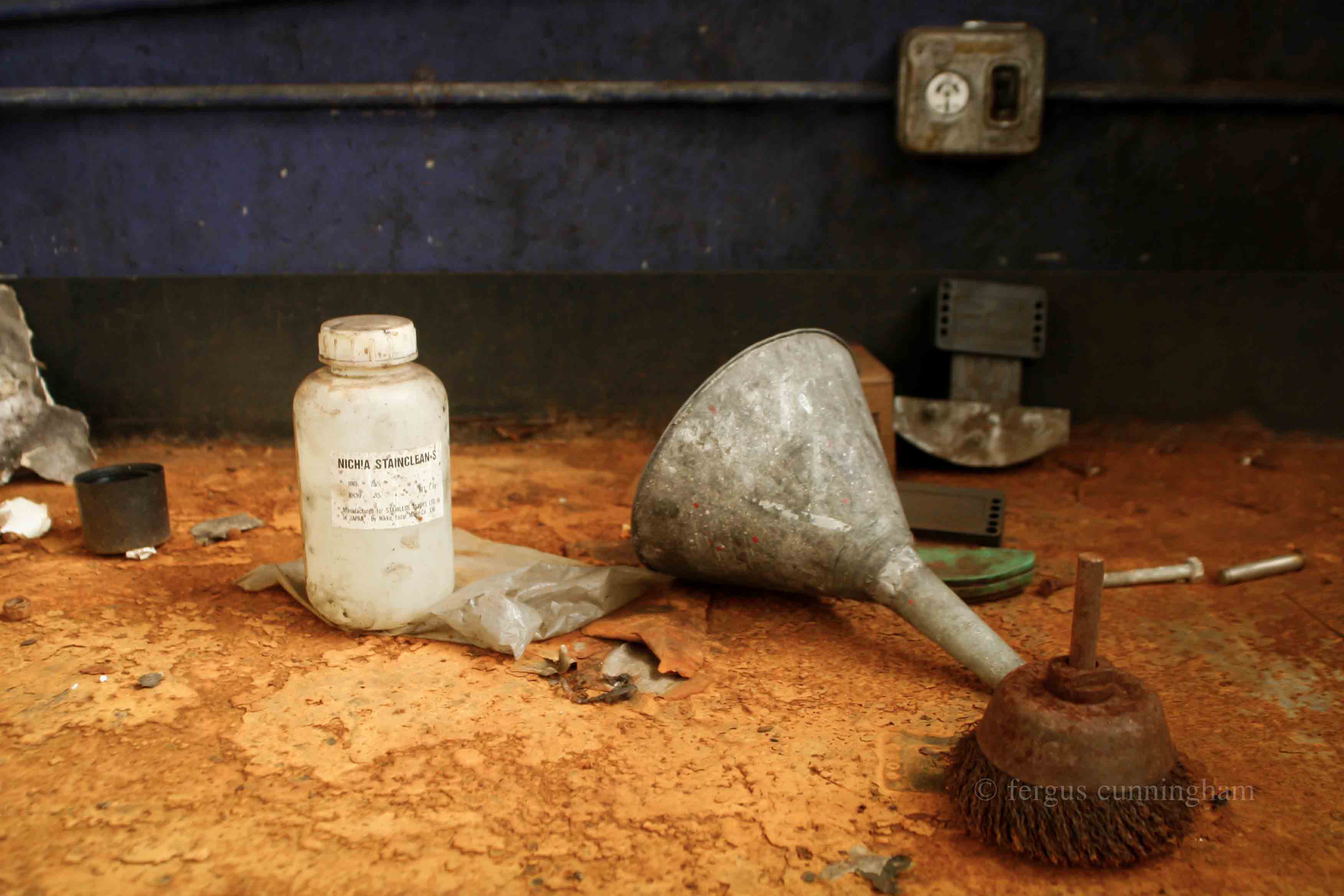
We certainly love the photography of Fergus Cunningham.
We contribute to the work of Wellingtonia.
It’s always interesting to see what thecoffeeimp has been doing the morning after what we’ve been doing the night before.
iambidong has been generous with what he knows and what he shoots. He has released a free ebook (for people new to the idea of urban exploration) here
That’s plenty. Liebster Awards for them all!
Thanks for following us, and happy exploration to you, in whatever way that manifests in your own life.
Warmly,
Gunner
Urban Exploration versus terrorism AND McCarthyism
I noticed you referenced my website in your PDF but clearly failed to even skim the 380-page PhD living there which contradicts almost everything you’ve asserted.
What urban explorers are doing by sneaking into places is expressing deep admiration for their environment and its history. They are participatory citizens who take an active interest in their city and inspire others to playfully and creatively engage with their surroundings. They also have a strong sense of community, the very thing that makes a city safer.
Countless historical precedents show that when and if terrorists strike, they will do so pretty much out in the open, aiming to inflict maximum human casualties – an attack is as much psychological as physical. Let’s take a metro tunnel as an example, which you suggest could be targeting for “disruption of service because of access to electrical, ventilation, or signal control rooms.” Why would you study urban explorer’s photos to find a way to abseil down a ventilation shaft into an abandoned tube station to disrupt a signal? This would be incredibly time-consuming, difficult and not very effective, especially when you can walk into a train with a valid ticket and an organic peroxide–based device in a rucksack. You may remember this happened in here in the UK on the 7th July 2005 that killed 52 people.
You know what your best defence against terrorism is? A bunch of people who love their city, paying attention, with cameras. That’s a perfect description of urban explorers.
McCarthyism is the practice of making accusations of disloyalty, subversion, or treason without proper regard for evidence. That is what you are propagating here. I think it might be worth taking the time to consider who is doing the “terrorising”. Using a vague threat to limit people’s right to spend their free time as they wish is unwarranted, unethical and authoritarian. Just to be clear: it’s drivel like this that is destroying the last vestiges of democracy.It’s worth considering this passage from 2003 by the explorer couple Liz and Ninjalicious which still resonates strongly today, especially in the context of your naïve overzealousness:
“Allowing the darkening threat of future terrorist attack or indeed of our increasingly scarce civil rights to deter our curiosity or intimidate us away from expressing our deep appreciation for the hidden and neglected bits of our urban landscapes would be the greatest crime of all. Continuing to support considerate exploration and questioning authority in productive, benevolent, and visible ways will allow us to represent ourselves as what we really are: people who love our cities, not those who wish to destroy them.”Dr. Bradley L. Garrett
University of Oxford
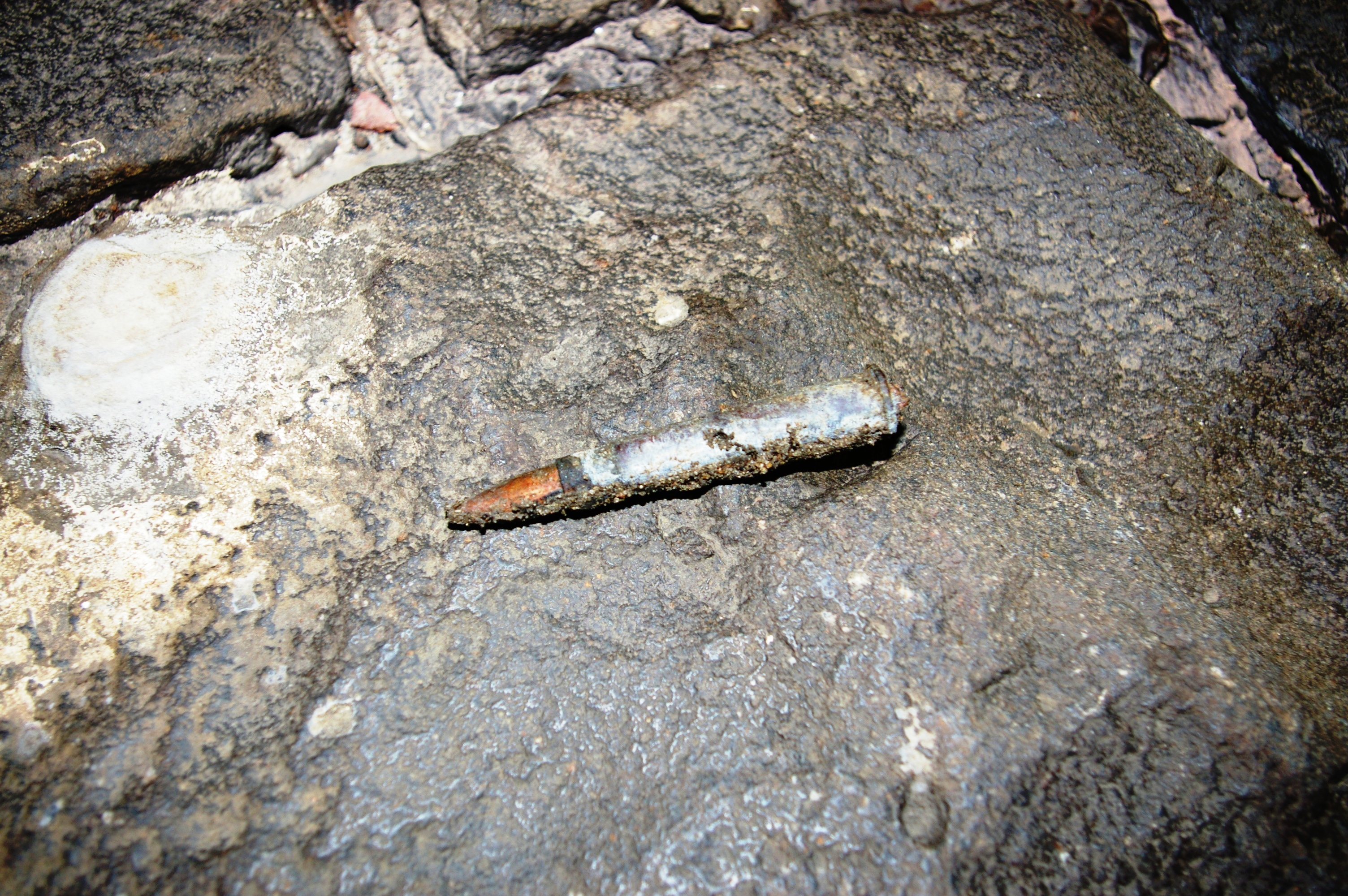


Exploration in London and Paris
Exploration in London and Paris
A substantial article by a journalist embedded in an urbex crew in London.
Urbex Party
This party was host to about 100 urban explorers in Melbourne earlier this year, the acoustics of fireworks going off in a drain is quite a lot different to what you can hear topside.
Melbourne Drains – Pt 1
During a recent trip to Melbourne a local contact was kind enough to show one of us some of the city sights less seen by tourists.


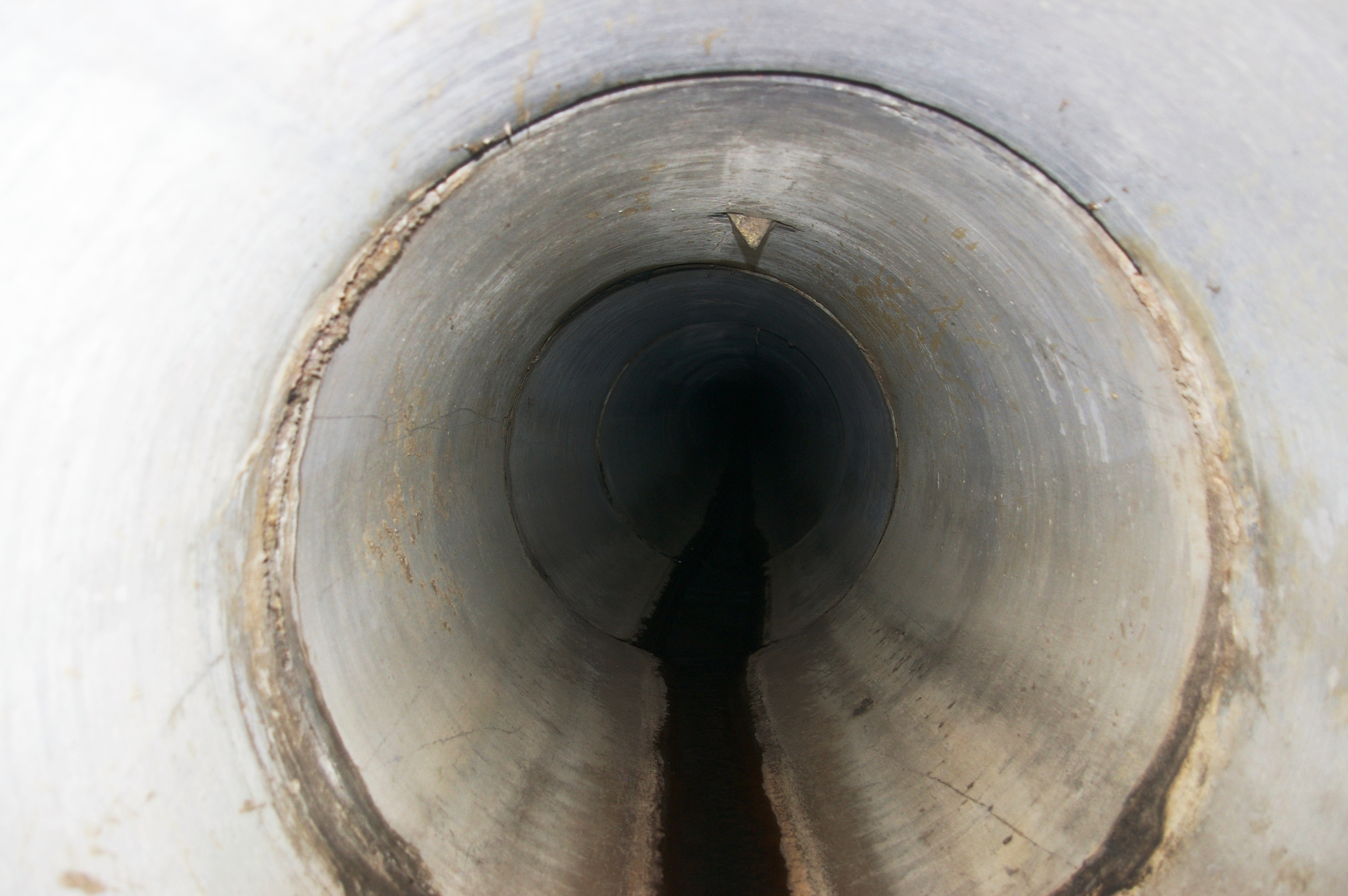
The Bunker
An abandoned former harbour defence gun battery, up above the Wellington Harbour. Someone else thought it was a great location- for a party- a rave we heard…


Copshop
A former police station in the suburbs. Prior to being a copshop, it was the other arm of the law- a court house…

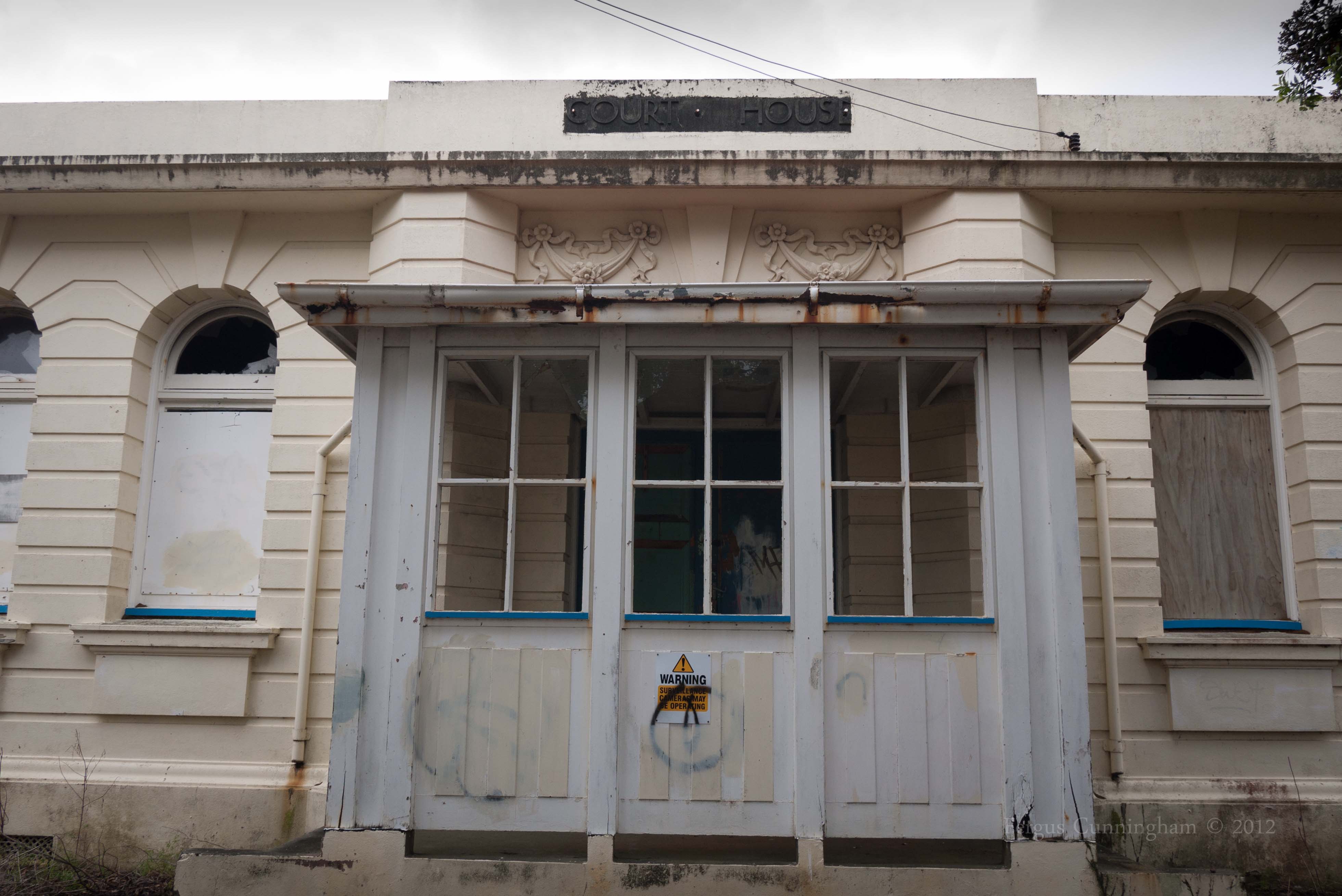


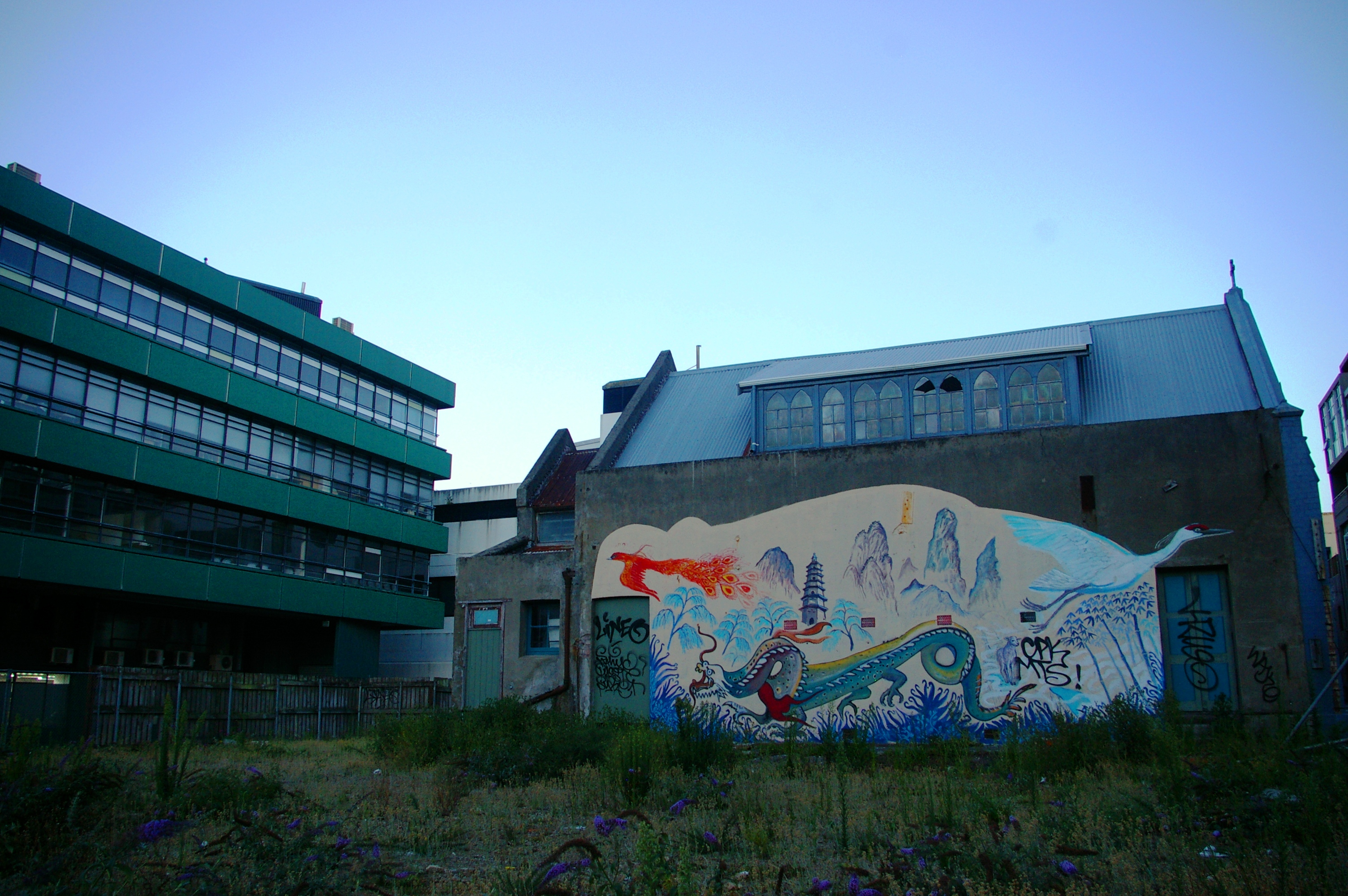
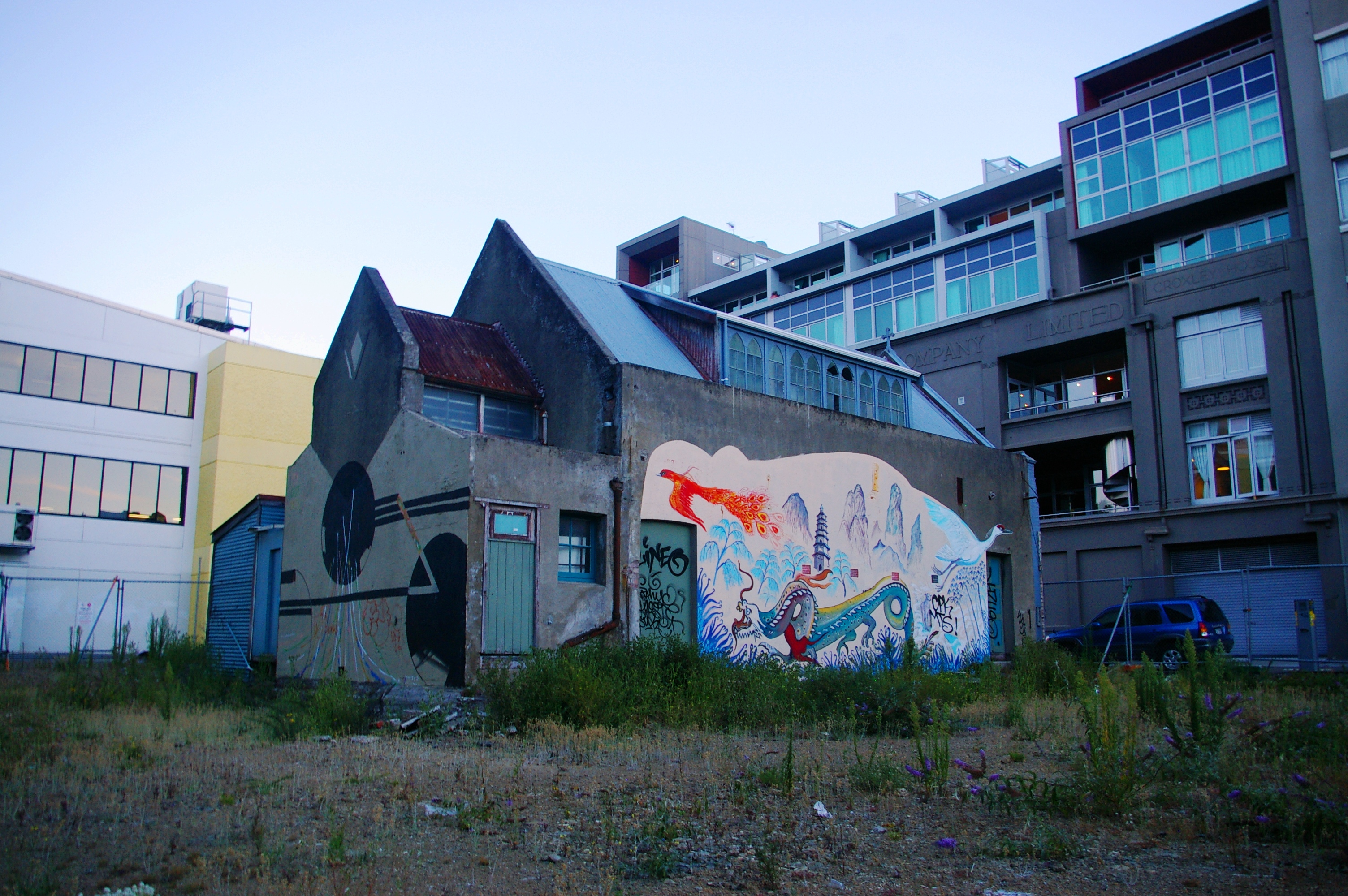
Chinese Mission
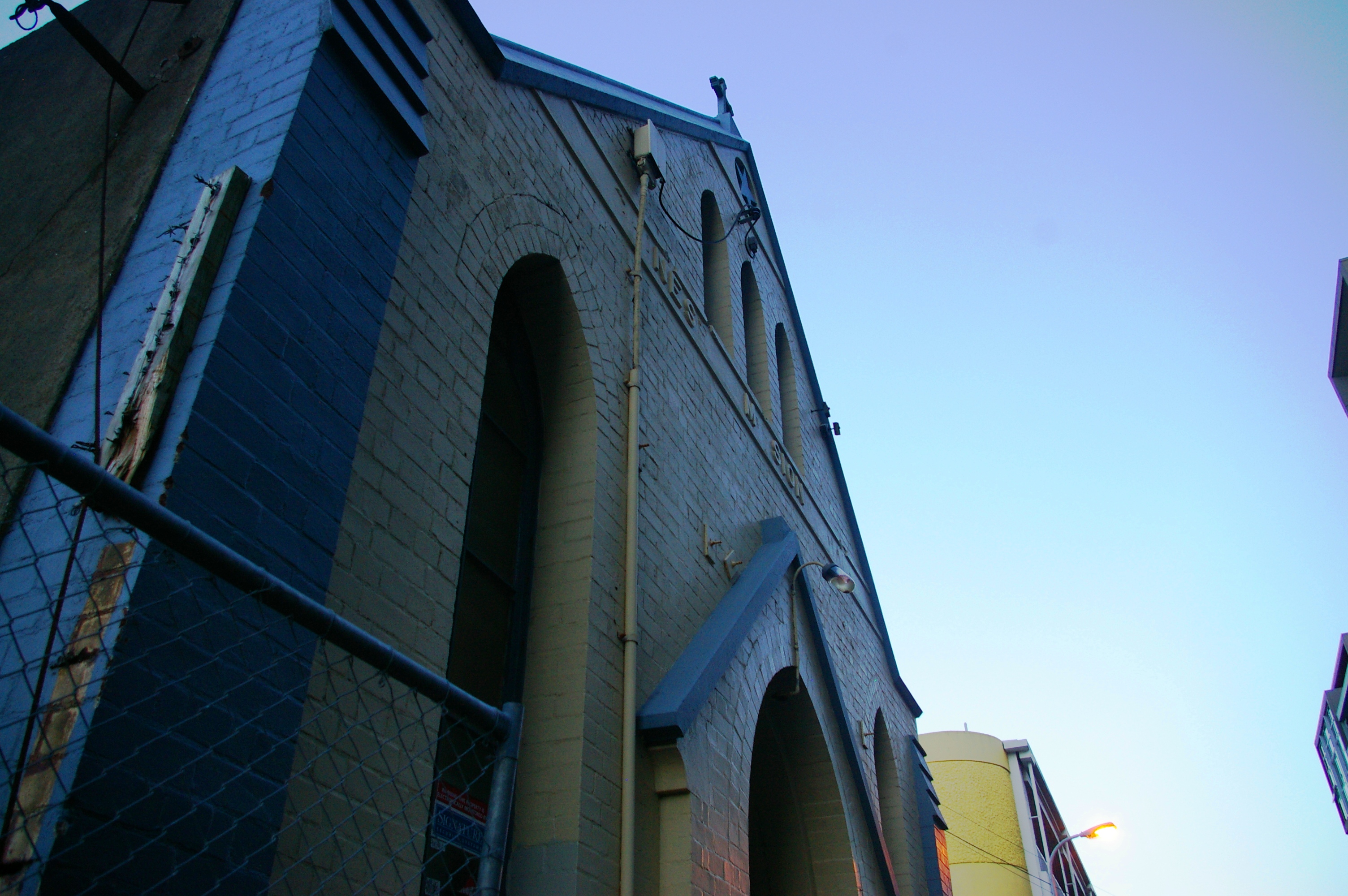
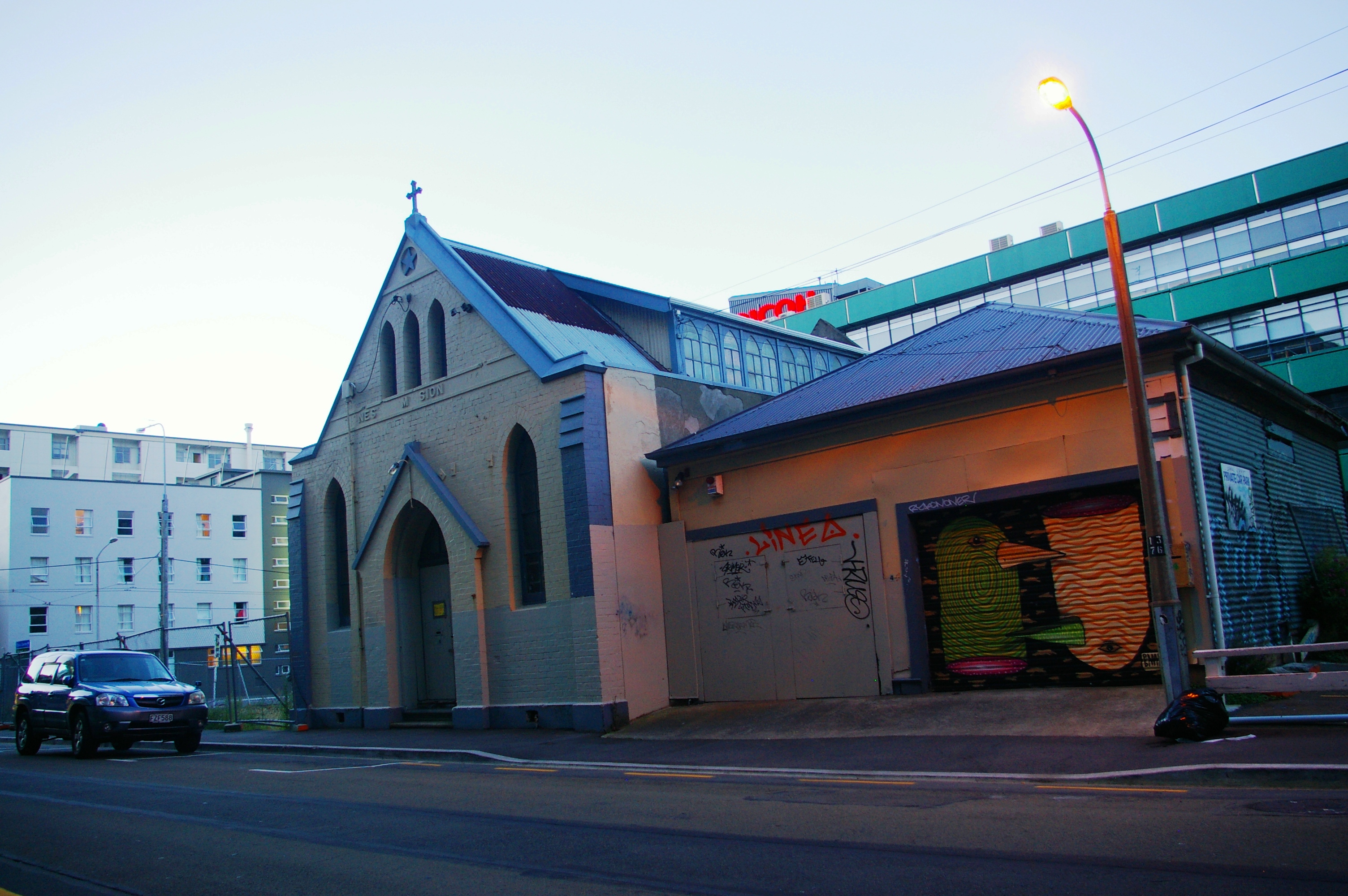
This tiny old church is soon to be demolished, it is juxtaposed with the city high rises around it.

Clock Tower

As viewed from a nearby rooftop at dusk.





Sacrilegious
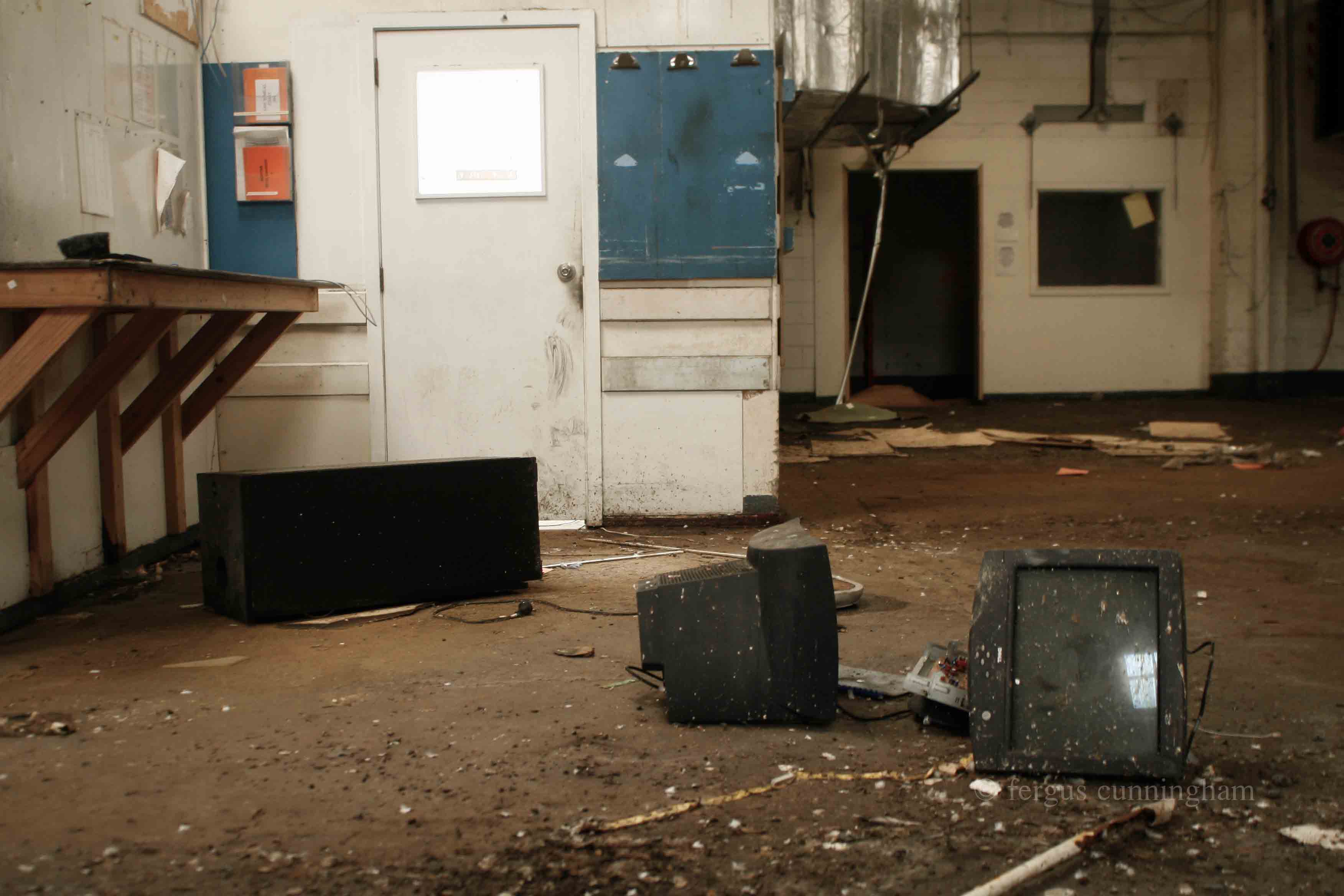
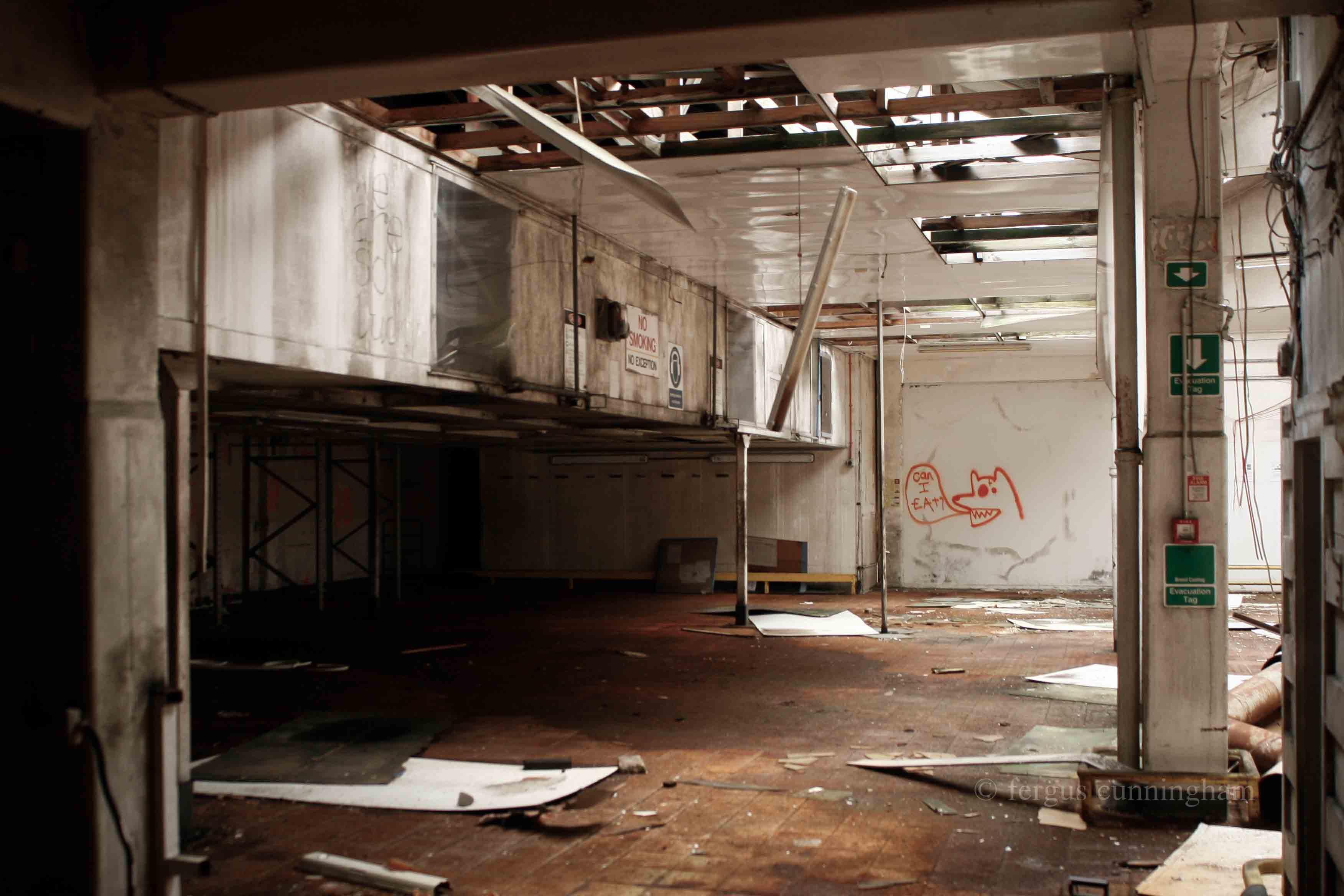
This iconic church has been abandoned due to earthquake risk, since the photos were taken the organ has been stripped out.


Railways
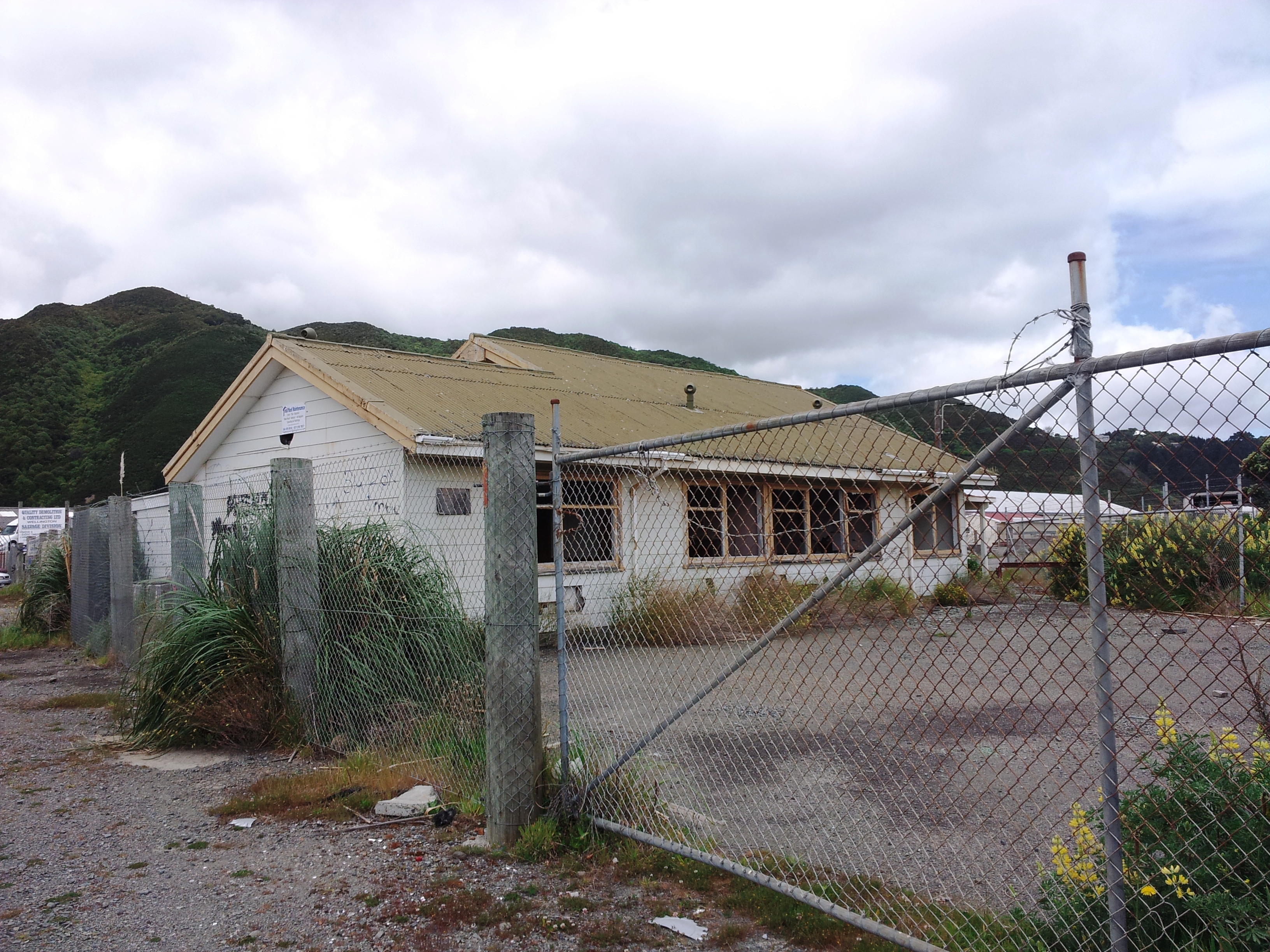
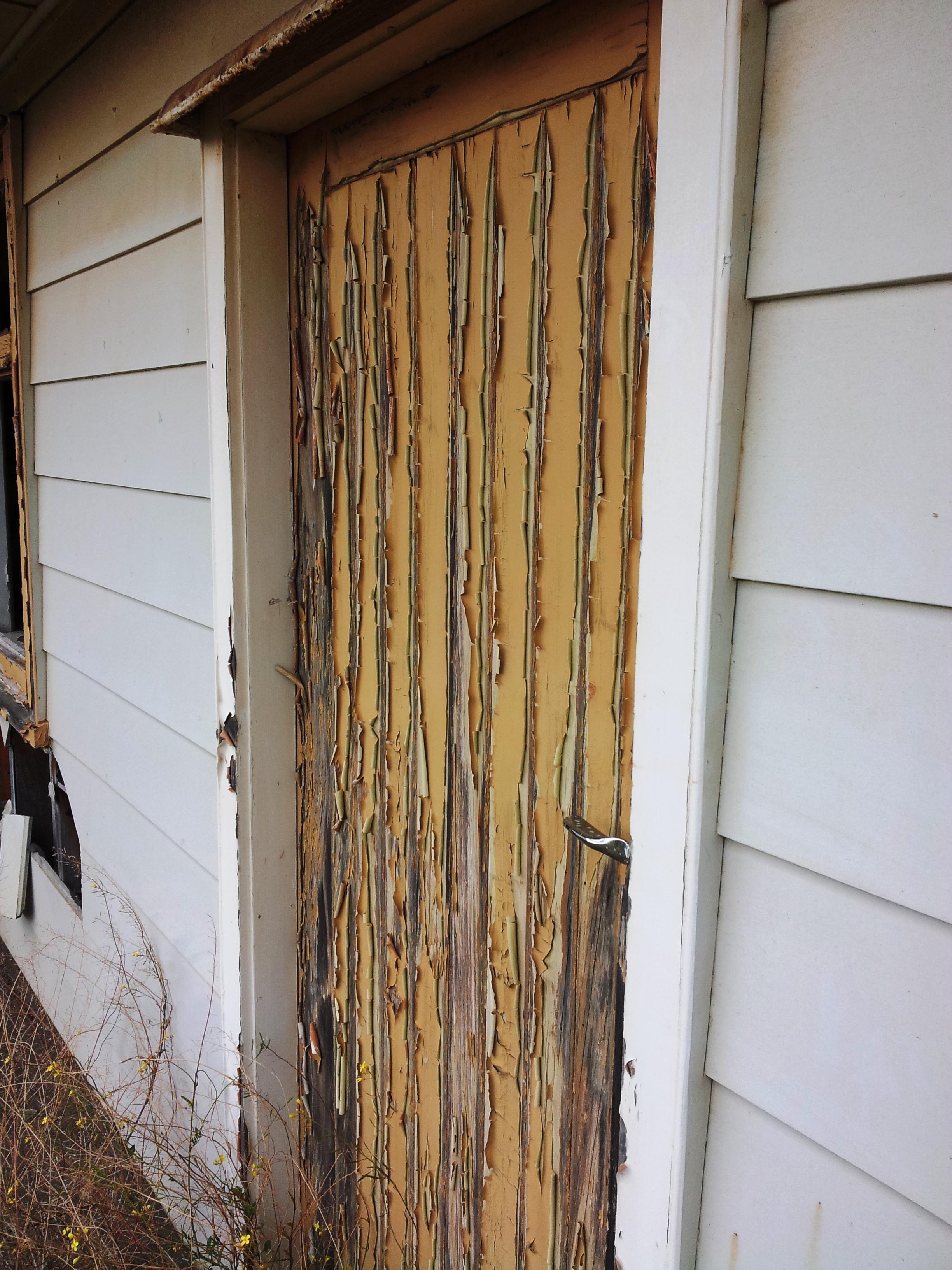
An abandoned railway building, it is full of asbestos so if you come across this one I would advise you to stay away unless you have an appropriate mask.



Aparmentalised
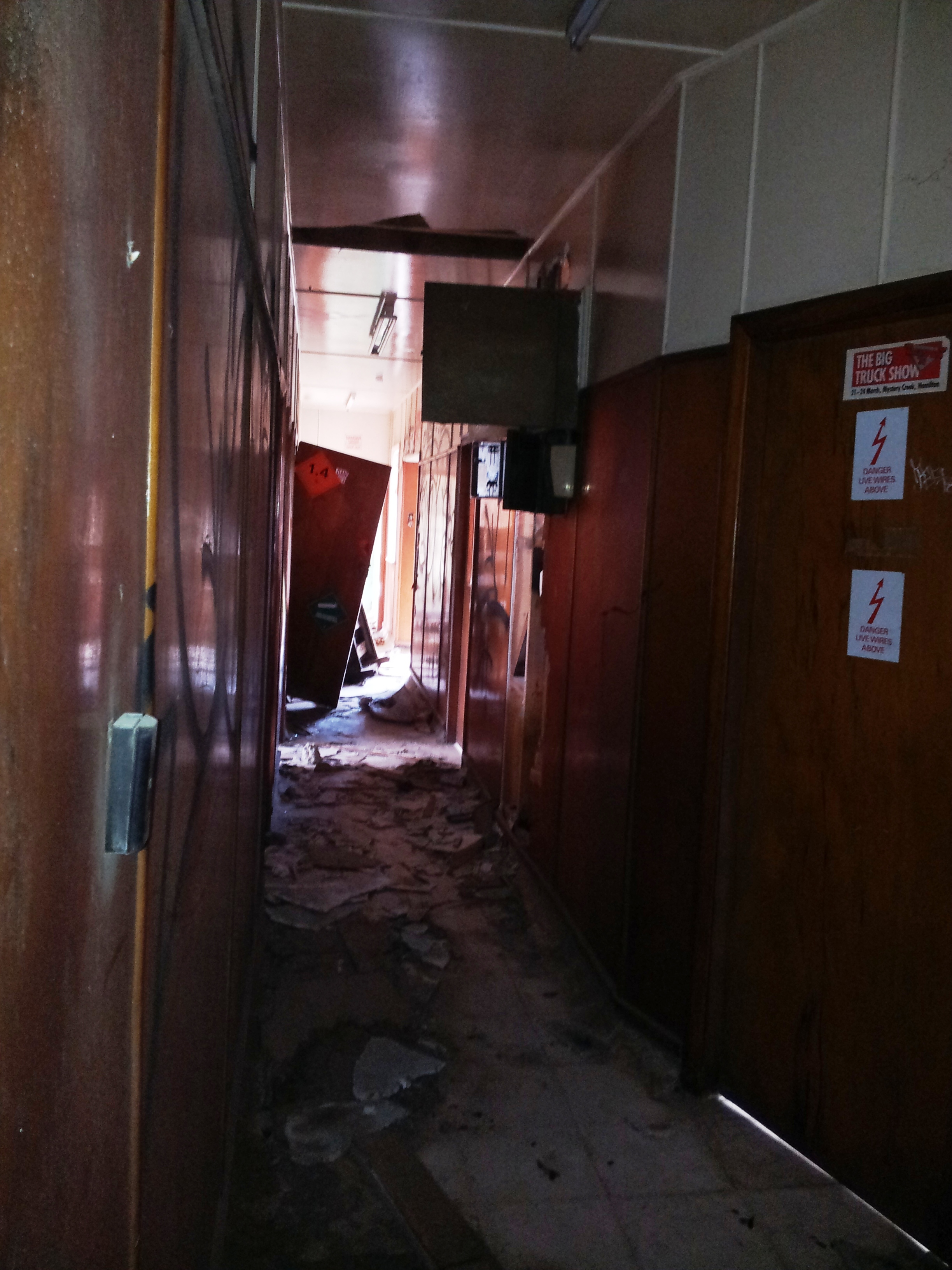
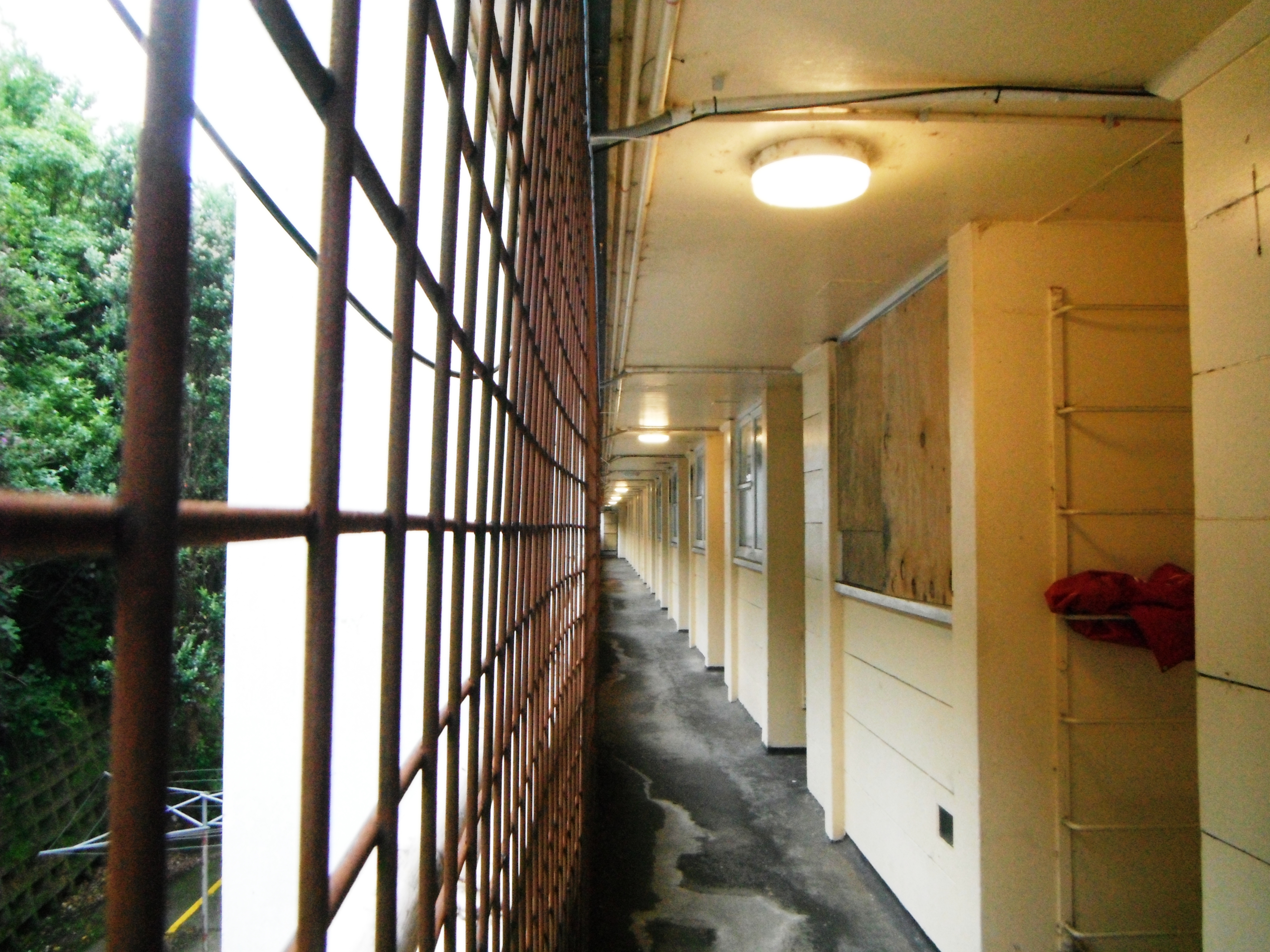
Recently abandoned in central wellington (to much dismay) these flats are apparently so earthquake prone that a large man falling over in one of the rooms could have initiated a serious structural failure.



Year of the snake
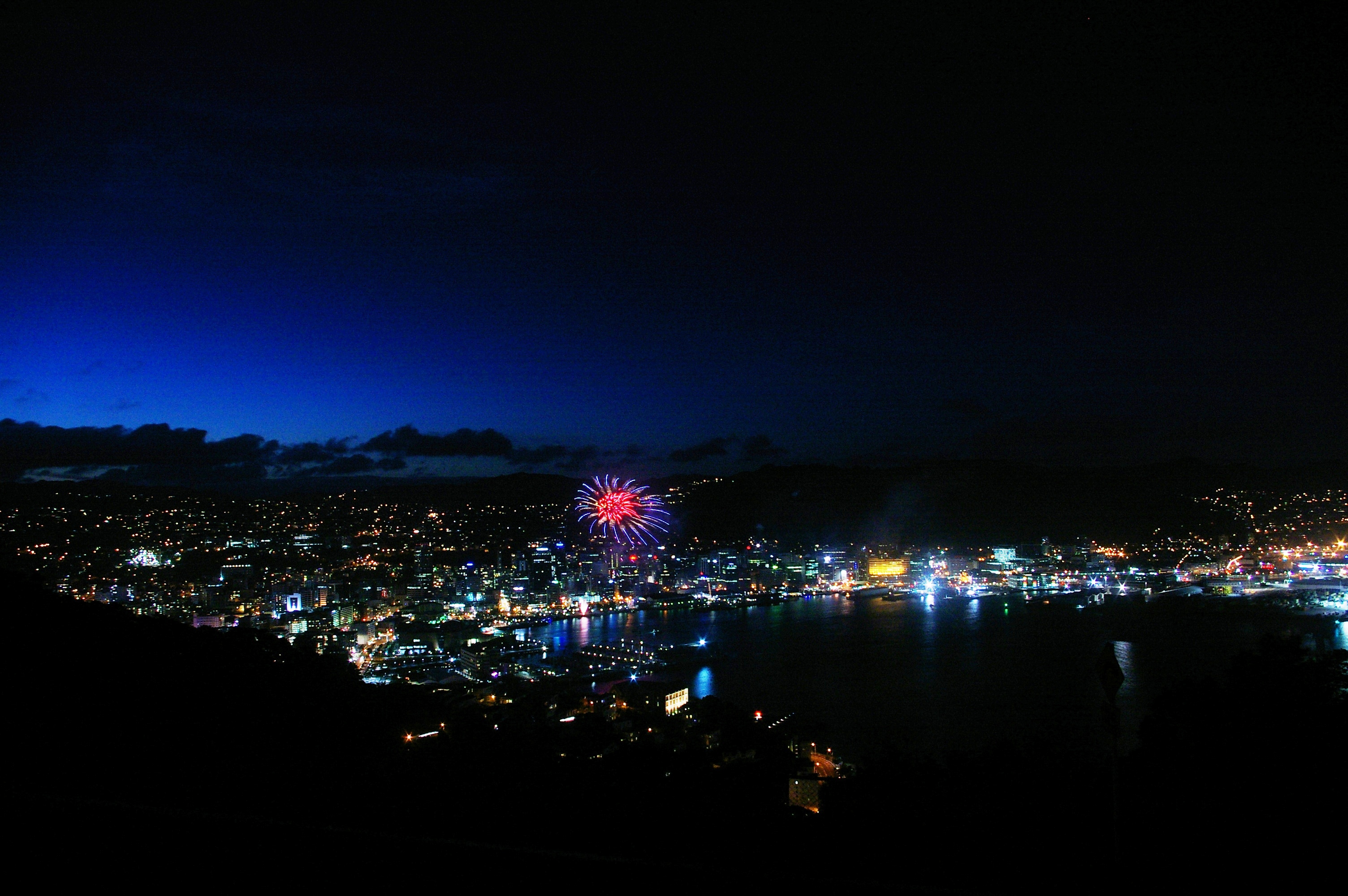
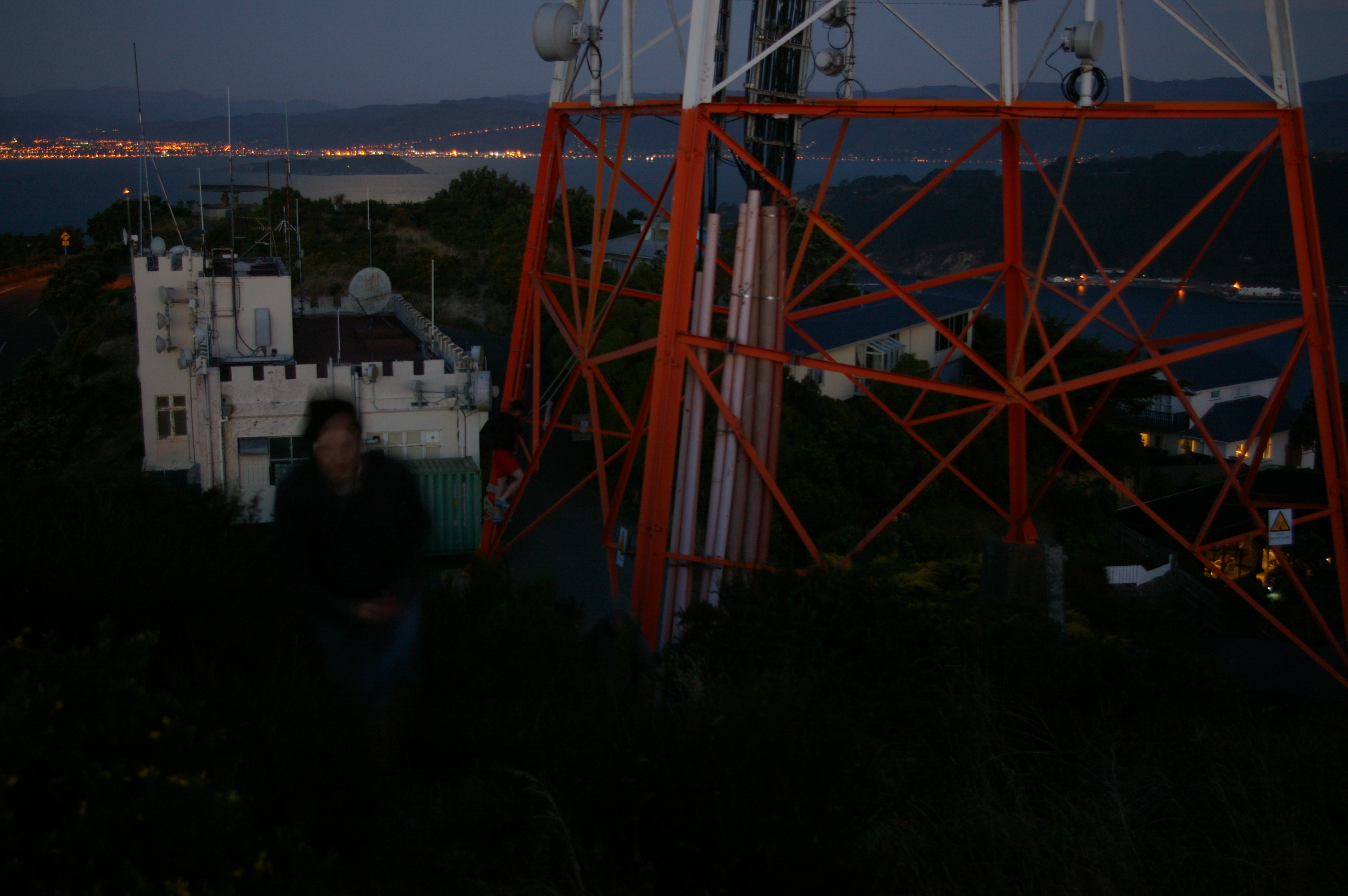
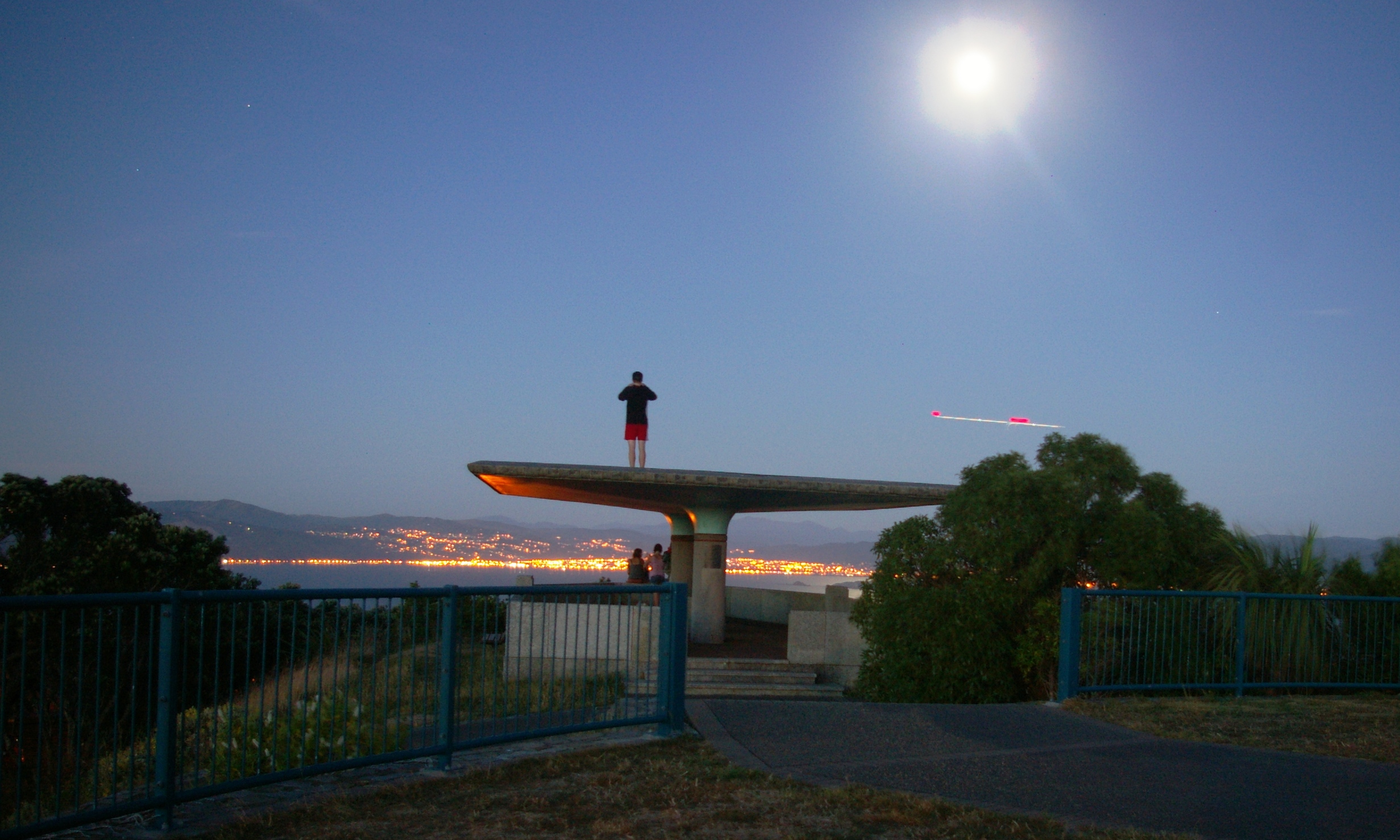
Fireworks celebrating the year of the snake and the climbing of various structures to view them.







Rooftopping

A pic from the field 🙂
Skate Park
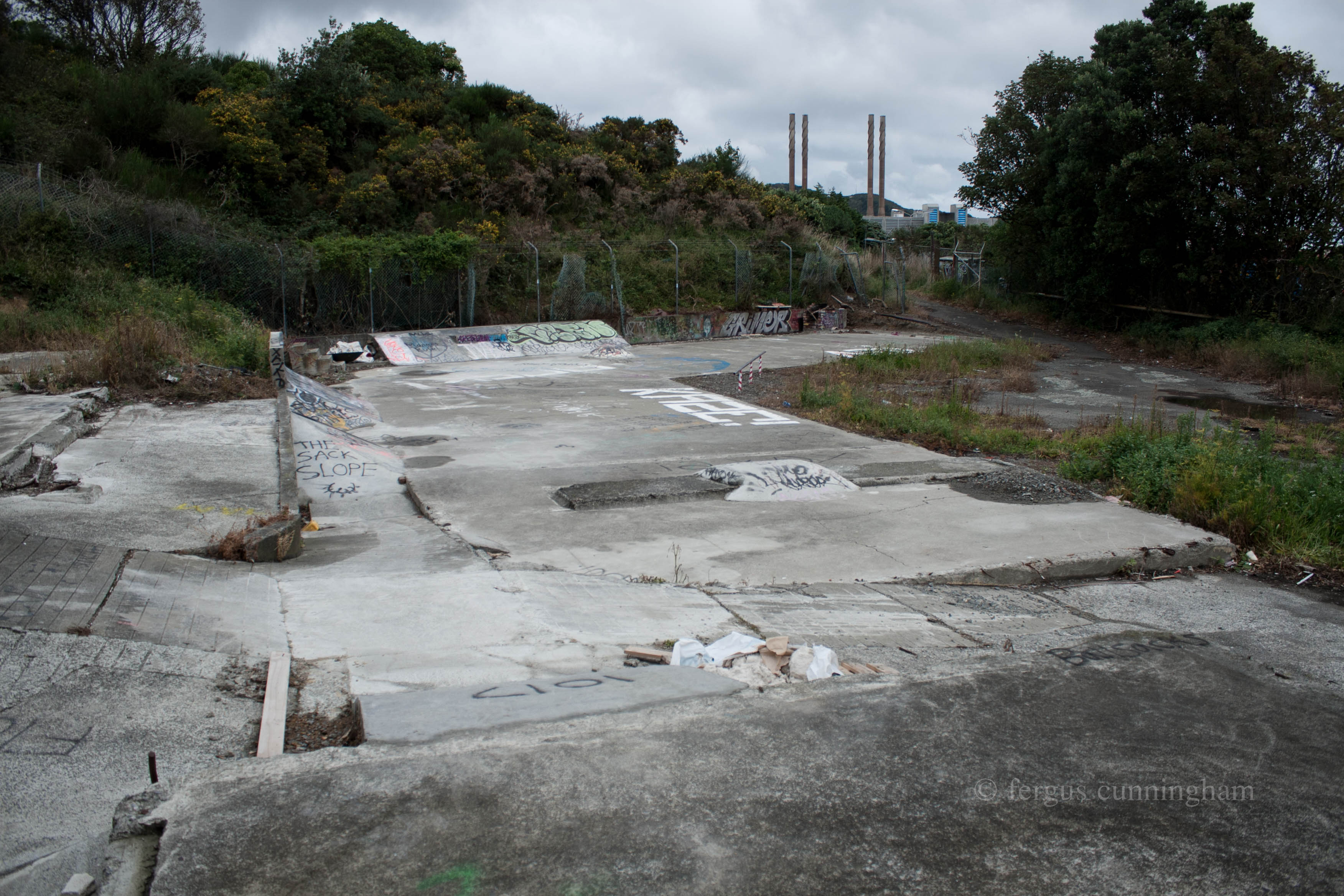
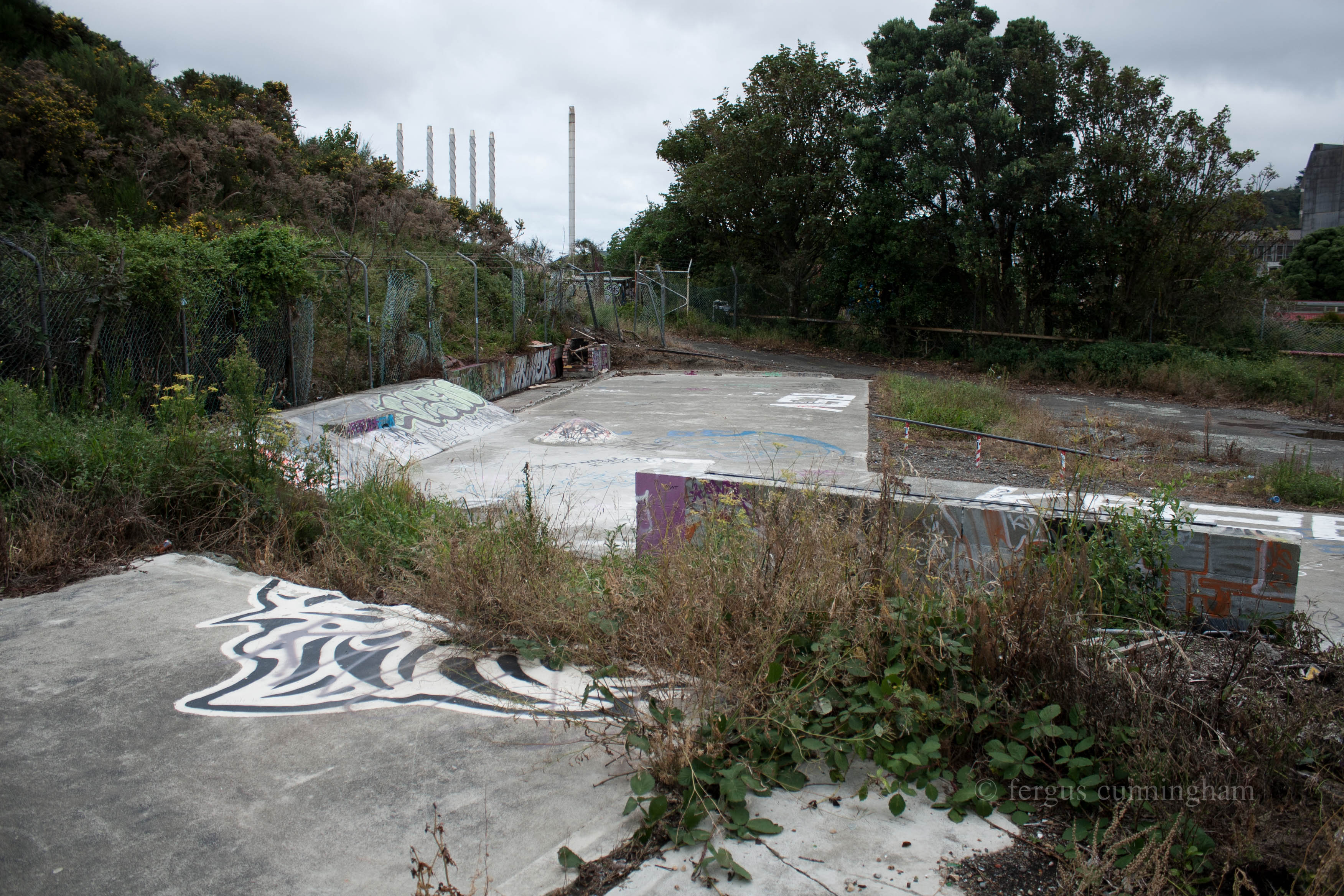
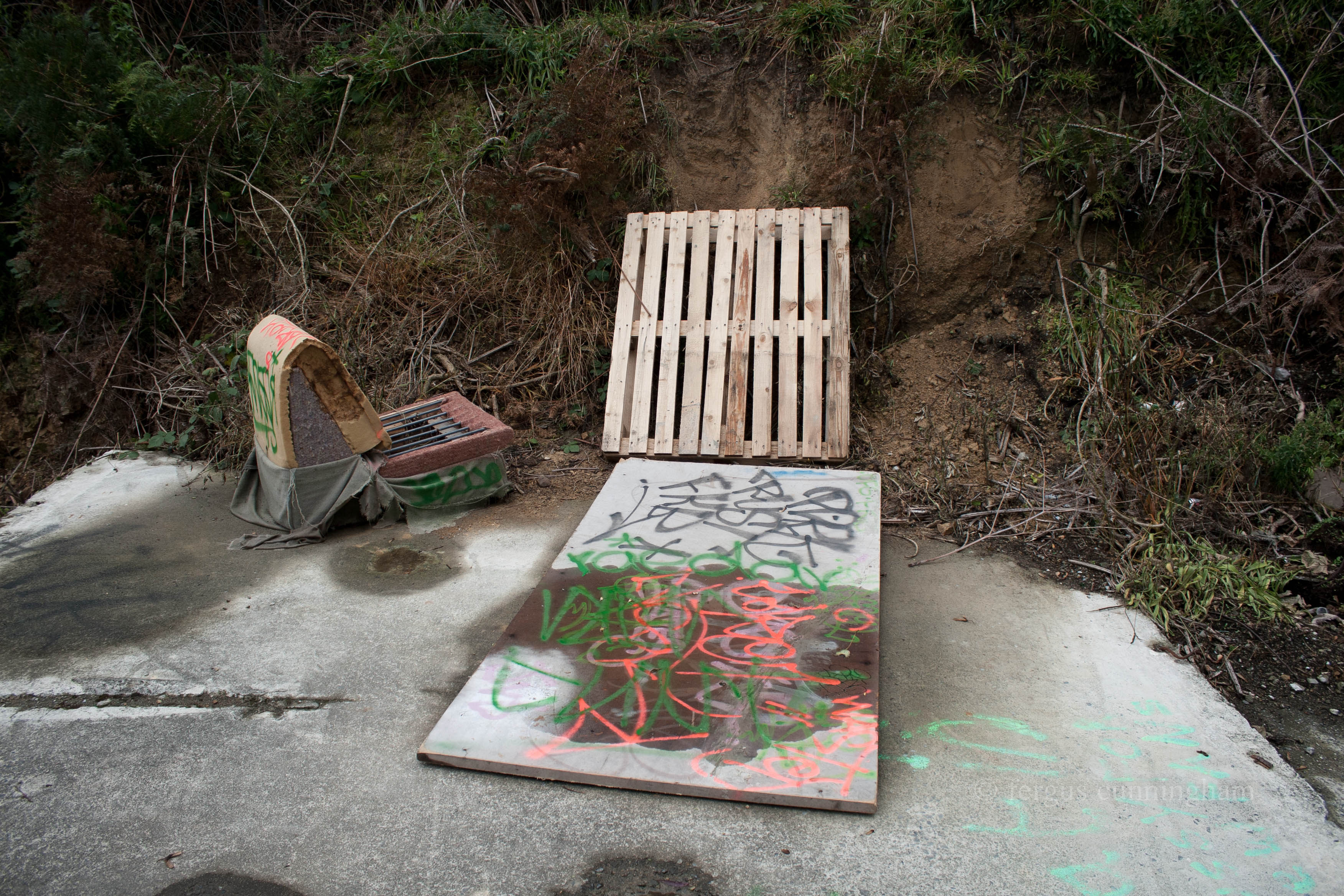
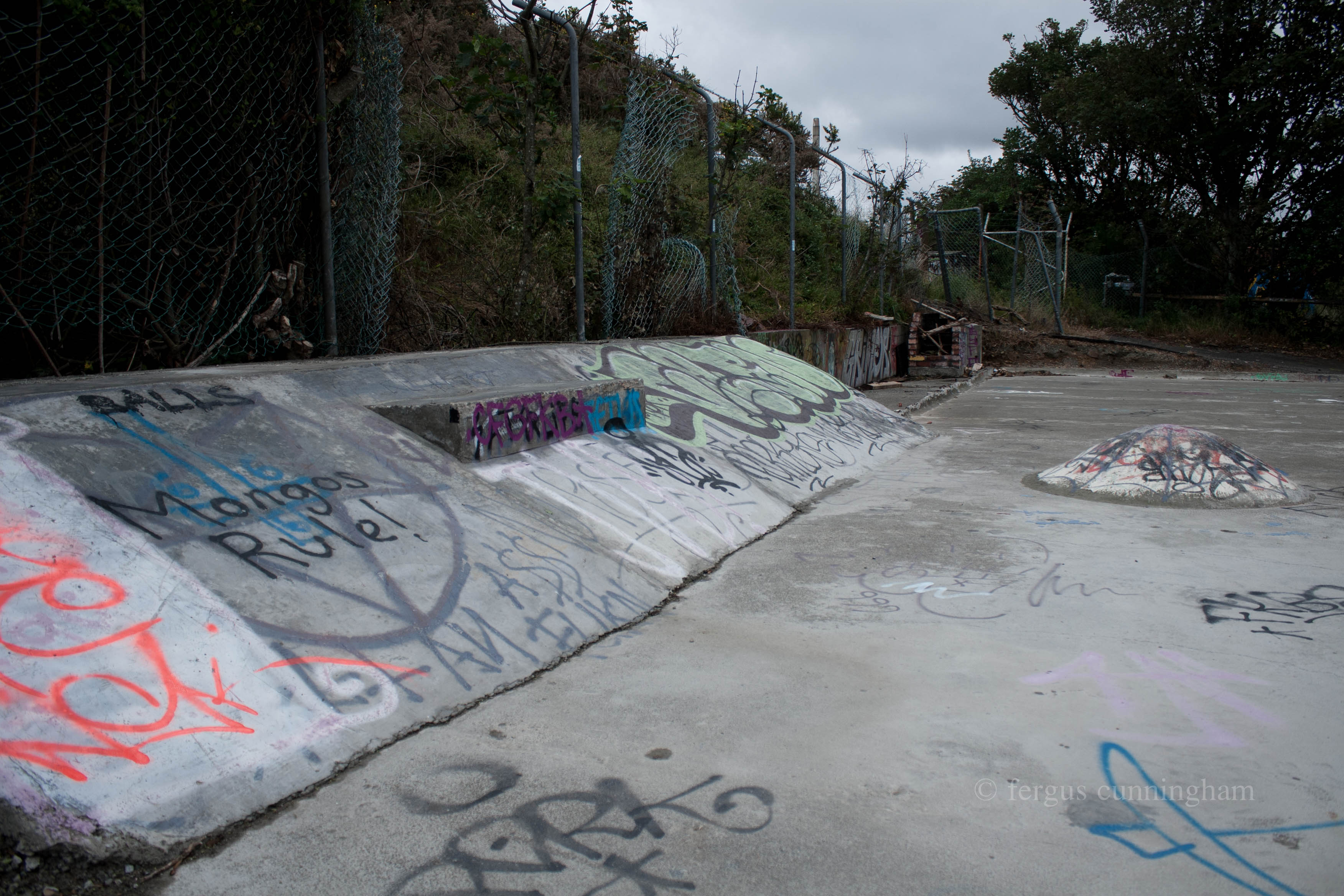
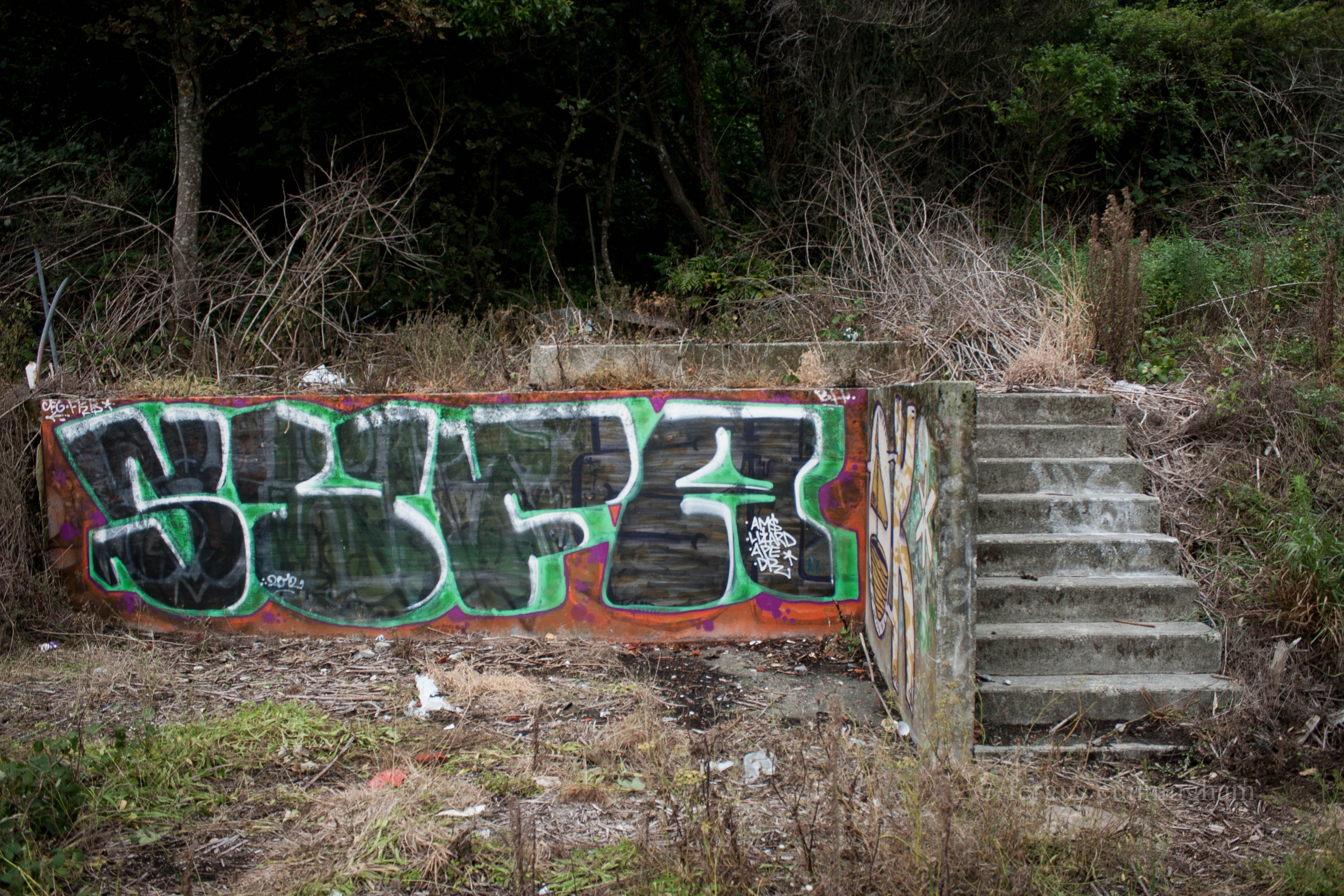
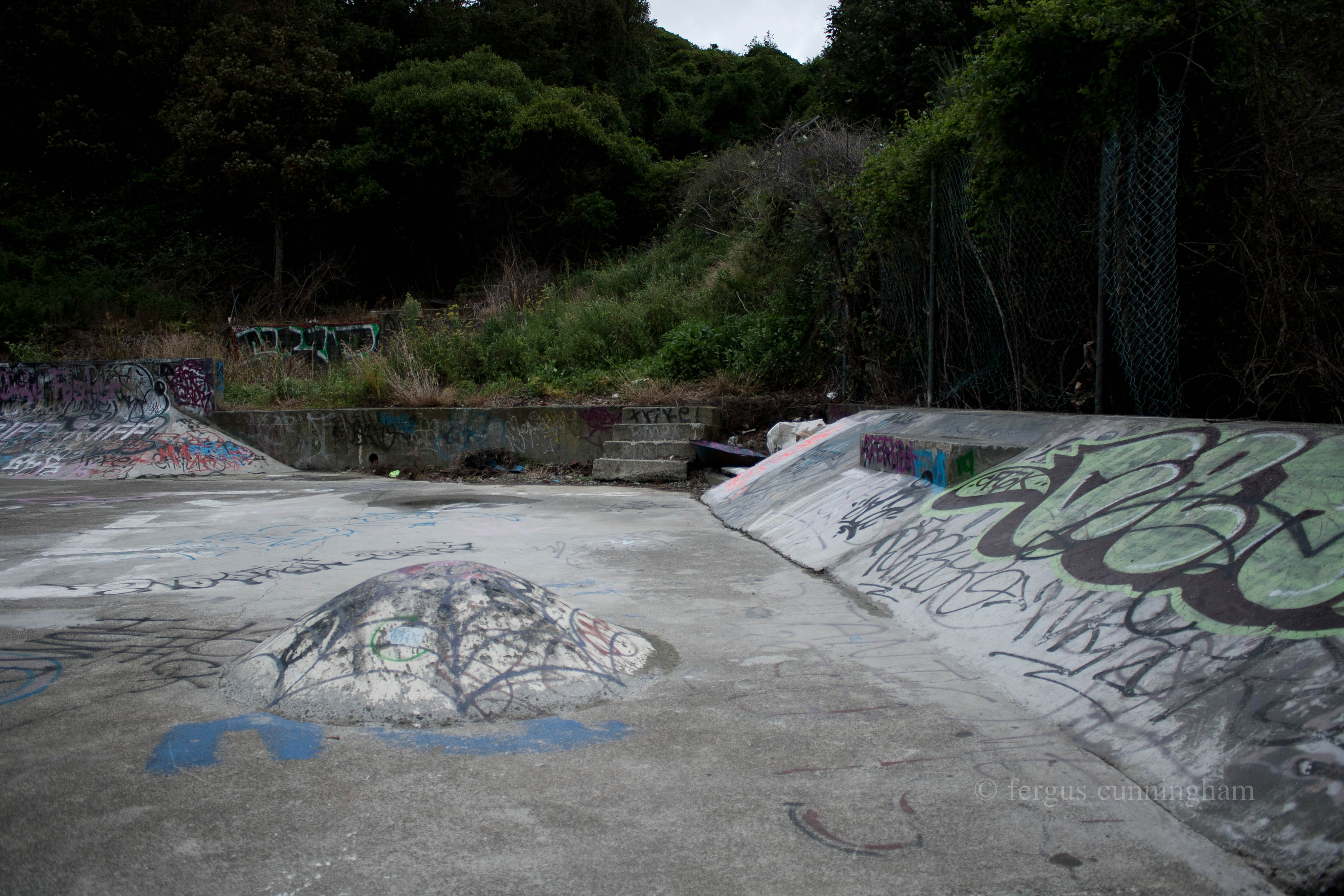
An abandoned skate park in Wellington. These series of images were featured on the exellent Weburbanist last year, in a feature called “Boarded Up: 15 Rad & Gnarly Abandoned Skate Parks”. Check the article out here…



 U R B E X C E N T R A L
